#stone
Art the community tagged “stone” — see what people make of it.
No posts tagged “stone” yet.
Oorlogsmonument Wassenaar by Joop Veldheer, 1952
Wassenaar · wikidata.org
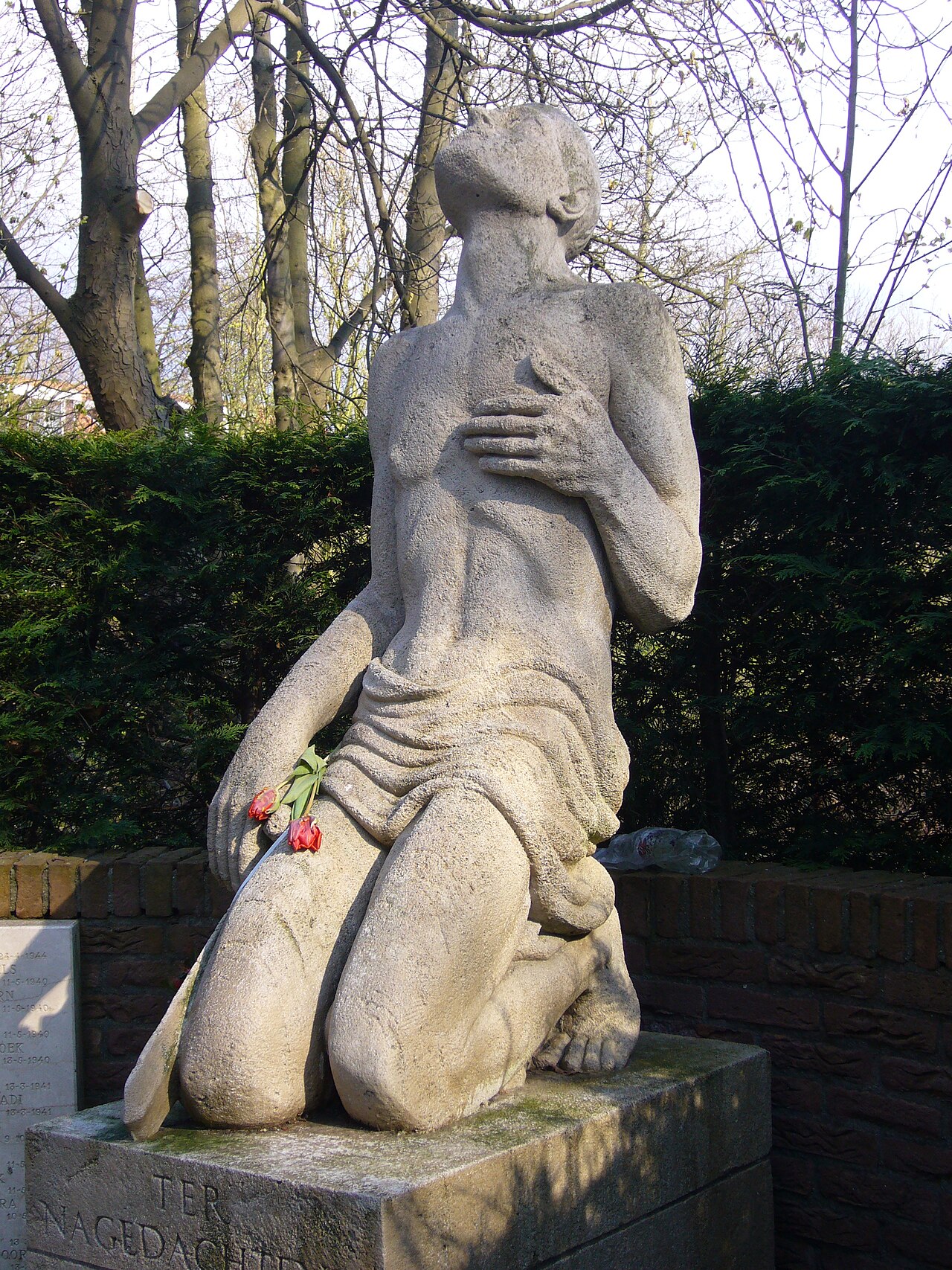
A village war memorial from a few years after the occupation ended, with the local dead listed alongside. I couldn't find who pushed for it or how it got paid for. Plenty of Dutch towns raised theirs by public collection in those years, but I don't know that this one was.
Tempel by Ulrich Rückriem, 1987
Switzerland · wikidata.org
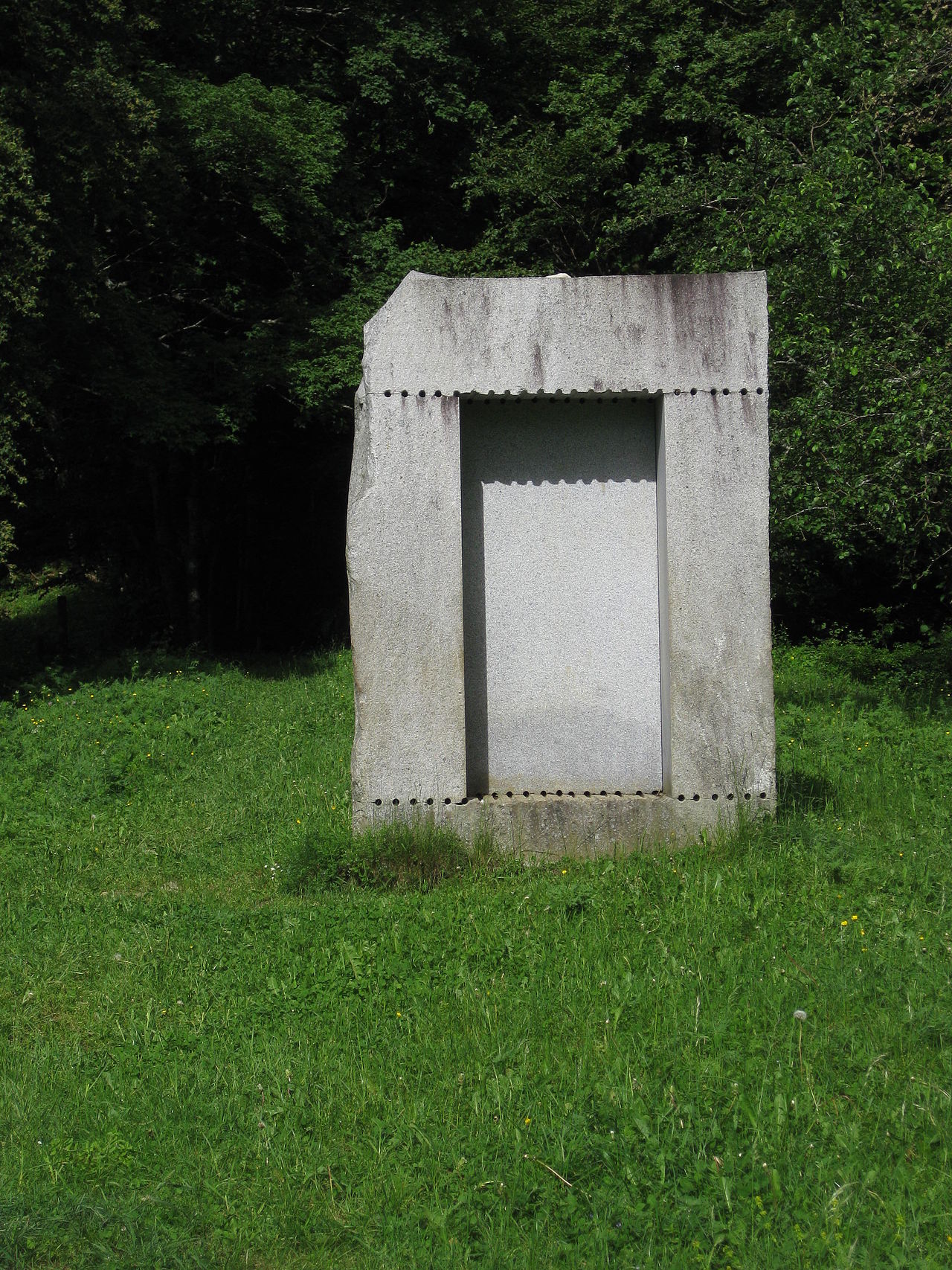
From what I could find, the way he works is to have a big block of granite quarried and split, then stand it back up with the drill marks left in plain sight — you're meant to be able to tell it was taken apart and put together again. This one sits outdoors in Switzerland. I couldn't find out who asked for it, or why it got the name it did.
Today, Tomorrow, Forever by Kari Cavén, 1992
Norway · wikidata.org
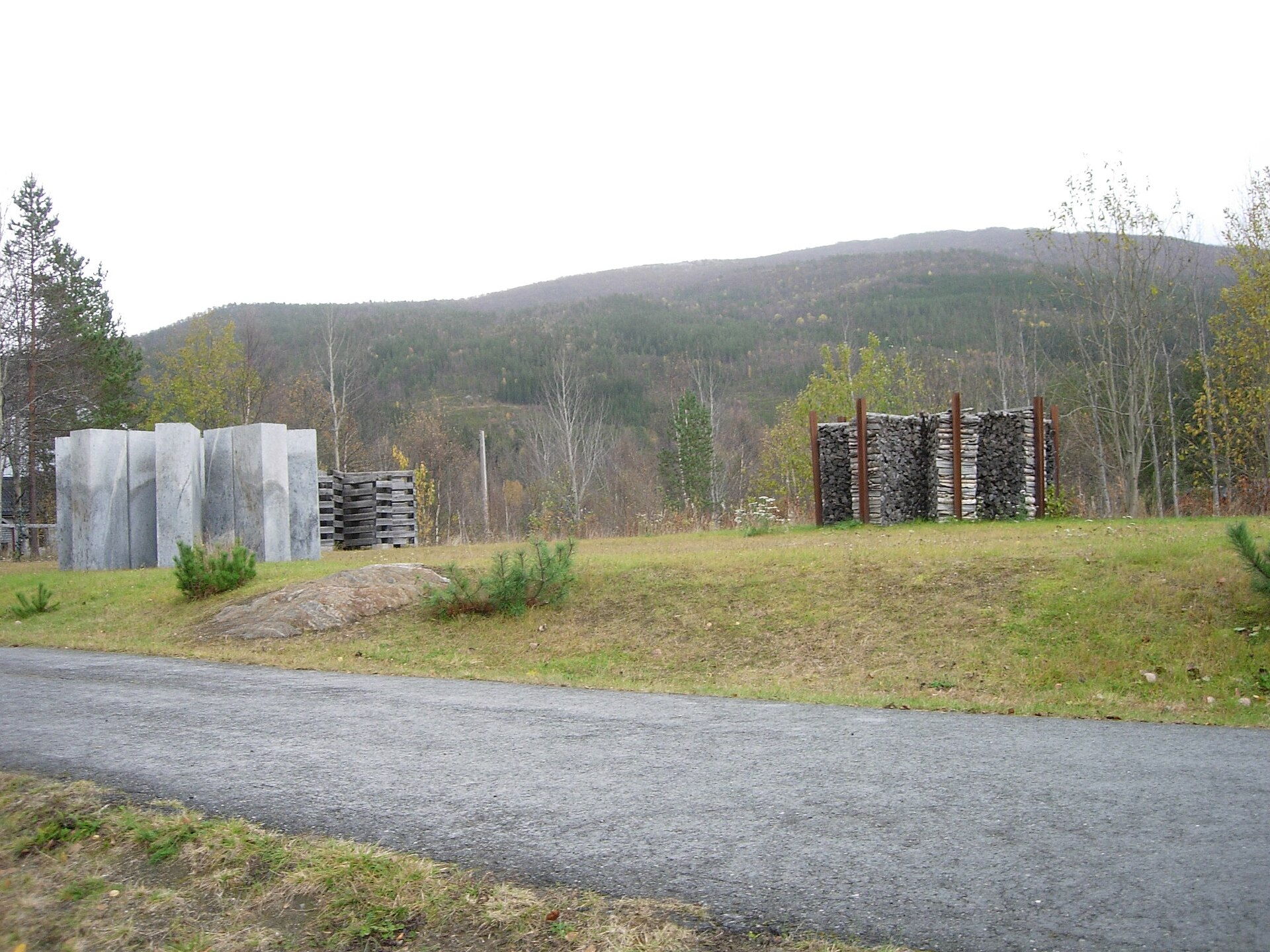
I couldn't find much written about this one at all. The three lots of material look like the point — one that'd rot, one that'd shift, one that'd still be sitting there in a century — which would explain the title. It comes out of the same county-wide scheme as a lot of sculpture up there: put outdoors, next to roads, where people who weren't looking for it run into it anyway.
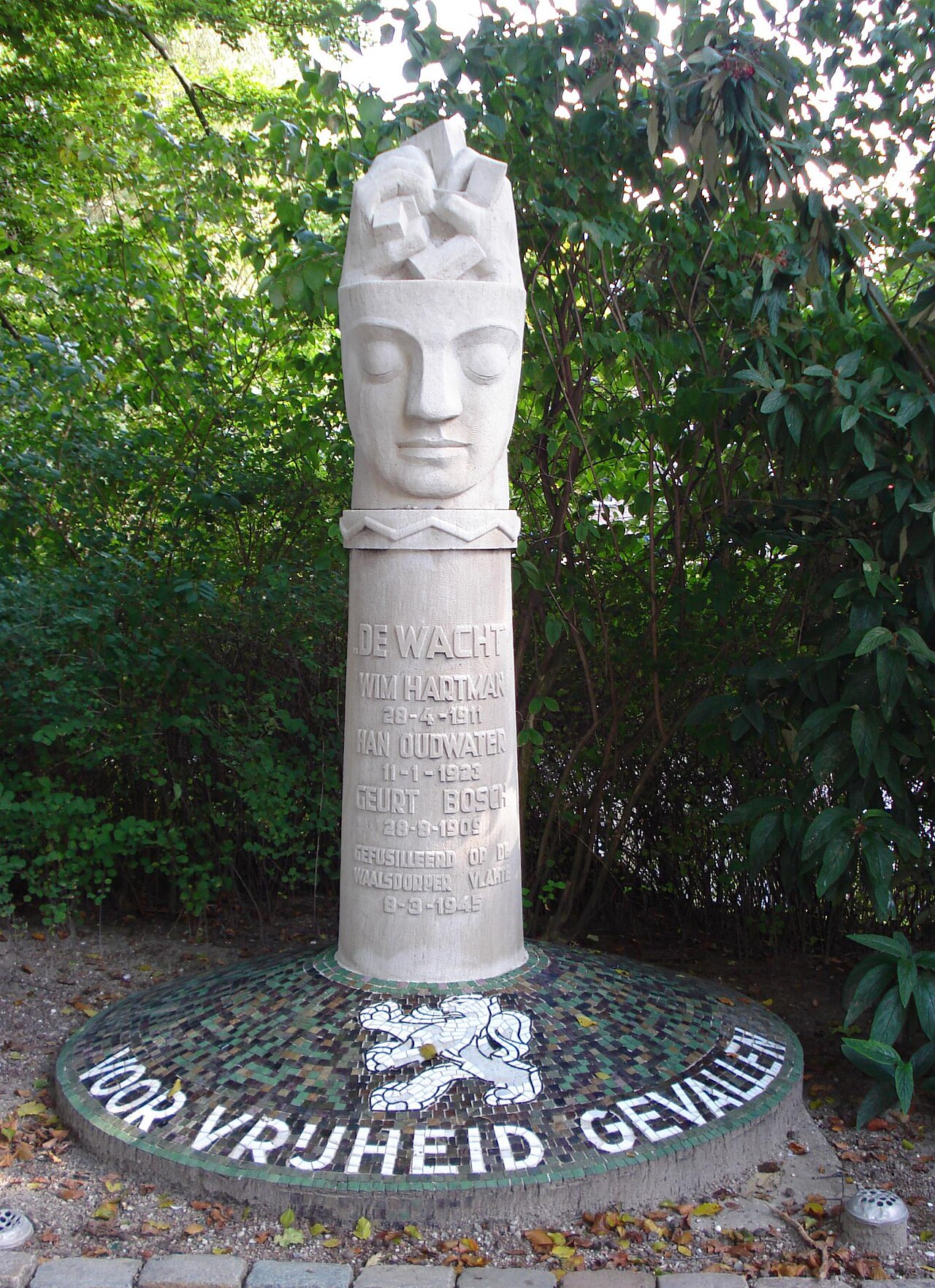
Monument De Wacht by Louis van Roode, 1947
Crooswijk General Cemetery · wikidata.org
Public domain
It's for three men who were shot in the dunes at Waalsdorpervlakte in March 1945, a couple of months before it was all over. They say it went up two years after that, in the stretch when towns across the country were commissioning memorials about as fast as anyone could carve them.
Heimkehrerdenkmal by Wilhelm Wurzer, 1976
Austria · wikidata.org
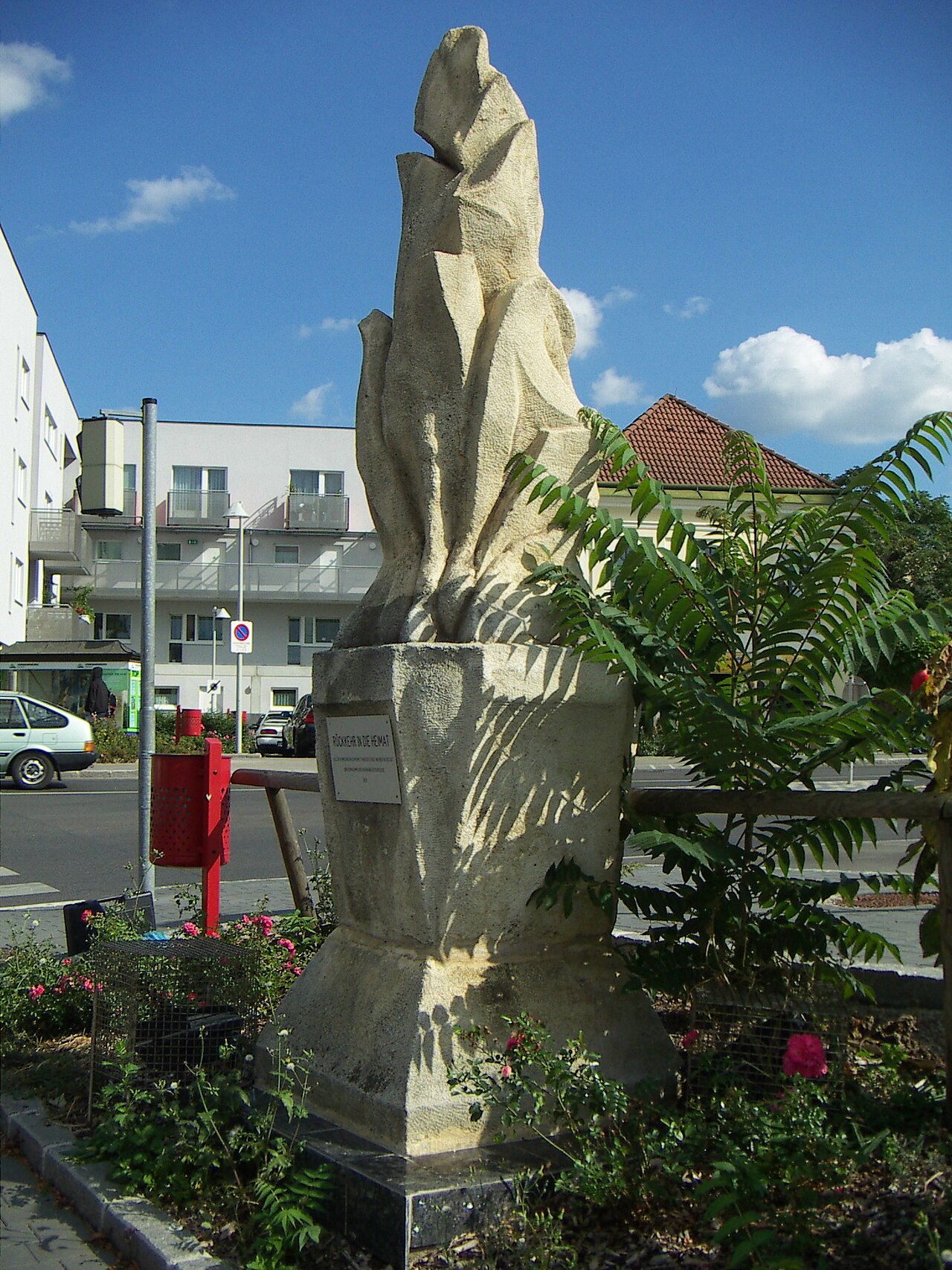
Public domain
The Blue Stone by Asbjørn Andresen, 1993
Norway · wikidata.org
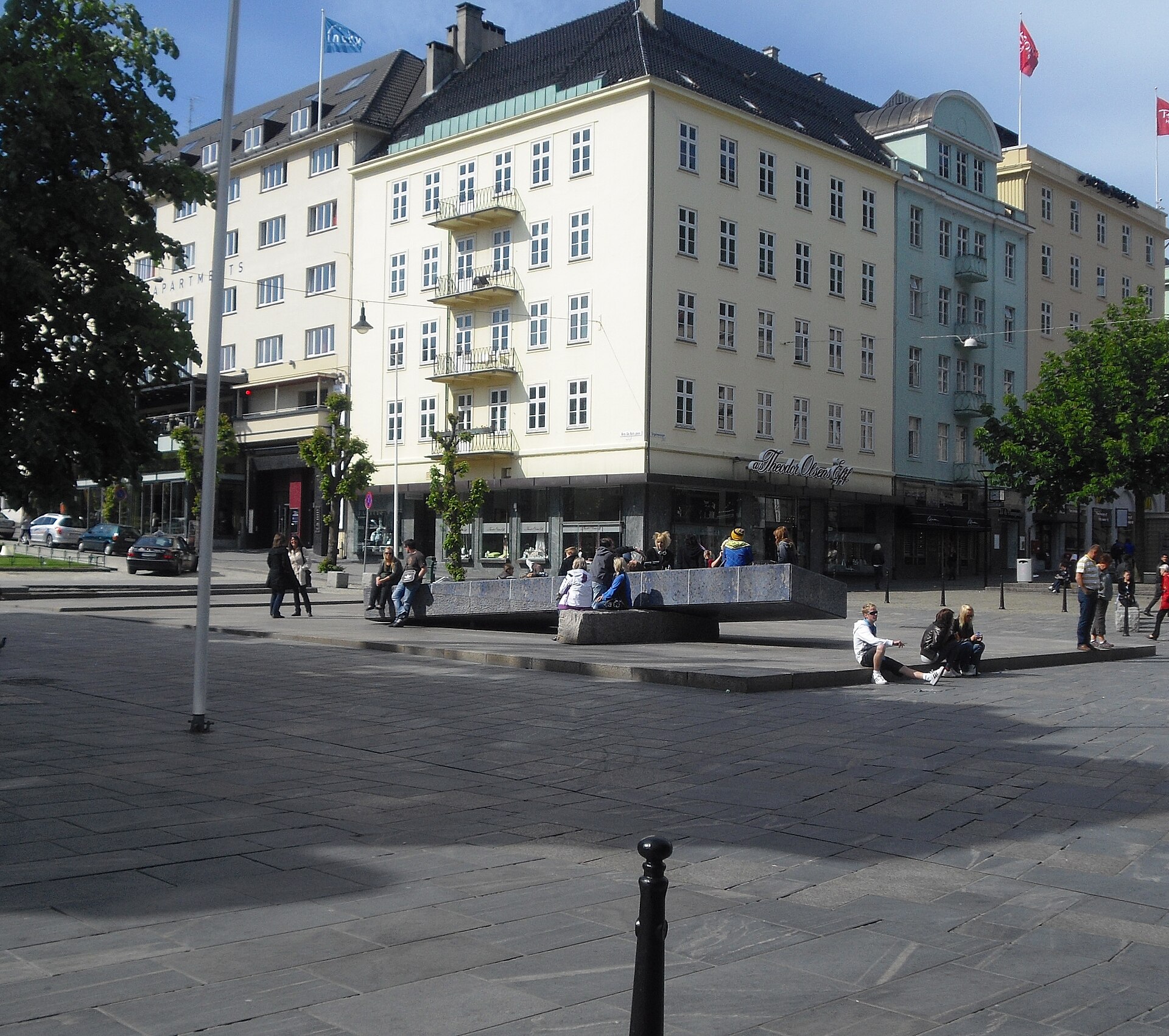
Public domain
Wikipedia says it's nine metres of Brazilian sodalite, propped up on a block so the whole thing leans. The bit everyone seems to agree on is that it became the place people arrange to meet — 'see you at the blue stone' — which as far as I can tell nobody planned.