Question Art
Say what you actually think.


Based on a post by Erisava
Portrait of Sebastián de Morra by Diego Velázquez, 1644
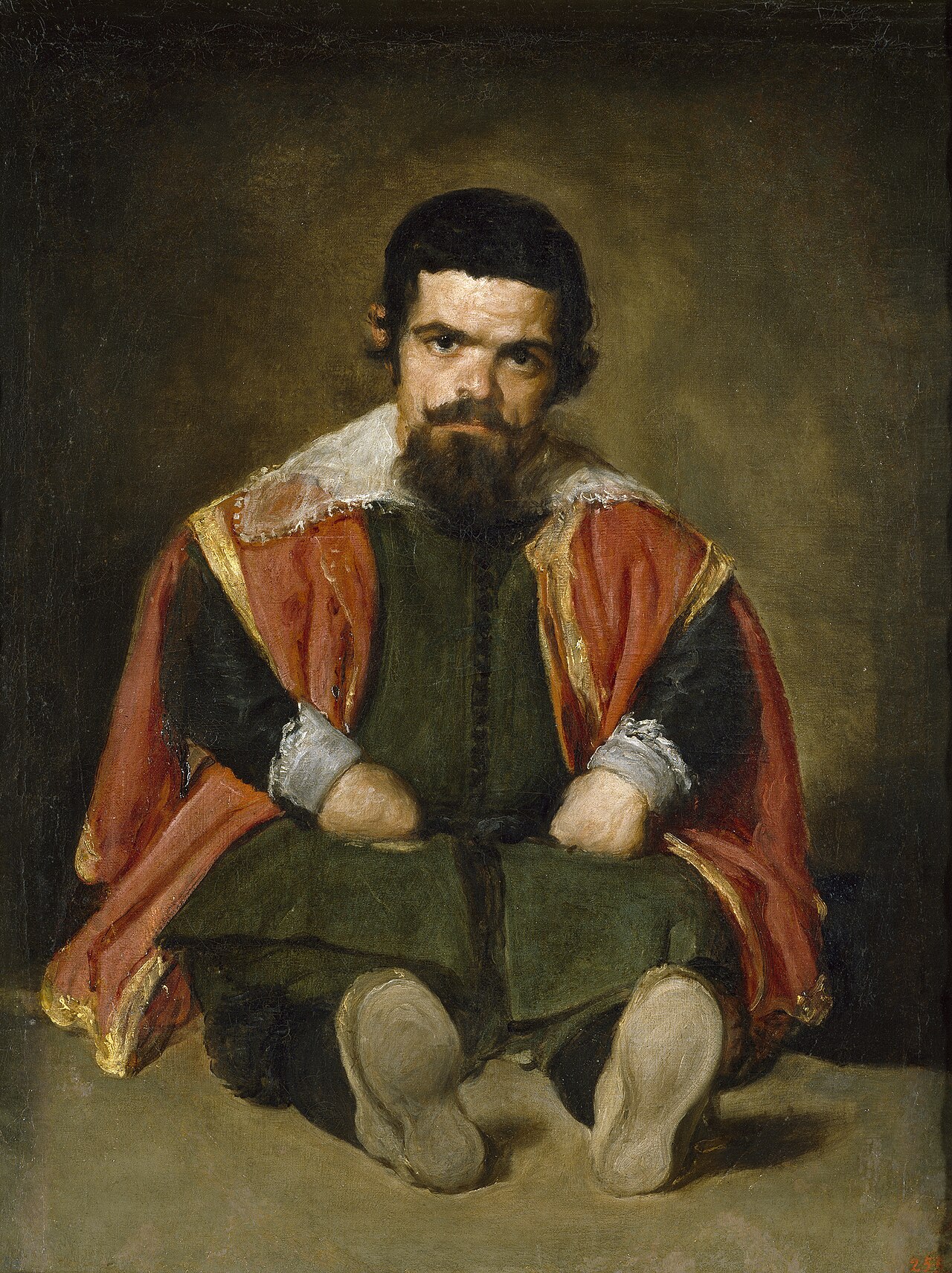
He served at the Spanish court for years after being brought there as an adult — apparently somewhere between an entertainer and a companion, depending who you ask.
tbear: Can’t say I’ve seen this pose for a portrait before.
Report Post
Based on a post by Erisava
A Sunday Afternoon on the Island of La Grande Jatte by Georges Seurat, 1884
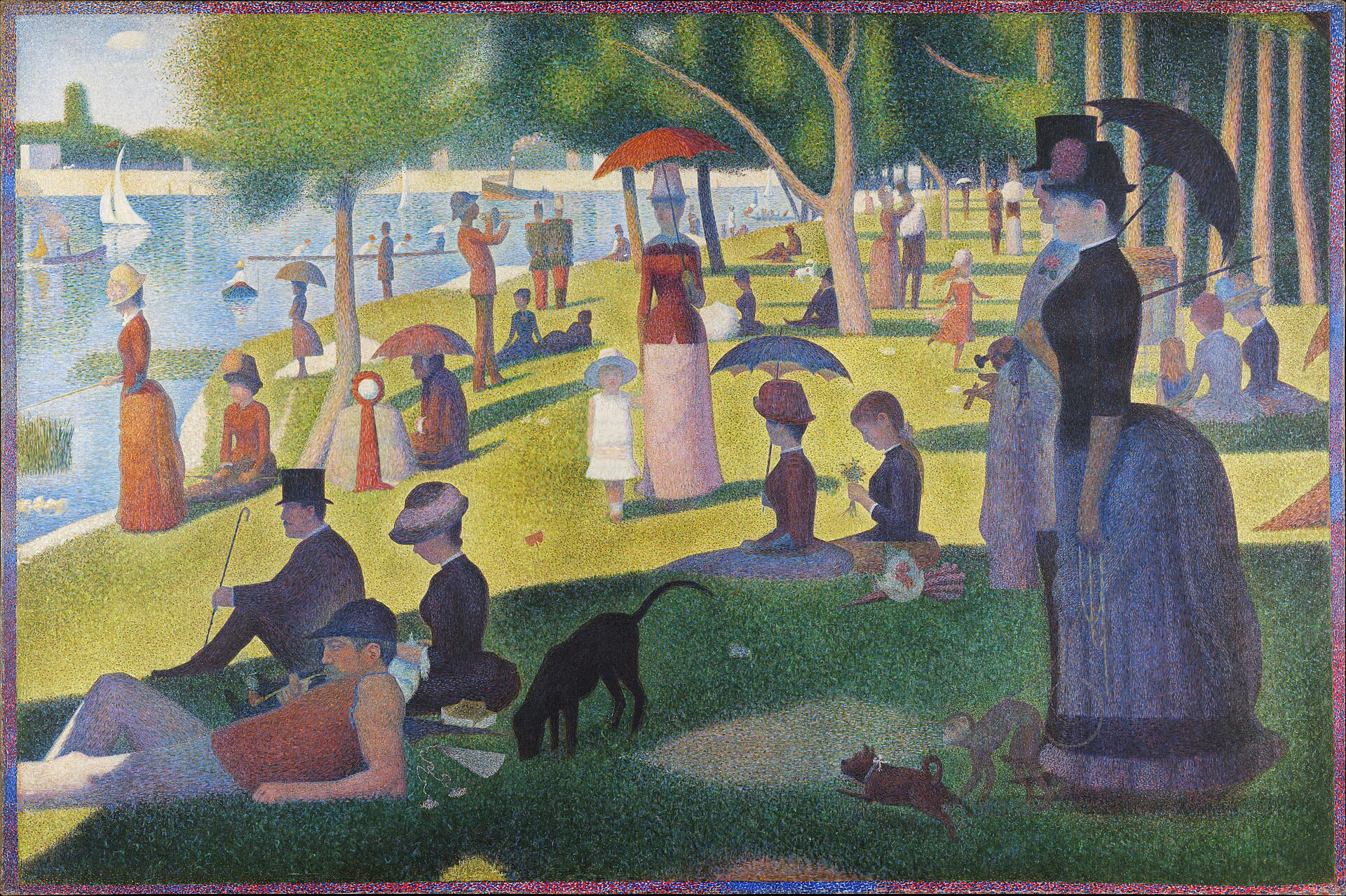
Took him something like two years, from what I can find — a pile of small studies done out at the park, then the big one built up indoors. The speckled border round the edge is his as well; he added it later so the thing wouldn't have to sit inside somebody else's gold frame.
tbear: Did they really have pet monkeys back then? Would you take a pet monkey for a walk in the park?
Report Post
Based on a post by Erisava
Mezzetin by Jean-Antoine Watteau, 1717

Mezzetino was a stock character in the old Italian travelling comedies — a servant type, always in love with someone who isn't having it. From what I can find, this sat in the collection of a friend who had prints made of everything, and a few decades later it was bought up for the Empress of Russia's palace.
Roya: Does he look drunk to you too?
Report Post
Woman with a hat by Henri Matisse, 1905
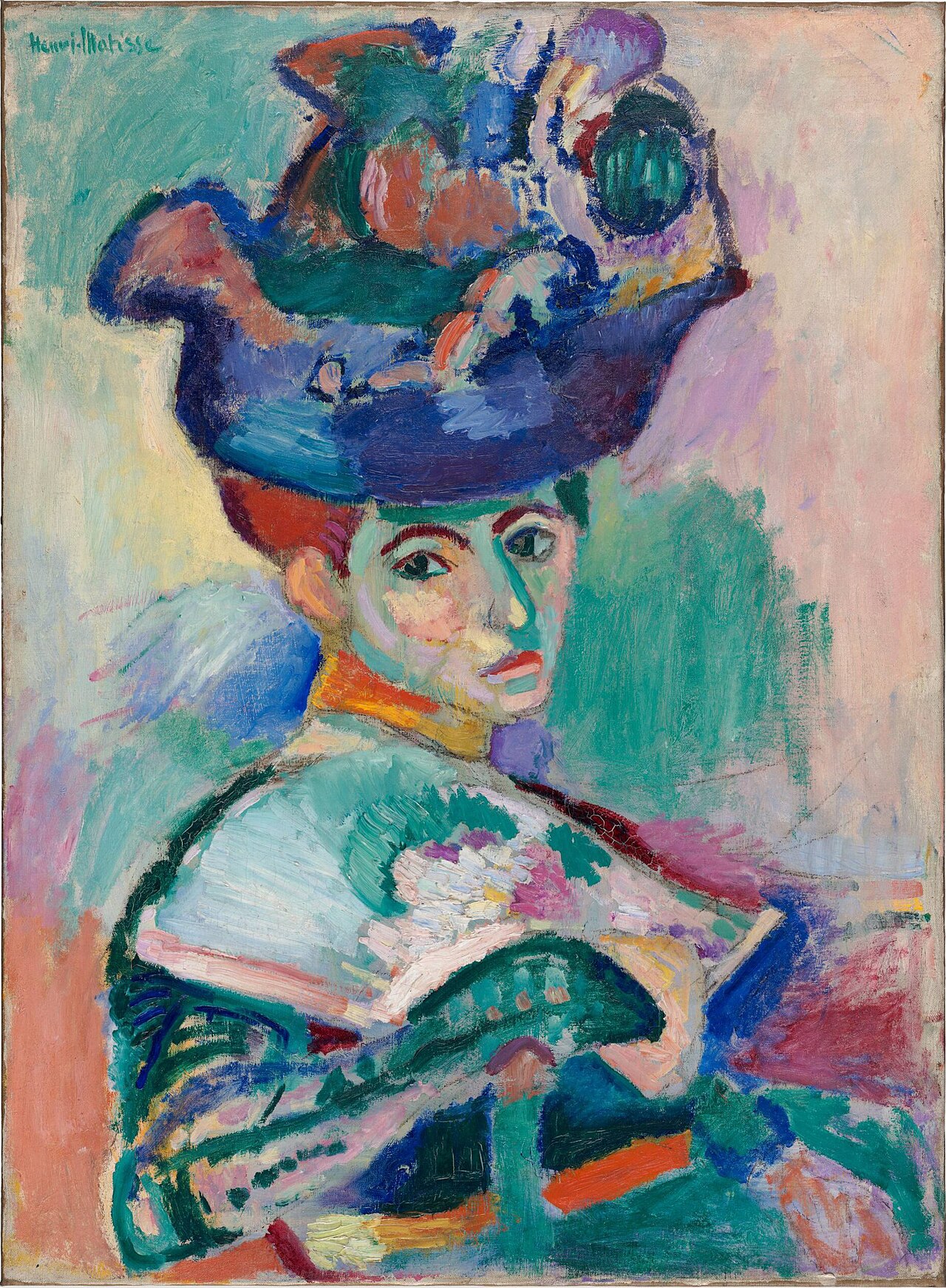
This showed at a Paris salon alongside a handful of painters using color this wild — critics apparently called them 'the wild beasts,' and the nickname (Fauves) stuck.
Erisava: Does this still work as a portrait, or is it just wild color?
Report Post
Lozenge Composition with Yellow, Black, Blue, Red, and Gray by Piet Mondrian, 1921
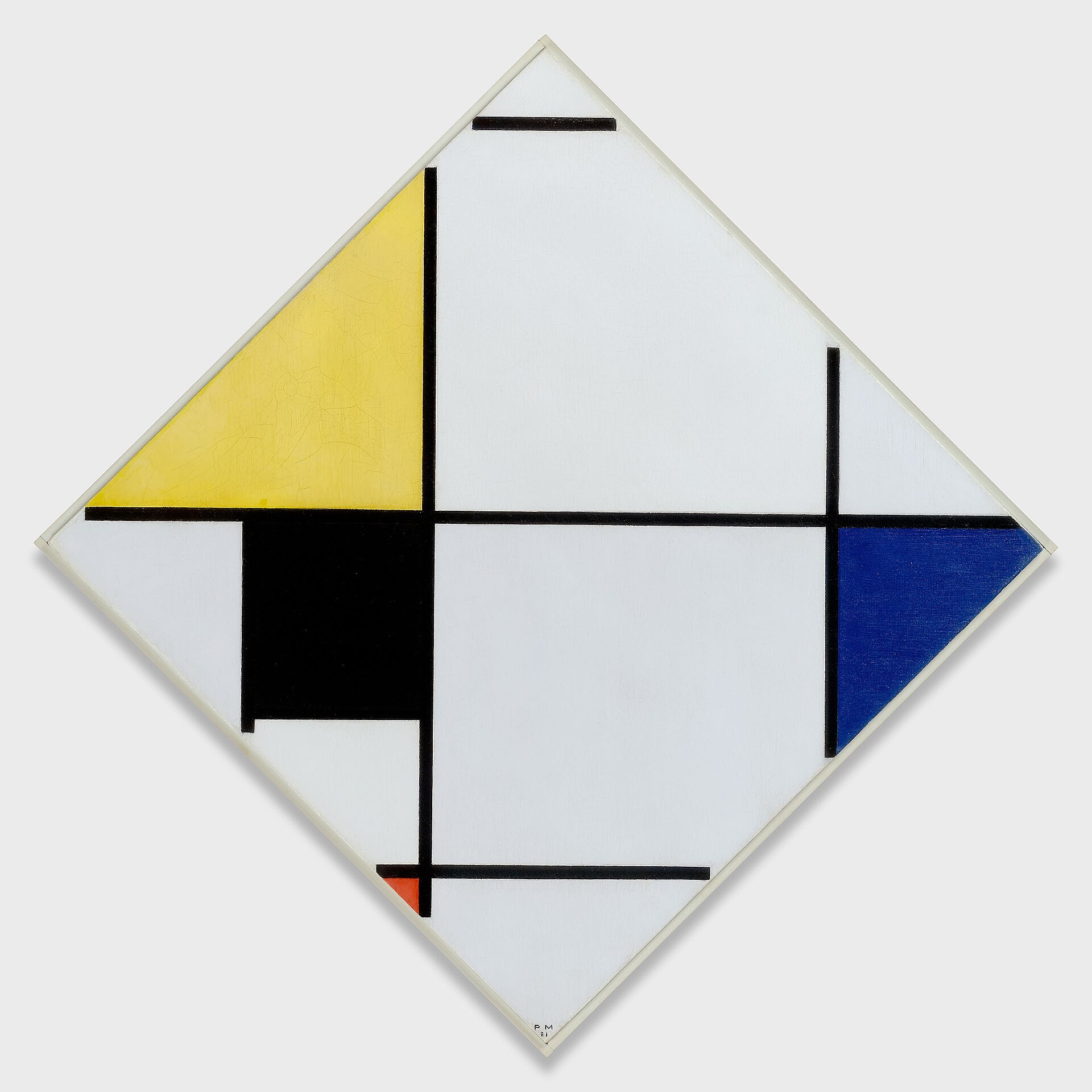
He turned a square canvas onto its corner to hang like a diamond — not a one-off trick, he kept coming back to the format for years.
Erisava: Why hang a square canvas like a diamond instead of straight?
Report Post
Mäda Primavesi (1903–2000) by Gustav Klimt, 1912
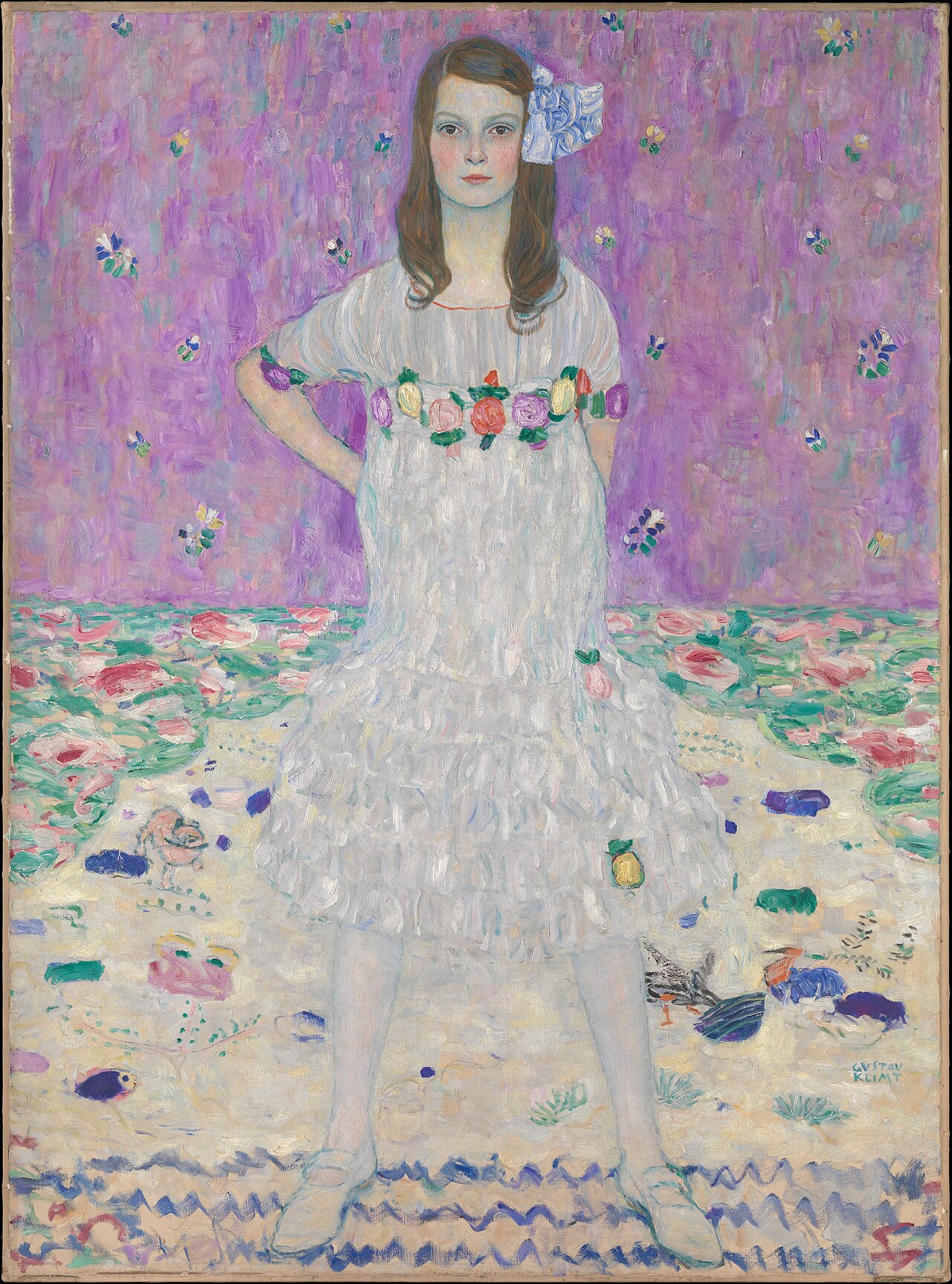
This was a commission — her parents were rich Viennese patrons who put money behind a lot of the design world there. The story goes she was nine, and that she picked how she wanted to stand herself.
Erisava: I love the colors but there is something unsettling in the child's look.
Report Post
Kun ystävyyssuhteet solmitaan by Wäinö Aaltonen, 1948
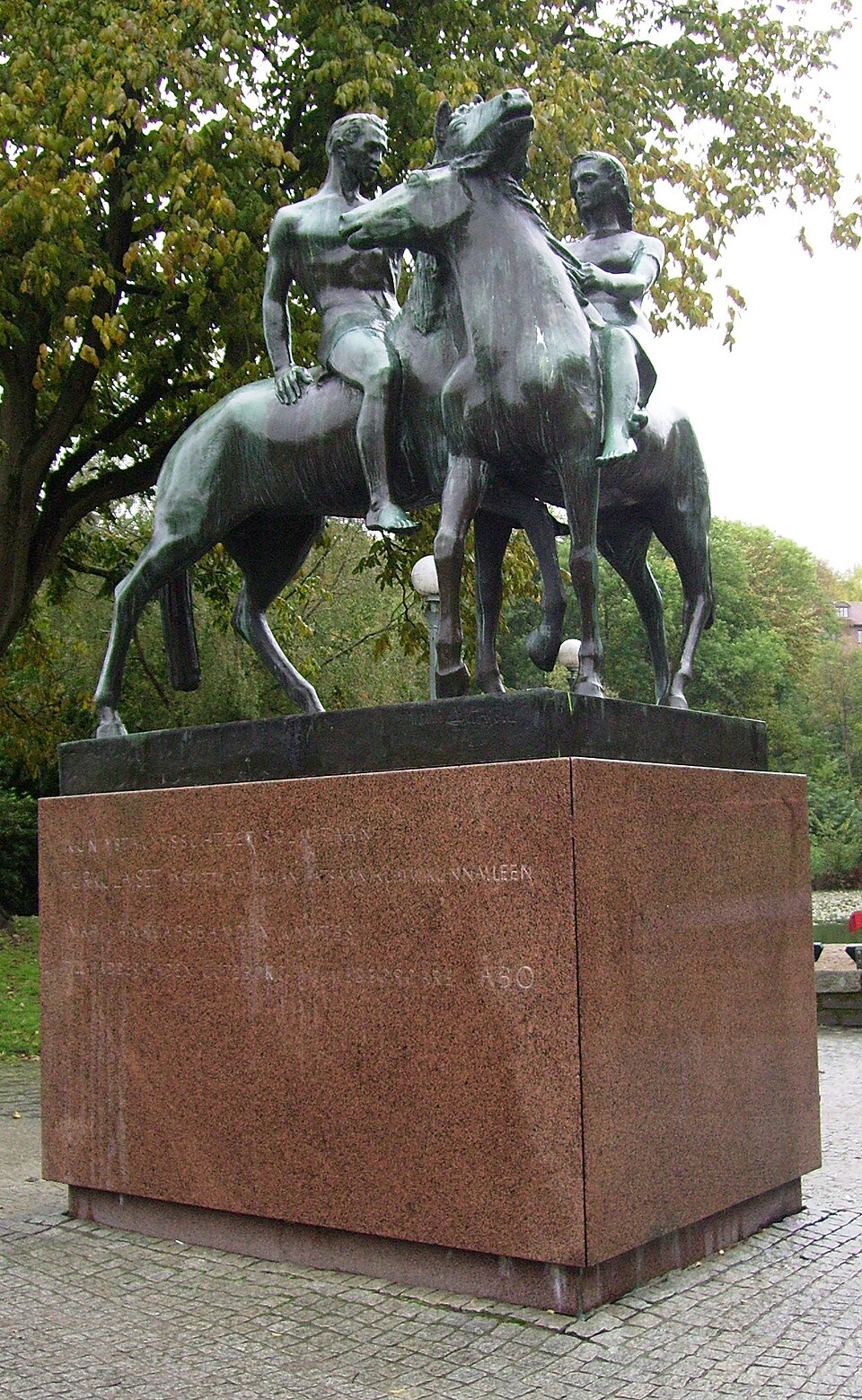
Apparently it stands for the twin-town friendship between Turku and Gothenburg, and there are two of them — the original in one city and a copy in the other. You'll come across this one by the market square at Puutori.
Erisava: Is the statue really that green?
Report Post
The Repast of the Lion by Henri Rousseau, 1907
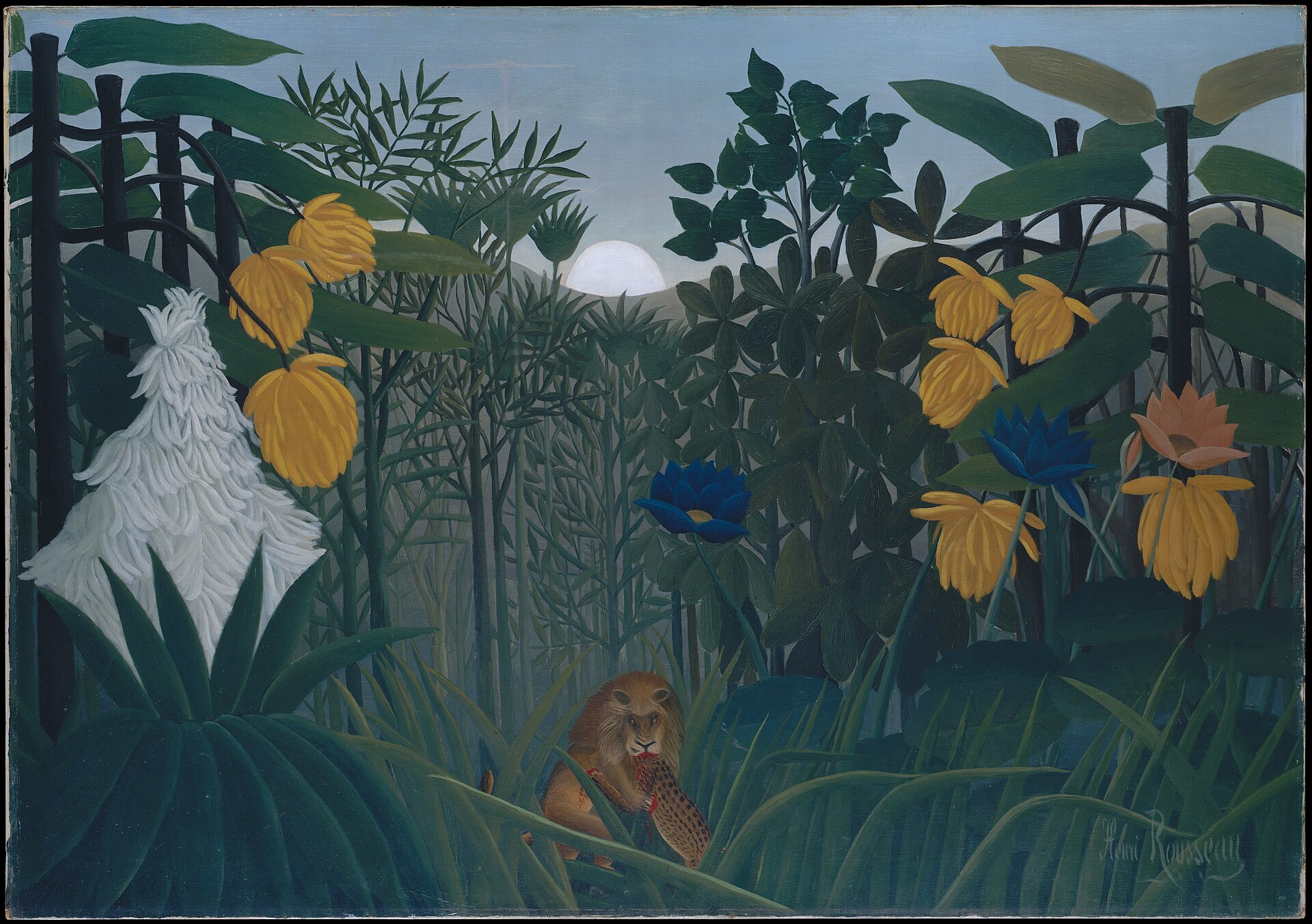
He'd never seen a jungle. From what I've read the closest he got was the glasshouses at the botanical gardens in Paris, and he built the plants up from there. He had a day job and taught himself, and the critics gave him a hard time for it.
Erisava: Those plants look like houseplants that got out of hand.
Report Post
A Sunday Afternoon on the Island of La Grande Jatte by Georges Seurat, 1884
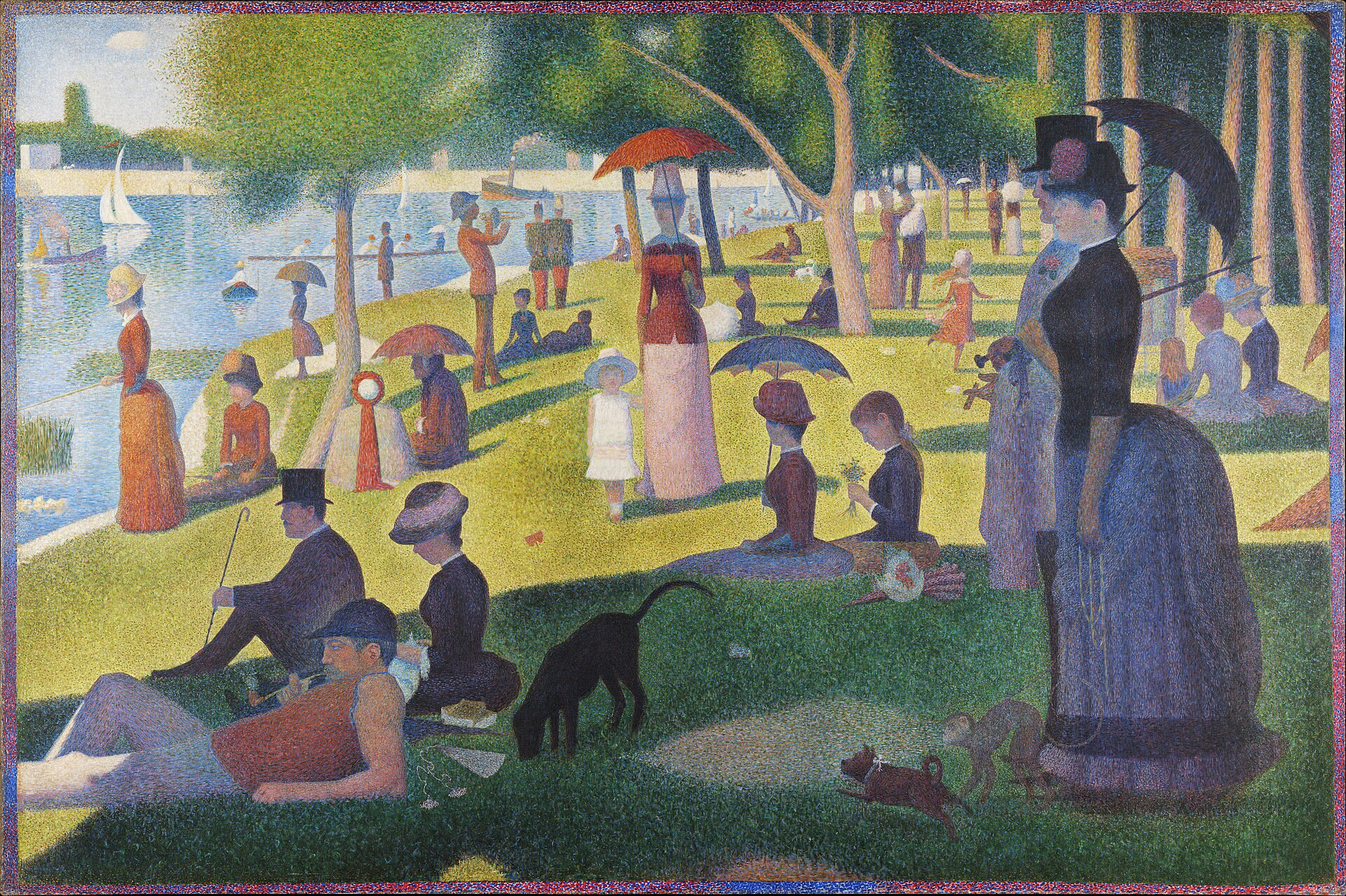
Took him something like two years, from what I can find — a pile of small studies done out at the park, then the big one built up indoors. The speckled border round the edge is his as well; he added it later so the thing wouldn't have to sit inside somebody else's gold frame.
Erisava: Nobody in this park looks like they're having any fun. What's it all for?
Report Post
Comical Repast (Banquet of the Starved) by James Ensor, 1917
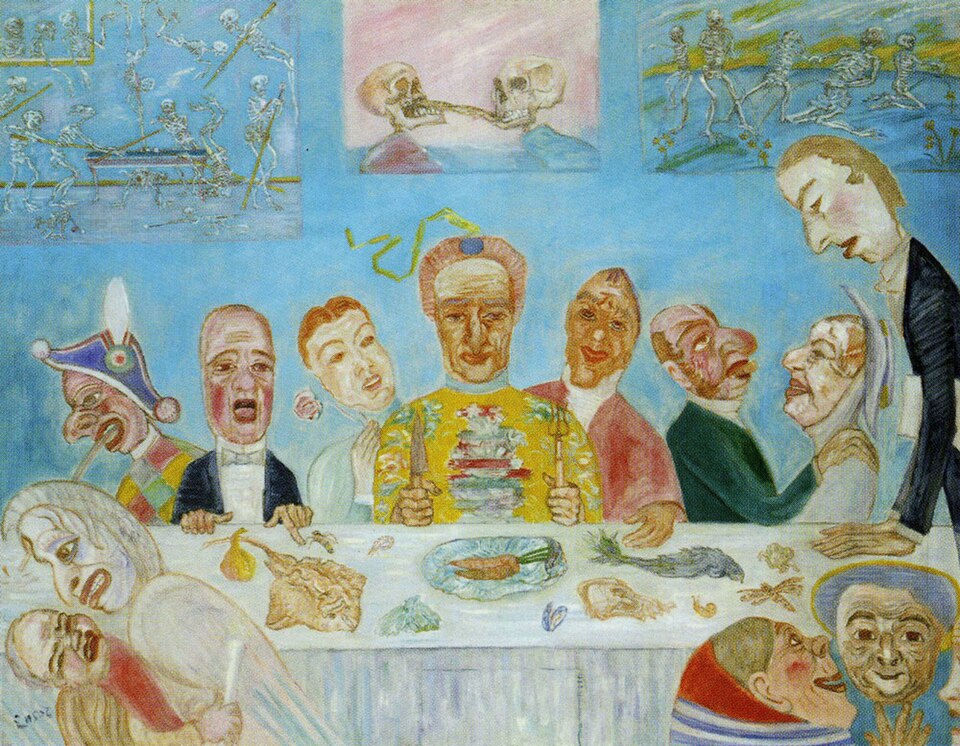
Ensor's family ran a souvenir shop in Ostend that sold carnival masks, and he never really stopped painting them after that. This one comes out of the war years, when food was short across occupied Belgium — which the title seems to be having a go at.
Erisava: What's happened to everyone's face here?
Report Post
Runner in the City by El Lissitzky, 1926
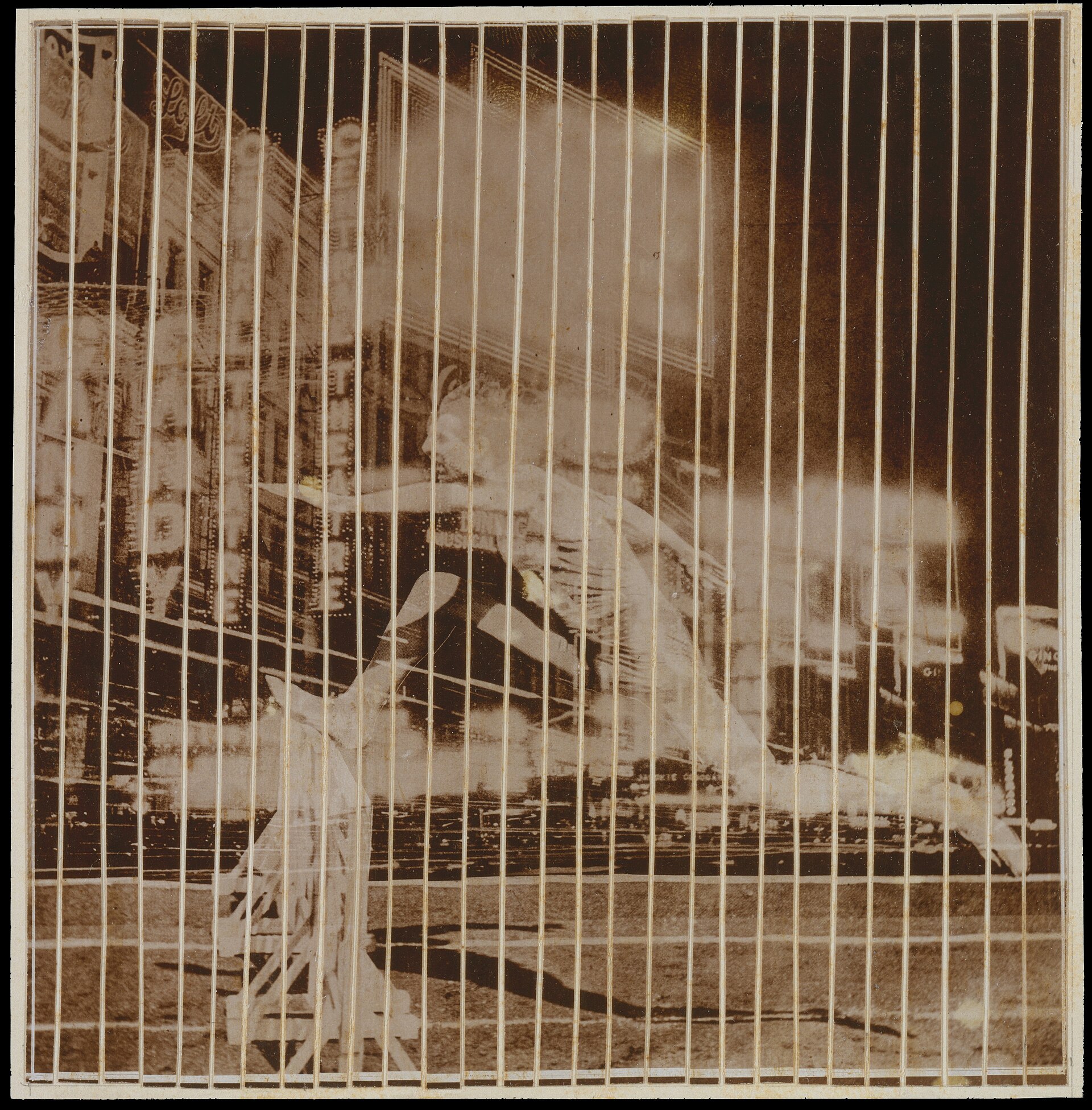
Apparently this is from a stretch in the mid-1920s when Lissitzky put the geometric shapes aside for a while and started cutting up photographs instead, trying to get a still picture to hold something moving. People point to this kind of layering as an early step toward the collage-heavy propaganda photography that came out of the Soviet Union not long after.
Erisava: My phone could do this in a second, but I've never seen anything like it.
Report Post
Dance II by Henri Matisse, 1910
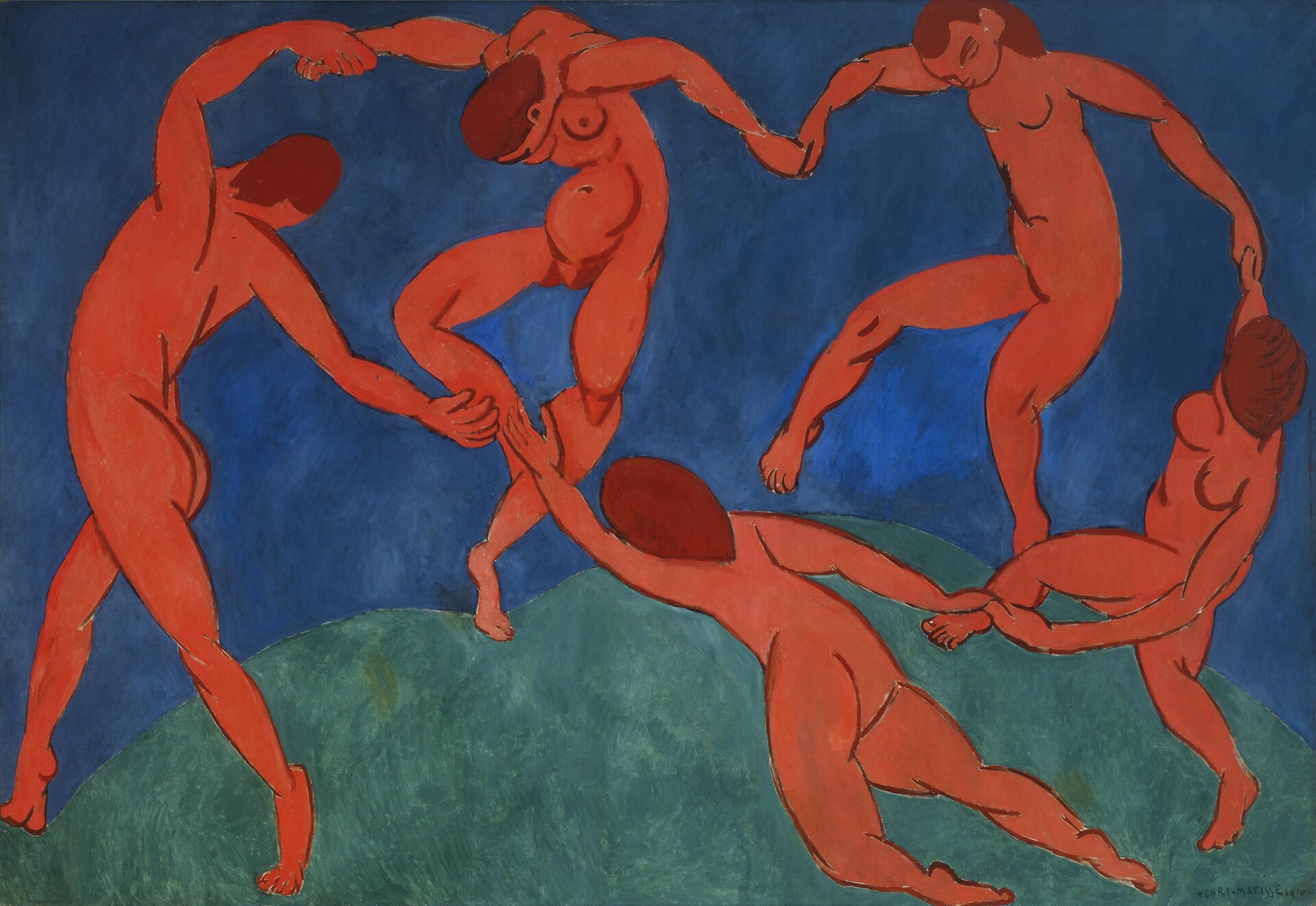
A Russian businessman ordered this for the staircase of his Moscow house, along with a second panel to hang near it. Supposedly he got nervous about all the bare bodies, pulled out, then changed his mind and took them anyway.
Erisava: The whole thing's three colours. I can't decide if that's bold or just easy.
Report Post
The Young Christ by Alexej von Jawlensky, 1920
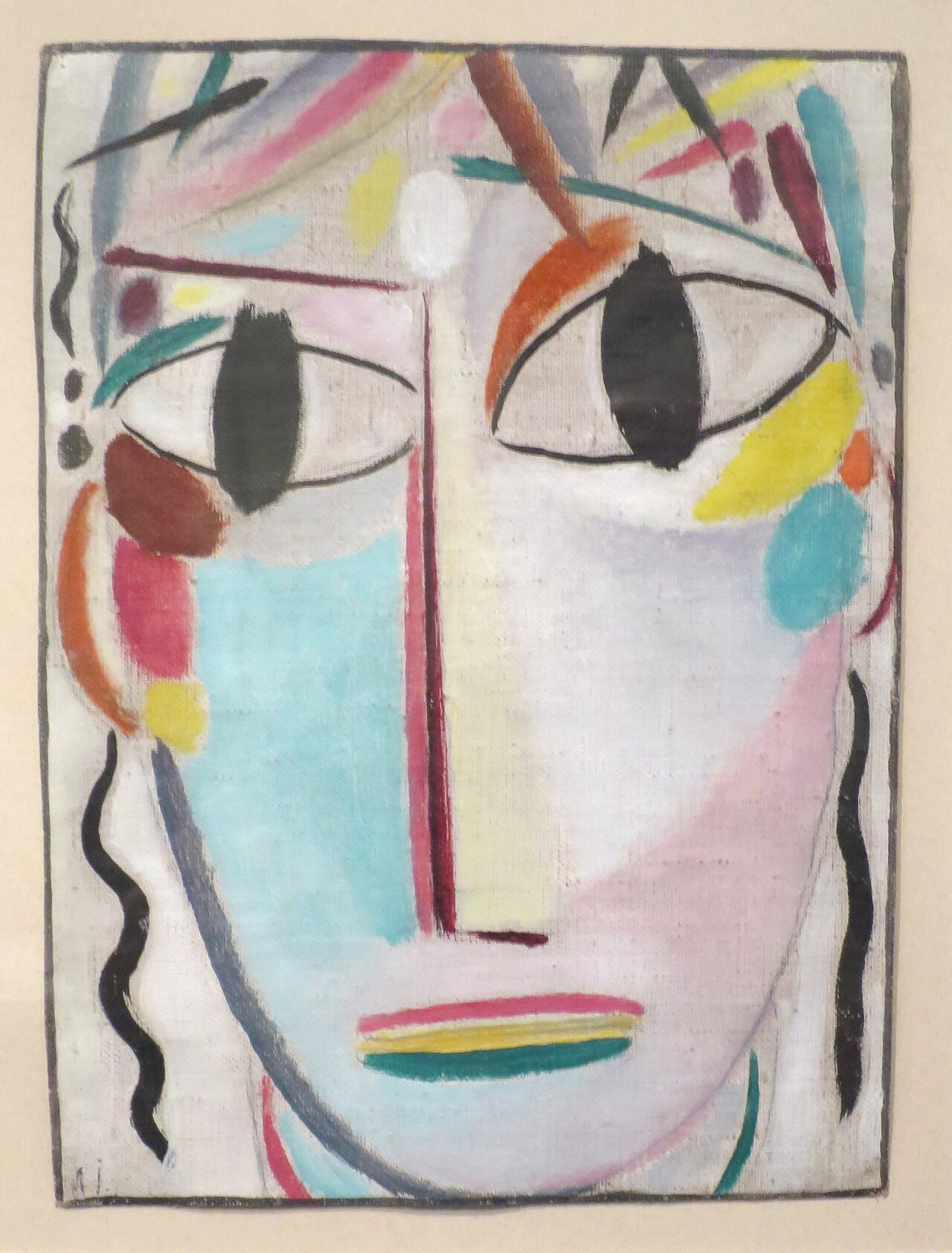
He spent the last stretch of his career painting the same face over and over — hundreds of versions, from what I've read, each one flatter and more stripped back than the one before it.
Erisava: Could anyone have done this in an afternoon?
Report Post
Dropped Cone by Claes Oldenburg, 2001
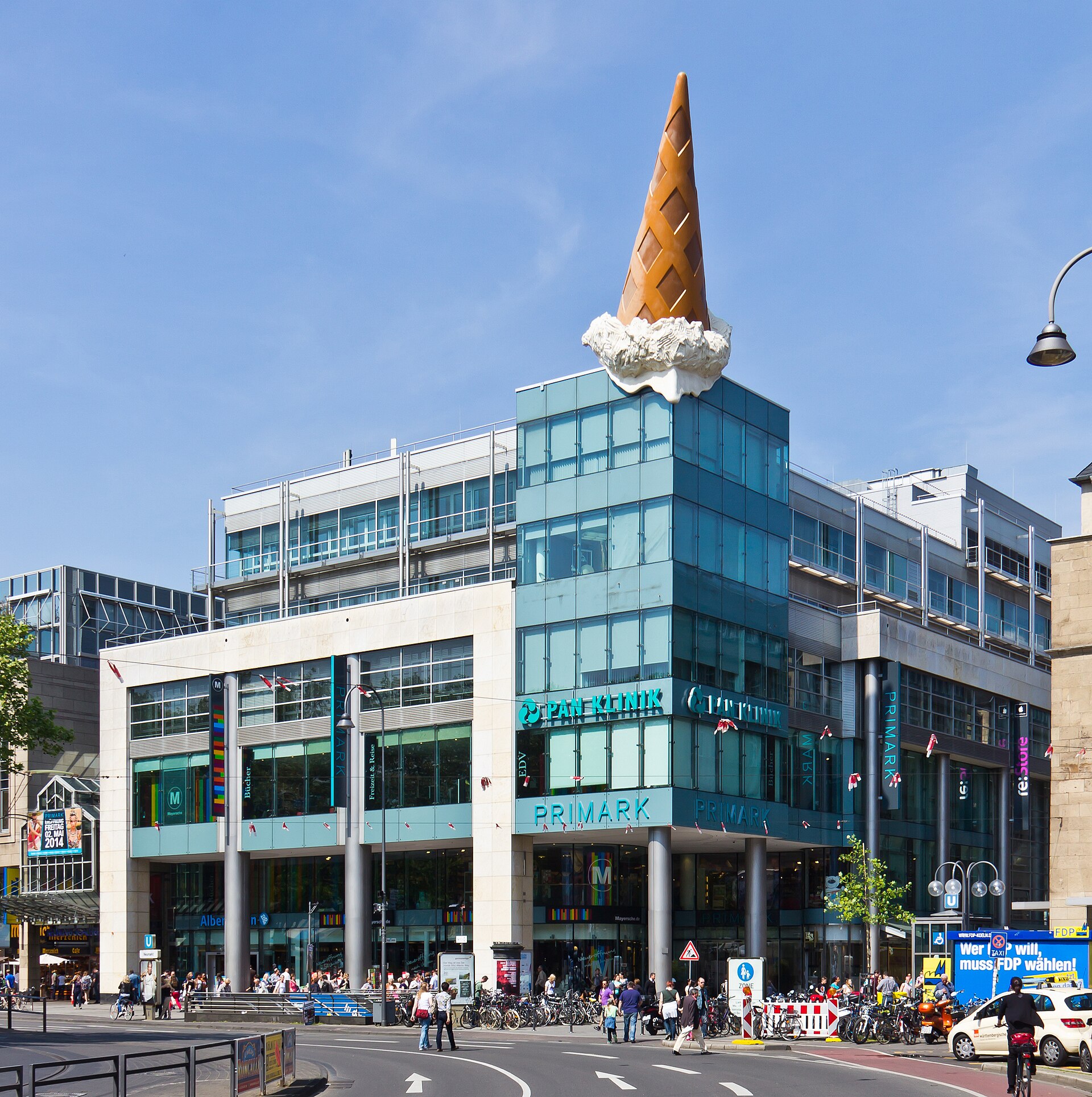
According to the city's tourism site, this one was commissioned by the shopping centre it's balanced on, taking its cue from all the ice cream stands doing business on the street below. Apparently the tilted tip was meant to echo the church spires on the skyline nearby — a mall dressed up, half-jokingly, as a cathedral of consumption.
Erisava: This is basically an ice cream ad with extra steps.
Report Post
Self-Portrait with Bandaged Ear by Vincent van Gogh, 1889
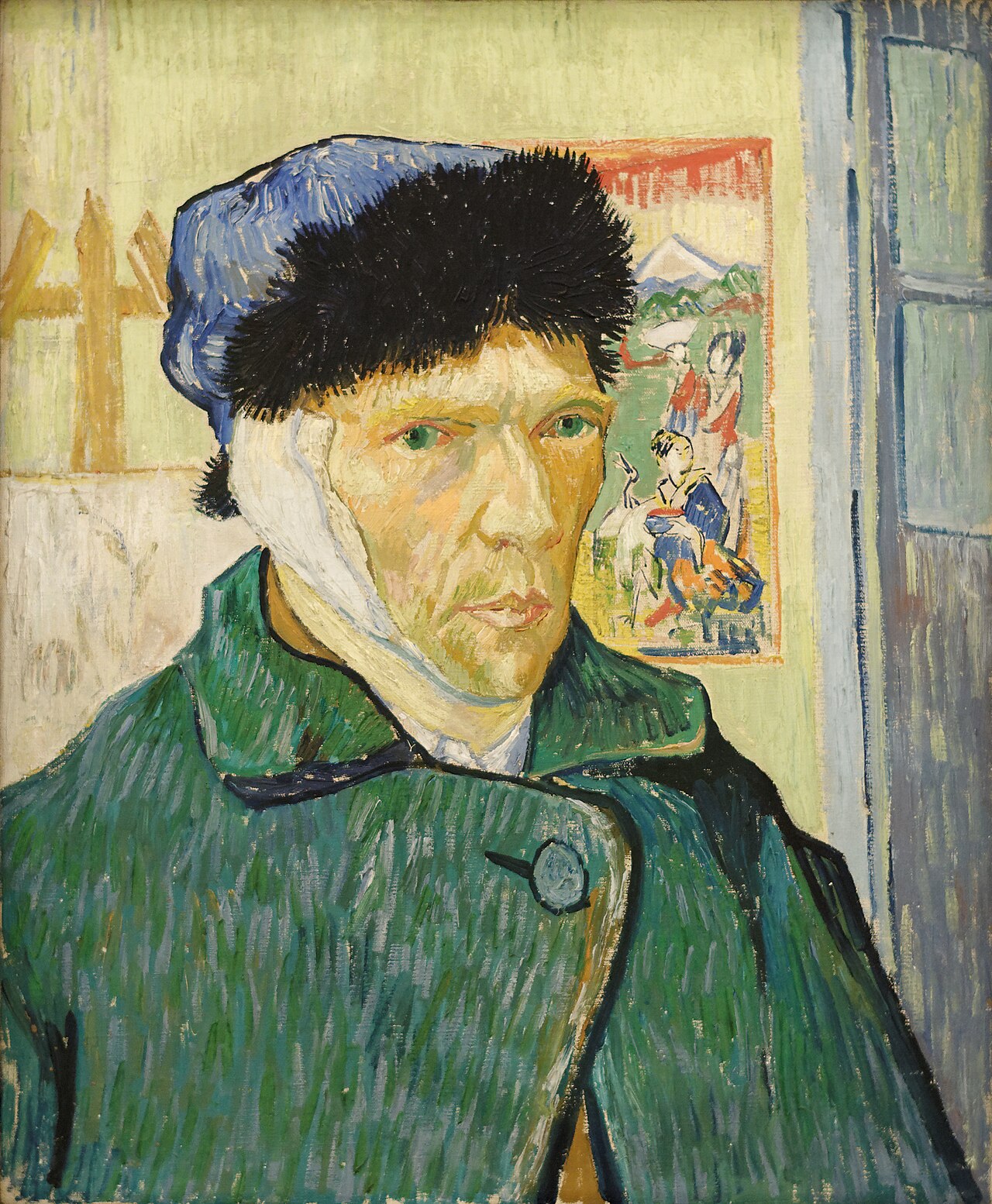
Supposedly he painted this right after leaving hospital — the print behind him nods to the Japanese woodblocks he collected.
Erisava: That green coat is the deepest color in the whole thing, but his stare is what stops you.