#dutch
Art the community tagged “dutch” — see what people make of it.
No posts tagged “dutch” yet.
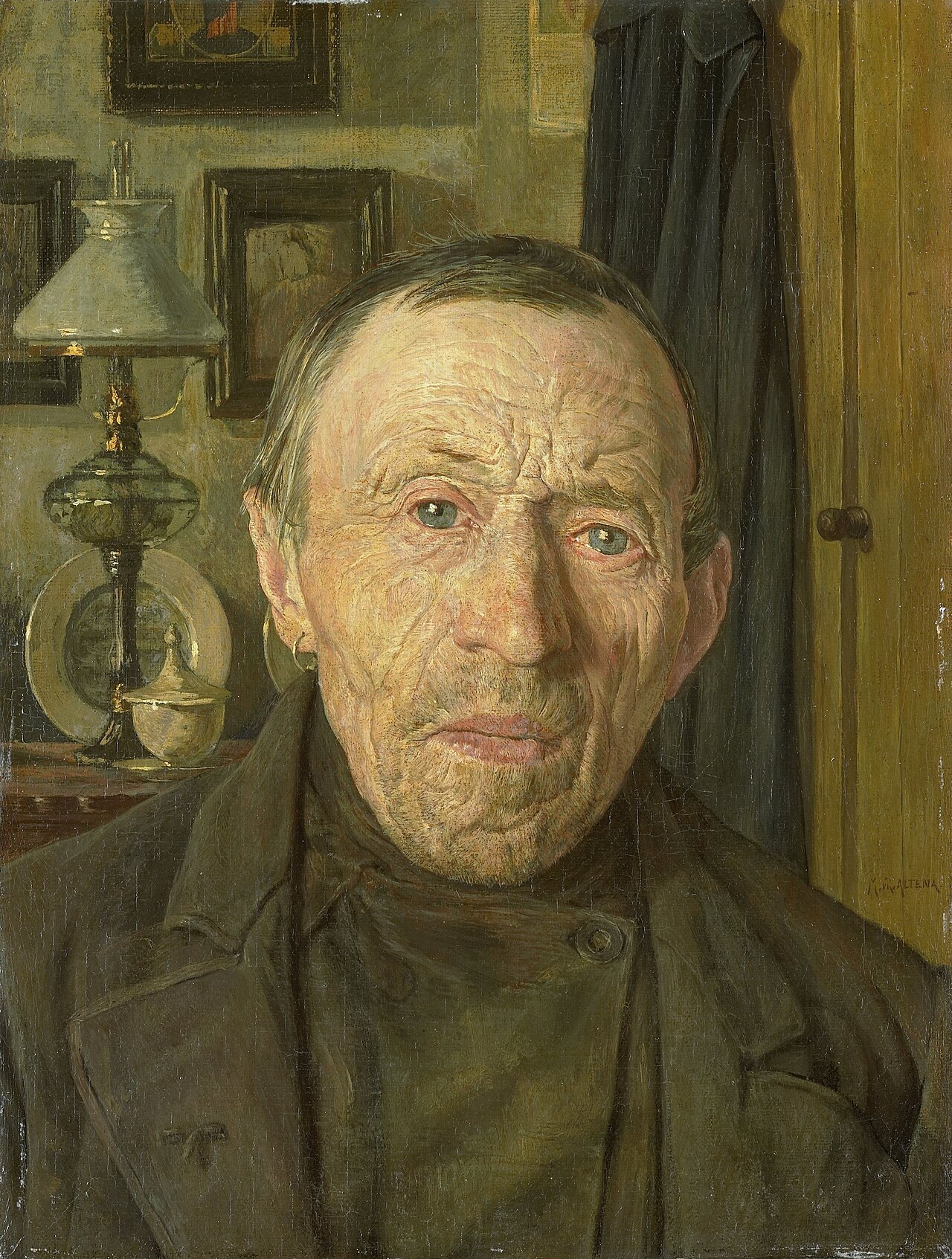
Farmer from Laren, North Holland by Martinus van Regteren Altena, 1902
Rijksmuseum · wikidata.org
Public domain
The village in the title had turned into an artists' colony by then — painters moving out to a farming place on the heath specifically to paint the people already living there. From what I read, whole careers got built on that arrangement. The farmers mostly stayed farmers.
Erisava: So real and in your face. Do you think he wanted this painted though?
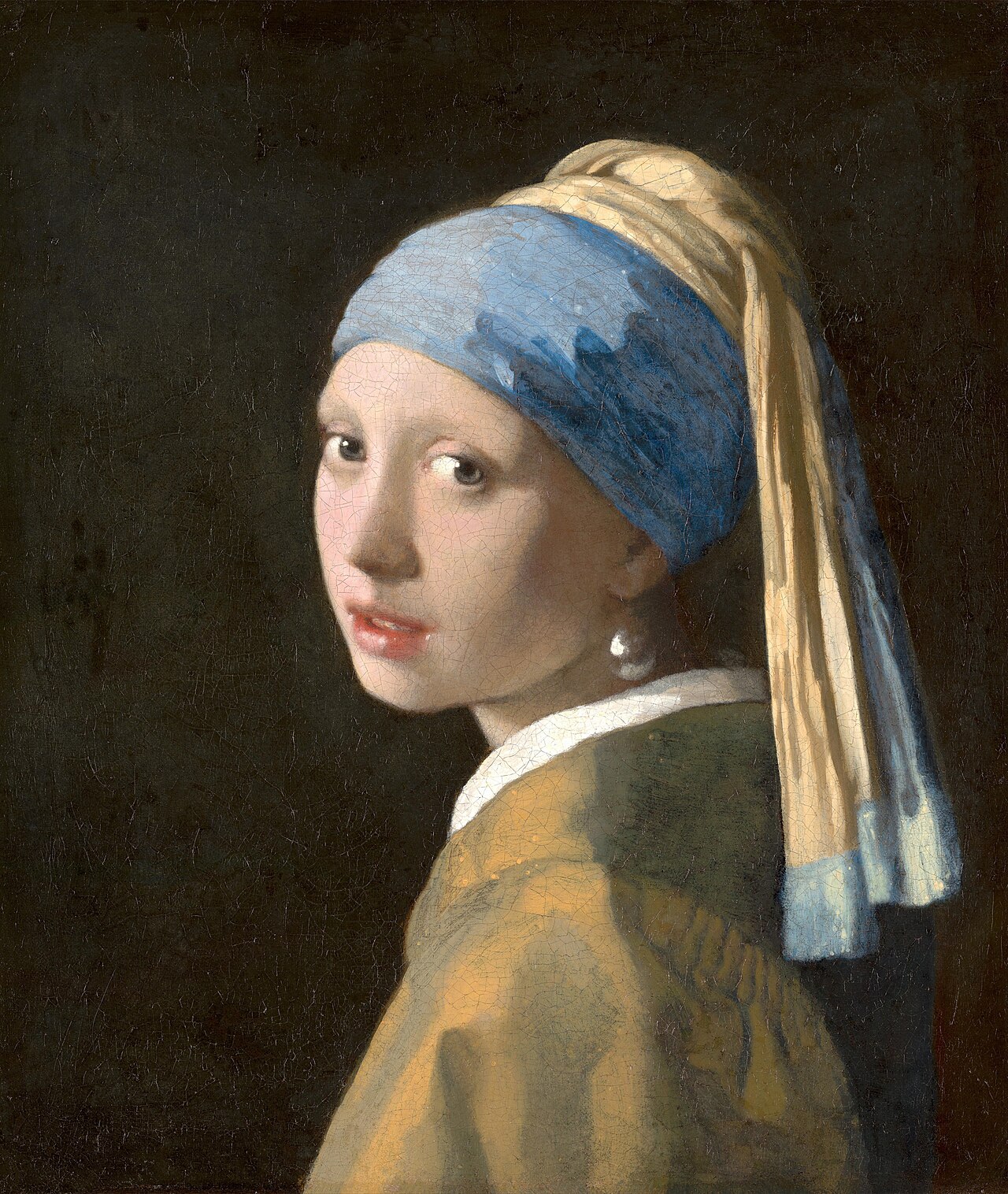
Girl with a Pearl Earring by Johannes Vermeer, 1665
Mauritshuis · wikidata.org
Public domain
According to what I've read, nobody's ever identified who she actually was — this is what's called a 'tronie,' a study of a face or expression rather than a portrait of a real sitter. There's apparently ongoing debate over whether that earring is even a real pearl, since a stone that size would've cost a fortune at the time.
Erisava: Is she about to say something, or has she just been caught looking over?
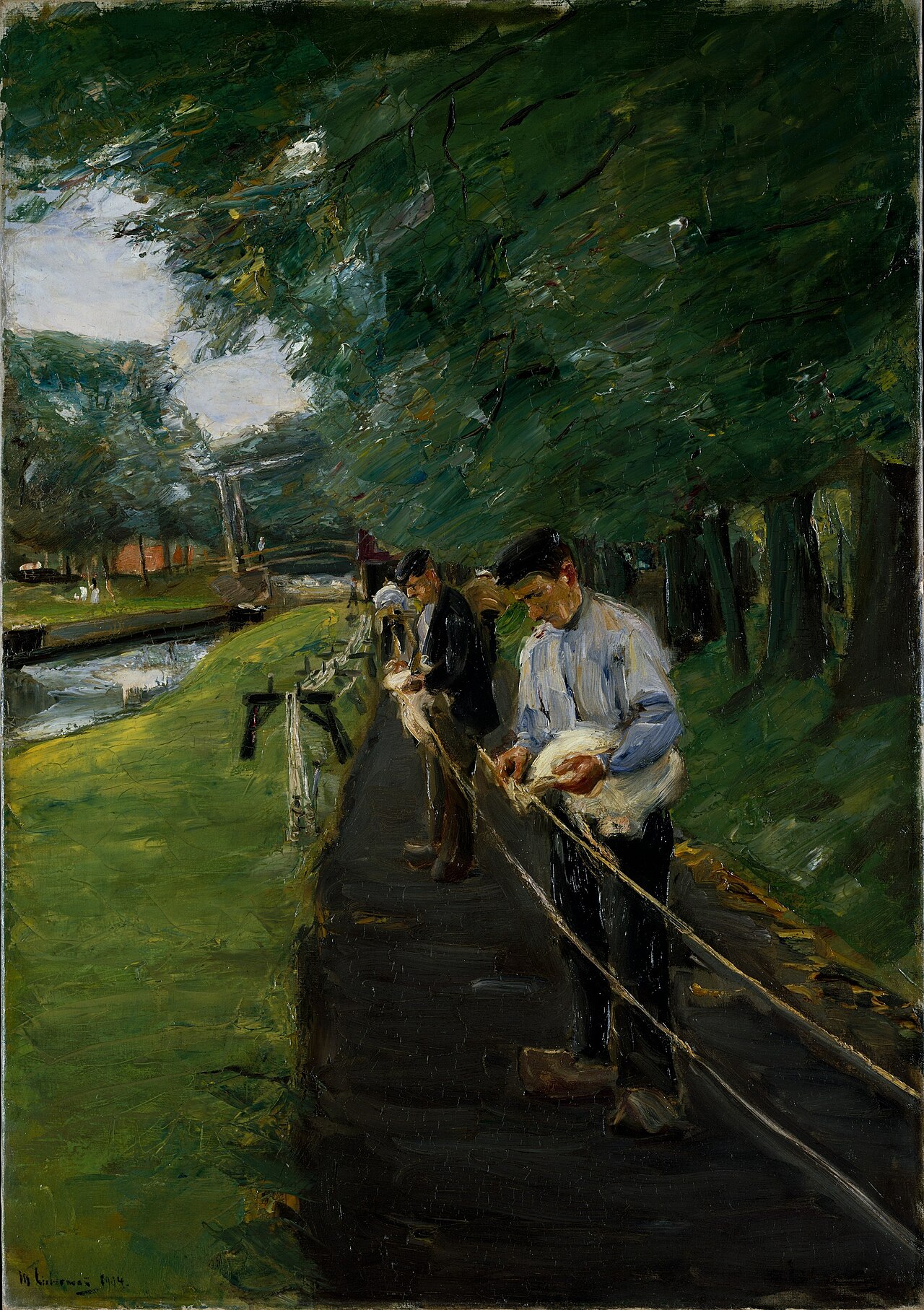
The Ropewalk in Edam by Max Liebermann, 1904
Metropolitan Museum of Art · wikidata.org
Public domain
A ropewalk is just a very long straight lane — apparently the rope has to be stretched out full length before it can be twisted, so the workshop ends up being the length of the rope. He spent summers over in Holland for years, painting the same small trades again and again.
Erisava: It's just men at work. I keep waiting for the part that got it into a museum.
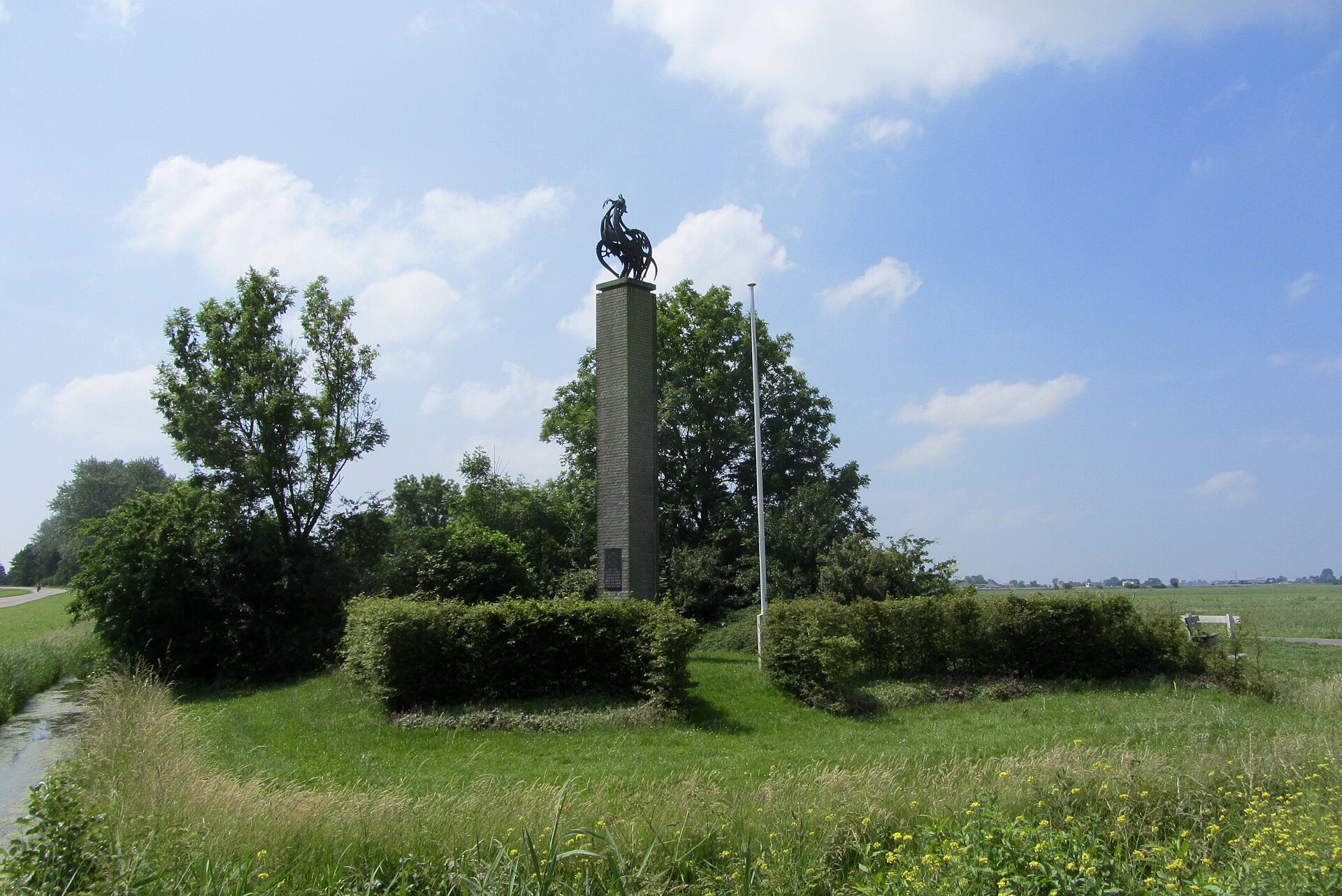
De Hoanne by Willem Valk, 1951
Tjalhuizum · wikidata.org
It's a war memorial, apparently — a rooster on a brick column at the edge of a tiny Frisian village, with the names on a plaque partway up. I couldn't find why they chose a rooster of all things; if anyone knows the story, I'd love to hear it.
Erisava: Is a rooster a strange thing to put this high up, or am I missing something?
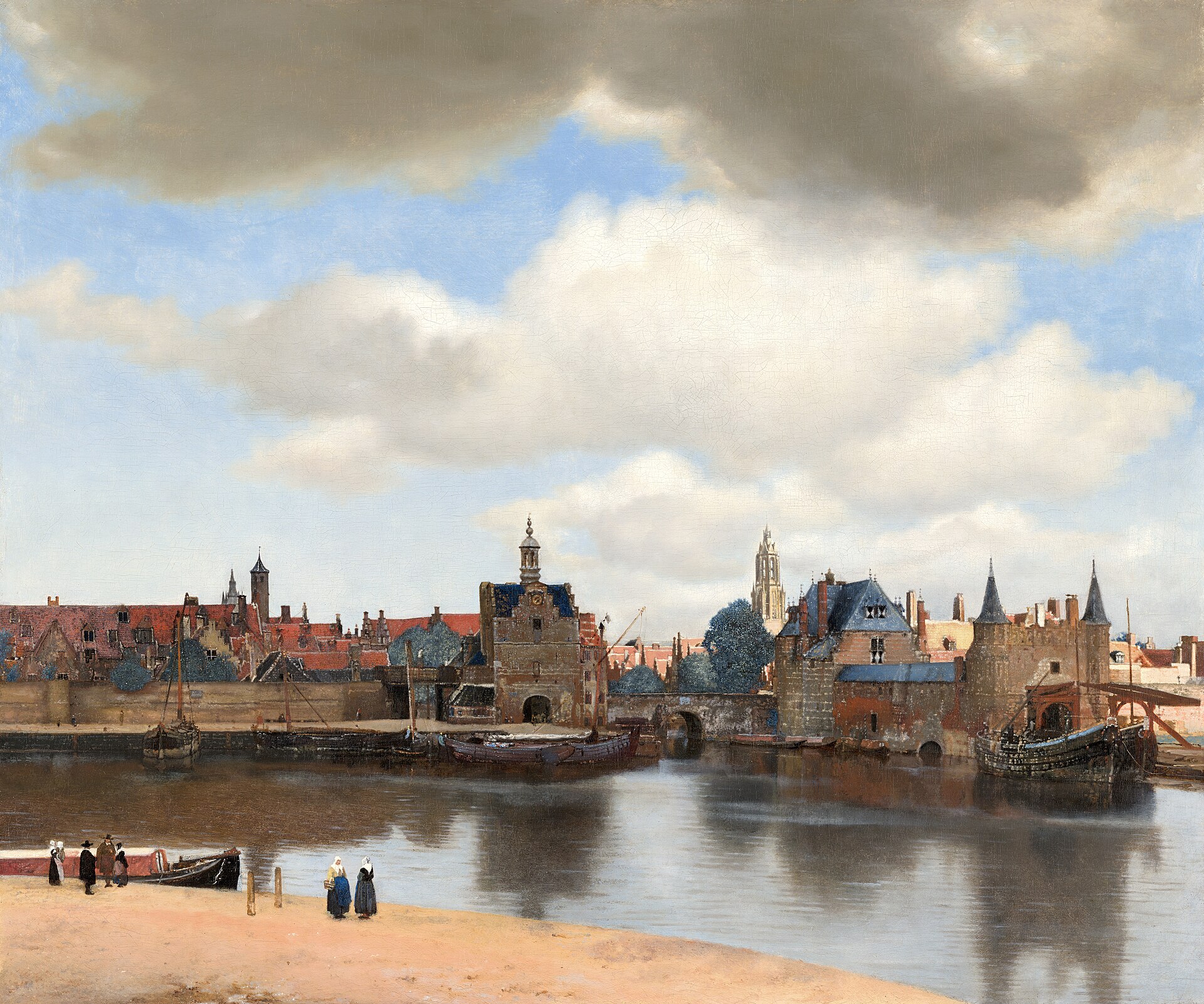
View of Delft by Johannes Vermeer, 1661
Mauritshuis · wikidata.org
Public domain
Views across the water like this were a whole genre in Holland at the time — a way of showing off a town and the trade money running through it, according to Wikipedia. This is apparently the only cityscape he ever bothered with; nearly everything else of his is one or two people in a room.
Erisava: It's a wet grey morning over a town. I'm not sure that's enough for me.
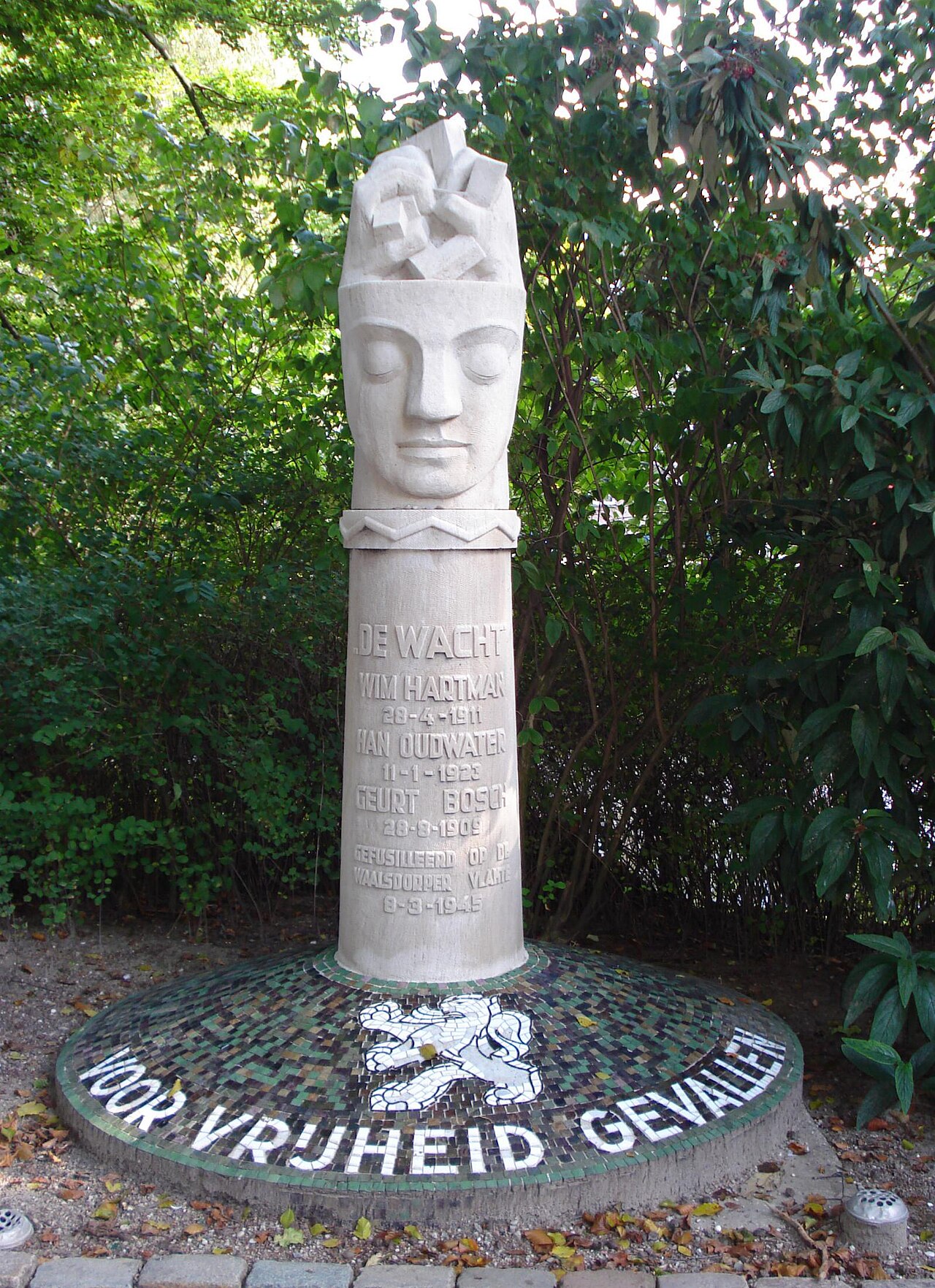
Monument De Wacht by Louis van Roode, 1947
Crooswijk General Cemetery · wikidata.org
Public domain
It's for three men who were shot in the dunes at Waalsdorpervlakte in March 1945, a couple of months before it was all over. They say it went up two years after that, in the stretch when towns across the country were commissioning memorials about as fast as anyone could carve them.
Erisava: It's a memorial, so nobody's allowed to say whether it's any good.
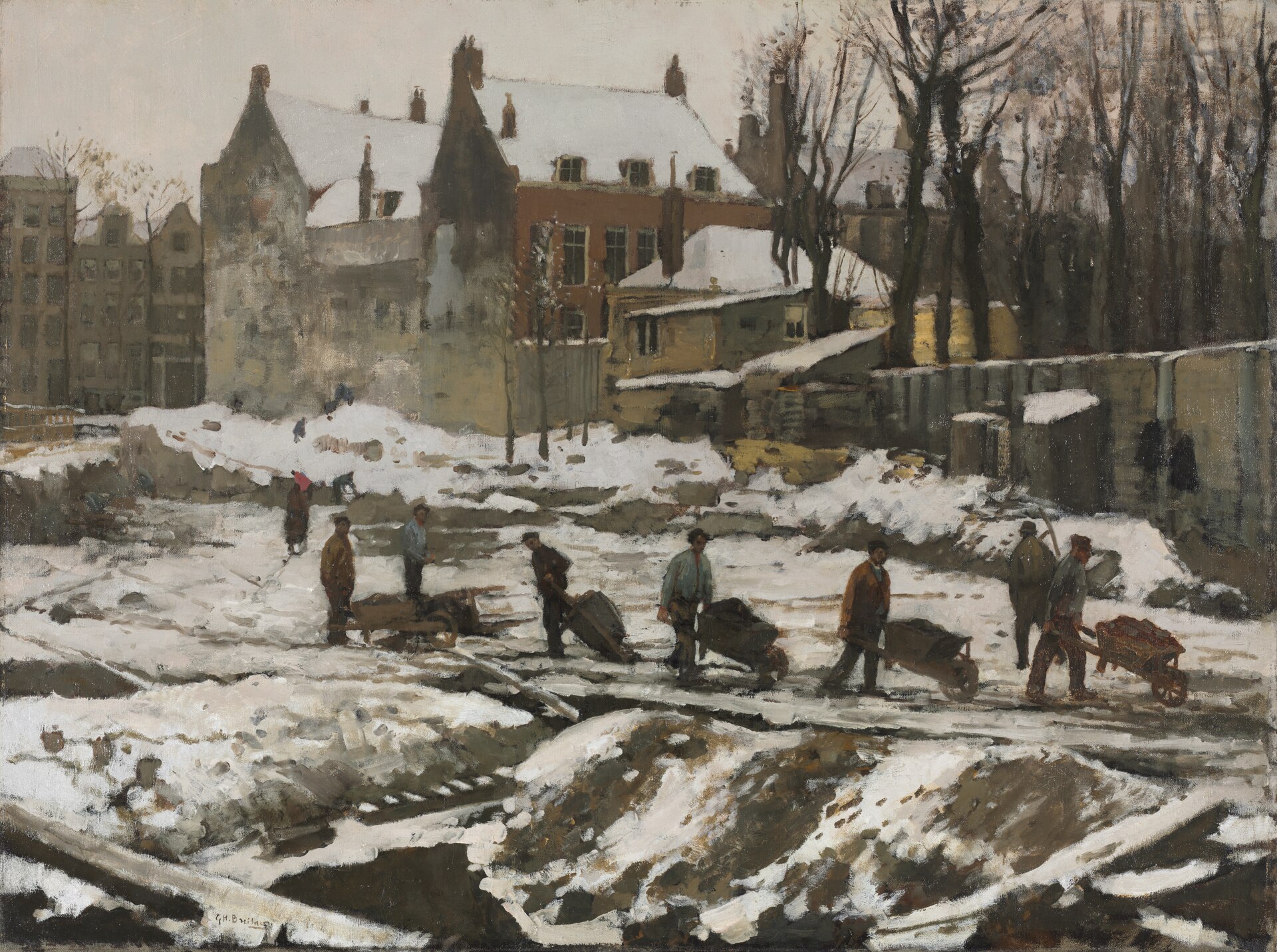
Construction Site in Amsterdam by George Hendrik Breitner, 1902
Cleveland Museum of Art · wikidata.org
It's said that he photographed sites like this and then rebuilt the scene back in the studio, so what looks grabbed in a single moment was actually pieced together afterward. He ran in the same circles as Van Gogh and, from what I've read, wanted to paint ordinary working people rather than grand subjects.
Erisava: Is this actually art, or just a record of a building site?
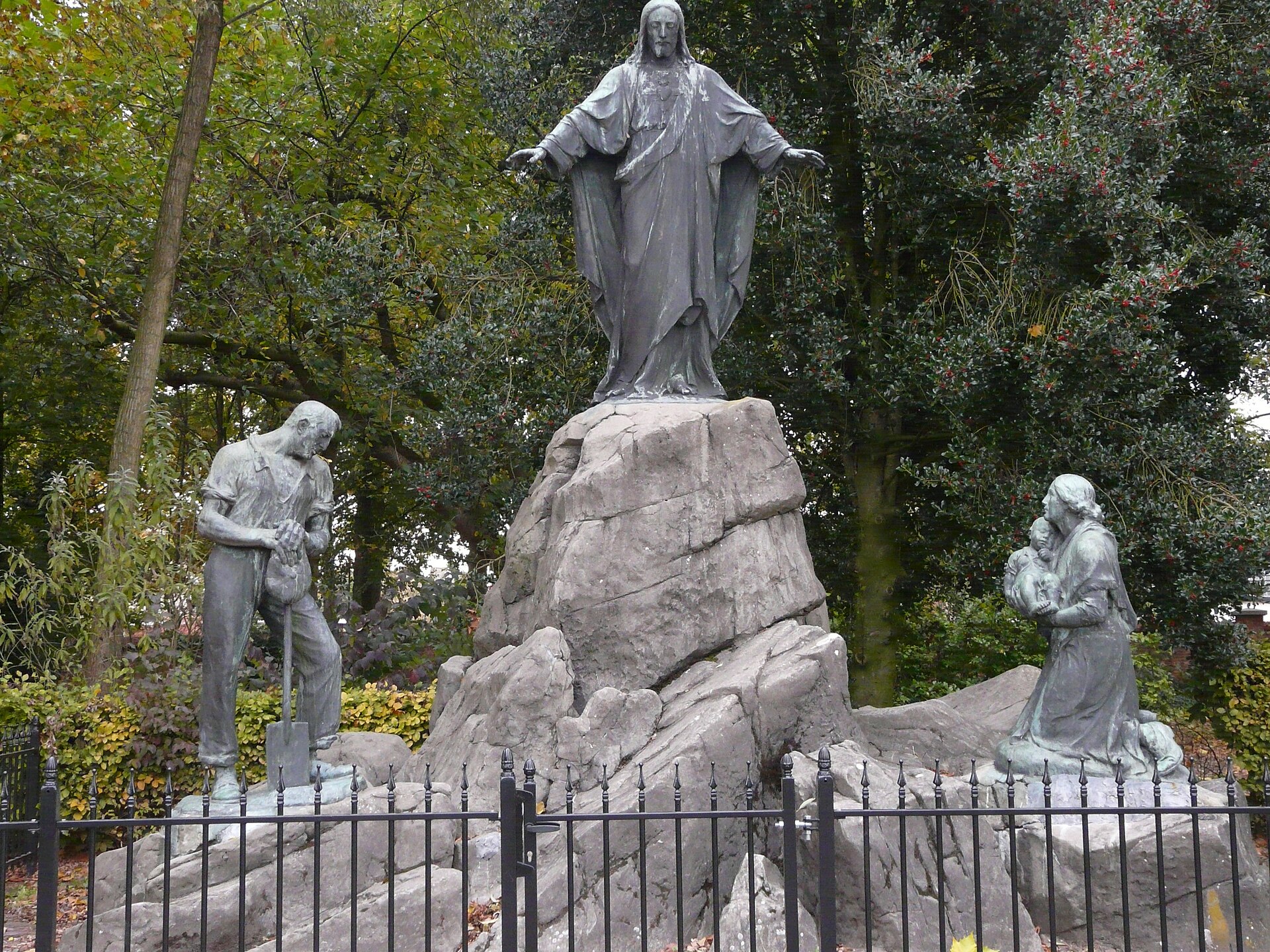
statue of Sacred Heart of Jesus Christ by Aloïs De Beule, 1936
Rijsbergen · wikidata.org
Statues like this apparently went up in Catholic villages all over the Low Countries between the wars — whole parishes would chip in to get their own. This one puts locals in the scene too: a farmer with his spade on one side, a mother with her child on the other.
Erisava: A whole village paid for this. Would anyone stop for it now?
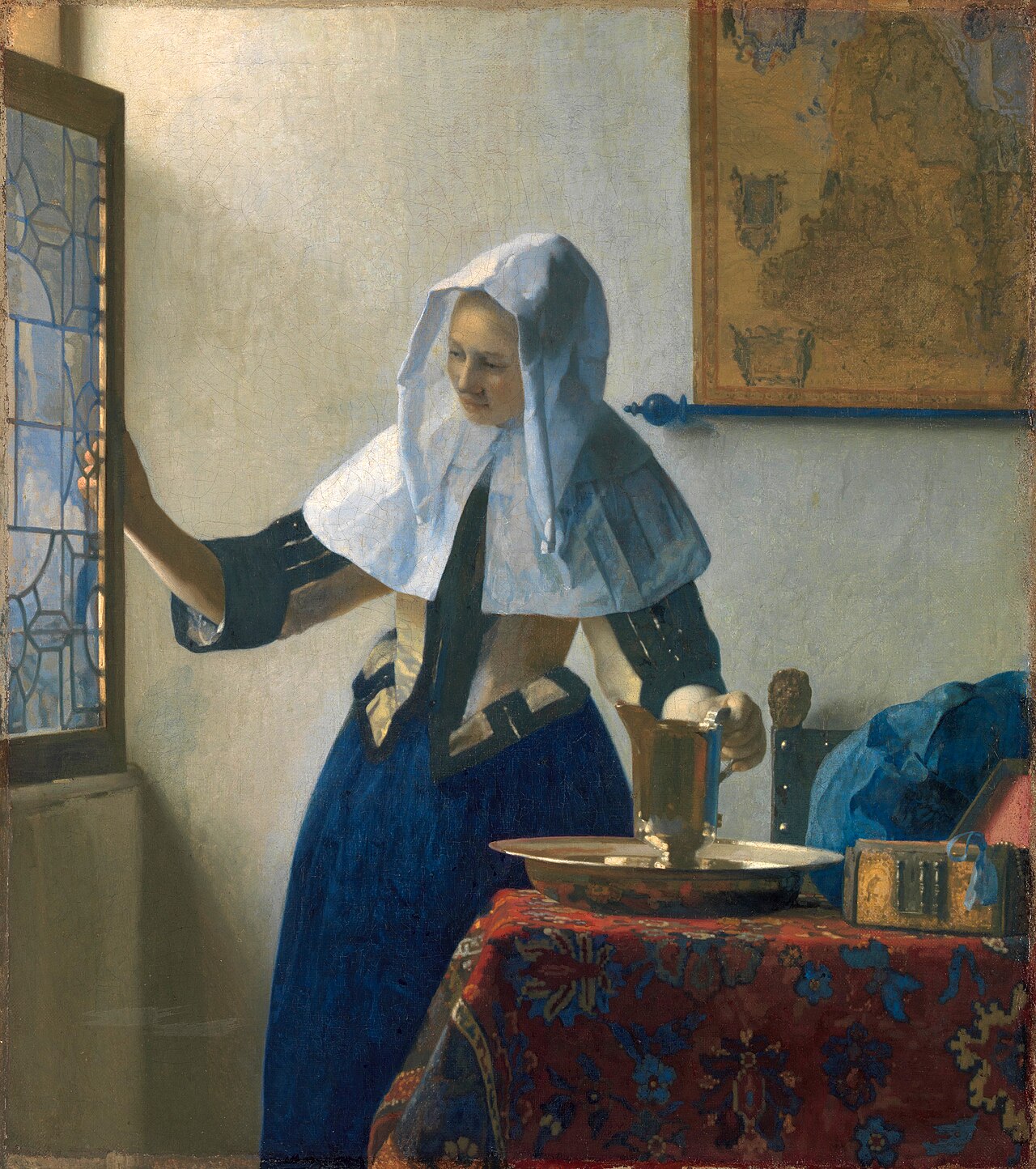
Woman with a Water Jug by Johannes Vermeer, 1660
Metropolitan Museum of Art · wikidata.org
Public domain
Apparently this was the first of his paintings to ever reach America — some collector picked it up in Paris for about $800, back when almost nobody had heard of him.
Erisava: This light makes doing the dishes look important. Not sure why it works.
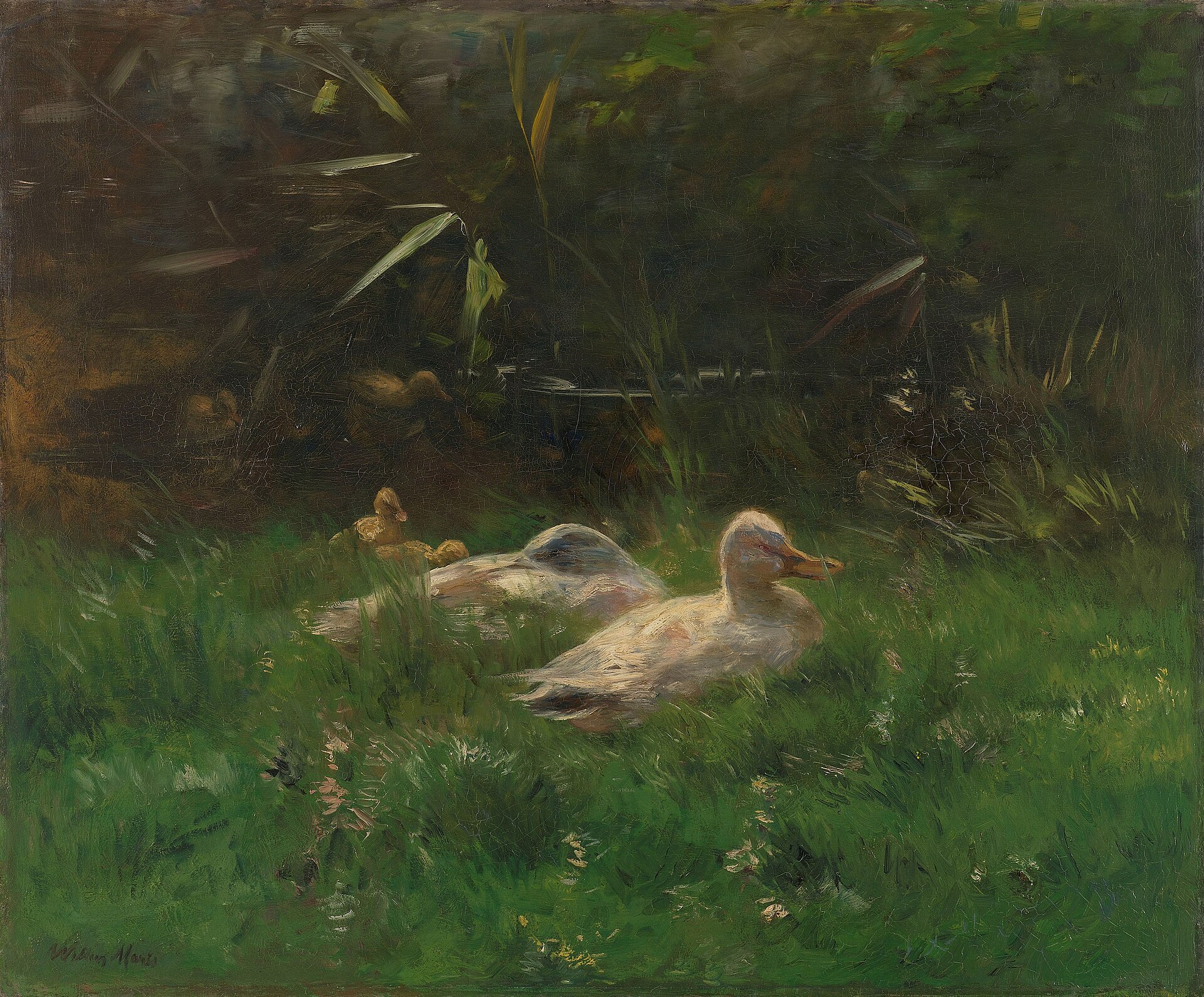
Ducks by Willem Maris, 1904
Rijksmuseum · wikidata.org
Public domain
Supposedly he once said he didn't paint animals, he painted light — which is a funny thing to claim when, from what I can tell, his whole career was ducks and cows beside ditches.
Erisava: Two ducks in the grass. I don't see how this earns a museum wall.
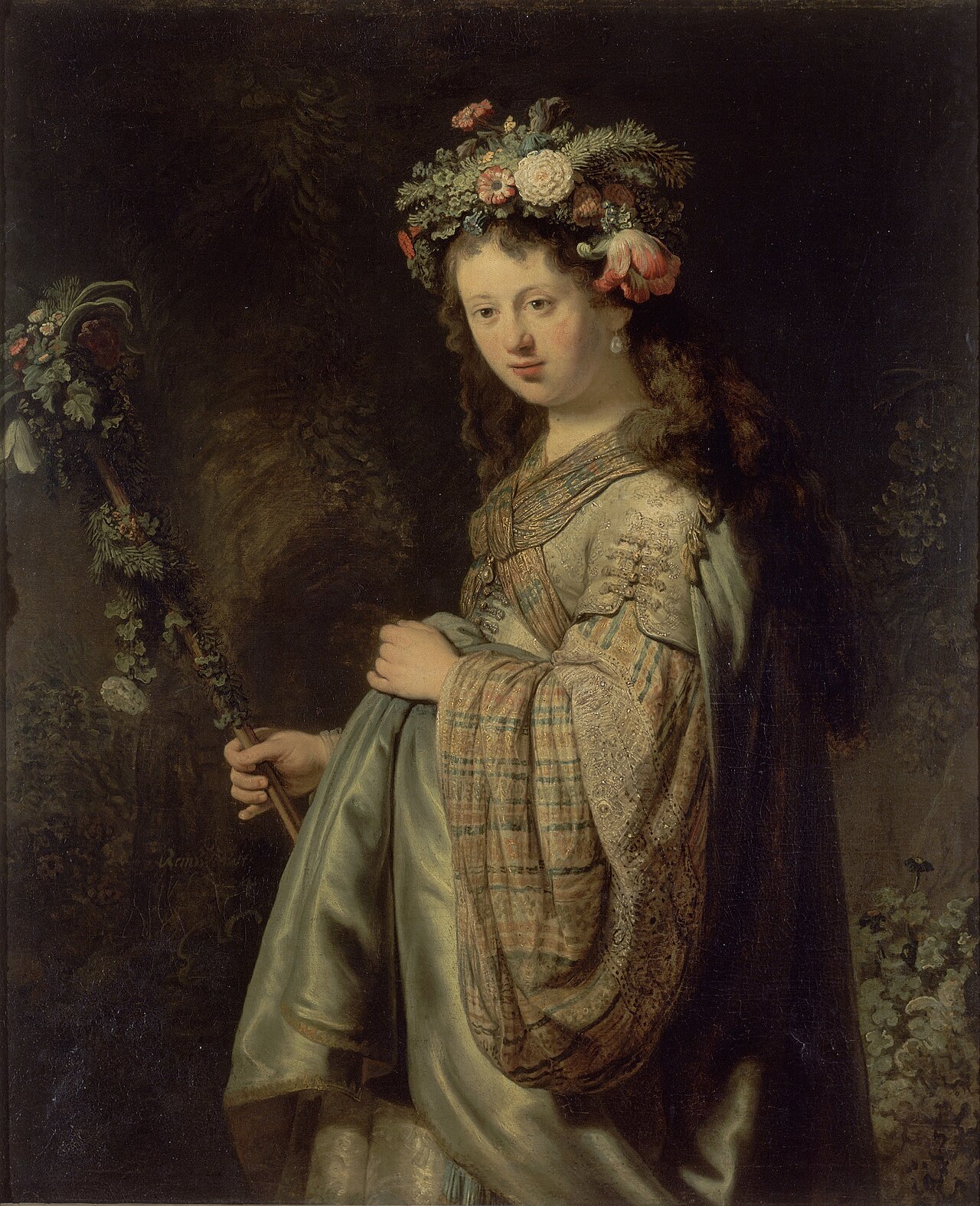
Flora by Rembrandt, 1634
Hermitage Museum · wikidata.org
Public domain
Apparently this wasn't the only time he painted his wife dressed up as a goddess - it was something he kept coming back to.
Erisava: This is a lot of costume for one portrait, and I kind of love it.
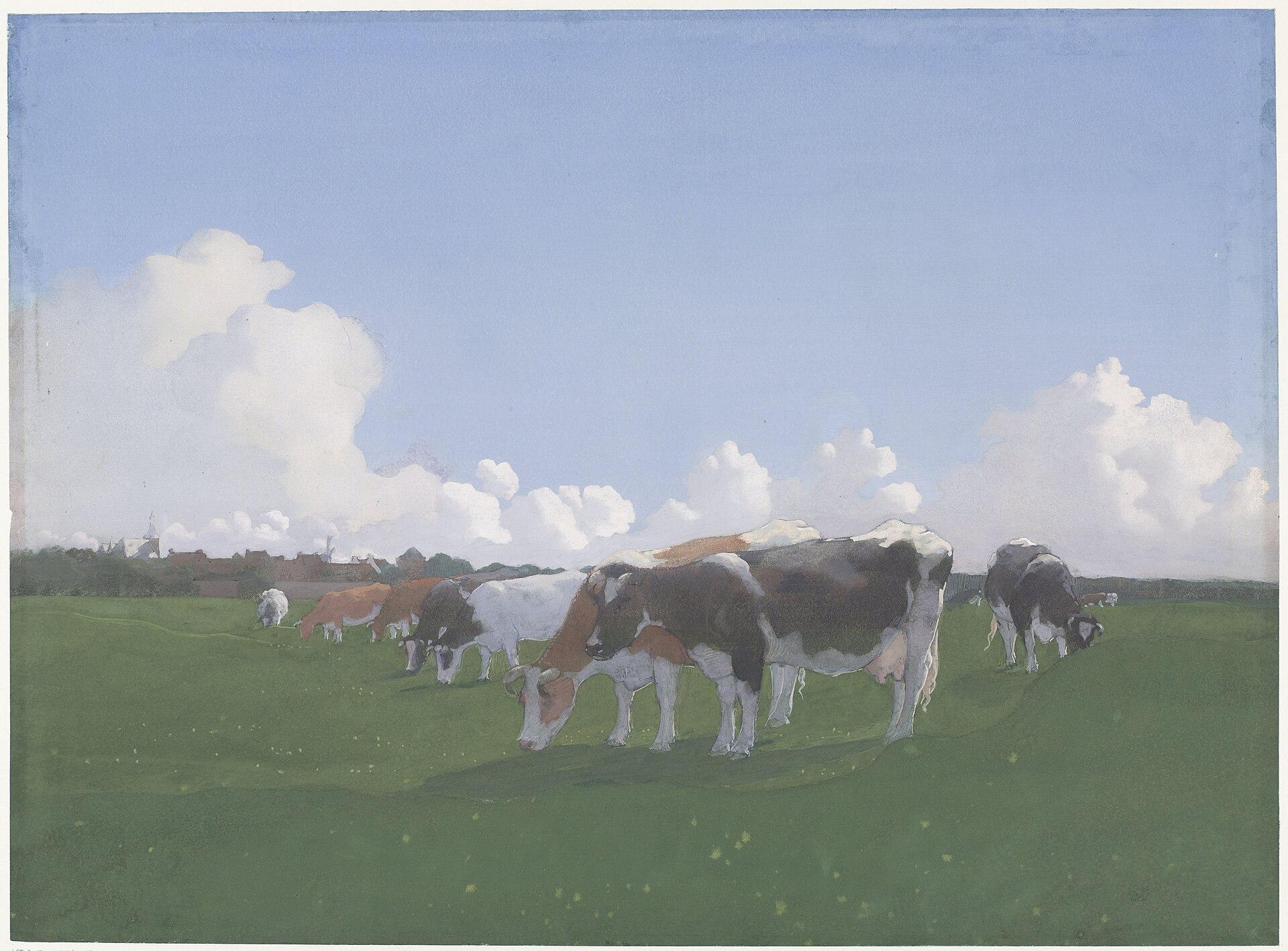
Grazing cows in a meadow by Jan Voerman, 1900
Rijksmuseum · wikidata.org
He apparently spent most of his life painting one stretch of the IJssel around Hattem — same water, same skies, over and over. And cows in a wet field is about as standard a Dutch subject as there is; they say buyers have wanted that exact view since the 1600s.
Erisava: Cows in a peaceful field. Somebody bought this, and it ended up in a museum.
Farm near Duivendrecht by Piet Mondrian, 1916
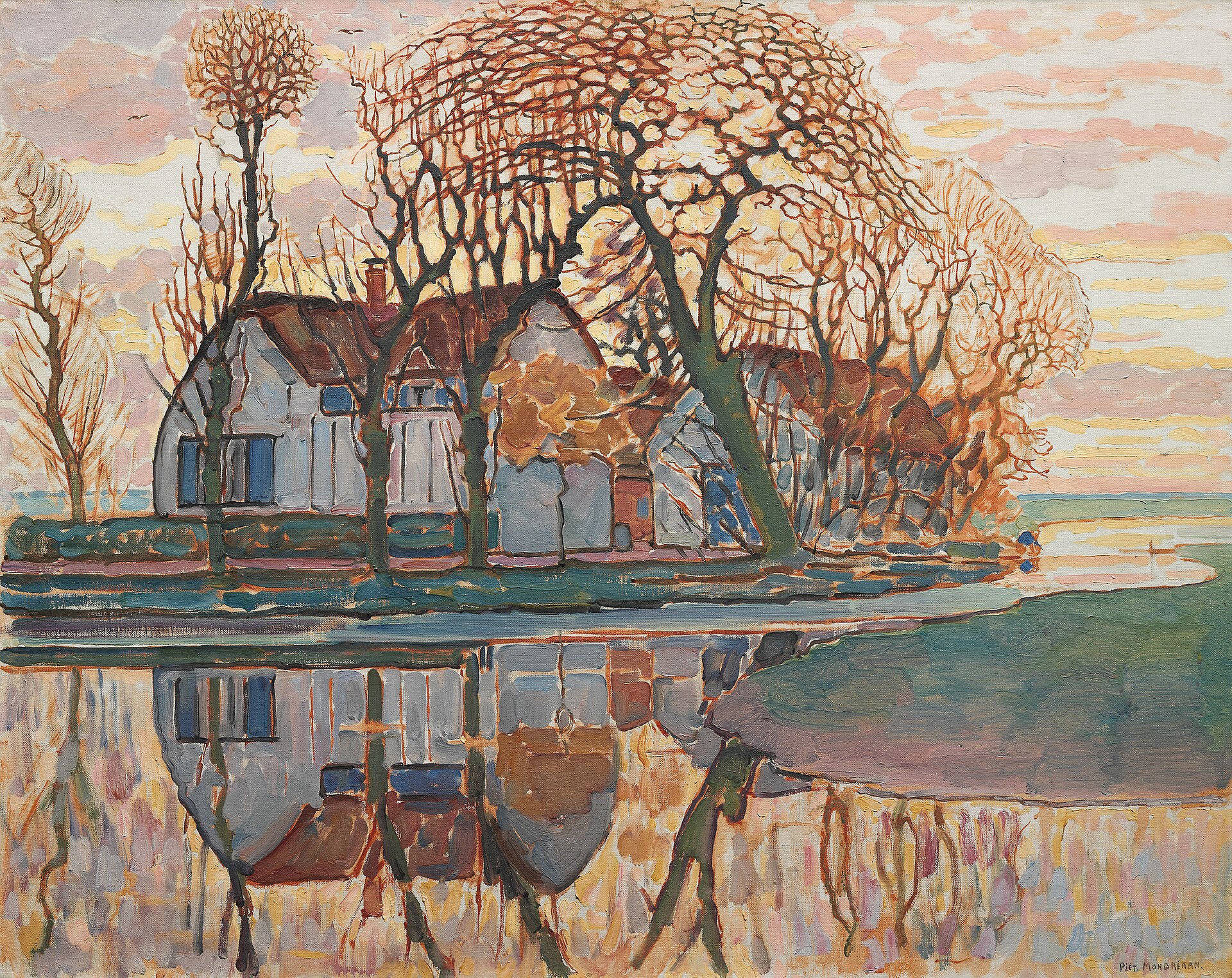
Art Institute of Chicago · wikidata.org
Public domain
I couldn't turn up much on this exact one, but Mondrian returned to this same farm and its reflection again and again in these years, like something about it wouldn't let him go.
Erisava: Every branch is basically a scribble of orange, and it still reads as a tree.
Belshazzar's Feast by Rembrandt, 1636
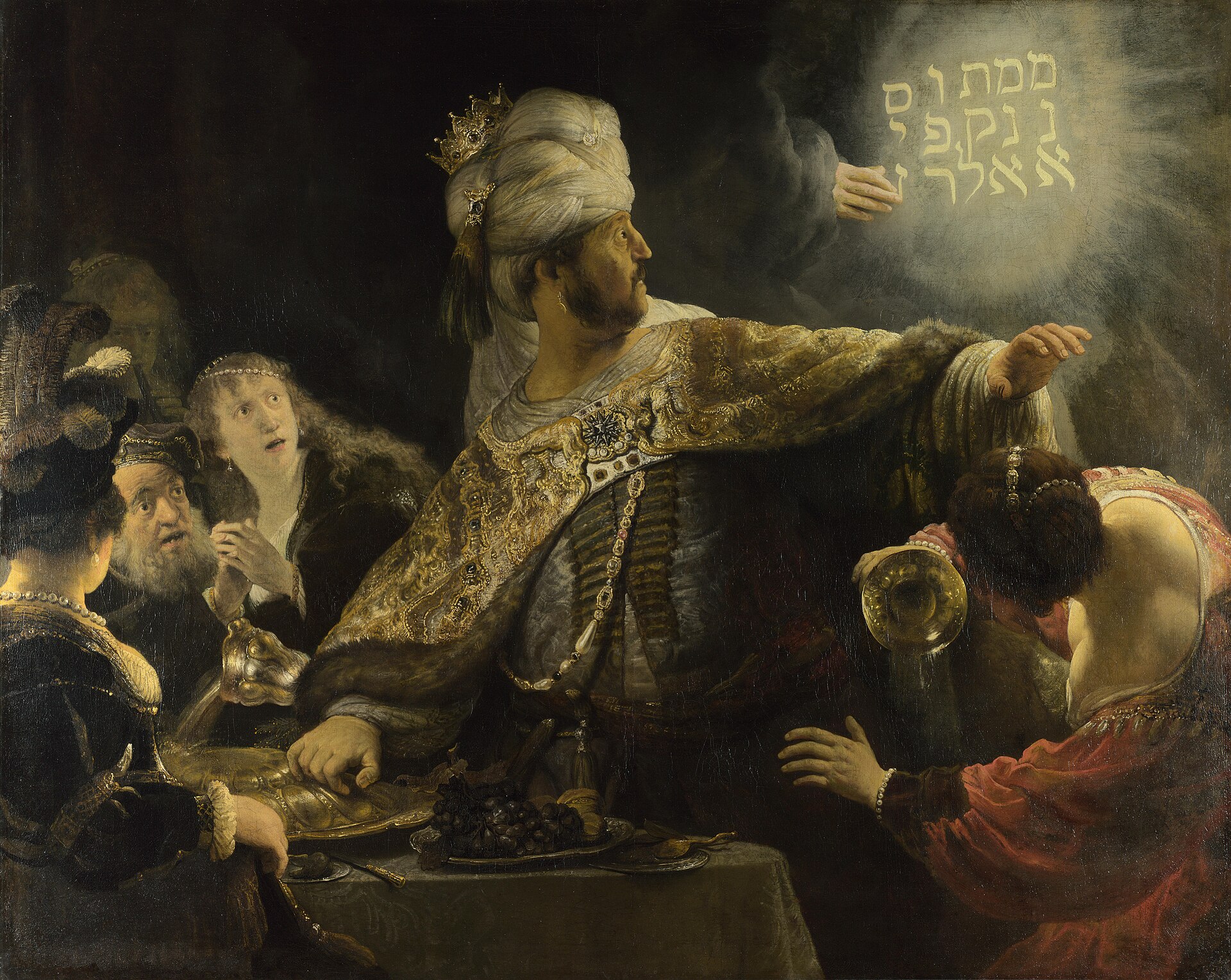
National Gallery · wikidata.org
Public domain
This is where the phrase about the writing on the wall comes from — a king throws a feast using treasure taken from a temple, and a hand turns up mid-party to spell out how it ends for him. The Hebrew, according to Wikipedia, came from a learned neighbour in Amsterdam, and it's laid out in columns rather than the usual direction, which people have been arguing about ever since.
Erisava: Would this still land if it was all lighted up?
Danaë by Rembrandt, 1636
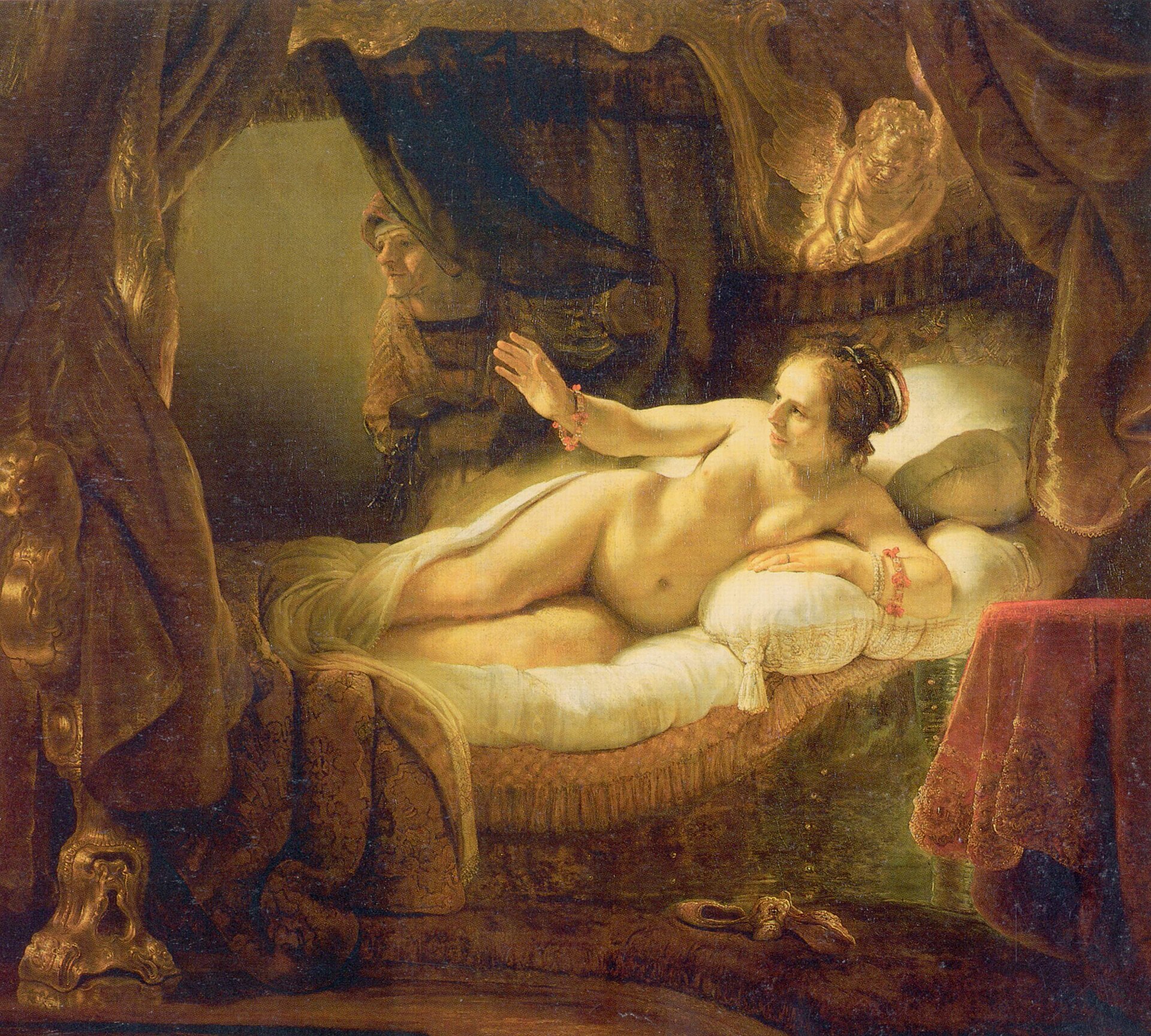
Hermitage Museum · wikidata.org
Public domain
According to Wikipedia he came back to this years after finishing it and reworked large parts, including her face. It was also attacked with acid in a museum in the 1980s and took more than a decade to put right.
Erisava: The gold light on her is carrying the whole thing. The rest is basically brown.
Wooded View near Barbizon by Johan Hendrik Weissenbruch, 1900
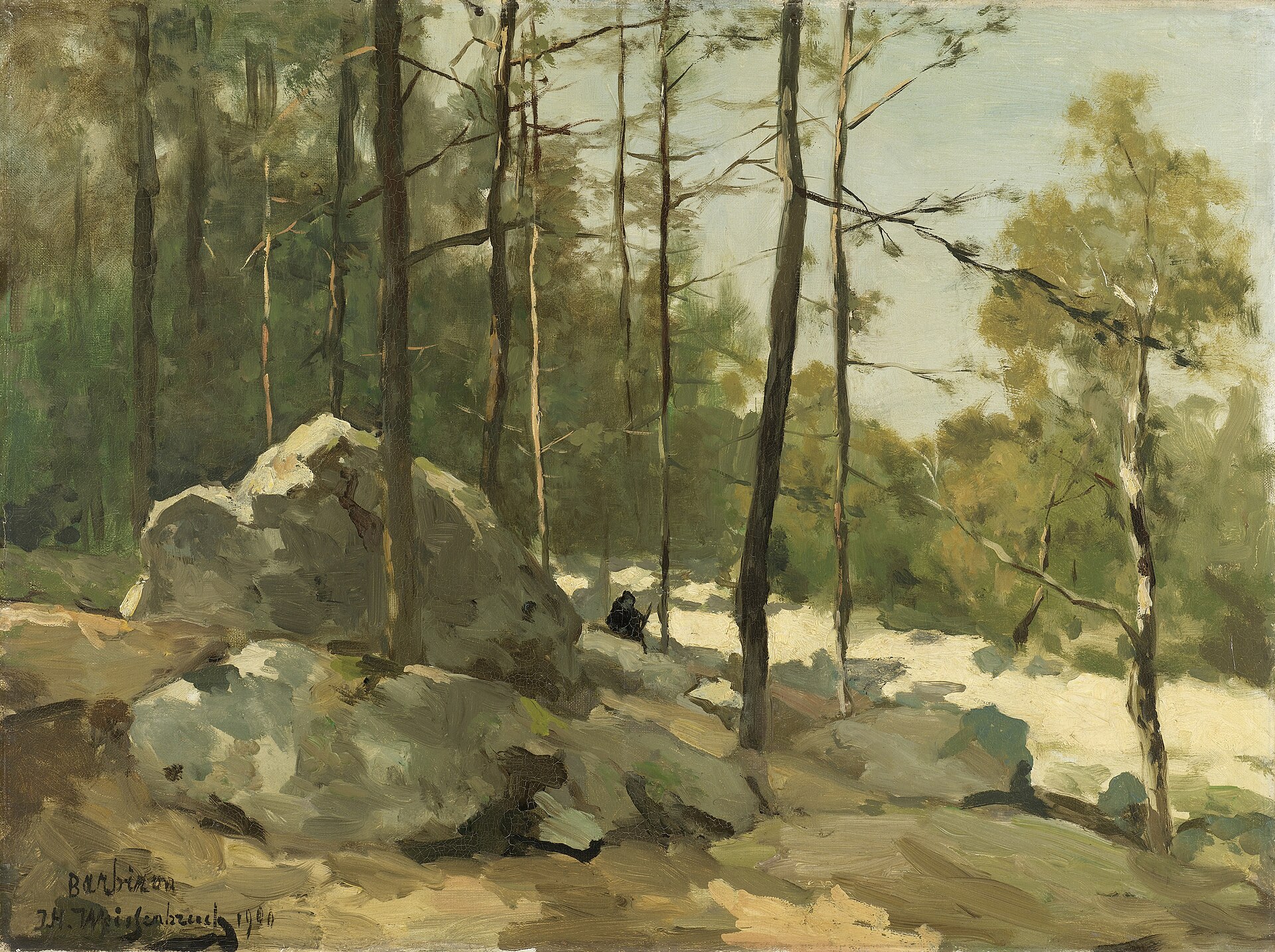
Rijksmuseum · wikidata.org
Public domain
They say the French painters who'd worked in these woods half a century earlier were heroes to the Dutch landscape crowd, and apparently he only made the trip himself right at the end of his life — to paint the forest they'd all been admiring from a distance.
Erisava: I nearly missed the person sitting in there. Now they're all I can see.
View of Zoutelande on the Island of Walcheren by Ferdinand Hart Nibbrig, 1906
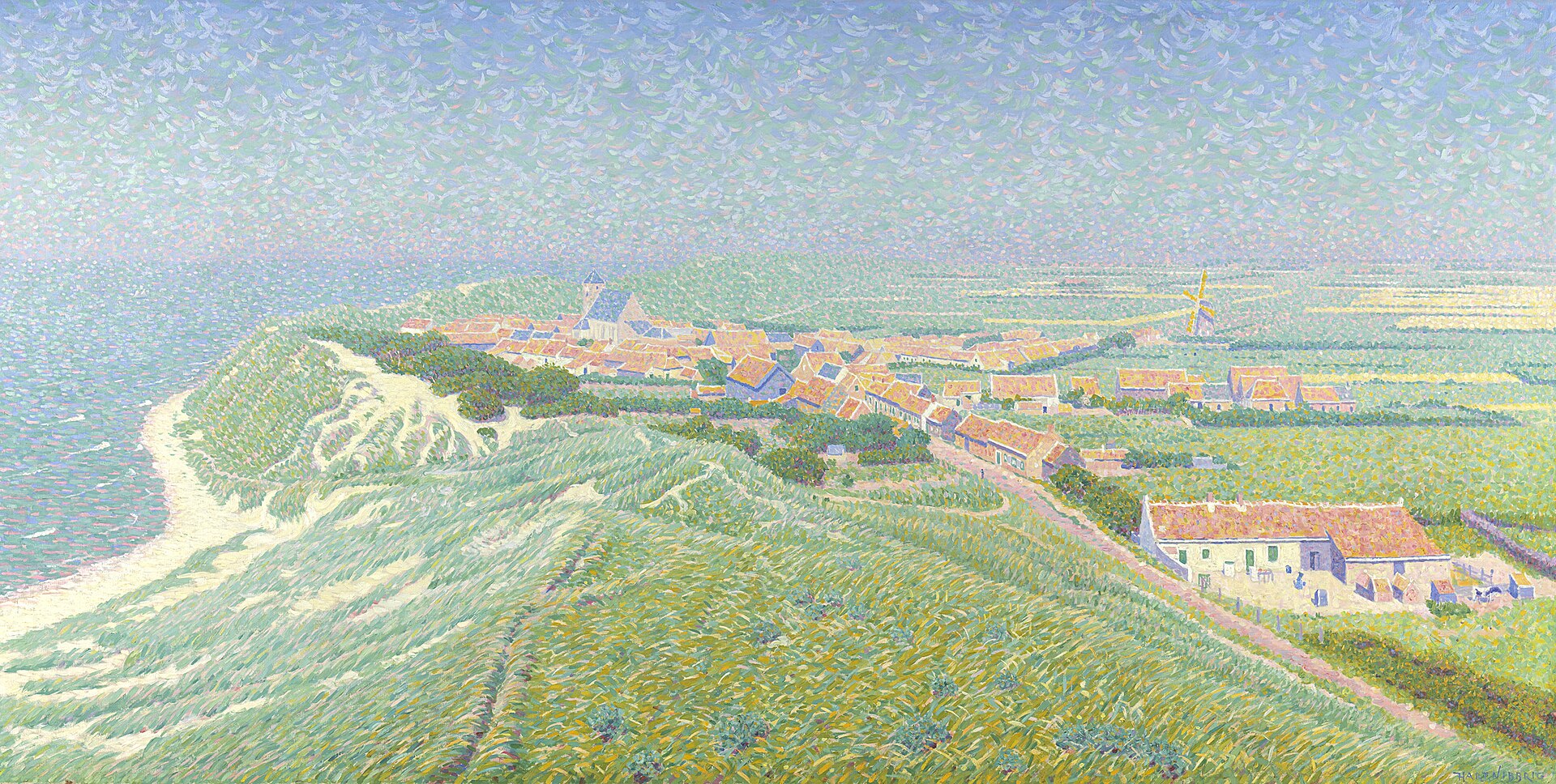
Rijksmuseum · wikidata.org
Public domain
From what I could find, this dot-by-dot way of painting came over from France, and he was one of the few Dutch painters who really committed to it. The village is real, on the Zeeland coast — these days it's mostly a beach holiday town.
Erisava: The whole thing's made of tiny dots. That's either dedication or madness.
Hundred Guilder Print by Rembrandt, 1647
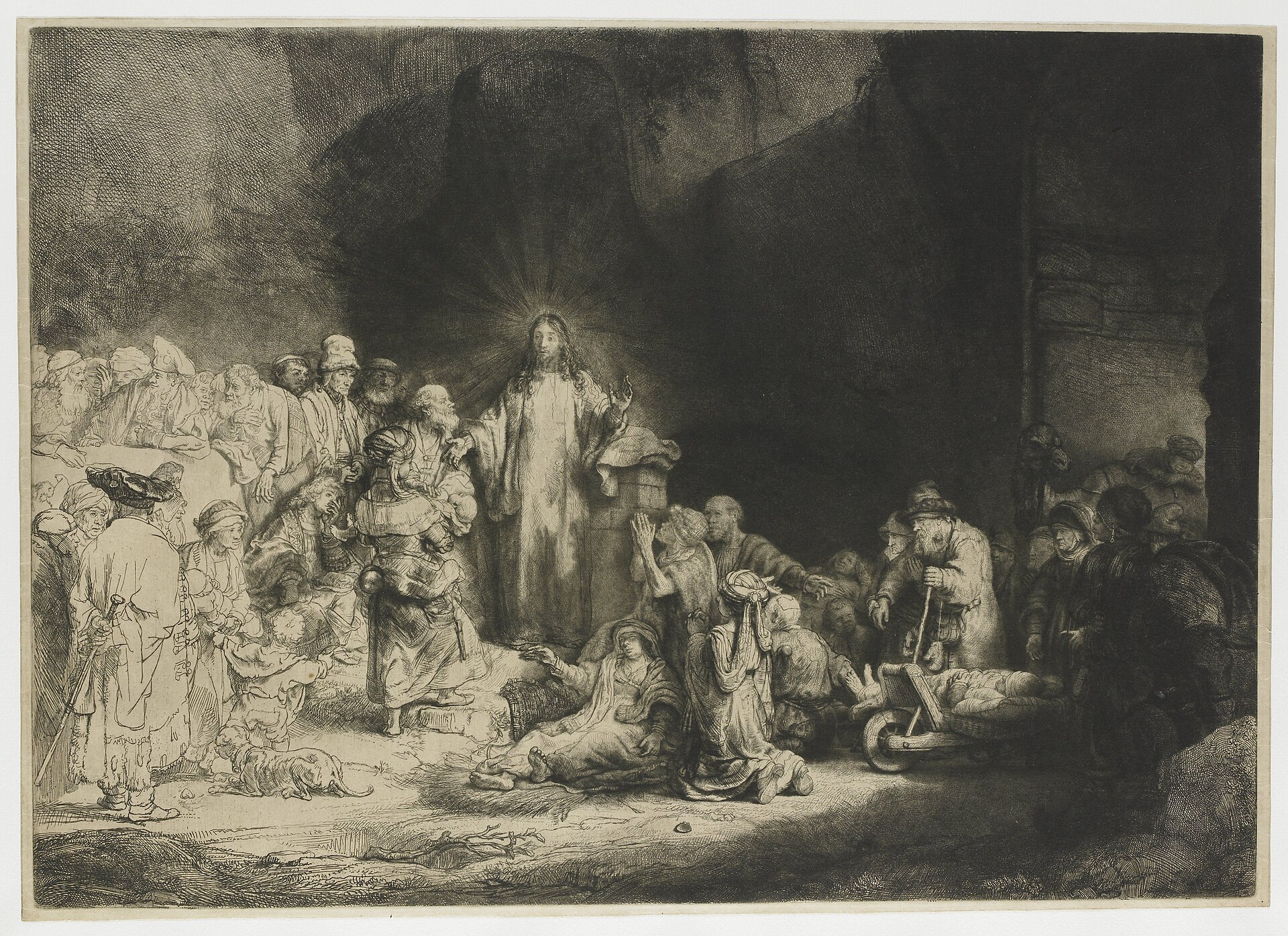
Rijksmuseum · wikidata.org
Public domain
The name it goes by comes from money — the story is that a copy once changed hands for a sum that was outrageous for a print, and it stuck. It isn't one moment either: from what I've read he packed several separate things from the same chapter of the Bible into a single scene, so people are being healed, argued with and turned away all at once.
Erisava: You could look at this for an hour and still be finding people in it.
Gray Tree by Piet Mondrian, 1911
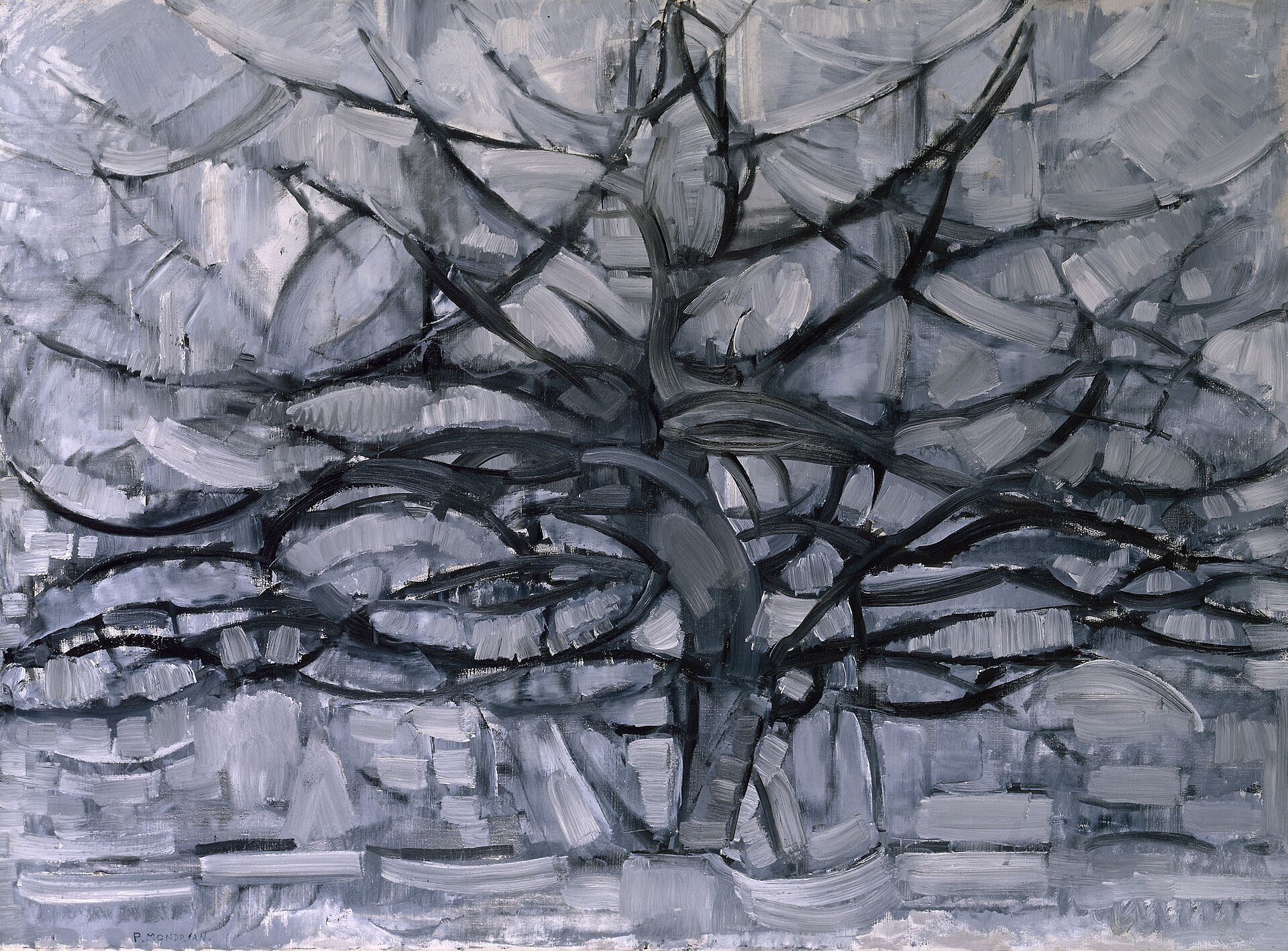
Kunstmuseum Den Haag · wikidata.org
Public domain
One of a run of tree paintings he made over a few years, each one supposedly a little further from looking like a tree than the one before. That run is what ends up at the black lines and flat colour blocks he's known for now.
Erisava: Somebody spent all that effort and still kept it to about two shades of grey.
The Potato Eaters by Vincent van Gogh, 1885
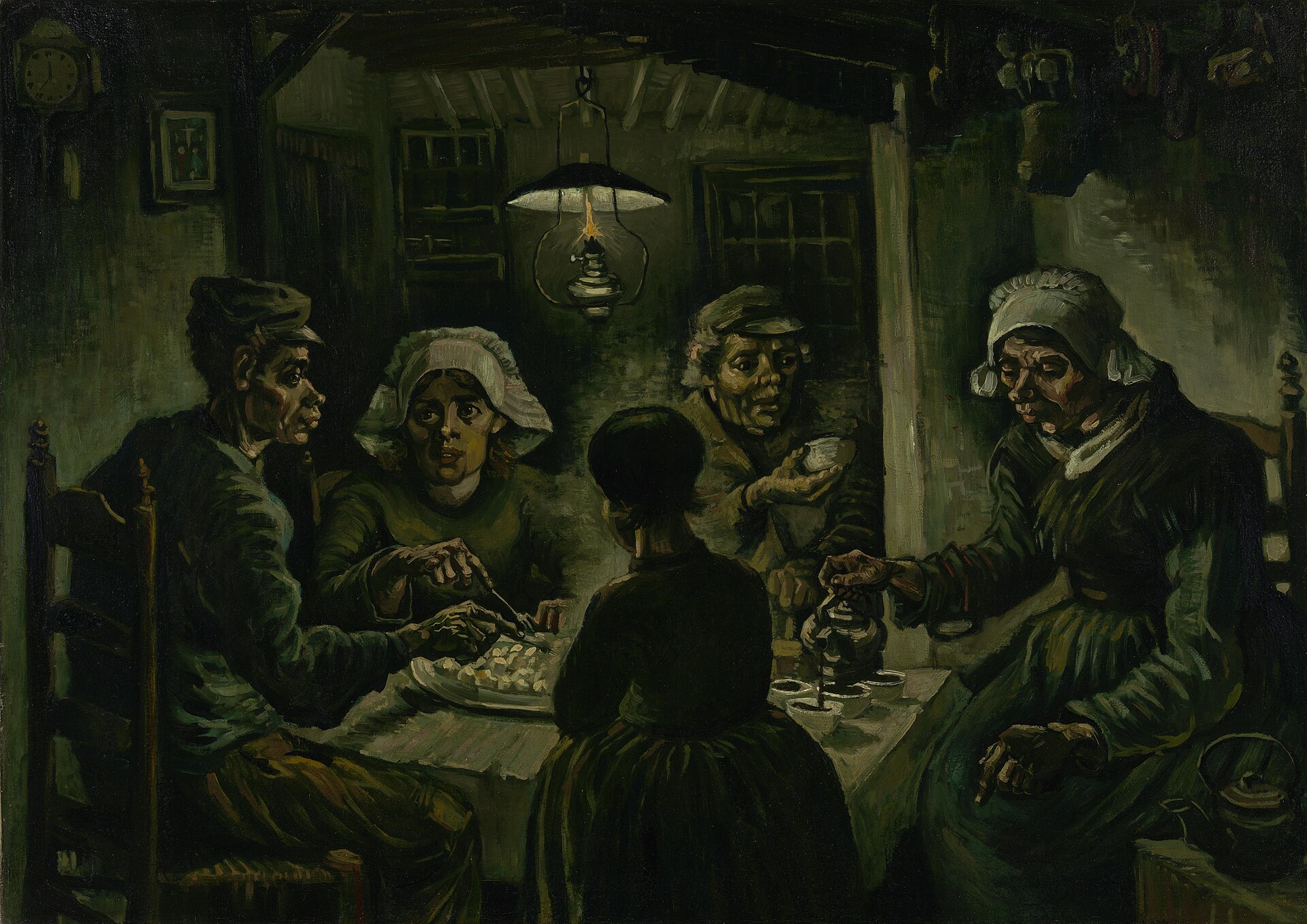
Van Gogh Museum · wikidata.org
Public domain
The aim, from what I can find, was people who looked like they'd actually dug the food sitting in front of them — in a letter he said he wanted the whole thing to smell of bacon, smoke and potato steam. It got pulled apart when it was new, apparently even by a painter friend of his, mostly over the drawing being off.
Erisava: It's all mud and lamplight, and I'd still rather look at this than something pretty.