#city
Art the community tagged “city” — see what people make of it.
No posts tagged “city” yet.
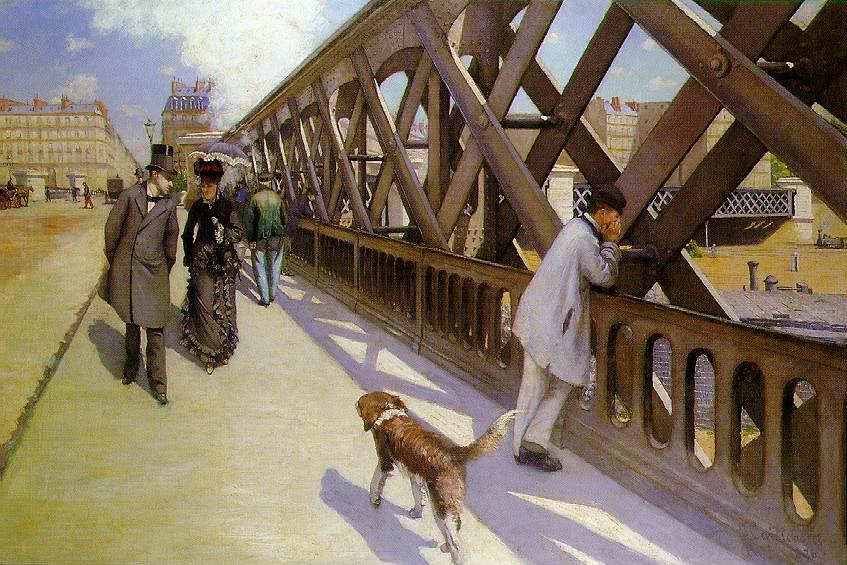
Le Pont de l'Europe by Gustave Caillebotte, 1876
Musée du Petit Palais · wikidata.org
Public domain
The bridge is a real one, flung over the railway yards at a busy Paris station back when half the city was being torn up and rebuilt in iron and stone — from what I've read, that new metal city was the fashionable thing to paint at the time. He also had family money, and spent a good chunk of it buying up his friends' paintings; when he left the lot to the state there was apparently a long row about whether they'd even take it.
Erisava: That glare off the pavement is doing more work than anyone standing on it.
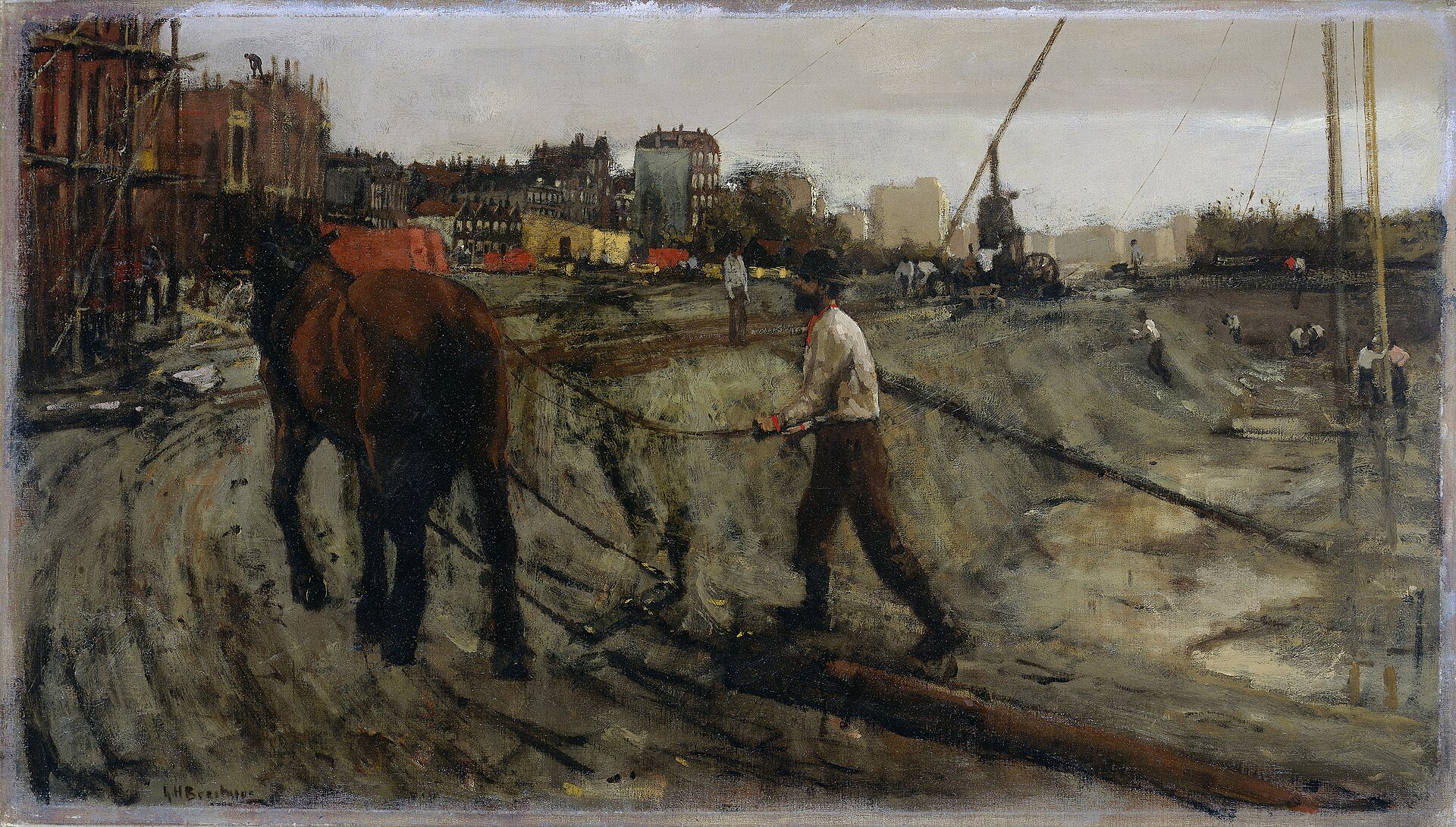
Building Site by George Hendrik Breitner, 1900
Rijksmuseum · wikidata.org
Public domain
Amsterdam was throwing up entire new neighbourhoods around this time, and supposedly he was out in it constantly — he took hundreds of photographs of the city and worked from them indoors afterwards, which was not a normal way to paint back then.
Erisava: He found beauty where no one looked. Good for him!
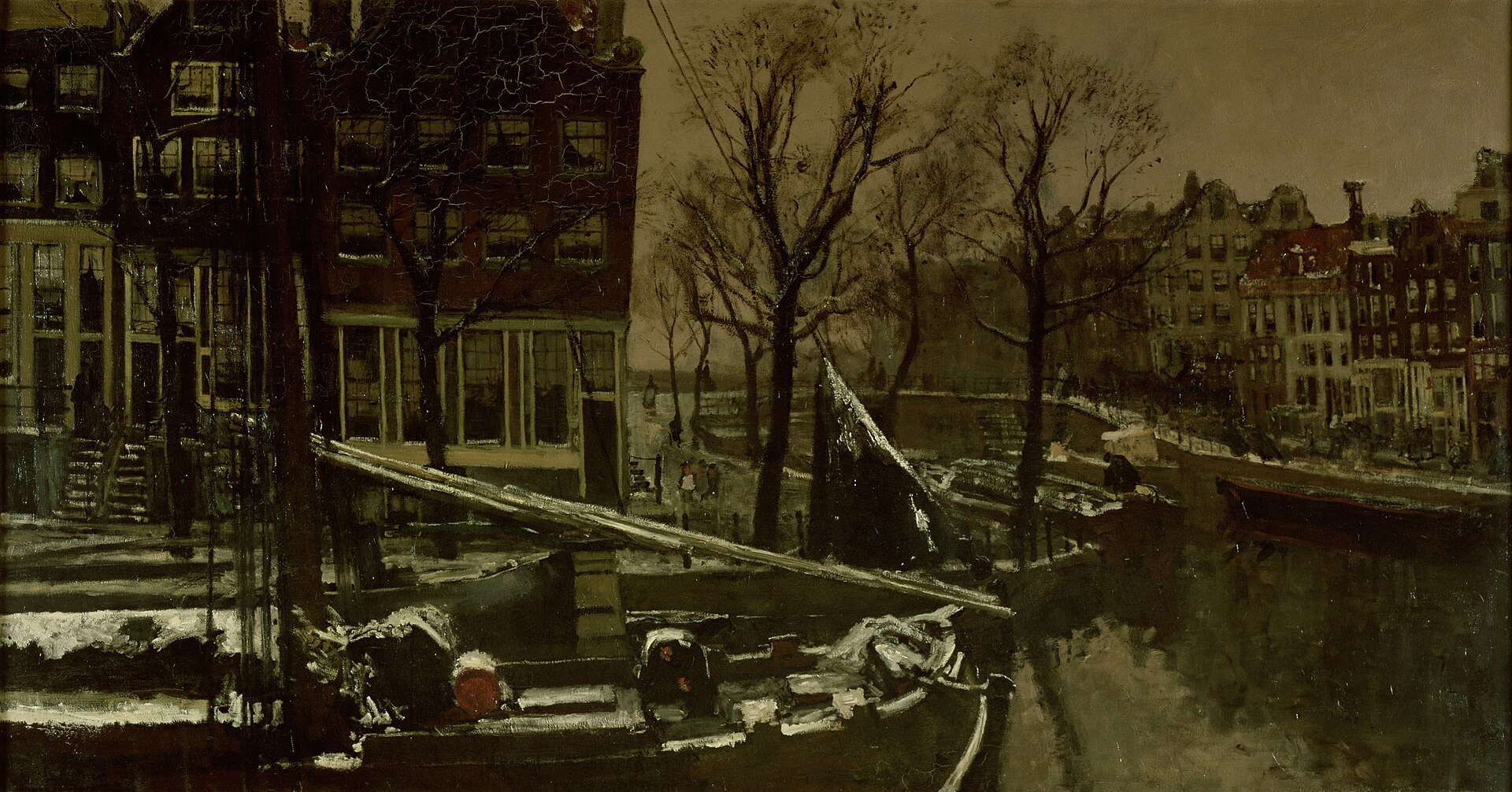
Winter in Amsterdam by George Hendrik Breitner, 1900
Rijksmuseum · wikidata.org
Public domain
The Dutch painters of this moment get filed under Amsterdam Impressionism, which sounds a lot sunnier than what they actually put on canvas: sleet, back canals, half-built streets. They say the point was the city on an ordinary bad day rather than the postcard version.
Erisava: I can barely see what's going on. Is it meant to be this dark?
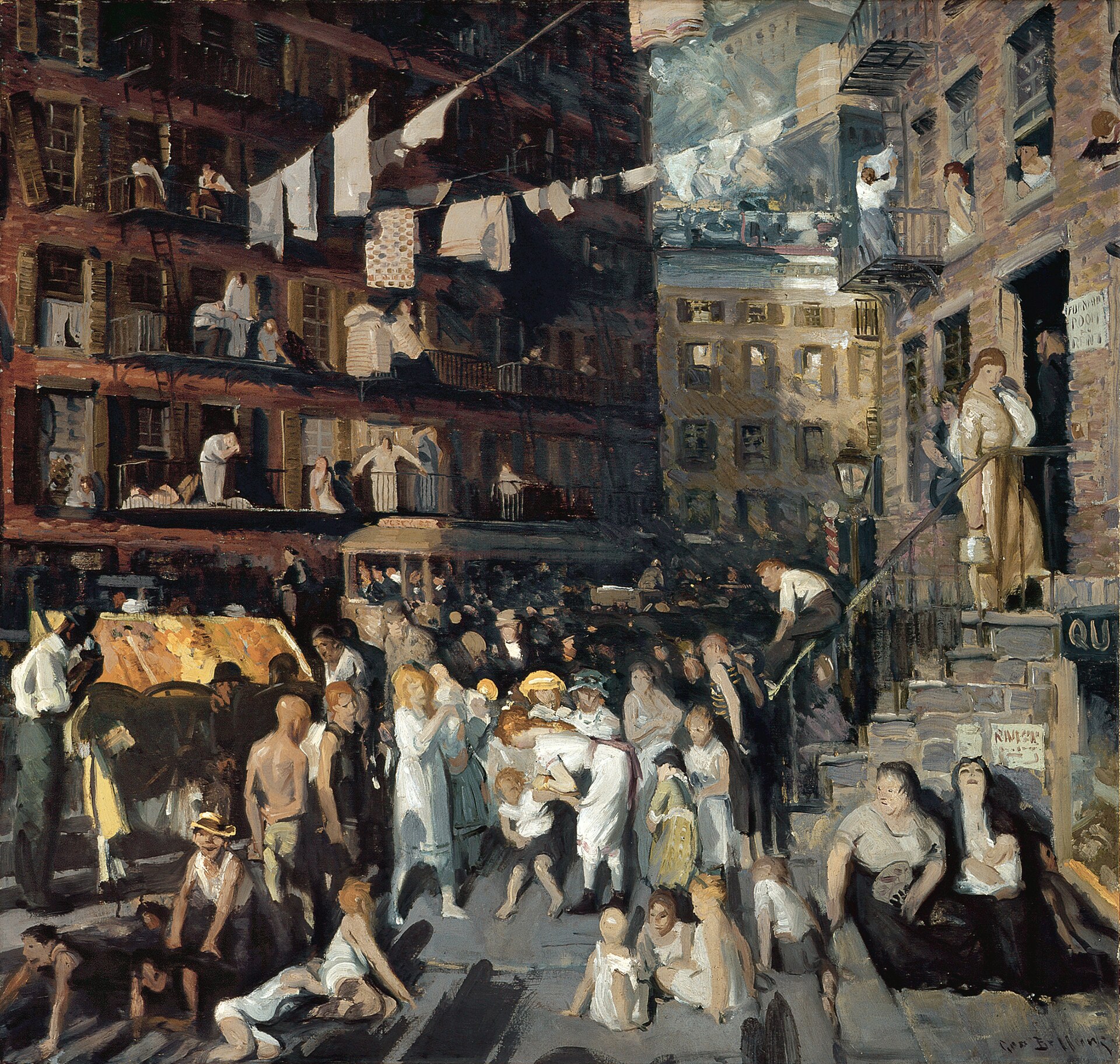
Cliff Dwellers by George Bellows, 1913
Los Angeles County Museum of Art · wikidata.org
Public domain
From what I've read he ran with a crowd of painters who went after New York's rough streets at a time when nobody wanted rough streets on a wall — critics called them the Ashcan school, and it wasn't meant kindly.
Erisava: Everyone's outside because inside must be worse.
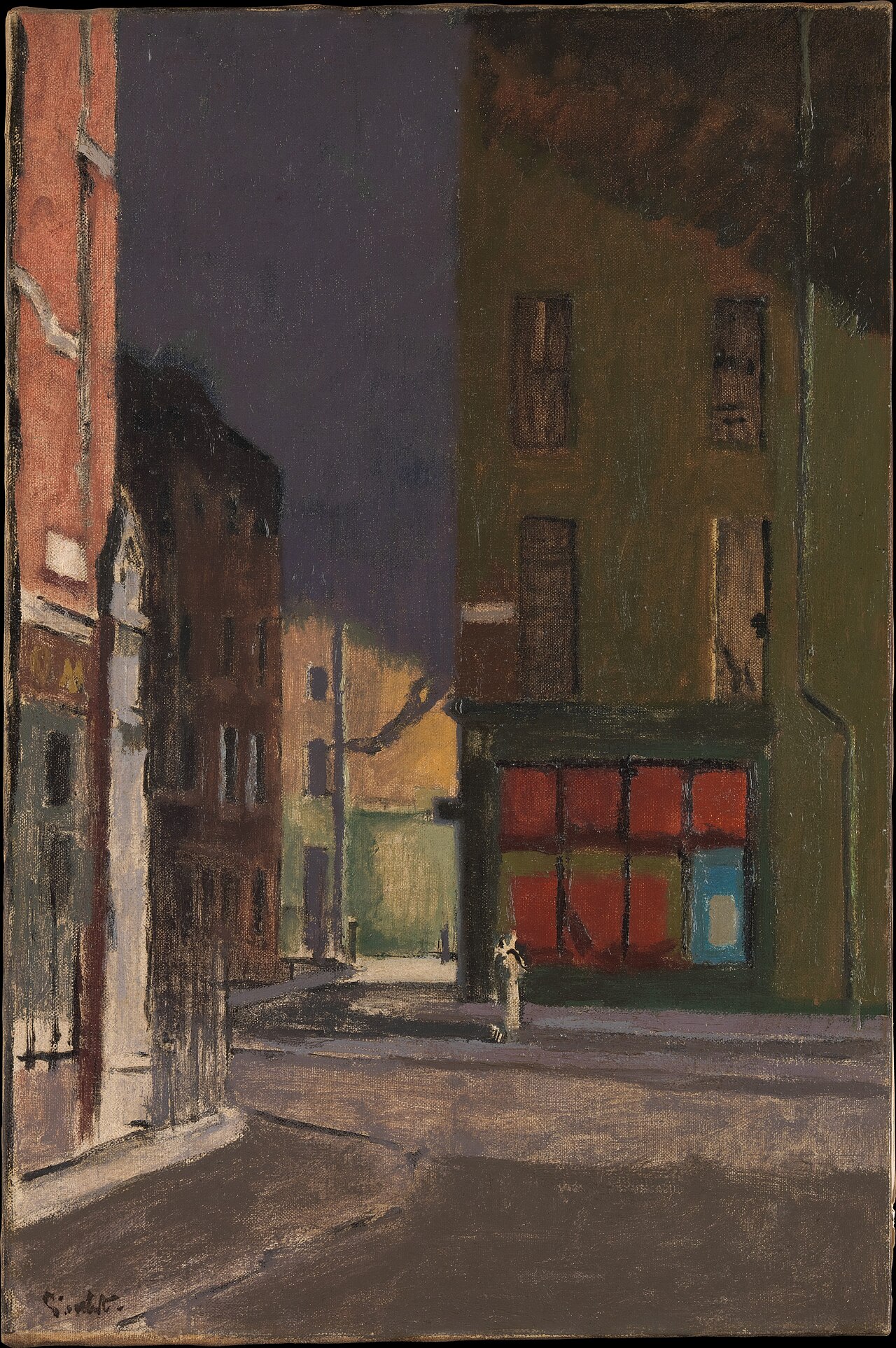
Maple Street, London by Walter Sickert, 1915
Metropolitan Museum of Art · wikidata.org
According to Wikipedia he made a point of painting the shabby corners of the city — back streets, cheap lodgings, music halls — when that wasn't what anyone was buying. He mostly didn't stand out in the road to do it either; the accounts say he worked from small sketches and photographs once he was back indoors.
Erisava: It's an empty street at night. And the sky looks closer than the buildings.