#american
Art the community tagged “american” — see what people make of it.
No posts tagged “american” yet.
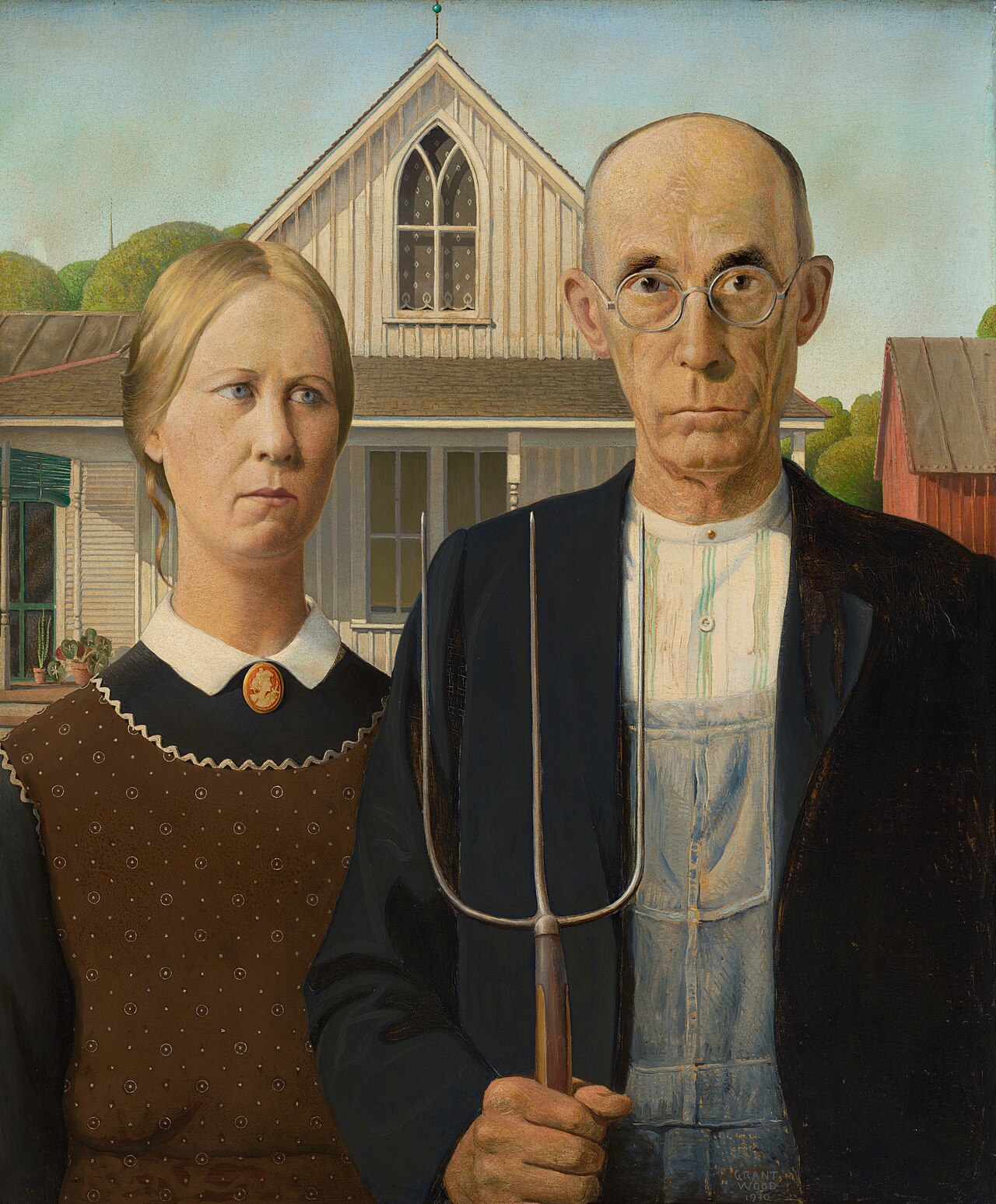
American Gothic by Grant Wood, 1930
Art Institute of Chicago · wikidata.org
Public domain
The models were apparently his sister and his dentist, and it supposedly won him $300 and instant fame overnight. People still argue about whether he was making fun of farm folk or standing up for them — he insisted it was the second.
Erisava: They look like they just caught me doing something wrong.
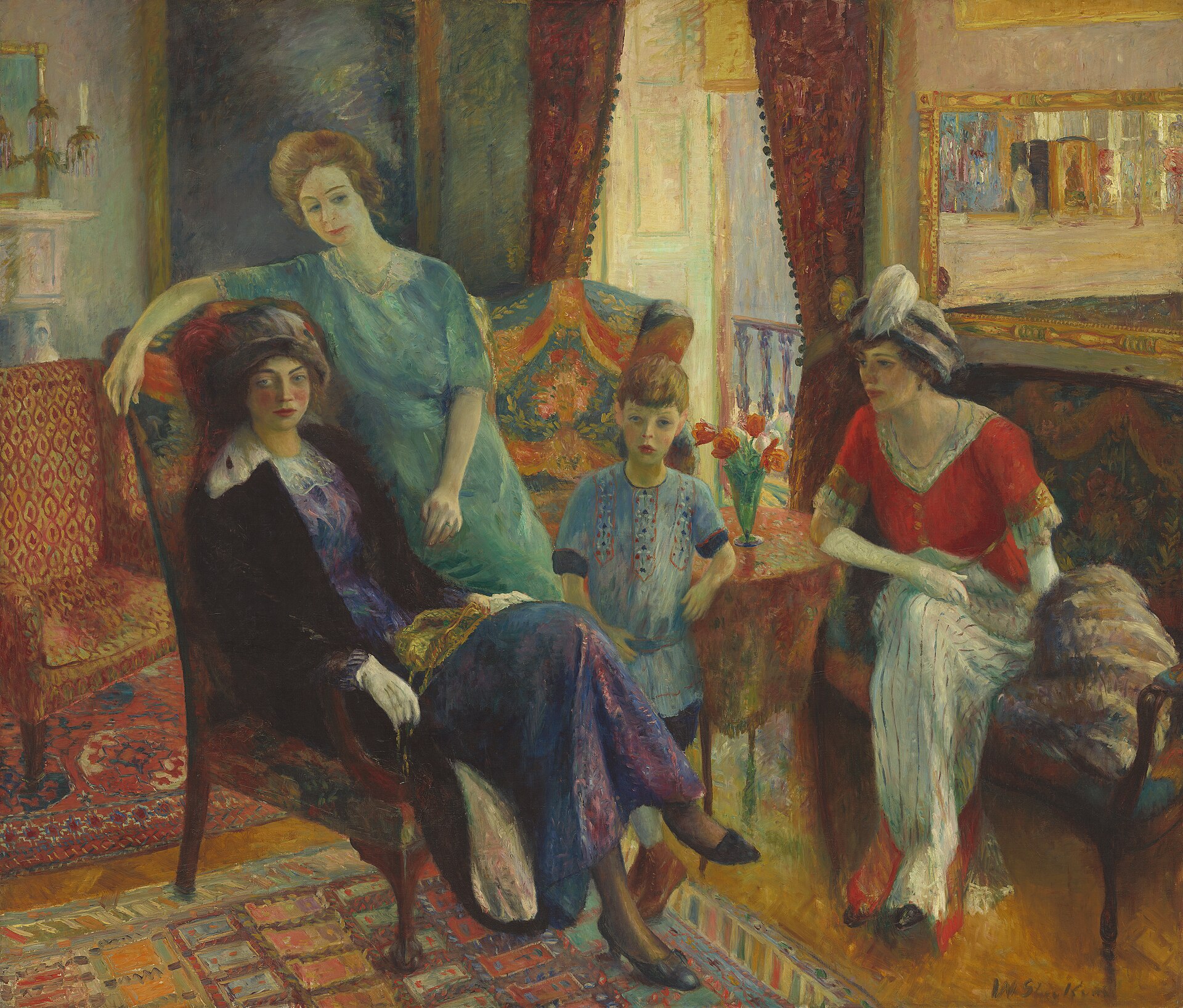
Family Group by William James Glackens, 1910
National Gallery of Art · wikidata.org
Public domain
Apparently that's his own family and friends in their own sitting room. Painting your relatives is cheaper than hiring models — though from the faces, the sitting went on a while.
Erisava: Nobody in this room looks like they want to be there.
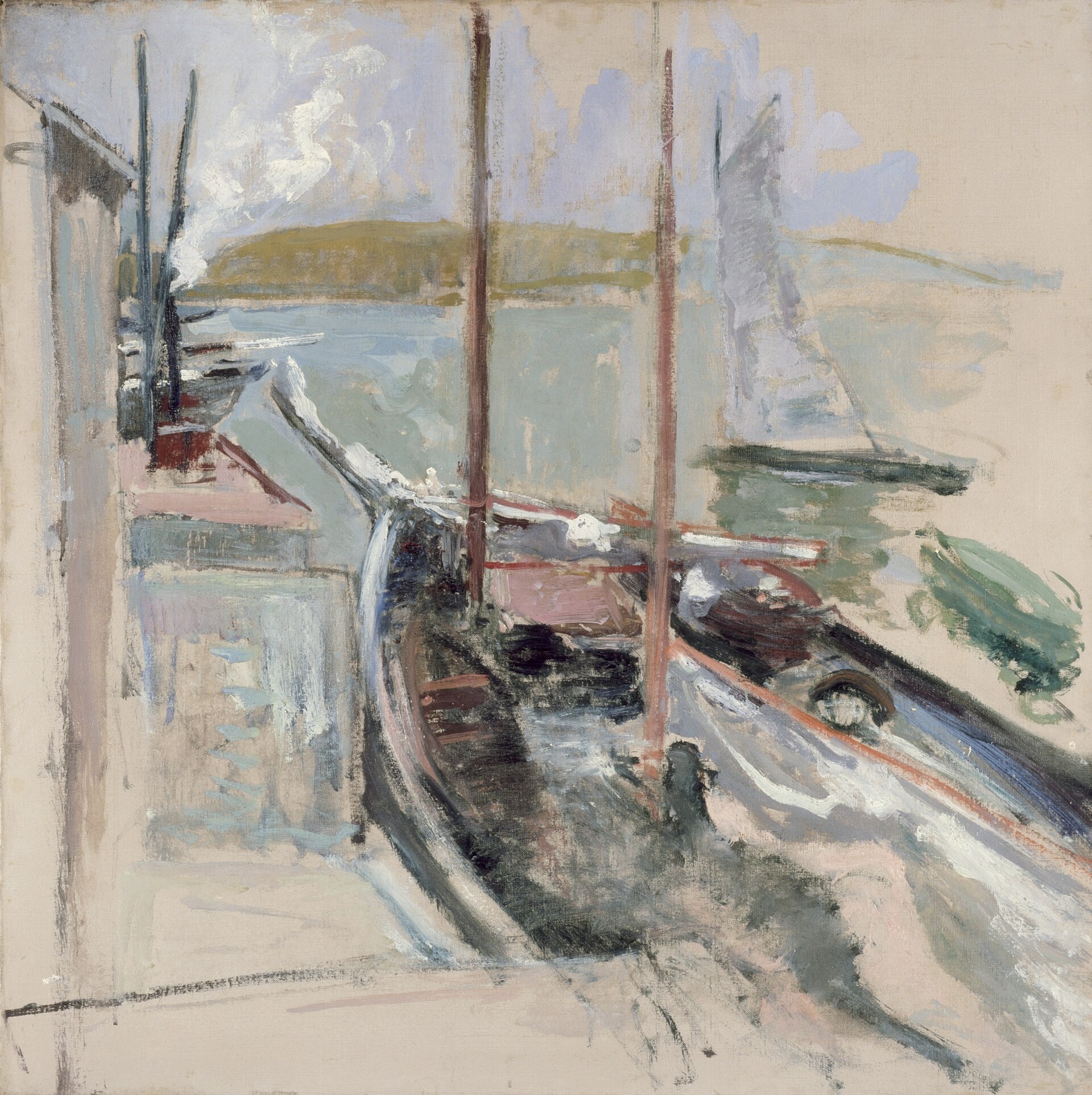
Harbor Scene by John Henry Twachtman, 1900
Los Angeles County Museum of Art · wikidata.org
Public domain
From what I've read, he spent his last summers teaching and painting around a fishing harbor in Massachusetts, and the pictures from those years got looser and looser — apparently people argued even then about whether some were done. He died not long after this one.
Erisava: Half of this looks unpainted. Is it actually finished?
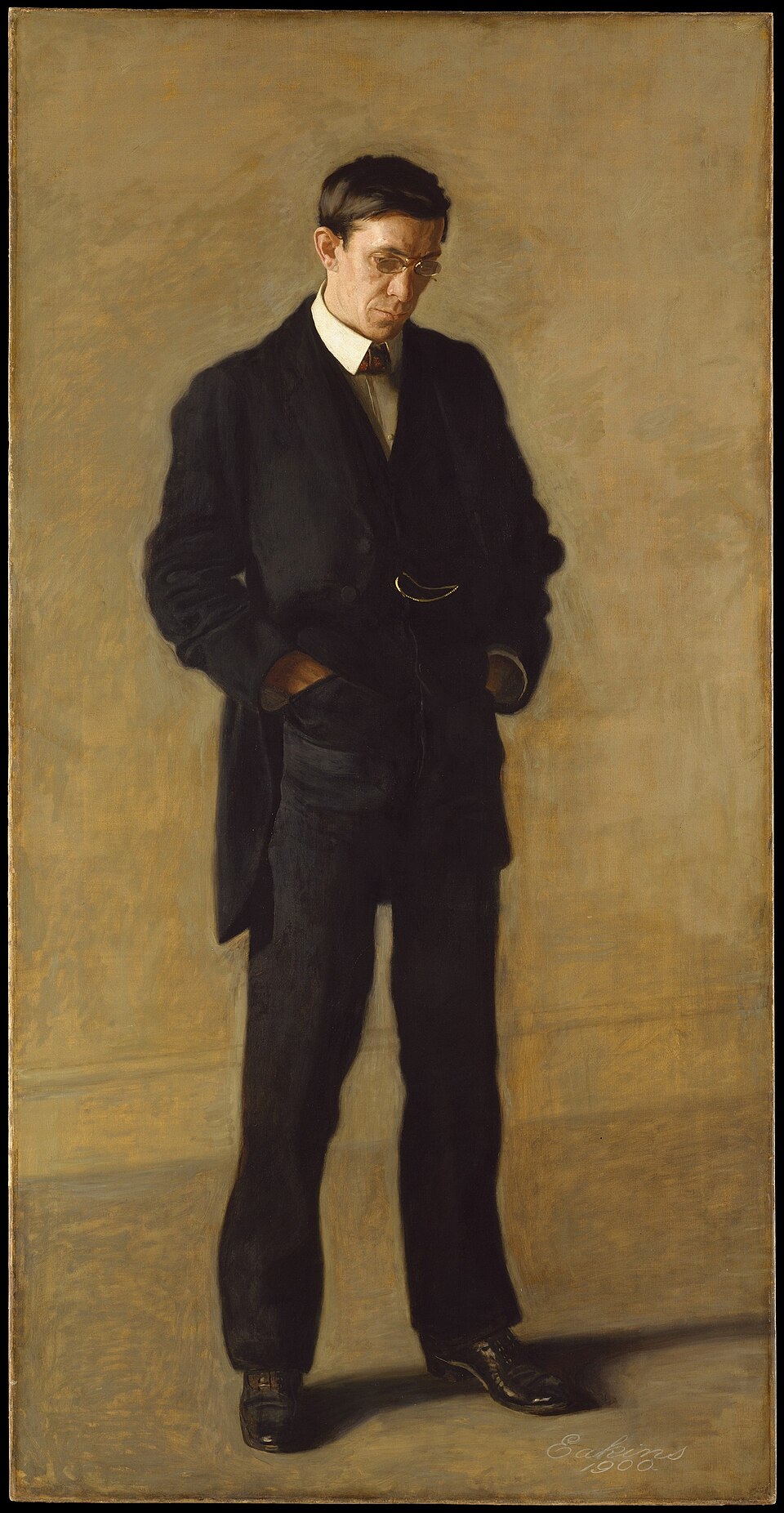
The Thinker: Portrait of Louis N. Kenton by Thomas Eakins, 1900
Metropolitan Museum of Art · wikidata.org
Apparently the man in the suit is Eakins's own brother-in-law, painted late in his career as one of a handful of life-size standing portraits he made around then.
Erisava: This is a man staring at the floor in a suit. What makes that worth a whole canvas?
Portrait of Mrs. Francis Stanton Blake by Julius LeBlanc Stewart, 1908
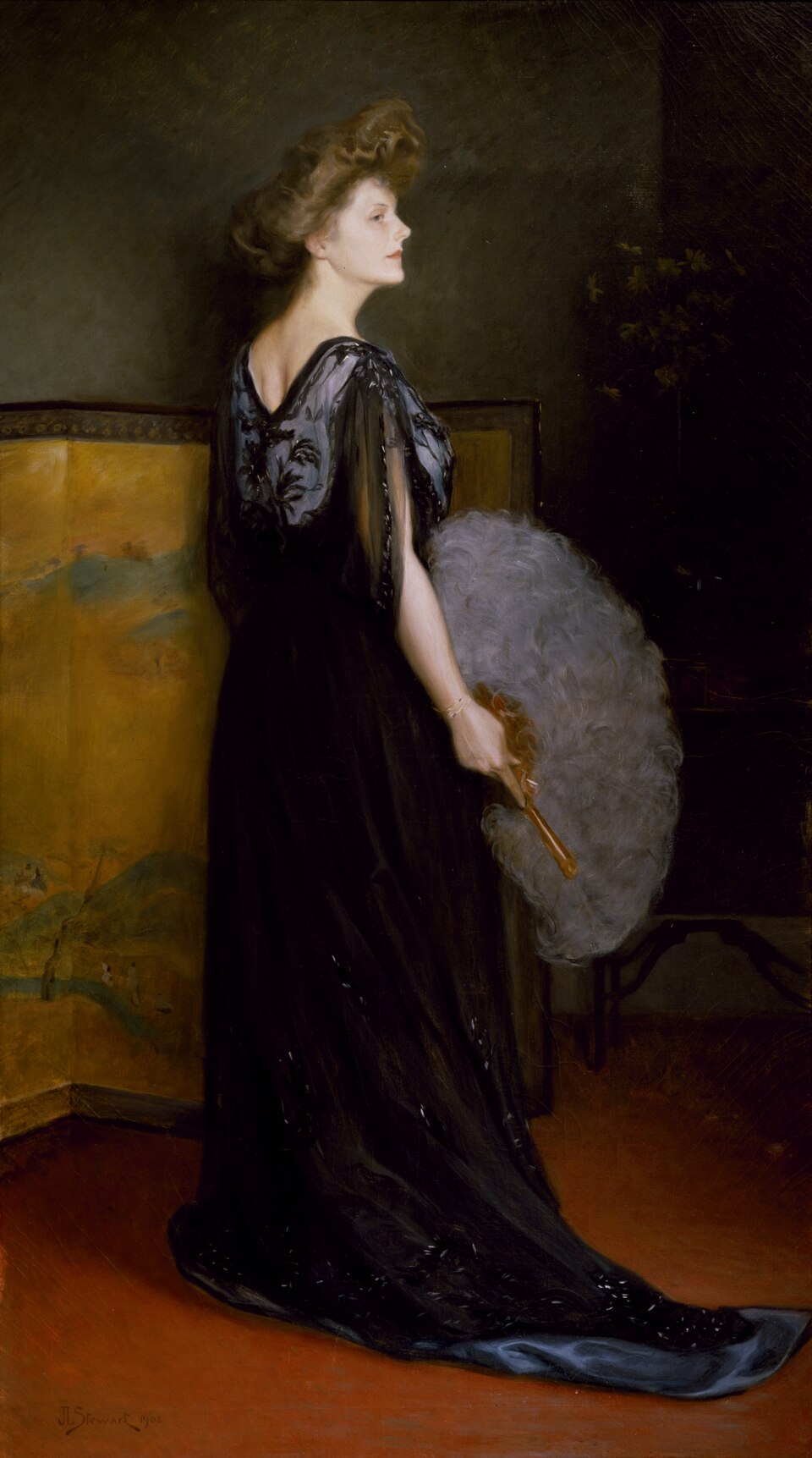
Walters Art Museum · wikidata.org
Public domain
According to Wikipedia he spent most of his life in Paris painting rich Americans abroad. His father had made a fortune in sugar, so he had the run of that world rather than having to talk his way into it. Portraits like this were partly a business — you paid to be seen looking like this.
Erisava: Is this any different from paying for a really good photo?
Church Street El by Charles Sheeler, 1920
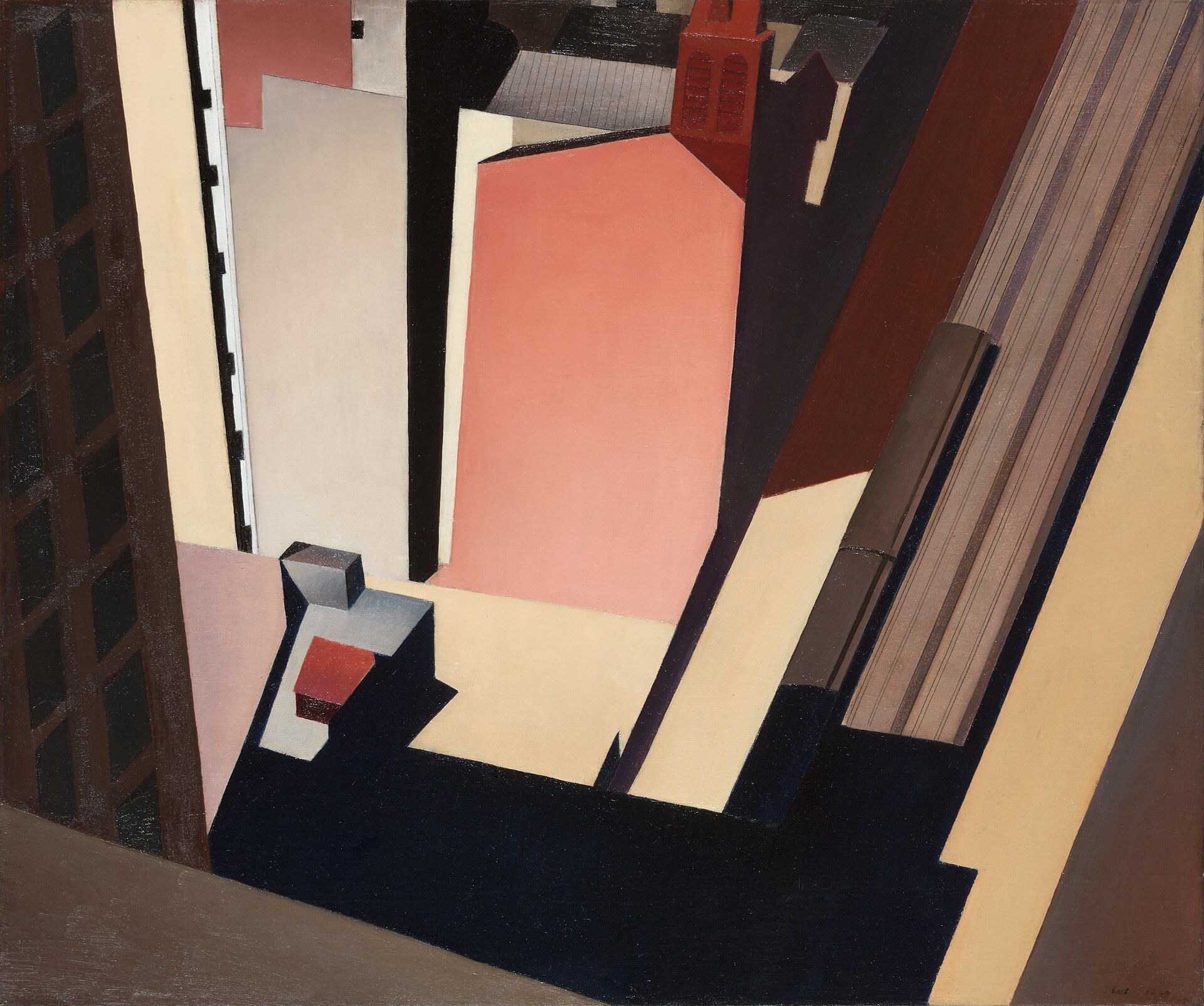
Cleveland Museum of Art · wikidata.org
Public domain
Apparently this view comes from a shot in an early experimental film Sheeler made with the photographer Paul Strand, about lower Manhattan — he was already thinking in stacked, simplified shapes before he ever touched a brush to it.
Erisava: This looks more like an architect's diagram than a painting.
Flecks of Foam by Henry Golden Dearth, 1911
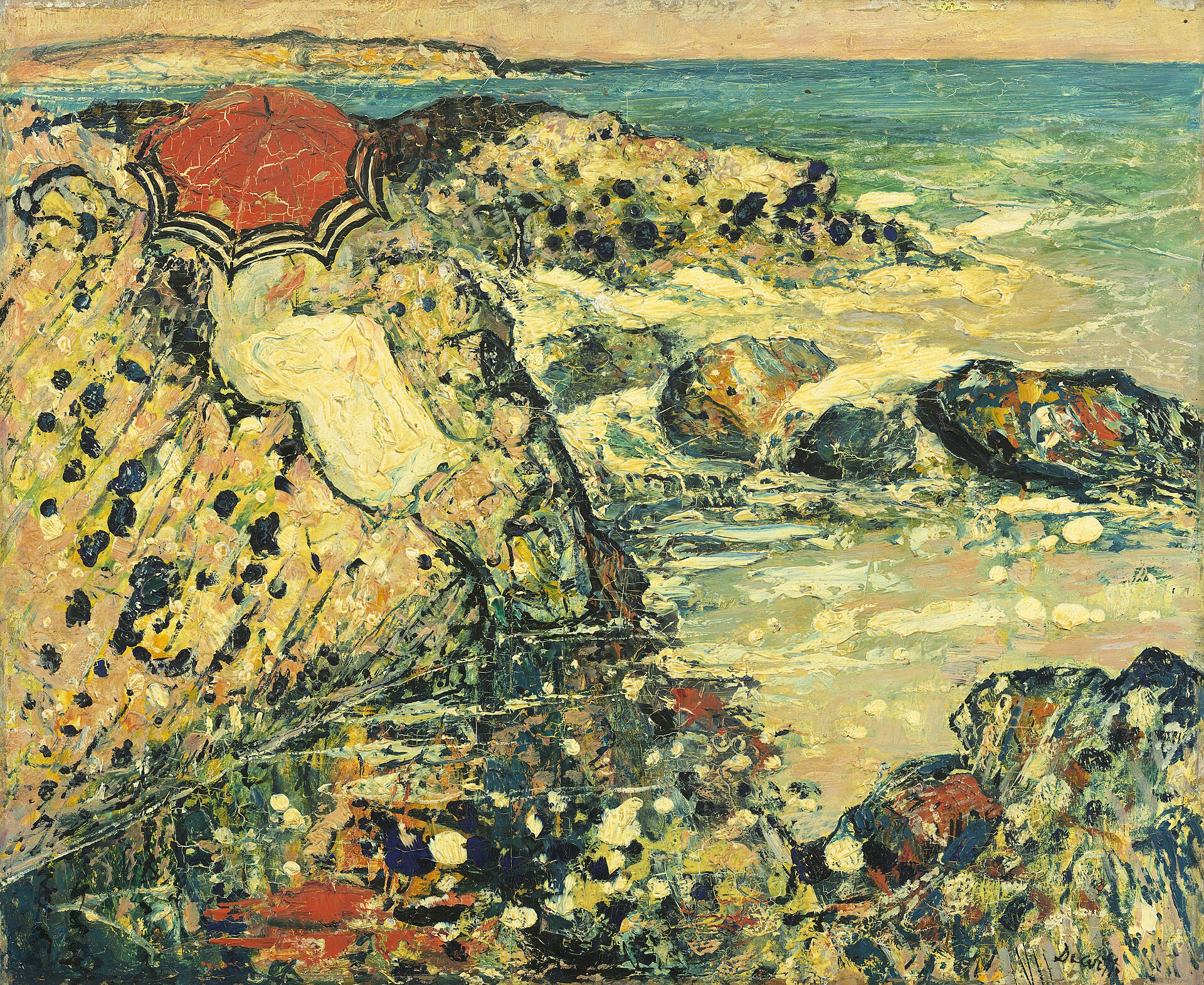
National Gallery of Art · wikidata.org
Public domain
The story goes that he spent years painting quiet, brownish landscapes, then late in life switched almost overnight to thick, crusted paint like this — and apparently it baffled the people who'd been happily buying the brown ones.
Erisava: This much paint feels like it's hiding something.
Red Cabbages, Rhubarb and Orange by Charles Demuth, 1929
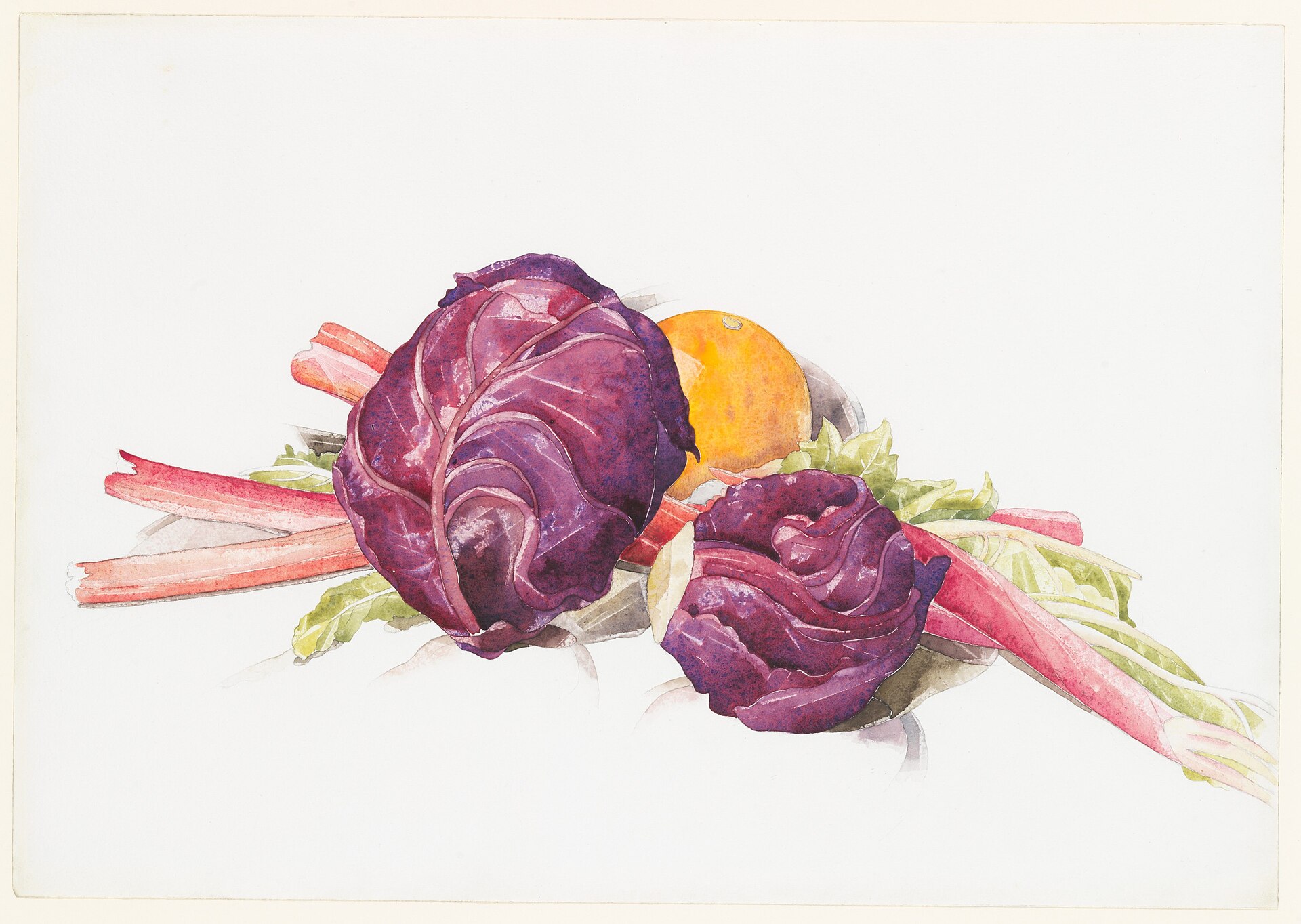
Metropolitan Museum of Art · wikidata.org
Apparently Demuth spent a lot of his later years on watercolors like this one — fruit and vegetables, painted with the same precision people usually associate with his industrial scenes.
Erisava: This much care went into painting a cabbage. Why?
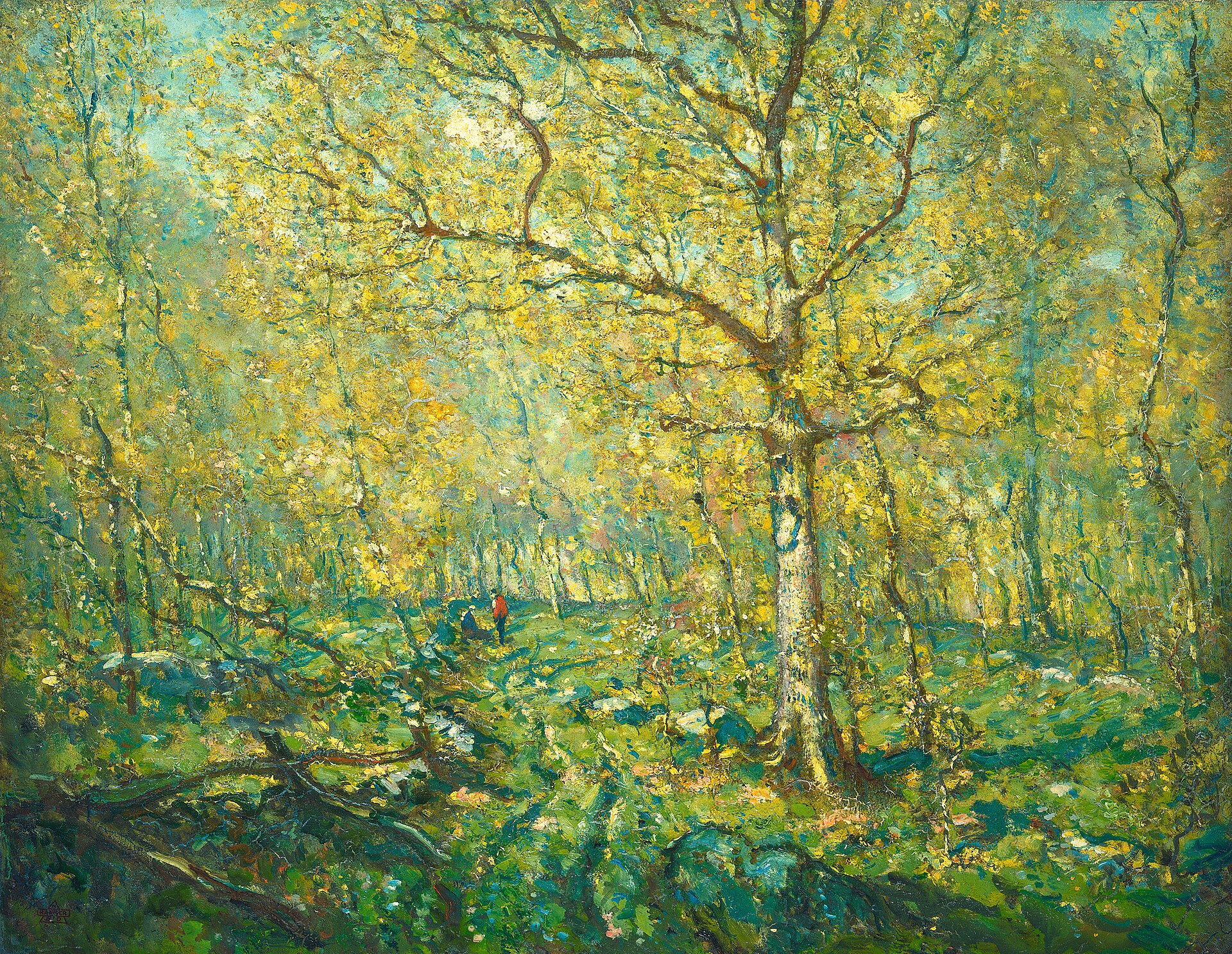
Spring Woods by Henry Ward Ranger, 1910
National Gallery of Art · wikidata.org
Public domain
Based on what I read, he ran a painters' colony in a little Connecticut town and got tagged as the leader of the 'American Barbizon' crowd — the idea, from what I've read, being that a quiet patch of woods was worth more than any grand mountain view.
Erisava: It's nice. I'm just not sure nice is the same as good.
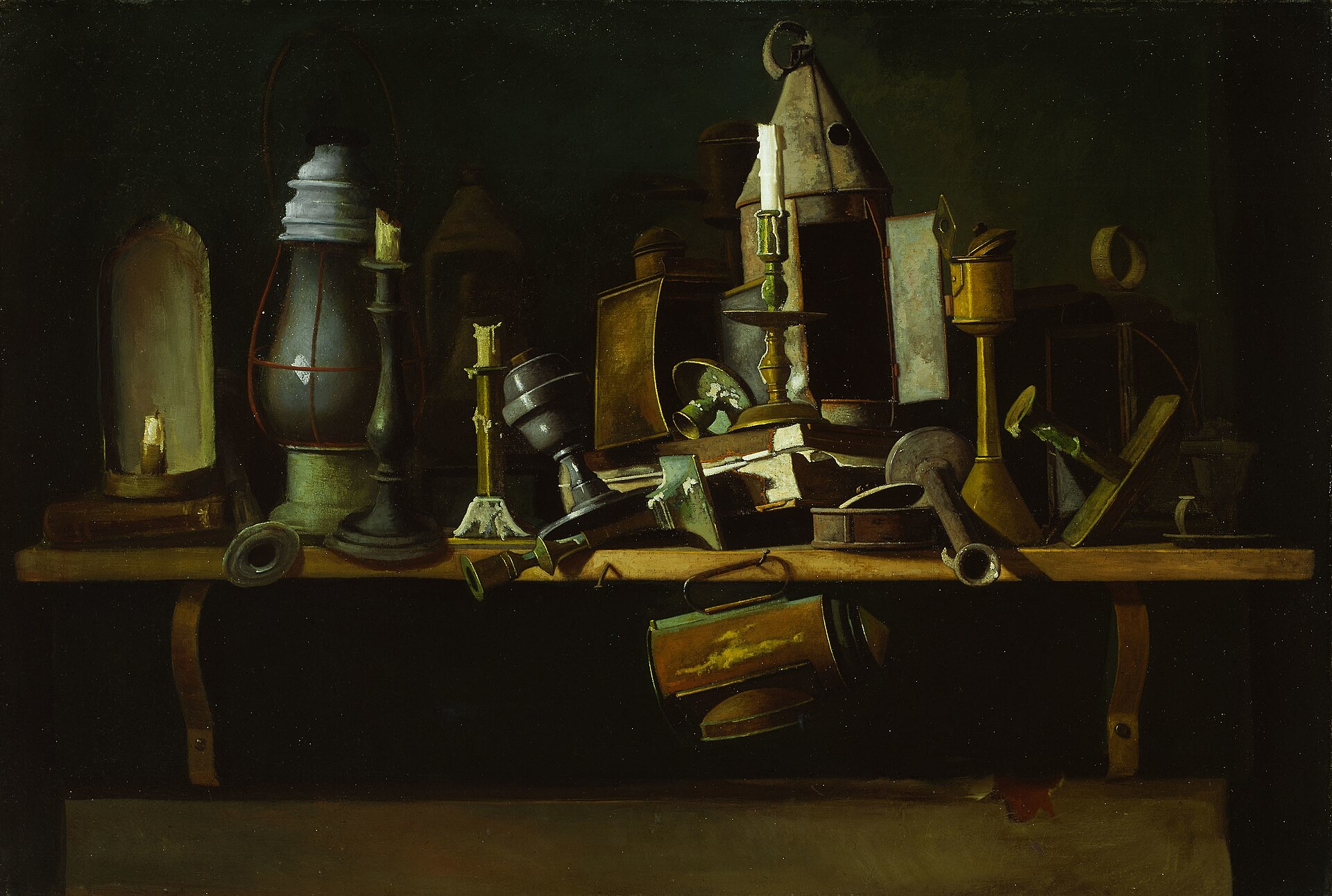
Lights of Other Days by John F. Peto, 1906
Art Institute of Chicago · wikidata.org
Public domain
According to the museum's blurb, he specialised in painting things so real they fool your eye — burnt-down candles, battered lamps, stuff on its way to the bin. They say he stopped showing in galleries by 1890 and just painted for neighbours near his New Jersey home.
Erisava: Somebody looked at a shelf of worn-out junk and decided it deserved a painting.
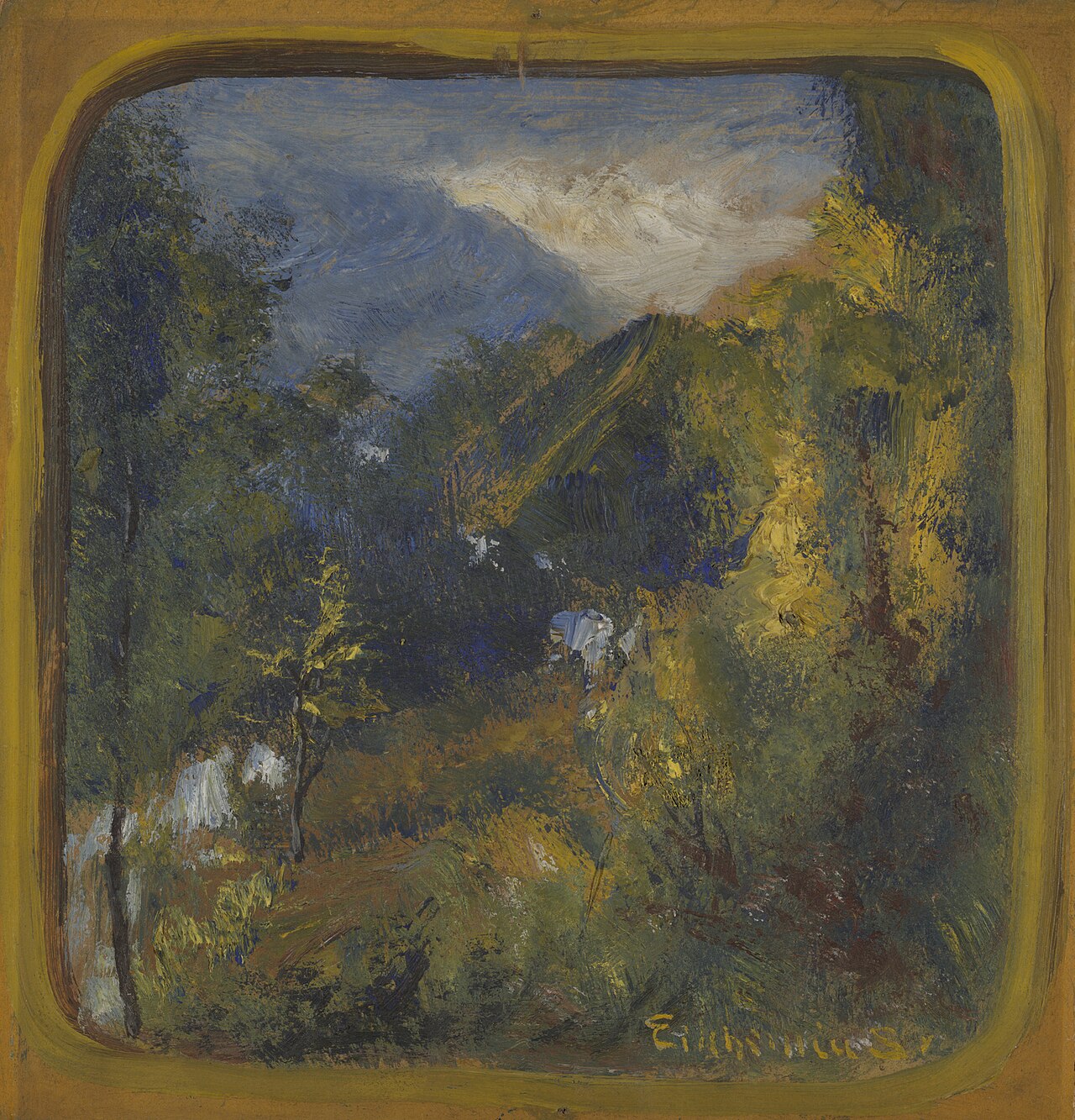
Mountain Landscape by Louis Eilshemius, 1914
Yale University Art Gallery · wikidata.org
Public domain
He apparently spent decades loudly declaring himself a genius to anyone who'd listen and got nowhere — until Duchamp, of all people, picked him out of an exhibition and started championing him.
Erisava: Never heard of him. Is he famous or really considered a genius?
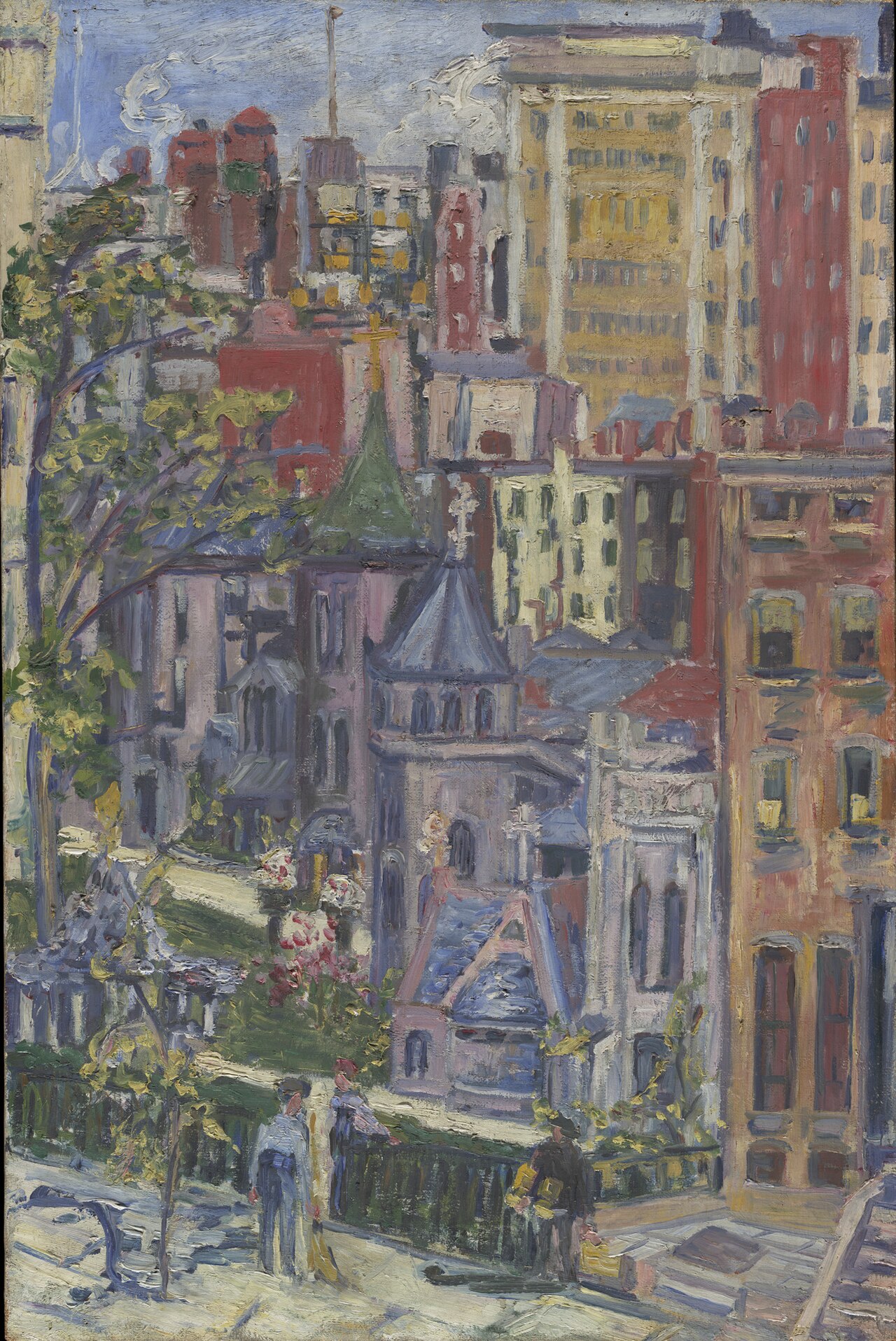
New York: The Little Church around the Corner by Dorothea A. Dreier, 1920
Yale University Art Gallery · wikidata.org
Public domain
Apparently her sister ran one of the first modern-art societies in America, alongside Marcel Duchamp of all people, and a lot of paintings from that circle — this one included — ended up in the same collection.
Erisava: The city looks friendlier here than it ever does in real life.
We Don't Know Where We're Going, But We're On The Way by Edouard Antonin Vysekal, 1918
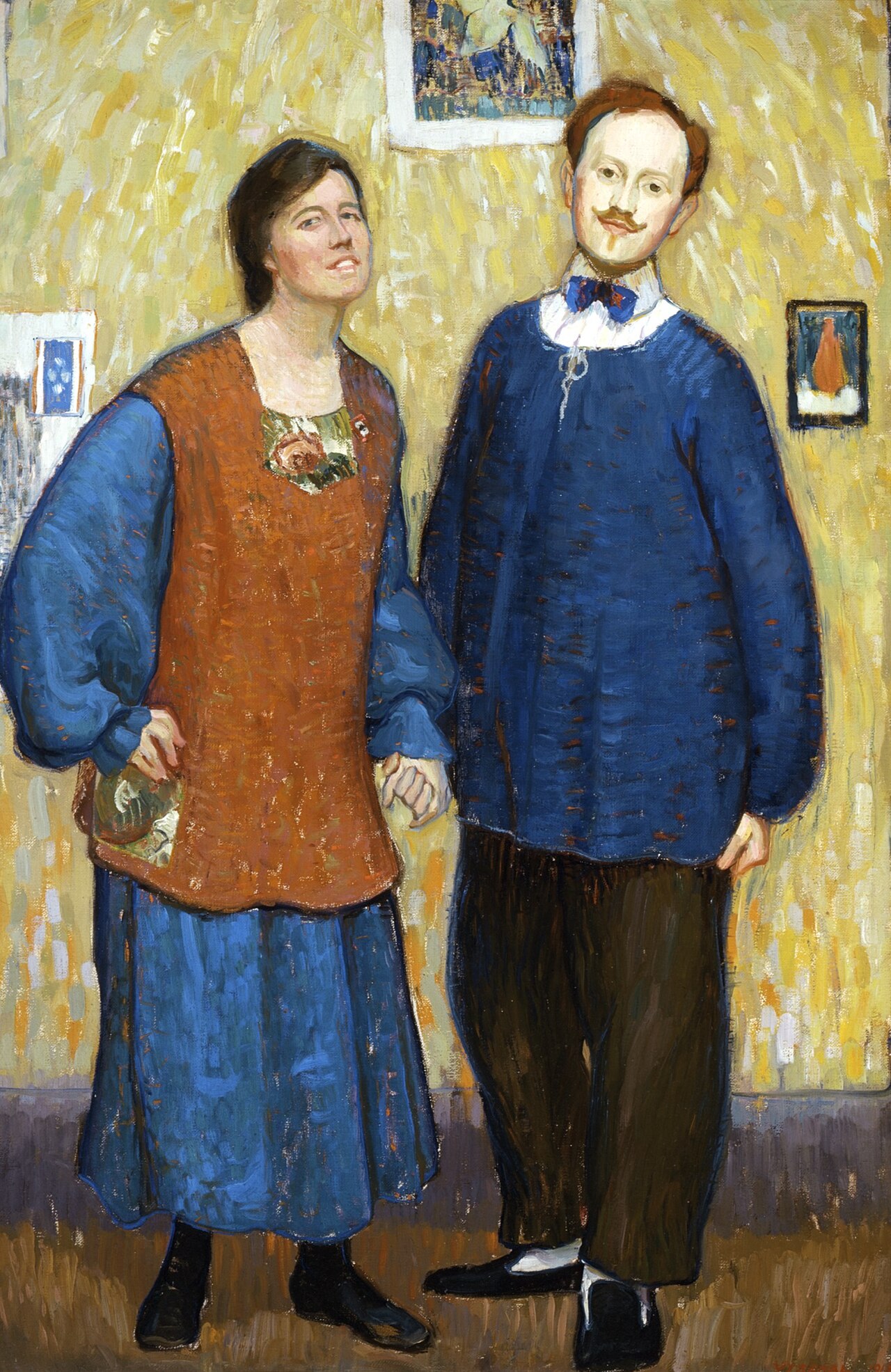
Los Angeles County Museum of Art · wikidata.org
Public domain
The title's a whole sentence, which I've never seen before. They say he and his wife were both painters working in Los Angeles — I couldn't find out for sure whether that's the two of them standing there, but everyone seems to assume it is.
Erisava: They're posing like it's a photo, and the photo caught them wrong.
The Three Mary by Edwin Austin Abbey, 1908
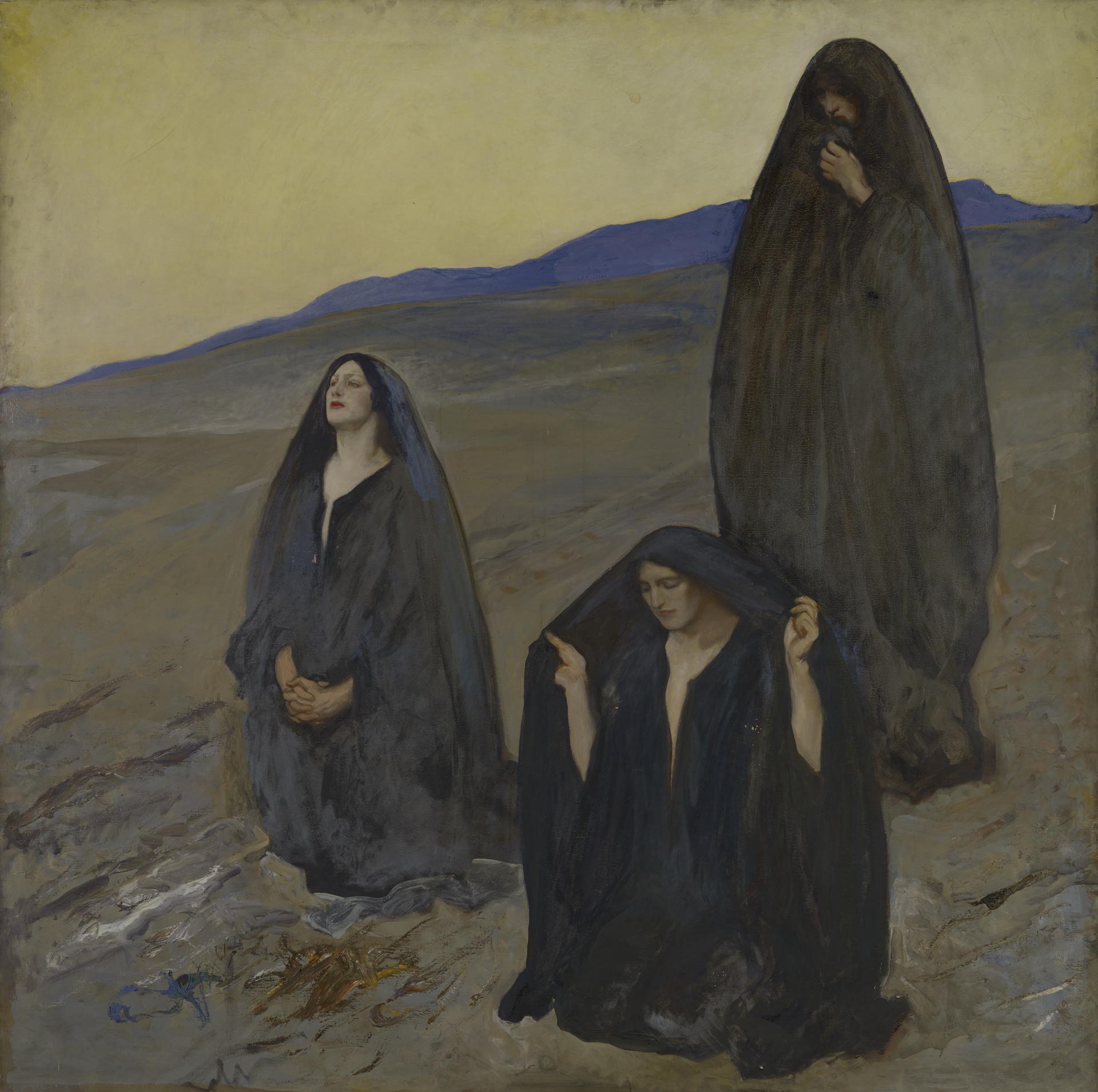
Yale University Art Gallery · wikidata.org
Public domain
From what I've read he made his name on enormous murals and Shakespeare illustrations — pictures built to carry a whole story from across a room. The three women here are the Marys from the Easter story, come to the tomb and finding it empty.
Erisava: Would you hang something this sad in your own house?
Both Members of This Club by George Bellows, 1909
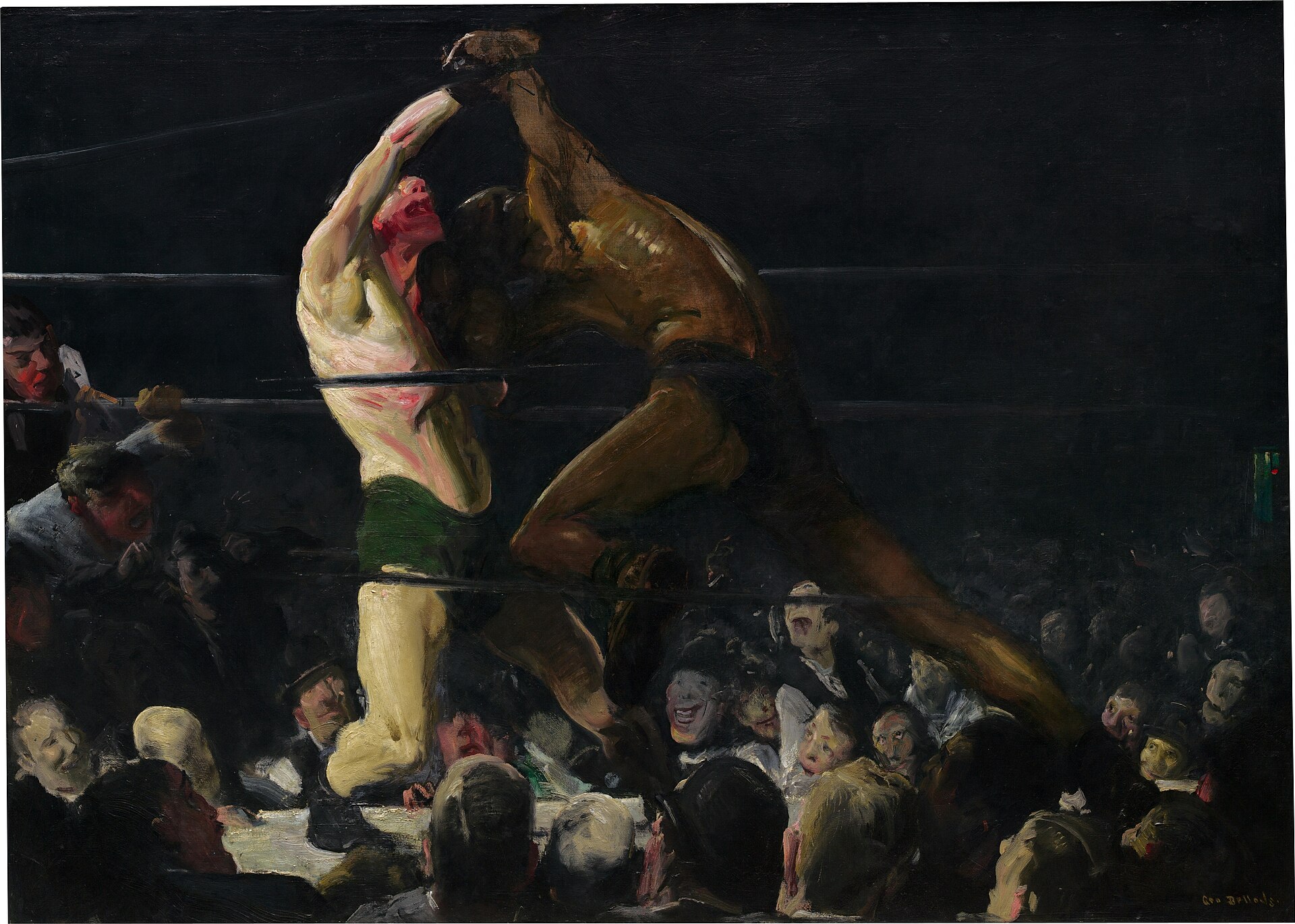
National Gallery of Art · wikidata.org
Public domain
He is believed to have lived across the street from a club that staged fights like this, so he was more or less painting what went on next door. Prizefighting was illegal in New York at the time, they say, and signing both fighters up as 'members' for the night was the loophole.
Erisava: That face is just a red smear — is that meant to be blood?
The Ermine Muff by William James Glackens, 1903
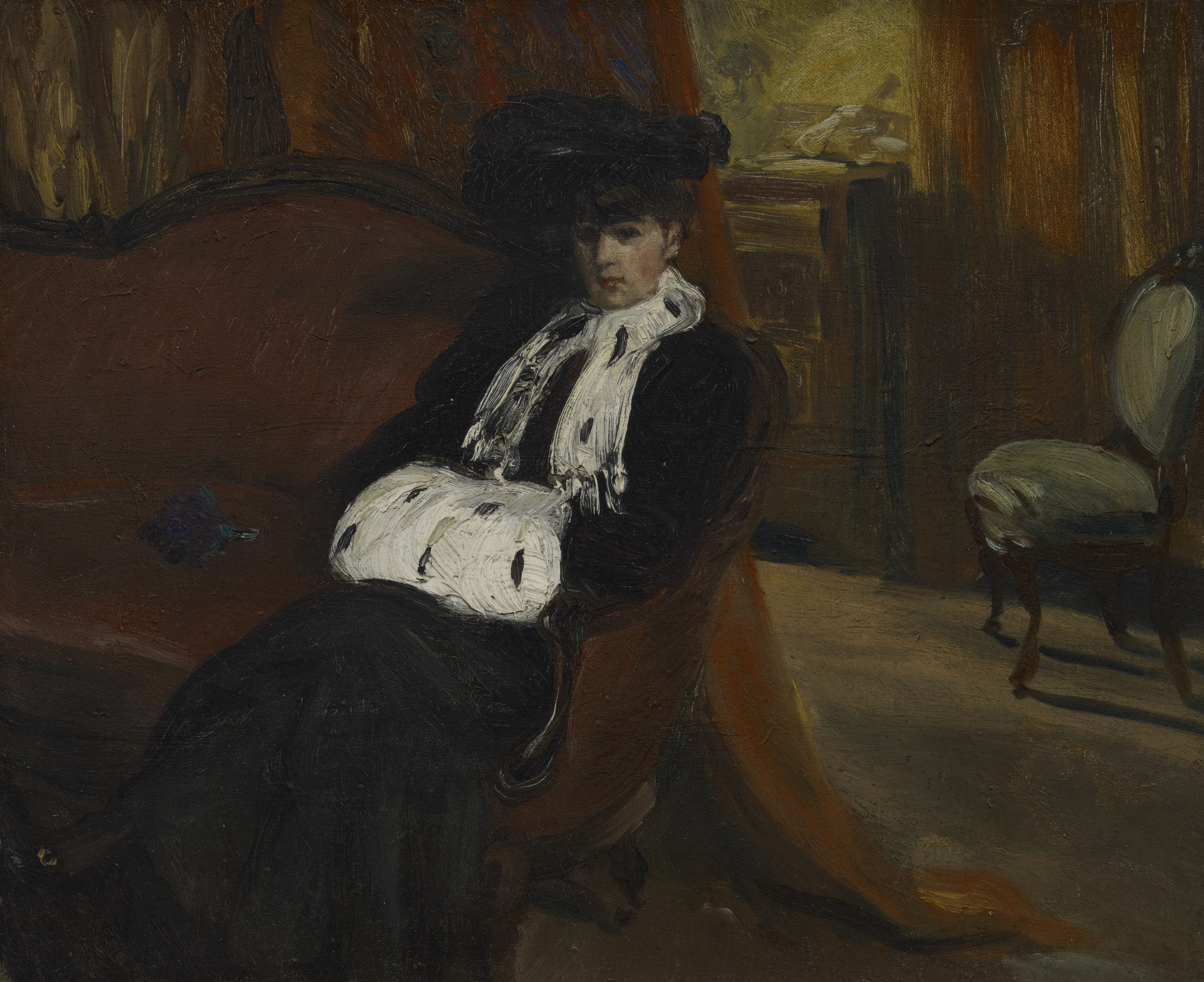
Yale University Art Gallery · wikidata.org
Public domain
Apparently he started out drawing news scenes for papers — sent to sketch things on the spot before photographs could do the job — and supposedly that fast, get-it-down habit never left him, even once he'd moved on to painting people like this.
Erisava: The room and the sofa look tilted but she's sitting firm and oblivious to it.
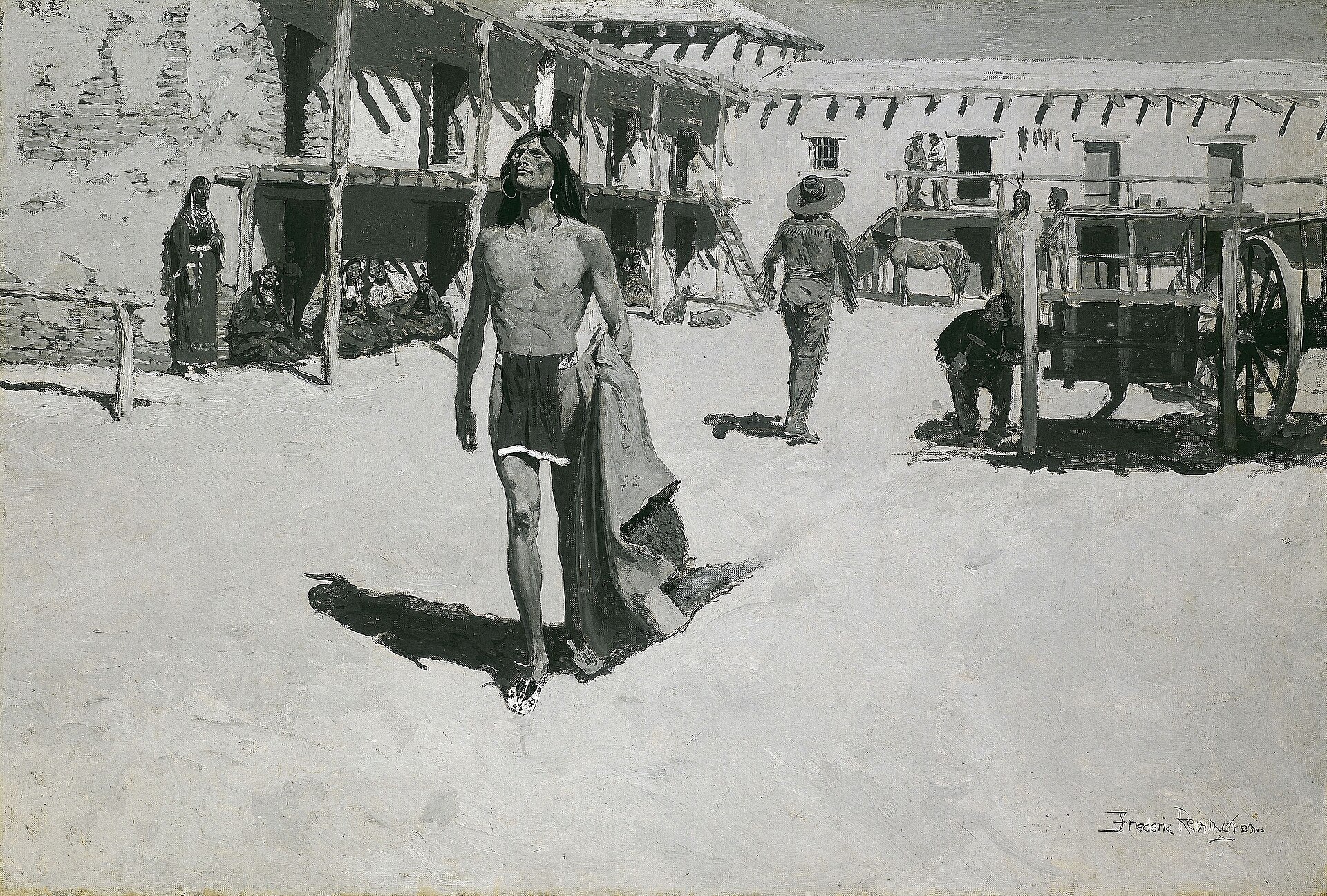
Nothing But Cheerful Looks Followed the Bat by Frederic Remington, 1900
Art Institute of Chicago · wikidata.org
Public domain
From what I've read, he did a lot of paintings in black and white on purpose — they were headed for magazine pages, which could only print grey anyway.
Erisava: No colour at all, and it still feels like blinding midday sun. How?
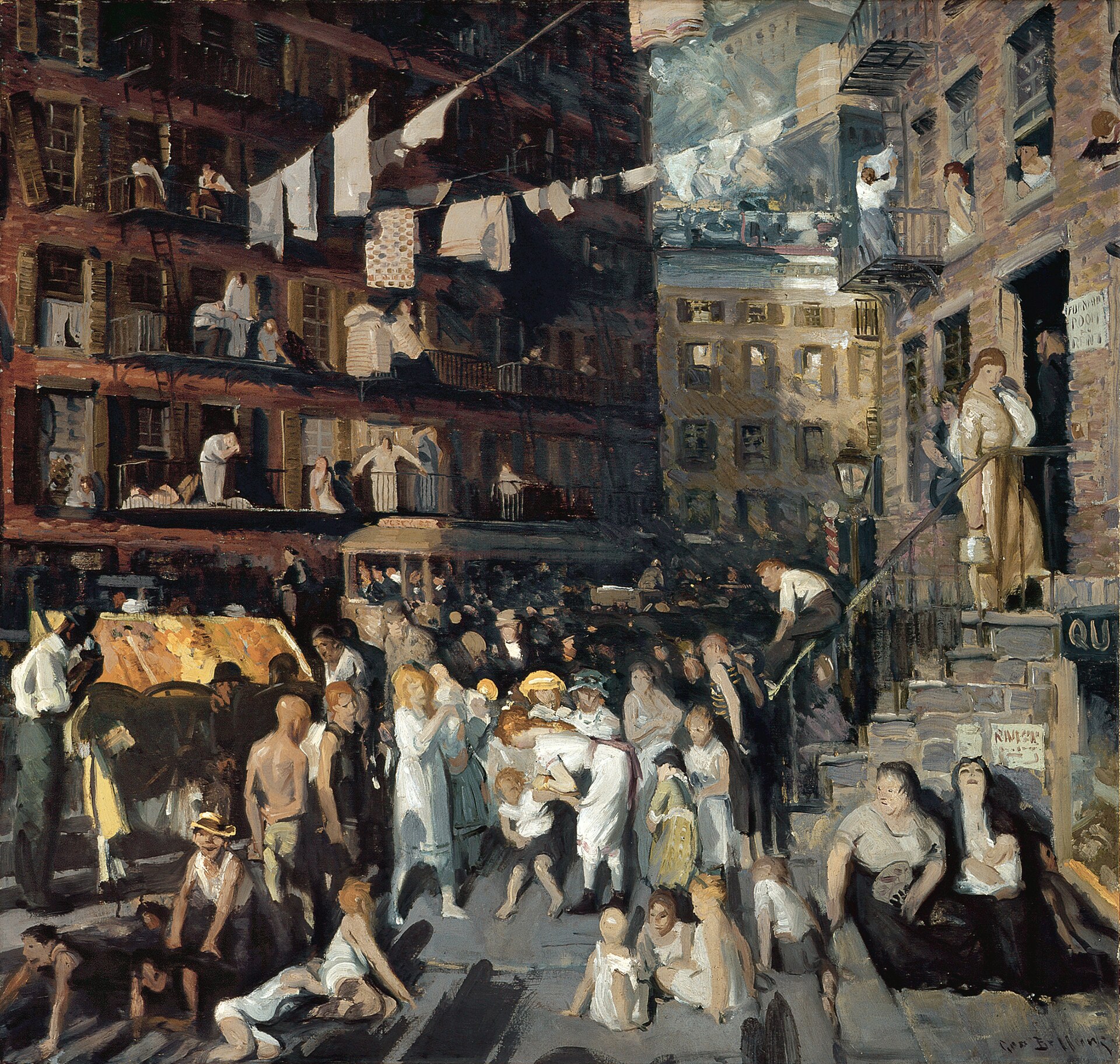
Cliff Dwellers by George Bellows, 1913
Los Angeles County Museum of Art · wikidata.org
Public domain
From what I've read he ran with a crowd of painters who went after New York's rough streets at a time when nobody wanted rough streets on a wall — critics called them the Ashcan school, and it wasn't meant kindly.
Erisava: Everyone's outside because inside must be worse.
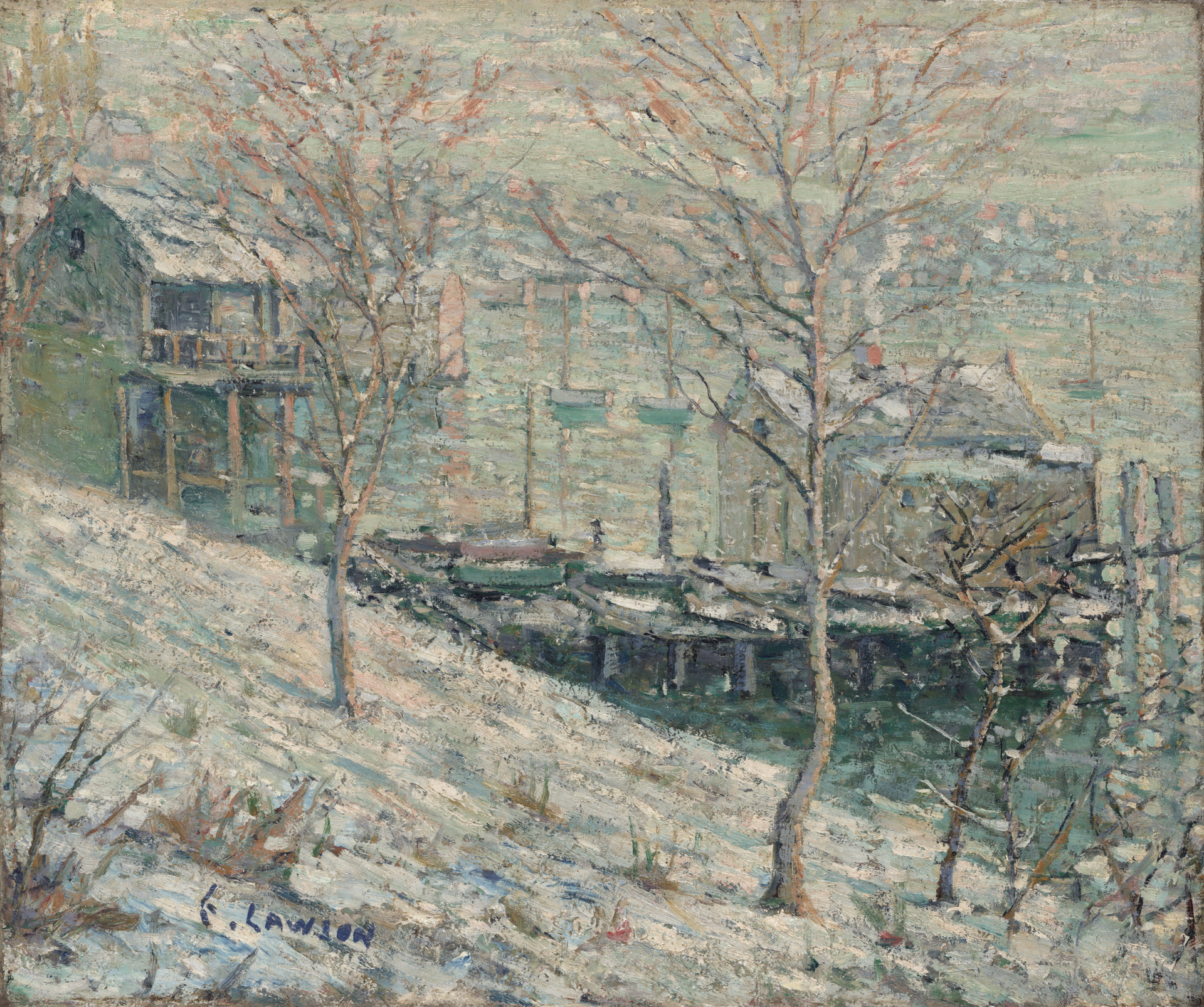
Harlem River Winter Scene by Ernest Lawson, 1910
Yale University Art Gallery · wikidata.org
Public domain
They say he painted this same stretch of river over and over, in every season, because he lived close by — and that a critic once joked his paint was so thick and glittery it looked like crushed jewels.
Erisava: It's pretty, but would you actually cross a room for it?
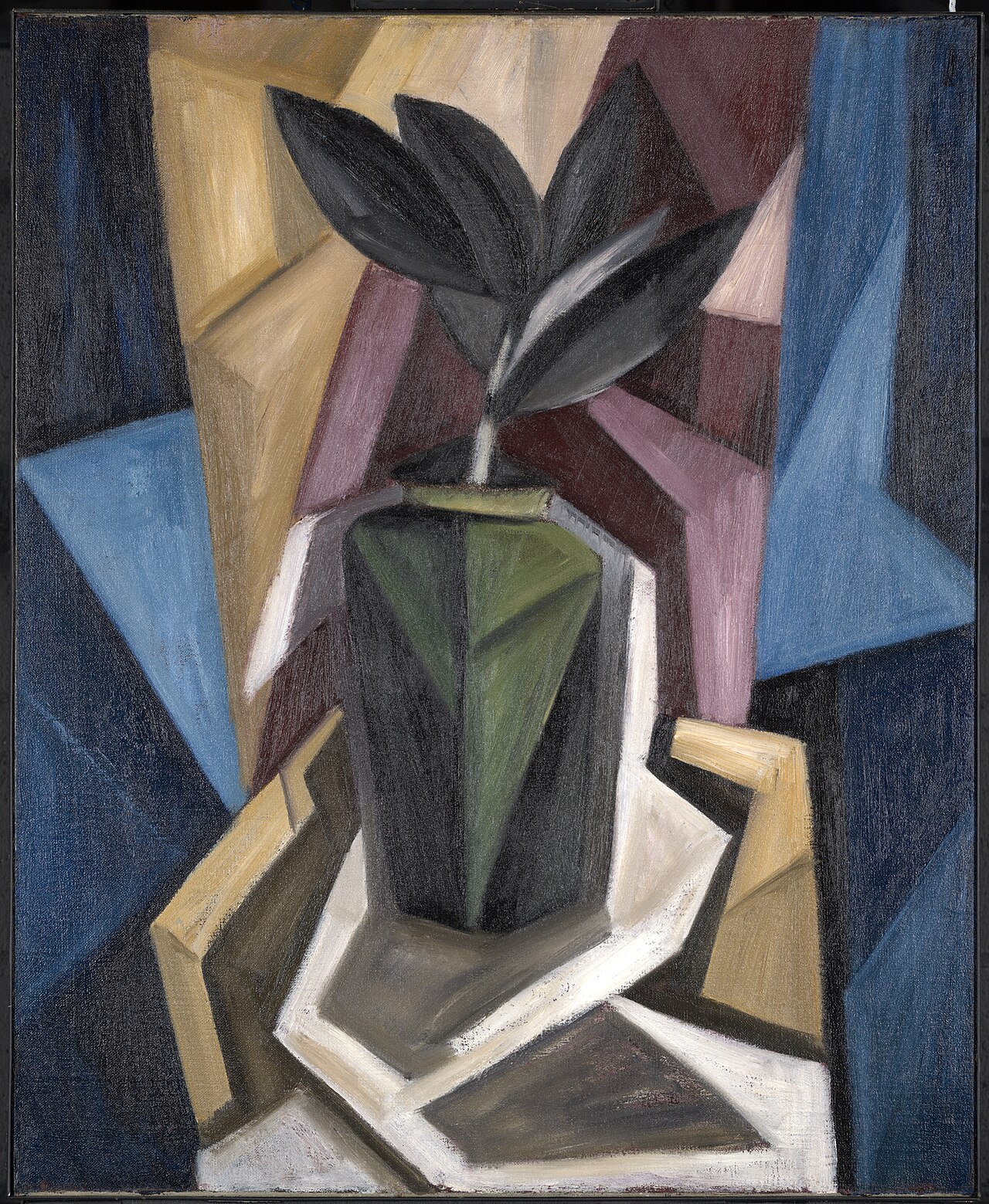
Rubber Plant by Marsden Hartley, 1920
Yale University Art Gallery · wikidata.org
Public domain
From what I could find, he'd spent years in Europe with the modernist crowd before coming home and painting ordinary American stuff this way. And a rubber plant was about as ordinary as it got — supposedly they sat in every boarding-house window back then.
Erisava: I get the houseplant but not the space around it. Maybe that's the real subject.