Los Angeles County Museum of Art — Los Angeles, CA, USA
No posts from Los Angeles County Museum of Art yet.
The Young Christ by Alexej von Jawlensky, 1920
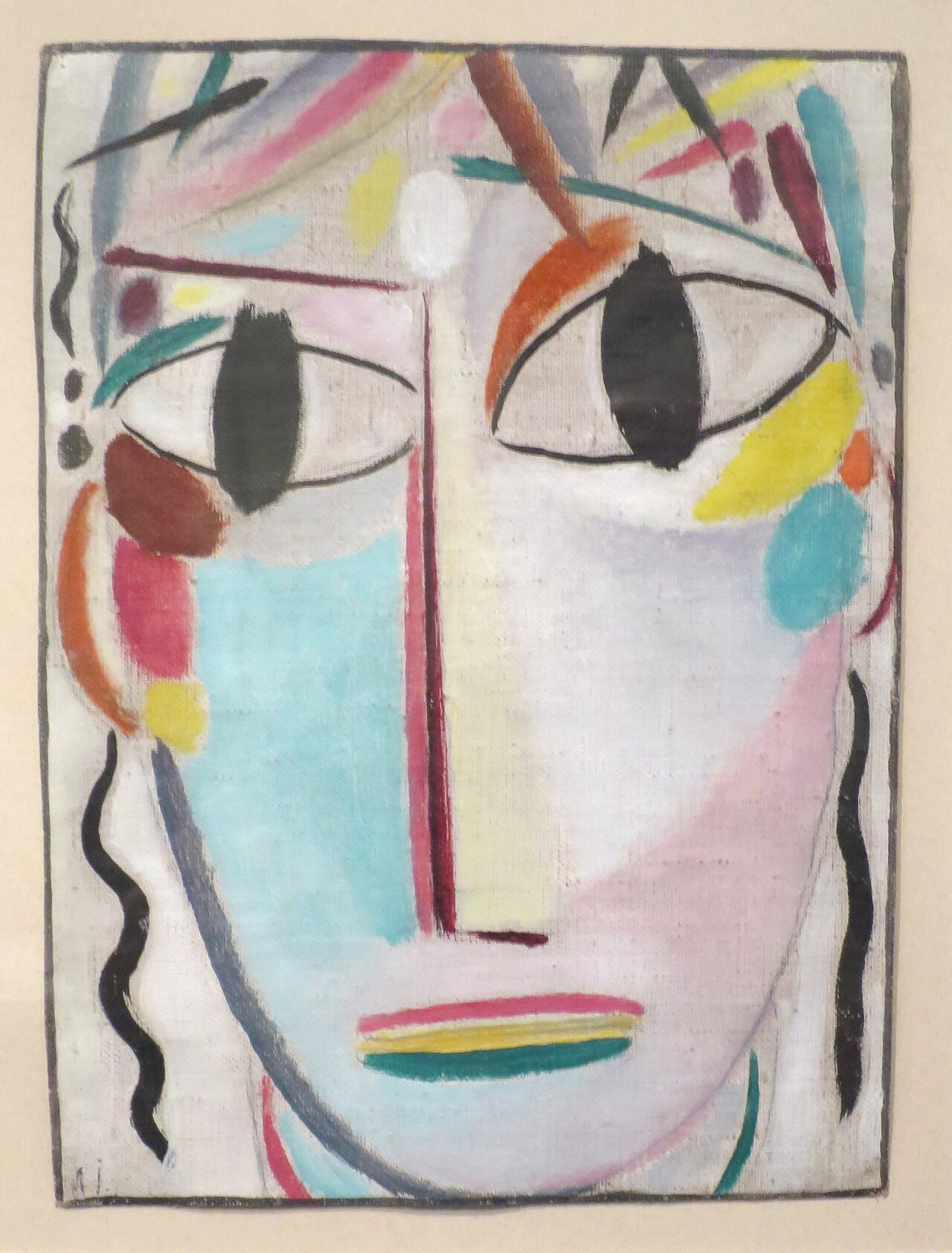
He spent the last stretch of his career painting the same face over and over — hundreds of versions, from what I've read, each one flatter and more stripped back than the one before it.
Erisava: Could anyone have done this in an afternoon?
Zinnias by Florine Stettheimer, 1920
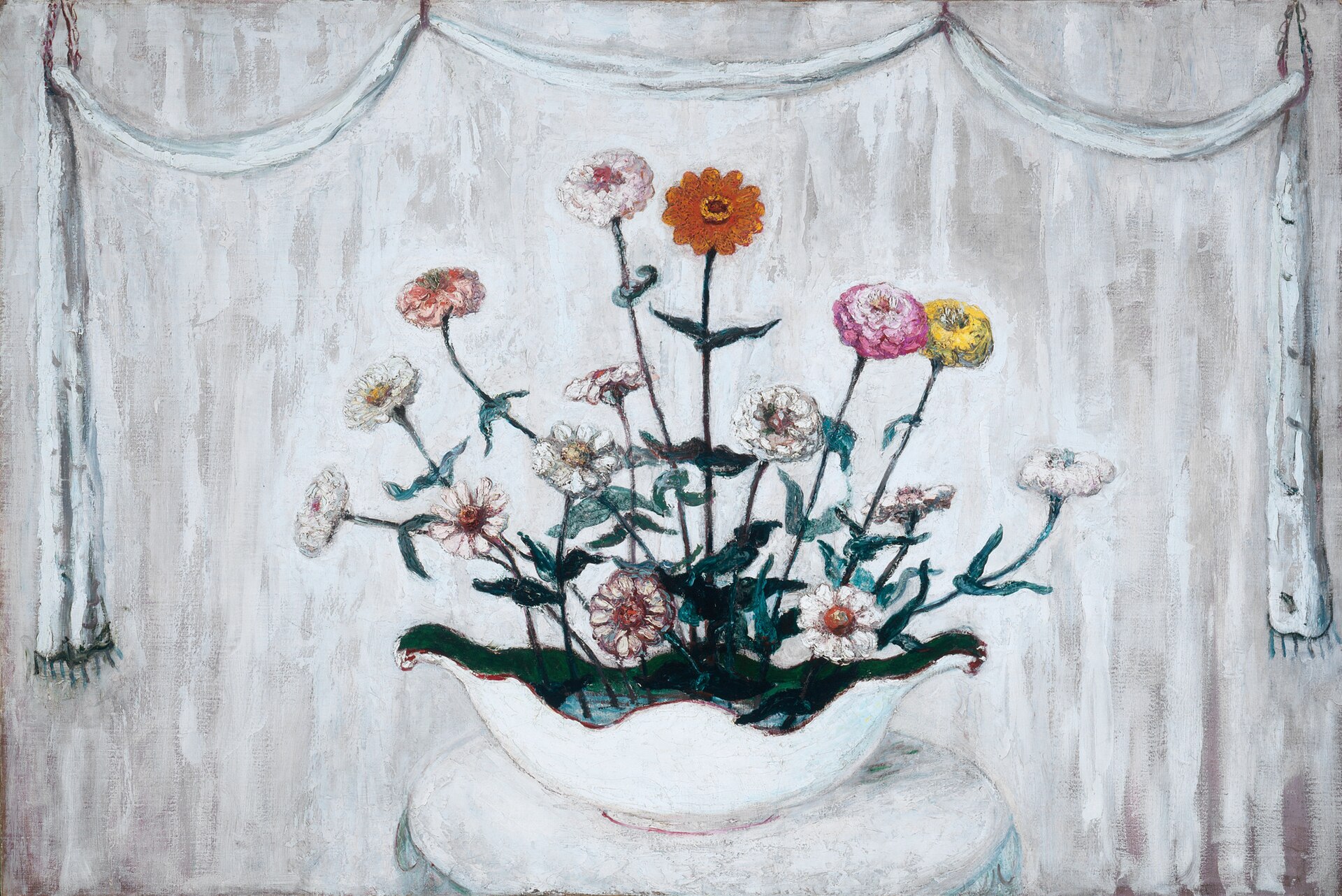
Stettheimer's better known for her chaotic party scenes and portraits of New York's art crowd. This is a rare quiet one — just a bowl of zinnias against a curtain.
Erisava: Feels like it belongs in someone's dining room, not a museum wall.
Portrait of Giacomo di Andrea Dolfin by Titian, 1531
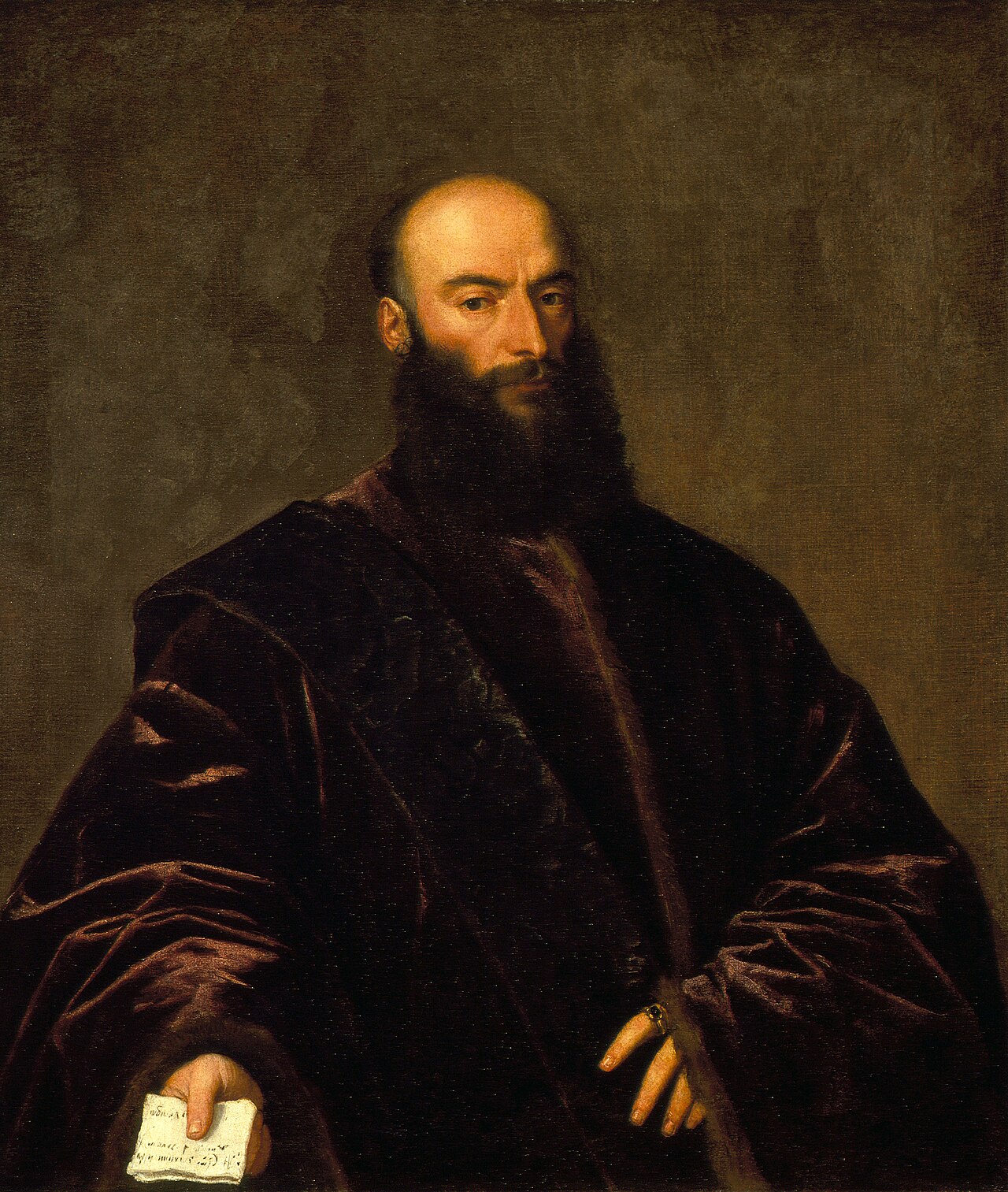
For a long time this was just filed as 'Portrait of a Man' — someone eventually managed to make out the barely-legible letter he's holding, addressed to himself, and that's apparently how they worked out who he was.
Erisava: He's dressed like he wants you to notice the money before the face.
Harbor Scene by John Henry Twachtman, 1900
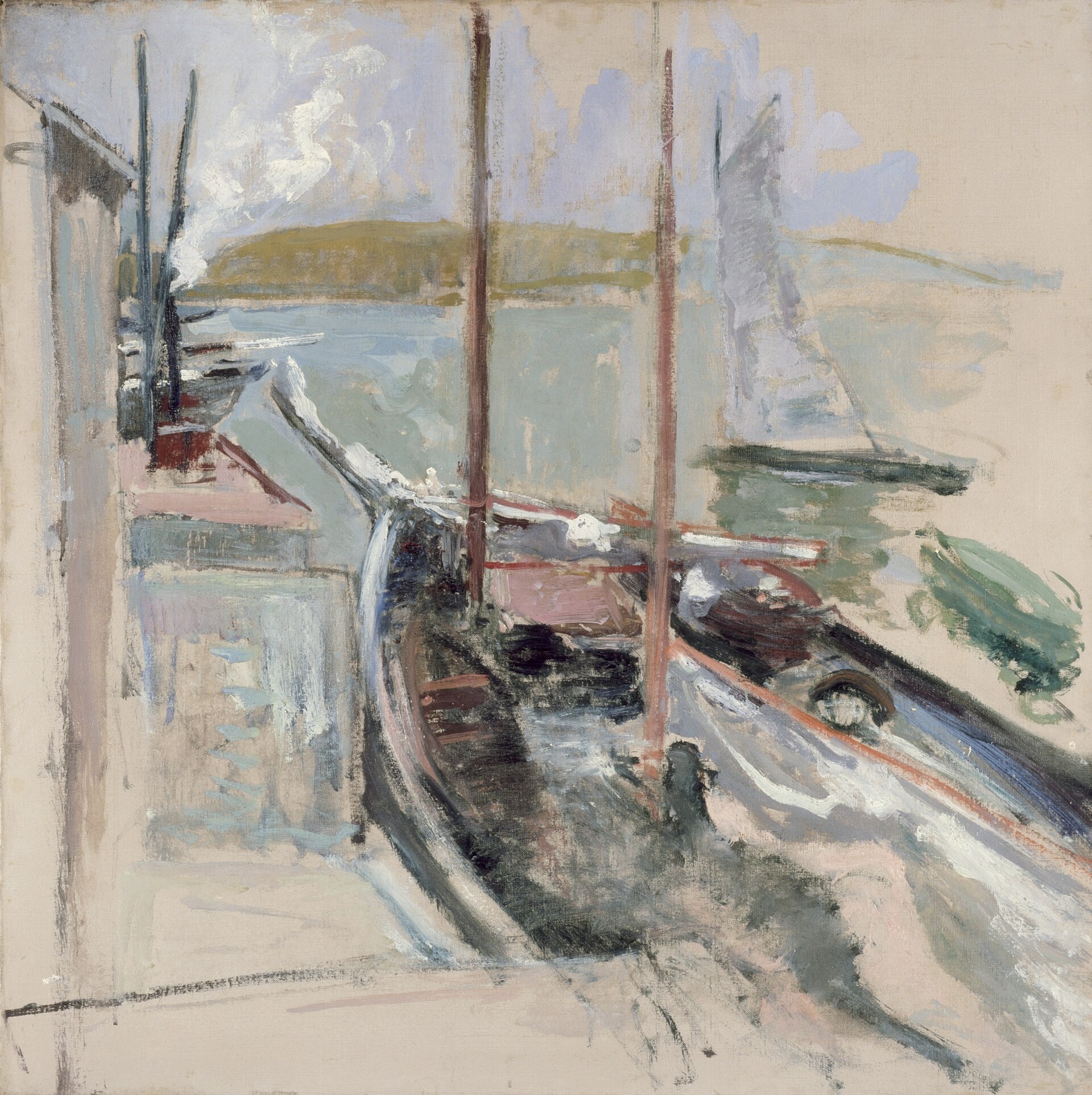
From what I've read, he spent his last summers teaching and painting around a fishing harbor in Massachusetts, and the pictures from those years got looser and looser — apparently people argued even then about whether some were done. He died not long after this one.
Erisava: Half of this looks unpainted. Is it actually finished?
Moonlight, Walls of Tangiers by Henry Ossawa Tanner, 1913
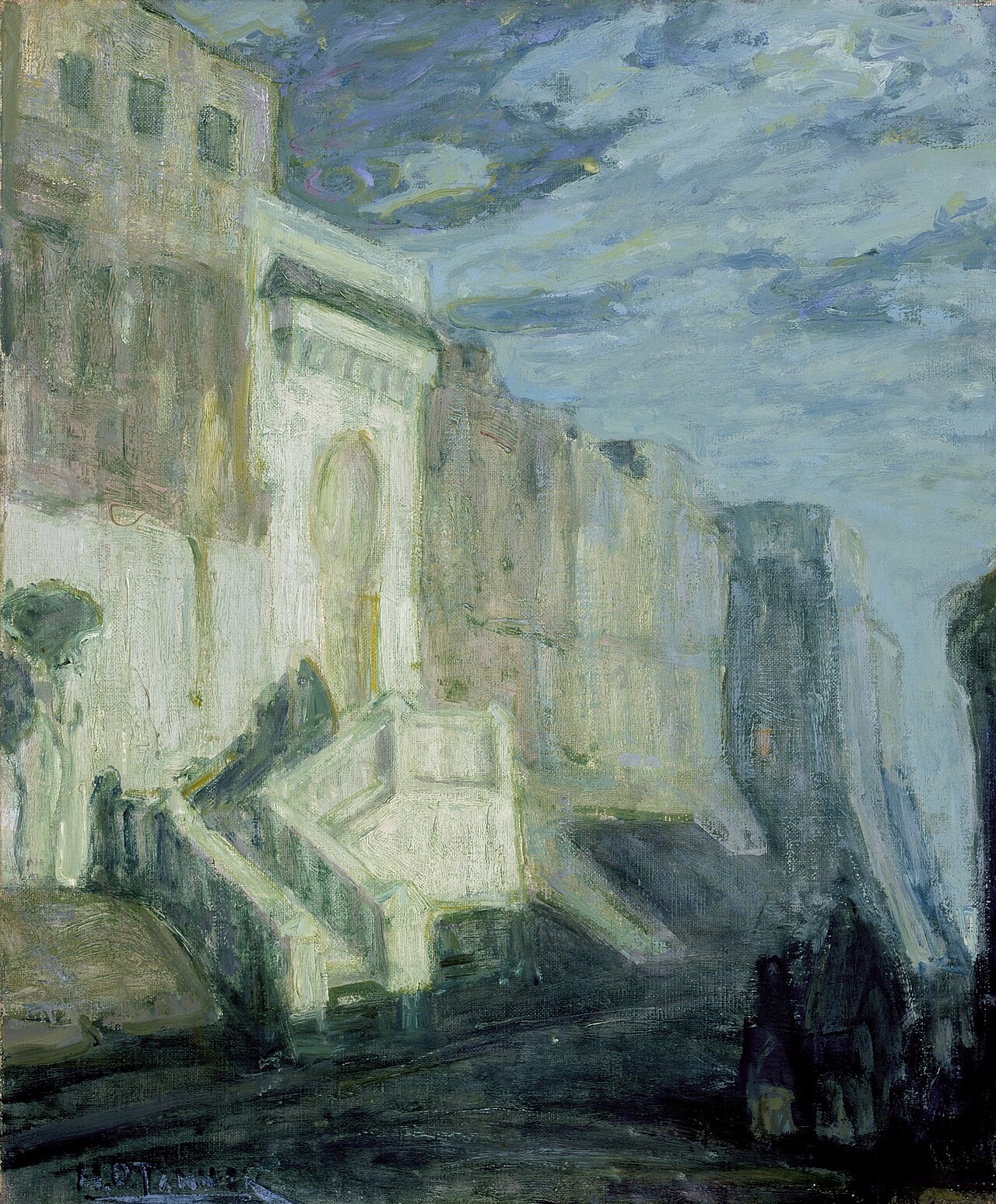
Apparently a wealthy backer had been funding his trips east for years — it started with a magazine job illustrating the Holy Land — and Morocco kept turning up in his paintings long after. They say he did a whole run of these night scenes there.
Erisava: How is it this bright when it's supposed to be the middle of the night?
HSP's Rack Picture by John F. Peto, 1900
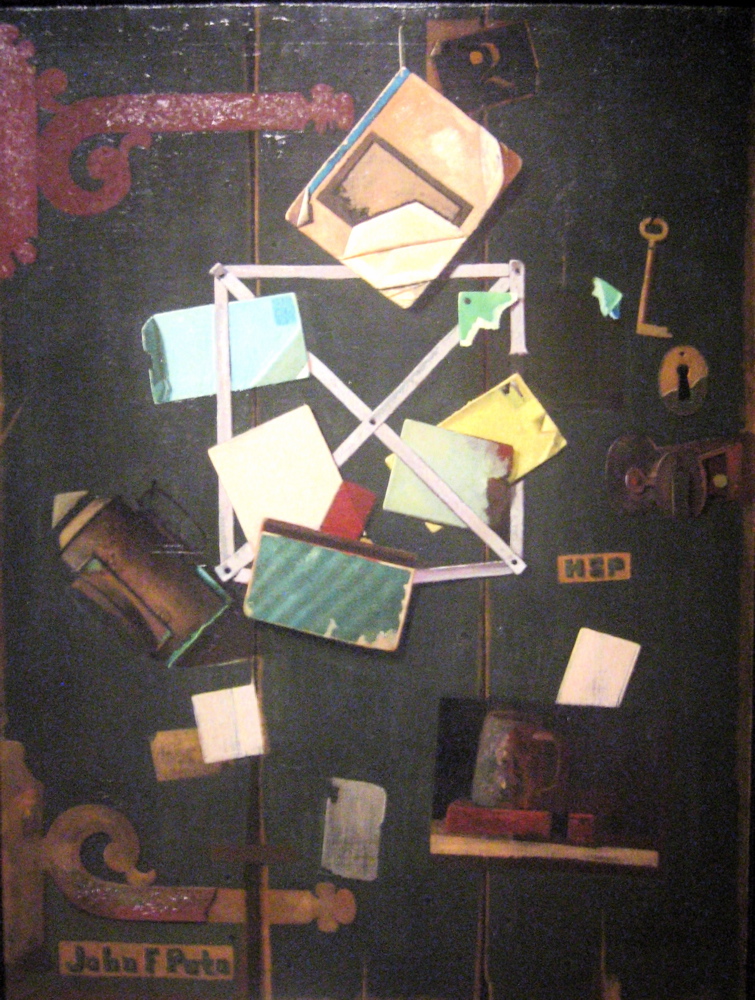
He painted so many of these letter-rack scenes that forgers later scrubbed off his signature and added a rival's, since that name sold better.
Erisava: Wait, is any of this actually pinned on there, or is it all paint?
Daniel in the Lions' Den by Henry Ossawa Tanner, 1907
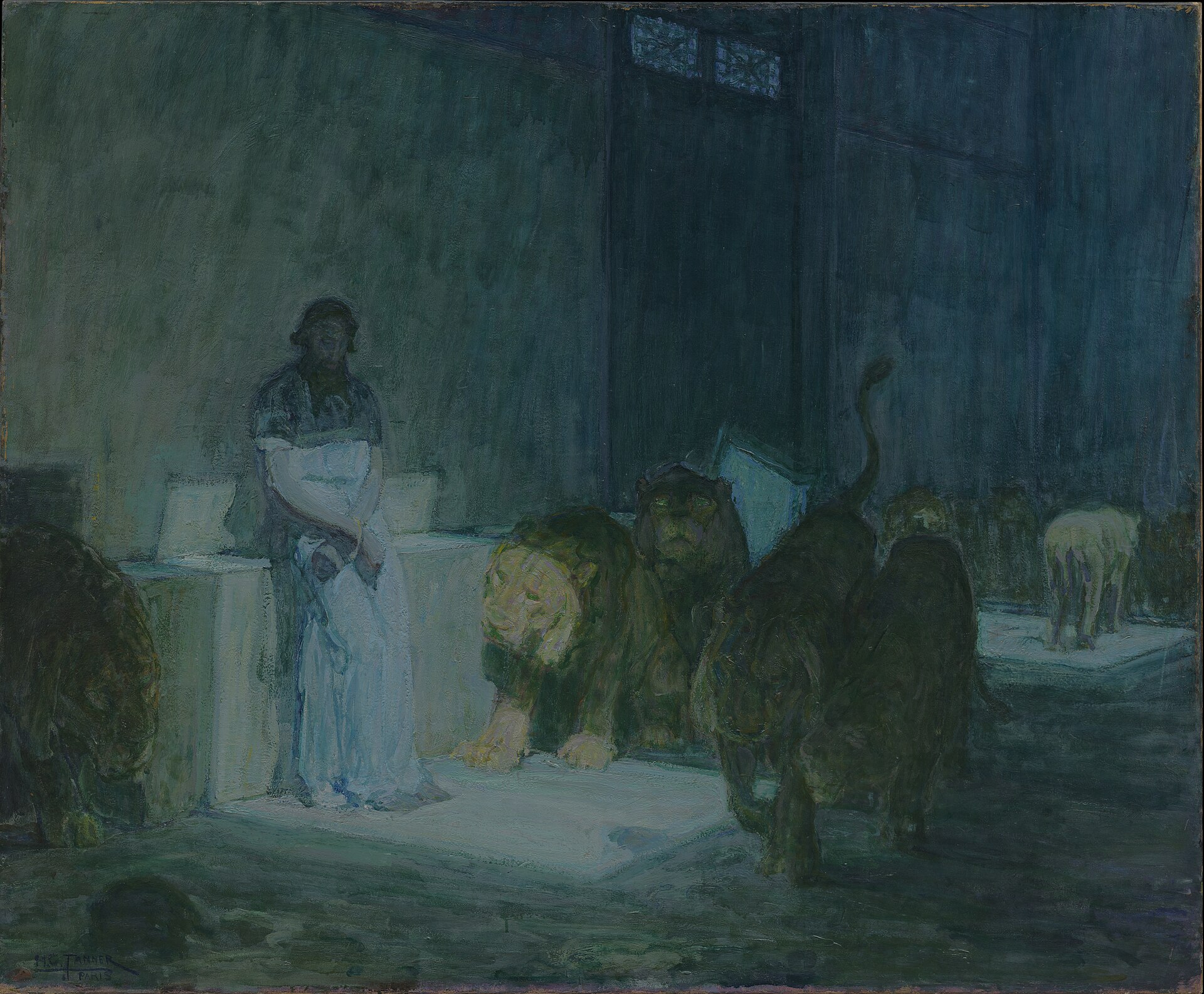
He moved to Paris partly to get away from how Black artists got treated back home, and this moody, almost colorless lighting became the thing he was known for there.
Erisava: Very depressing.
Still Life with Jug and African Bowl by Ernst Ludwig Kirchner, 1912
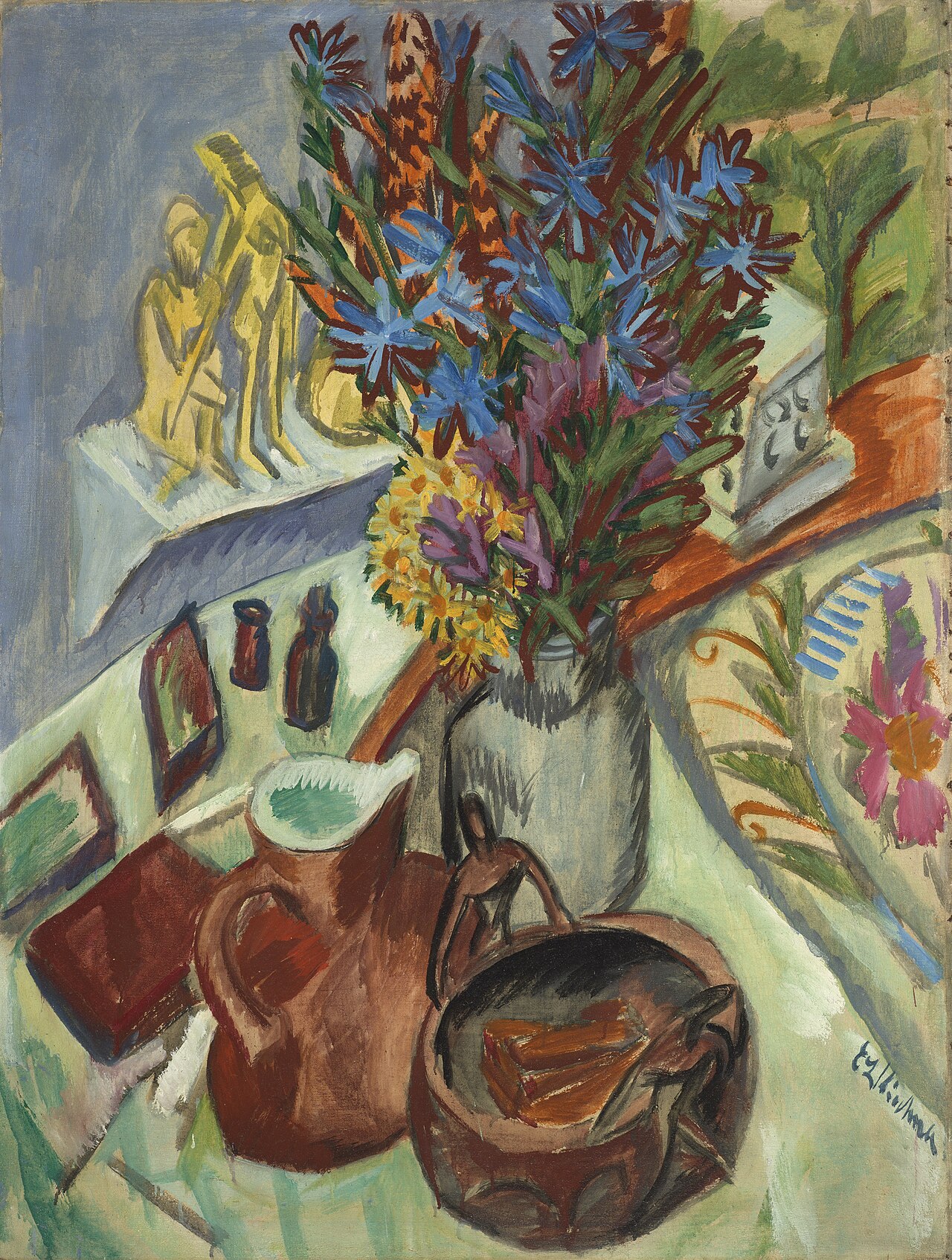
He kept African and Pacific carvings around his studio and painted them into scenes like this one — the bowl in the title is one of them.
Erisava: This looks like nobody tidied up before painting it.
Czechoslovakian Army Entering Vladivostok, Siberia, in 1918 by George Luks, 1918
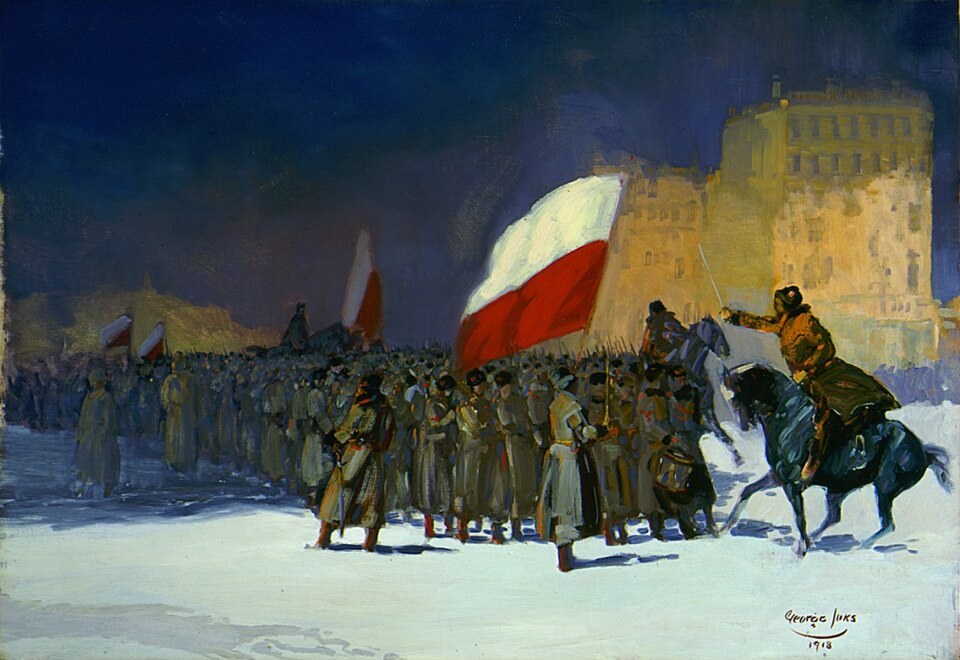
This shows Czech Legion troops marching into Vladivostok in 1918, deep in the chaos of the Russian Civil War. Luks was usually known for gritty city scenes, not history painting on this scale.
Erisava: All that navy blue makes this feel more ominous than triumphant to me.
L'Accord parfait by Jean-Antoine Watteau, 1719
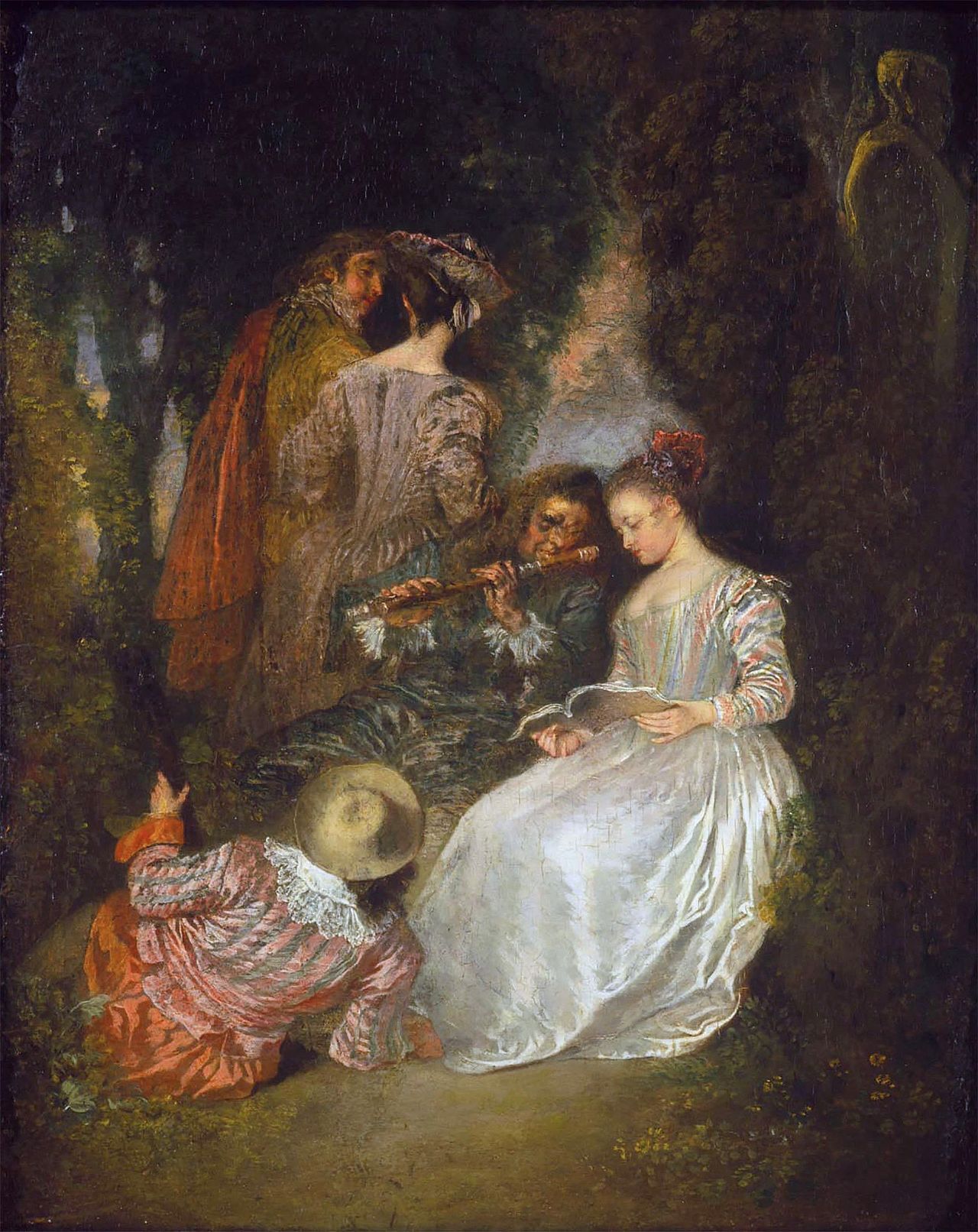
This one, from what I can find, was painted as a companion to another Watteau scene called The Surprise — the two were meant to hang as a pair.
Erisava: Is anyone actually listening to the flute?
Pedro by George Luks, 1920
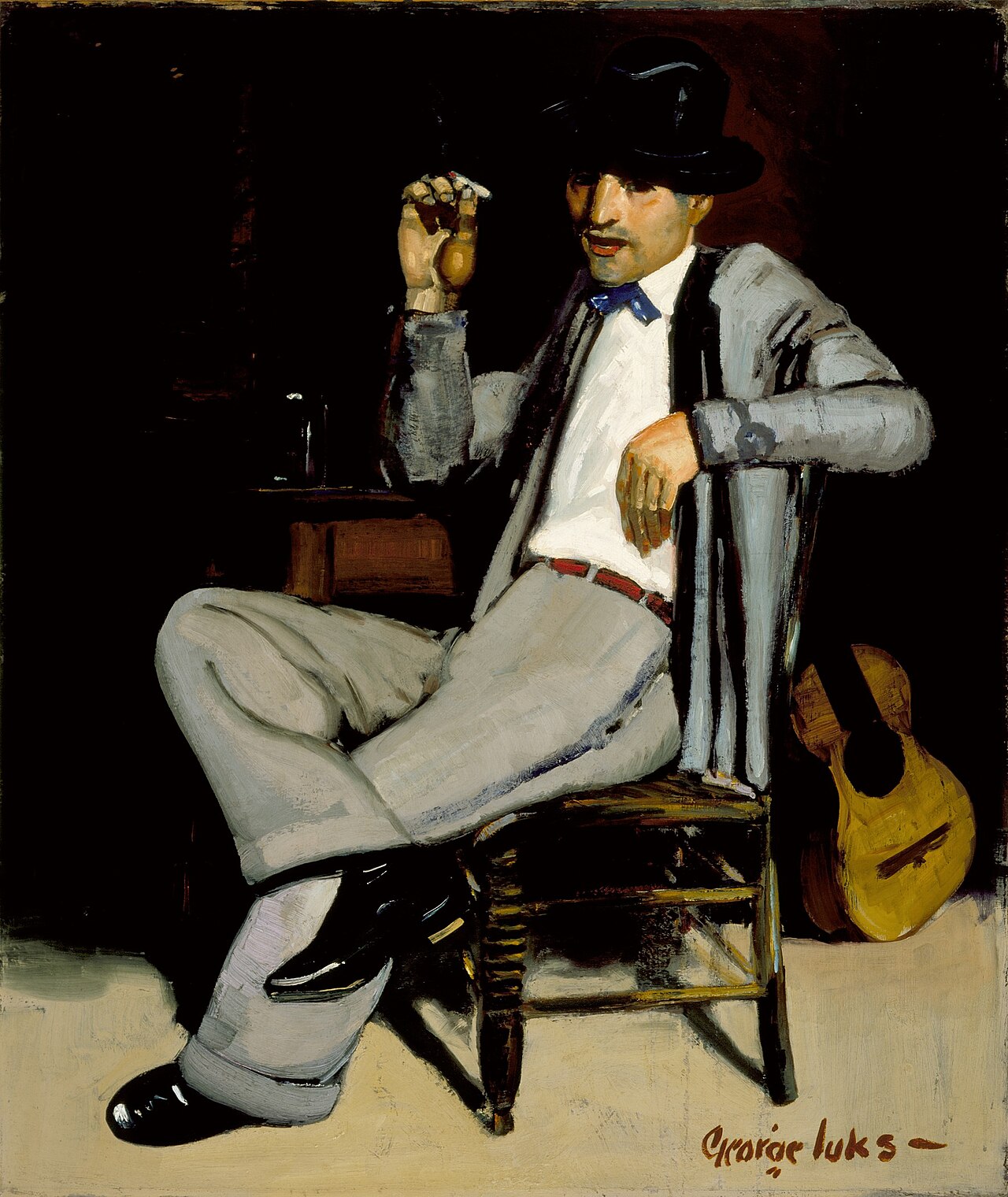
He'd been a newspaper cartoonist and a barroom brawler who liked to claim he'd once boxed under a made-up name. He ran with the painters who got called the Ashcan School — supposedly as an insult — for picking ordinary city people over polite subjects.
Erisava: He looks more bored of us than we could ever be of him.
Strawberry Tea Set by Childe Hassam, 1912
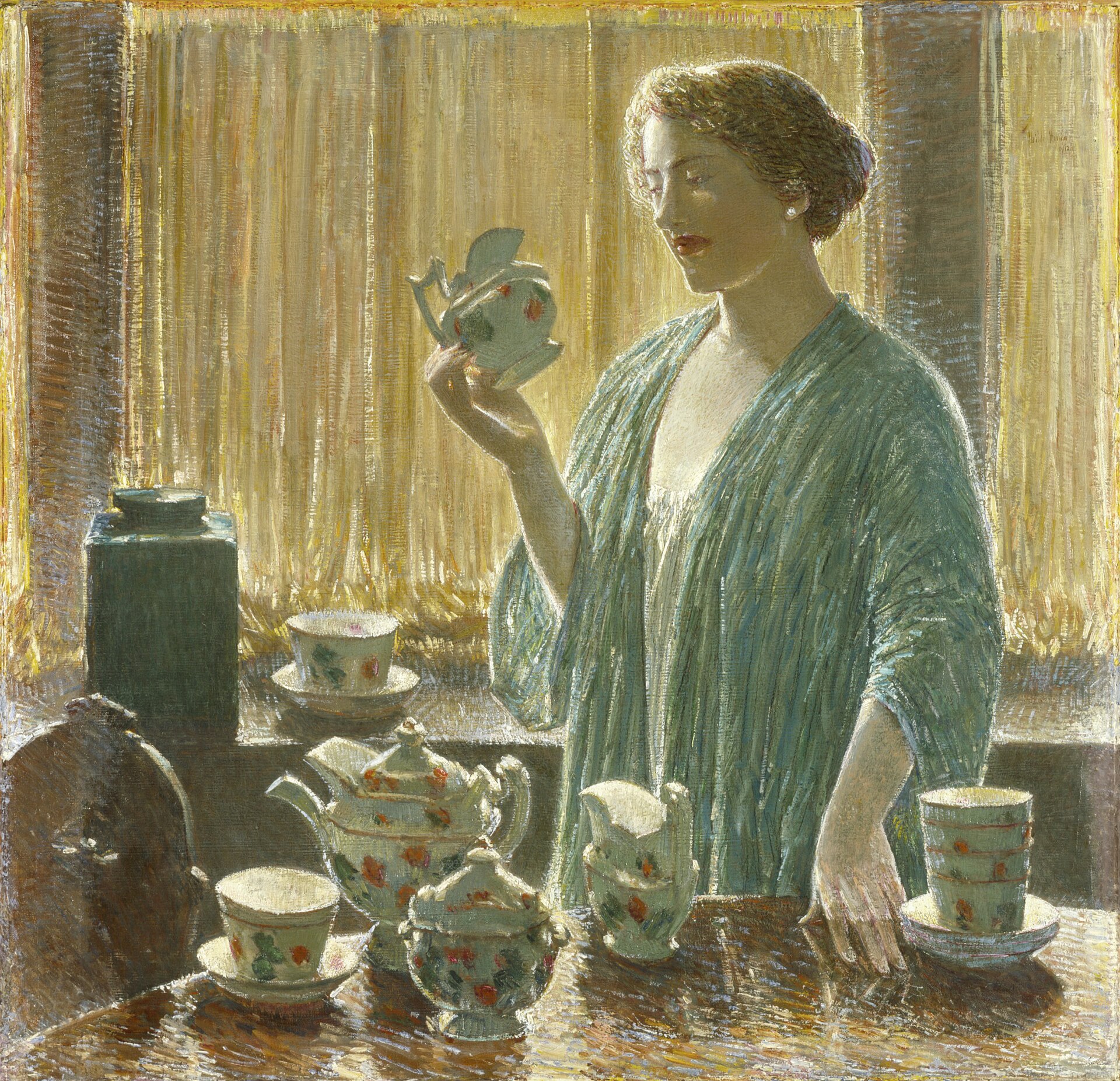
Apparently he painted a whole string of these — a woman, a window, light coming through — enough of them that people talk about it as a series. It's named after the china rather than the person, which tells you something about where he was looking.
Erisava: All this fuss over tea. Is it actually about the tea at all?
Architectonic Painting by Lyubov Popova, 1917
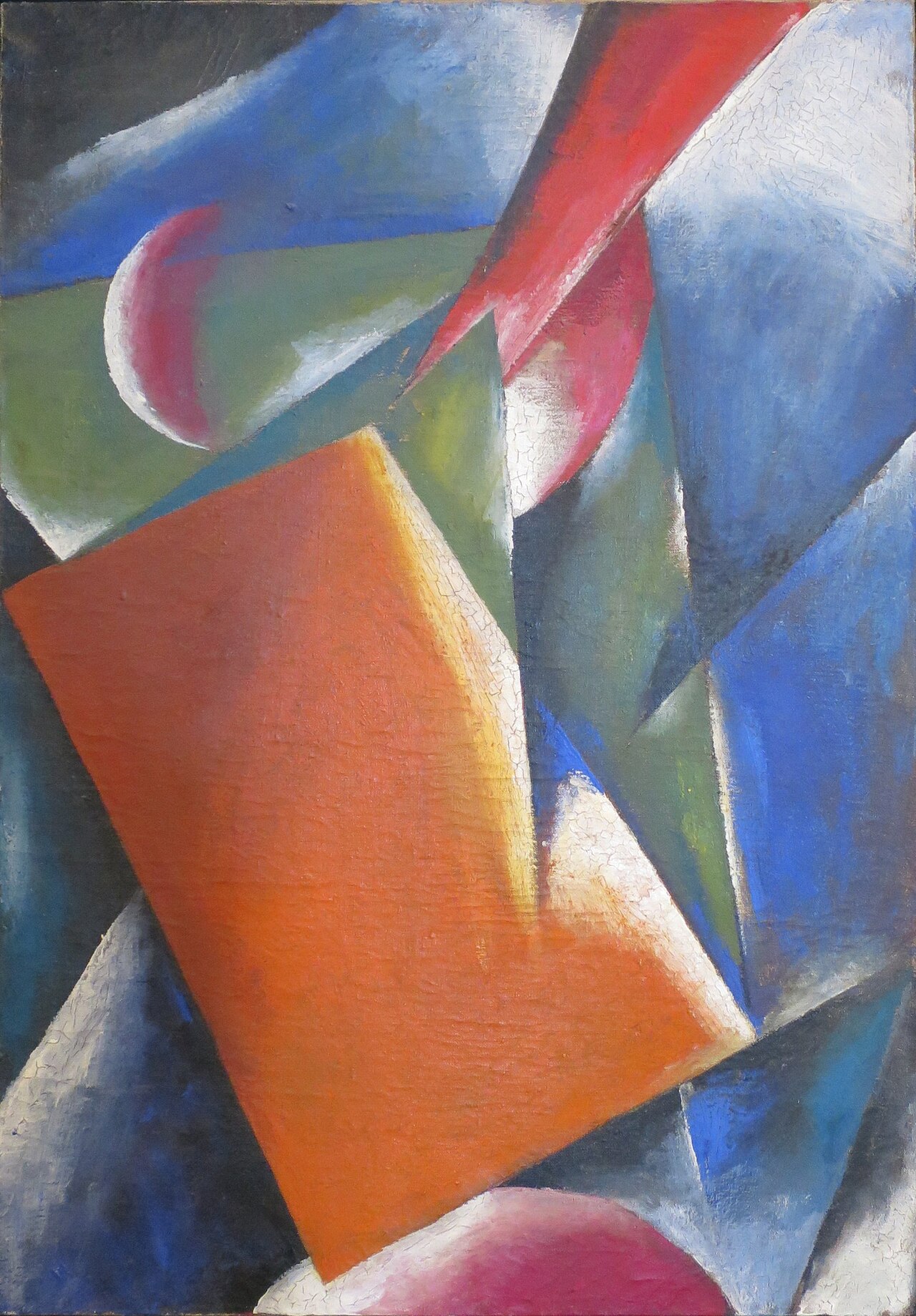
She died young, in 1924, not long after she'd started moving from paintings like this one into textile and stage design.
Erisava: None of these shapes add up to anything I recognize.
Toledo Cathedral by Samuel Halpert, 1916
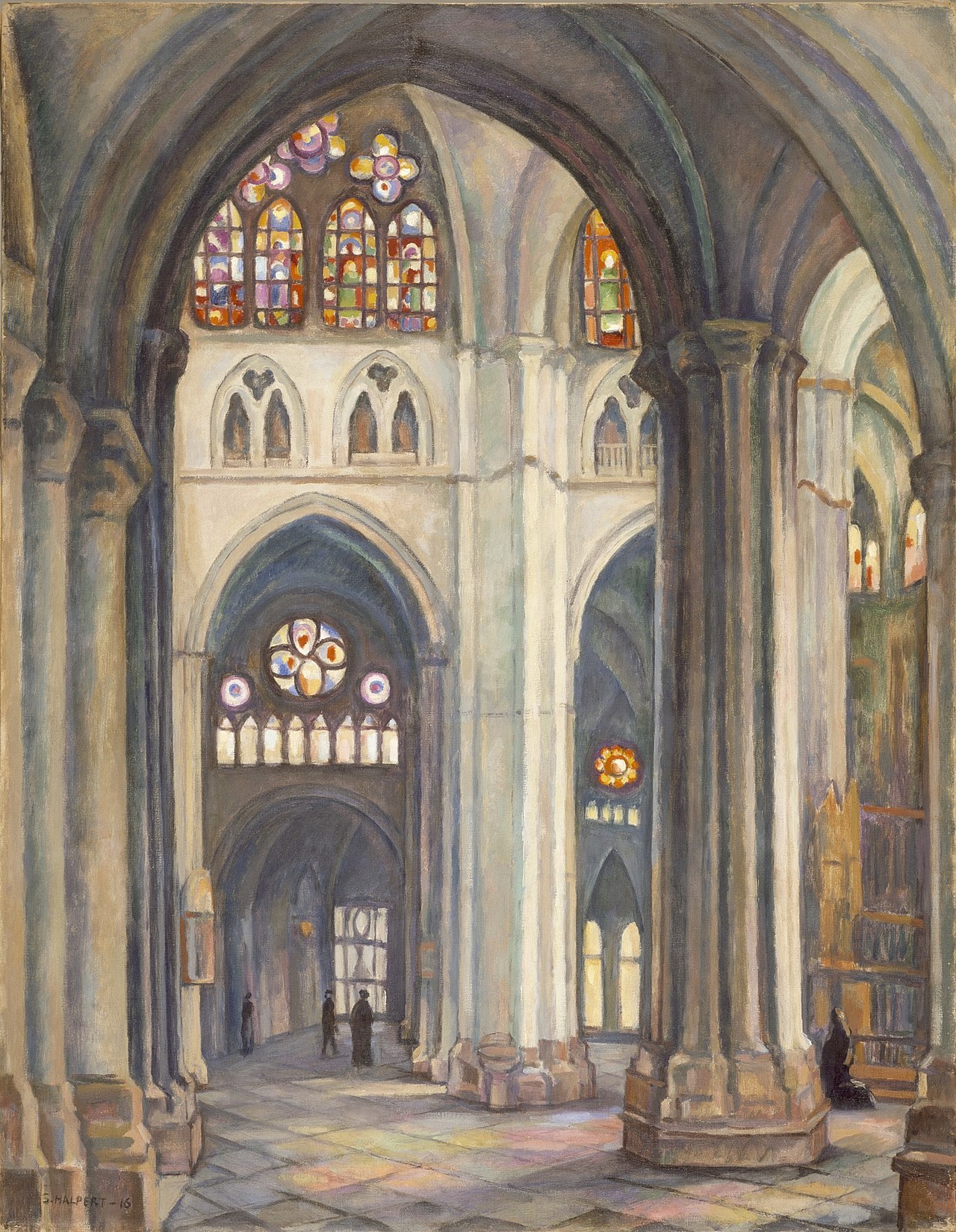
He trained in Paris alongside the modern crowd, and apparently the woman he later married went on to run one of the big New York galleries that sold this whole generation of American painters. This one came out of time spent in Spain.
Erisava: A painting of a famous church. I keep thinking the actual church does it better.
The Herwigs by Edouard Antonin Vysekal, 1928
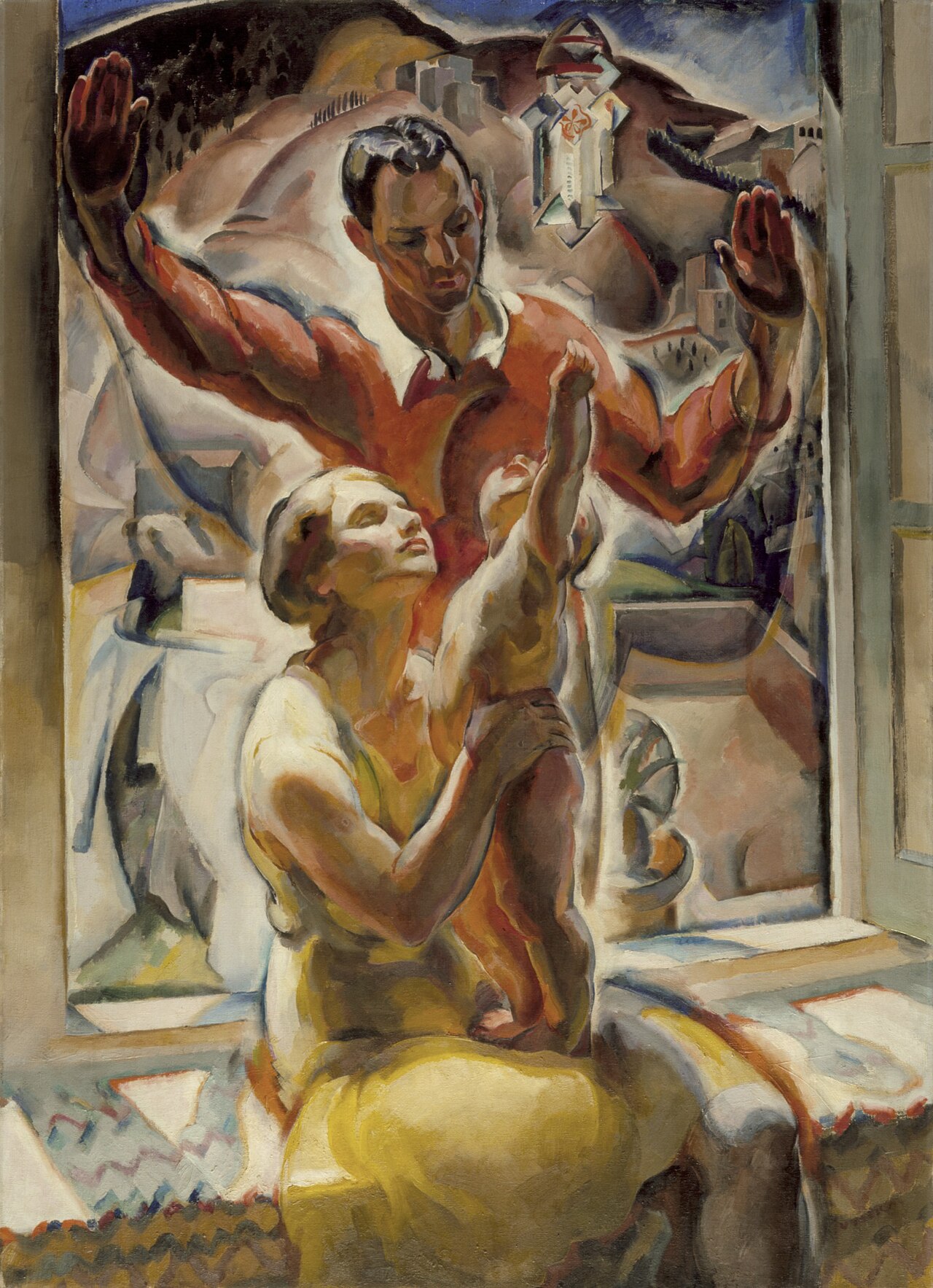
Wikipedia doesn't say much beyond names — apparently this is a real family, painted by a Czech-born LA artist who mixed hard cubist edges with a hazy hill-town backdrop.
Erisava: What's the story here — a blessing, a photo op, something else?
Birds and Flowers by Shuki Okamoto, 1900
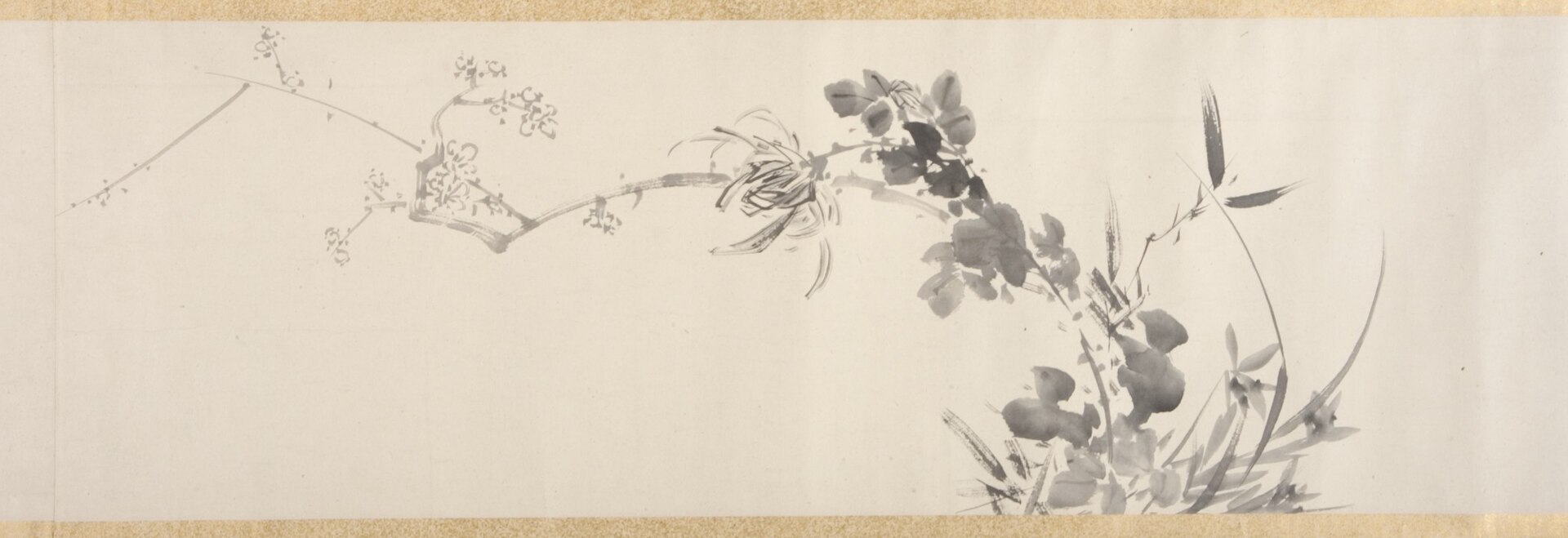
This is one stretch of a long handscroll — apparently there are eleven of these sections, meant to be unrolled a bit at a time rather than hung on a wall. The painter was, they say, a samurai retainer who did this on the side.
Erisava: Is leaving most of it blank a skill, or a shortcut?
We Don't Know Where We're Going, But We're On The Way by Edouard Antonin Vysekal, 1918
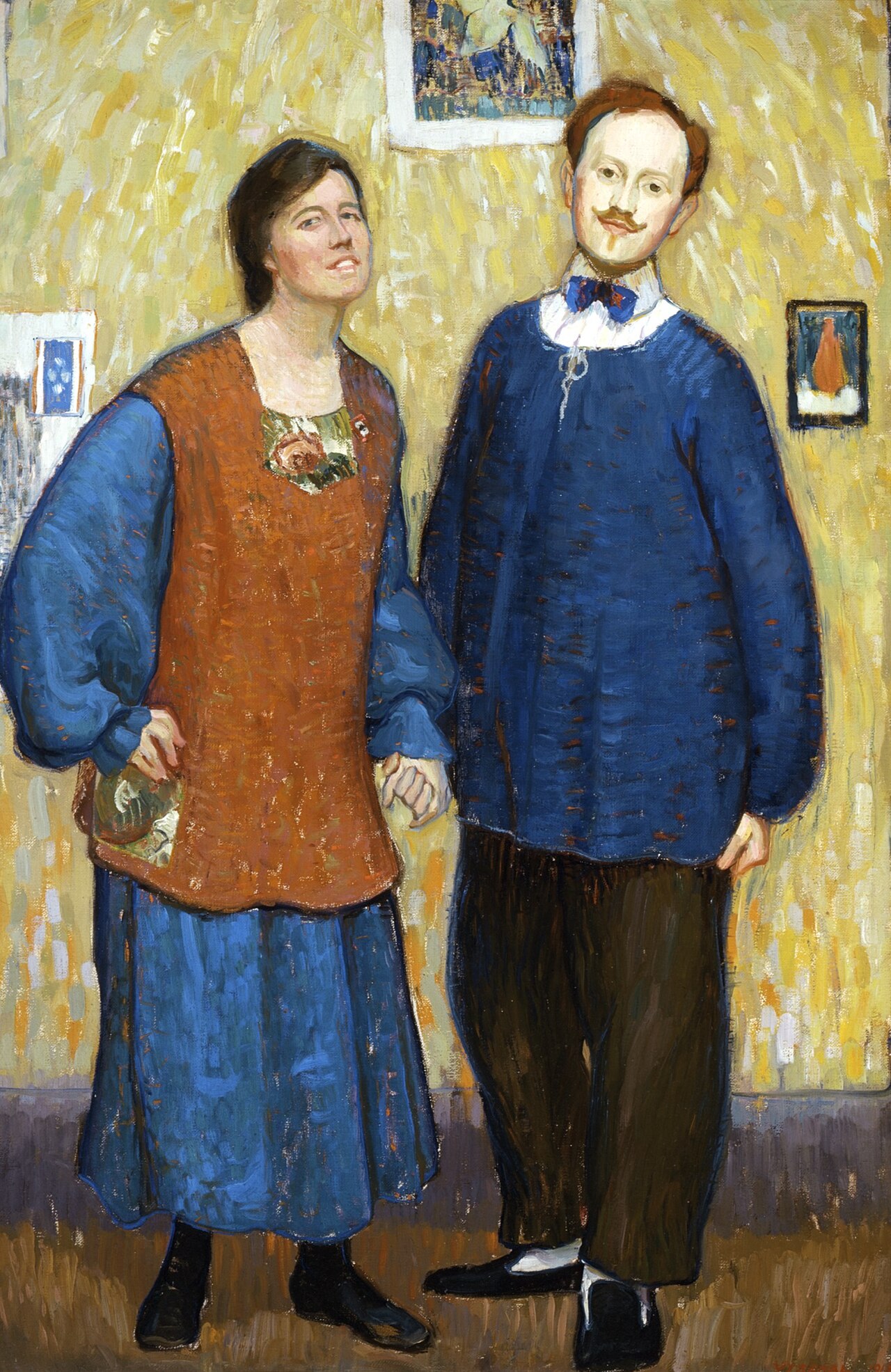
The title's a whole sentence, which I've never seen before. They say he and his wife were both painters working in Los Angeles — I couldn't find out for sure whether that's the two of them standing there, but everyone seems to assume it is.
Erisava: They're posing like it's a photo, and the photo caught them wrong.
Mill-Race by Jonas Lie, 1903
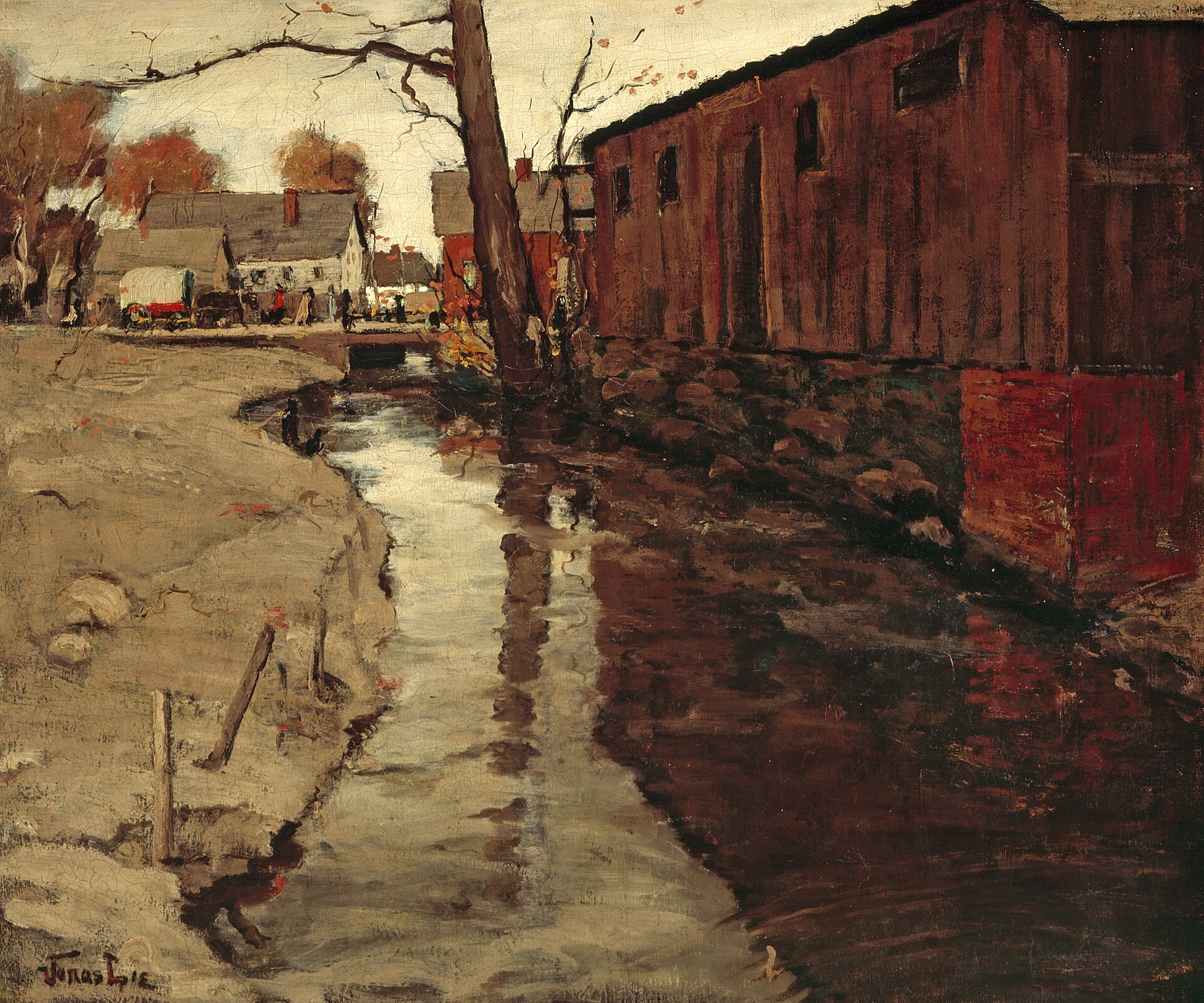
A mill-race is the channel that carries water to a mill wheel — I had to look that up. From what I've read he made his name painting working places like this, canals and quarries and construction, when everyone else wanted pretty ones.
Erisava: It's brown on brown on brown, and I'd still hang it.
Flowers in a Handled Vase by Edward Middleton Manigault, 1920
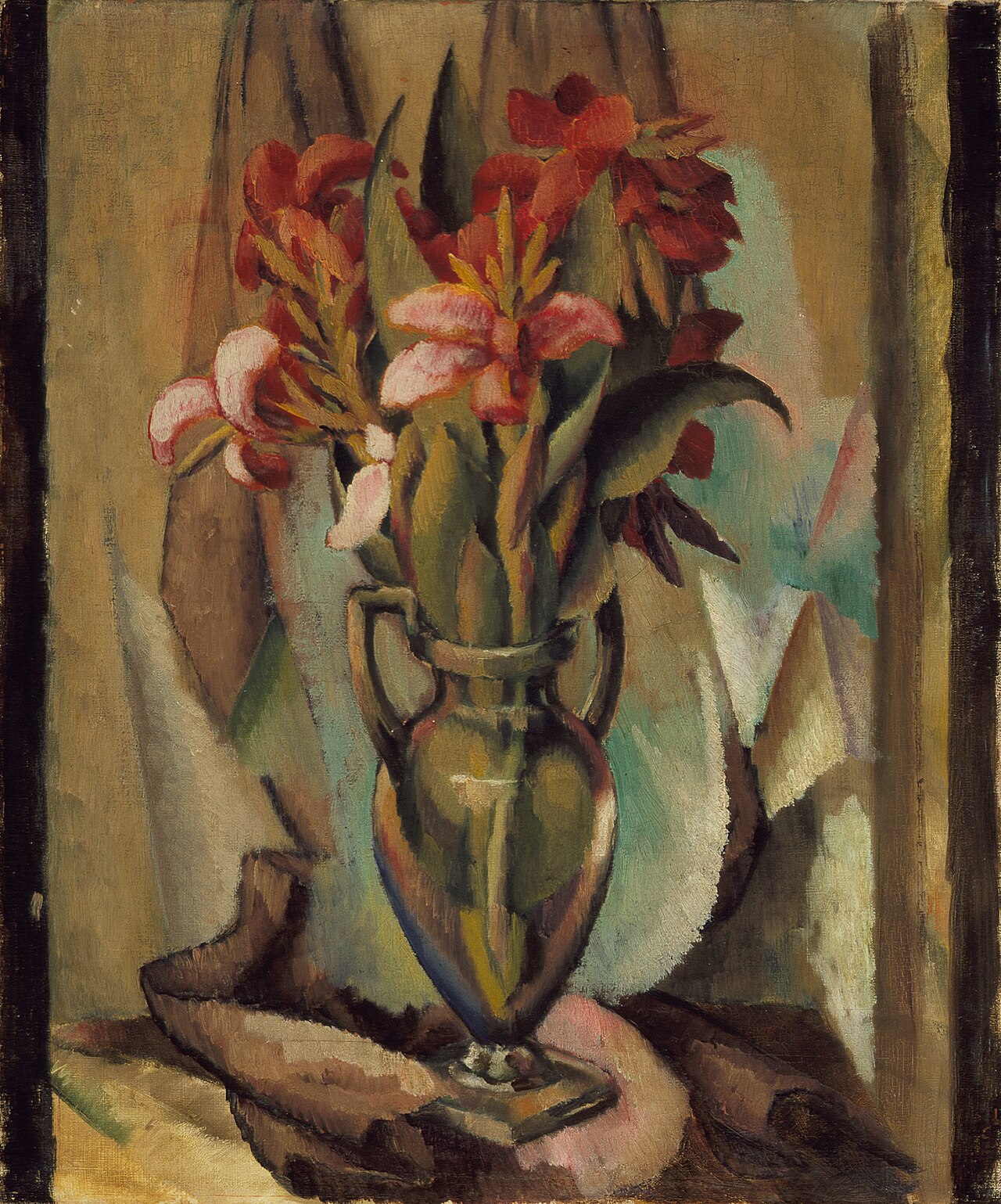
According to Wikipedia he starved himself on purpose, trying to see colours nobody else could see, and it killed him at thirty-five. That's presented as fact, not legend, which makes a vase of flowers feel like higher stakes than it should.
Erisava: These flowers look carved out of wood, and I kind of prefer it.
Tea by Henri Matisse, 1919
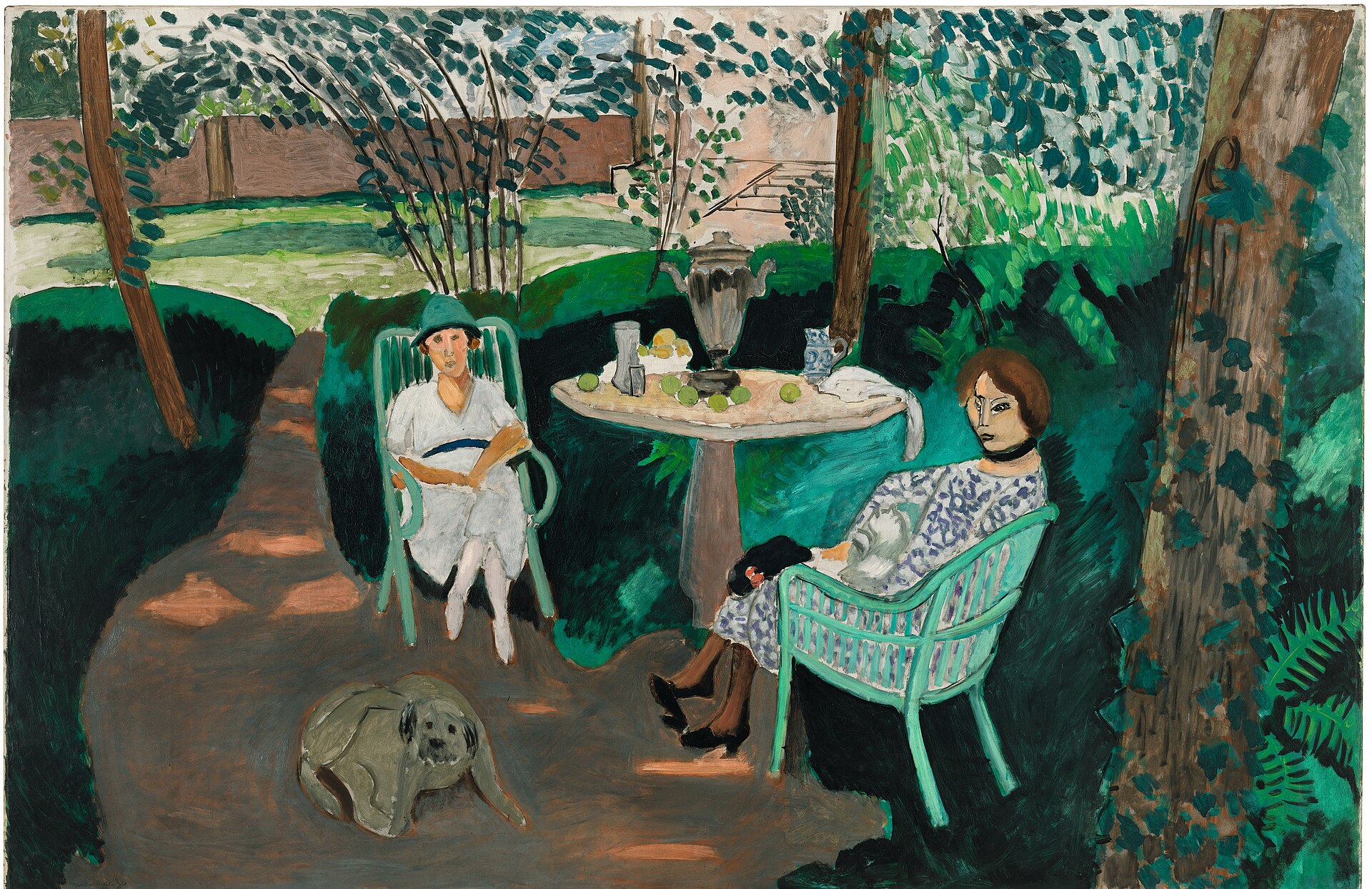
This is believed to be Matisse's own garden outside Paris, with what's said to be his daughter and a friend having tea — that flat, saturated color was already becoming his signature.
Erisava: Would've been a great painting if not for the face of the woman to the right.