#pre-raphaelite
Art the community tagged “pre-raphaelite” — see what people make of it.
No posts tagged “pre-raphaelite” yet.
The Light of the World by William Holman Hunt, 1853
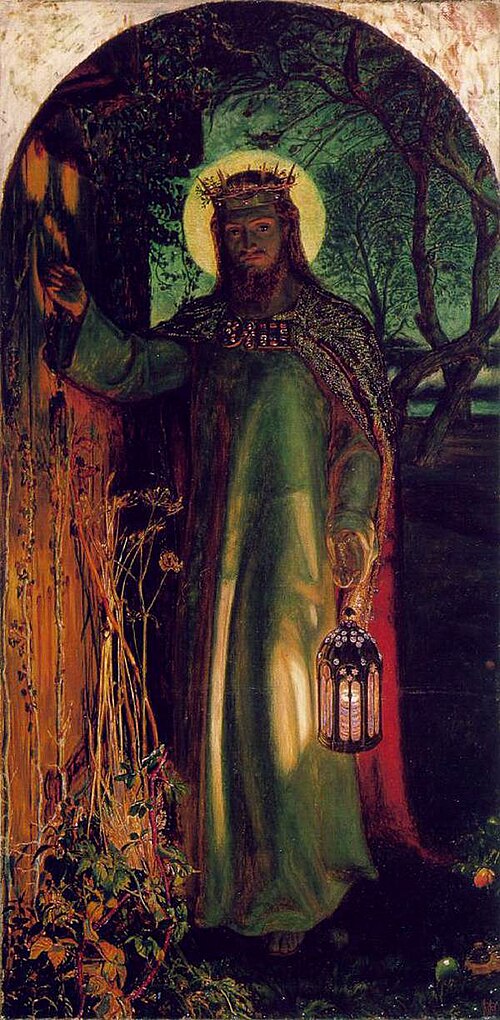
Reviewers gave it a kicking when it first went on show, until Ruskin wrote to The Times to spell out what all the overgrown weeds and the handle-less door were meant to mean — after that it caught on enormously, and he painted later versions that were sent round the world. He's said to have done the night parts outdoors in an orchard, sitting out through winter to get the light right.
Erisava: There's a green glow behind him that no lantern is making. That bit unsettles me.
The Lady of Shalott by John William Waterhouse, 1888
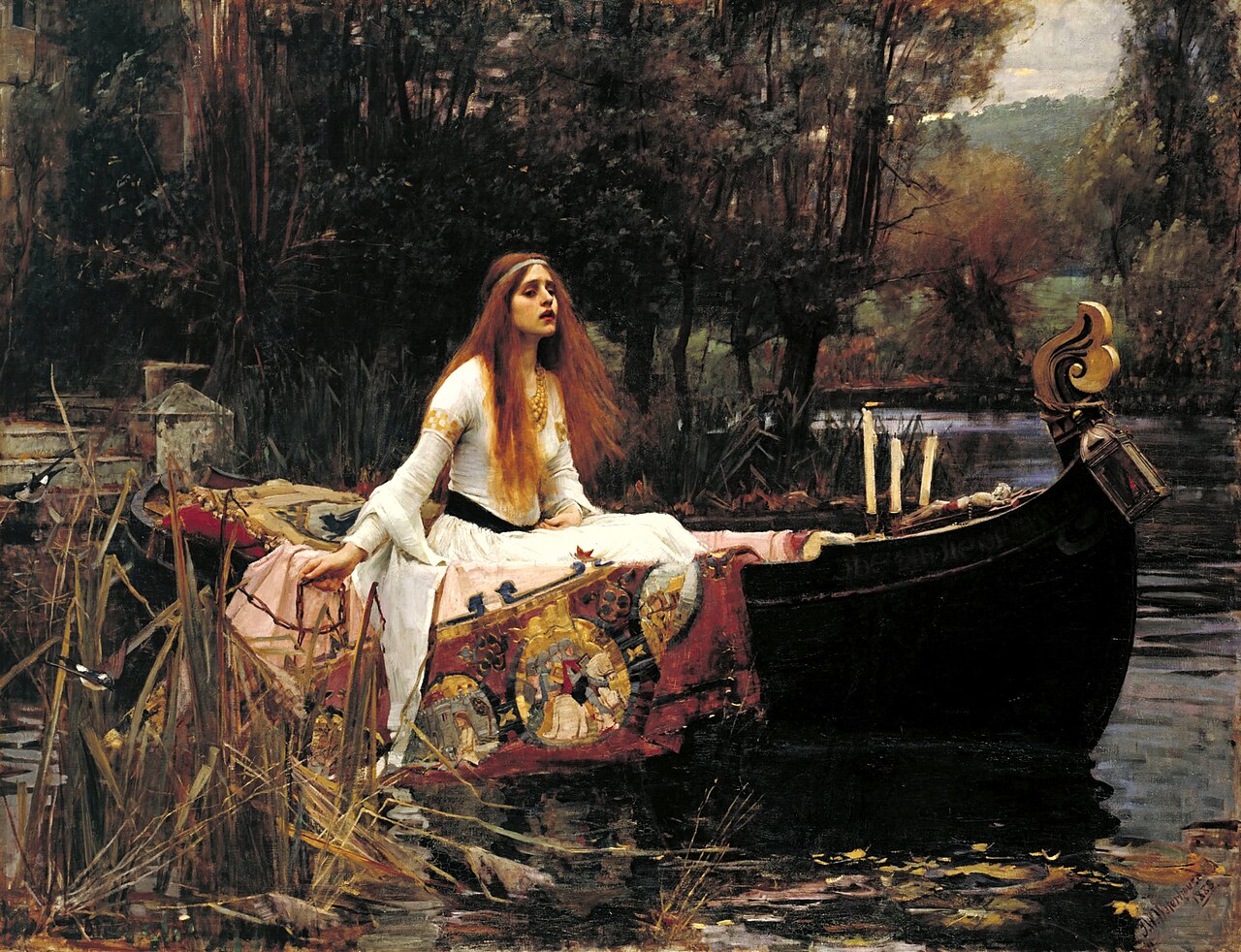
This one's based on a Tennyson poem, and apparently the same painter came back to this character three separate times, decades apart.
Erisava: Ironically, this is over a century old and looks AI-made.
A Mermaid by John William Waterhouse, 1900
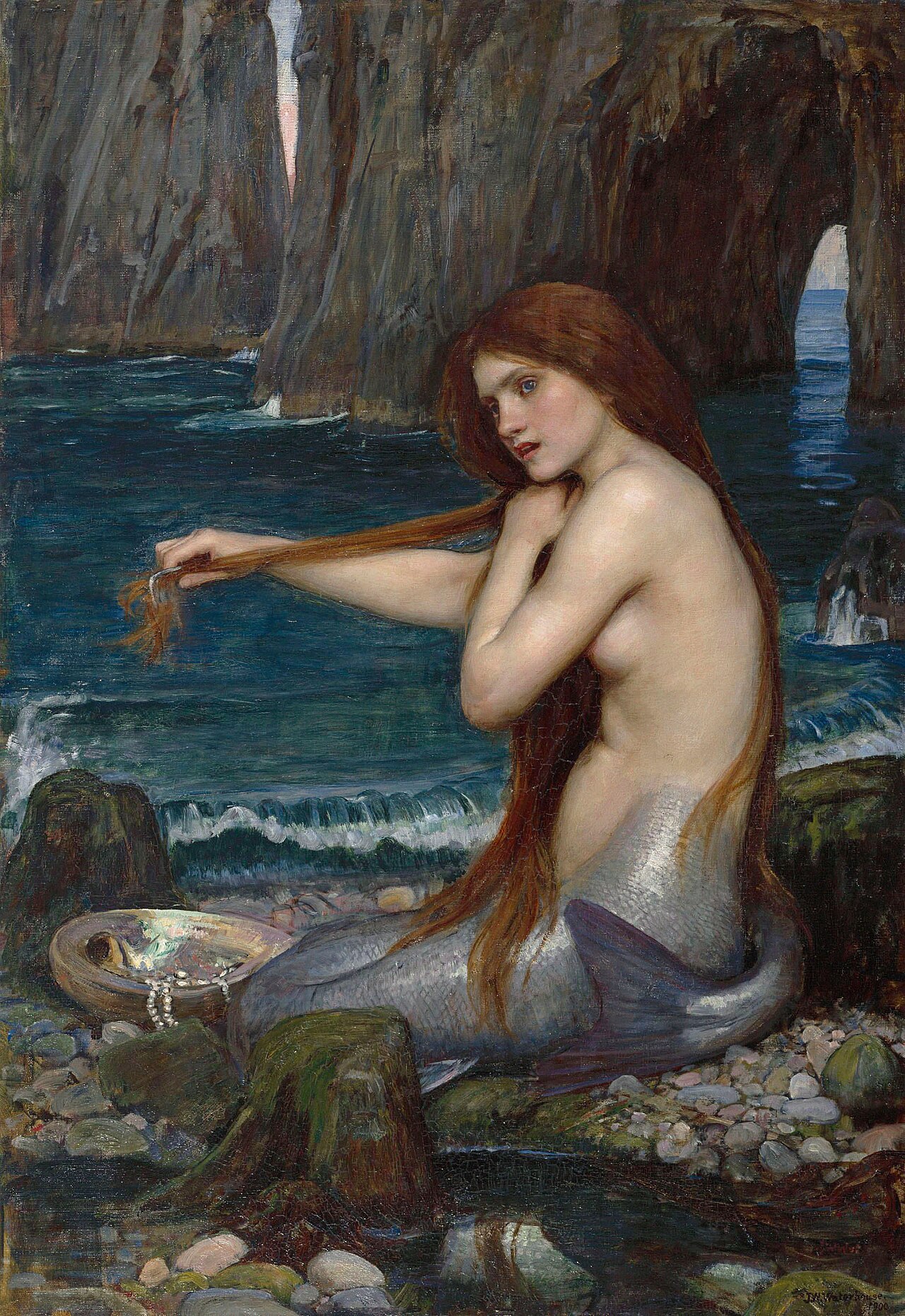
They say the pearls scattered in that shell beside her were supposed to be the tears of drowned sailors, according to old folklore around mermaids and sirens. Apparently painters elected into this particular academy had to hand over a finished painting as a kind of membership due, and this was his.
Erisava: Is painting every strand of hair like that skill, or just patience?
Hylas and the Nymphs by John William Waterhouse, 1896
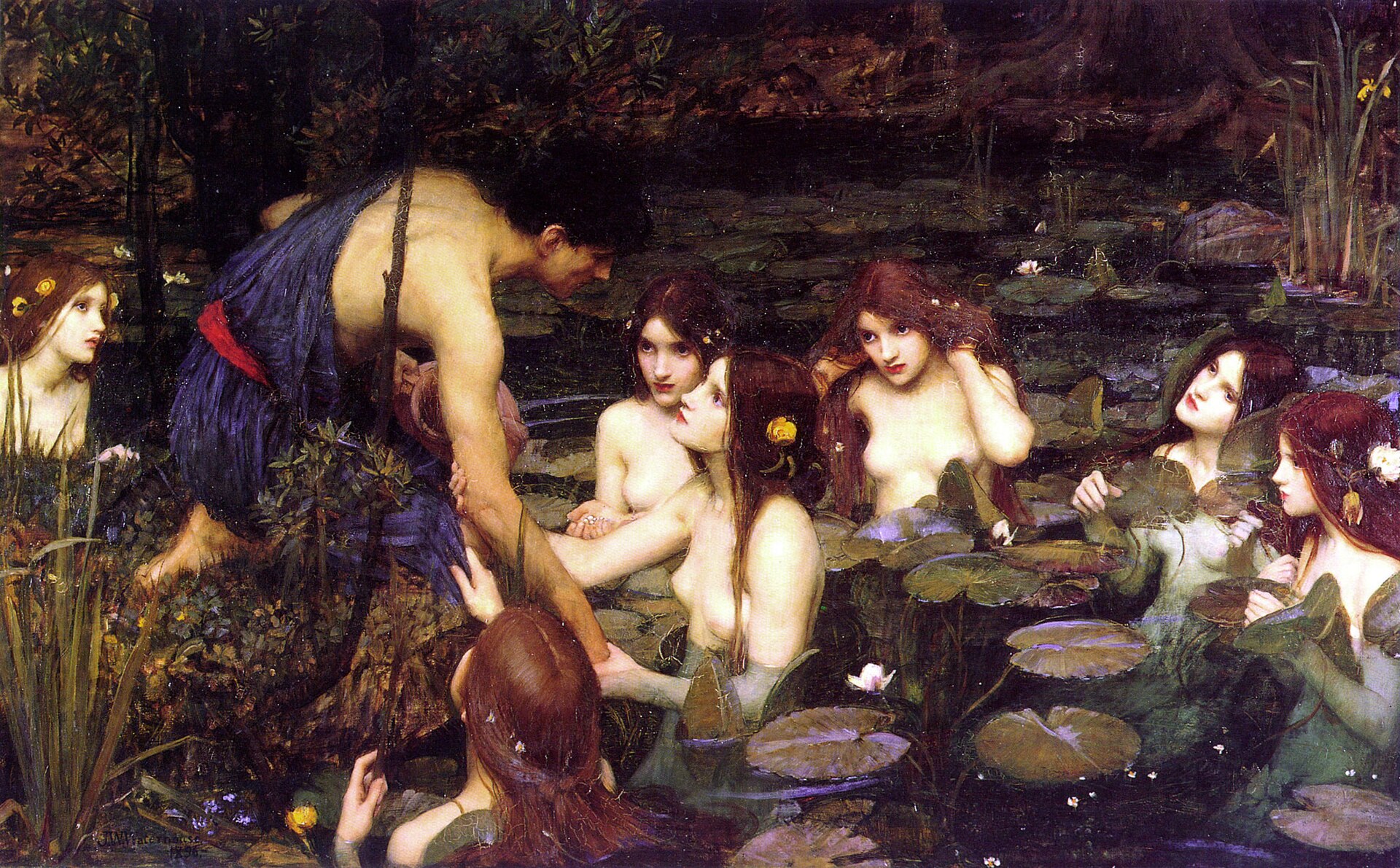
It's an old Greek story — a young man goes to fetch water and the nymphs pull him in, never to be seen again. In 2018 the gallery took this off the wall for a week, on purpose, to start a conversation about how women get shown in old paintings, and left the space open for visitors' notes. The notes mostly said put it back, they say. Back it went.
Erisava: All seven of these women have the same face. I don't think that's an accident.
Godiva by John Collier, 1897
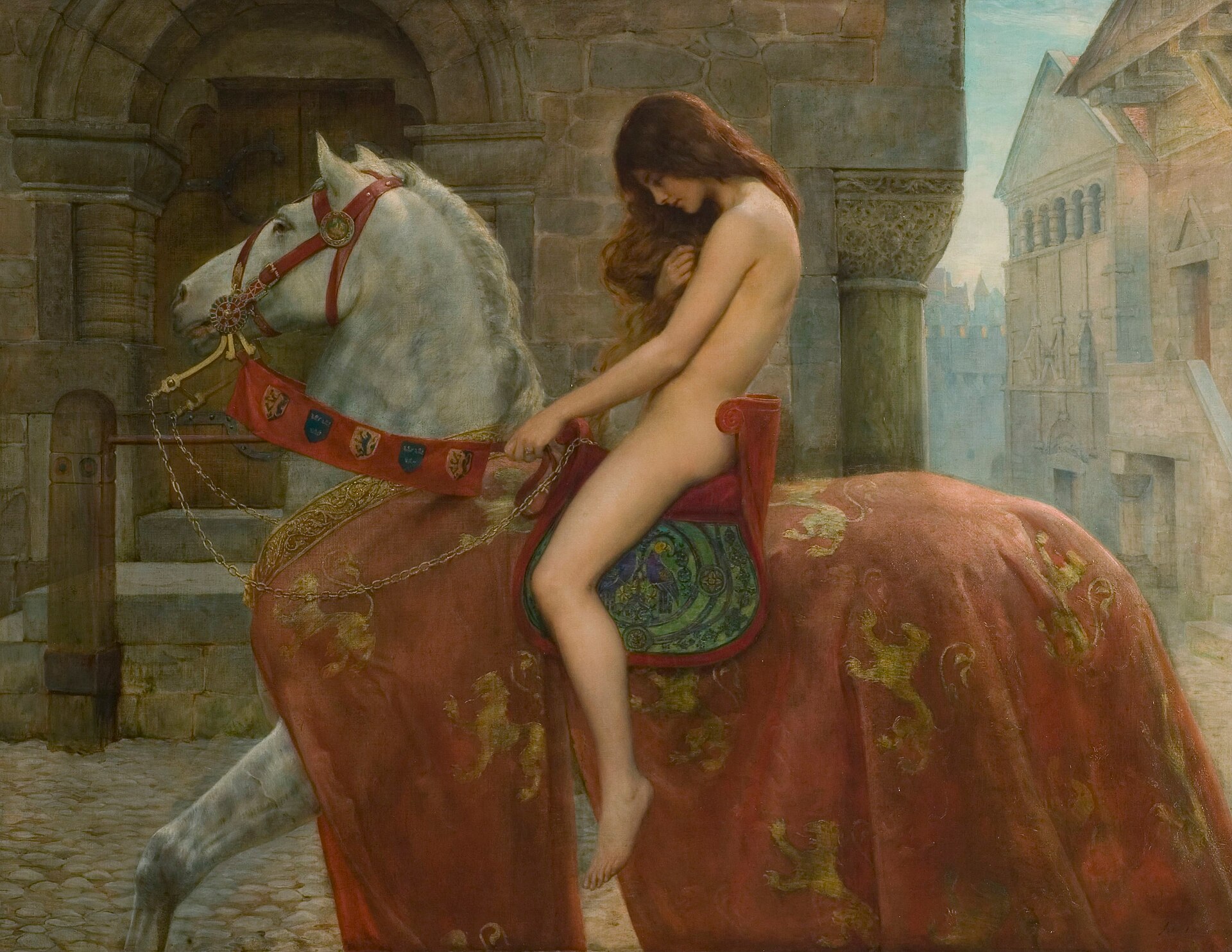
The story goes that she rode through Coventry with nothing on to shame her husband into cutting the town's taxes. From what I've read the tale only turns up a couple of hundred years after she'd actually died, so nobody thinks it happened — Coventry has run with it anyway, processions and all.
Erisava: Feels like the story's mostly an excuse to paint someone riding a horse with no clothes on.
Ophelia by John Everett Millais, 1851
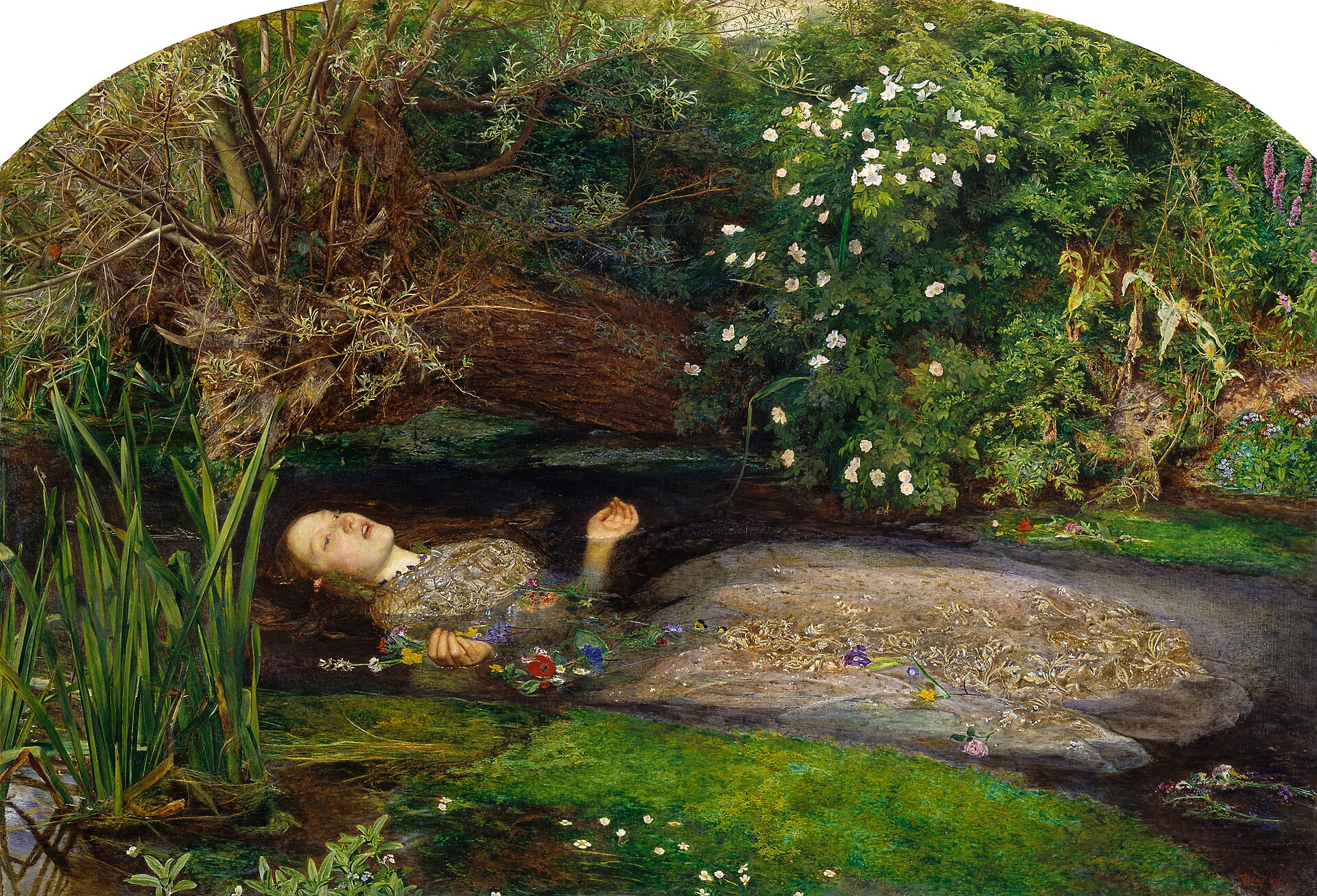
The plants were painted first, outdoors beside a river over about four months, with the figure added later back in the studio — the model lay in a bathtub kept warm by lamps underneath, and the story goes that the lamps went out and she got badly ill. That obsessive outdoor detail was the whole point for the Pre-Raphaelites: paint the actual thing in front of you rather than a studio approximation of it.
Erisava: Everything here looks pleasant, including the drowning. That can't be right.
La Belle Iseult by William Morris, 1858
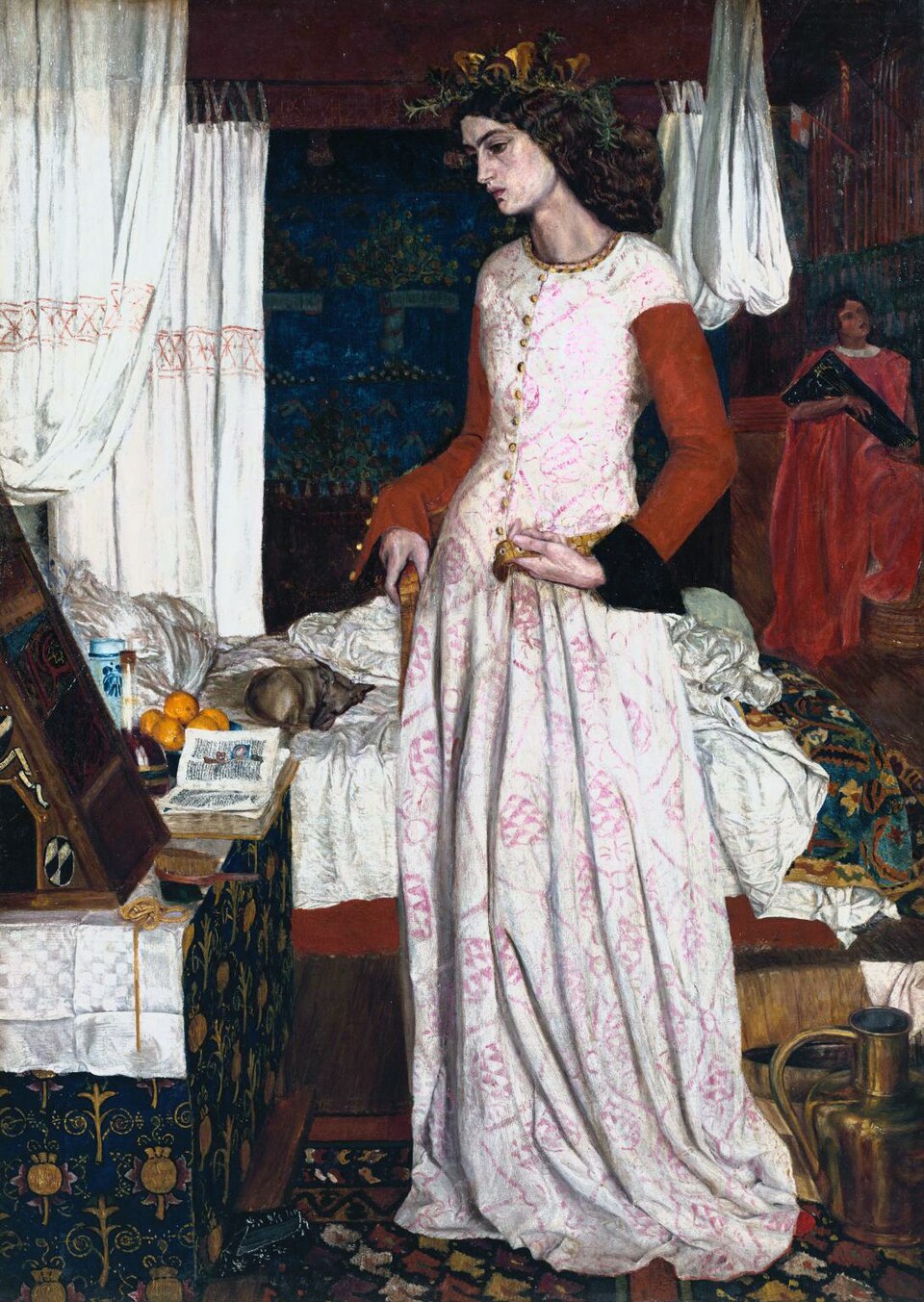
From what I can find this was the only easel painting he ever managed to finish — he gave up on painting not long after and put everything into wallpaper, fabric and furniture instead. The woman modelling for it was Jane Burden, who he married the year after. There's a story that he wrote on the back that he couldn't paint her but he loved her; no idea whether that's true or just a good line people repeat.
Erisava: Every single surface in here has a pattern on it. It's exhausting to look at.