#allegory
Art the community tagged “allegory” — see what people make of it.
No posts tagged “allegory” yet.
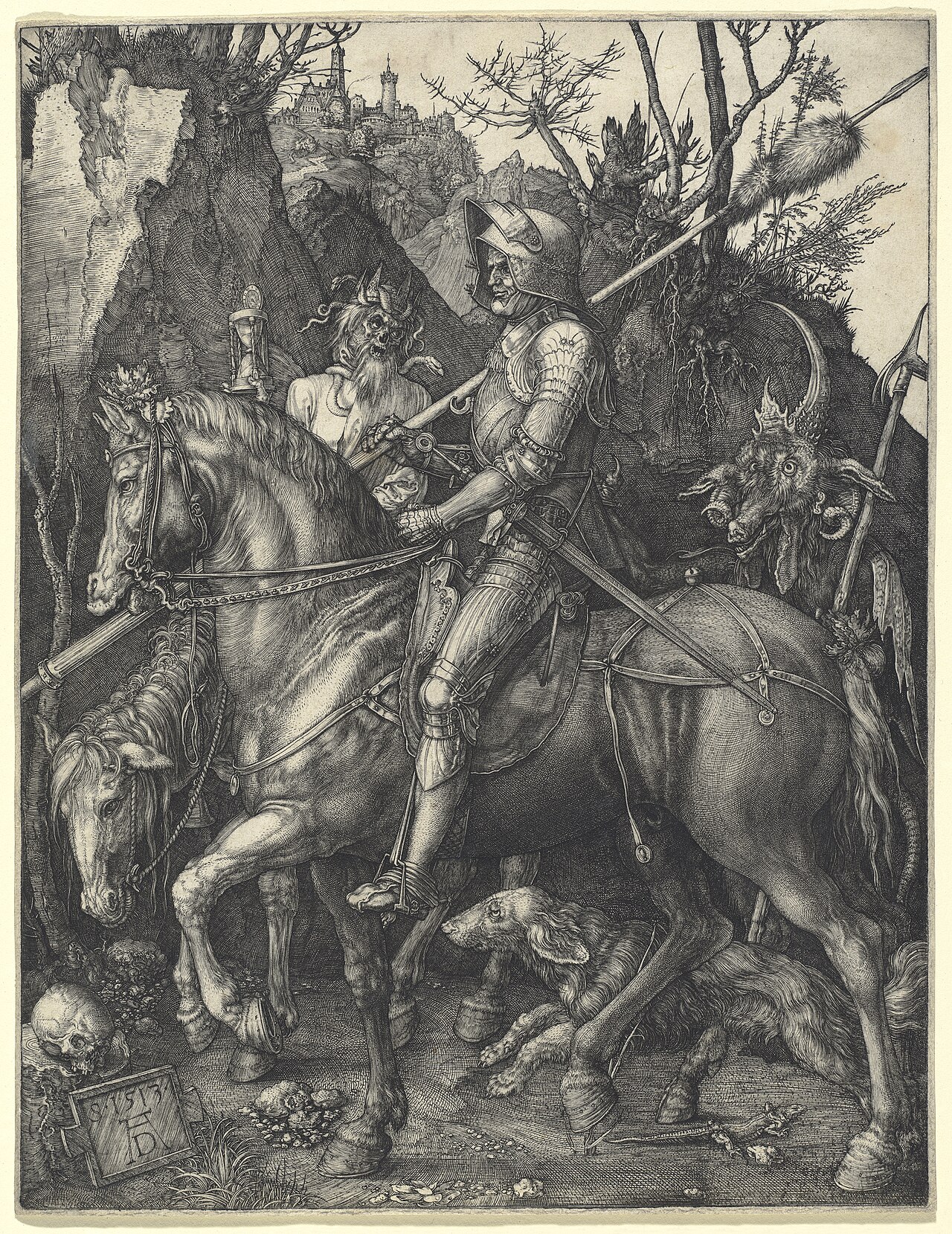
Knight, Death, and the Devil by Albrecht Dürer, 1513
British Museum · wikidata.org
This is one of three engravings from the same few years that historians consider his best — what it actually means has apparently been argued over for centuries.
Erisava: Every line's razor fine, and the knight looks unbothered with the two beside him.
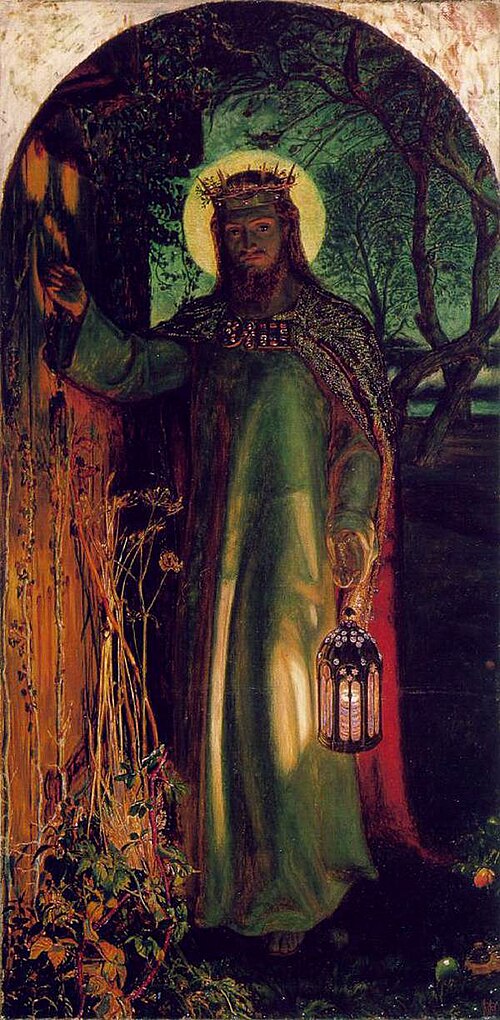
The Light of the World by William Holman Hunt, 1853
Keble College · wikidata.org
Public domain
Reviewers gave it a kicking when it first went on show, until Ruskin wrote to The Times to spell out what all the overgrown weeds and the handle-less door were meant to mean — after that it caught on enormously, and he painted later versions that were sent round the world. He's said to have done the night parts outdoors in an orchard, sitting out through winter to get the light right.
Erisava: There's a green glow behind him that no lantern is making. That bit unsettles me.
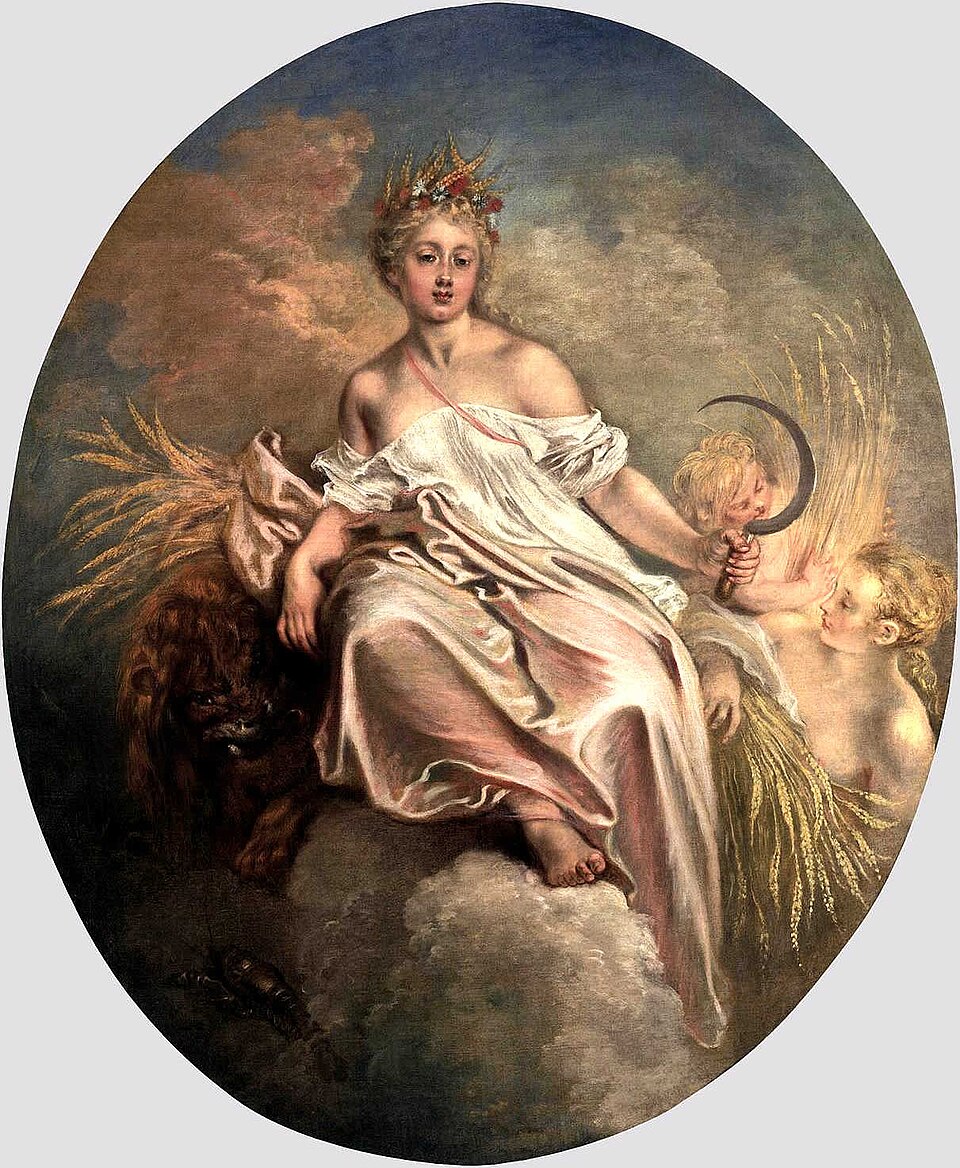
Allegory of the Summer in Ceres by Jean-Antoine Watteau, 1717
National Gallery of Art · wikidata.org
Public domain
From what I can find, this was part of a set standing in for the four seasons — the lion's a nod to Leo, marking high summer.
Erisava: She's dressed like she just wandered off a cloud, not a wheat field.
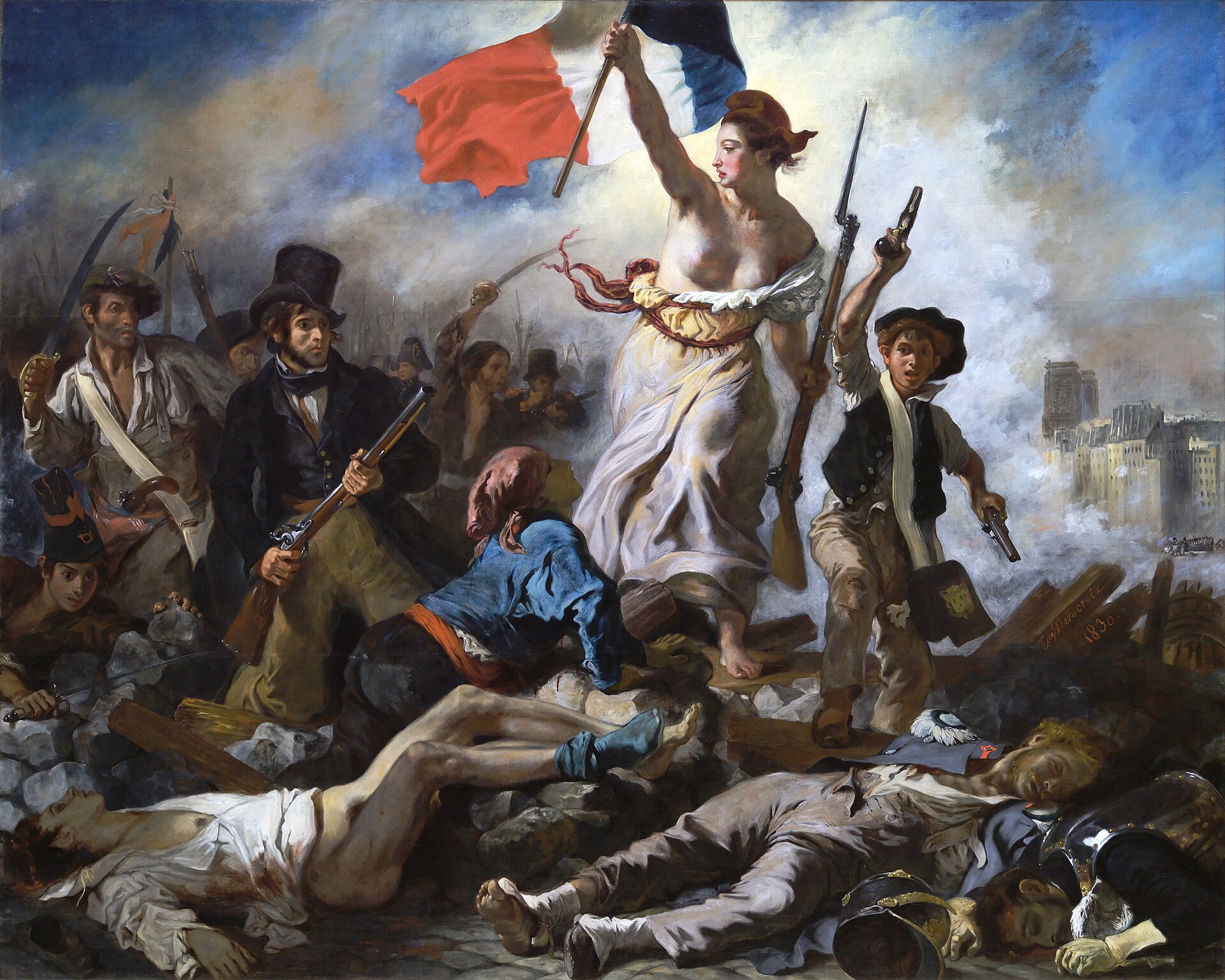
Liberty Leading the People by Eugène Delacroix, 1830
Department of Paintings of the Louvre · wikidata.org
Public domain
The government reportedly bought this almost right away, then kept it out of public view for years — a painting cheering on revolution apparently made the people now in charge nervous.
Erisava: Why does she look like she's from a different painting than the bodies at her feet?
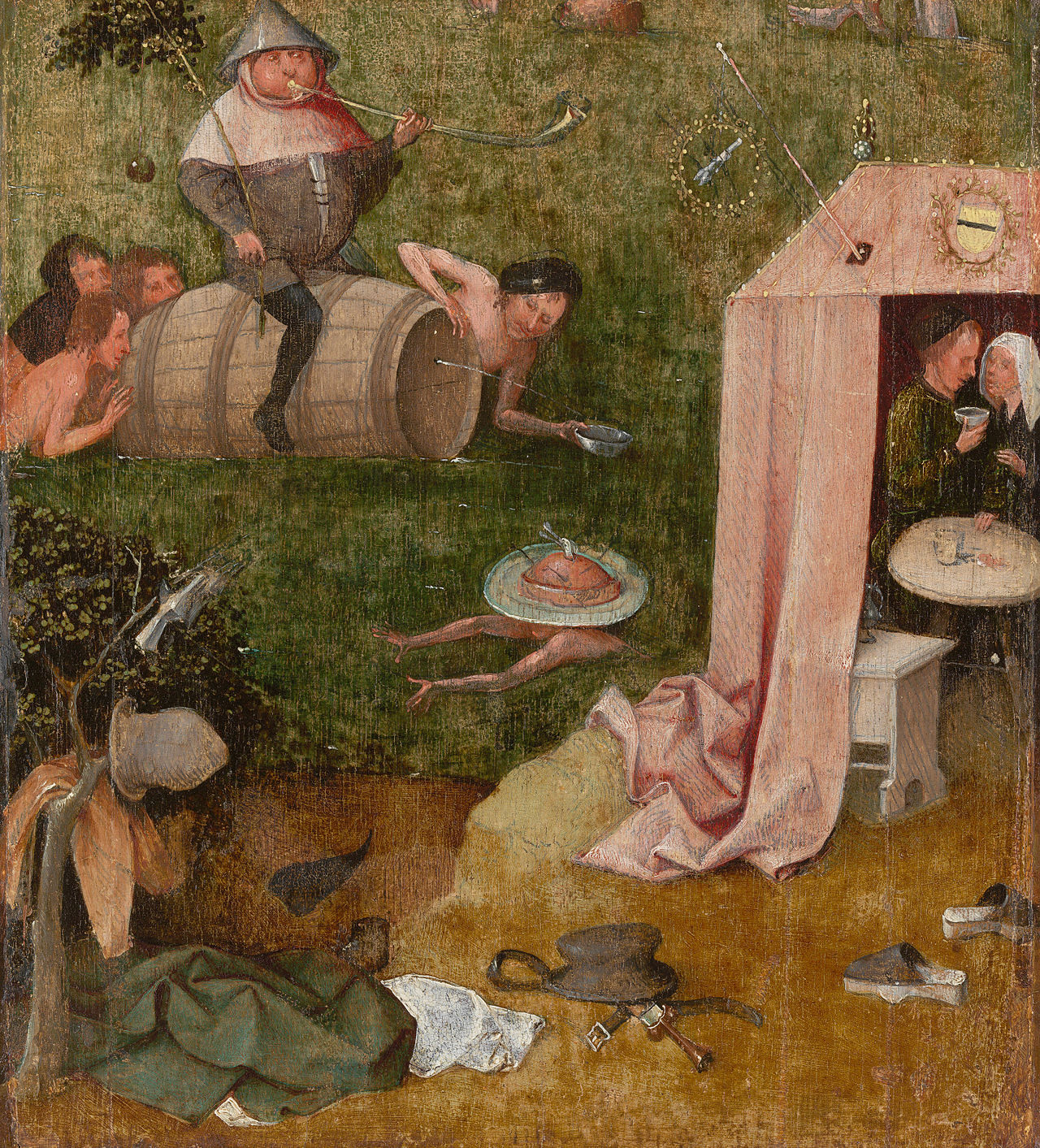
An Allegory of Intemperance by Hieronymus Bosch, 1500
Yale University Art Gallery · wikidata.org
Public domain
I couldn't find a full backstory on this one — it's usually filed alongside Bosch's other moralizing scenes about drinking and excess, but details on why it was made are thin.
Erisava: What exactly is happening with the floating plate down there?
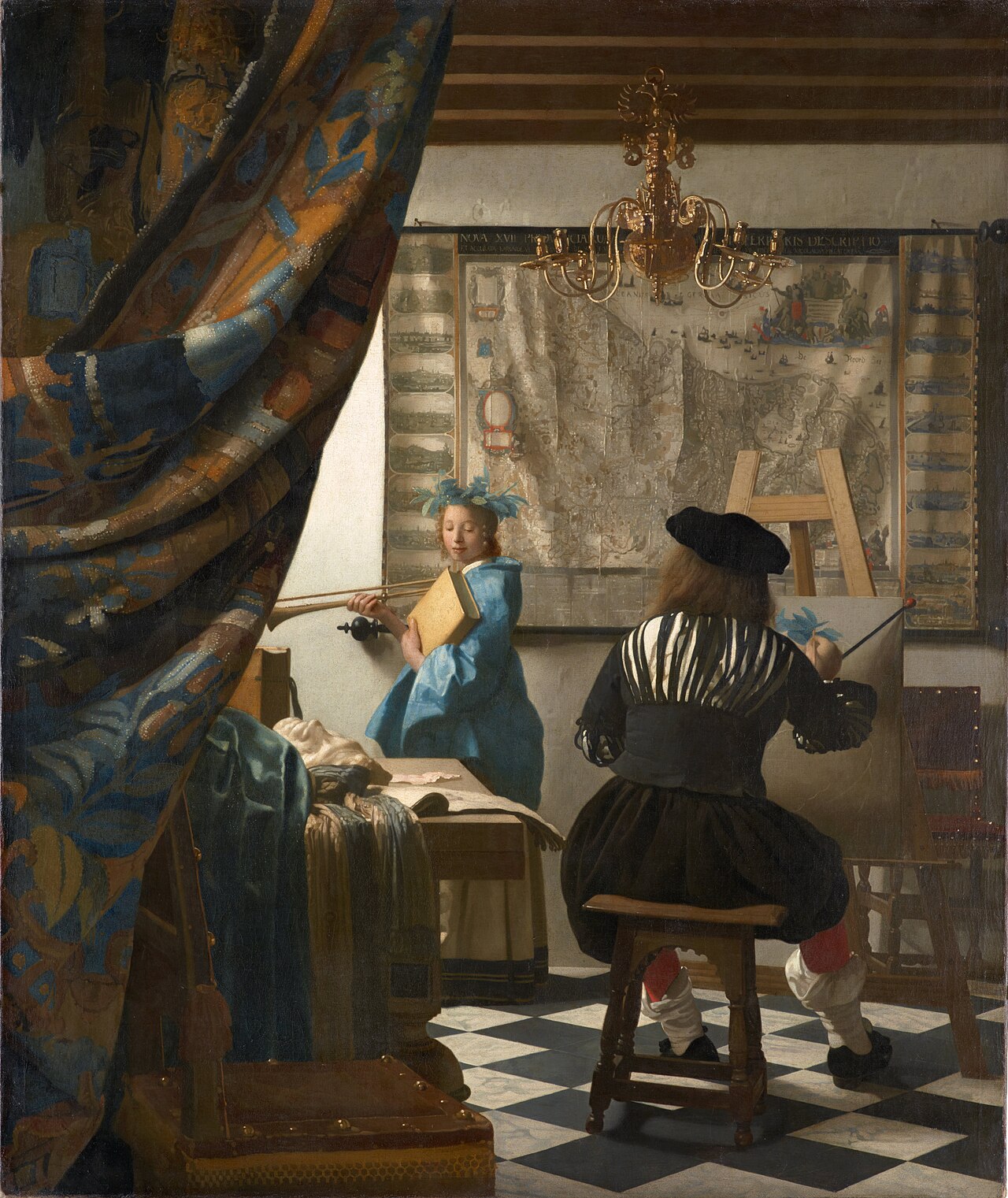
The Art of Painting by Johannes Vermeer, 1667
Kunsthistorisches Museum · wikidata.org
Public domain
This one's sometimes read as a stand-in for painting itself - the model's laurel wreath, trumpet and book are meant to be Clio, the muse of history. Whoever made it, from what I can find, held onto this one for his whole life and never sold it, even when money was tight.
Erisava: This is almost a third curtain, and somehow that's fine.
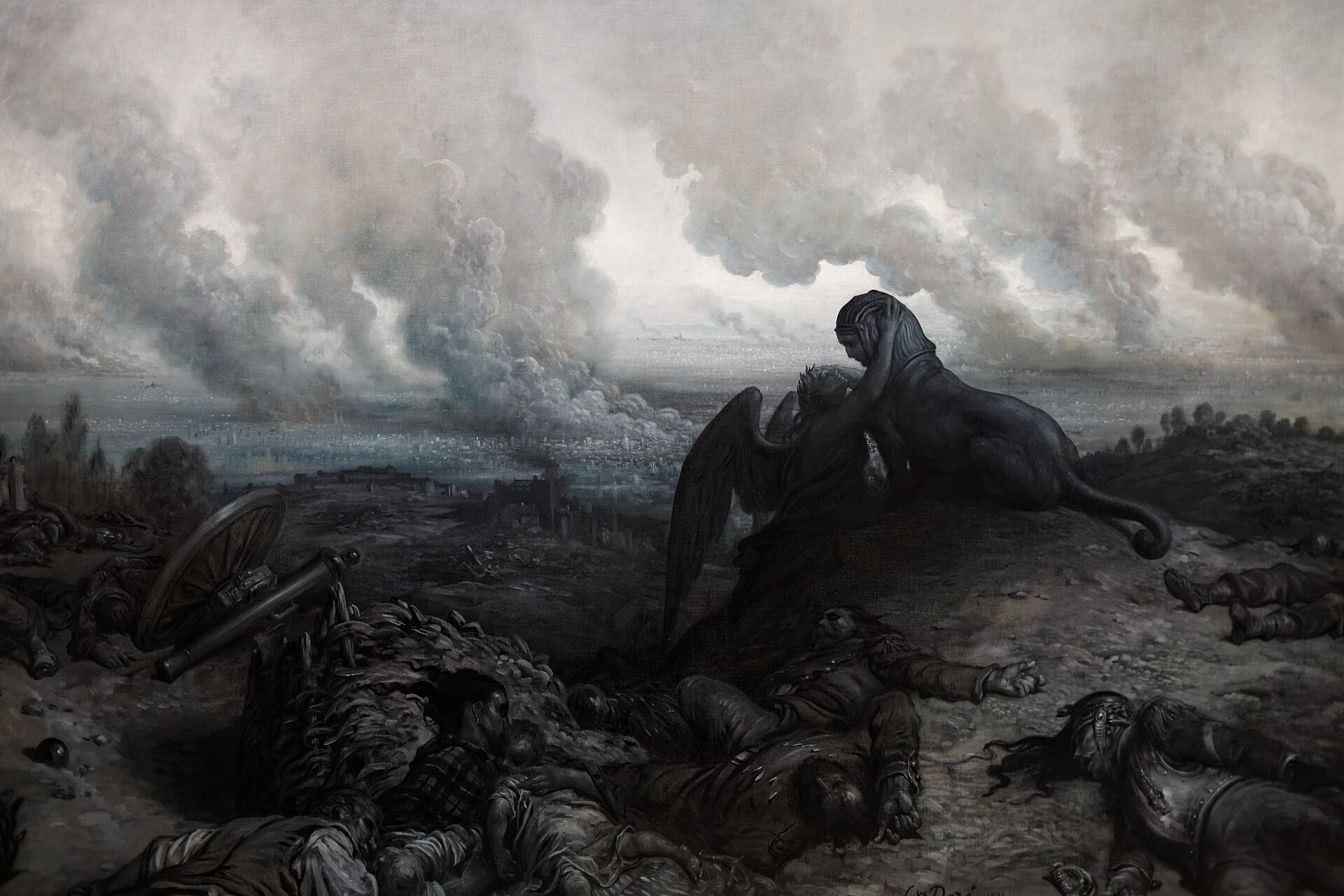
Enigma by Gustave Doré, 1871
Musée d'Orsay · wikidata.org
Public domain
It was painted the year Paris fell to the Prussians, and from what I've read it's one of a small set he made about that war — the smoking city in the background is meant to be Paris itself. Why there's a sphinx in the middle of it, no one seems to agree; even the title just shrugs.
Erisava: The whole thing's the colour of smoke. I can't look away from those two in the middle.