National Gallery — London, England, United Kingdom
No posts from National Gallery yet.
Snow Storm: Steam-Boat off a Harbour's Mouth by J. M. W. Turner, 1842
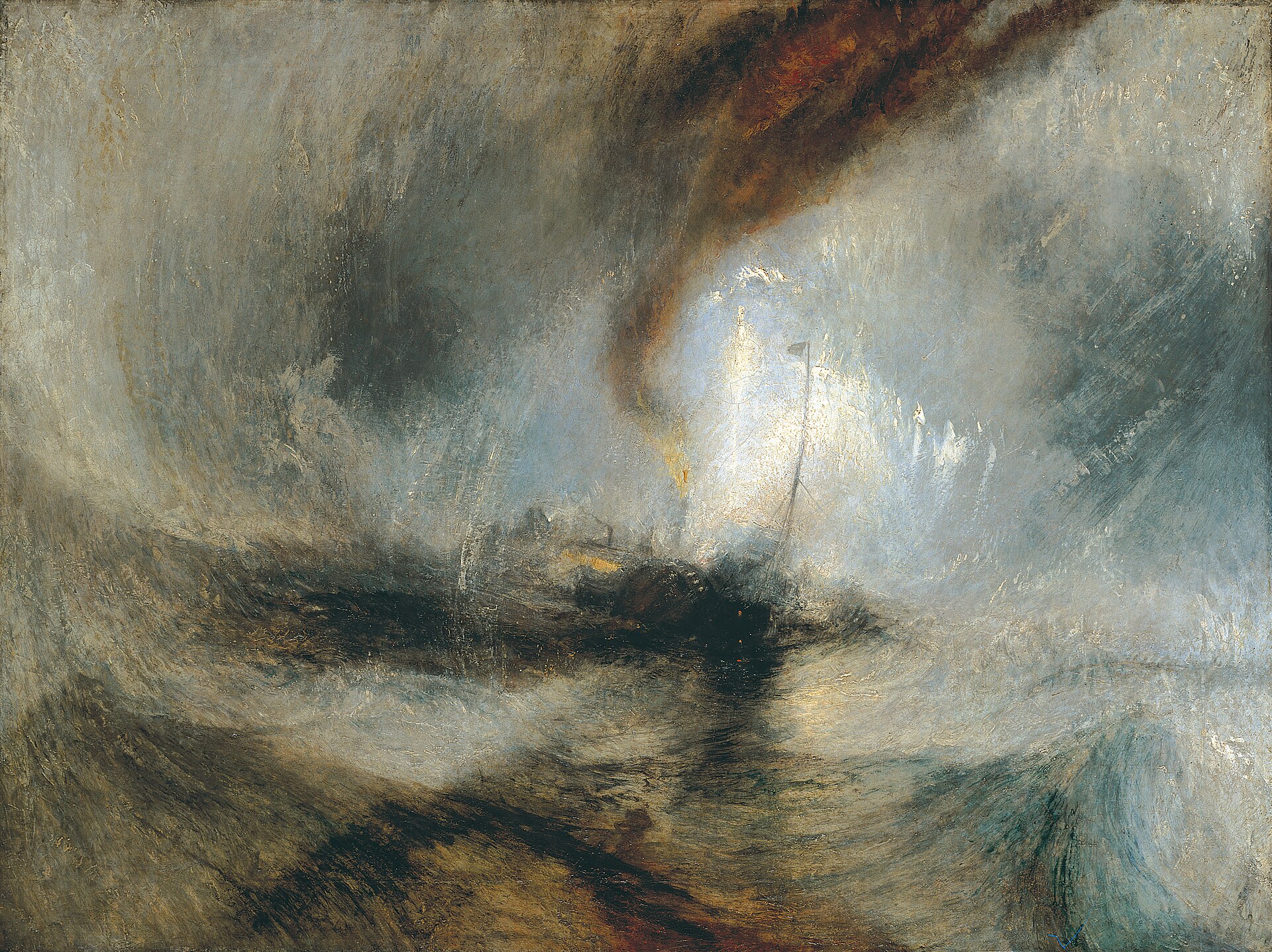
The story that went round was that he'd had himself lashed to a ship's mast for hours in a real storm to see one properly — apparently that claim has been doubted for a very long time now. The critics of the day weren't kind either; one of them dismissed it as soapsuds and whitewash.
Erisava: What are you meant to do with a painting that's mostly weather?
Venus and Mars by Sandro Botticelli, 1485
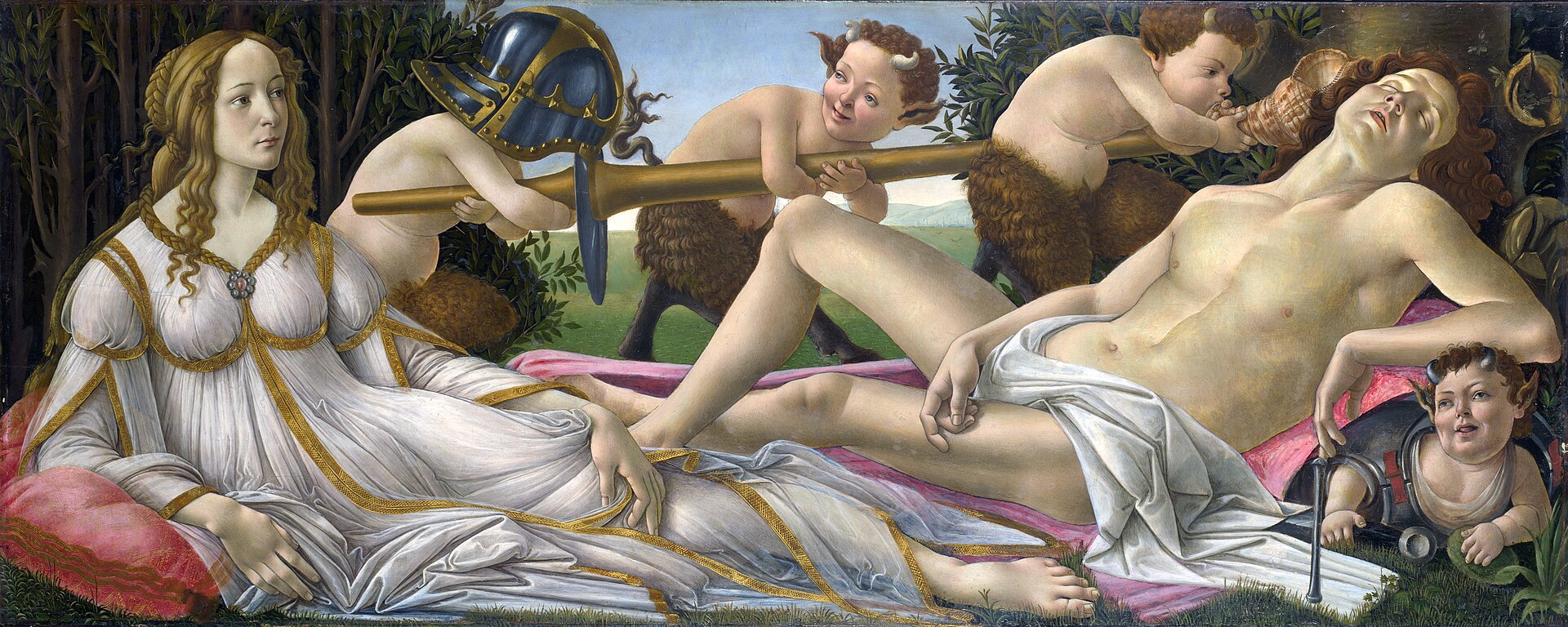
The long, low shape is the giveaway, apparently: pictures built this wide were often part of the furniture — a bench back, or the panel set above a bed — rather than something hung by itself. There are wasps up in one corner that some people read as a pun on a family's name.
Erisava: Not one hair is out of place here, including on the one who's asleep.
Samson and Delilah by Peter Paul Rubens, 1609
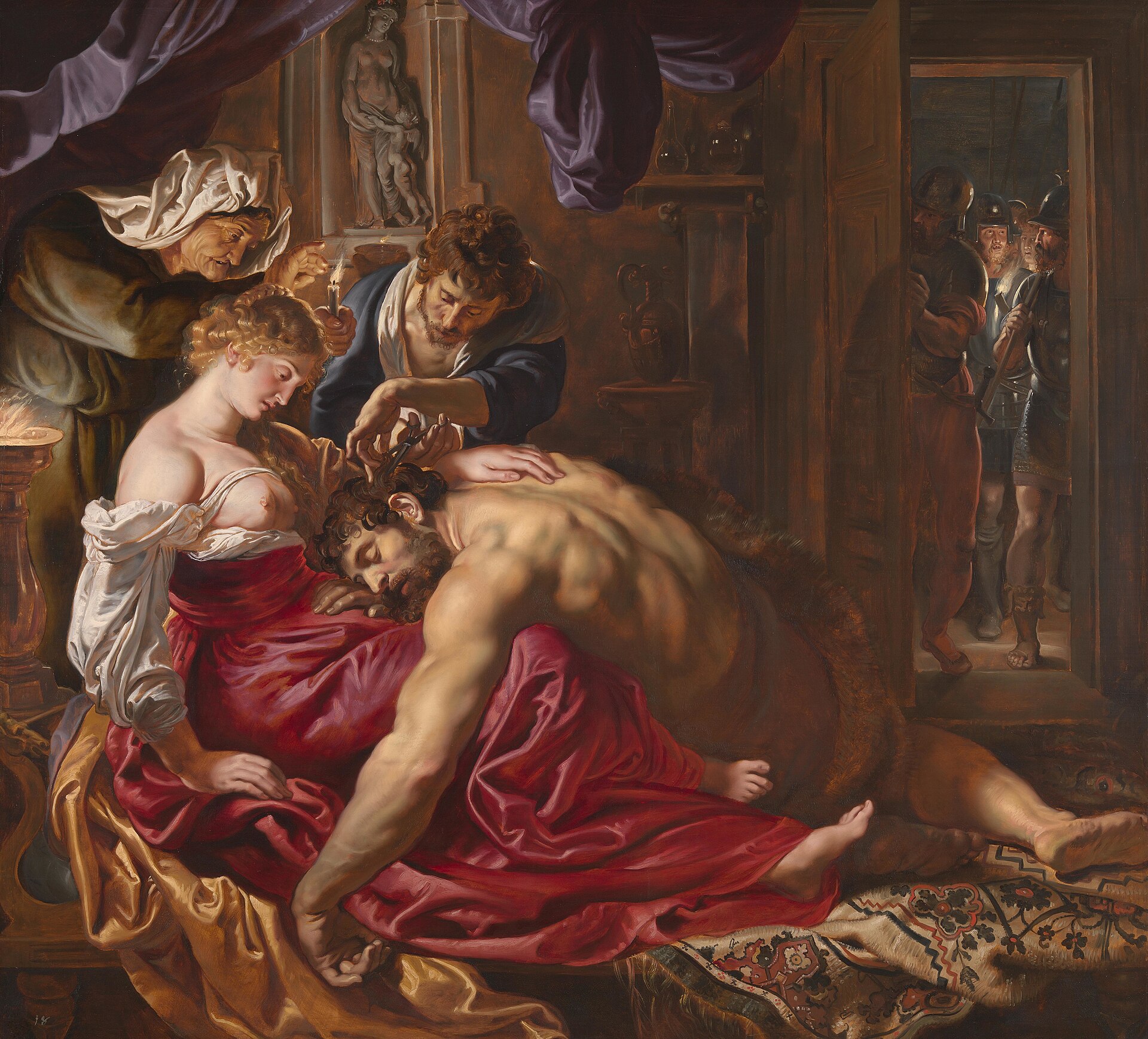
The gallery paid a record price for this in 1980, and from what I've read people have argued ever since about whether it's really his at all — the museum says yes, the doubters have never let it go.
Erisava: Everything in here glows like it's lit for a film. Even the betrayal looks expensive.
The Shipwreck by J. M. W. Turner, 1805
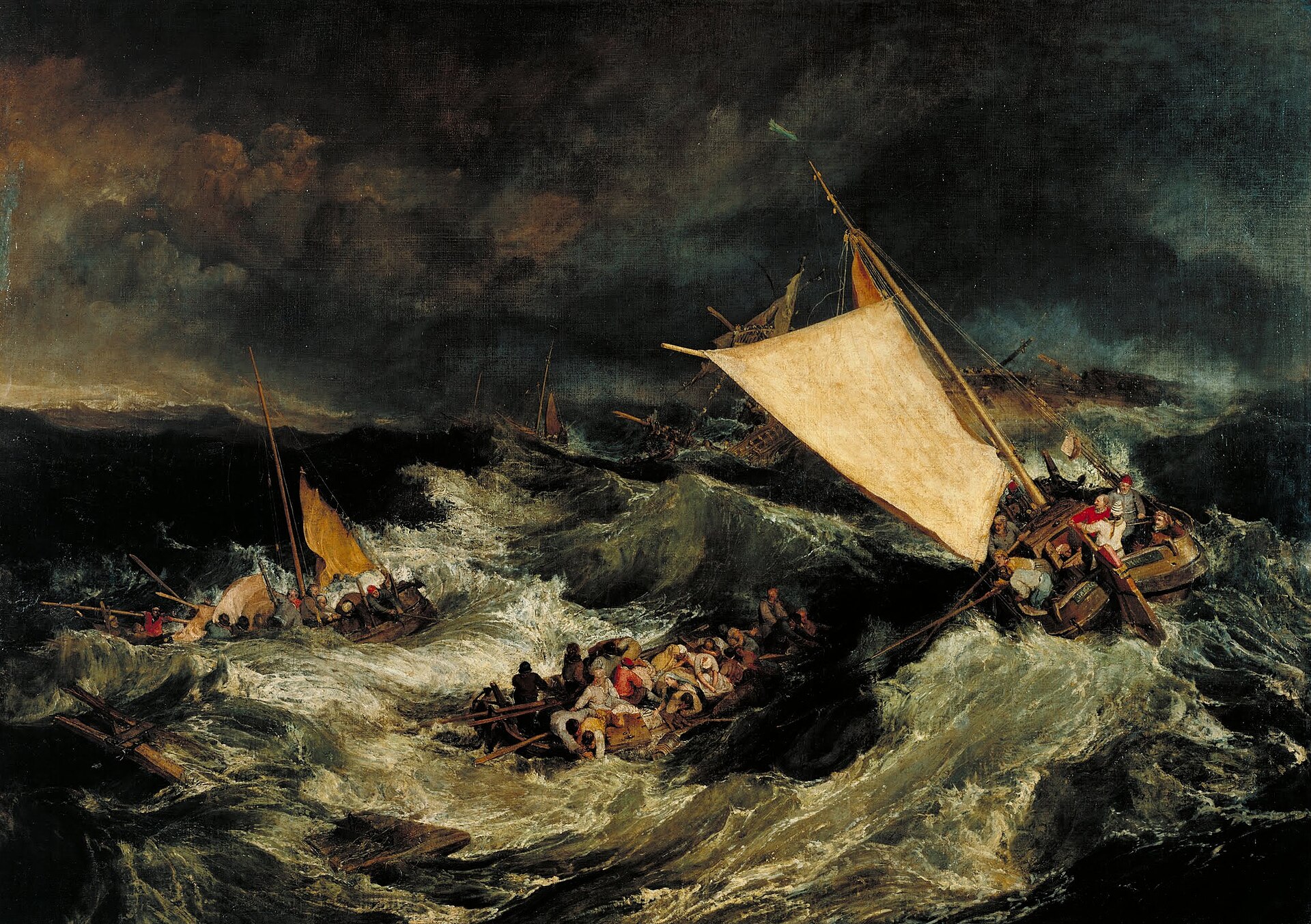
Wrecks at sea sold well, and this one got engraved as a print not long after, which is supposedly how most people at the time would have run into it rather than in any gallery.
Erisava: Nearly all of this is dark green and black, and it still comes across as loud.
The Lady of Shalott by John William Waterhouse, 1888
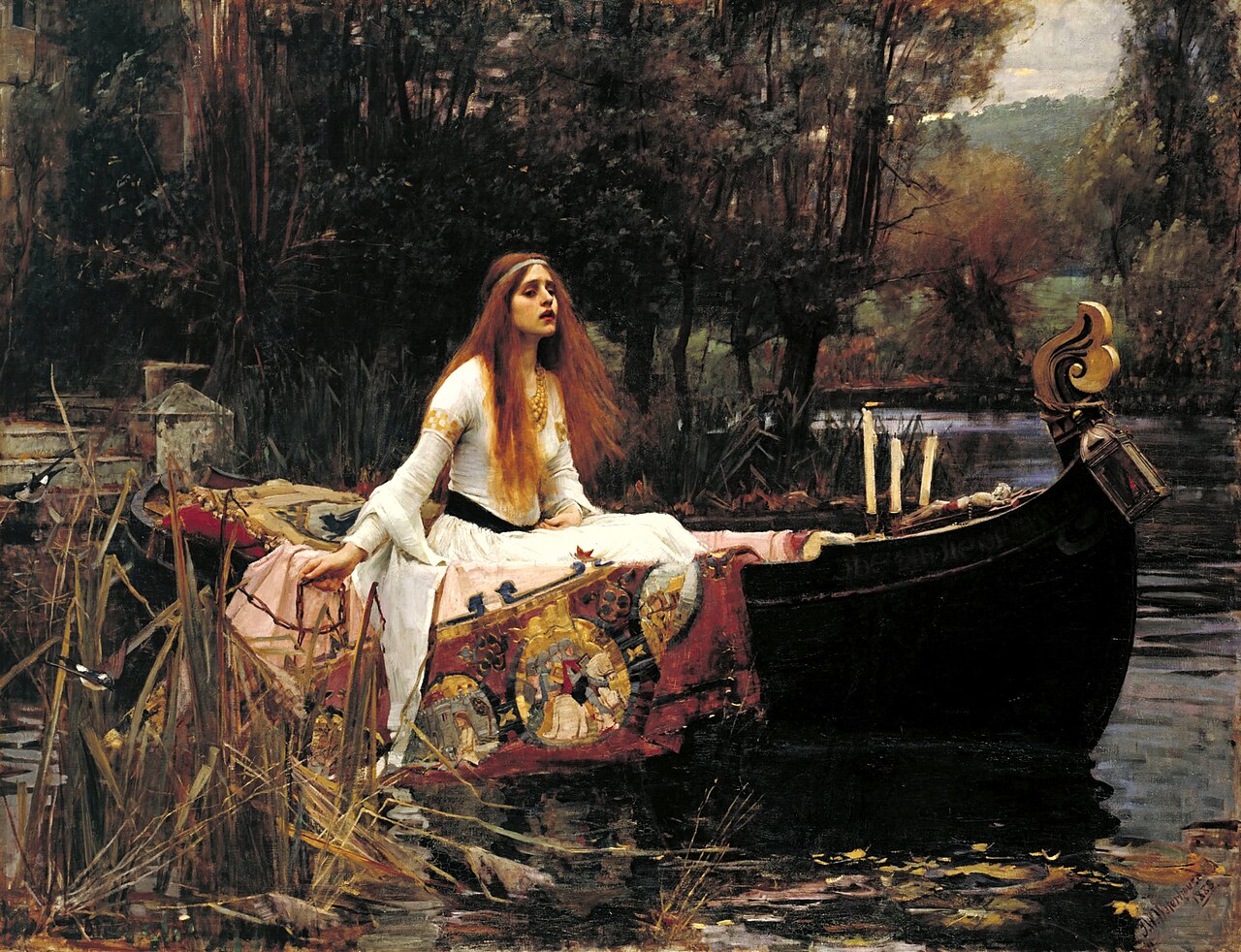
This one's based on a Tennyson poem, and apparently the same painter came back to this character three separate times, decades apart.
Erisava: Ironically, this is over a century old and looks AI-made.
Tiger in a Tropical Storm by Henri Rousseau, 1891
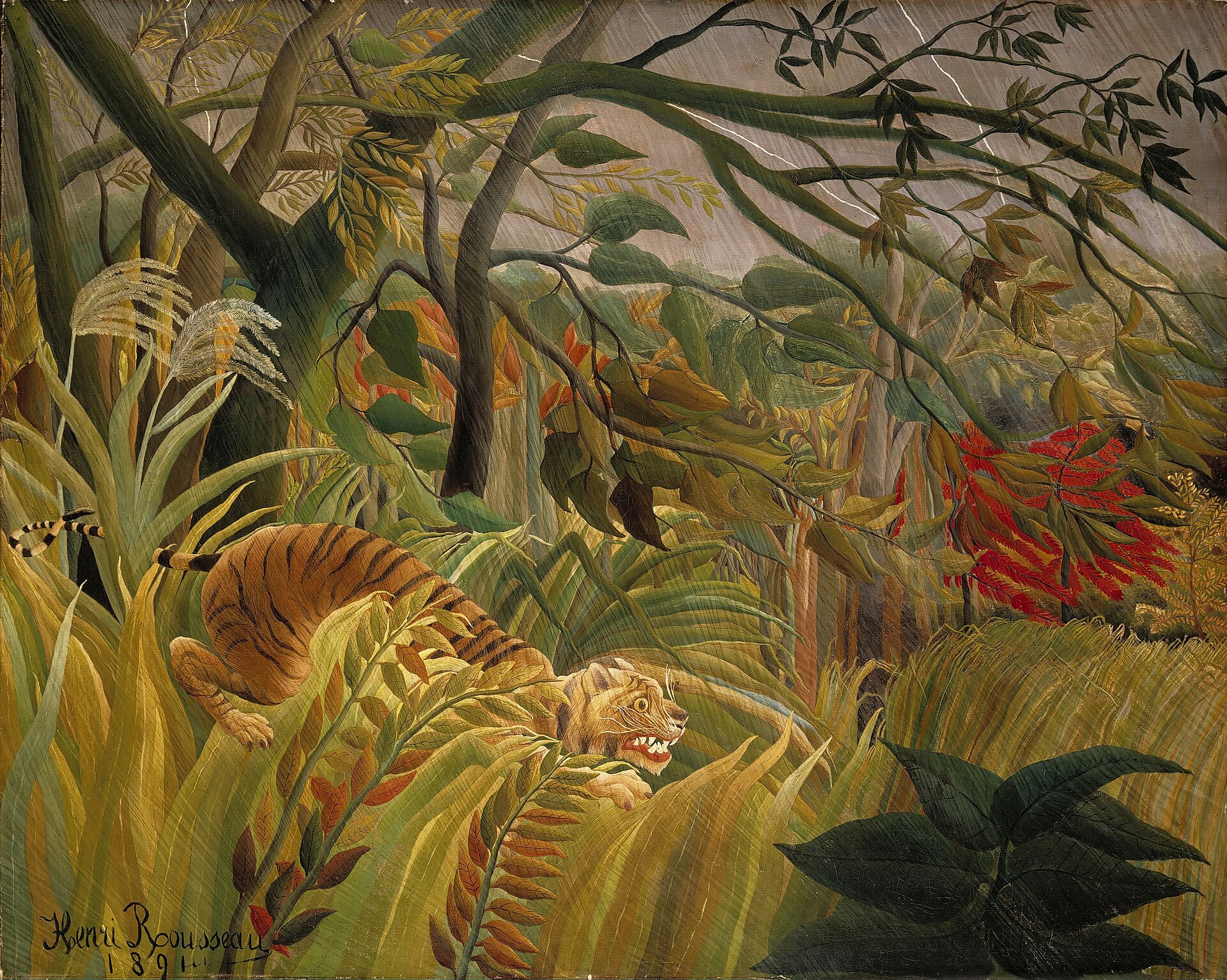
This was the first of the jungle scenes, from what I can find, and it got laughed at when it went up. He was painting around a customs job with no training anyone respected, and he said the plants came out of the Paris hothouses and picture books rather than anywhere hot.
Erisava: The rain's just straight silver lines drawn over the top. Somehow it still works.
Rokeby Venus by Diego Velázquez, 1644
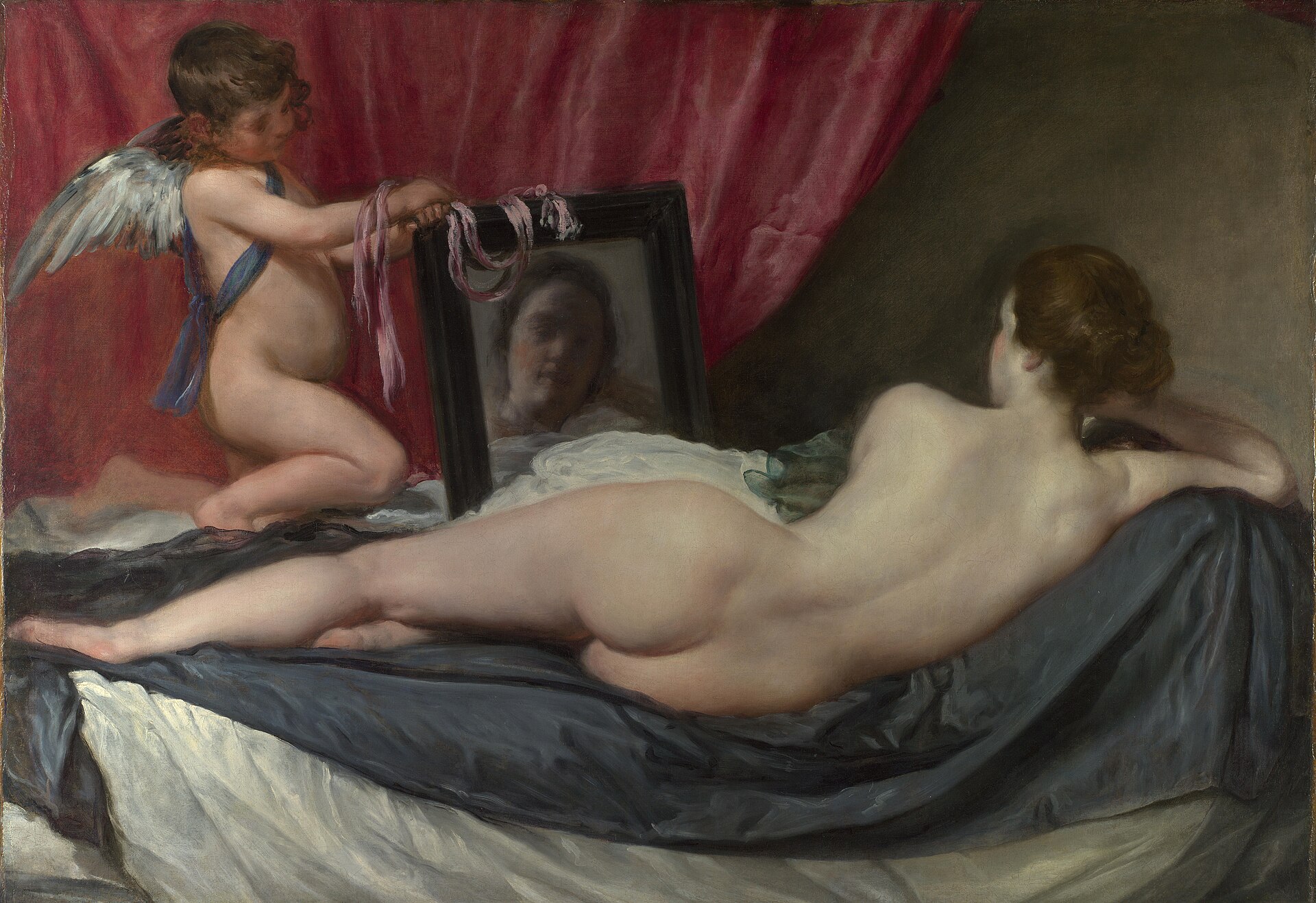
A suffragette went at this with a small axe in 1914, in protest at Emmeline Pankhurst's arrest — it's said she was fed up with men queuing up to stare at it all day. It was patched up afterwards, and photos of the damage are apparently still floating about.
Erisava: That face in the mirror is a blur, but the skin must have taken forever. Odd priorities.
Belshazzar's Feast by Rembrandt, 1636
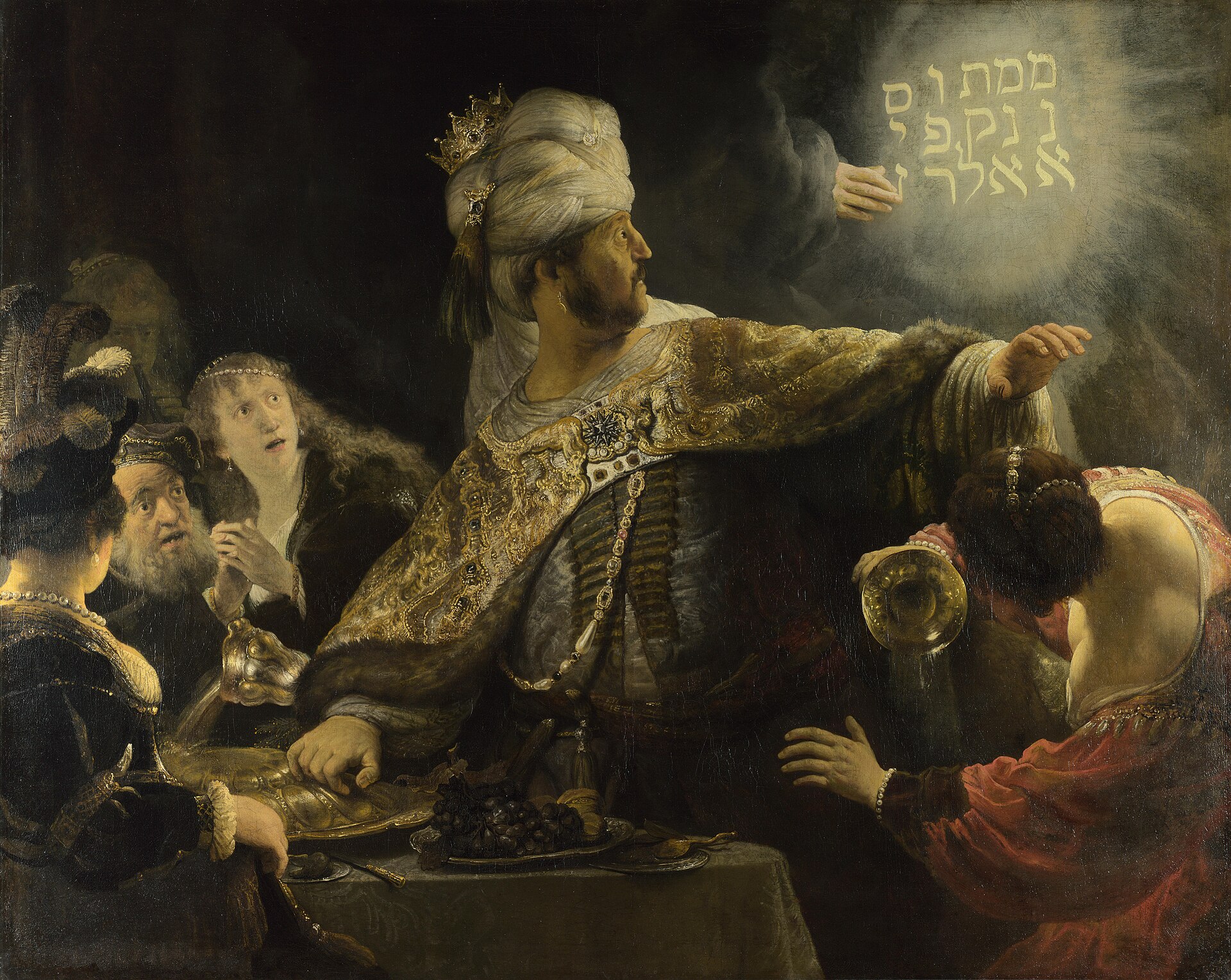
This is where the phrase about the writing on the wall comes from — a king throws a feast using treasure taken from a temple, and a hand turns up mid-party to spell out how it ends for him. The Hebrew, according to Wikipedia, came from a learned neighbour in Amsterdam, and it's laid out in columns rather than the usual direction, which people have been arguing about ever since.
Erisava: Would this still land if it was all lighted up?
Irises by Claude Monet, 1915
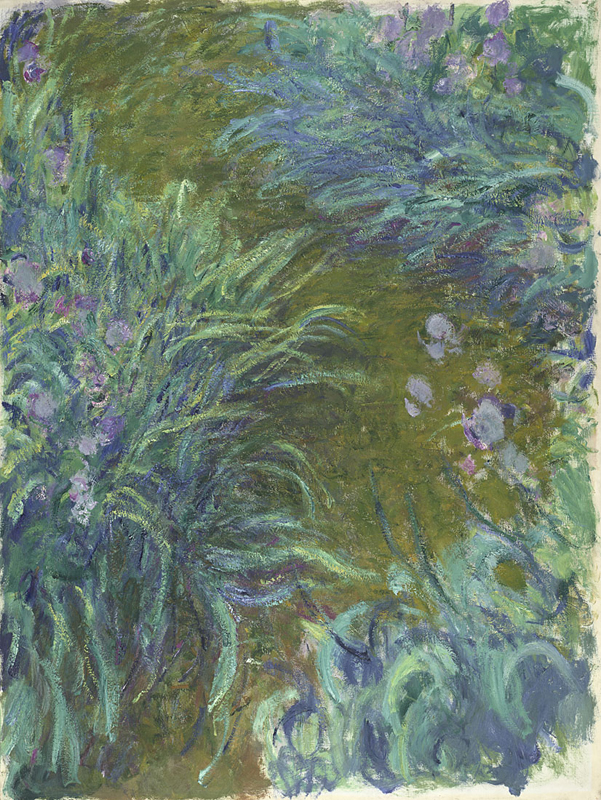
One of the late garden pictures, painted when his eyesight was going badly — cataracts, which he put off having operated on for years. Canvases like this sat around unwanted for decades afterwards, and it's said they only got taken seriously once abstract painting had come along and given people a way to like them.
Erisava: This is mostly green scribble to me. What am I supposed to be getting?
Ophelia by John Everett Millais, 1851
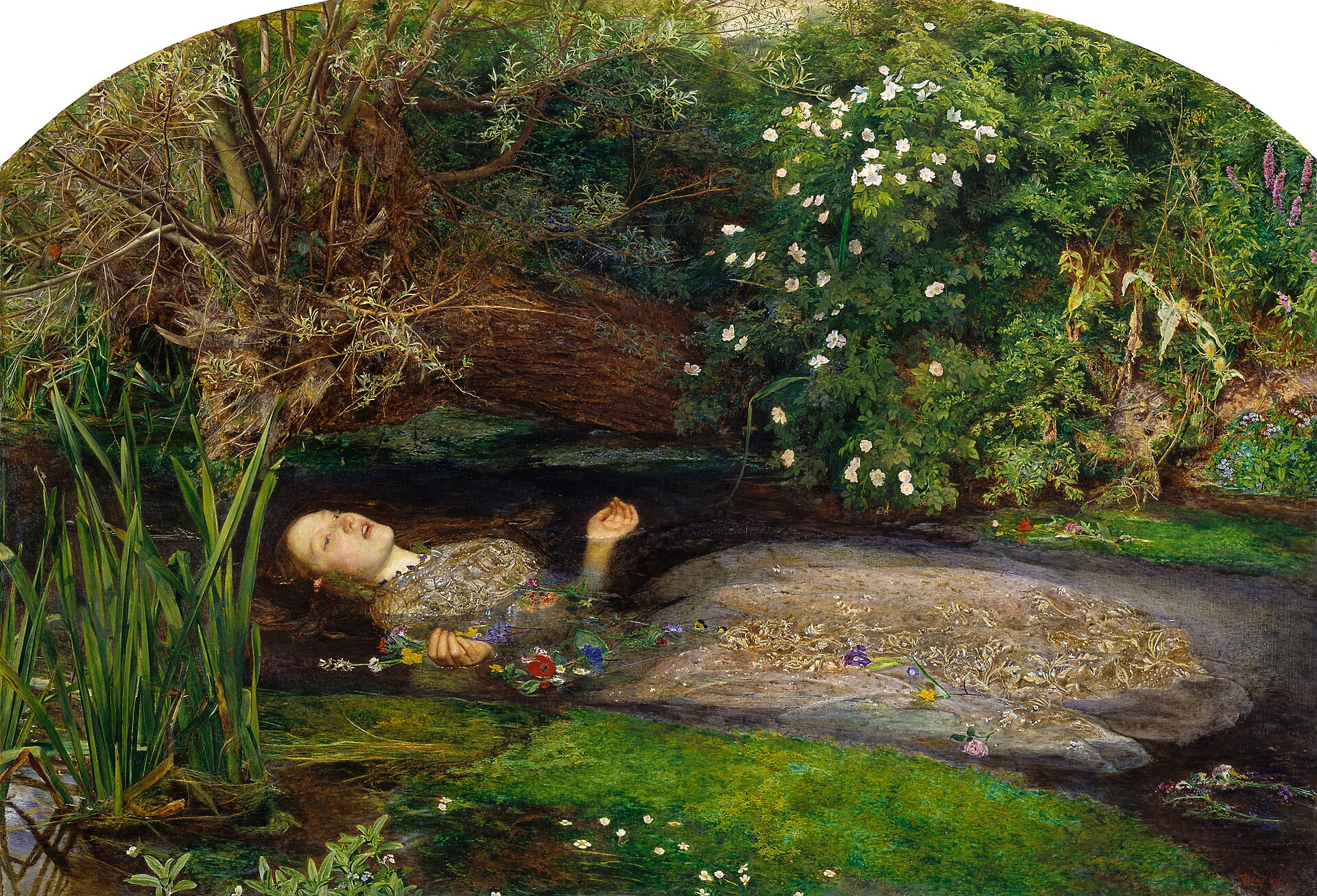
The plants were painted first, outdoors beside a river over about four months, with the figure added later back in the studio — the model lay in a bathtub kept warm by lamps underneath, and the story goes that the lamps went out and she got badly ill. That obsessive outdoor detail was the whole point for the Pre-Raphaelites: paint the actual thing in front of you rather than a studio approximation of it.
Erisava: Everything here looks pleasant, including the drowning. That can't be right.
La Belle Iseult by William Morris, 1858
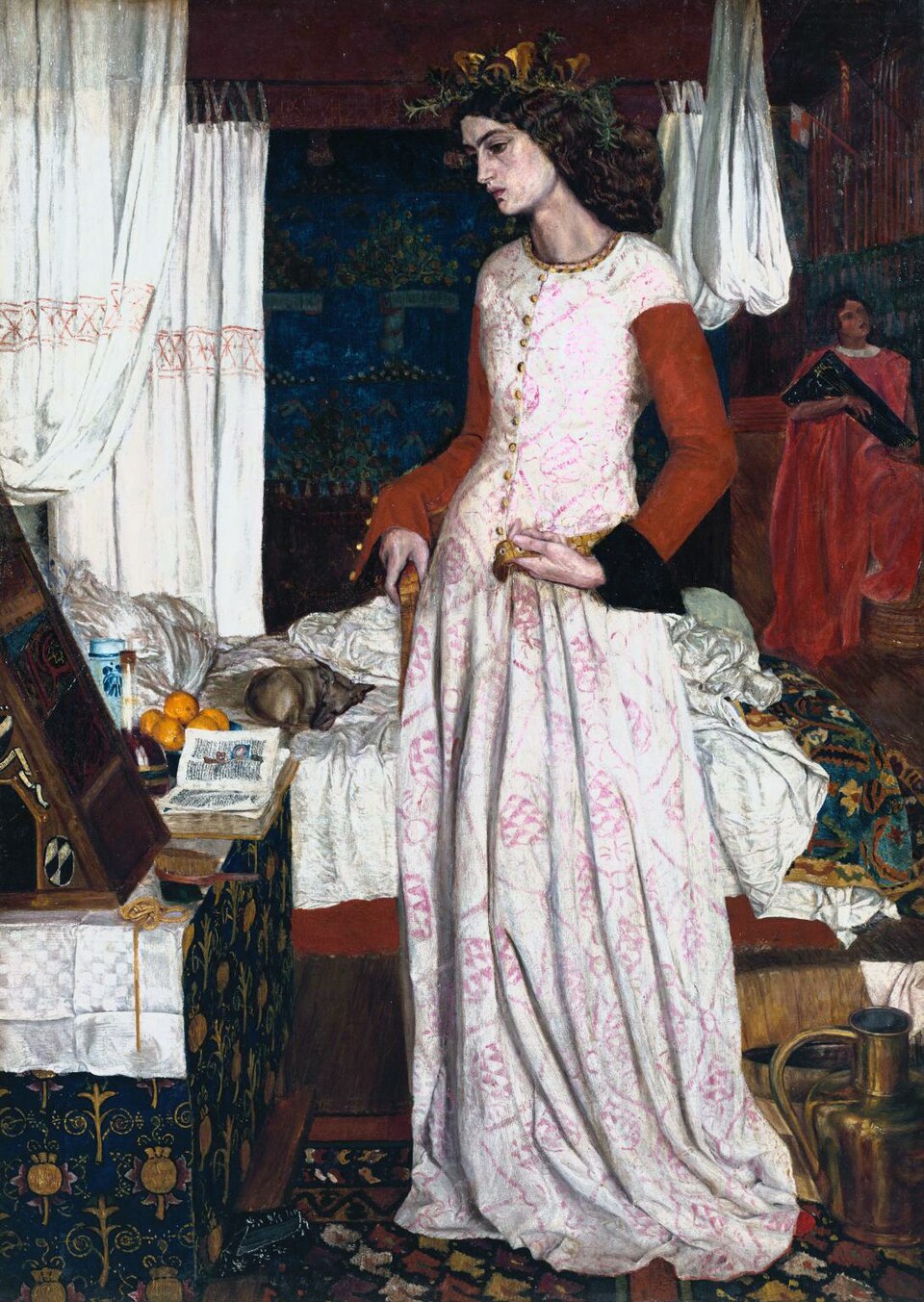
From what I can find this was the only easel painting he ever managed to finish — he gave up on painting not long after and put everything into wallpaper, fabric and furniture instead. The woman modelling for it was Jane Burden, who he married the year after. There's a story that he wrote on the back that he couldn't paint her but he loved her; no idea whether that's true or just a good line people repeat.
Erisava: Every single surface in here has a pattern on it. It's exhausting to look at.
Music in the Tuileries by Édouard Manet, 1862
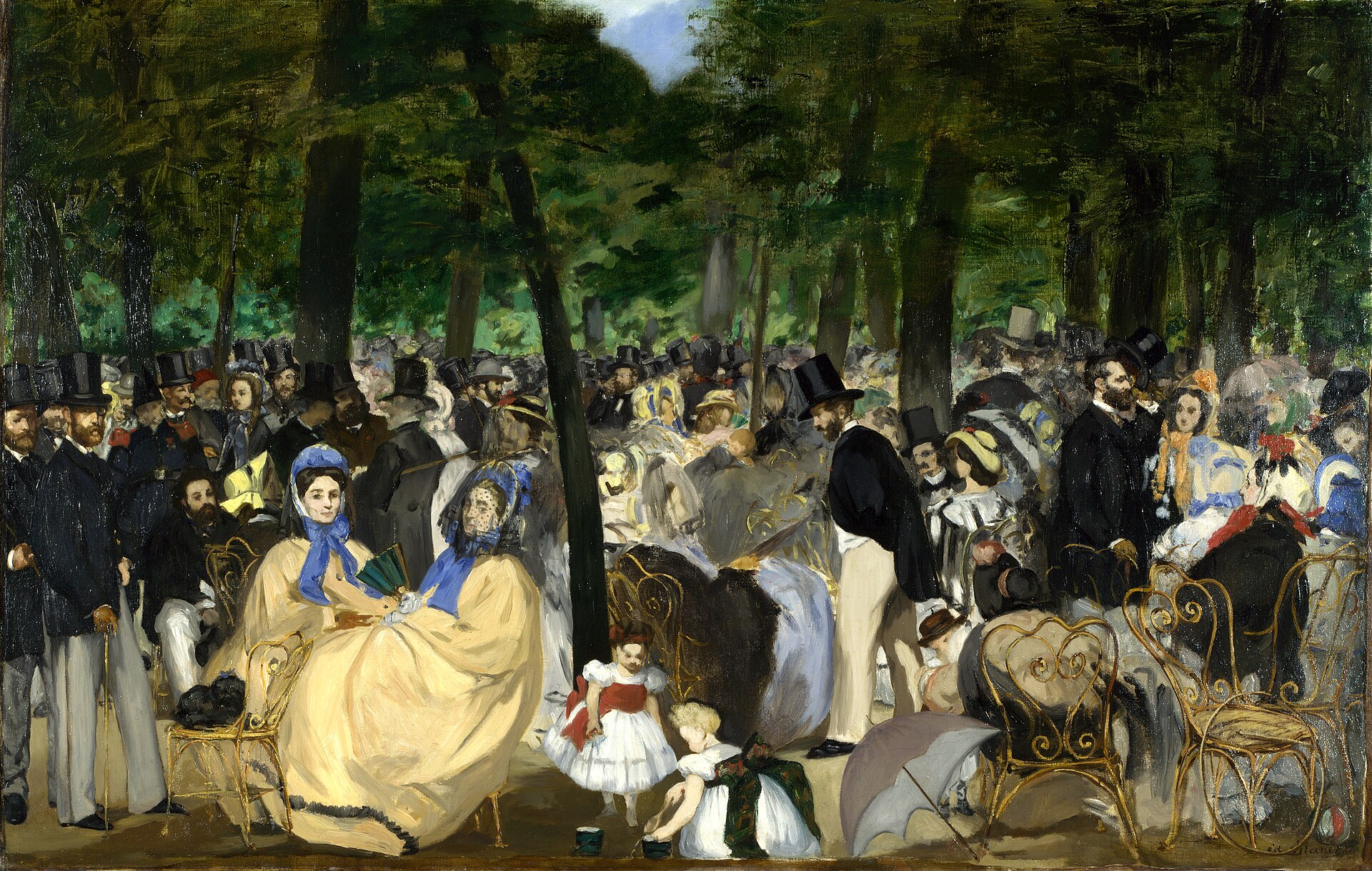
The crowd is apparently packed with people he actually knew — family, writers, musicians, himself tucked in at one edge — put together from sketches made at open-air concerts. Critics at the time complained it looked slapped on rather than finished.
Erisava: Half these faces are barely there. I can't tell if that's the point.
Notre-Dame by Henri Matisse, 1900
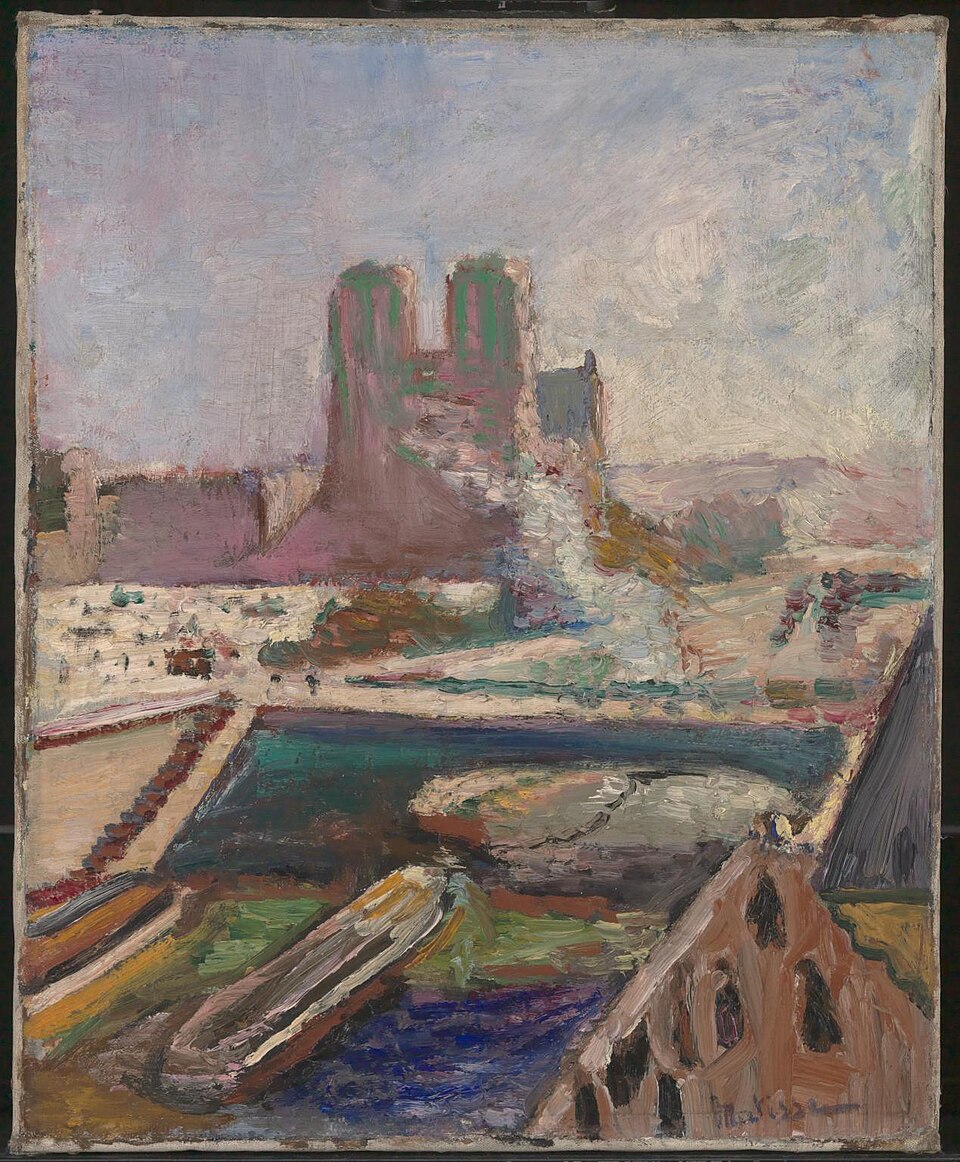
He had rooms looking straight out at this view and painted it again and again across the years, from what I've read. This is one of the earlier goes, well before the colour got loud.
Erisava: It's all pink and grey sludge and the church is only just hanging on in it.