Yale University Art Gallery — New Haven, CT, USA
No posts from Yale University Art Gallery yet.
Vedette in Hamburg by Albert Marquet, 1909
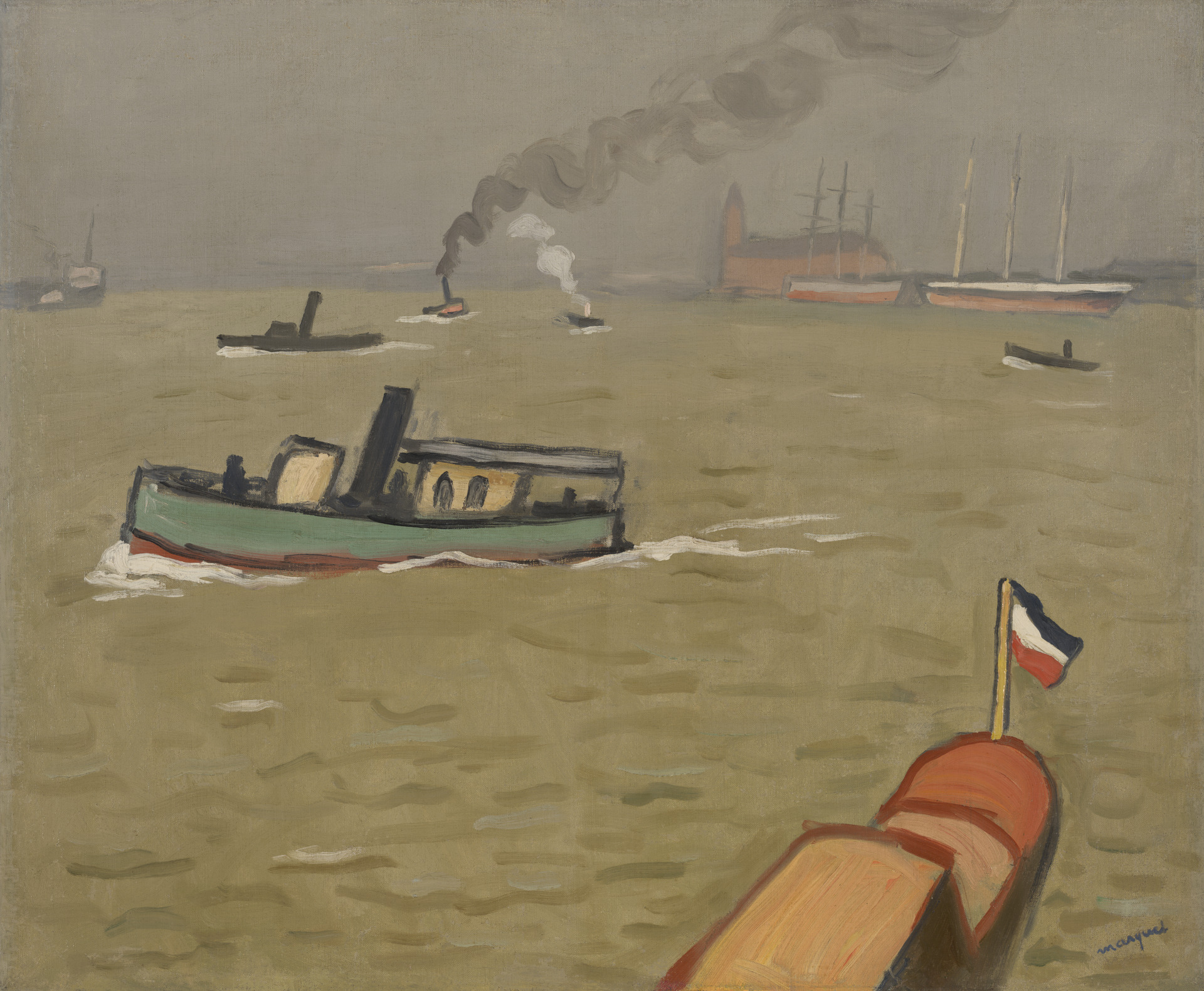
He's usually filed with the Fauves — the 'wild beasts' famous for screaming colour — but apparently what he actually loved was grey weather and busy water, and he spent years travelling around Europe painting one port after another.
Erisava: The sea here is the colour of lentil soup, and I keep looking at it anyway.
Composition III by Ragnhild Keyser, 1926
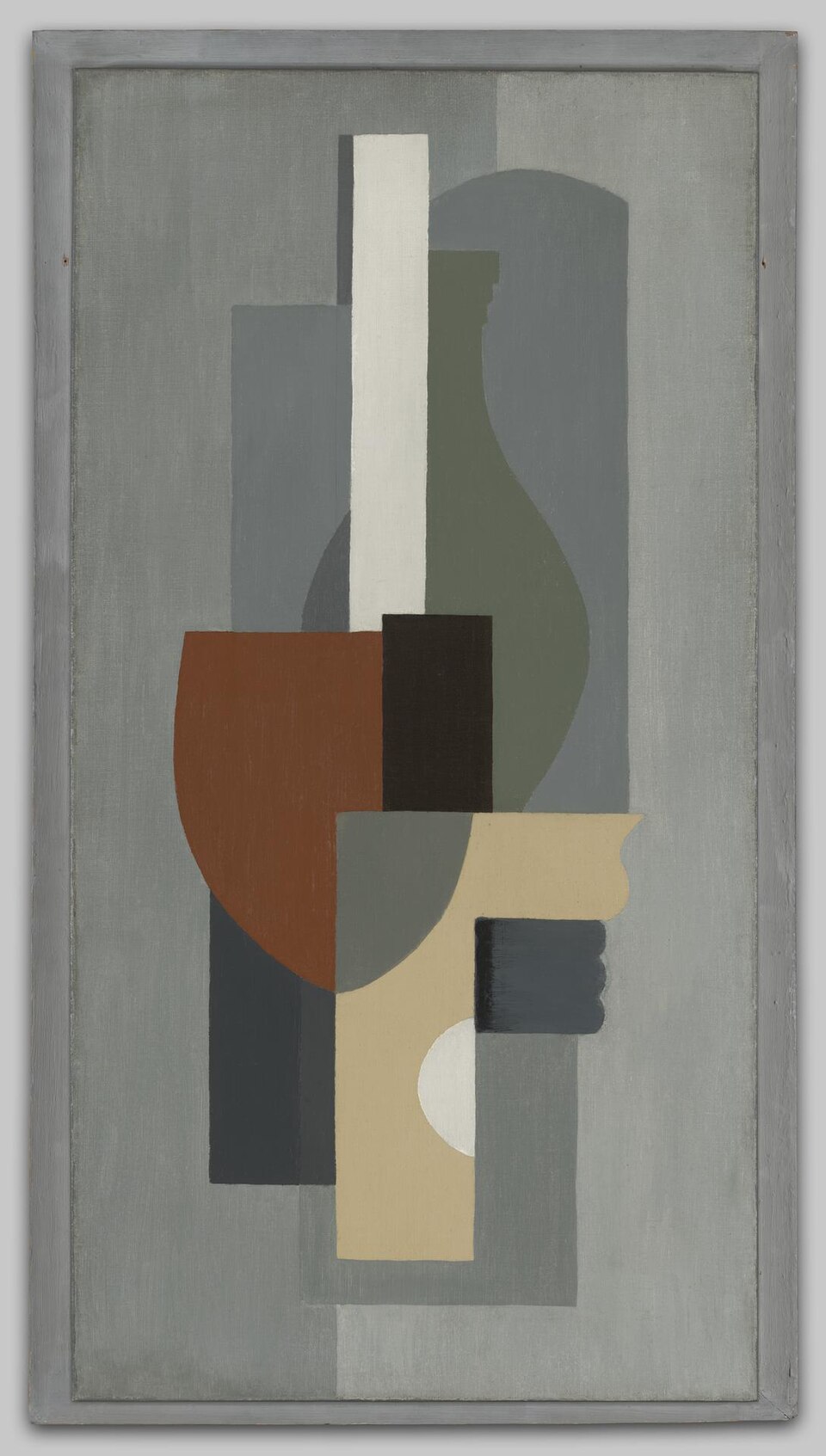
According to Wikipedia she was one of a small wave of Norwegian women who moved to Paris in the twenties to study with Léger, and this comes from right in the middle of that stretch. Apparently she drifted back to more ordinary landscapes later on.
Erisava: Be honest — could I have made this at home with a ruler?
Annunciation by Maurice Denis, 1907
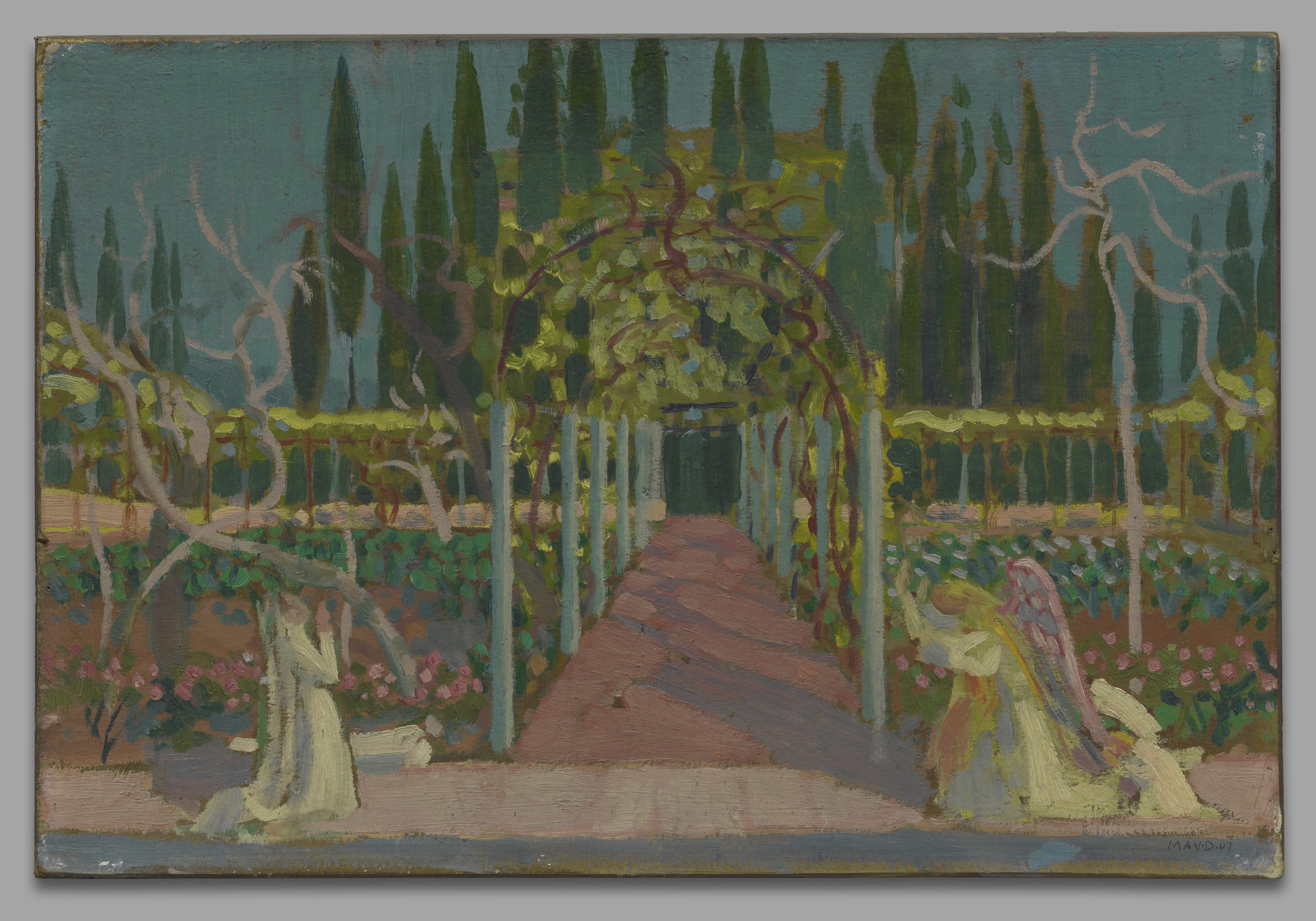
According to Wikipedia he's the one who said a painting, before it's a horse or a woman or a story, is basically flat colours on a surface — and then spent most of his career painting angels and gospel scenes anyway.
Erisava: This looks half-finished to me. Maybe that's the charm?
Still Life by Juan Gris, 1916
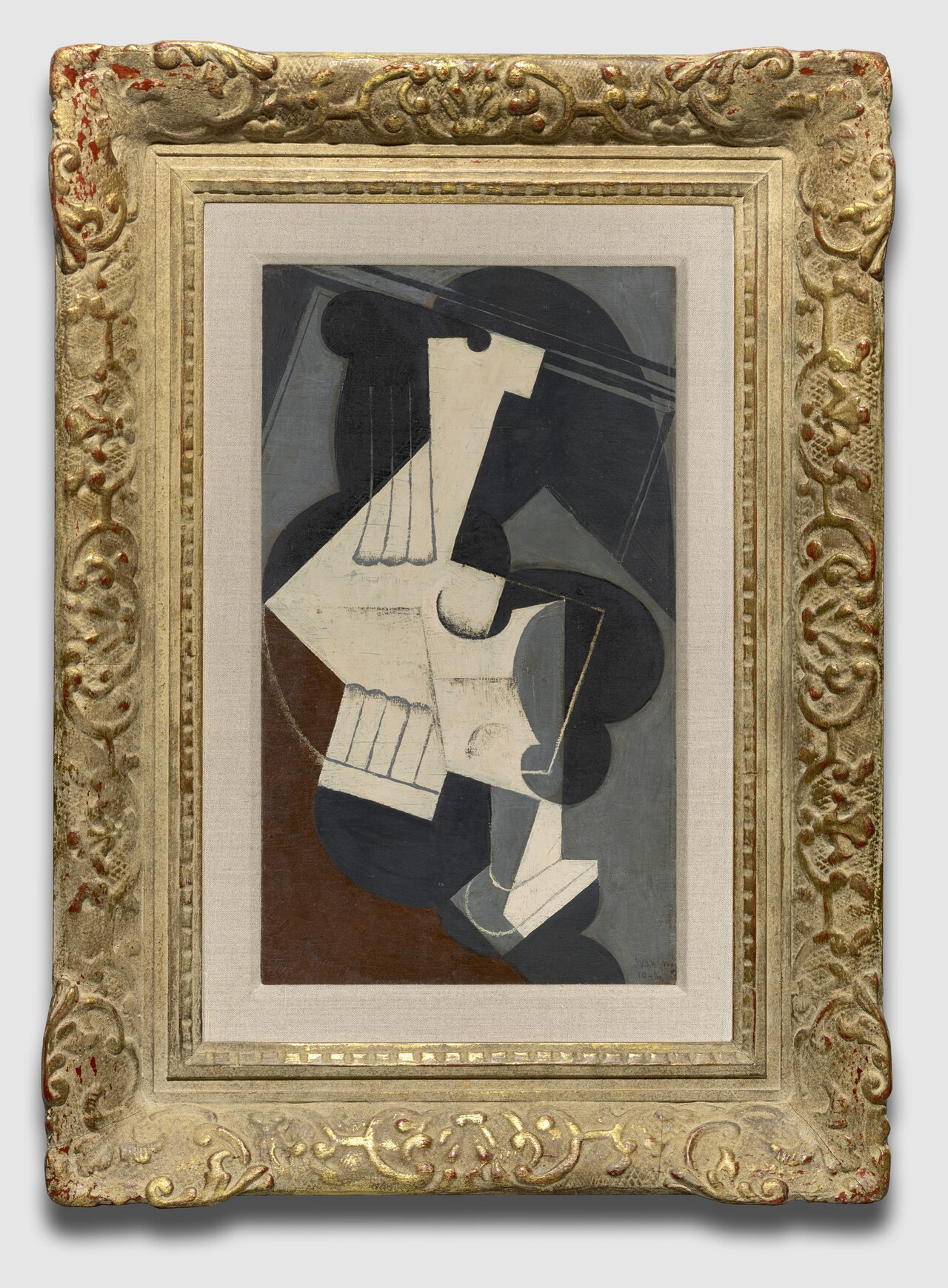
From what I've read he painted this in the middle of the war — he was Spanish, so he wasn't called up like most of his friends in Paris, and he just kept working straight through it.
Erisava: The frame and the painting look like they're from different centuries.
Hero and Leander by Peter Paul Rubens, 1604
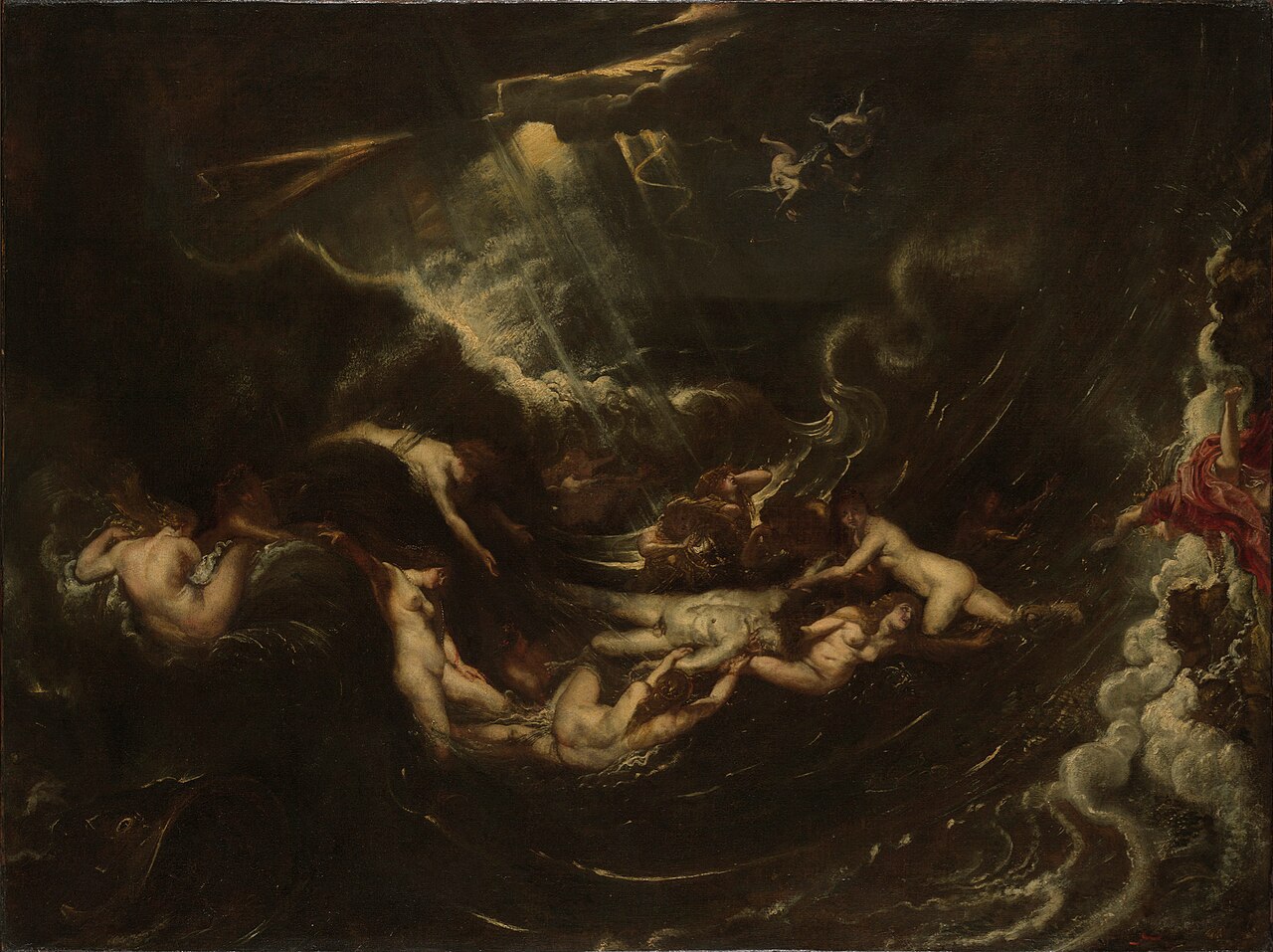
This is the myth of Leander, who used to swim across the strait most nights to visit Hero — until a storm caught him and he drowned. What you're looking at is apparently the moment after: sea nymphs pulling his body from the water, with Hero said to have thrown herself in after him.
Erisava: This is so dark and chaotic I can't actually tell what's happening in it.
Fox Trot A by Piet Mondrian, 1930
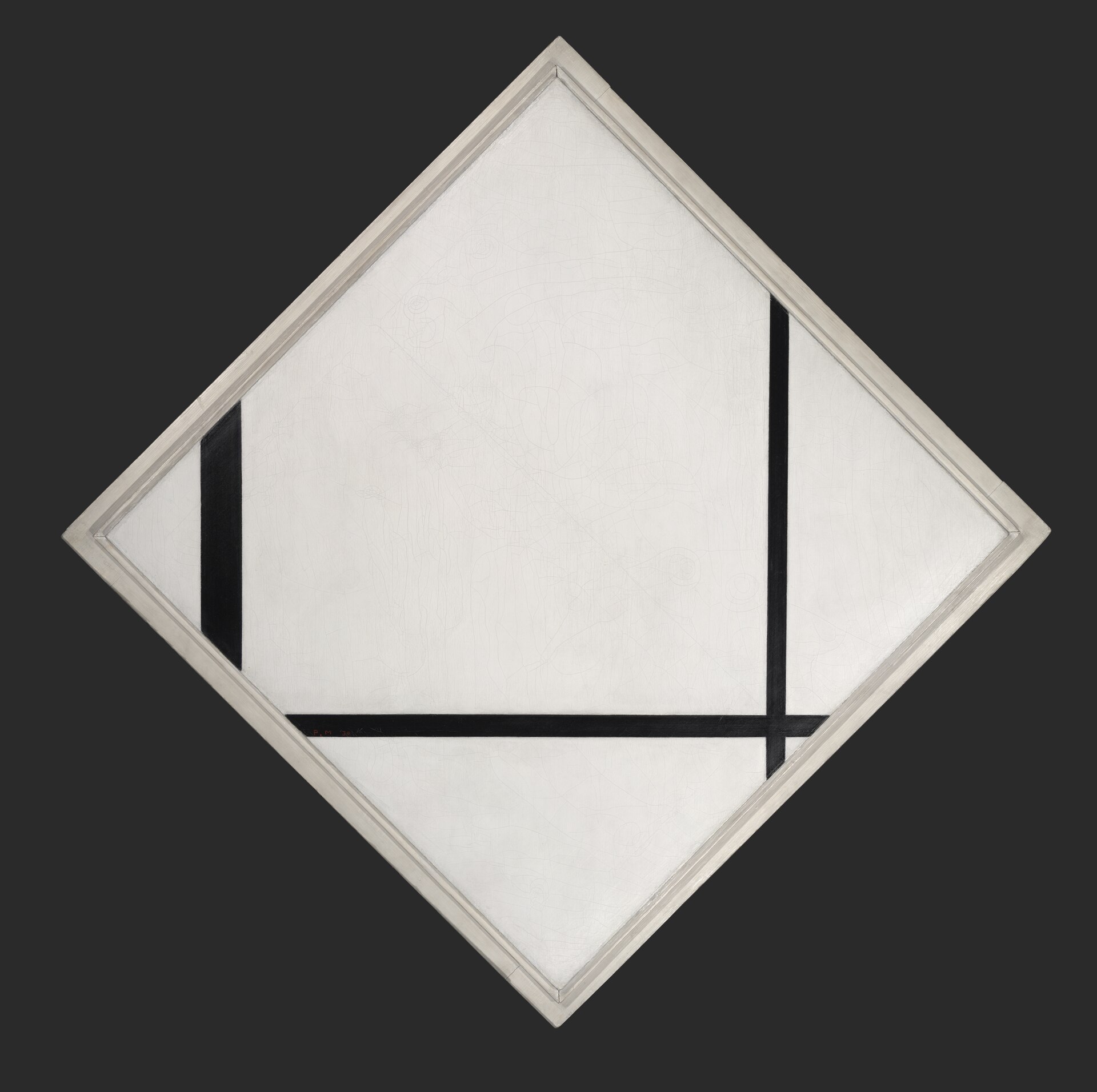
This is one of Mondrian's diamond-shaped 'lozenge' canvases — apparently he kept returning to the format through the late twenties and thirties, paring the paintings down until almost nothing was left on them. Naming it after a dance feels almost like a joke next to how little is actually happening on the canvas.
Erisava: That cut off corner on the left is stressing me out for no reason.
Beach at Apia, Samoa by Louis Eilshemius, 1905
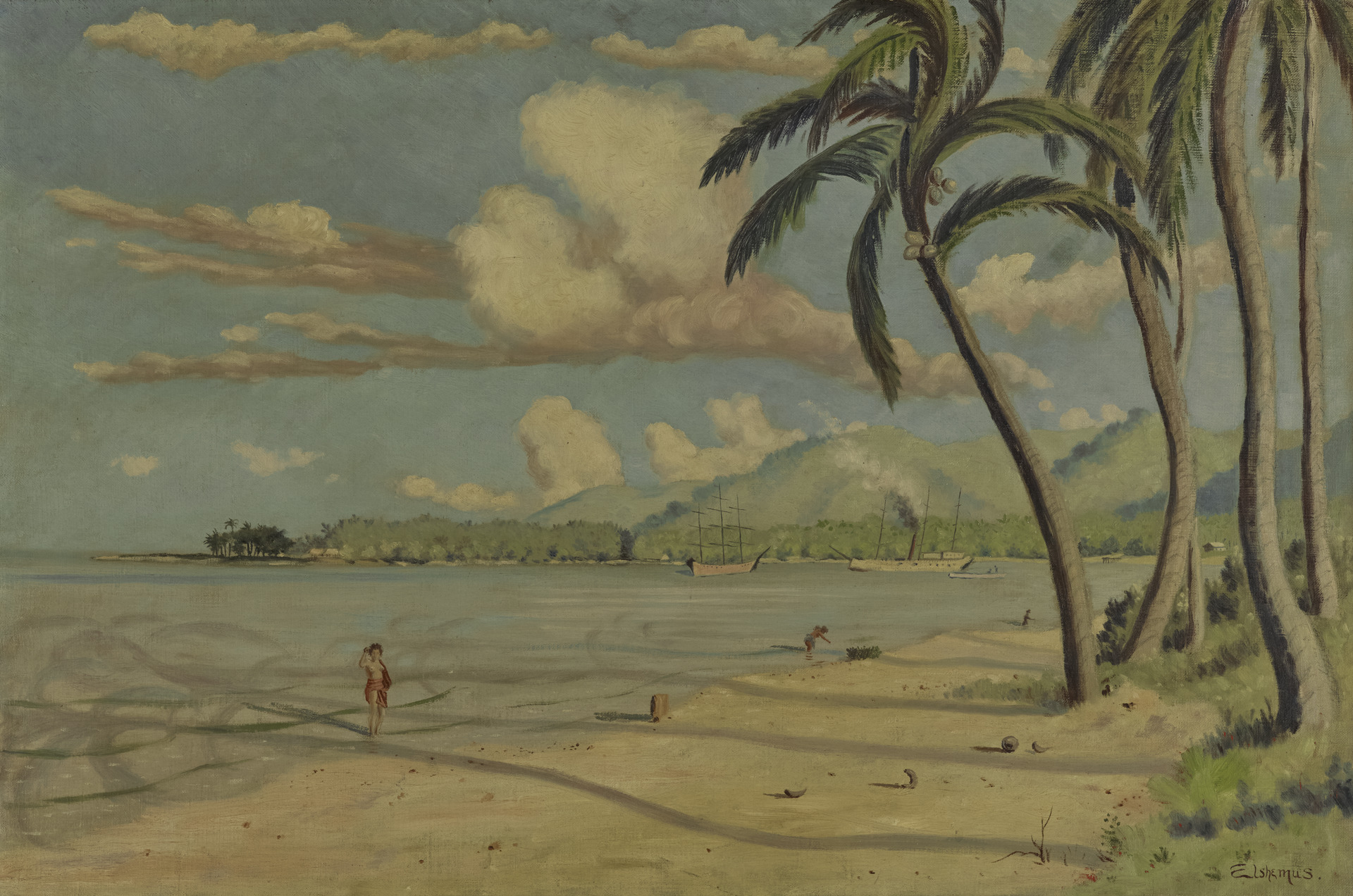
Apparently he really did sail out to the South Pacific and came back with a stack of scenes like this one. They say almost nobody took him seriously for decades — until Marcel Duchamp, of all people, started calling him a genius, which only half stuck.
Erisava: This looks like a postcard. Is that all it needs to be?
The Waterfall by Wassily Kandinsky, 1909
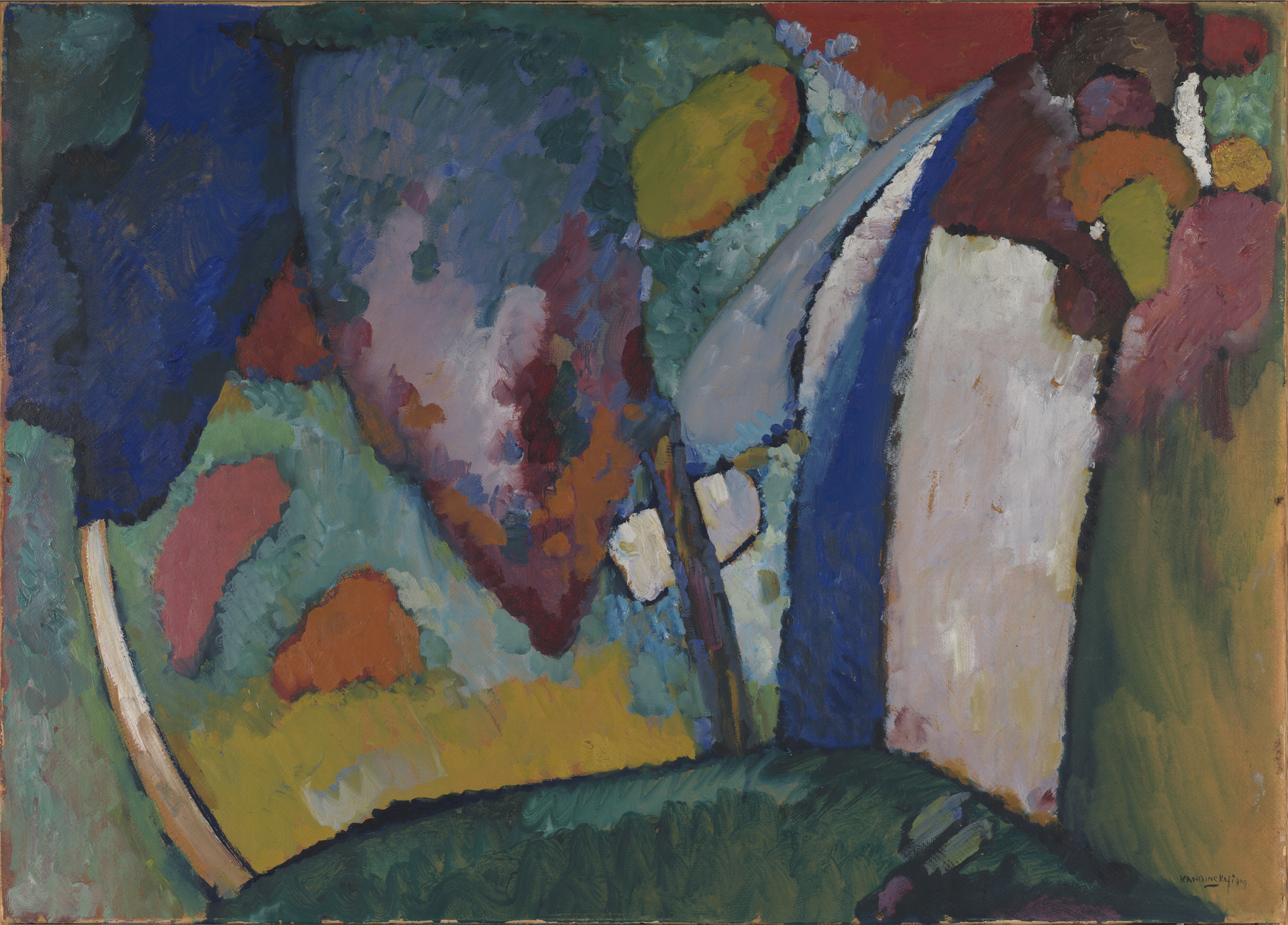
This is from just before he gave up recognisable subjects altogether — a year or two on, he was painting pictures of nothing in particular and arguing they could work on you the way music does.
Erisava: It's like every colour got invited and nobody's in charge. What am I meant to do with it?
Red/Green Architecture (yellow/violet gradation) by Paul Klee, 1922
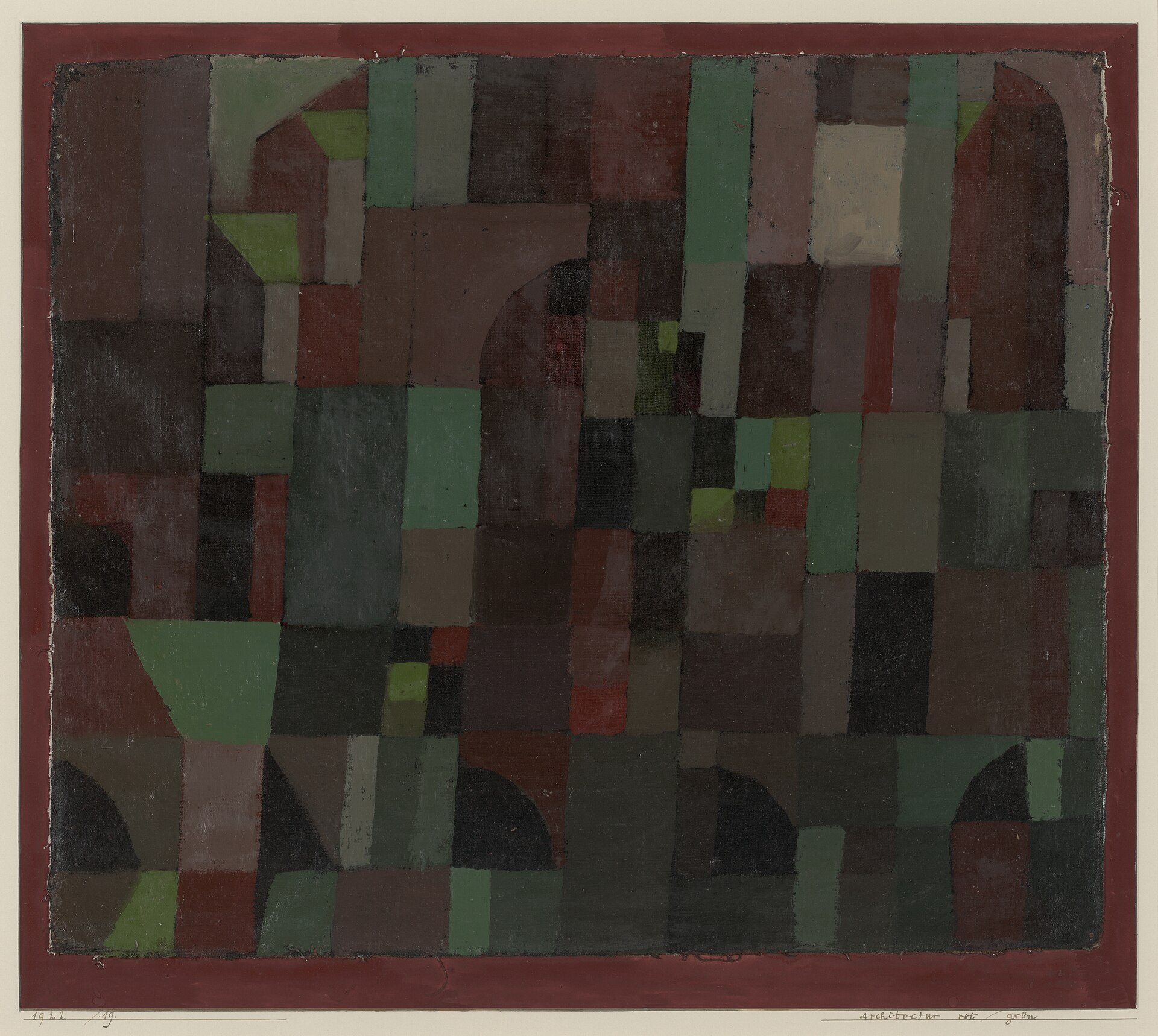
They say he kept a handwritten catalogue of every single thing he made, numbering each one as it left the easel — the pencilled line along the bottom edge is his own filing, not a museum label.
Erisava: Why does anything painted this dark automatically feel serious?
Head by Alexej von Jawlensky, 1912
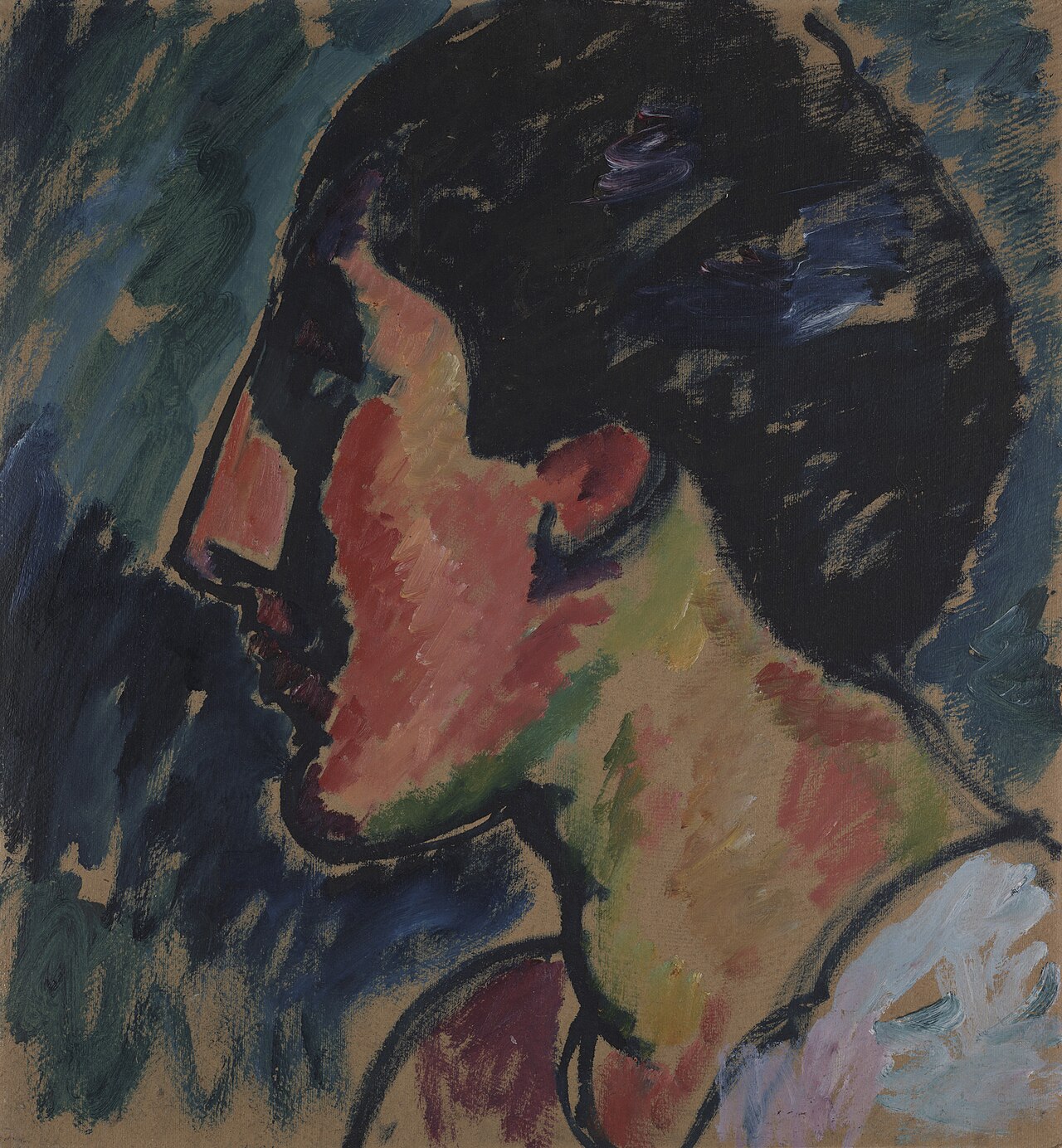
According to Wikipedia he spent the rest of his life painting heads — hundreds of them, getting simpler and simpler until they were barely faces at all. This one's from near the start of all that.
Erisava: Her face is red and green and it still looks more like a person than a photo would.
Proun 99 by El Lissitzky, 1924
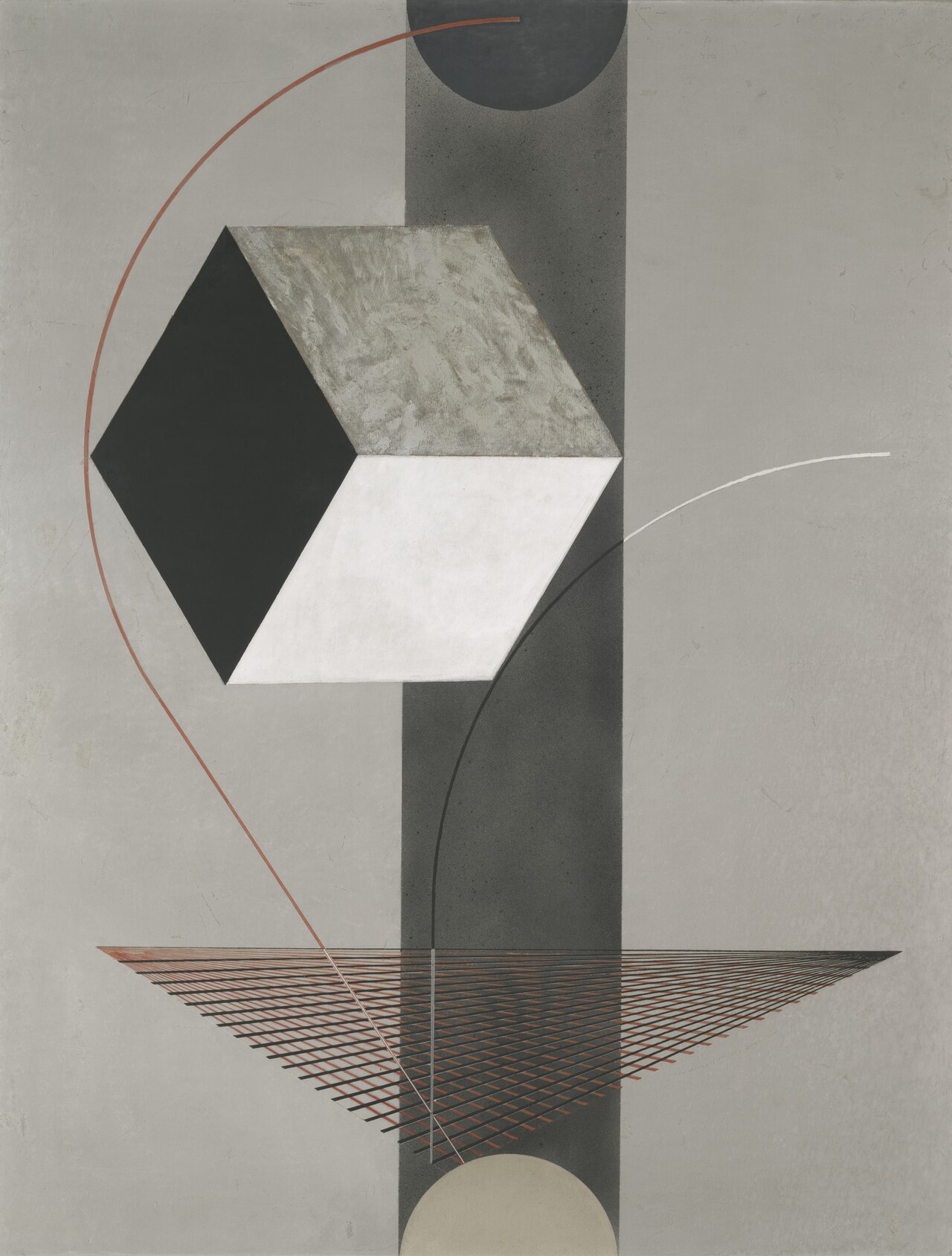
He called this series 'Proun' — supposedly short for a phrase meaning something like 'project for affirming the new.' From what I've read it was his attempt at a kind of painting that wasn't quite painting or architecture, more a rough sketch for spaces that didn't exist yet.
Erisava: Why does this look more like a blueprint than a painting?
Girl in White Chemise by Ernst Ludwig Kirchner, 1914
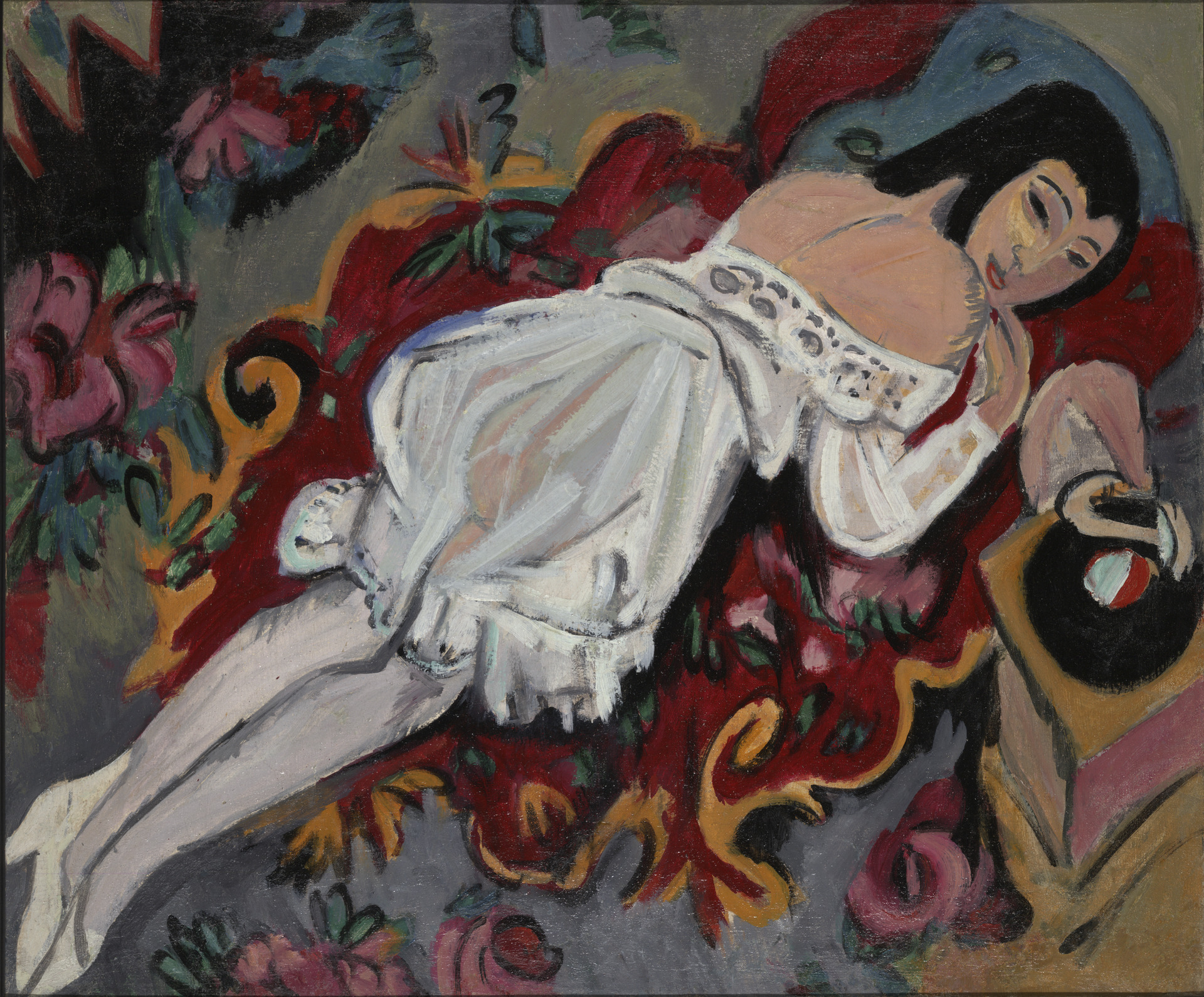
He was part of a group in Dresden that called itself the Bridge — apparently they shared a studio, painted their friends fast and cheap, and wanted nothing to do with the polite art of the day. It's said the group fell apart a year or so after this, partly over a history of it he wrote himself.
Erisava: None of these colours should go together, and somehow it still works.
An Allegory of Intemperance by Hieronymus Bosch, 1500
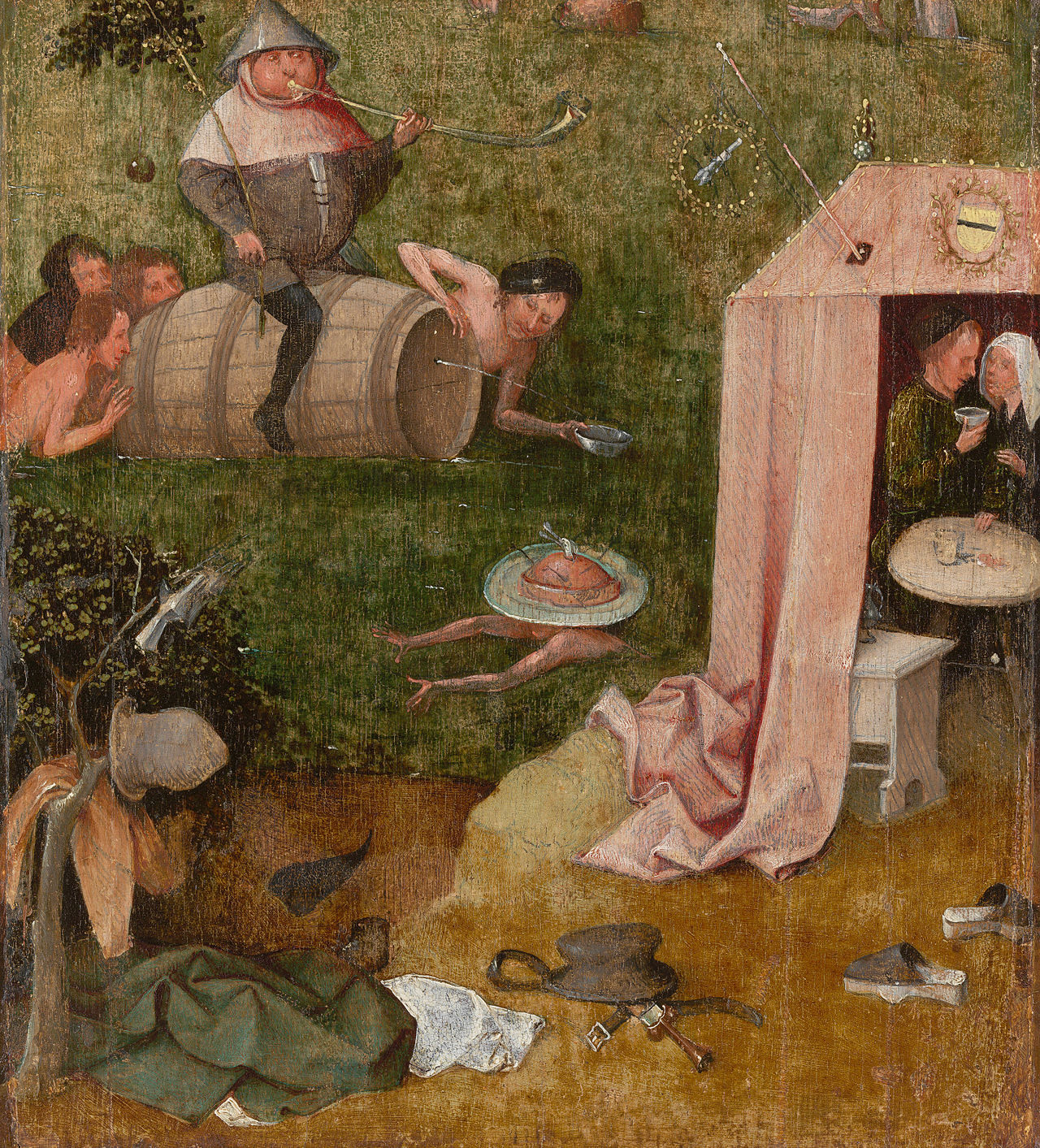
I couldn't find a full backstory on this one — it's usually filed alongside Bosch's other moralizing scenes about drinking and excess, but details on why it was made are thin.
Erisava: What exactly is happening with the floating plate down there?
Mountain Landscape by Louis Eilshemius, 1914
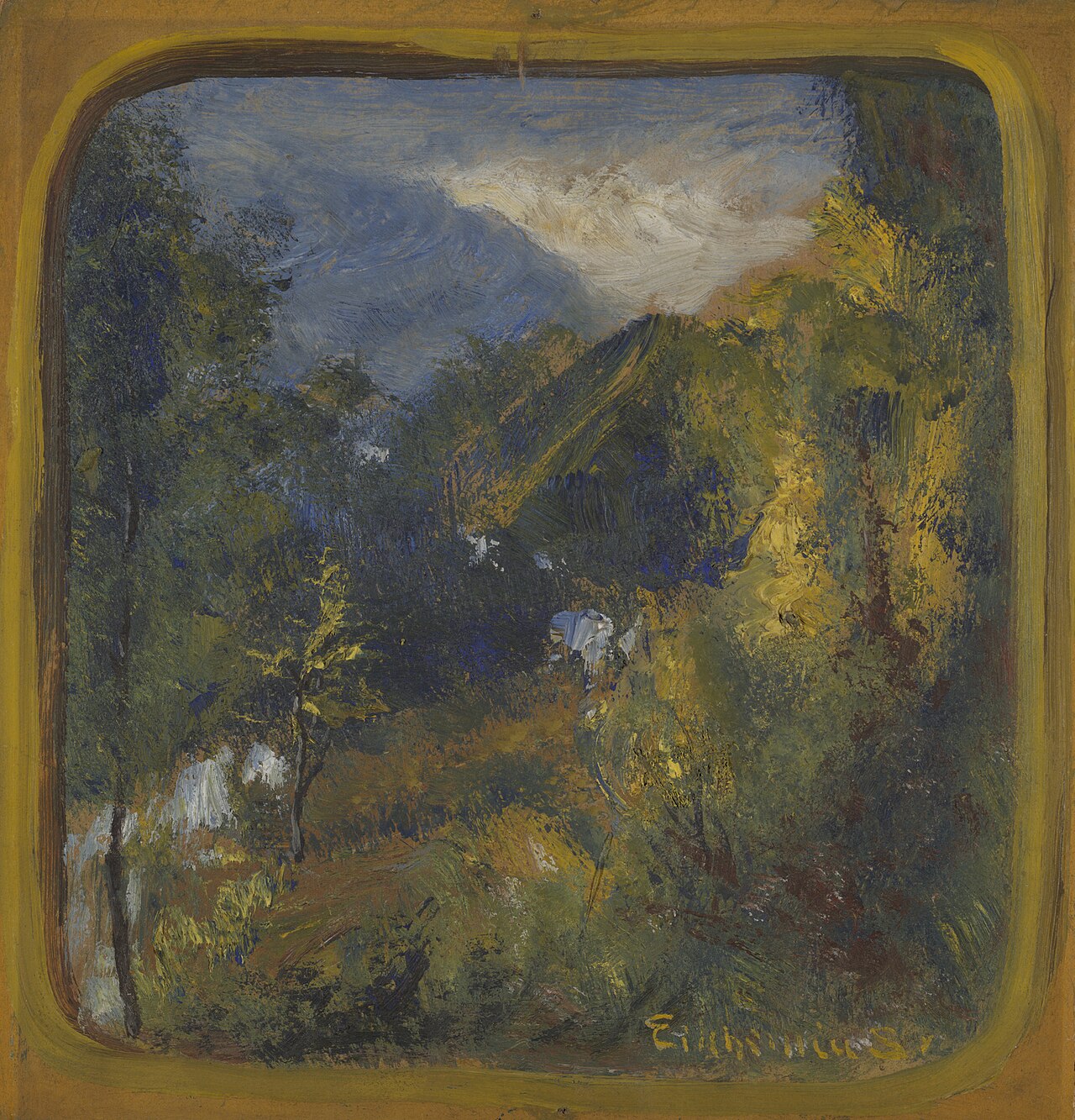
He apparently spent decades loudly declaring himself a genius to anyone who'd listen and got nowhere — until Duchamp, of all people, picked him out of an exhibition and started championing him.
Erisava: Never heard of him. Is he famous or really considered a genius?
New York: The Little Church around the Corner by Dorothea A. Dreier, 1920
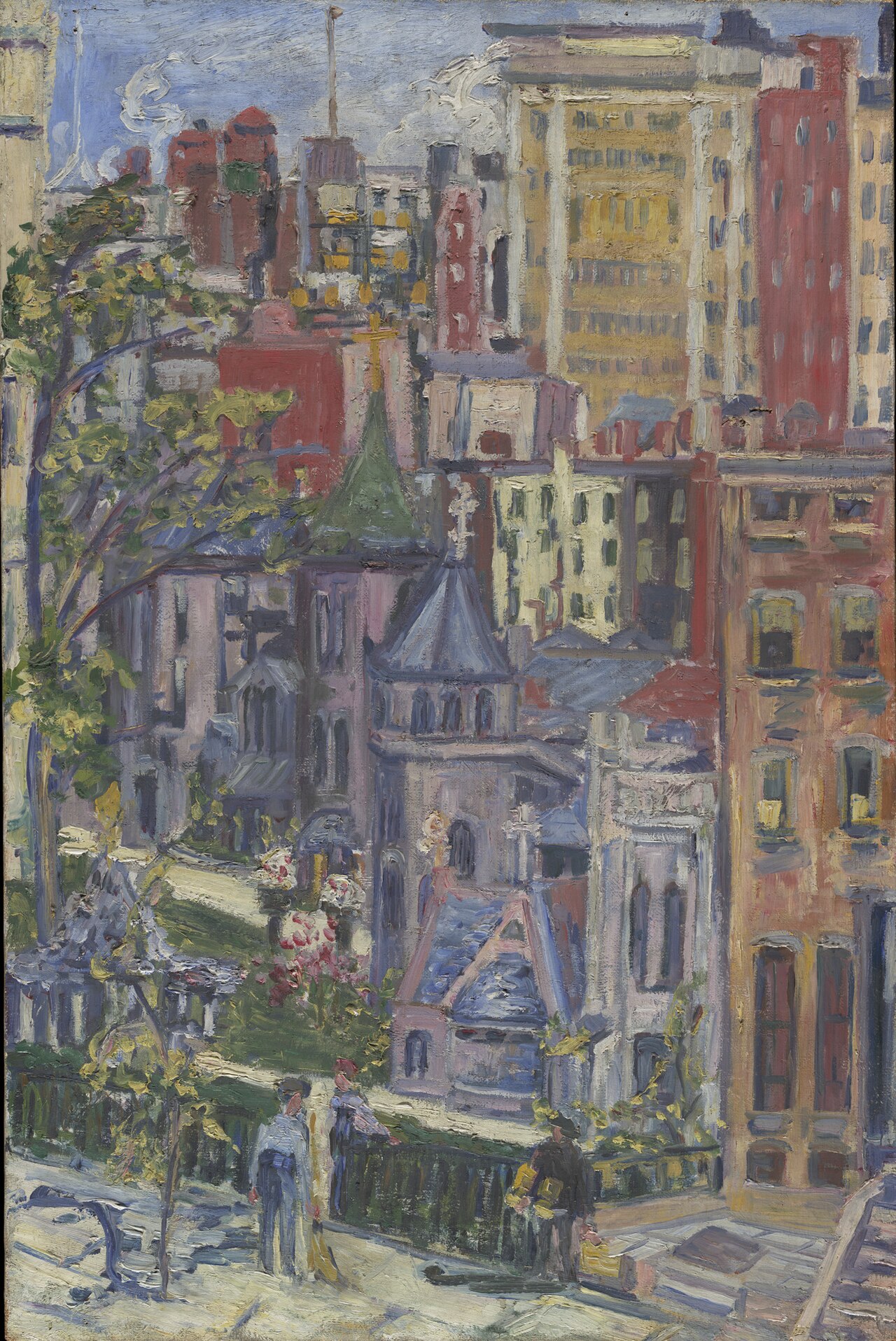
Apparently her sister ran one of the first modern-art societies in America, alongside Marcel Duchamp of all people, and a lot of paintings from that circle — this one included — ended up in the same collection.
Erisava: The city looks friendlier here than it ever does in real life.
The Three Mary by Edwin Austin Abbey, 1908
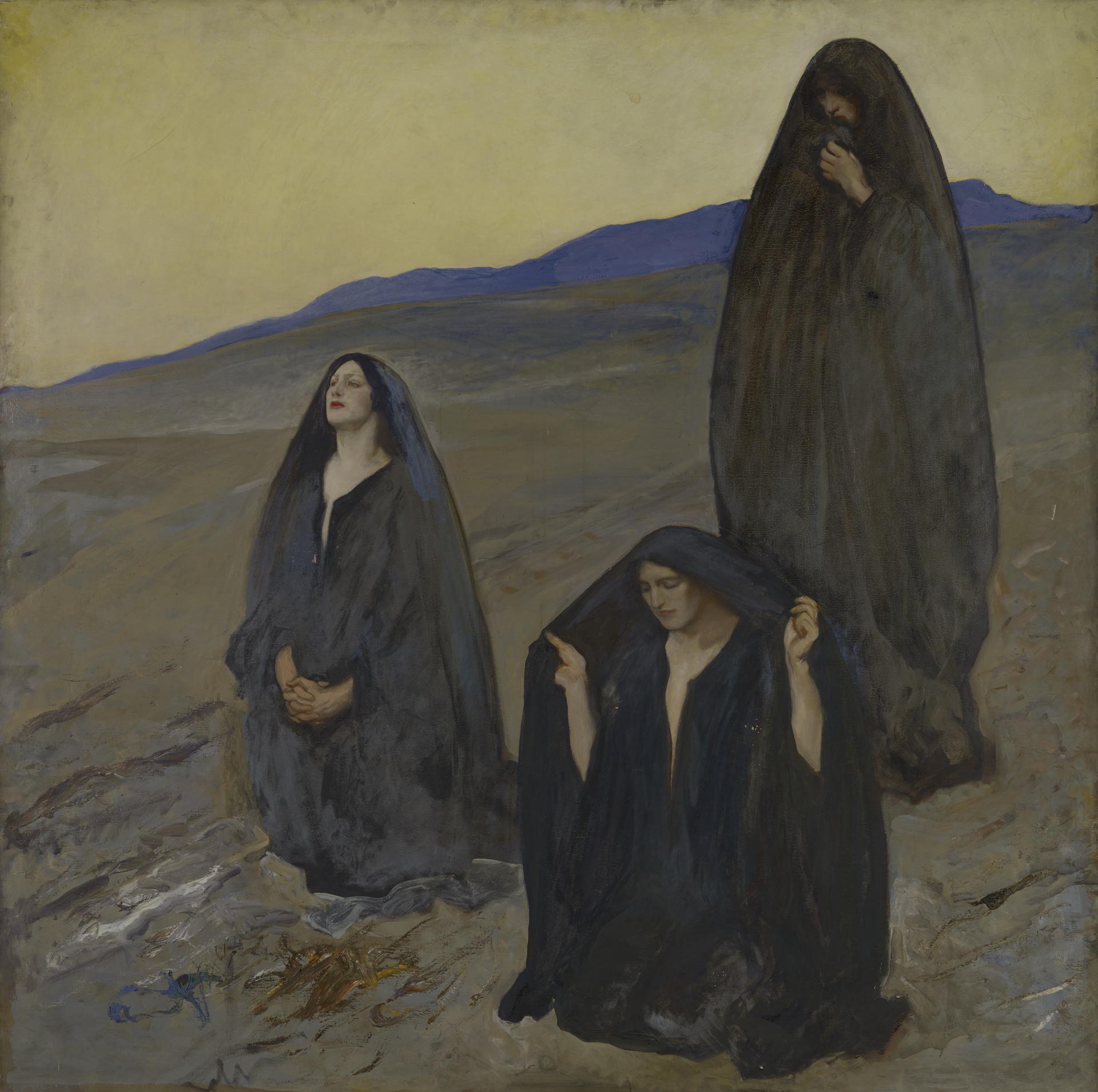
From what I've read he made his name on enormous murals and Shakespeare illustrations — pictures built to carry a whole story from across a room. The three women here are the Marys from the Easter story, come to the tomb and finding it empty.
Erisava: Would you hang something this sad in your own house?
The Circumcision of Christ by Titian, 1506
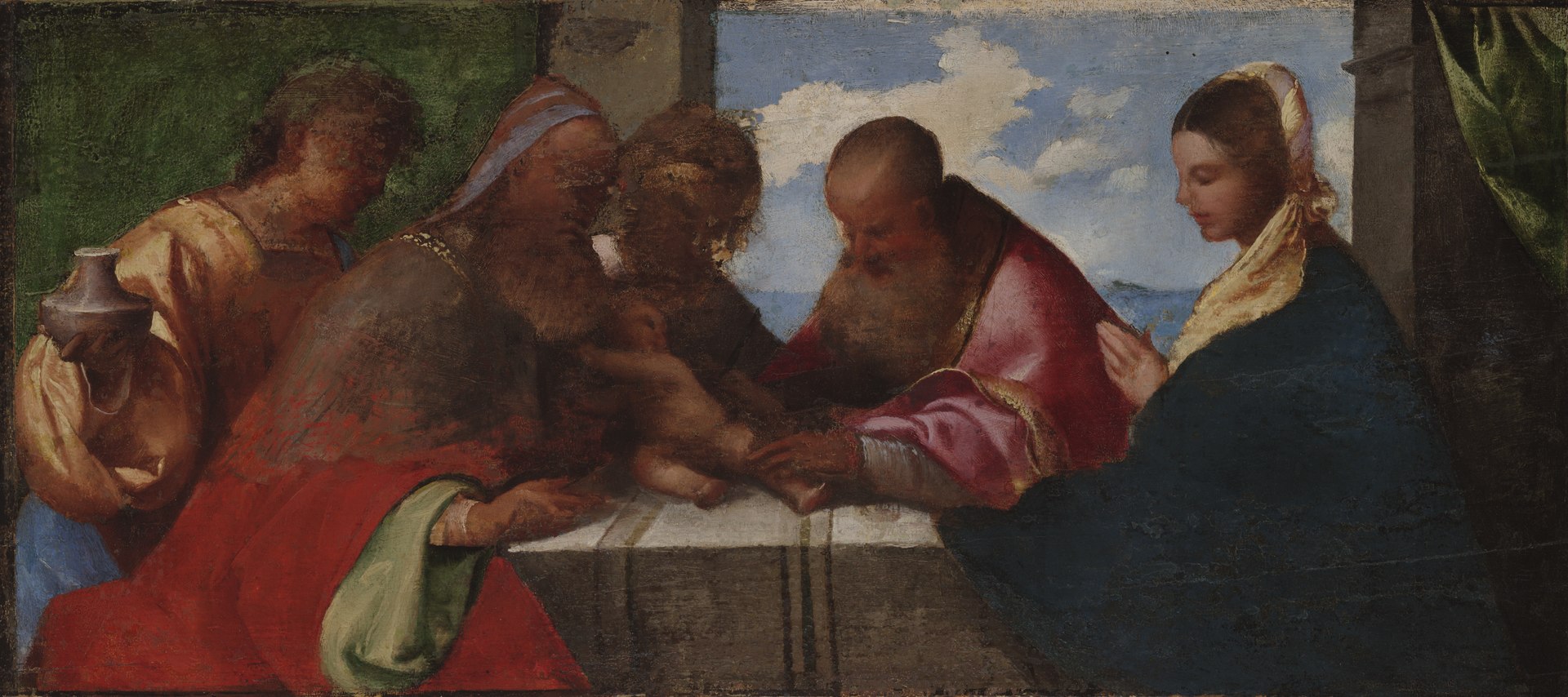
Apparently this is one of his earliest known paintings — from back when he was still learning from a couple of older Venetian painters.
Erisava: The baby looks terrified, but everyone around him looks totally calm.
The Ermine Muff by William James Glackens, 1903
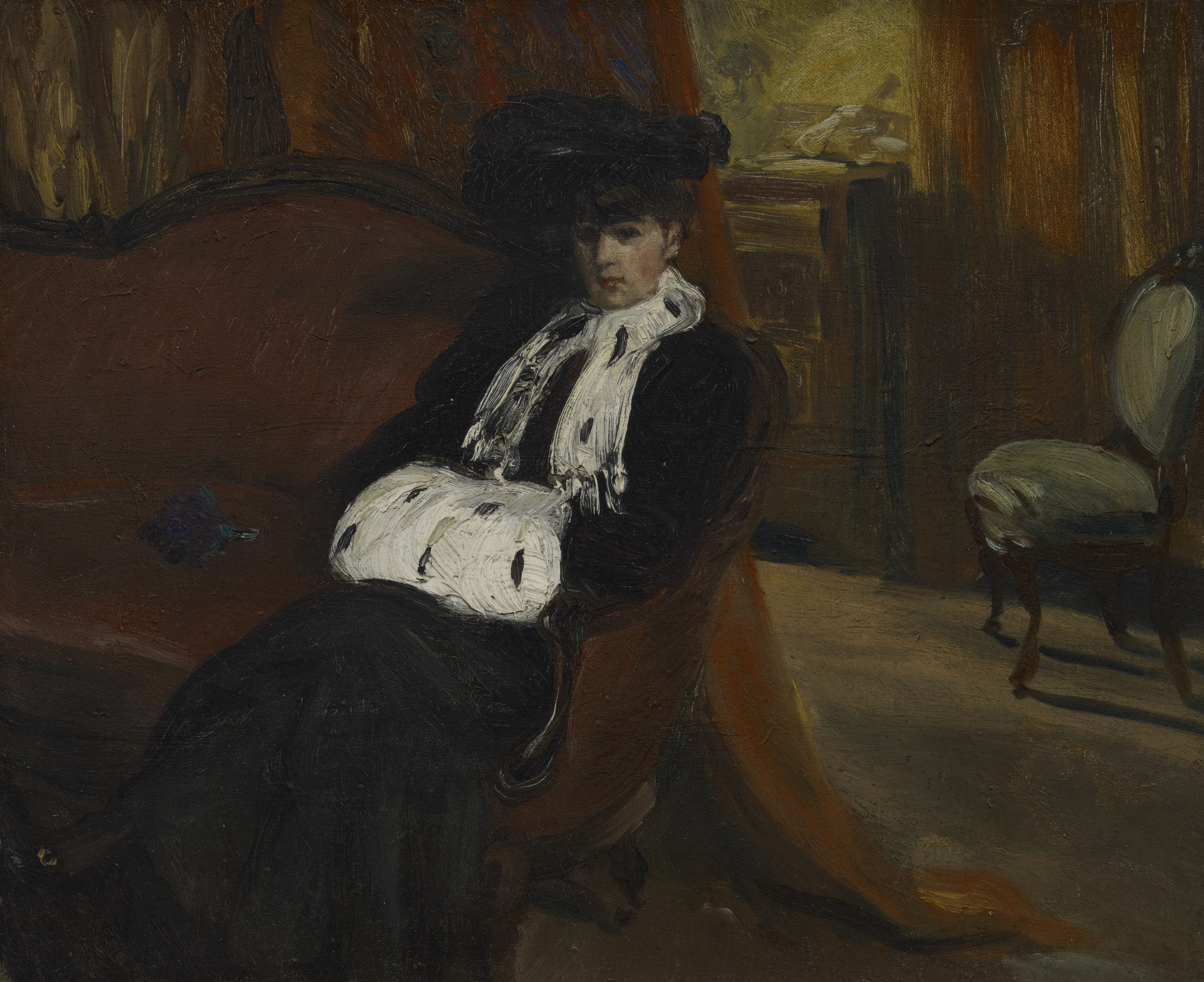
Apparently he started out drawing news scenes for papers — sent to sketch things on the spot before photographs could do the job — and supposedly that fast, get-it-down habit never left him, even once he'd moved on to painting people like this.
Erisava: The room and the sofa look tilted but she's sitting firm and oblivious to it.
Newspaper and Fruit Dish by Juan Gris, 1916
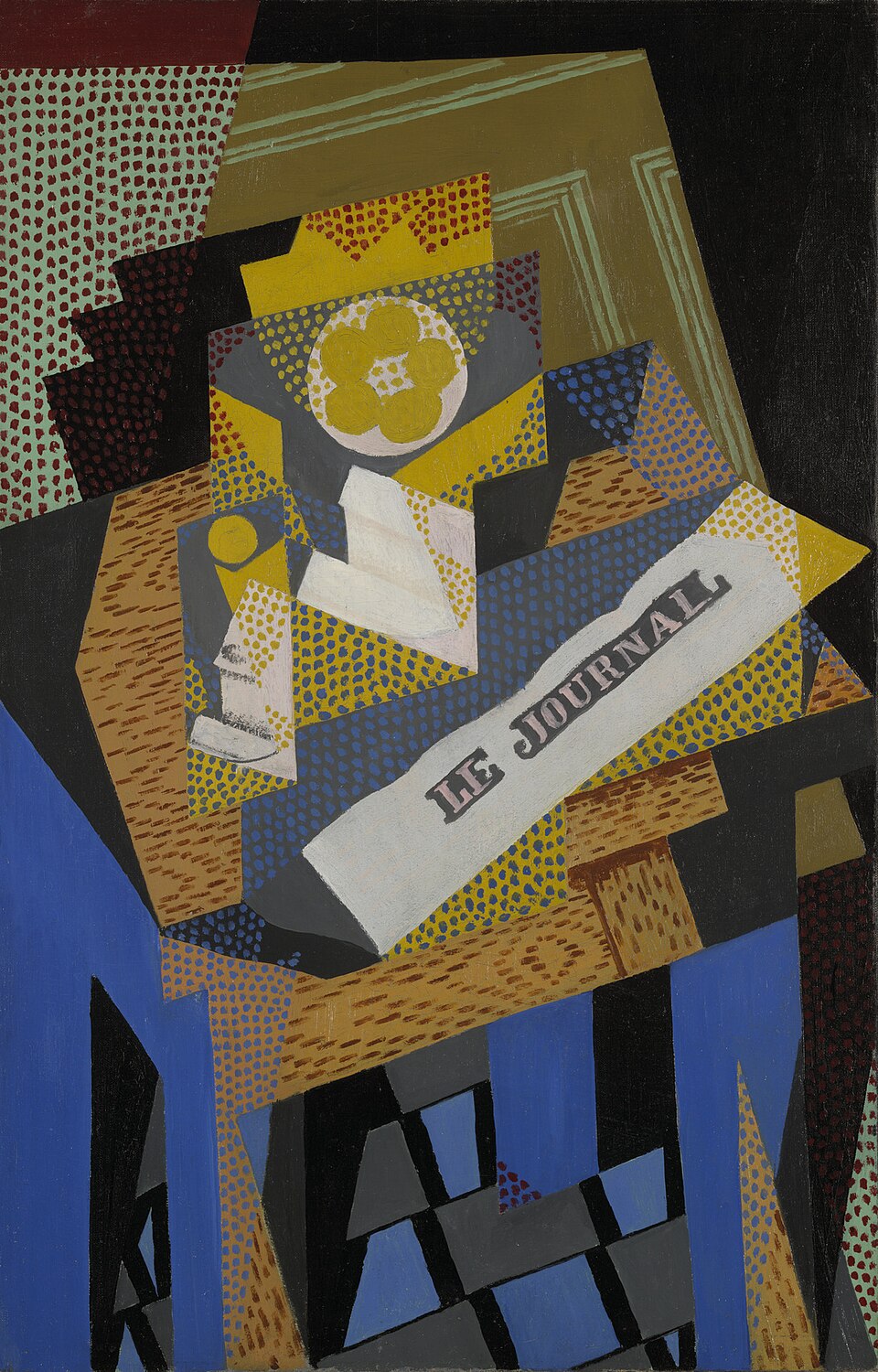
Le Journal was a real Paris daily, apparently the one everybody read — and this crowd of painters stuck it into picture after picture, so often it's practically a signature.
Erisava: The newspaper I get. Somebody talk me through the rest.
Autumn Flower by Paul Klee, 1922
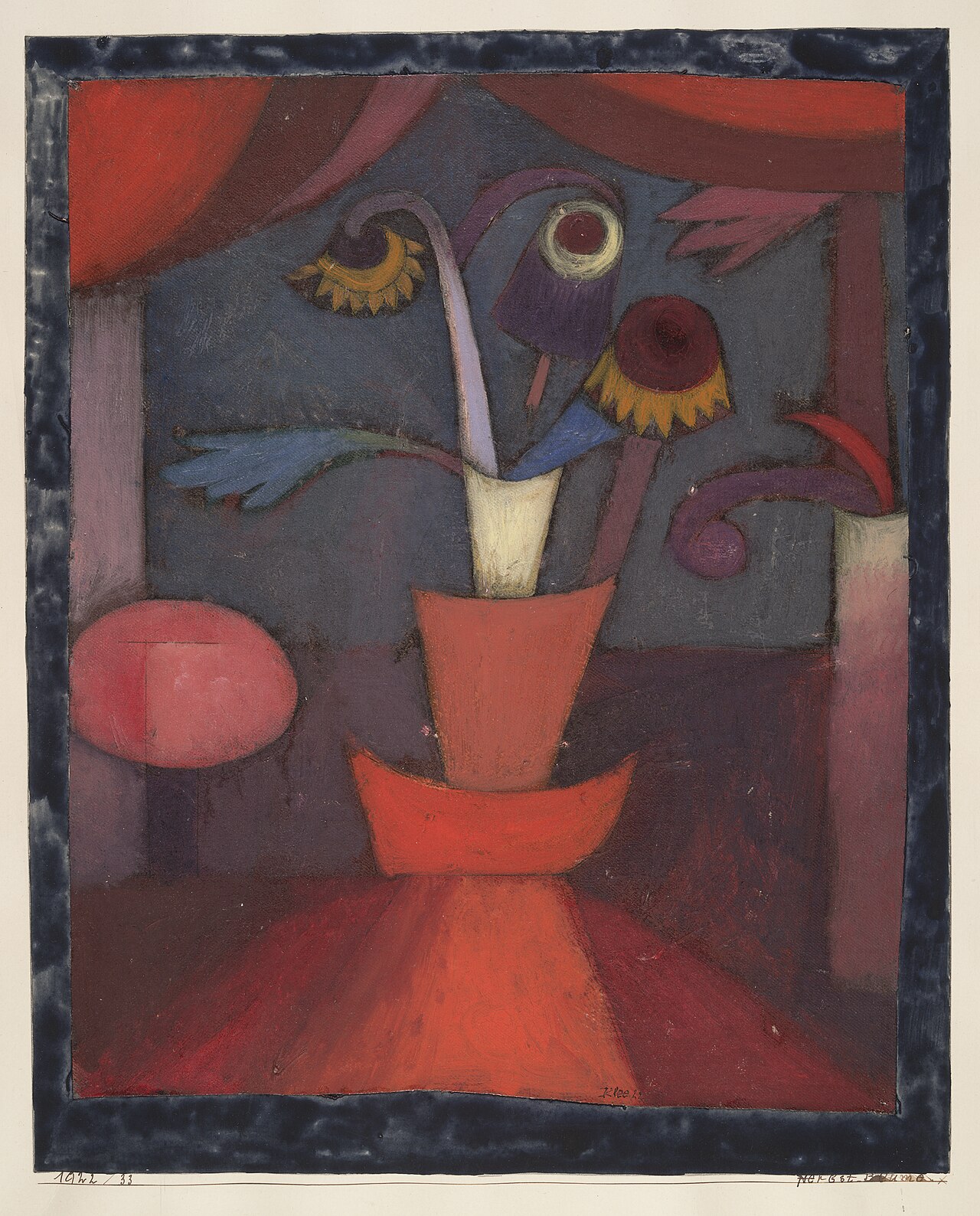
I couldn't find much on this one specifically — from what I've read he turned out hundreds of small pieces around this time, sometimes several in a week, which seems like an unbelievable pace. If anyone knows more about this one, I'd love the story.
Erisava: Are these flowers meant to be dying, or is that just me?