National Gallery of Art — Washington, DC, USA
No posts from National Gallery of Art yet.
The Procession, Seville by Francis Picabia, 1912
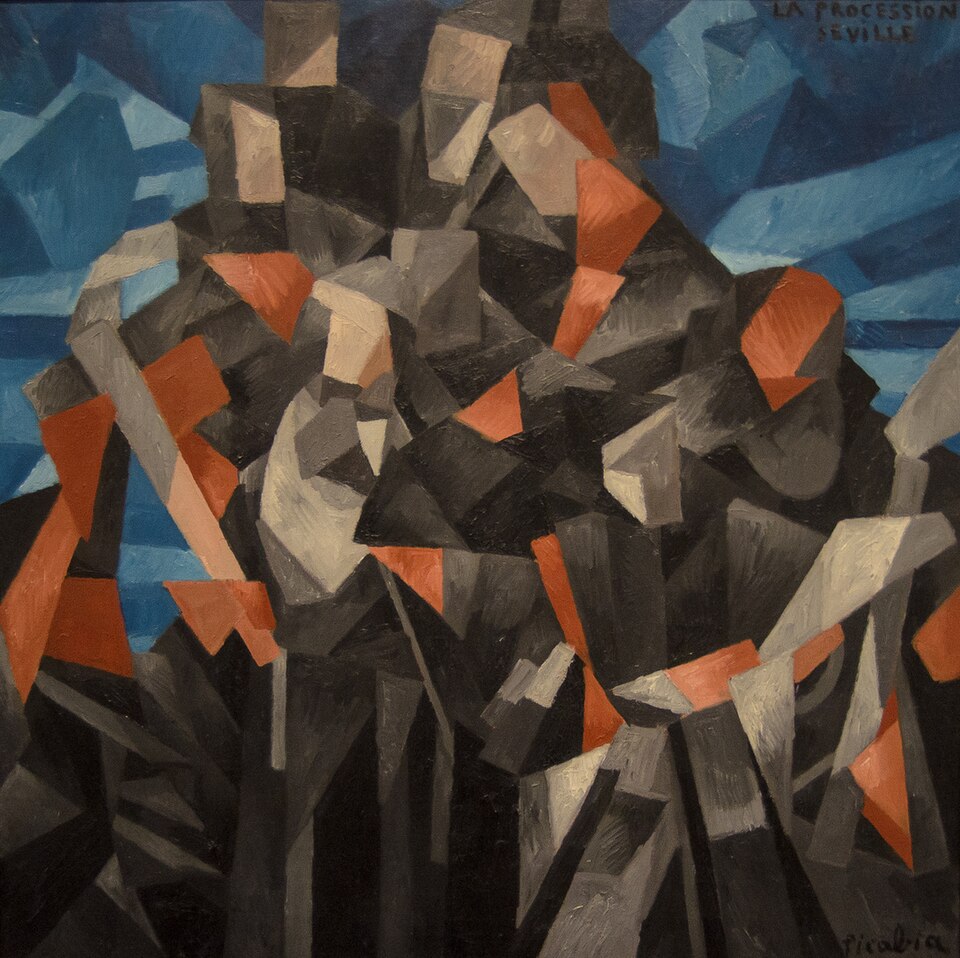
Apparently this is one of the paintings people point to when they talk about cubism pushing all the way toward abstraction — there's barely anything left that reads as a literal scene. It's tied to a procession he remembered from Spain, but almost none of that original imagery survived into what's on the canvas.
Erisava: I think this is trying to overwhelm you on purpose.
Nude on a Blue Cushion by Amedeo Modigliani, 1917
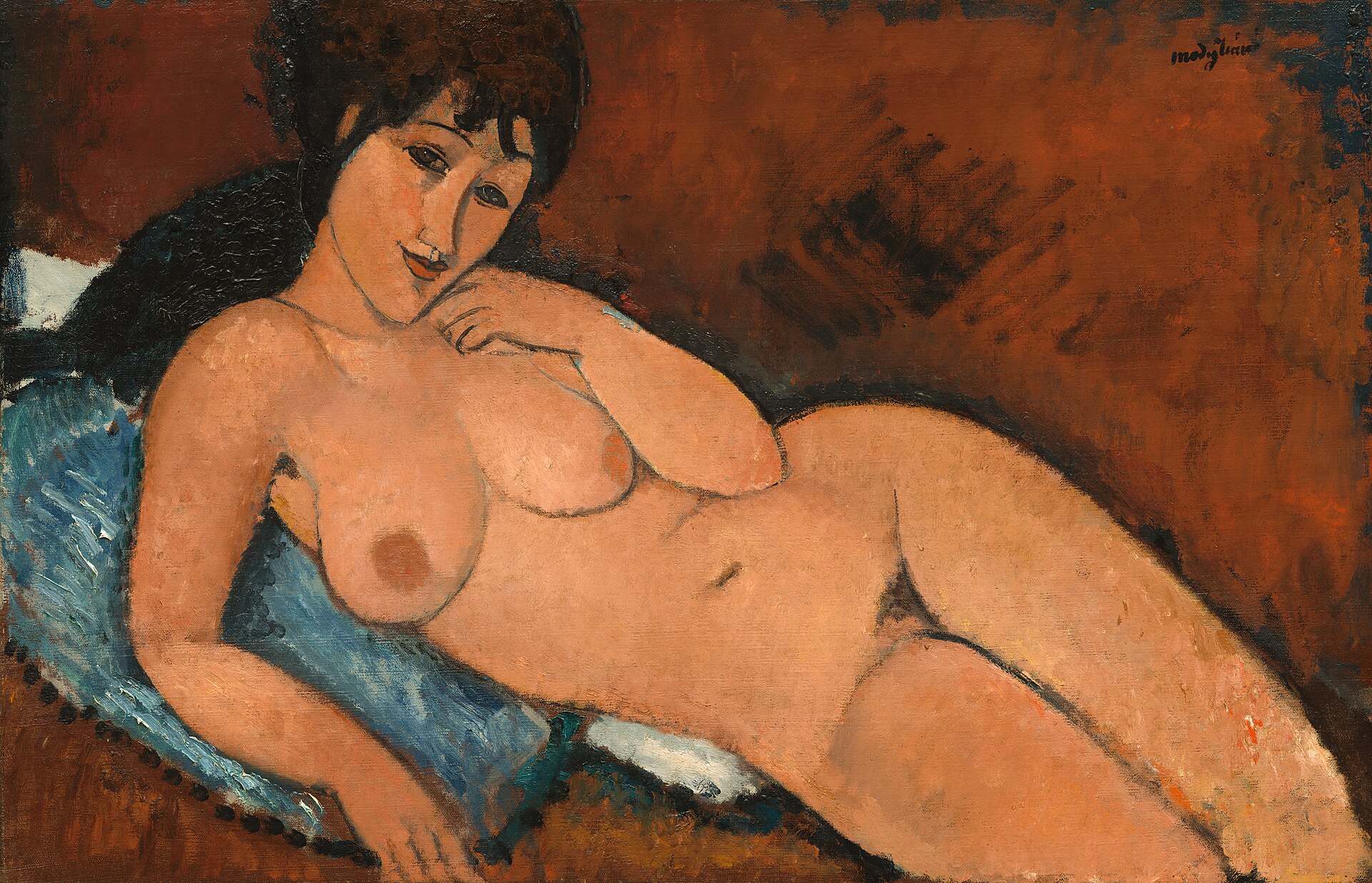
This was one of a run of nudes his dealer had him churn out fast to sell — and when they went on show in Paris, police shut the exhibition down on opening day for indecency.
Erisava: Why's her head so small for the rest of her?
Family Group by William James Glackens, 1910
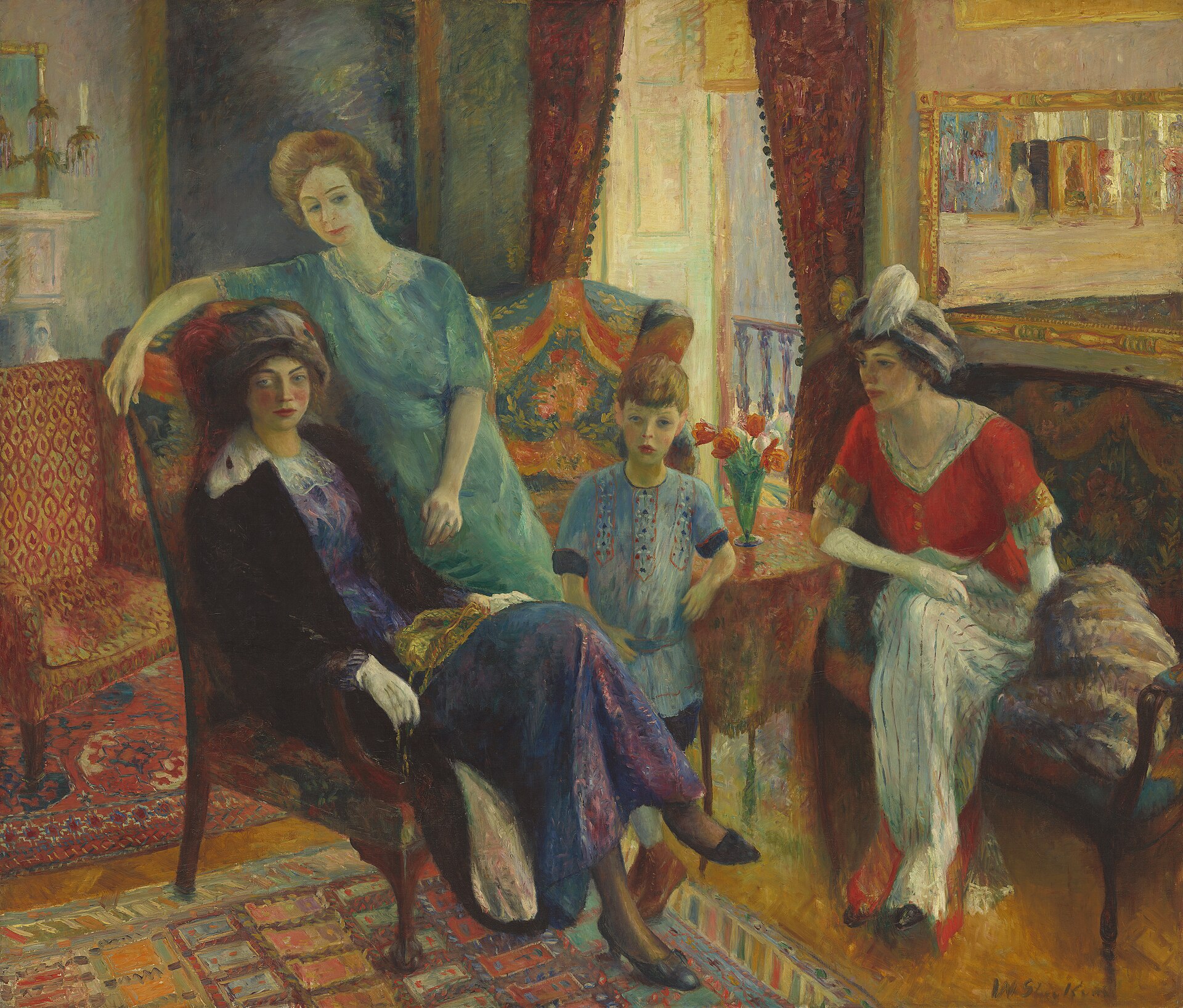
Apparently that's his own family and friends in their own sitting room. Painting your relatives is cheaper than hiring models — though from the faces, the sitting went on a while.
Erisava: Nobody in this room looks like they want to be there.
George W. Vanderbilt by James McNeill Whistler, 1900
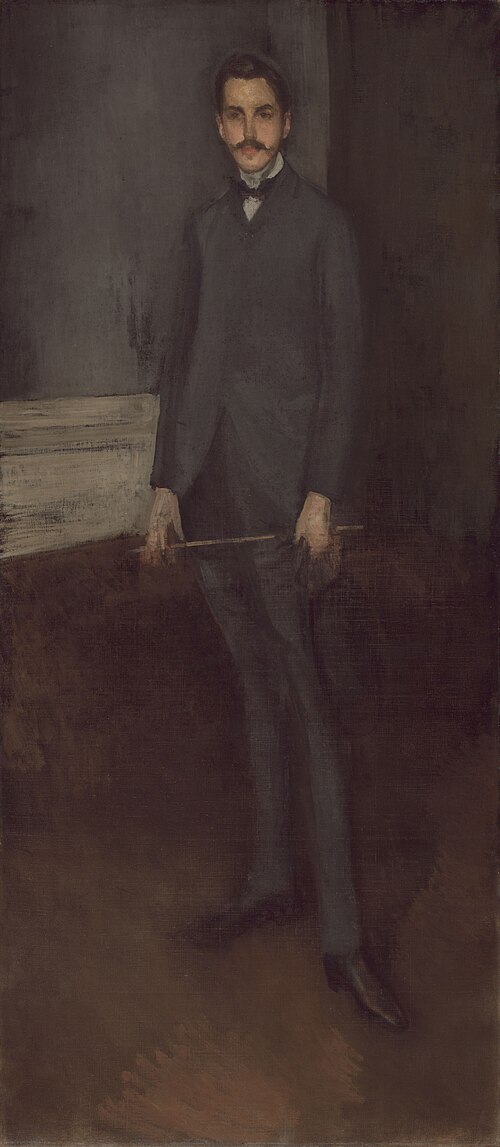
From what I've read, he was still working on this when he died, so it was never actually finished — which might explain a few things, or might not.
Erisava: Looks like an old days school teacher, with the cane.
Reclining Nude by Jean-Jacques Henner, 1900
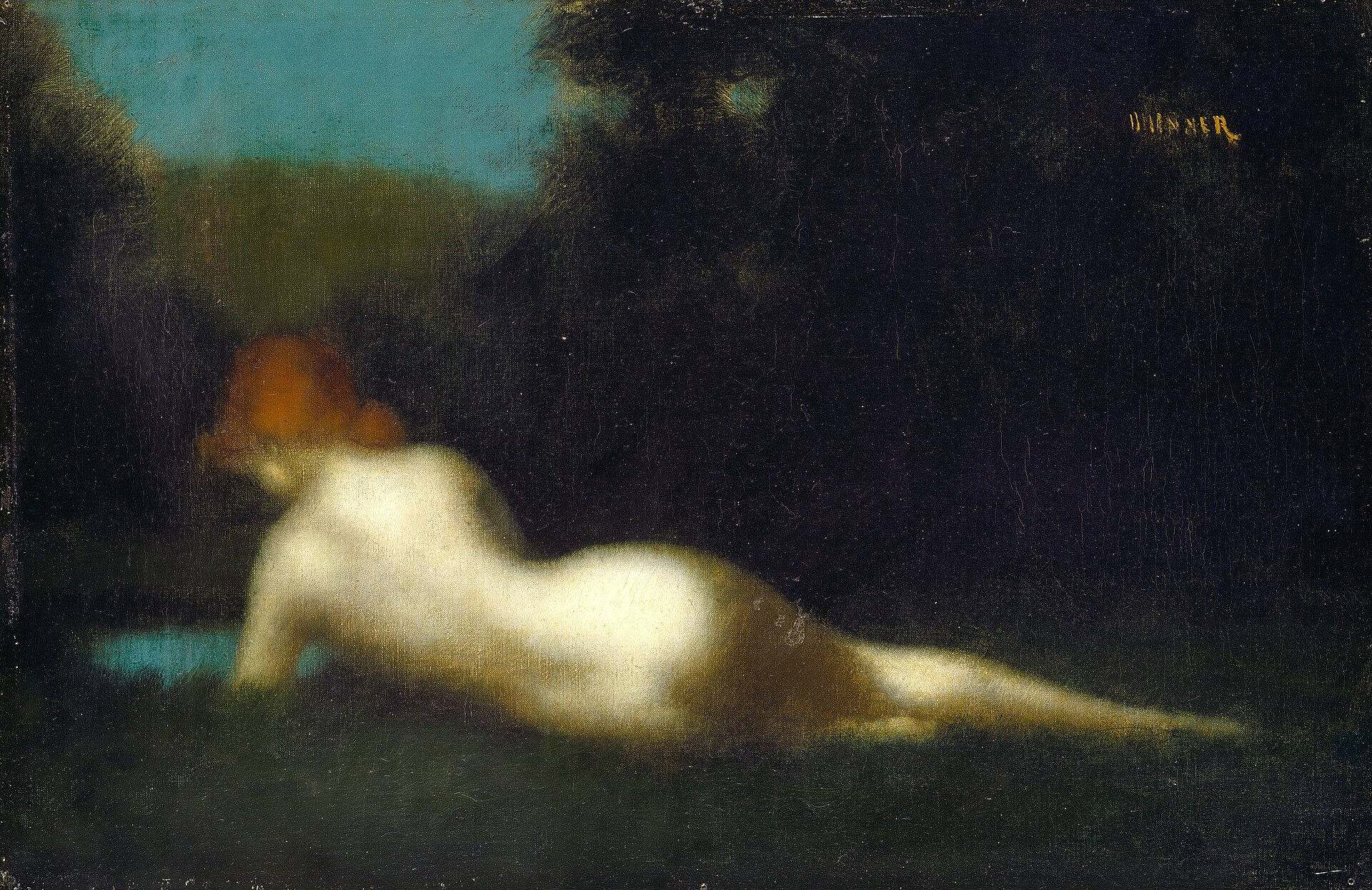
Supposedly he painted this same setup over and over — pale figure, near-black surroundings, no story attached to it — and it sold well enough that he kept at it for years. I couldn't find anything about this one in particular, only that there are a lot like it.
Erisava: Who was this painted for? I've got a guess, and I don't love it.
Fantomas by Juan Gris, 1915
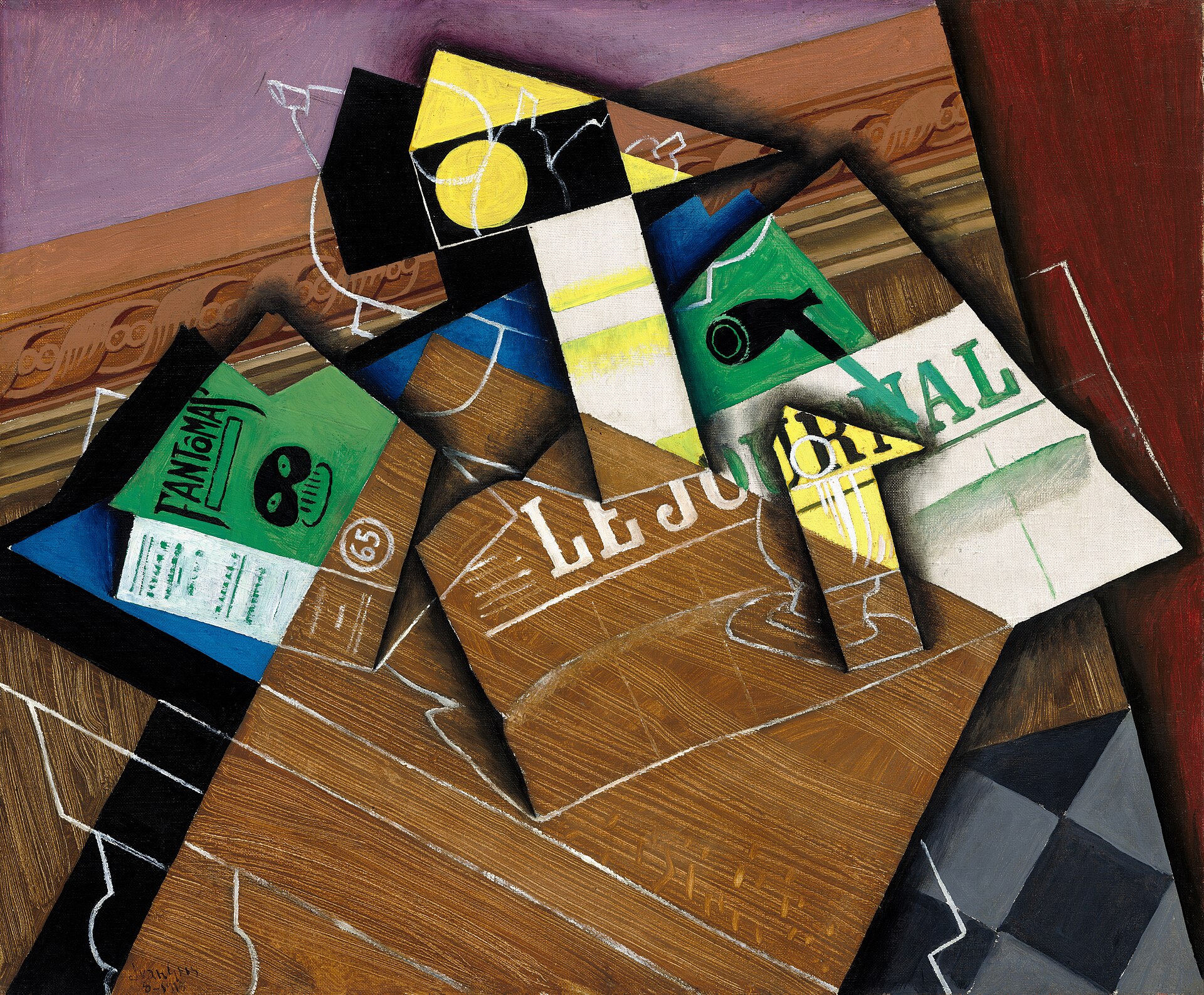
Apparently 'Fantômas' was a wildly popular pulp villain in French novels and early films back then — the kind of cheap thrill respectable painting wasn't supposed to notice. Cubists of the period put newsprint and pulp covers like this straight into their paintings anyway, which was kind of the point: you didn't need a myth or a portrait anymore, a newsstand would do.
Erisava: I think this is a table knocked over and painted where it landed.
The Equatorial Jungle by Henri Rousseau, 1909
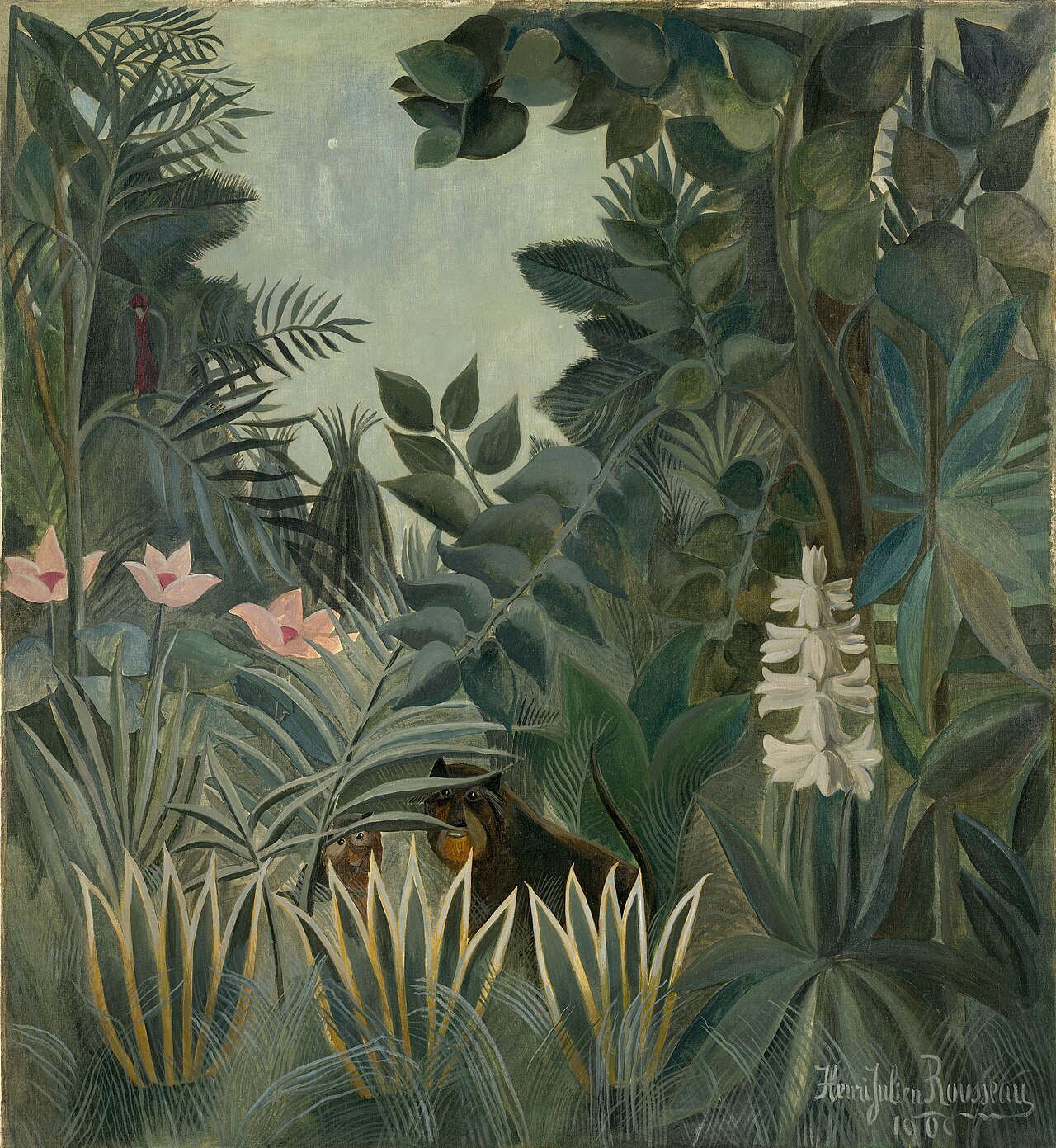
He never left France — this jungle came from botanical gardens and picture books, not anywhere he'd actually set foot.
Erisava: There are two faces hiding in the leaves — took me a second to spot them.
Glass and Checkerboard by Juan Gris, 1917
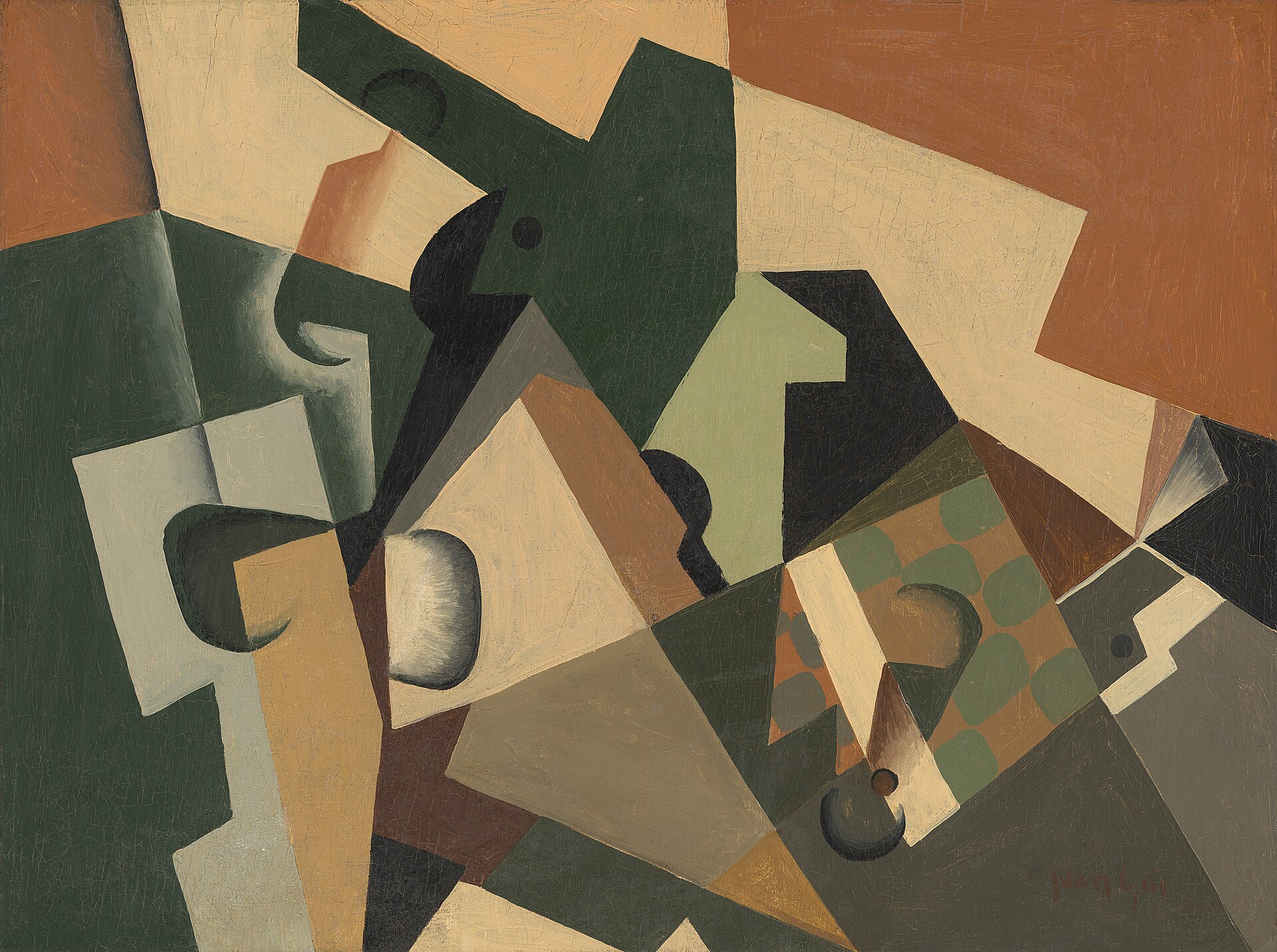
They say painters in this circle tightened up after the First World War — fewer overlapping shards, flatter shapes, something closer to order than the earlier, more splintered cubism. This one's from that stretch, and the checkerboard corner is one of the only clues there was ever a table under all this.
Erisava: Besides the checkerboard, am I missing an actual object in here?
The Meeting of David and Abigail by Peter Paul Rubens, 1630
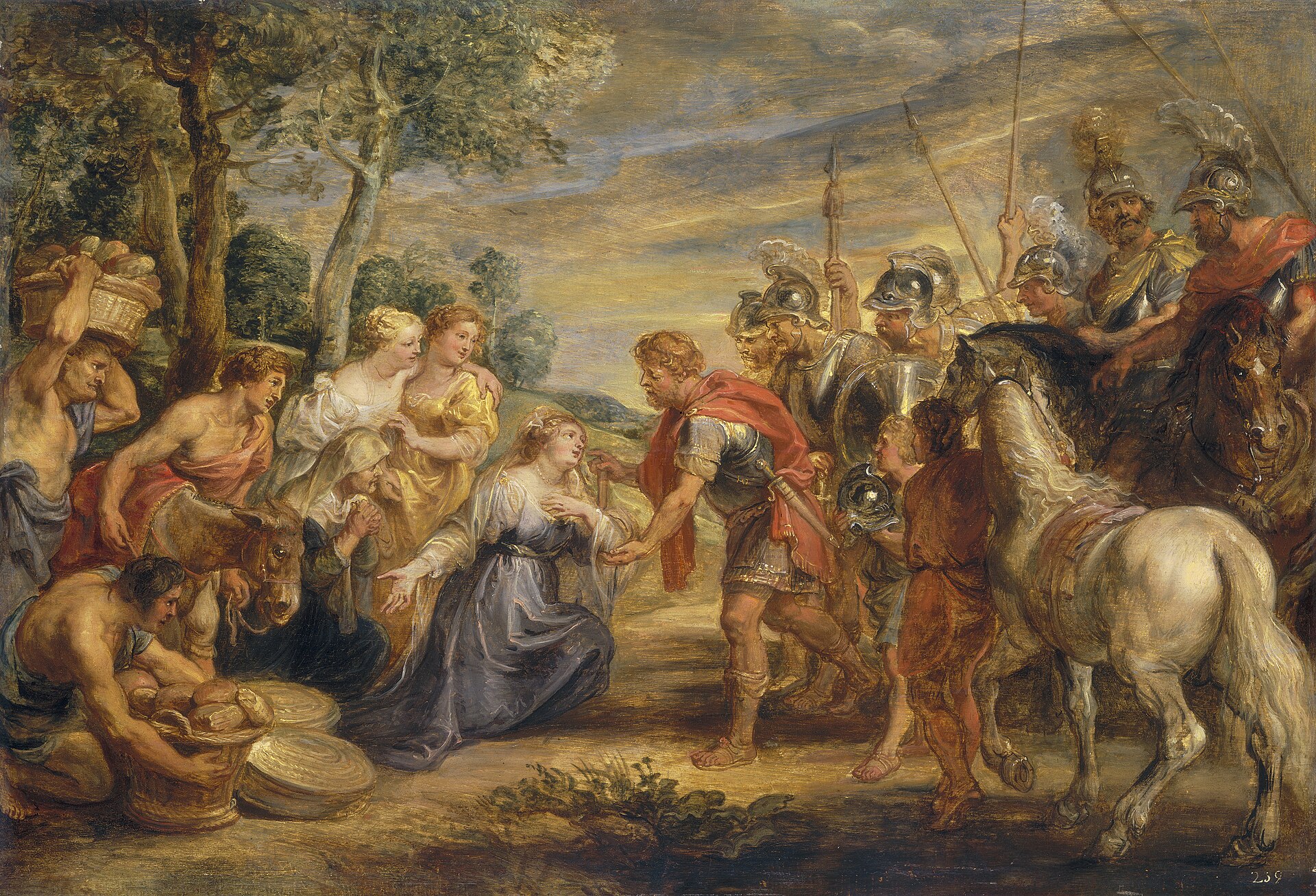
This is the Bible story where Abigail rushes to meet David's men with food, trying to stop them attacking her household after her husband snubbed them. It doesn't end there — Nabal dies soon after, and Abigail ends up marrying David instead.
Erisava: Does she look like she has any choice here?
Death and the Miser by Hieronymus Bosch, 1480
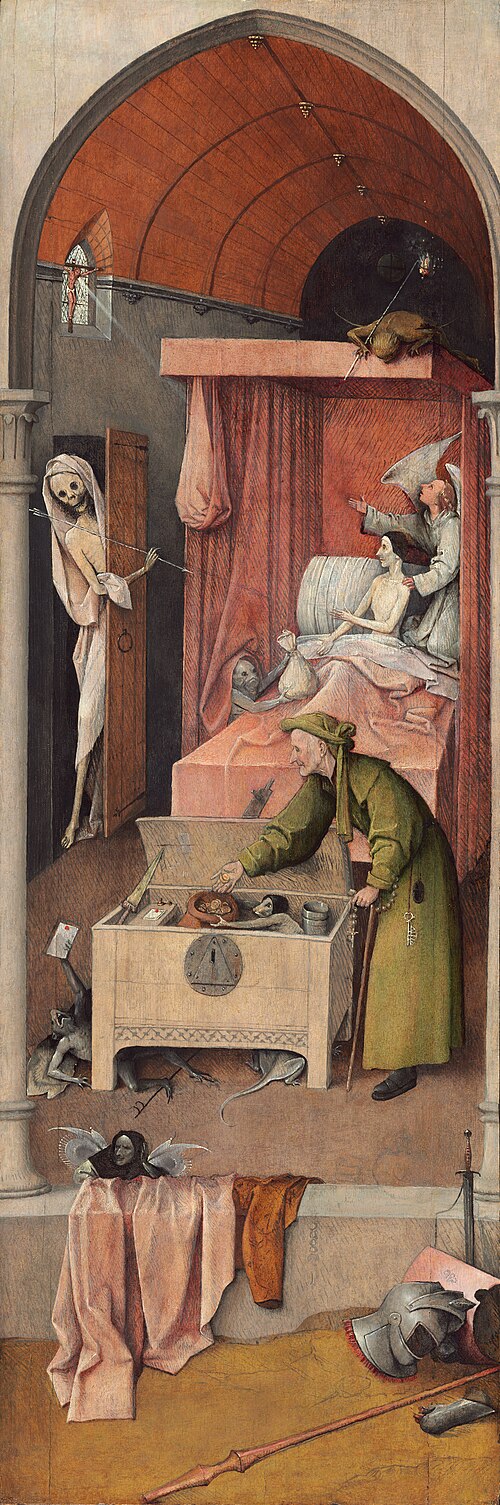
This was originally the side panel of a bigger triptych — the centre piece is long gone, so nobody's totally sure what completed the scene.
Erisava: Death's literally at the door and he's still reaching for the money bag.
Madame Moitessier by Jean-Auguste-Dominique Ingres, 1851
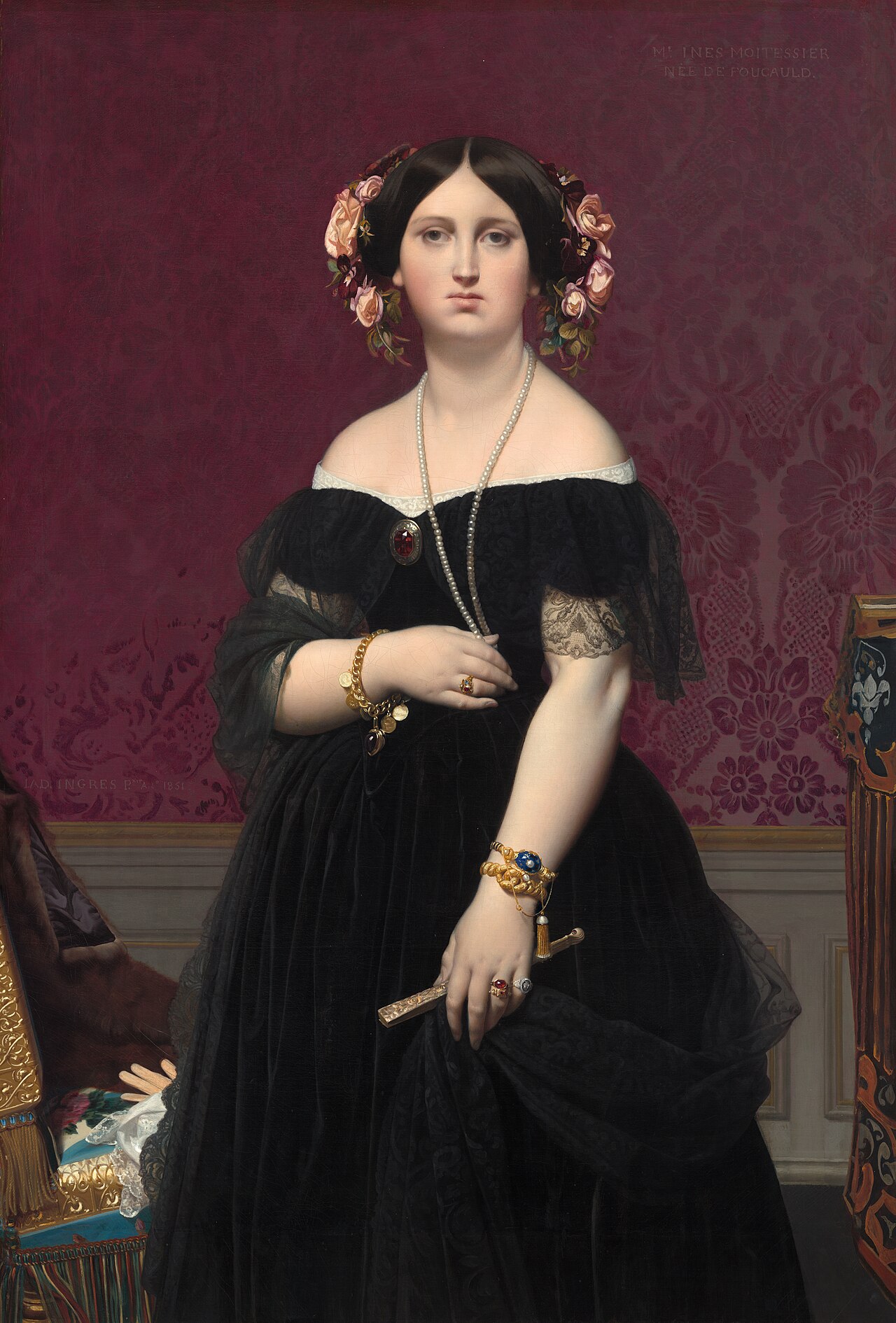
Supposedly the commission was turned down flat at first, and only accepted after an actual meeting with her — then it dragged on for something like a decade, with a whole second painting of her finished years after this one. Nobody, it seems, was in any hurry.
Erisava: There's a fortune hanging off her and she still looks miserable. What's that about?
Adoration of the Magi by Fra Angelico, 1430
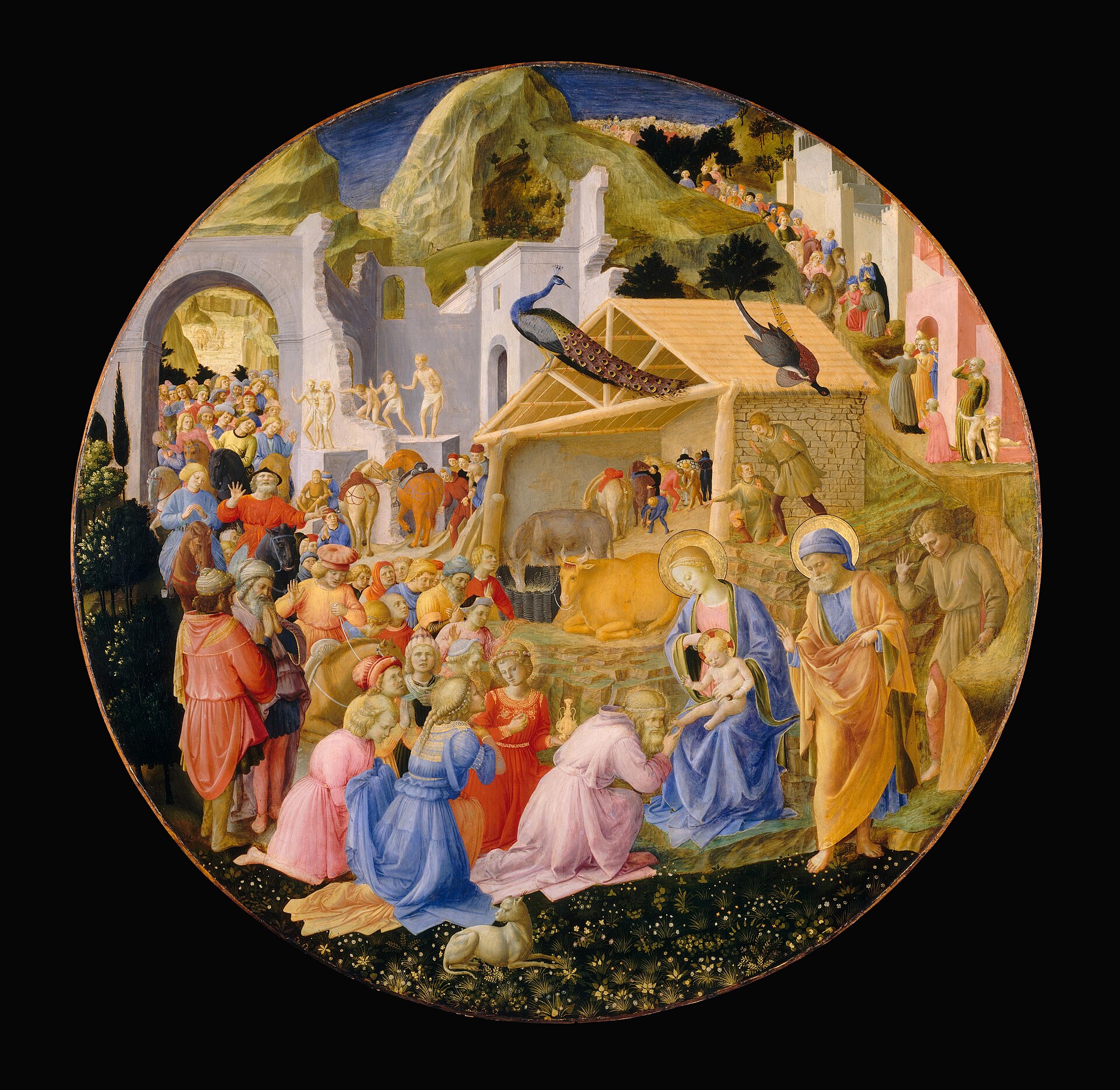
This one's round — a tondo — and from what I can find, historians don't fully agree who painted most of it: it's catalogued under one name, but they think a second painter, plus workshop hands, did a lot of the actual work. It's been called the 'Cook Tondo' for decades, after a private collector, even though it left his collection a long time ago.
Erisava: Why put a peacock on the roof of a stable?
Ace of Clubs and Four of Diamonds by Juan Gris, 1912
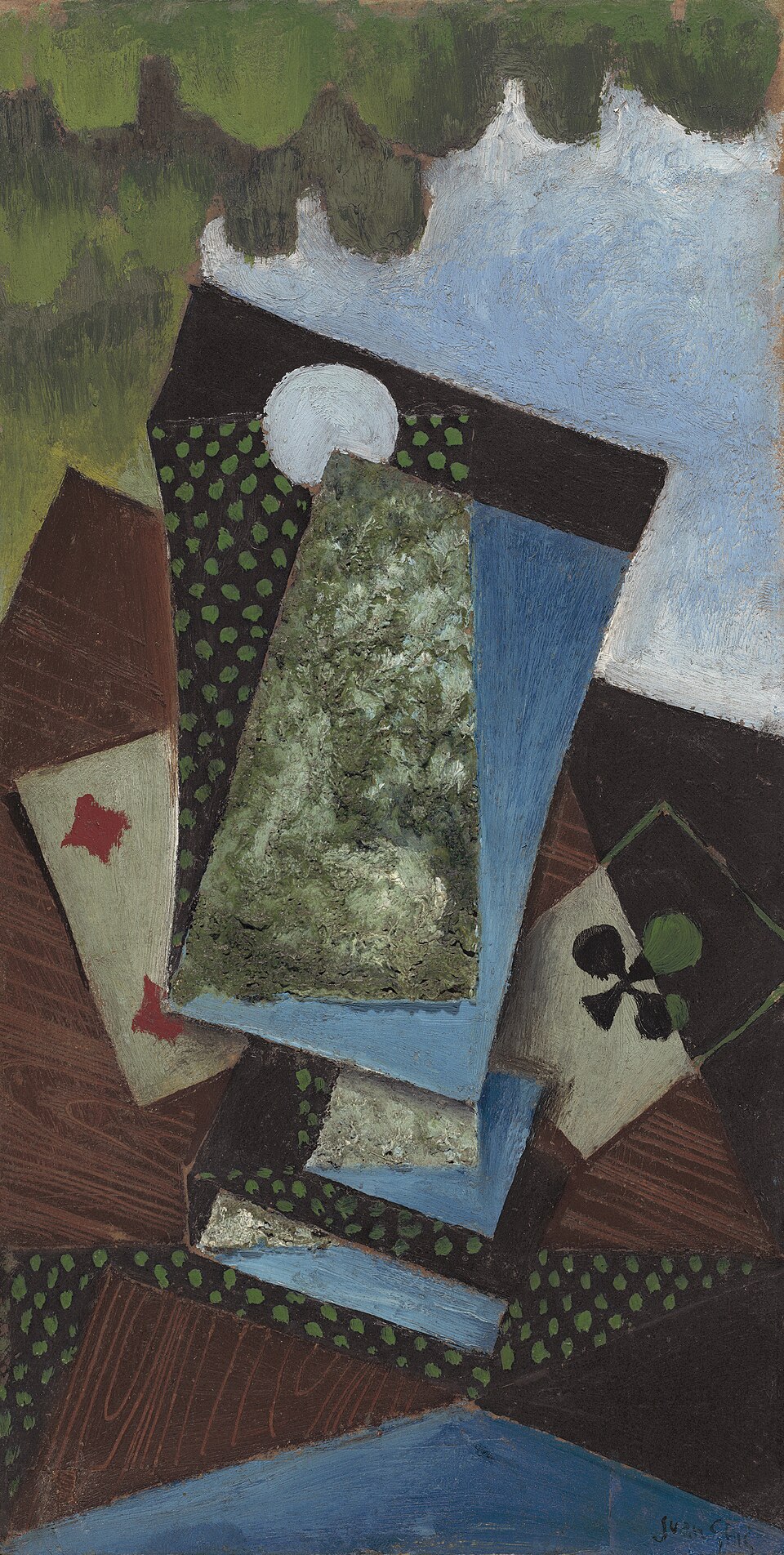
According to what I found, this one's from 1912 — right when cubism was at its most fractured, before things flattened out into simpler colour patches later on. Playing cards turn up constantly in paintings from this circle, apparently because a card's already a flat, printed thing pretending to sit on a table, which suited what these painters were after anyway.
Erisava: Could you tell there are playing cards in here without a hint?
Women of Algiers by Eugène Delacroix, 1833
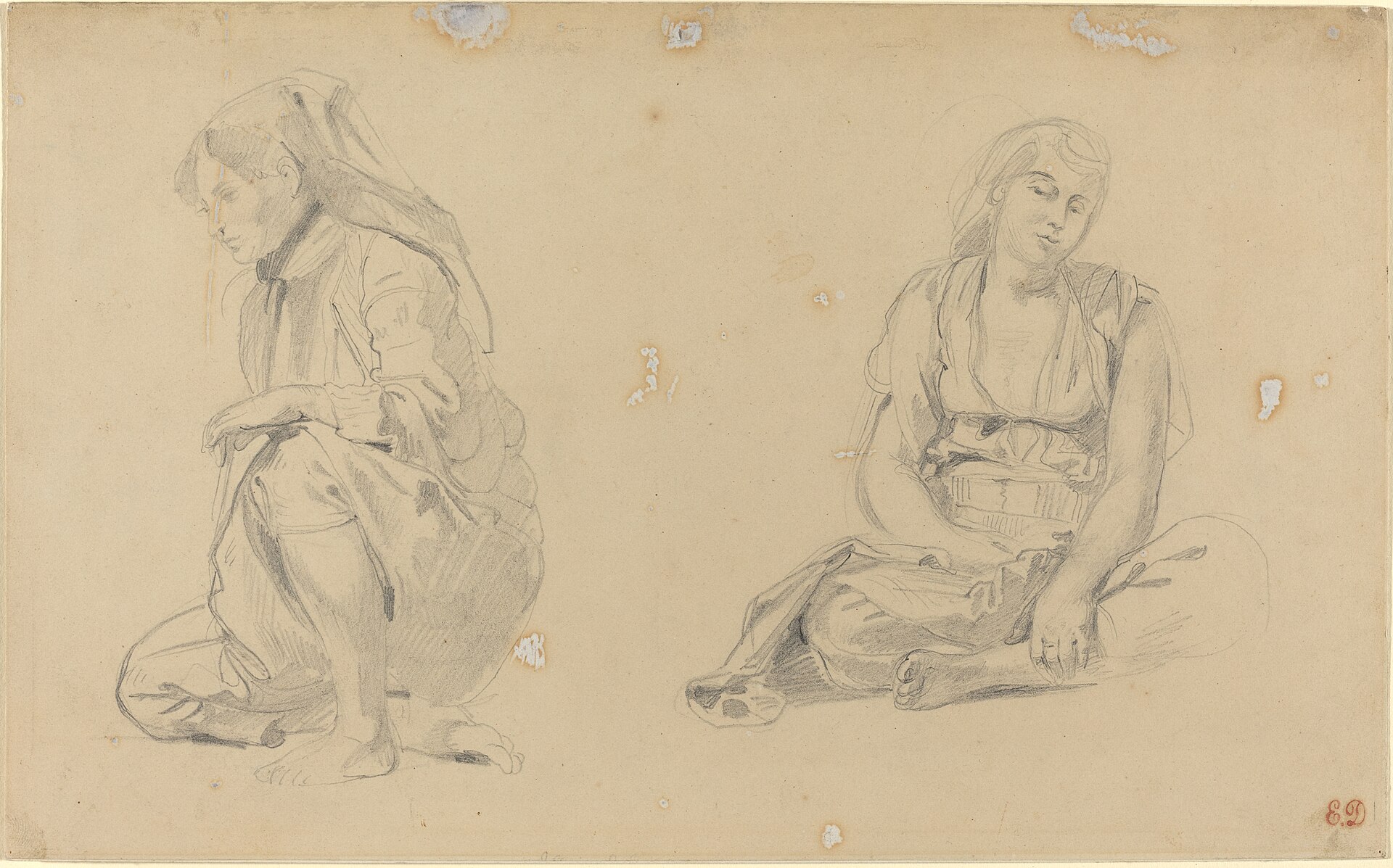
Sketches like this came out of a few months tagging along with a French mission to North Africa, according to Wikipedia — notebooks filled up on the trip, then the big painting worked out later, back home. One journey he kept mining for years afterwards.
Erisava: Two pencil sketches on a stained bit of paper. Who decided this was worth keeping?
Portrait of Bindo Altoviti by Raphael, 1515
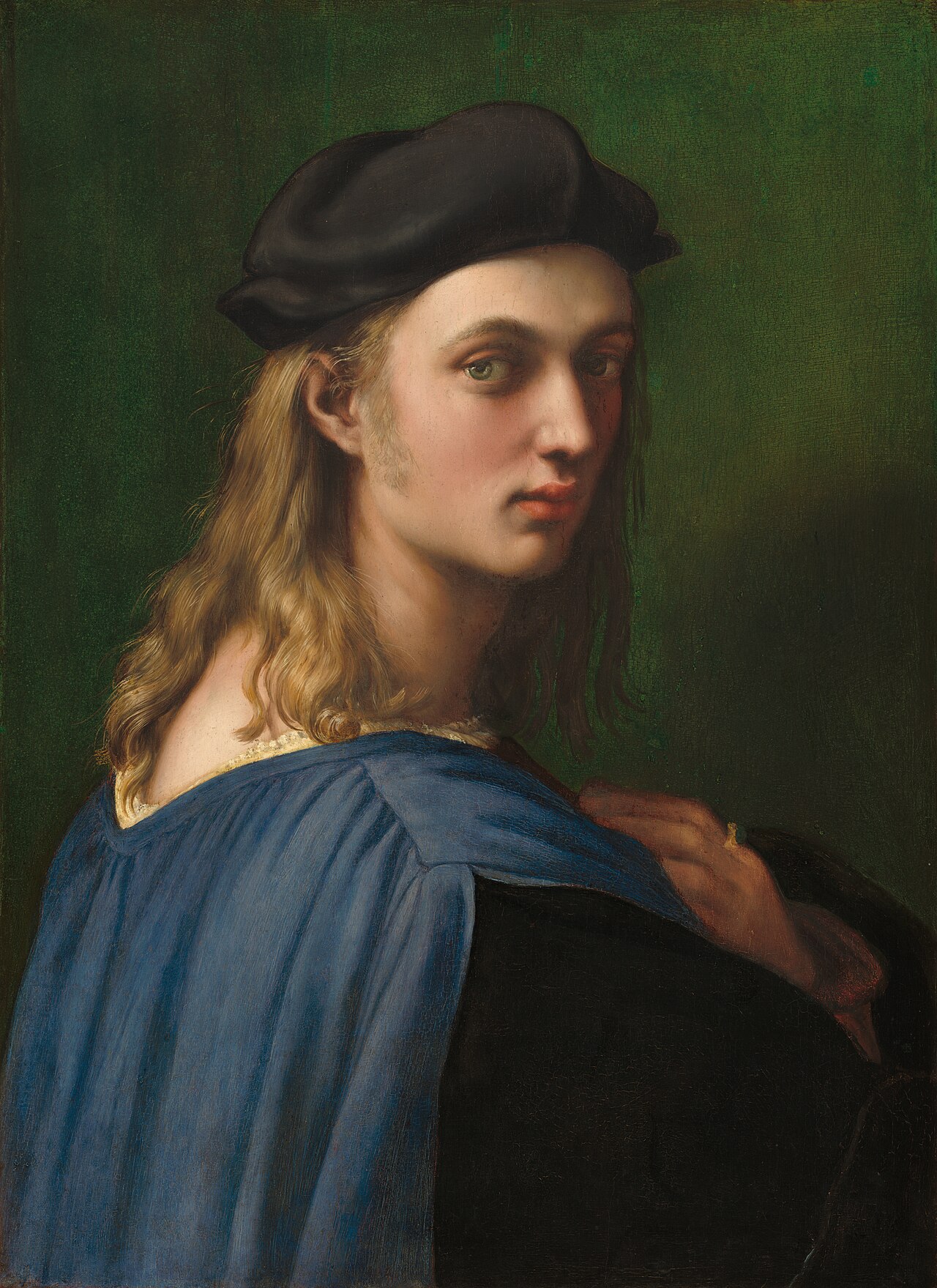
This one got mistaken for a Raphael self-portrait for a long time. Turns out it's actually a portrait of one of his patrons — a wealthy Florentine banker who helped fund some of his other work.
Erisava: You don't get painted like this unless you can afford it.
Jeanne Samary by Pierre-Auguste Renoir, 1878
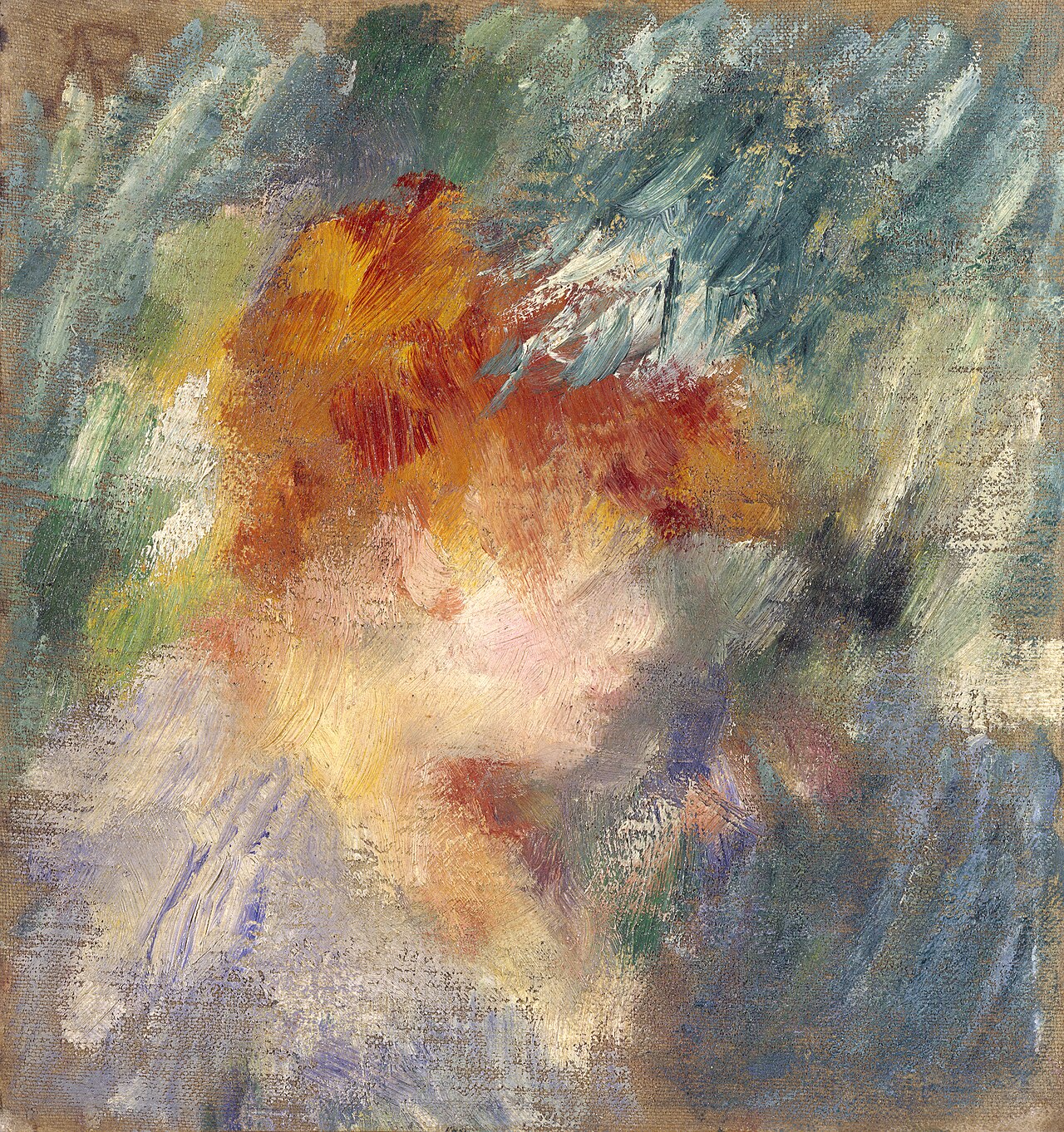
They say this started as a quick study of a French stage actress, a favourite subject who sat for several portraits like this one.
Erisava: Does this really look finished to you?
Allegory of the Summer in Ceres by Jean-Antoine Watteau, 1717
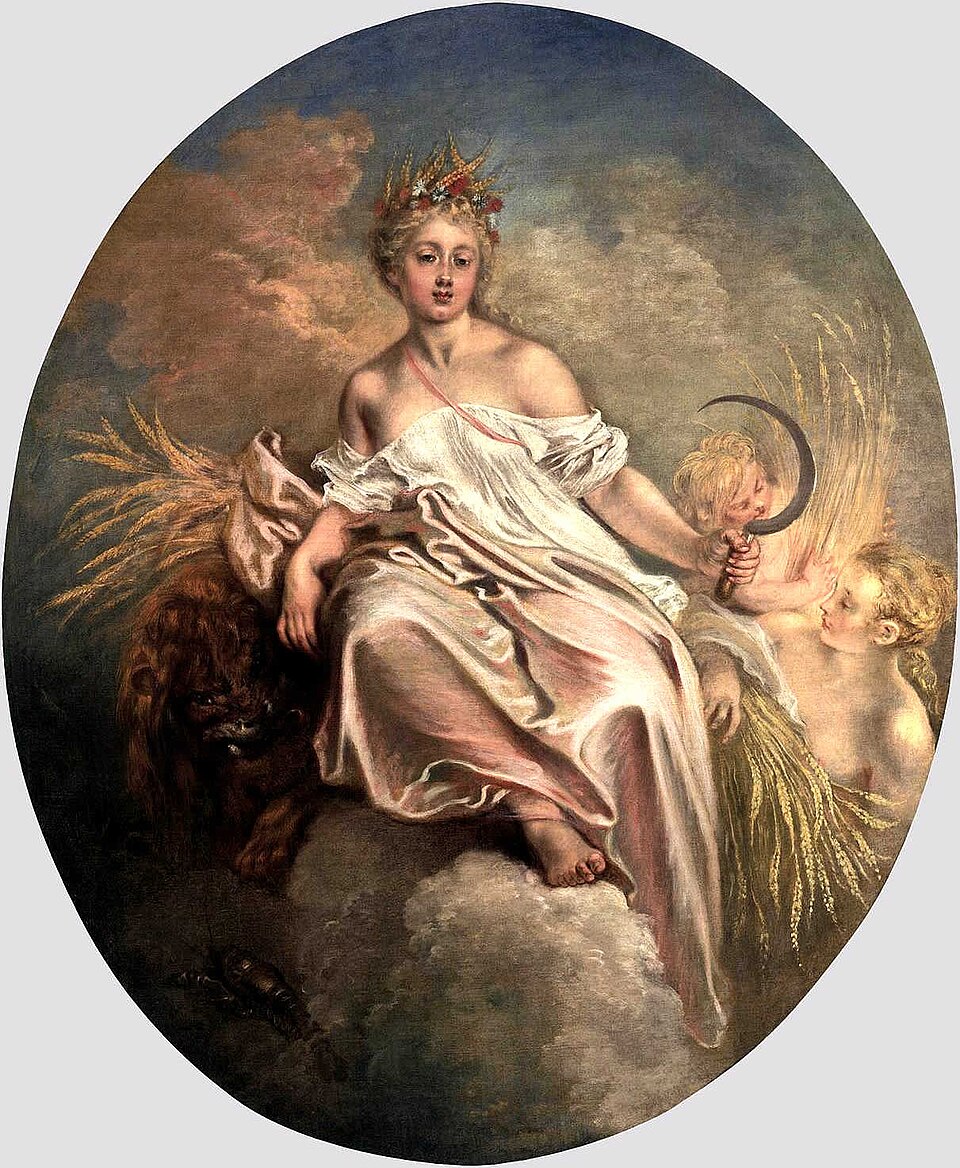
From what I can find, this was part of a set standing in for the four seasons — the lion's a nod to Leo, marking high summer.
Erisava: She's dressed like she just wandered off a cloud, not a wheat field.
Daniel in the Lions' Den by Peter Paul Rubens, 1615
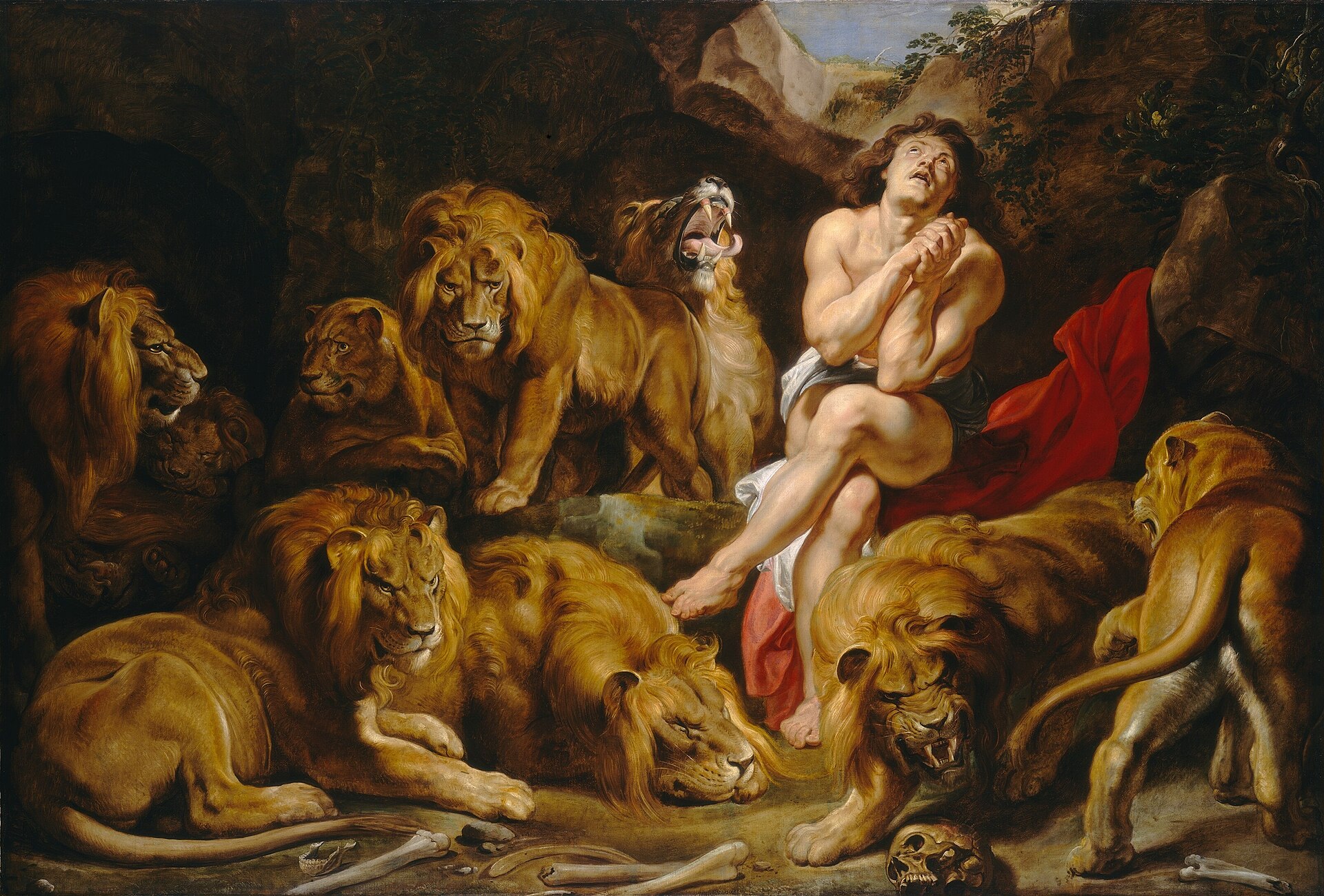
This is the Bible story of Daniel thrown into a den of lions for refusing to stop praying to his own god — and coming out fine. Apparently Rubens painted the lions true to life-size, which is part of why the scene lands so hard.
Erisava: These lions look almost too calm for a den you're about to die in.
Flecks of Foam by Henry Golden Dearth, 1911
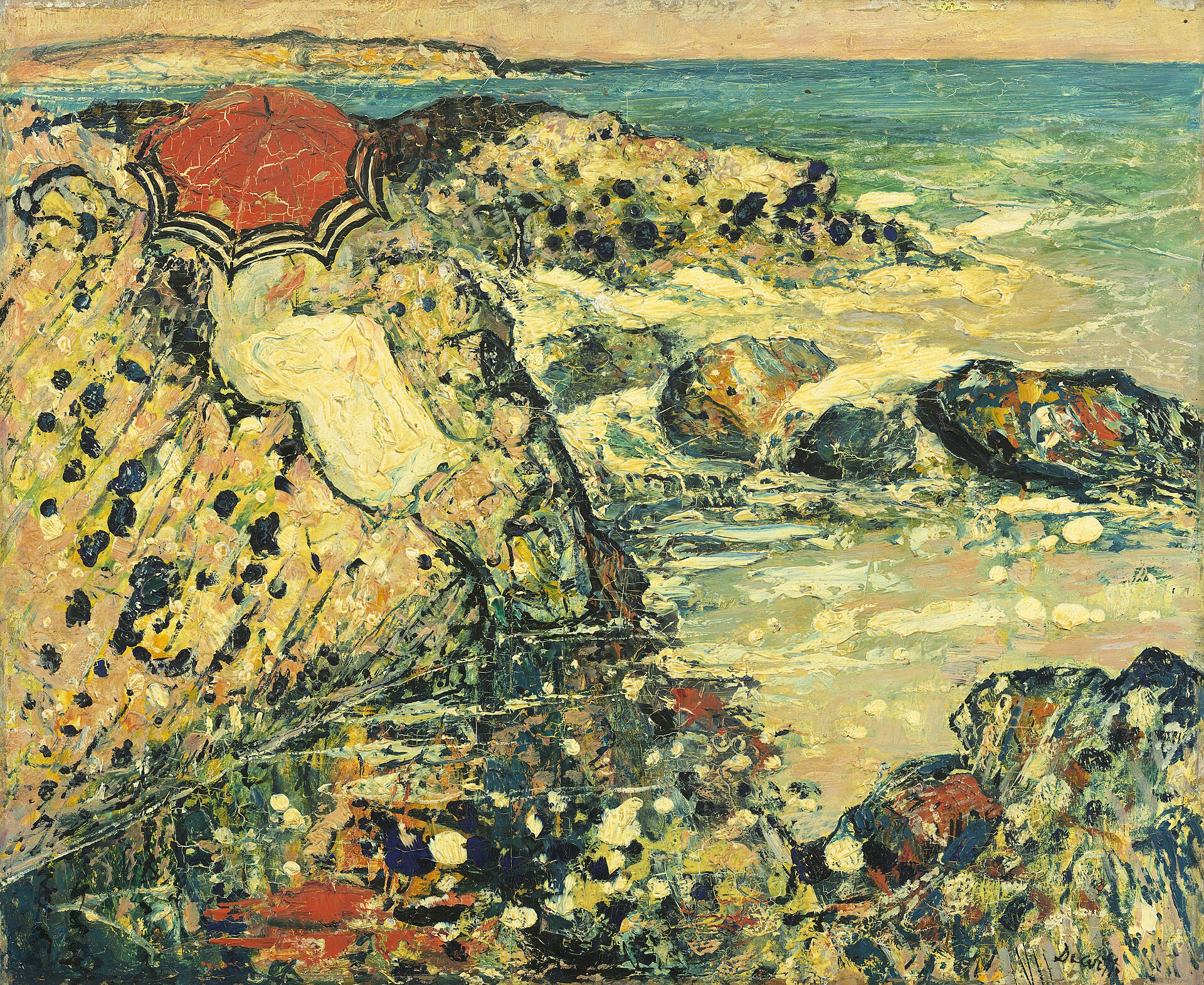
The story goes that he spent years painting quiet, brownish landscapes, then late in life switched almost overnight to thick, crusted paint like this — and apparently it baffled the people who'd been happily buying the brown ones.
Erisava: This much paint feels like it's hiding something.
Ginevra de' Benci by Leonardo da Vinci, 1476
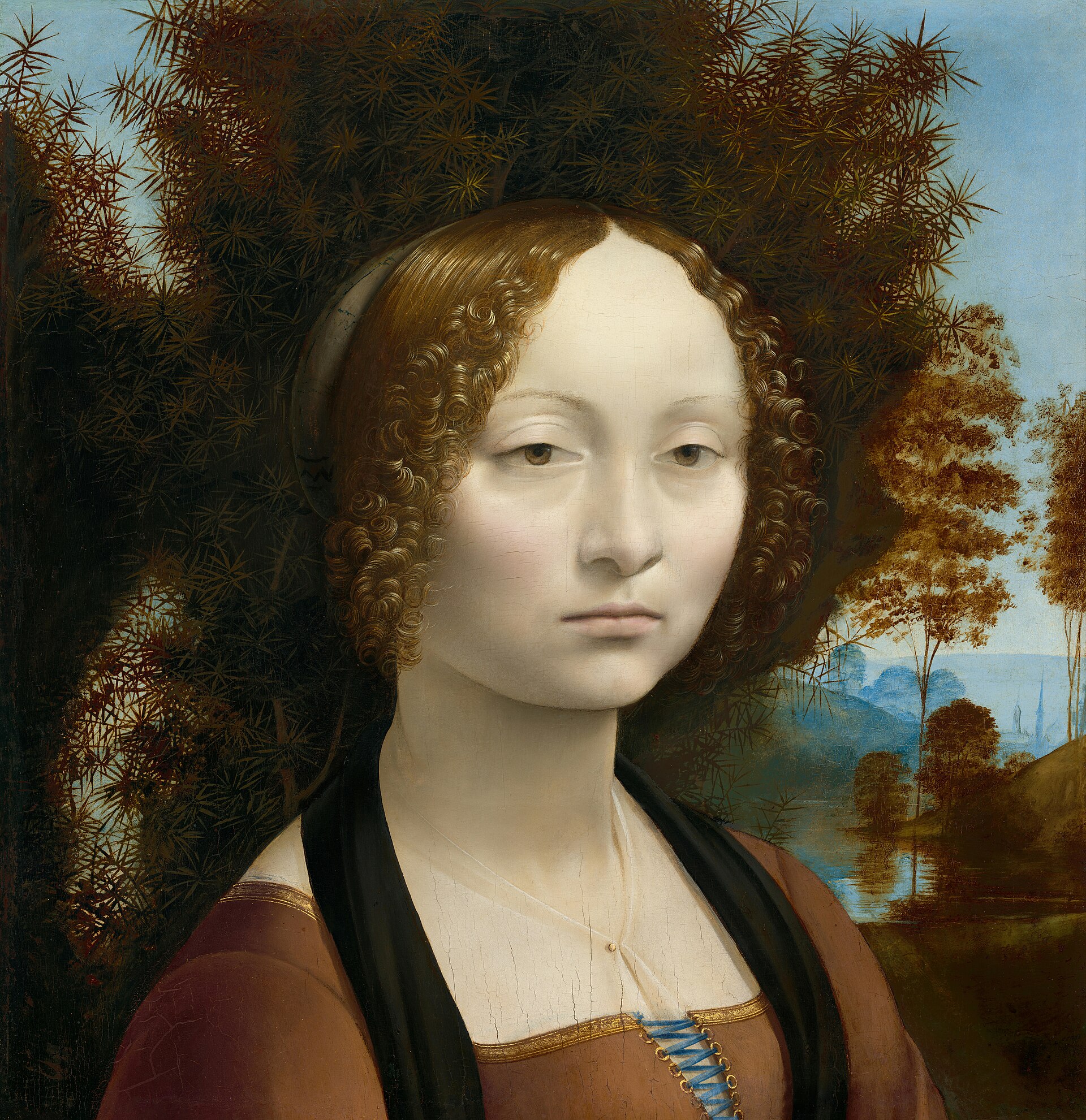
The juniper behind her is supposedly a pun — 'ginepro' is Italian for juniper, so it doubles as a nod to her name. It's also, they say, the only Leonardo painting on public display anywhere in the Americas, part of why it made headlines when a museum bought it for a record sum in the 1960s.
Erisava: She looks like she'd rather be anywhere else.