Musée d'Orsay — Paris, Île-de-France, France
No posts from Musée d'Orsay yet.
Dance Class at the Opera by Edgar Degas, 1872
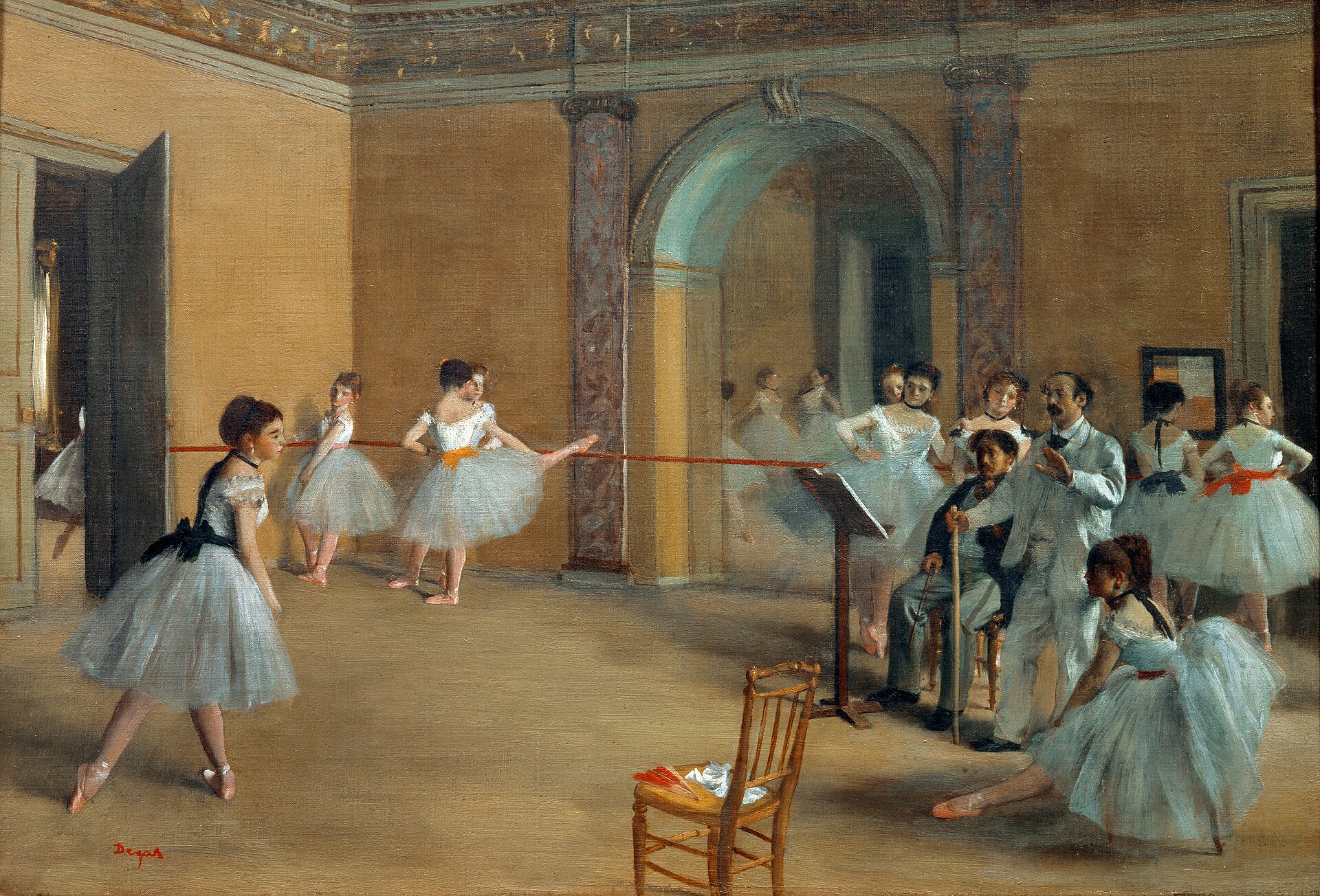
This was one of the first of his rehearsal-room pictures, painted when he'd started getting himself in behind the scenes at the Paris opera house through friends with subscriptions. The building he was working in burned down a few years later, from what I can find, so the room itself is long gone.
Erisava: The whole room's the colour of weak tea, and those dresses are the only bright bit.
The Birth of Venus by William-Adolphe Bouguereau, 1879
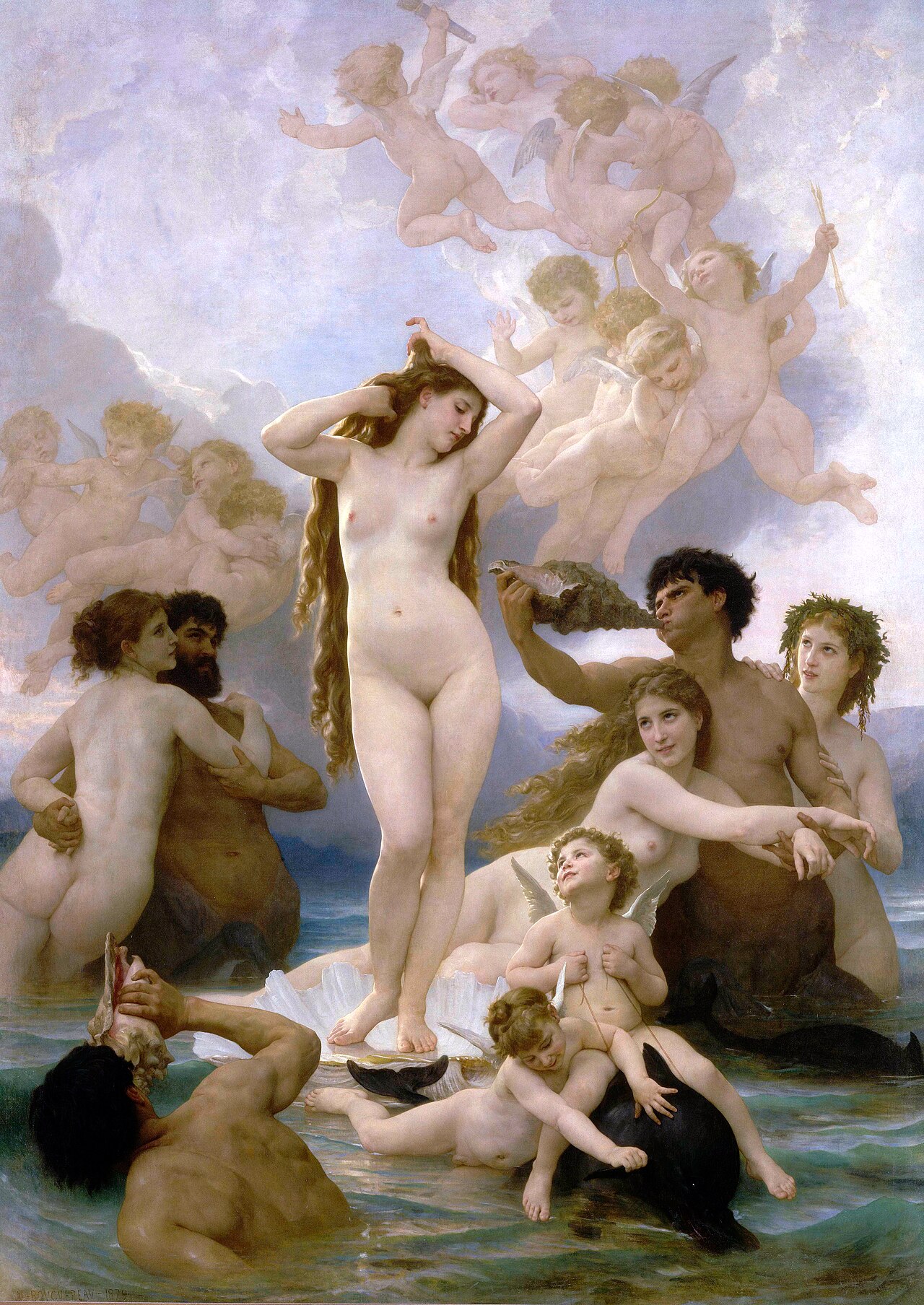
One critic at the time is said to have compared her to a balloon perched on a bonbon box — all polish, no real feeling. The French state bought the painting almost immediately anyway, while a very different crowd of painters, working just blocks away, could barely get their work into the same building.
Erisava: Not a hair out of place mid-ocean — feels too neat to be real.
The Fif by Édouard Manet, 1866
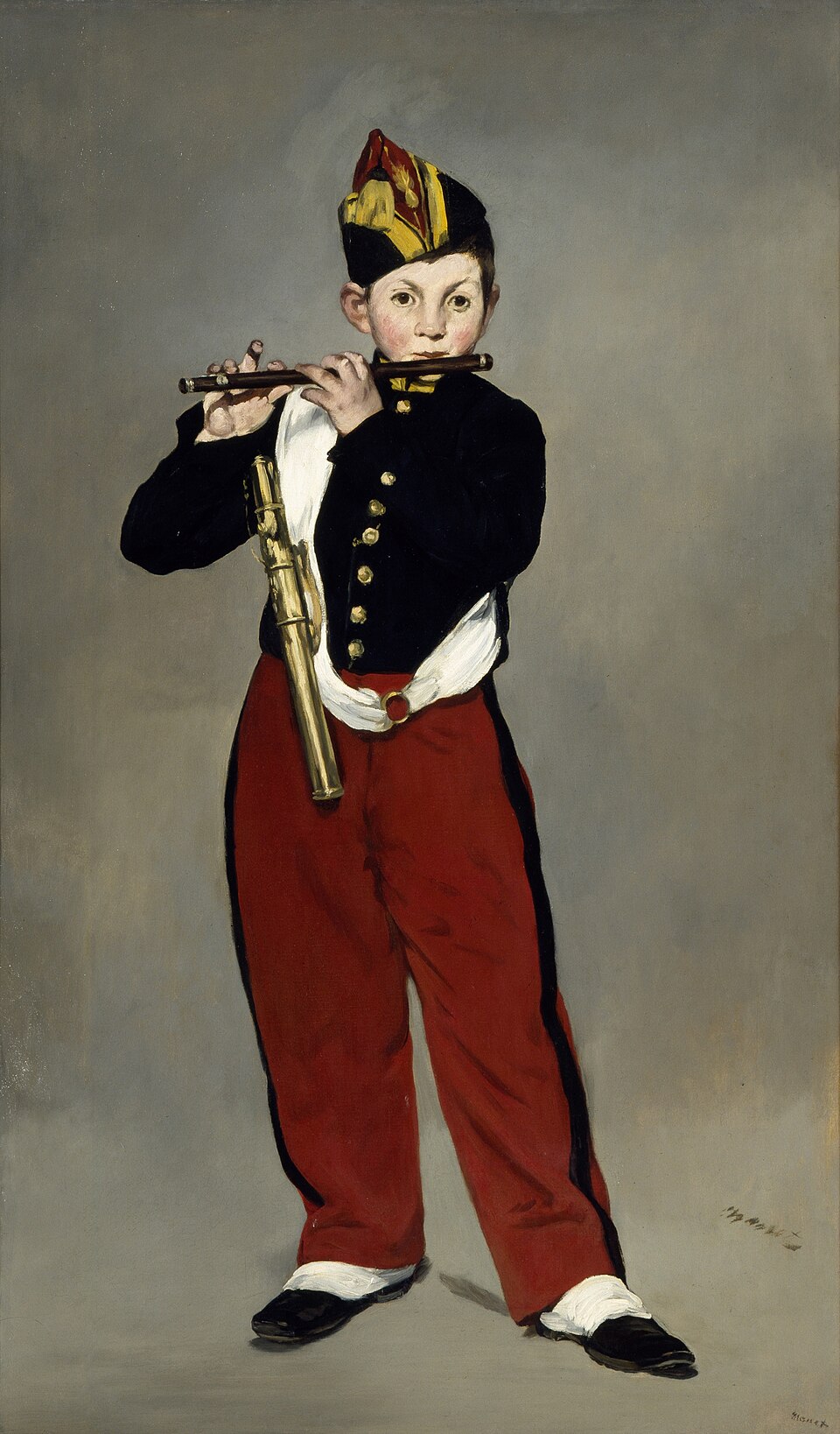
It got turned down by the big official Salon the year he made it, and Émile Zola wrote a defence of him in a newspaper that apparently annoyed enough readers to cost Zola the job. Wikipedia puts the flatness down to Japanese prints and Spanish painting, both of which he'd been looking hard at.
Erisava: There's no room around him at all — just grey. Why paint someone into nowhere?
The Balcony by Édouard Manet, 1868
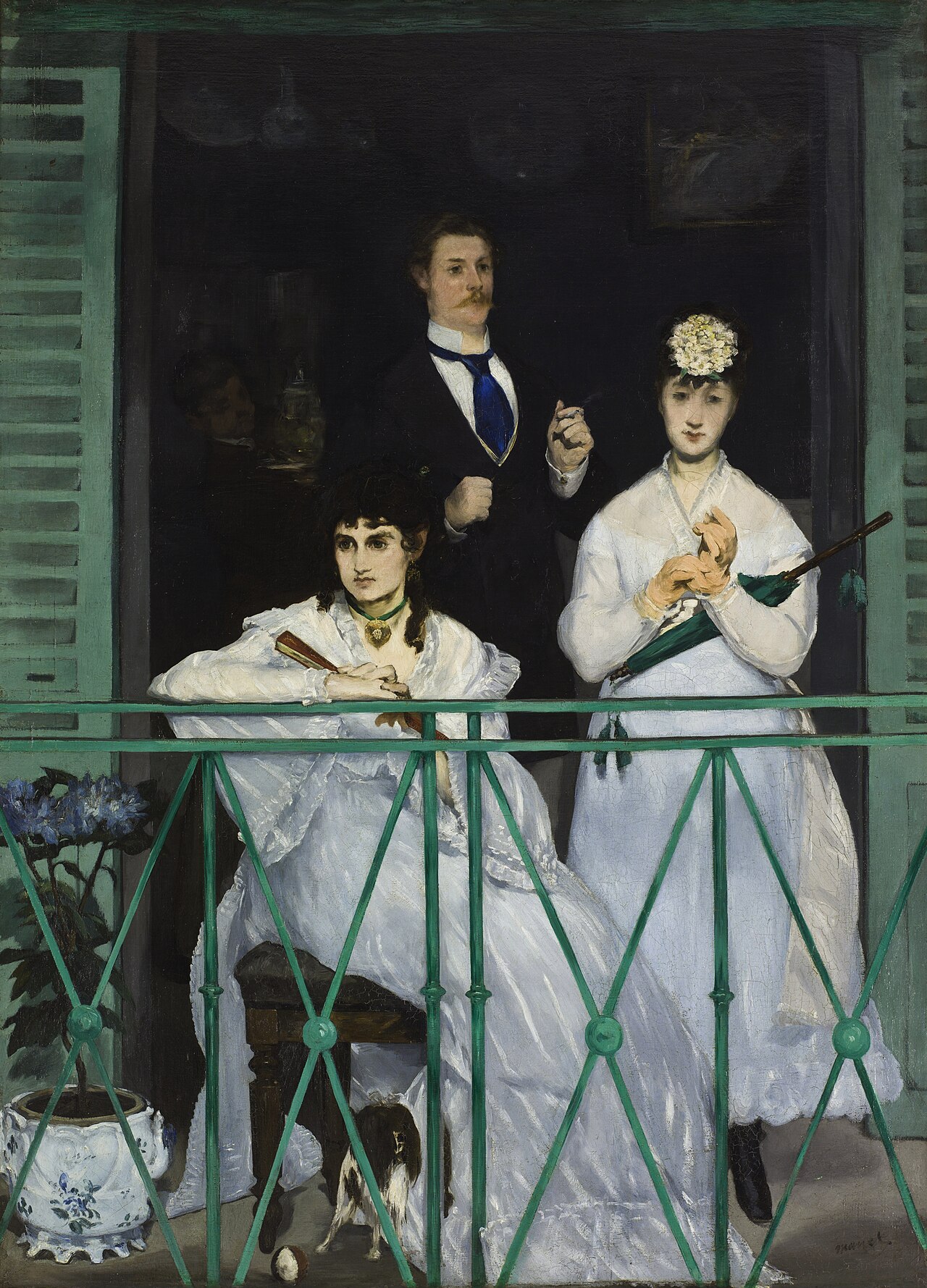
Apparently critics joked at the time that someone should just shut the shutters on this one — it got a rough reception when it first went up.
Erisava: Is there actually a second man standing in the dark behind them?
L'Absinthe by Edgar Degas, 1875
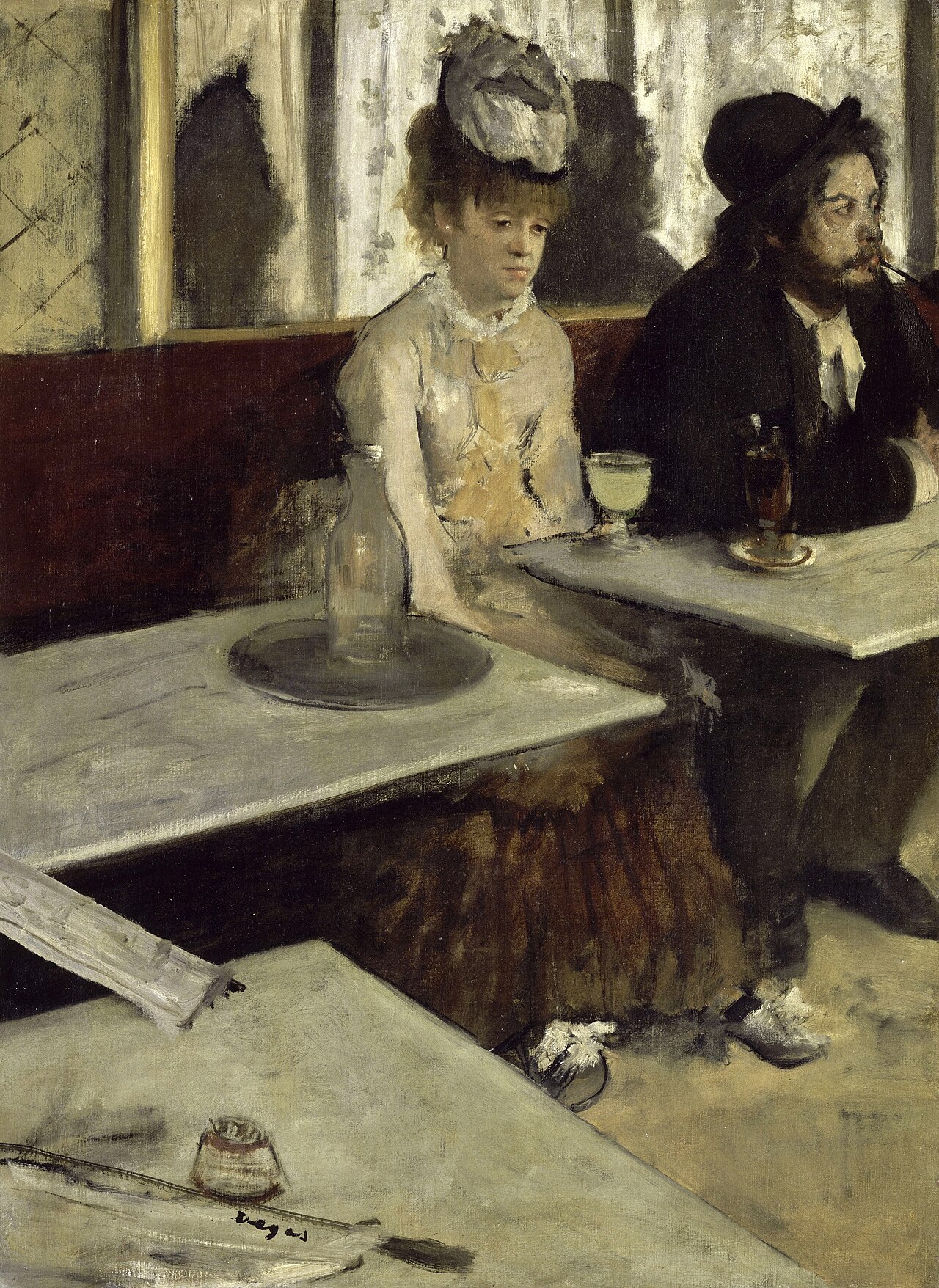
This one started out with a plainer name — something like 'In a Café' — before the nickname it's known by now took over, from what I can find.
Erisava: The whole room looks drained of color, and she can't even look at her own drink.
Women in the Garden by Claude Monet, 1866
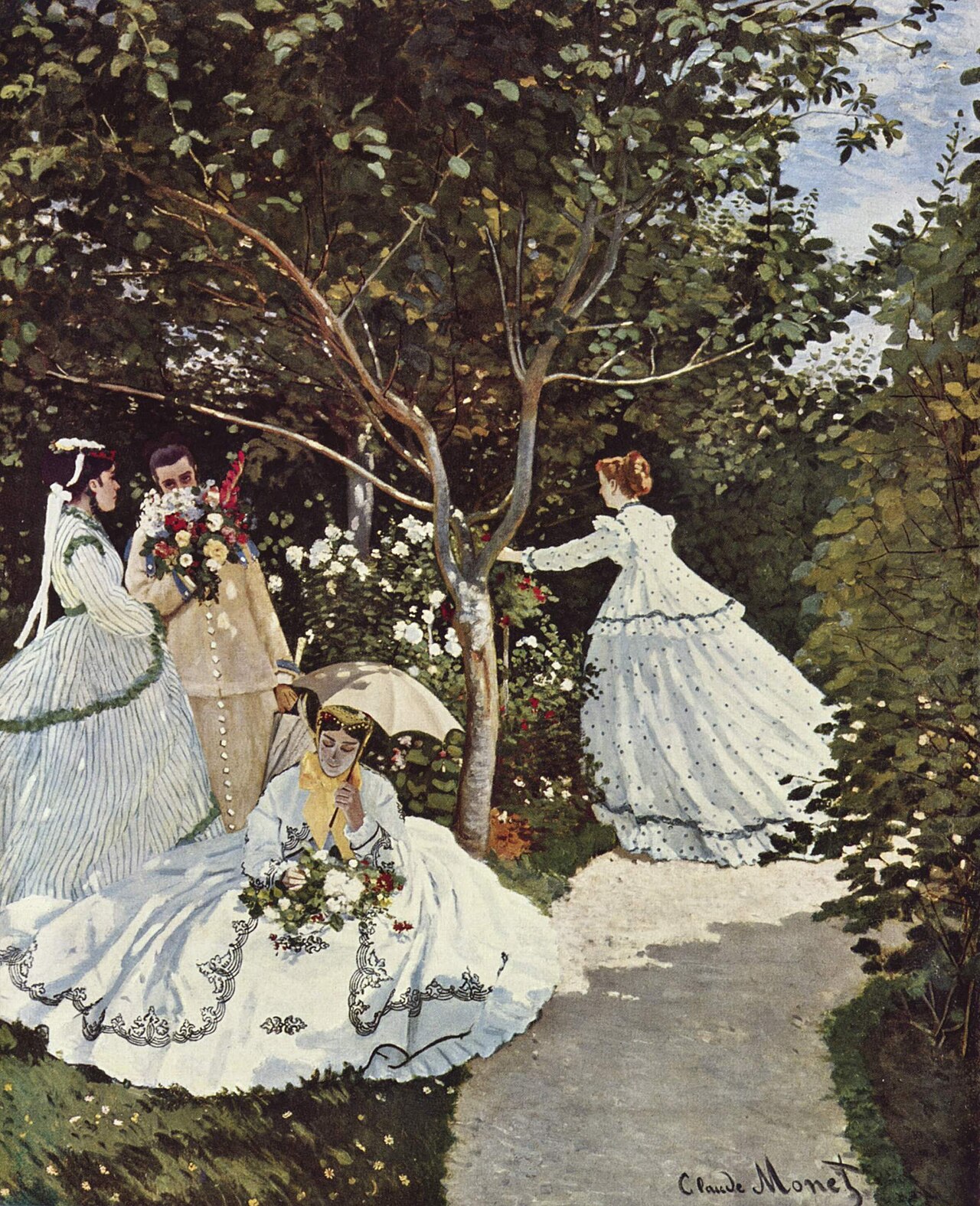
Monet reportedly dug a trench in the garden so he could lower a huge canvas down and keep painting the top half without moving it — his soon-to-be wife modeled for all four women, apparently.
Erisava: This green looks cool enough to walk into.
The Source by Alexandre Desgoffe, 1856
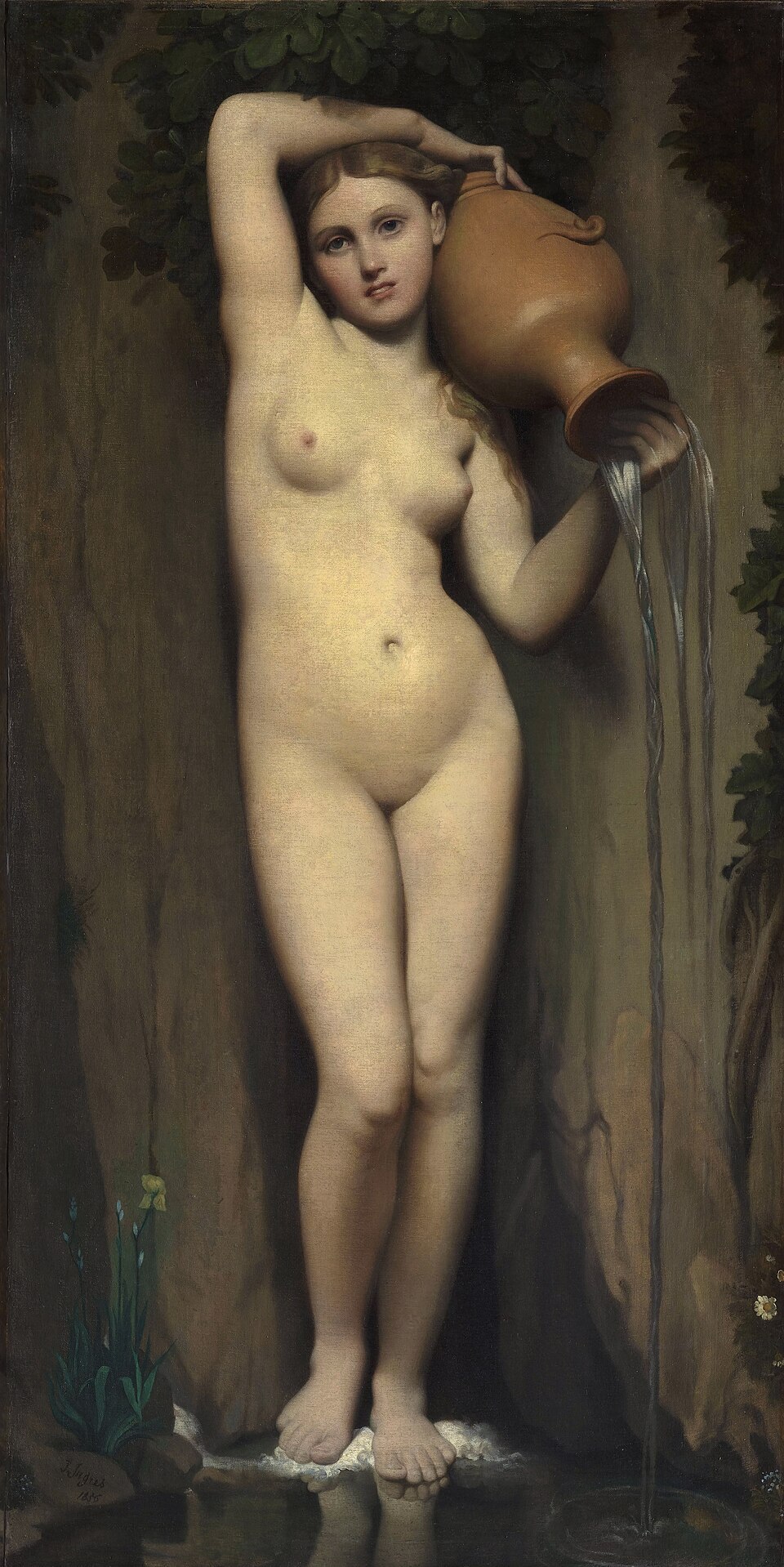
This one sat around unfinished for decades — started in Italy, finished in Paris when he was in his seventies and running the state art school, according to Wikipedia. Two of his students painted the background and the water jar for him, which sounds like cheating until you learn that's just how a big studio worked.
Erisava: She's lit like a lamp and everything behind her is mud. None of it looks real.
The Bellelli Family by Edgar Degas, 1858
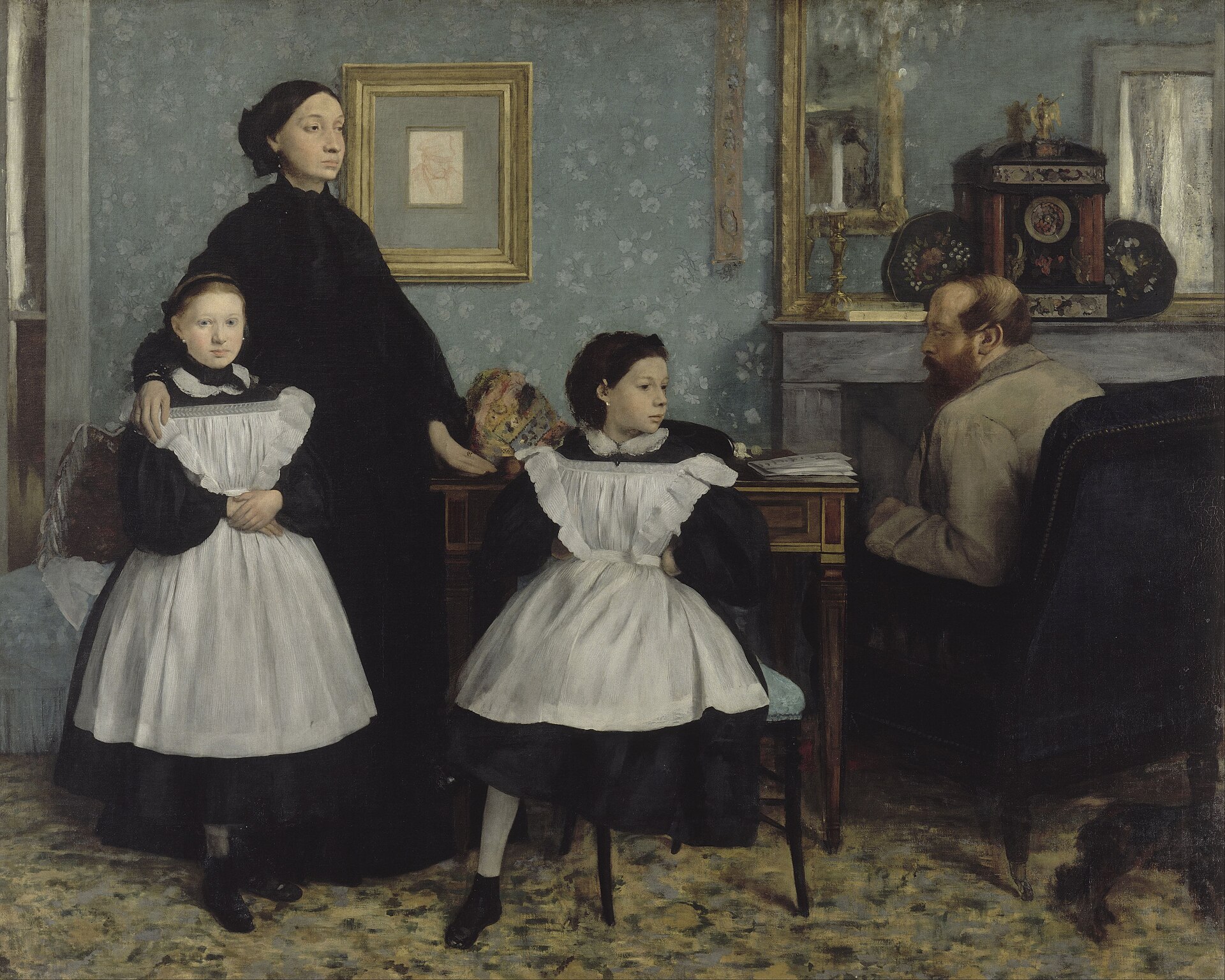
It's his aunt's family, painted during a long stay in Florence. The marriage was, by most accounts, a miserable one, and she's dressed in black because she was mourning her own father — that's supposedly him in the little red drawing on the wall behind her.
Erisava: The dad gets painted from behind in his own family portrait. What did he do?
London, the Houses of Parliament, Sunlight Opening in Fog by Claude Monet, 1904
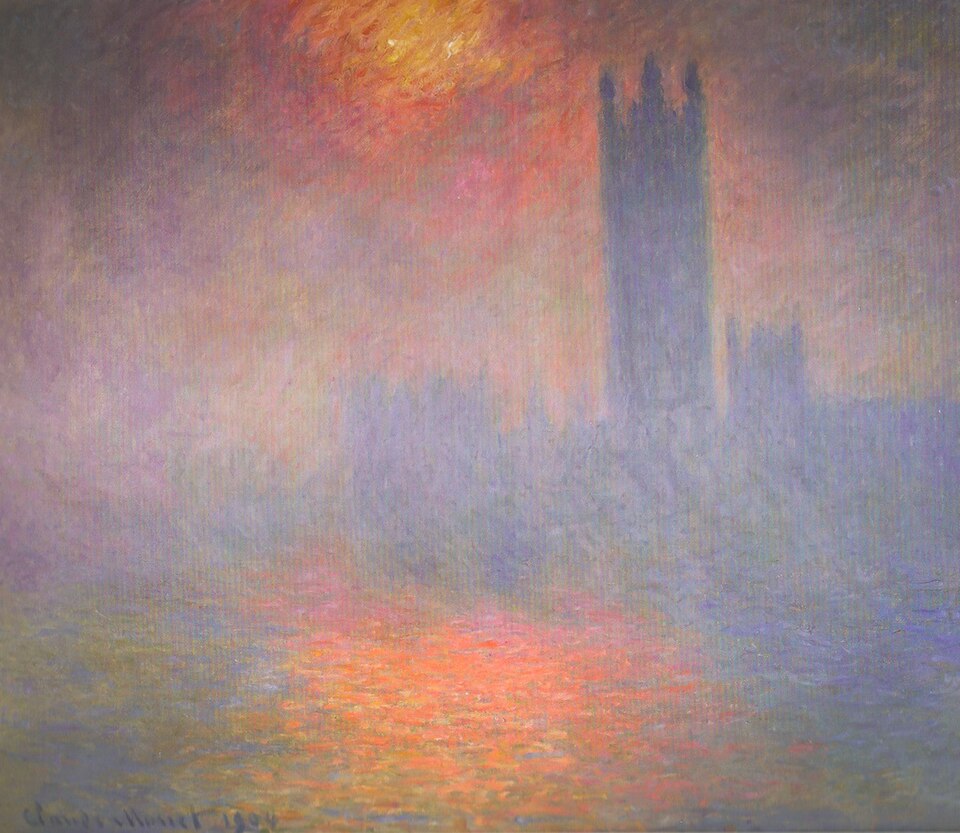
He worked on a whole stack of these canvases at once, swapping them as the light shifted, then finished them off back home in France rather than on the spot — which sounds like cheating until you consider how fast the weather moves. He's supposed to have said London wouldn't be worth painting without the fog.
Erisava: Does fog ever actually go that pink, or is that just paint?
The Birth of Venus by Alexandre Cabanel, 1863
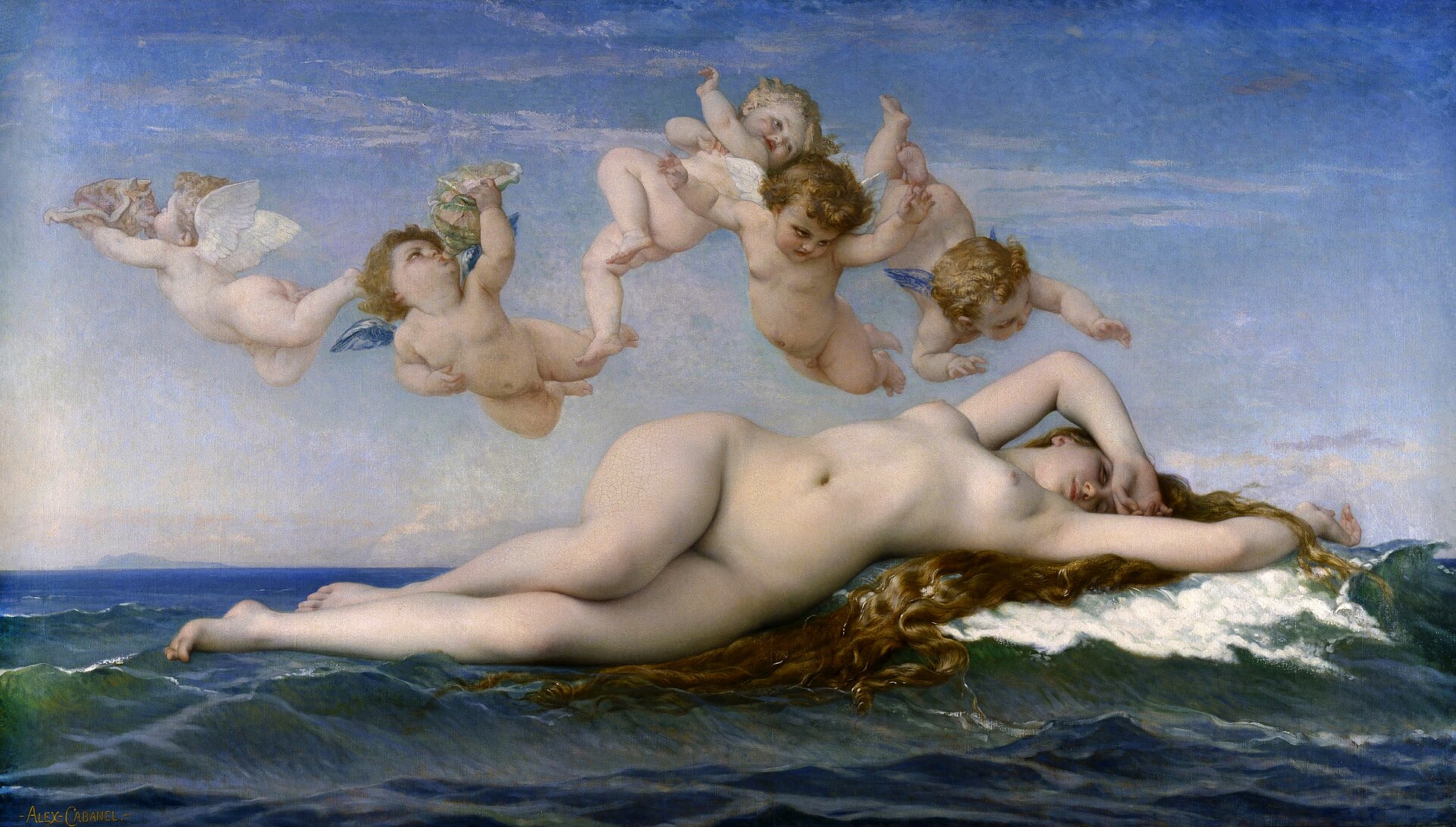
About as approved-of as painting got at the time — the emperor apparently bought it straight off the Salon wall. Two years later Manet showed a nude in a not-so-different pose and Paris was outraged, which suggests the rule was never really about bare skin, but about who was allowed to be bare.
Erisava: The water looks real and she looks like porcelain. Only one convinces me.
The Angelus by Jean-François Millet, 1858
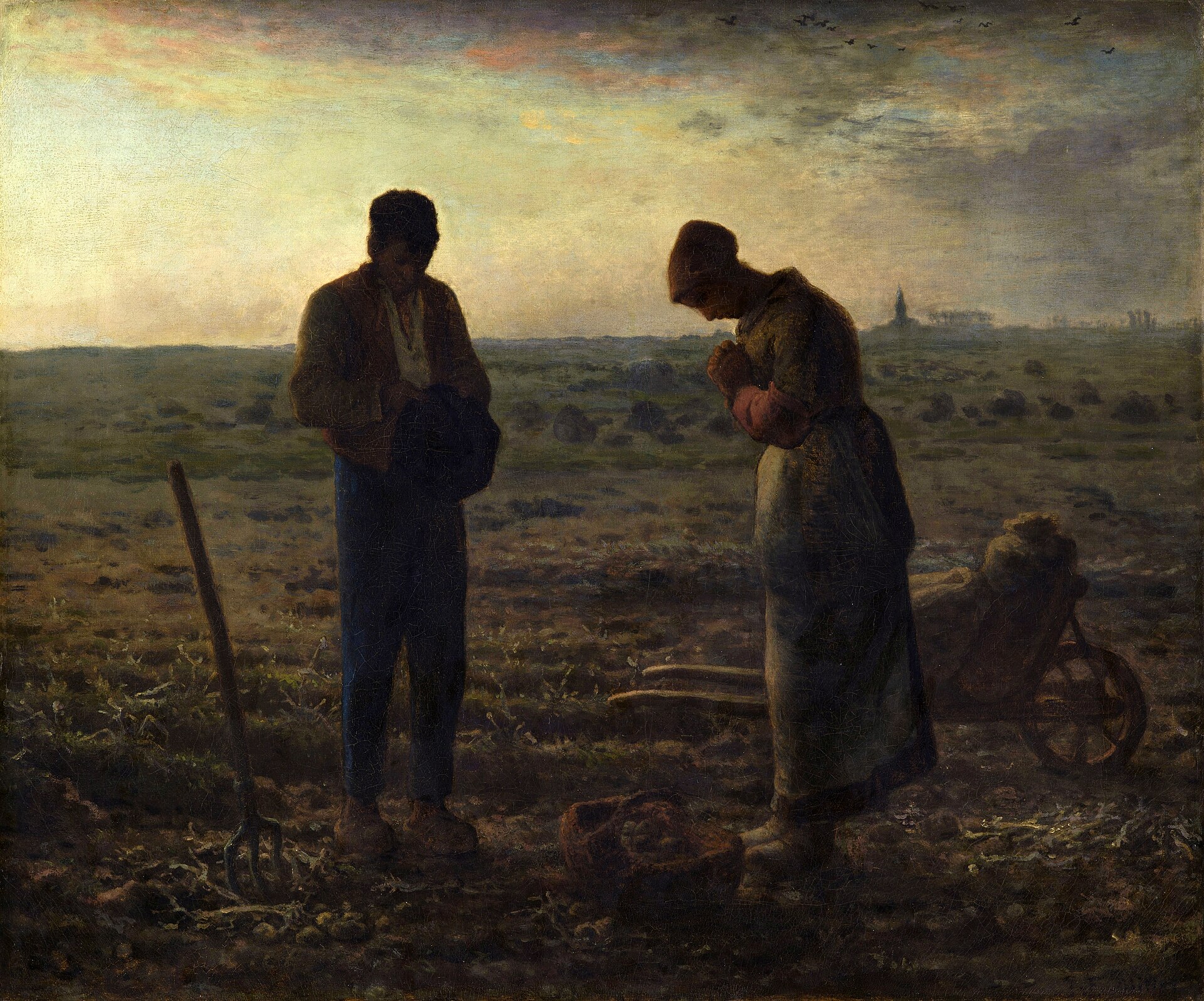
They've stopped for the evening prayer — the bell would be ringing from that little church on the horizon. Dalí was supposedly obsessed with this picture, insisting the couple were actually mourning a dead child, and an X-ray later turned up a painted-over shape near the basket. No one seems to agree what it was.
Erisava: I can smell the dirt and the grass.
Starry Night Over the Rhone by Vincent van Gogh, 1888
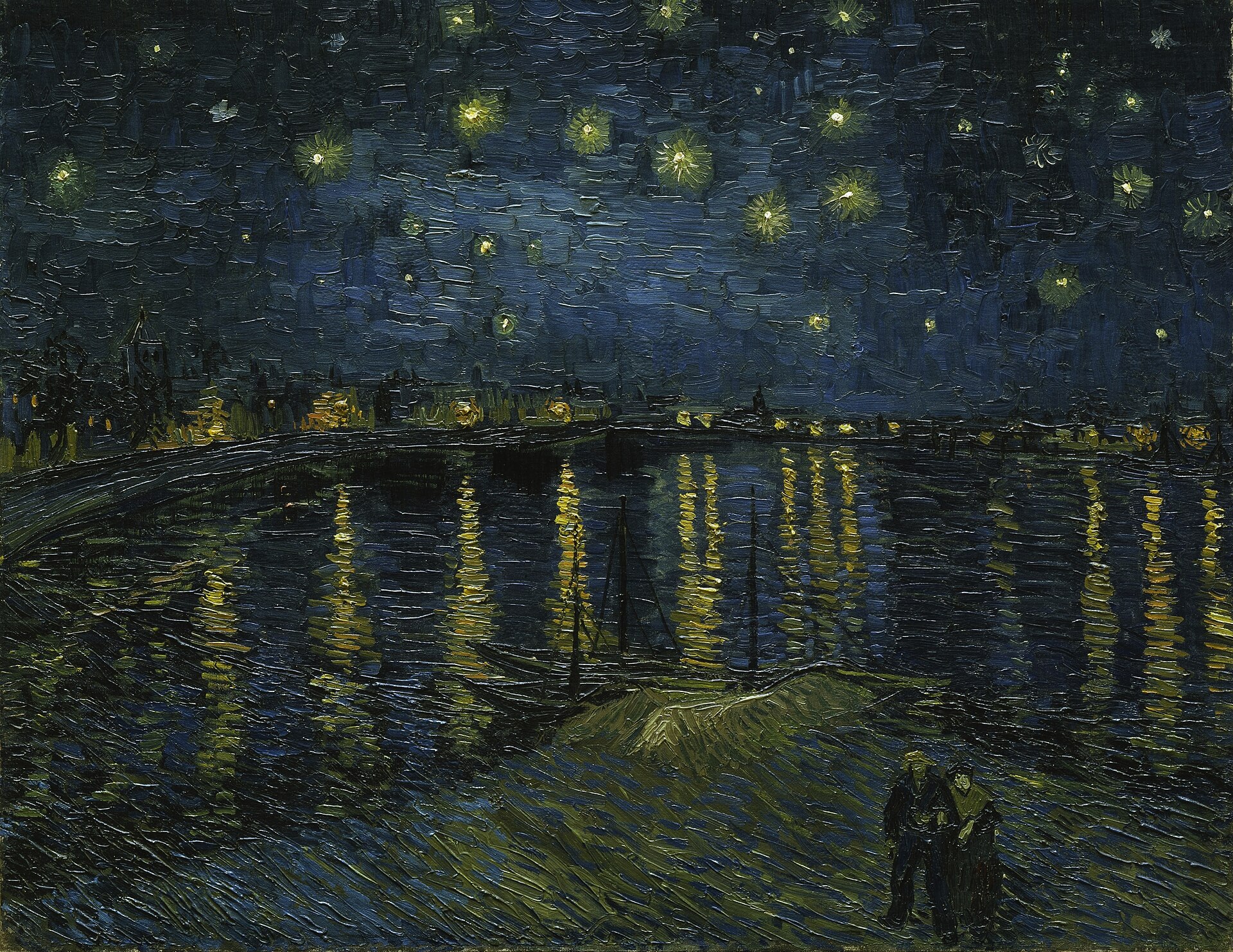
He was on a run of night pictures around this time, and wrote to his brother about wanting to do darkness in colour instead of black — that's the bit I keep seeing quoted, anyway. The spot was supposedly a two-minute walk from the house he was renting.
Erisava: Why does a night this dark still feel warm?
Luncheon on the Grass by Édouard Manet, 1863
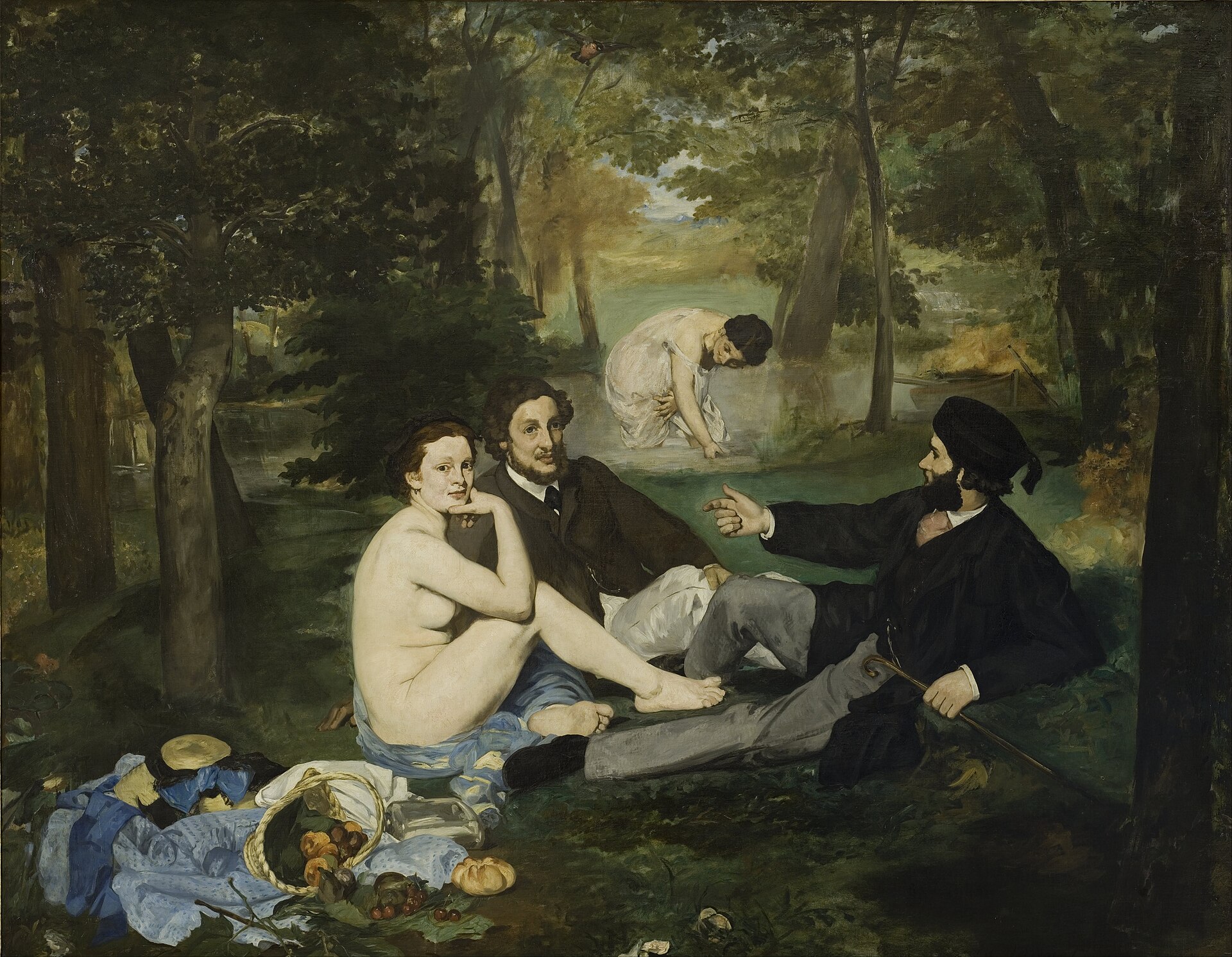
The official Salon rejected this, so it went into the side exhibition of rejects the emperor allowed that year, where crowds supposedly turned up mainly to laugh at it. It started out with a much duller title, something like 'The Bath', and the arrangement of the three of them is said to be lifted from a centuries-old engraving — which may have been part of the cheek.
Erisava: That skin is so bright she doesn't look like she's in the same woods. Deliberate?
Argenteuil by Claude Monet, 1872
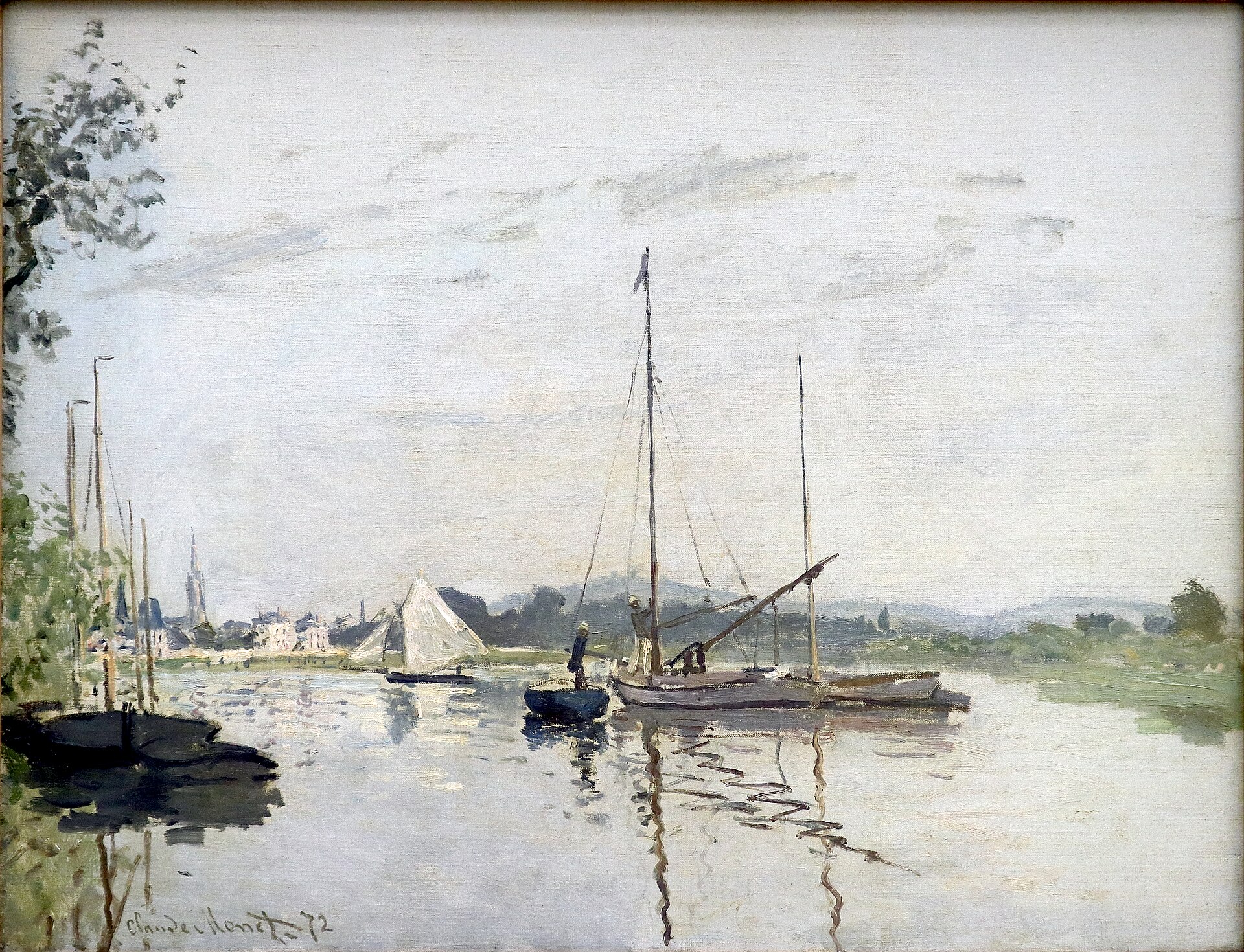
This stretch of the Seine just outside Paris was where he lived for years — a town people came out to from the city by train to mess about in boats. He painted that same water over and over, and had a boat rigged up as a floating studio to do it from, apparently.
Erisava: It's all soft grey, barely a colour in it. What keeps people standing in front of this?
Enigma by Gustave Doré, 1871
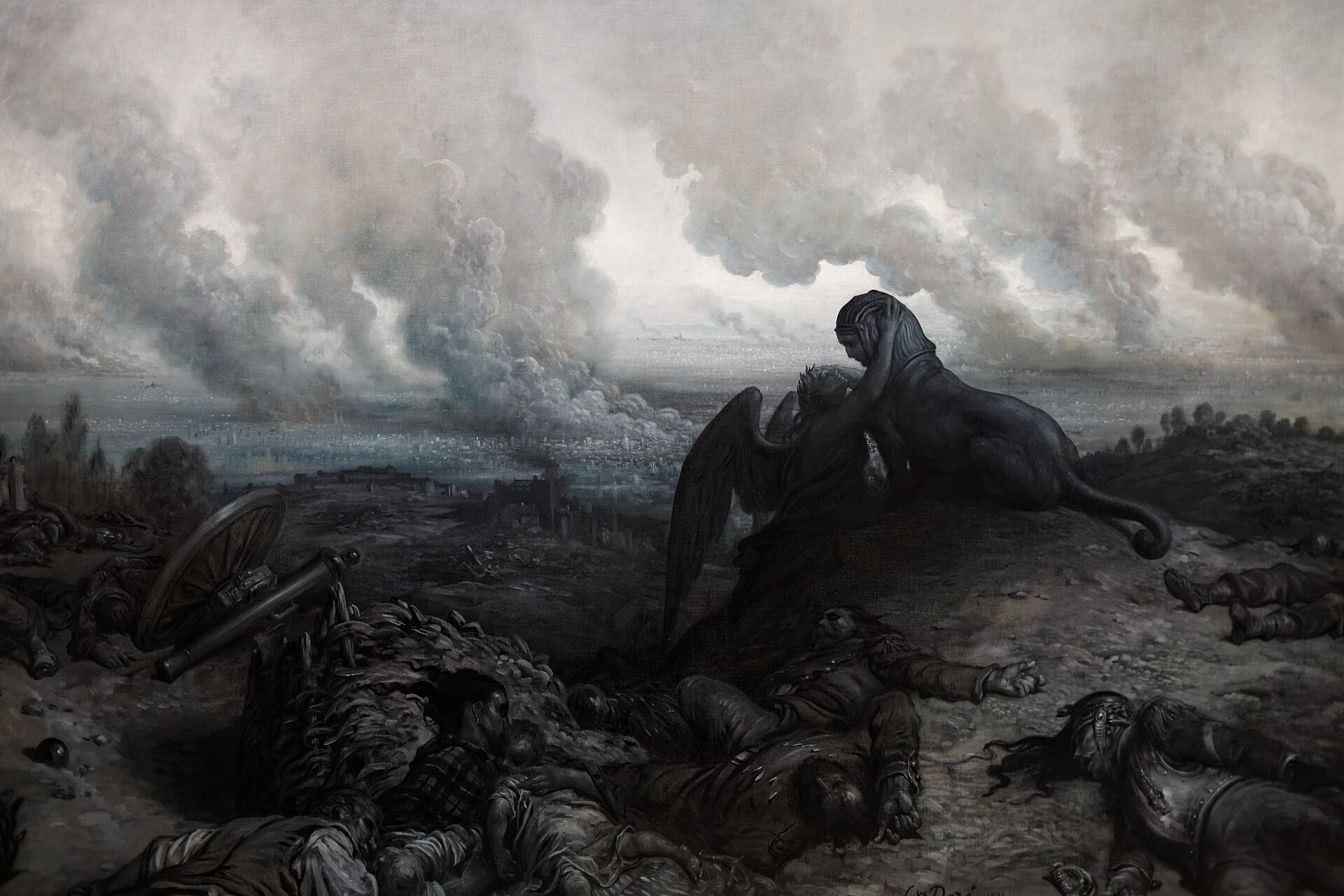
It was painted the year Paris fell to the Prussians, and from what I've read it's one of a small set he made about that war — the smoking city in the background is meant to be Paris itself. Why there's a sphinx in the middle of it, no one seems to agree; even the title just shrugs.
Erisava: The whole thing's the colour of smoke. I can't look away from those two in the middle.
The Gleaners by Jean-François Millet, 1857
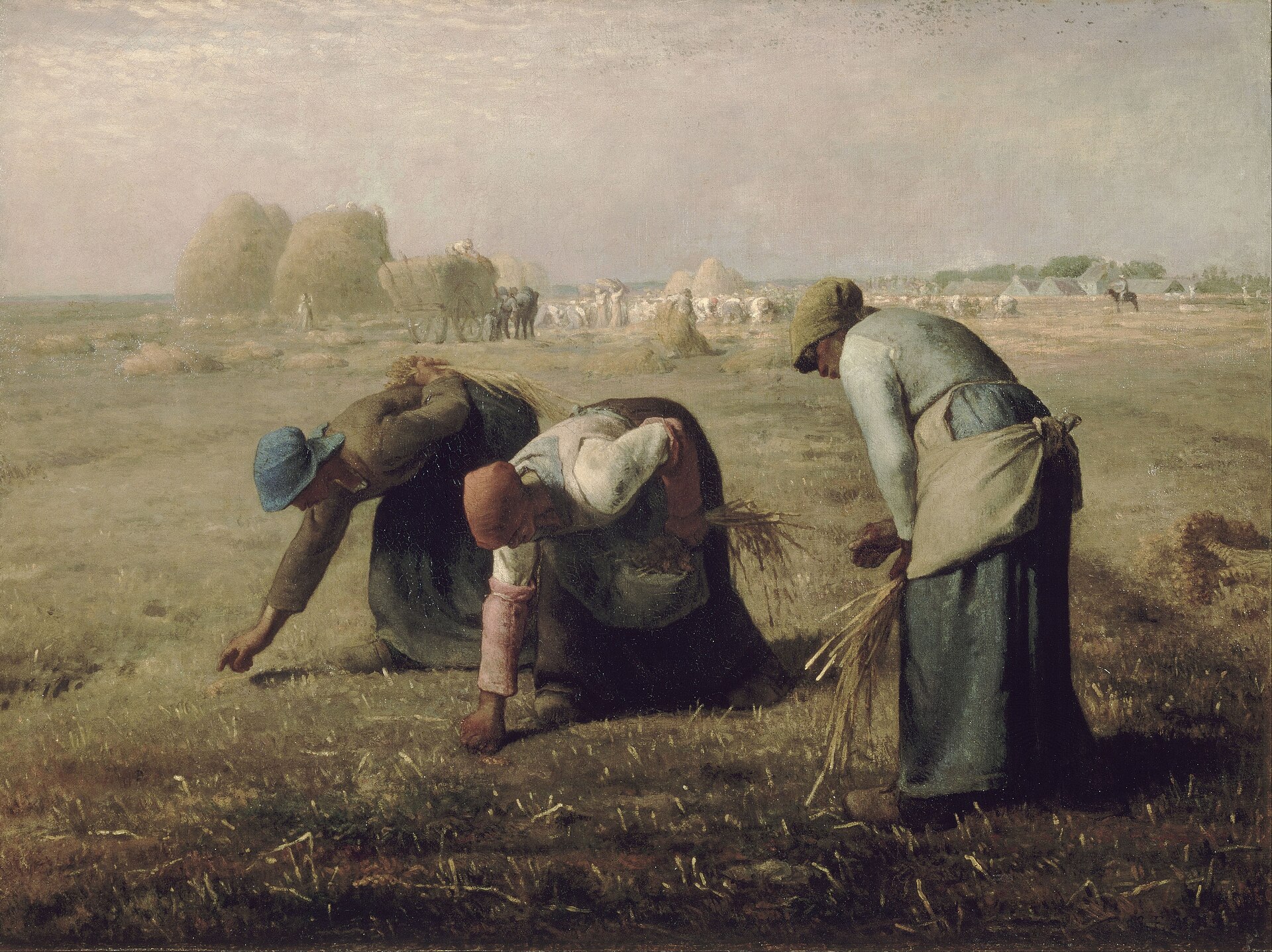
Gleaning was, apparently, a legal right for the poorest people in a village — once the harvest was carted off you could go over the field and keep whatever was left. Well-off critics at the time took badly to seeing that painted this big, and read three women picking up scraps as a political argument rather than a scene.
Erisava: Would work this hard really look this soft and golden?
The Cradle by Berthe Morisot, 1872
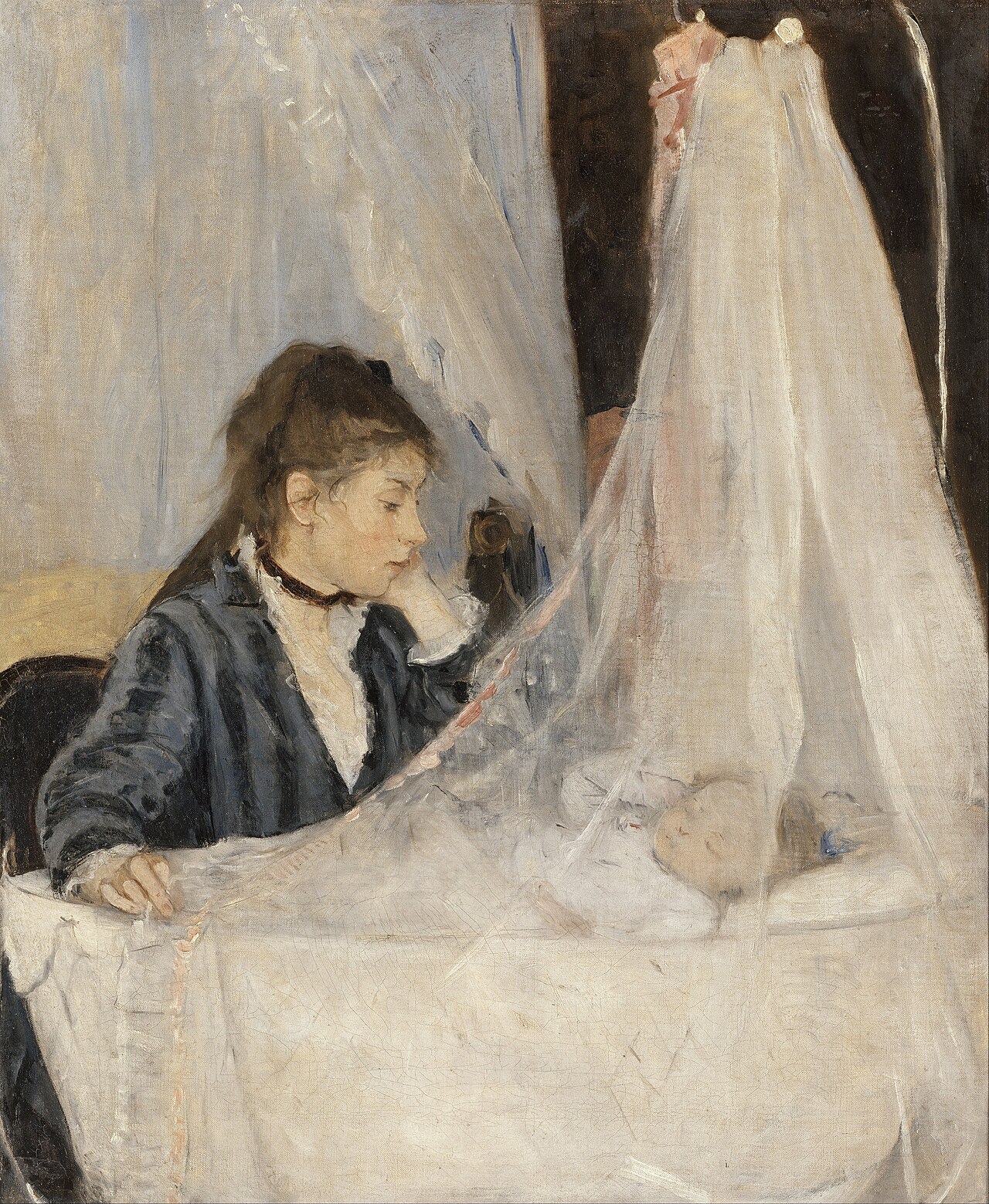
The woman here is apparently Morisot's own sister, watching her new baby — this was one of the pieces Morisot showed at the very first Impressionist exhibition in 1874, and from what I can find it barely sold at the time.
Erisava: That netting's painted so loosely it barely reads as fabric to me.
The Ballet Class by Edgar Degas, 1871
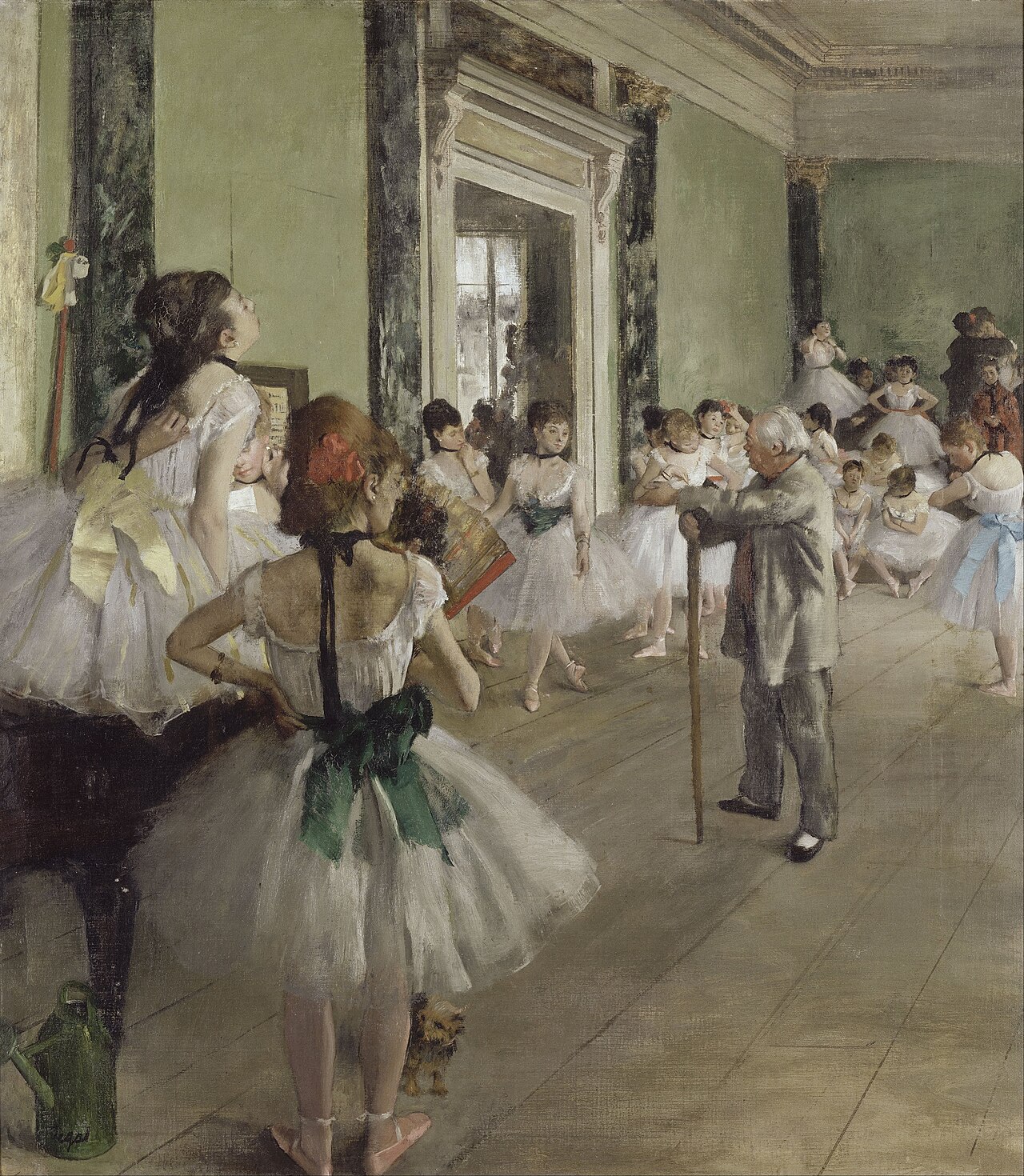
The man leaning on the cane is Jules Perrot, a real ballet master — apparently Degas painted him well after actually watching him teach a class like this one. The whole scene was reportedly commissioned by a composer, Jean-Baptiste Faure, not a museum.
Erisava: Does the pale green room feel more tired than lively to you?
A Burial at Ornans by Gustave Courbet, 1841
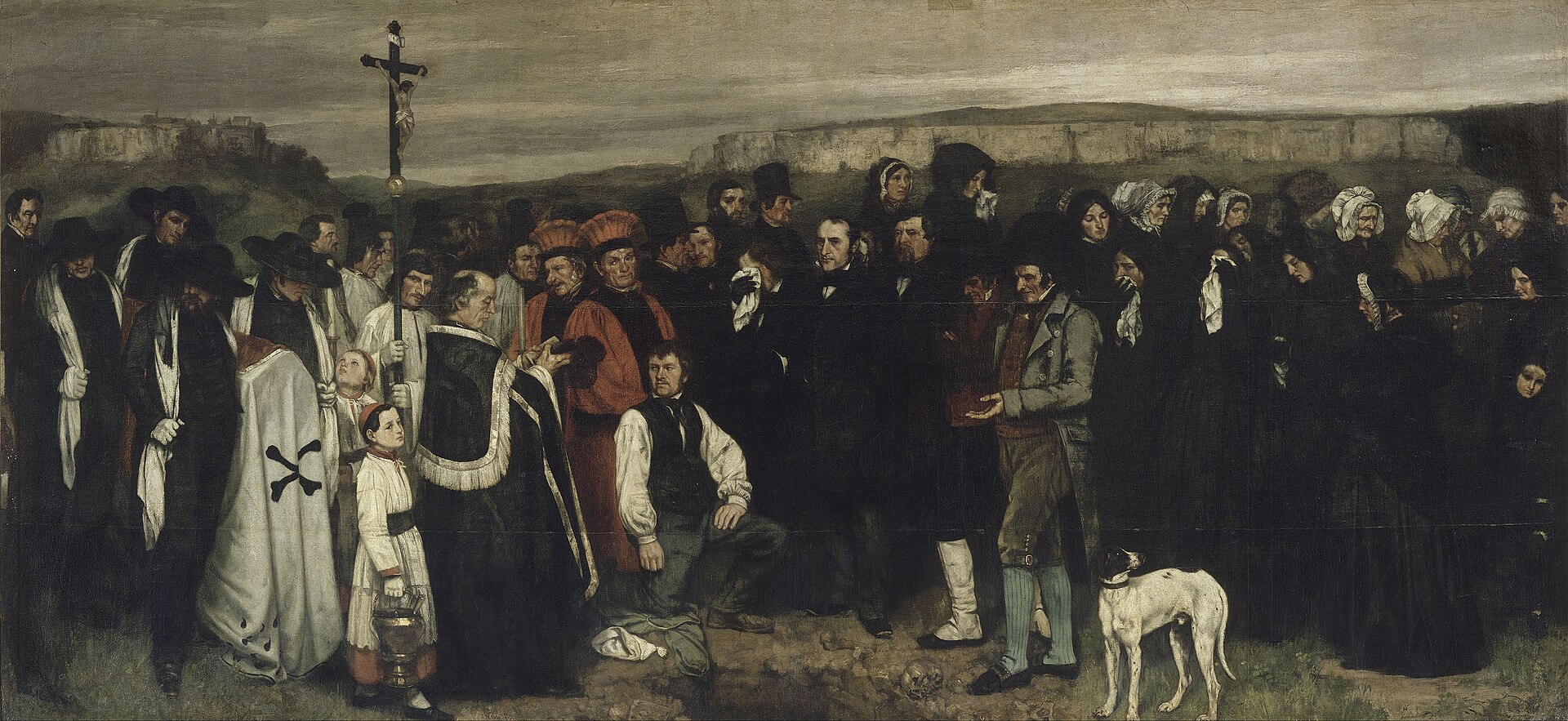
The row, from what I've read, was about the size. A canvas this wide was for battles and saints, and he used one on a burial in the small town he came from, with half the place turning out for it. When it went on show in Paris it caused an uproar and made his name in one go.
Erisava: It's all blacks and browns, even the sky. Nothing here is trying to look nice.