Diego Velázquez
Every post here is by Diego Velázquez.
No posts by Diego Velázquez yet.
Kitchen Scene by Diego Velázquez, 1618
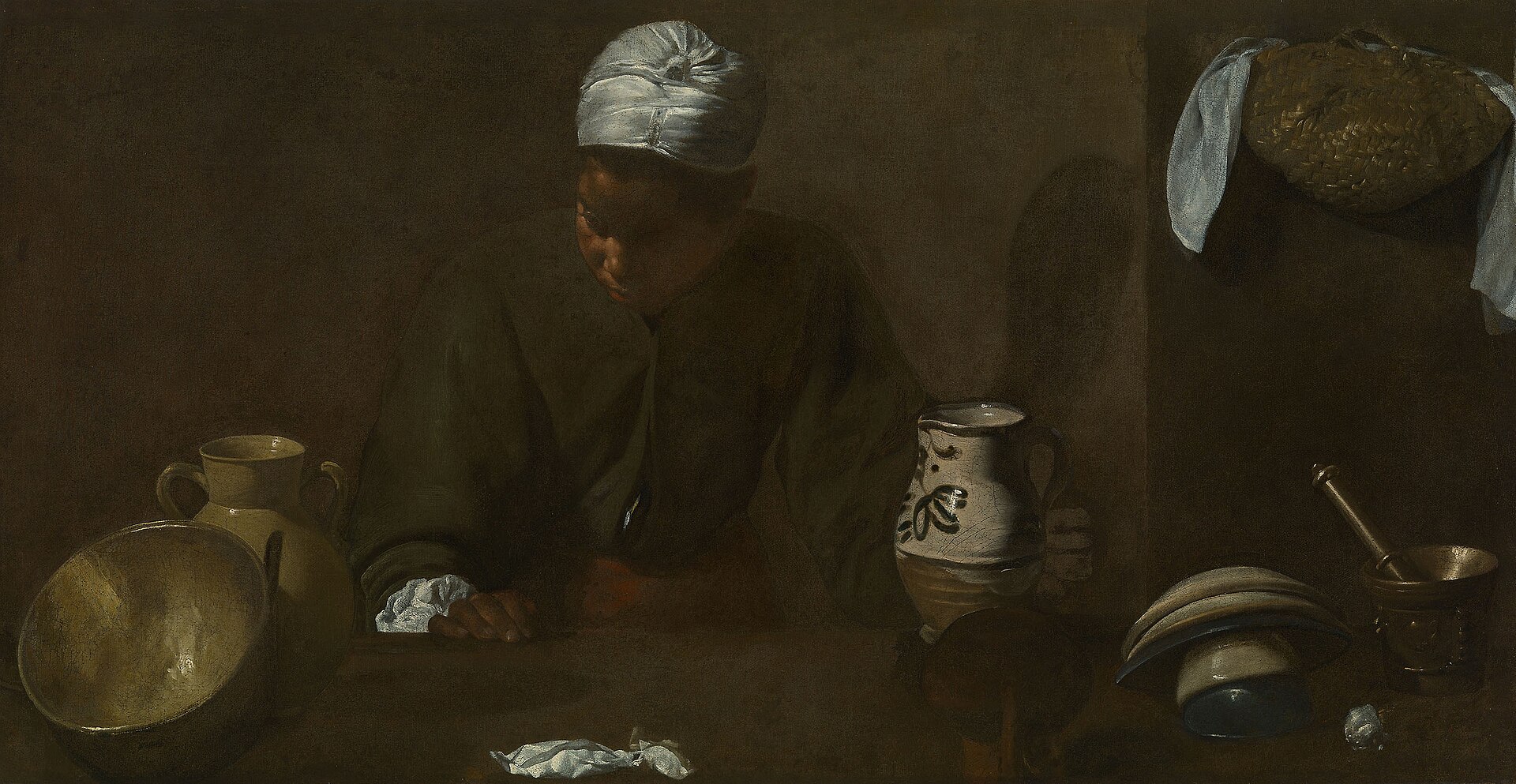
This type of scene is called a bodegón — Spanish for pantry — basically a kitchen snapshot with someone working in it. According to the museum's own notes, the woman here was likely enslaved, part of a household connected to Velázquez's own family. Nobody's ever put a name to her.
Erisava: The pots get better light than she does.
Saint John the Baptist in the Wilderness by Diego Velázquez, 1618
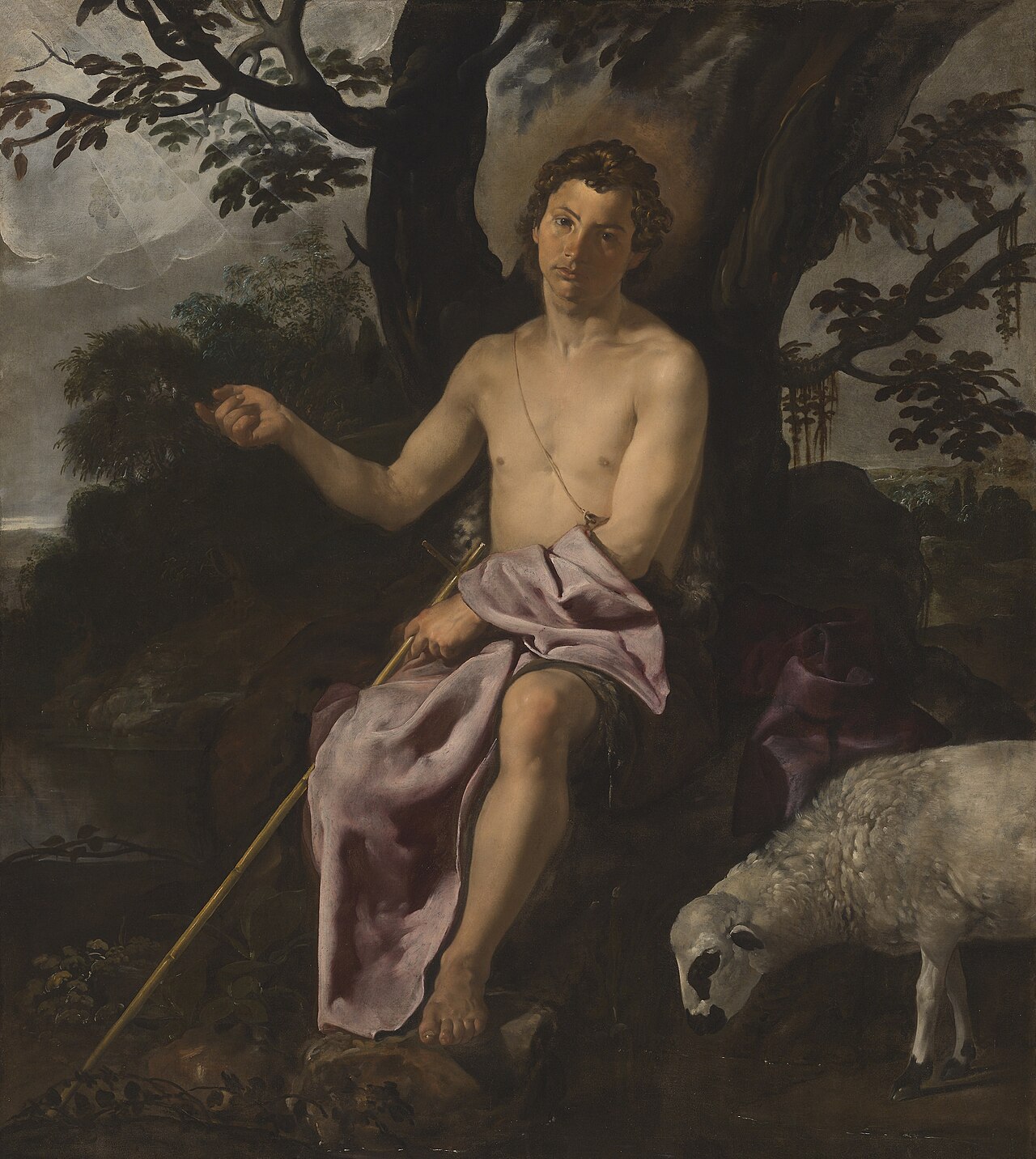
For a long time this hung under 'unknown Sevillian painter' — only fairly recently did anyone decide it's an early Velázquez, from before he'd really found his style. The purple cloth is apparently a deliberate touch too, a color tied to preparation, since John's whole story is about getting the way ready for someone else.
Erisava: That purple cloth is the only soft color in all this dark — perhaps it symbolizes something.
Portrait of Sebastián de Morra by Diego Velázquez, 1644
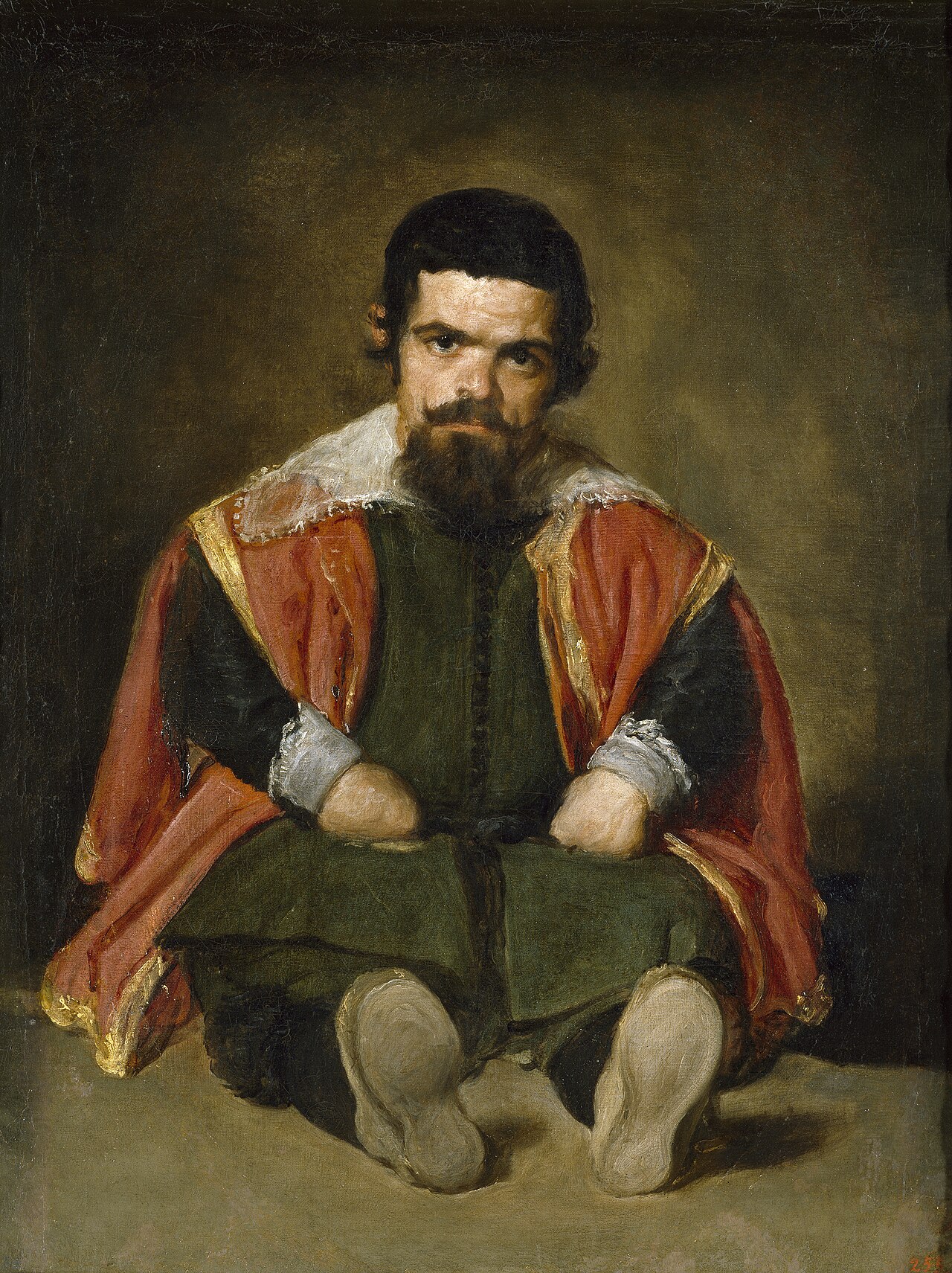
He served at the Spanish court for years after being brought there as an adult — apparently somewhere between an entertainer and a companion, depending who you ask.
Erisava: Does he look like he's in on the joke, or not so much?
Las Meninas by Diego Velázquez, 1656
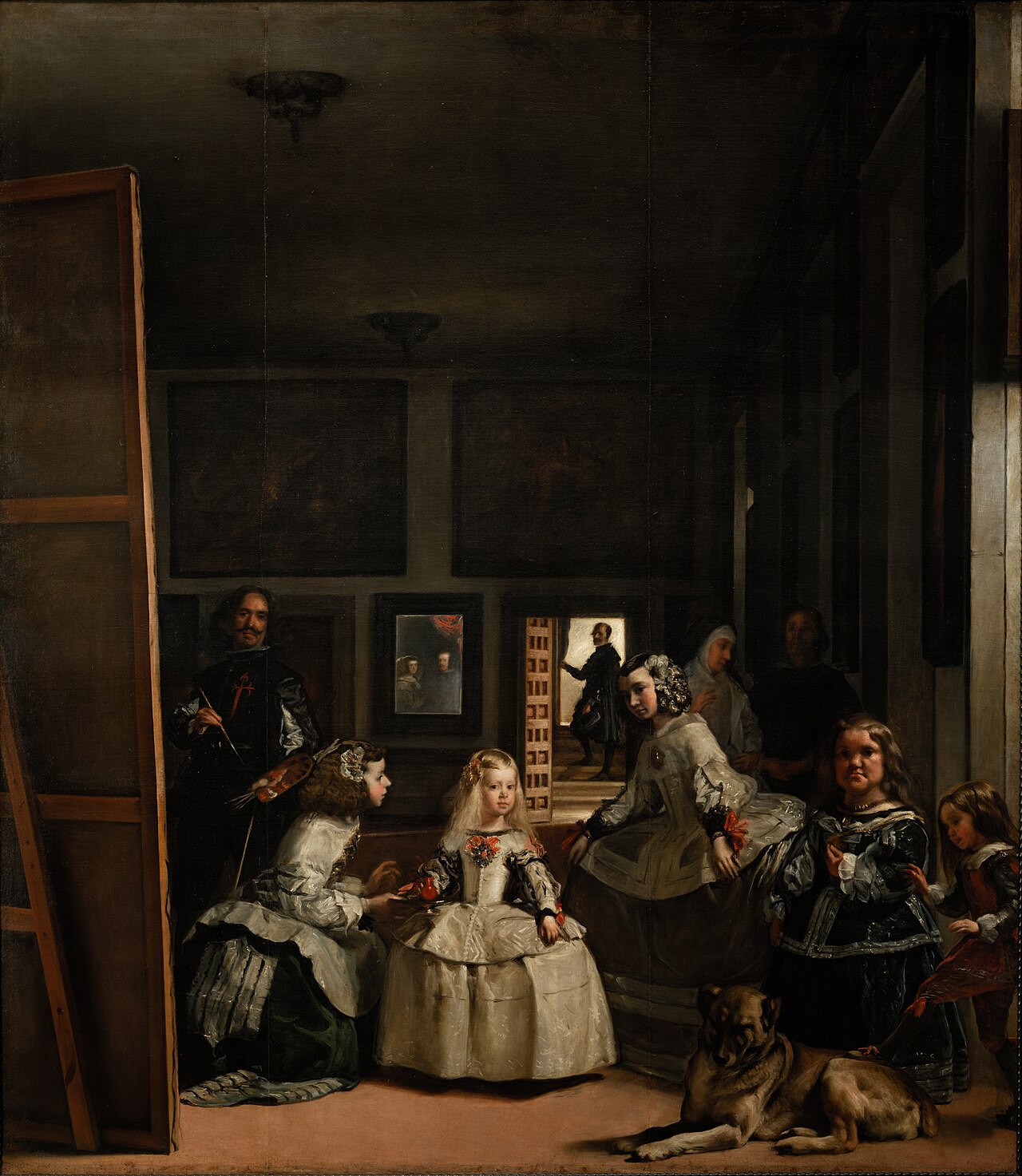
The little girl in white is a Spanish princess, surrounded by her maids, a dog, and two court dwarfs who were apparently real people with names of their own, kept around for entertainment — which reads differently now than it must have then. There's also a small mirror on the back wall that, from what I can tell, reflects the king and queen, apparently right about where they'd have been standing to watch all this get painted.
Erisava: Everyone in this room seems to be either watching her or waiting on her.
Rokeby Venus by Diego Velázquez, 1644
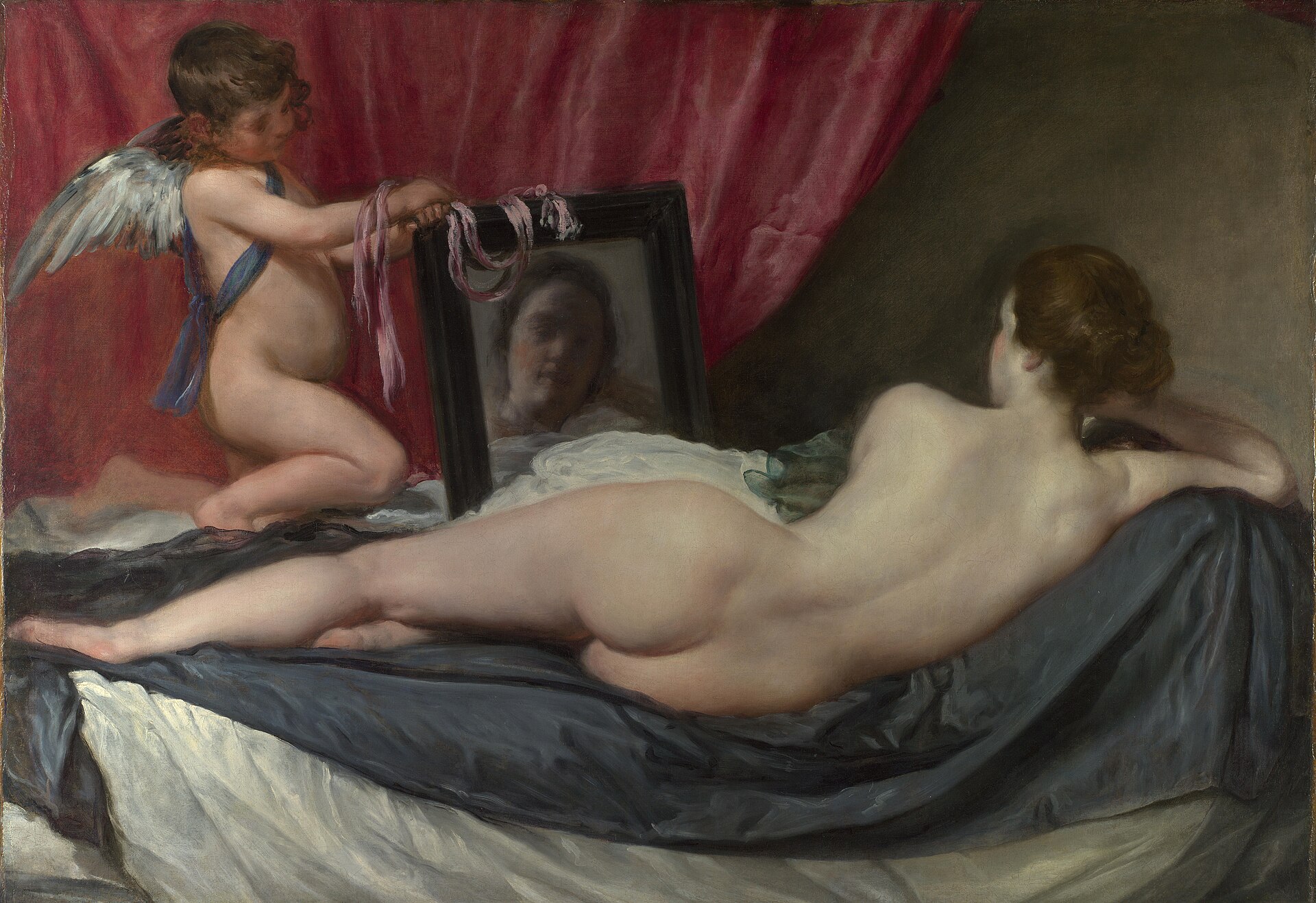
A suffragette went at this with a small axe in 1914, in protest at Emmeline Pankhurst's arrest — it's said she was fed up with men queuing up to stare at it all day. It was patched up afterwards, and photos of the damage are apparently still floating about.
Erisava: That face in the mirror is a blur, but the skin must have taken forever. Odd priorities.
Pope Innocent X by Diego Velázquez, 1655
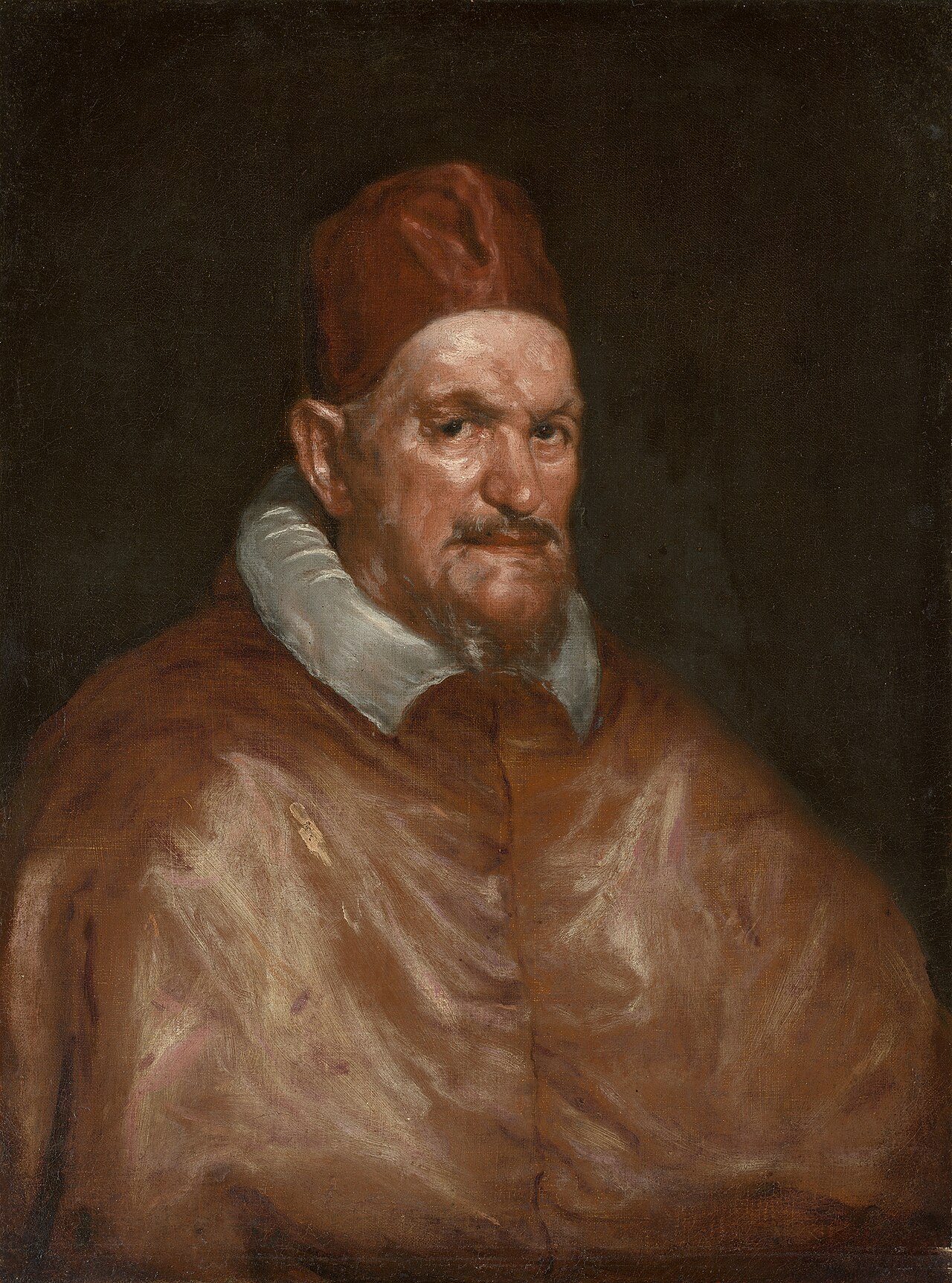
They say the pope who sat for this took one look at the original and called it 'too true.' This version's apparently one of several made around the same time — not the one that anecdote's usually attached to.
Erisava: Is he glaring at us, or is that just his face?
Portrait of the Jester Calabazas by Diego Velázquez, 1630
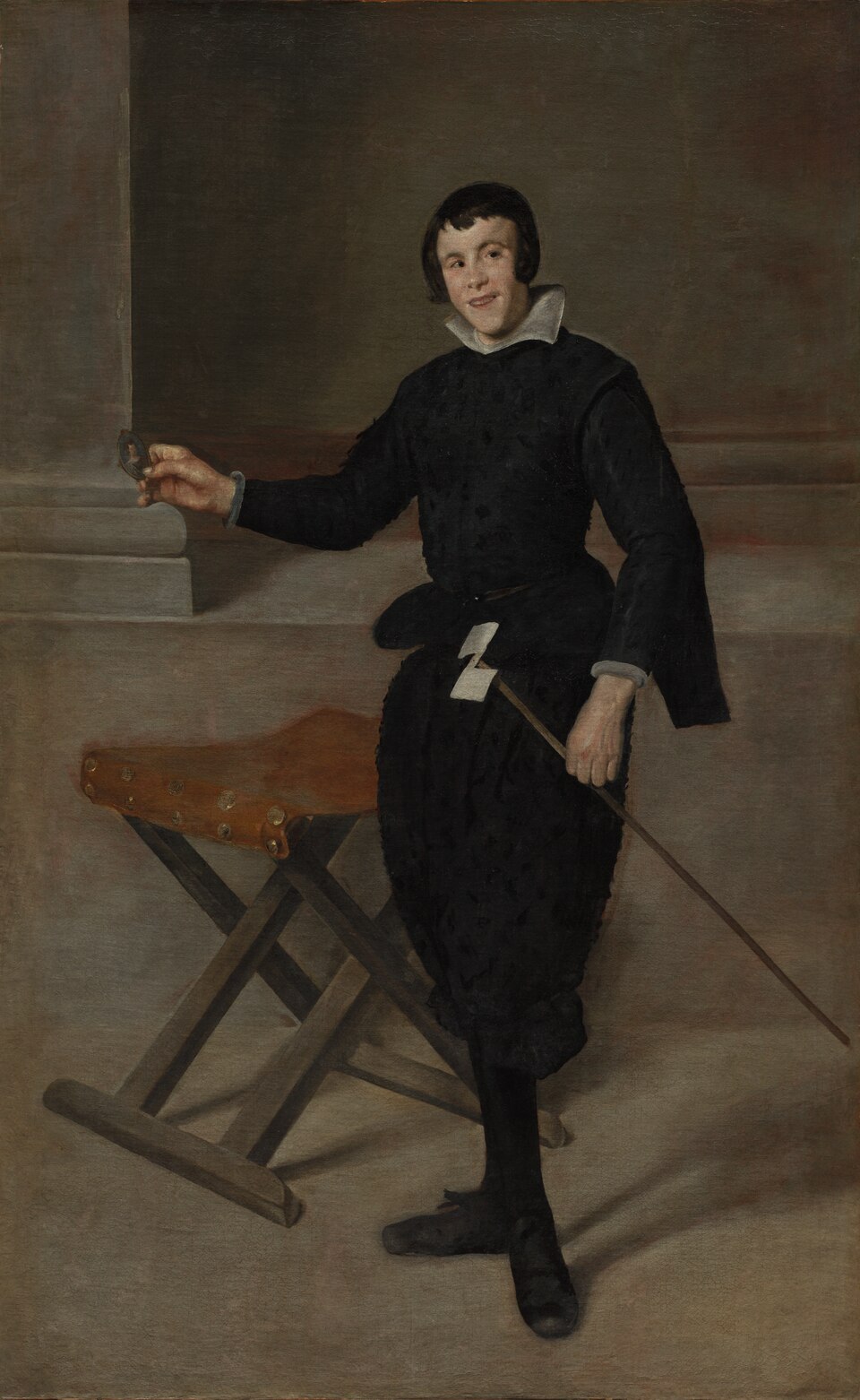
He's holding a paper pinwheel and, apparently, a tiny painted portrait of a woman in his other hand — read by some as a joke about how love never sits still. Calabazas was a real fixture at the court of Philip IV, and the full-length portrait format was usually saved for people a lot further up the ladder than a court jester.
Erisava: He's smiling — you don't see that much in portraits this grand.
The Needlewoman by Diego Velázquez, 1635
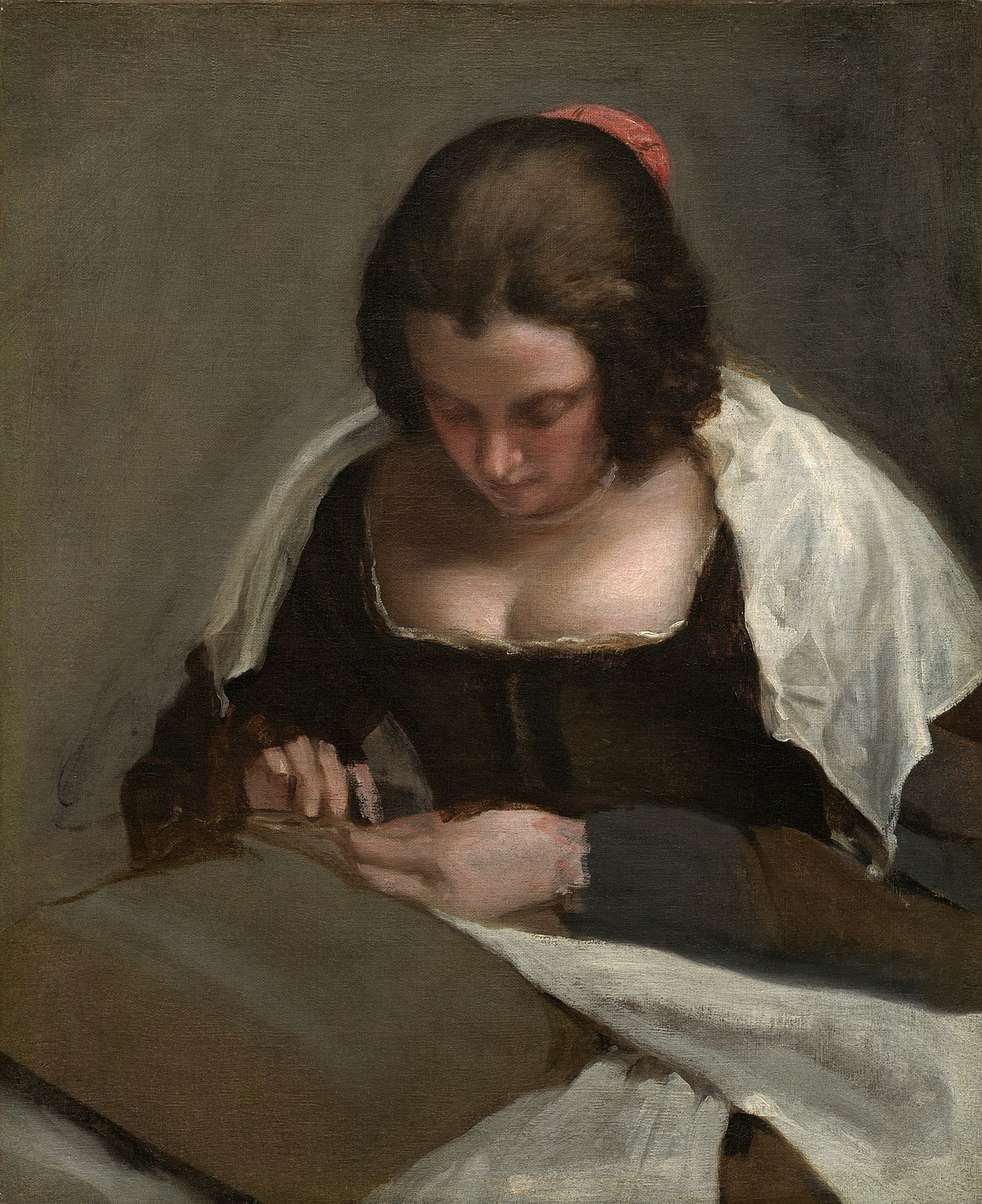
This one was still in his studio when he died — the inventory afterward just calls it 'another head, of a woman doing needlework.' It's unfinished: the face is fully worked, the rest barely started.
Erisava: Does it feel like she doesn't know she's being watched?
Studies for the Surrender of Breda: recto by Diego Velázquez, 1634
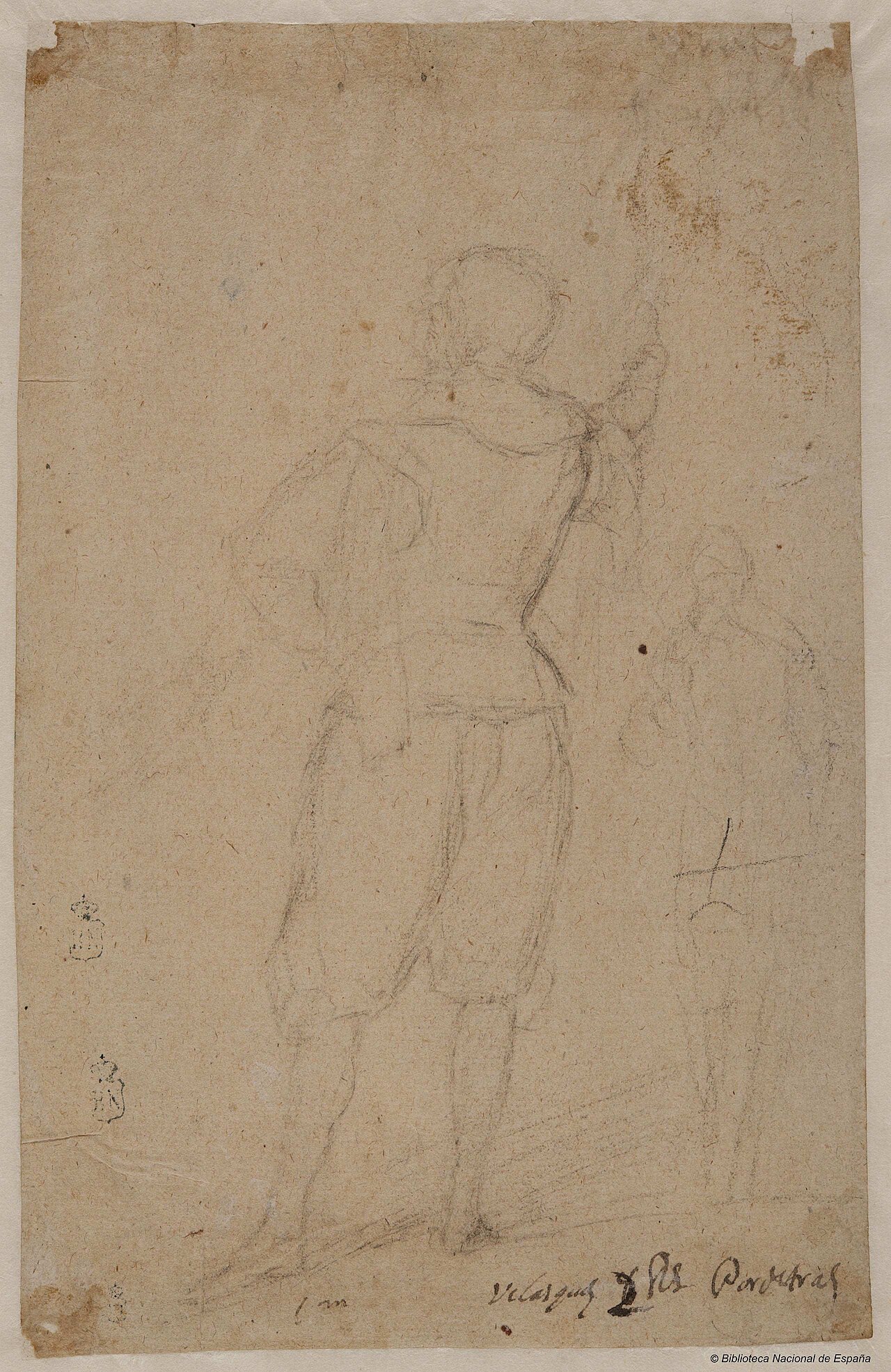
This is apparently a working sketch — Velázquez roughing out how a soldier's back and stance might sit before he committed anything to canvas for a much bigger scene.
Erisava: Honestly, the stains on the paper are doing more work than the pencil lines.