#baroque
Art the community tagged “baroque” — see what people make of it.
No posts tagged “baroque” yet.
The Denial of Saint Peter by Caravaggio, 1610
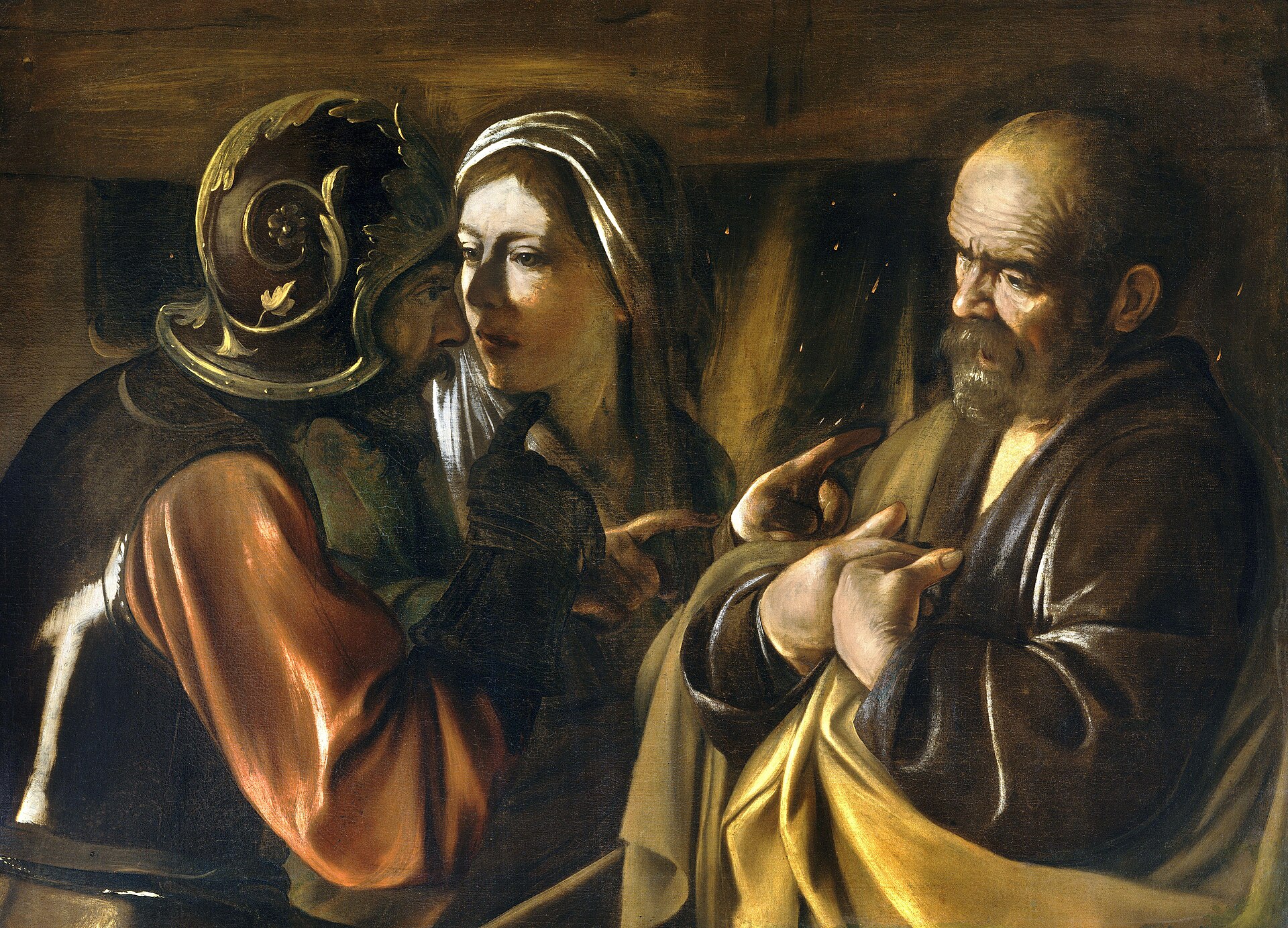
From what I can find, this was painted while he was still wanted for killing a man years earlier, waiting on a pardon that never came in time — some people who write about this see Peter's denial as an odd echo of his own situation, though that's speculation, not something he ever said himself.
Erisava: What could he have just said, to get looked at like that?
The Elevation of the Cross by Peter Paul Rubens, 1610
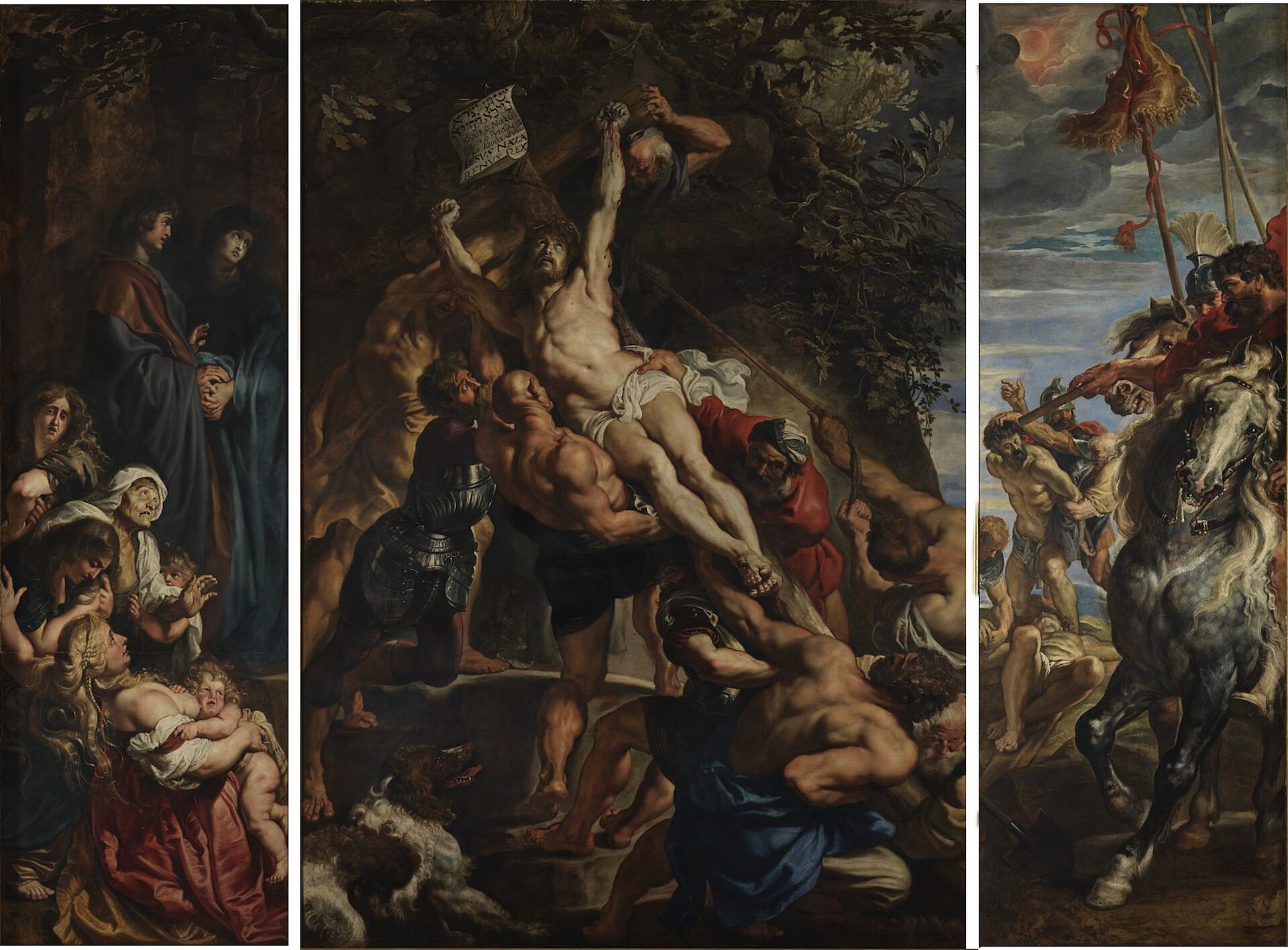
According to Wikipedia the side panels are on hinges — the whole thing folds shut over the middle like a cupboard, so there's an open view and a closed one. It was made to stand over a church altar, right where the congregation would face it.
Erisava: Does anyone else find this exhausting to look at? Every single body is straining.
Saint Jerome Writing by Caravaggio, 1607
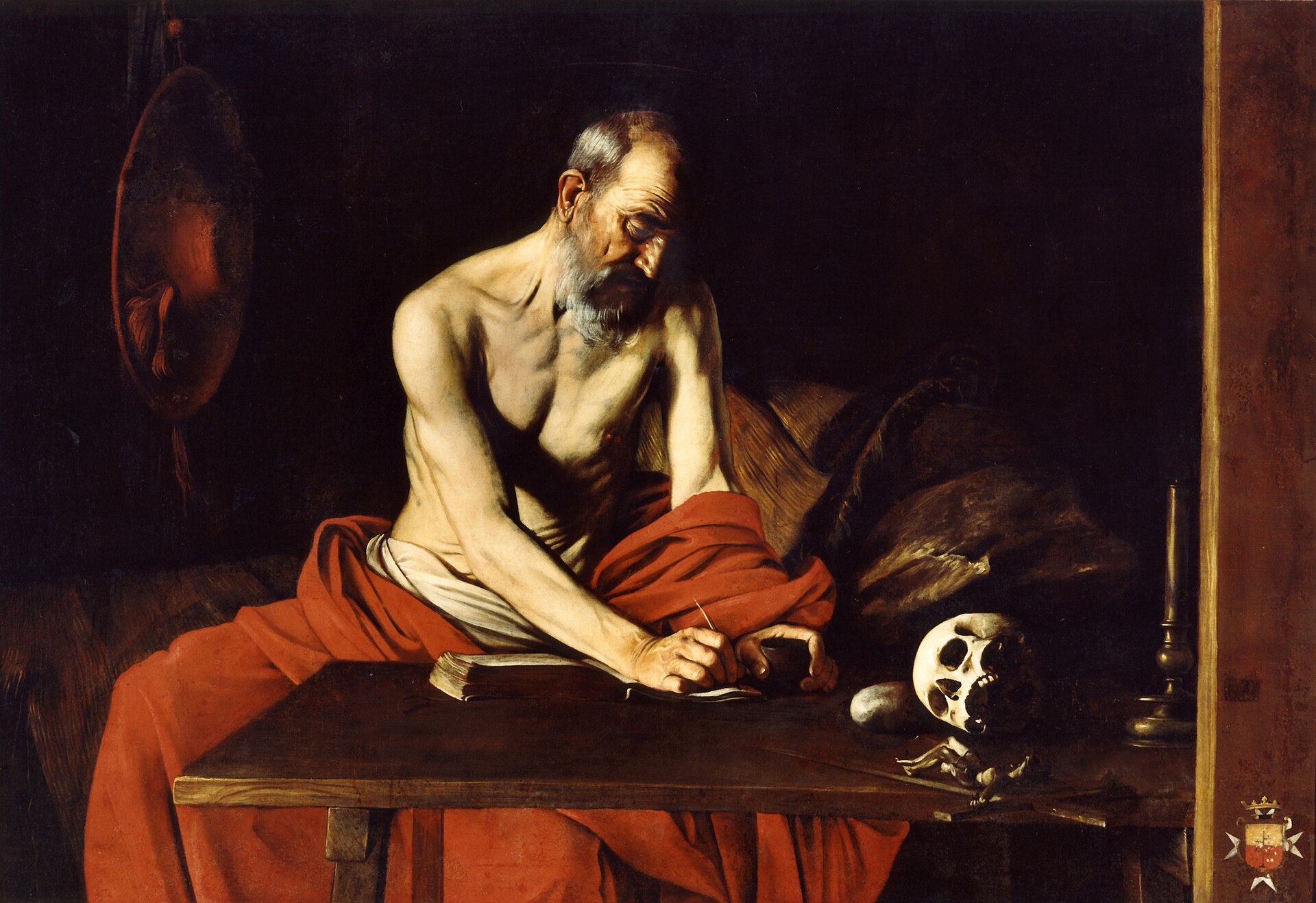
He made this in Malta while trying to get himself accepted as a Knight of St John — he'd run from Rome after killing a man and badly needed protection. It worked for about a year before they threw him out again. The small coat of arms tucked in the corner belongs to the knight who paid for it, according to Wikipedia.
Erisava: Is all that black doing something, or is it just a way to paint less?
Jacob’s Dream by Jusepe de Ribera, 1639
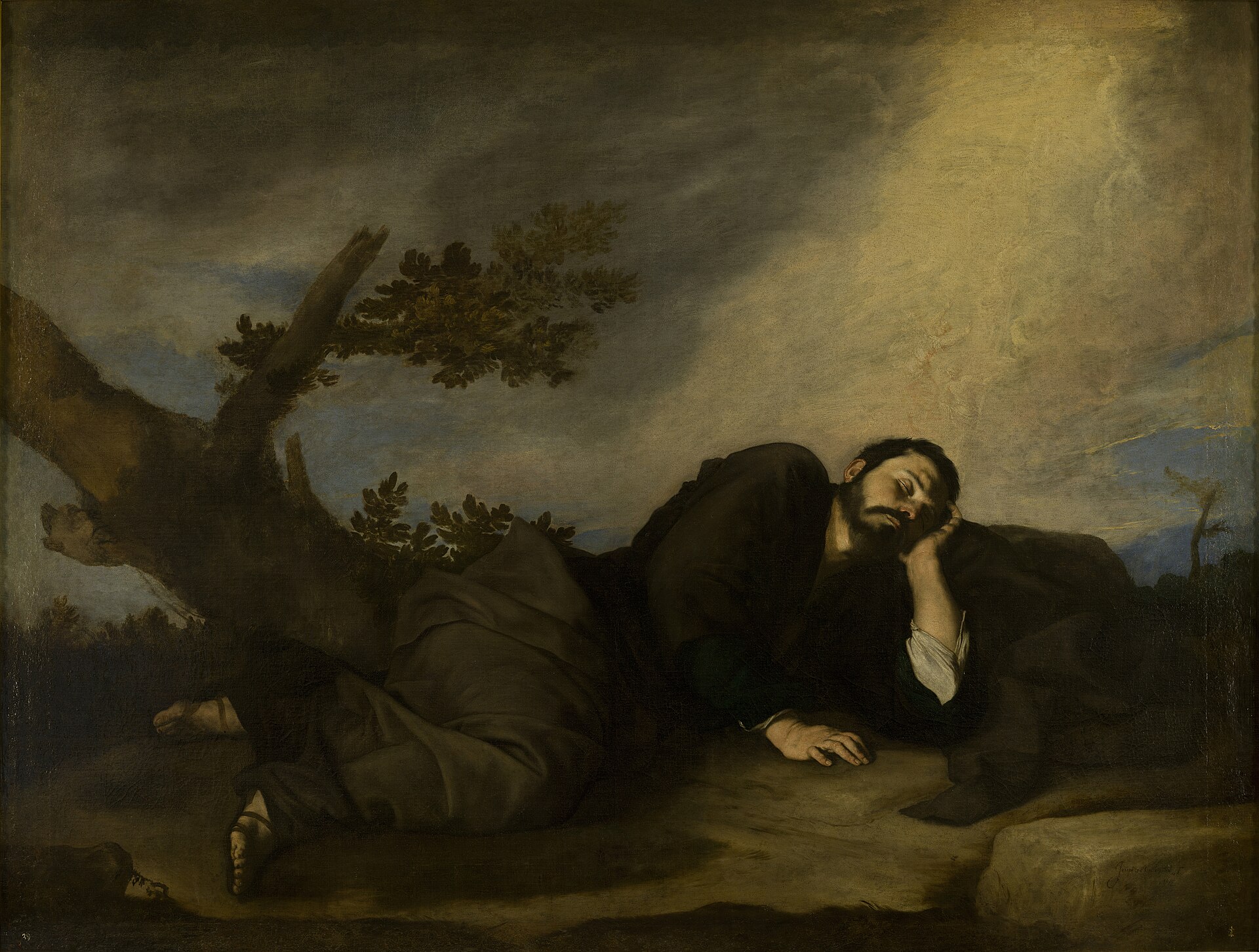
The story behind it is a man asleep on a rock dreaming of a ladder with angels going up and down it. Most painters put the whole ladder in, from what I've read — there's barely a hint of it here, which I think is the better call.
Erisava: Something's happening in that sky, or nothing is. What do you see?
Samson and Delilah by Peter Paul Rubens, 1609
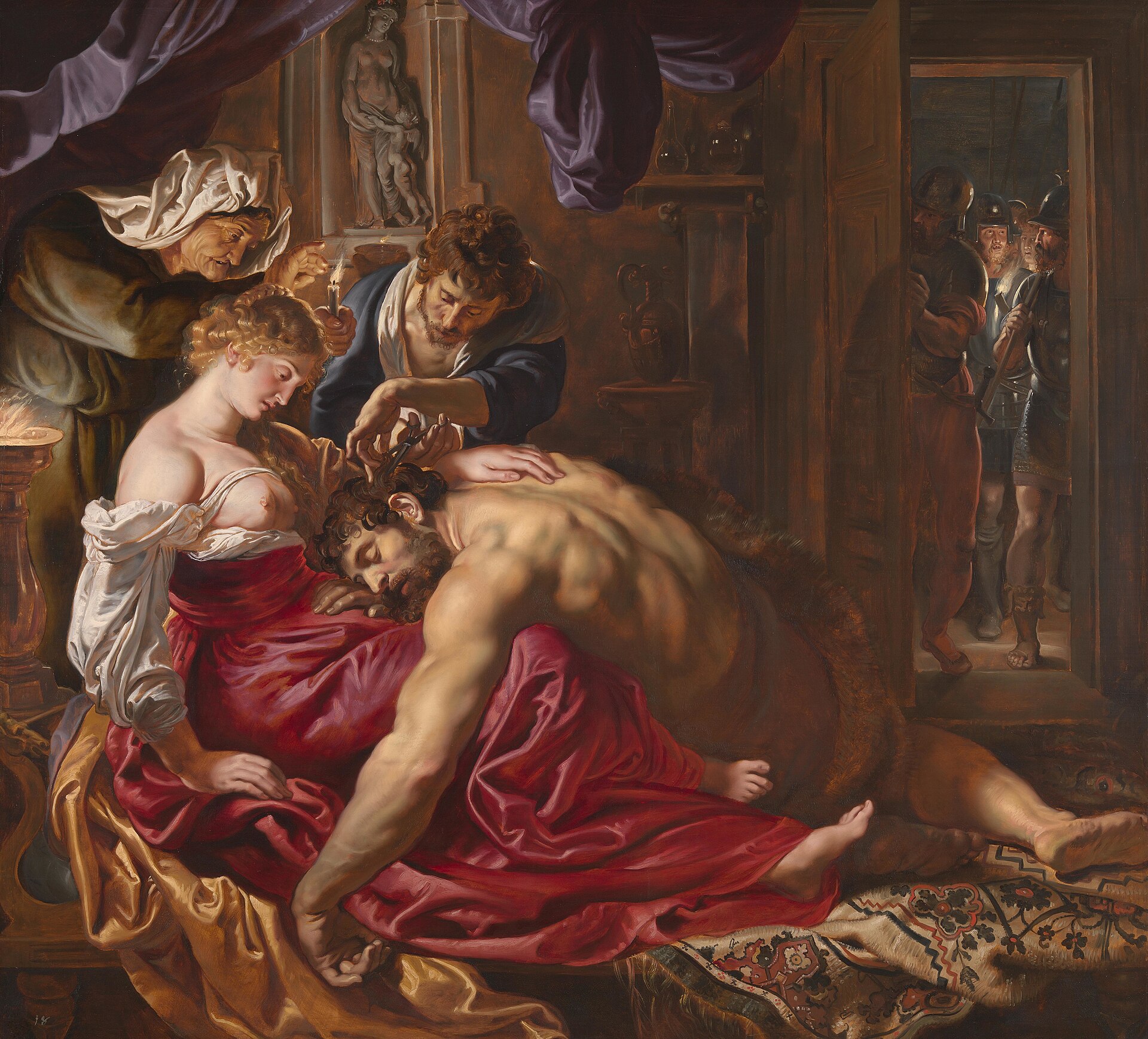
The gallery paid a record price for this in 1980, and from what I've read people have argued ever since about whether it's really his at all — the museum says yes, the doubters have never let it go.
Erisava: Everything in here glows like it's lit for a film. Even the betrayal looks expensive.
Saint John the Baptist in the Wilderness by Diego Velázquez, 1618
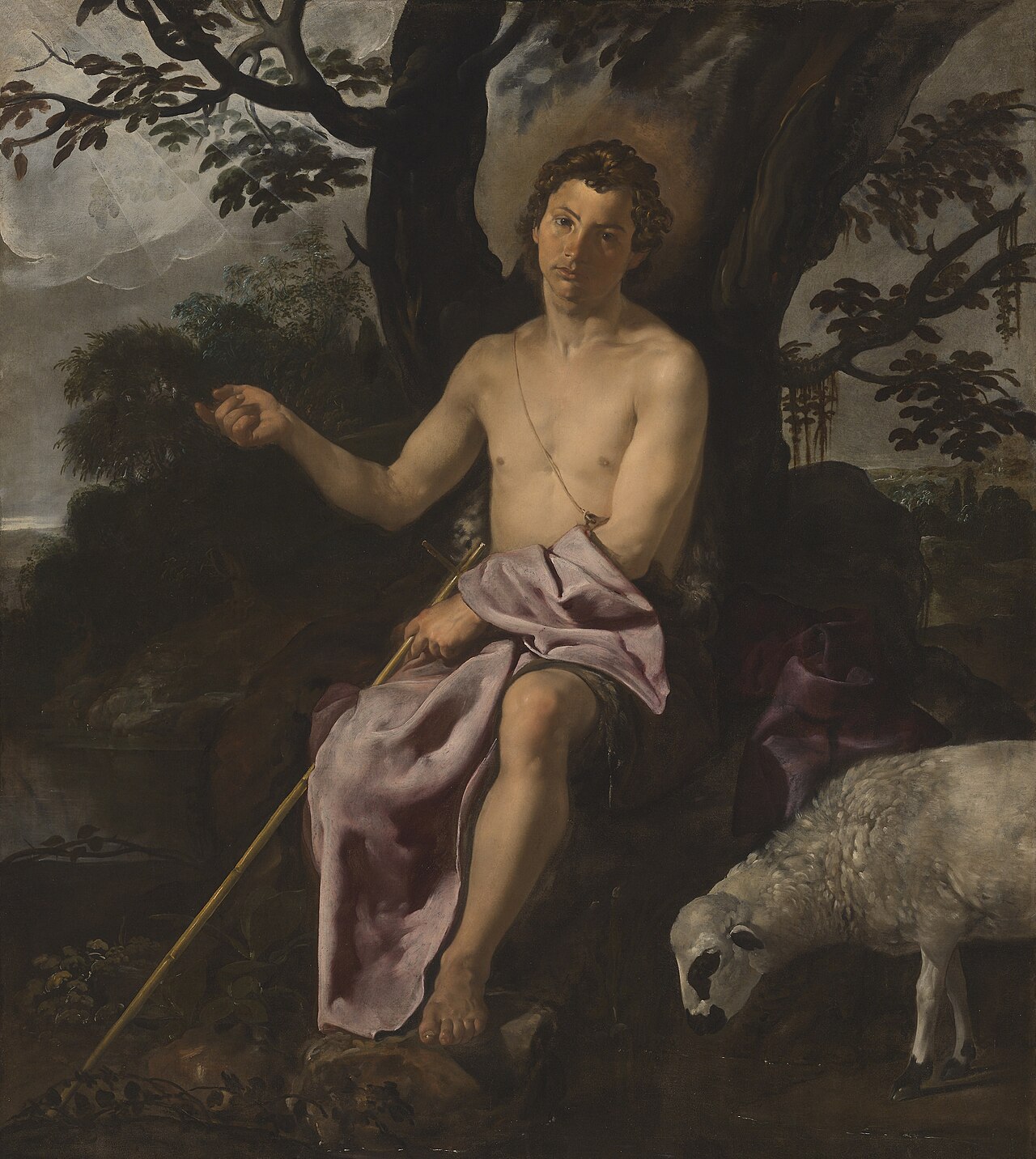
For a long time this hung under 'unknown Sevillian painter' — only fairly recently did anyone decide it's an early Velázquez, from before he'd really found his style. The purple cloth is apparently a deliberate touch too, a color tied to preparation, since John's whole story is about getting the way ready for someone else.
Erisava: That purple cloth is the only soft color in all this dark — perhaps it symbolizes something.
Portrait of Sebastián de Morra by Diego Velázquez, 1644
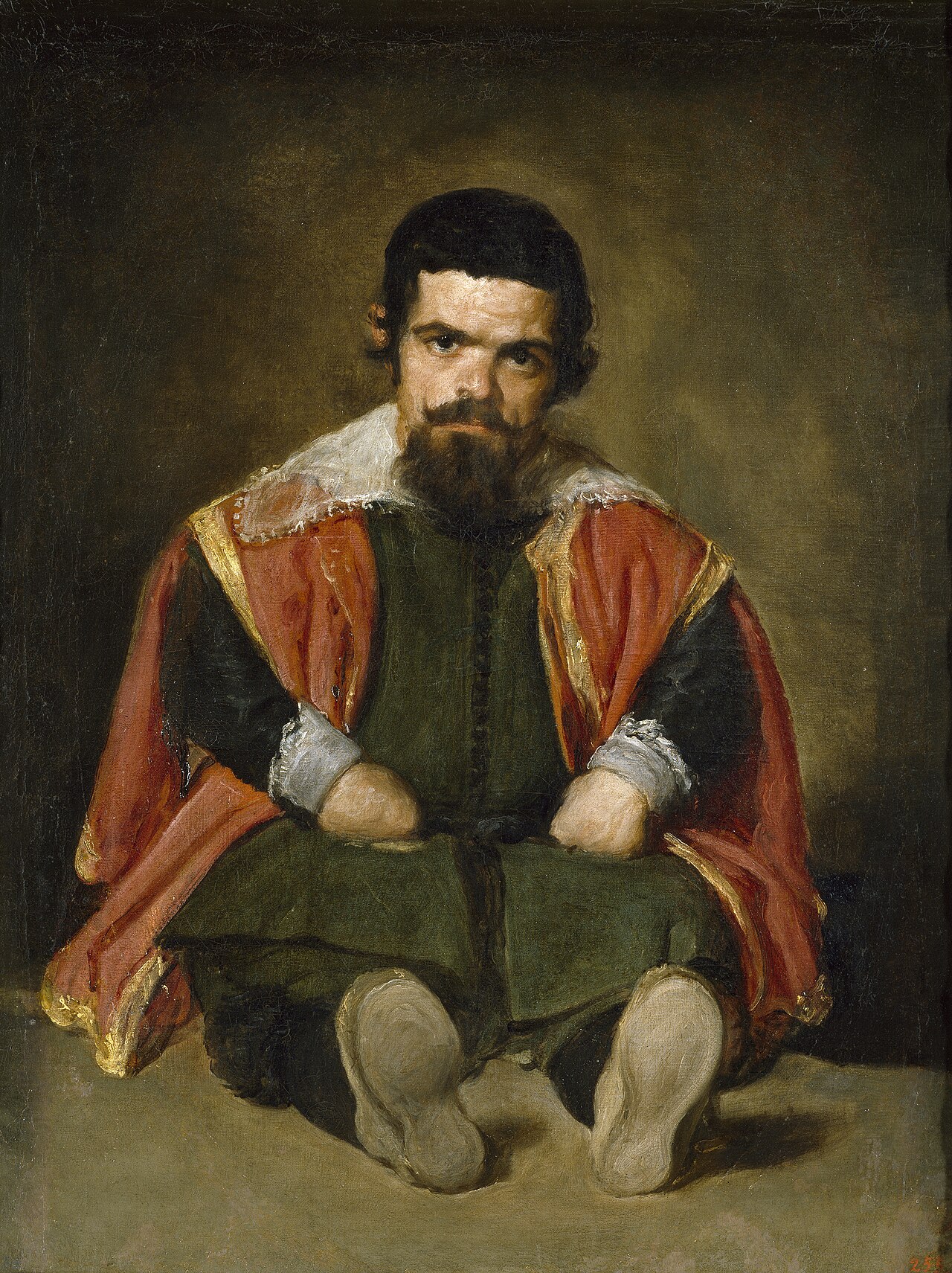
He served at the Spanish court for years after being brought there as an adult — apparently somewhere between an entertainer and a companion, depending who you ask.
Erisava: Does he look like he's in on the joke, or not so much?
Daniel in the Lions' Den by Peter Paul Rubens, 1615
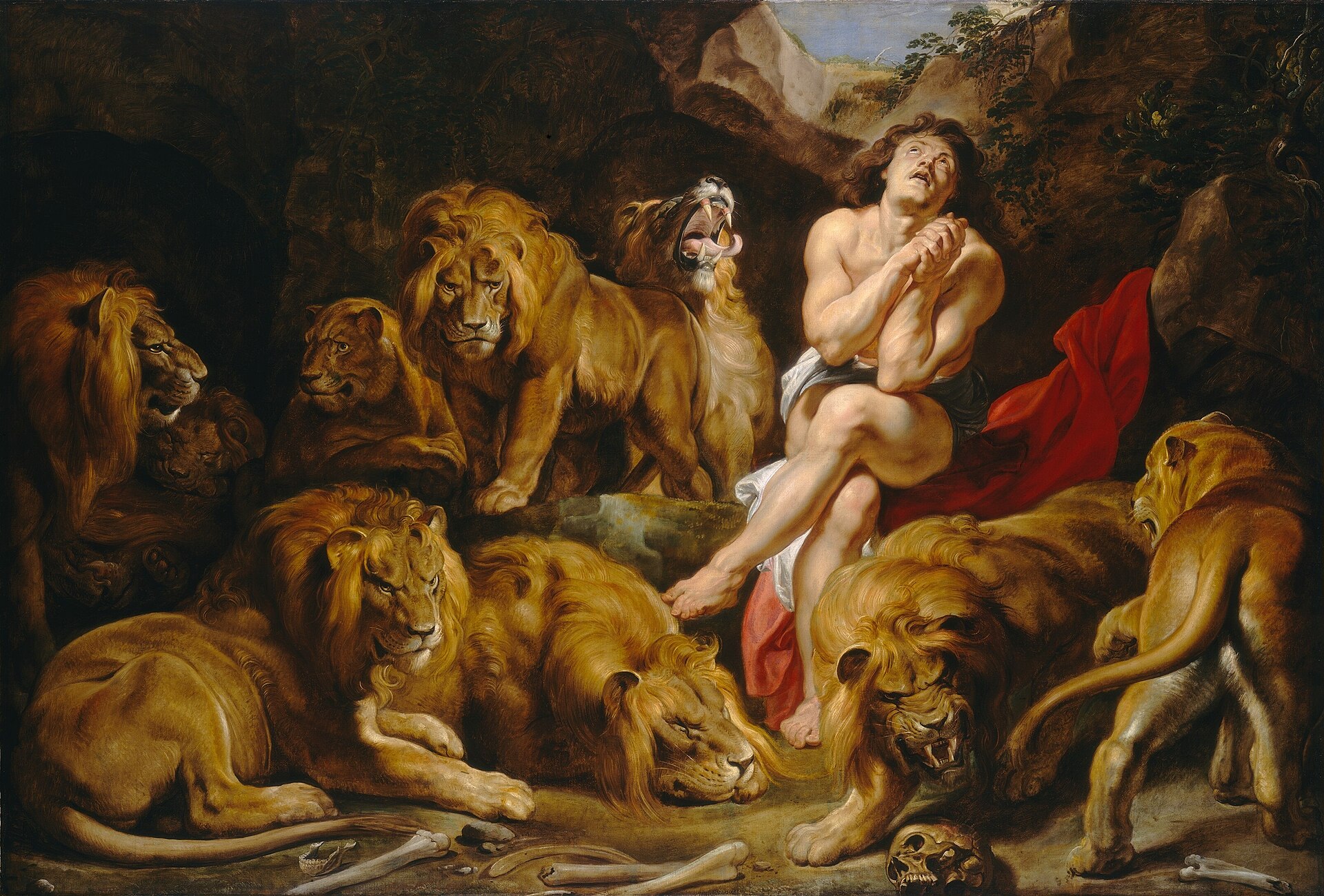
This is the Bible story of Daniel thrown into a den of lions for refusing to stop praying to his own god — and coming out fine. Apparently Rubens painted the lions true to life-size, which is part of why the scene lands so hard.
Erisava: These lions look almost too calm for a den you're about to die in.
Esther before Ahasuerus by Artemisia Gentileschi, 1629
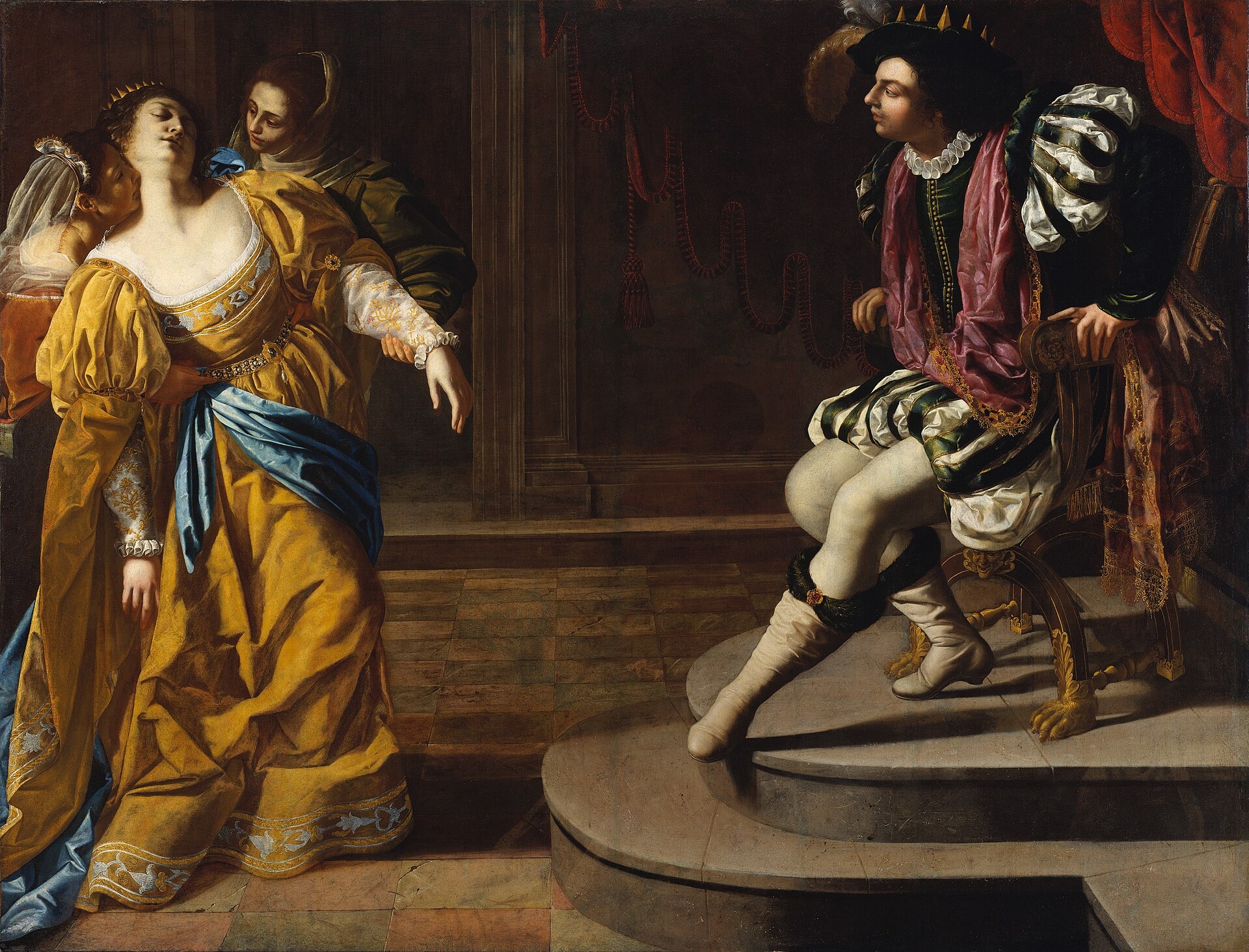
According to the Book of Esther, walking in on the king without being summoned could get you executed on the spot — which is apparently the tension the whole scene is built around.
Erisava: I feel like the main subject here is the fabrics and the cloth, and I don't mind it.
The Calling of Saint Matthew by Caravaggio, 1609
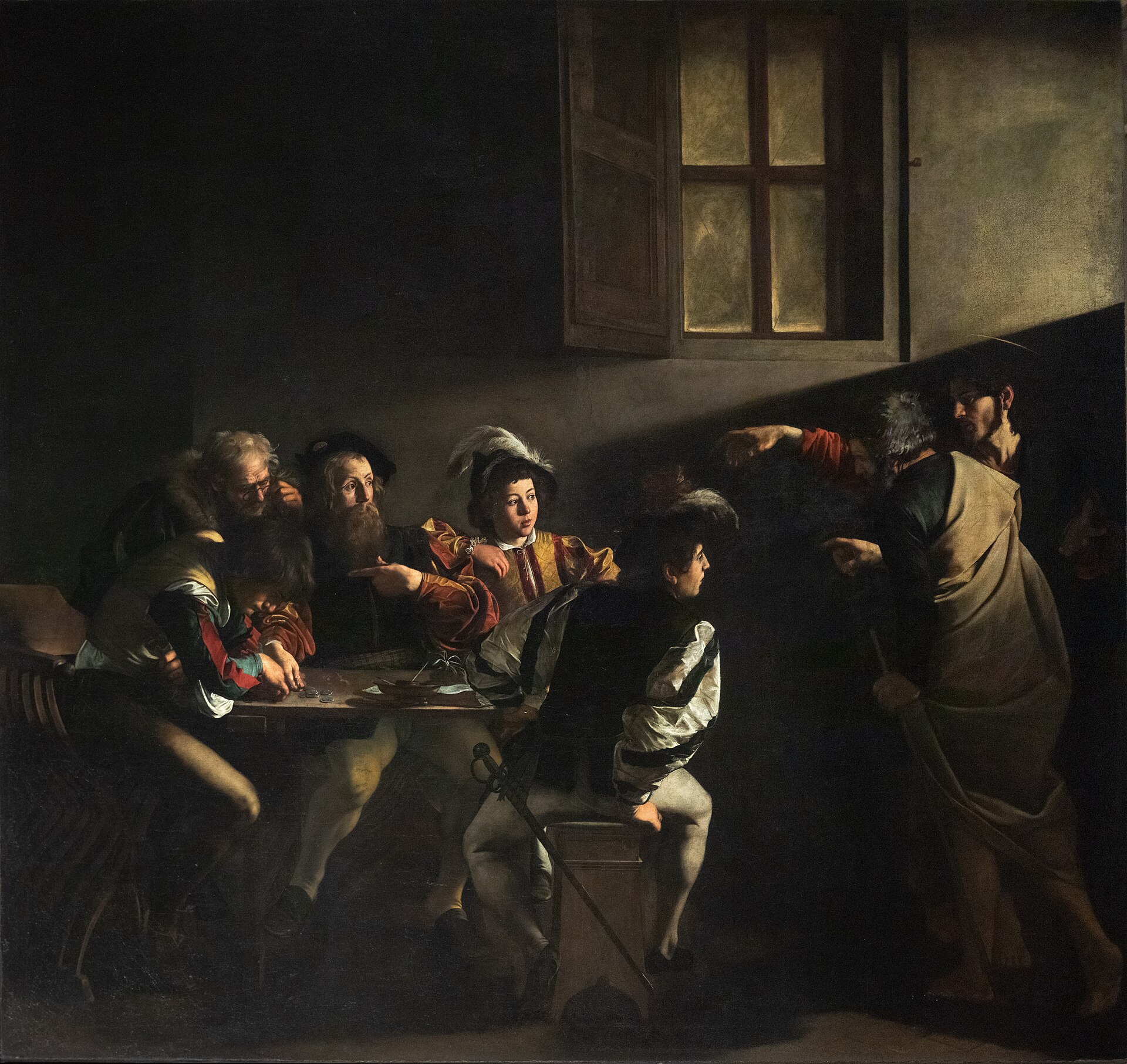
It was painted for a side chapel and, according to Wikipedia, it was his first proper public commission — the job that made his name overnight. He put everyone in the clothes of his own day instead of anything biblical, which supposedly didn't go down well with all of the people paying for it.
Erisava: Half of this is just black. Was that nerve, or did he not fancy painting a room?
Et in Arcadia ego by Nicolas Poussin, 1638
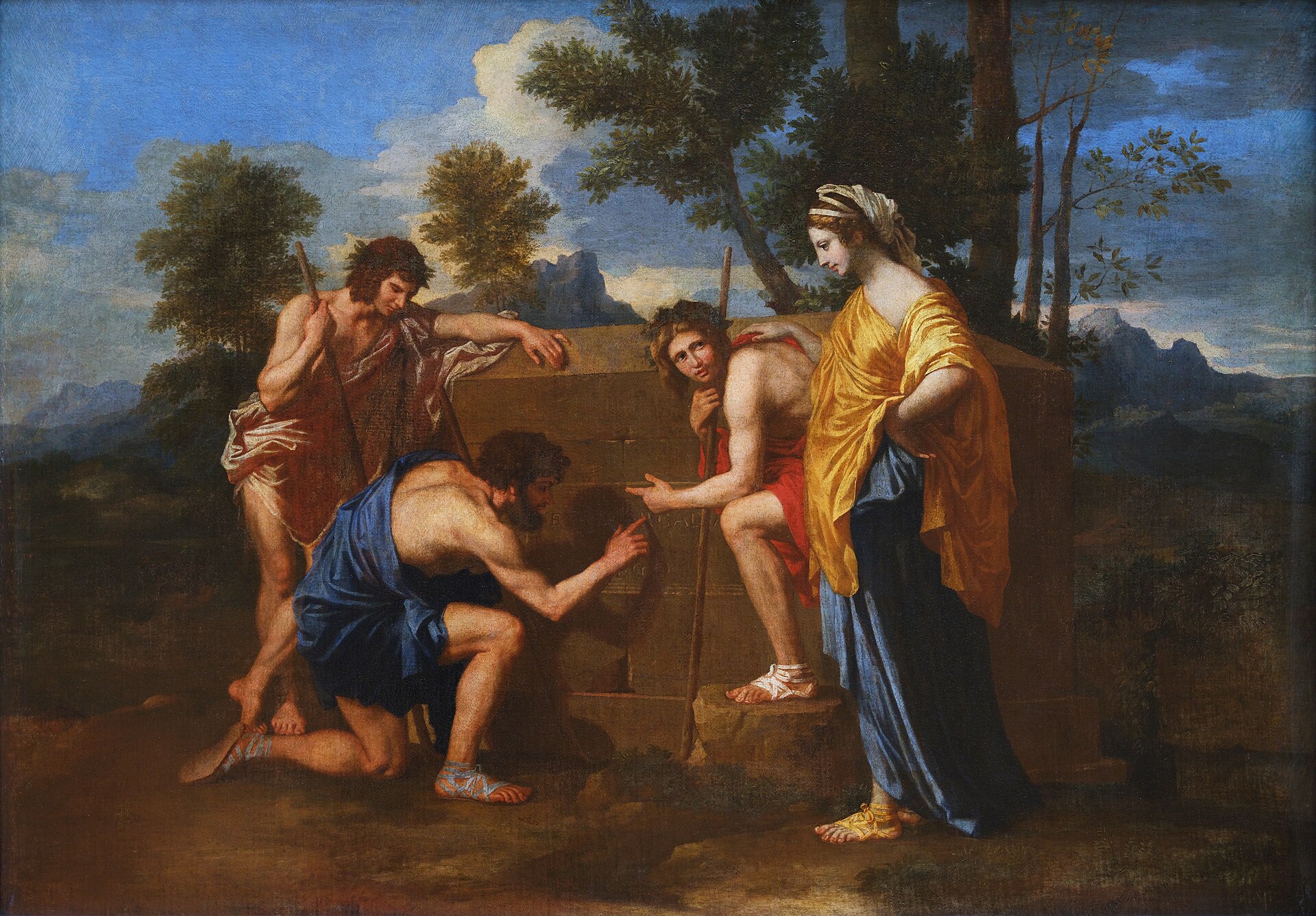
The Latin cut into the tomb is death talking — roughly 'I'm here too', even in a perfect countryside that never existed anywhere. He'd apparently painted the same idea years earlier in a much bleaker version, and this one is the calm rethink.
Erisava: Everything here is held so still it barely feels alive. What do you get from it?
Rokeby Venus by Diego Velázquez, 1644
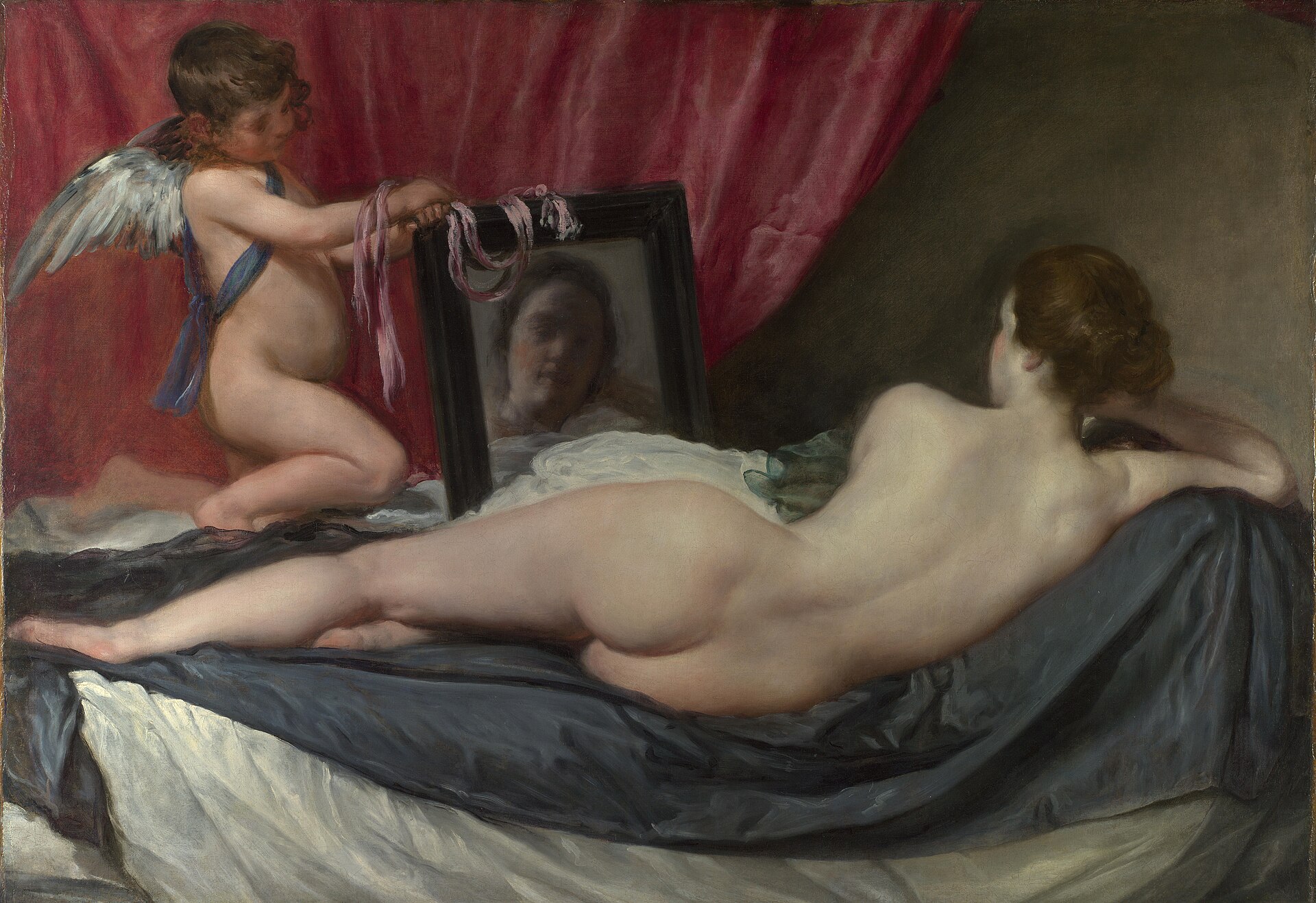
A suffragette went at this with a small axe in 1914, in protest at Emmeline Pankhurst's arrest — it's said she was fed up with men queuing up to stare at it all day. It was patched up afterwards, and photos of the damage are apparently still floating about.
Erisava: That face in the mirror is a blur, but the skin must have taken forever. Odd priorities.
Susanna and the Elders by Artemisia Gentileschi, 1639
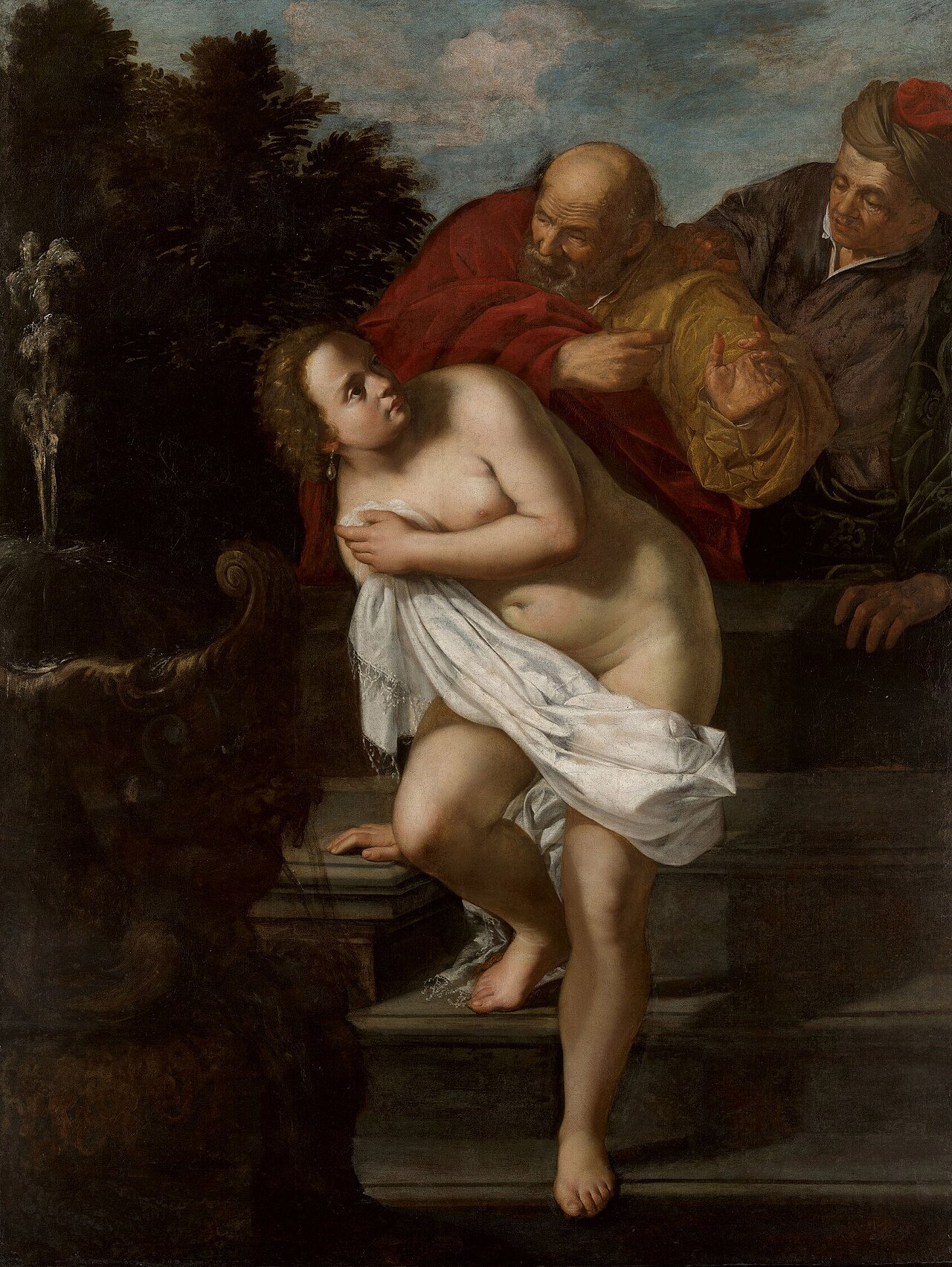
Gentileschi painted this subject more than once across her career. Some historians connect the way she handles Susanna's fear here to what she went through herself, though how much to read into that is still argued over.
Erisava: Does this actually feel like it's about her fear to you?
Pope Innocent X by Diego Velázquez, 1655
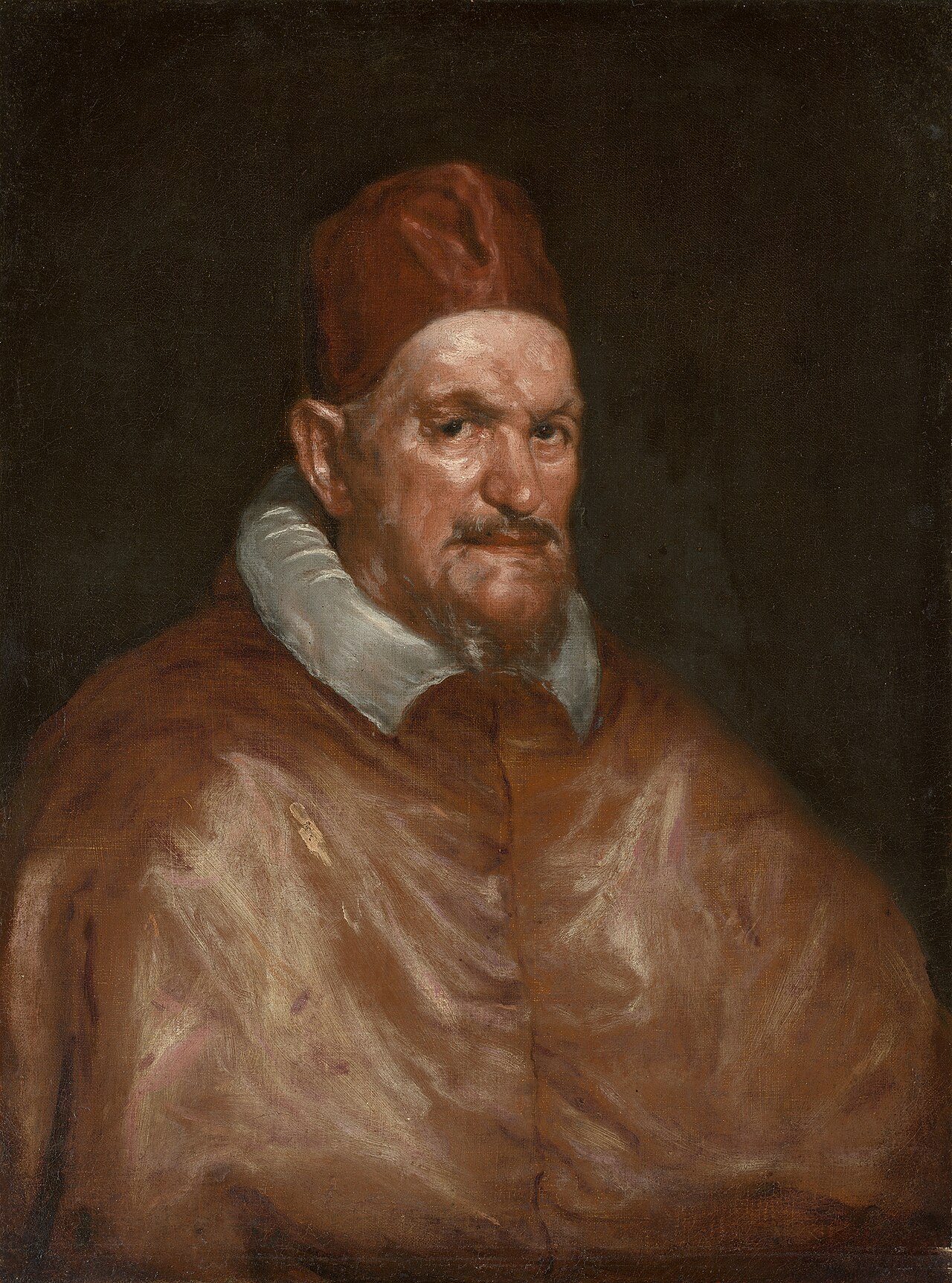
They say the pope who sat for this took one look at the original and called it 'too true.' This version's apparently one of several made around the same time — not the one that anecdote's usually attached to.
Erisava: Is he glaring at us, or is that just his face?
The Musicians by Caravaggio, 1595
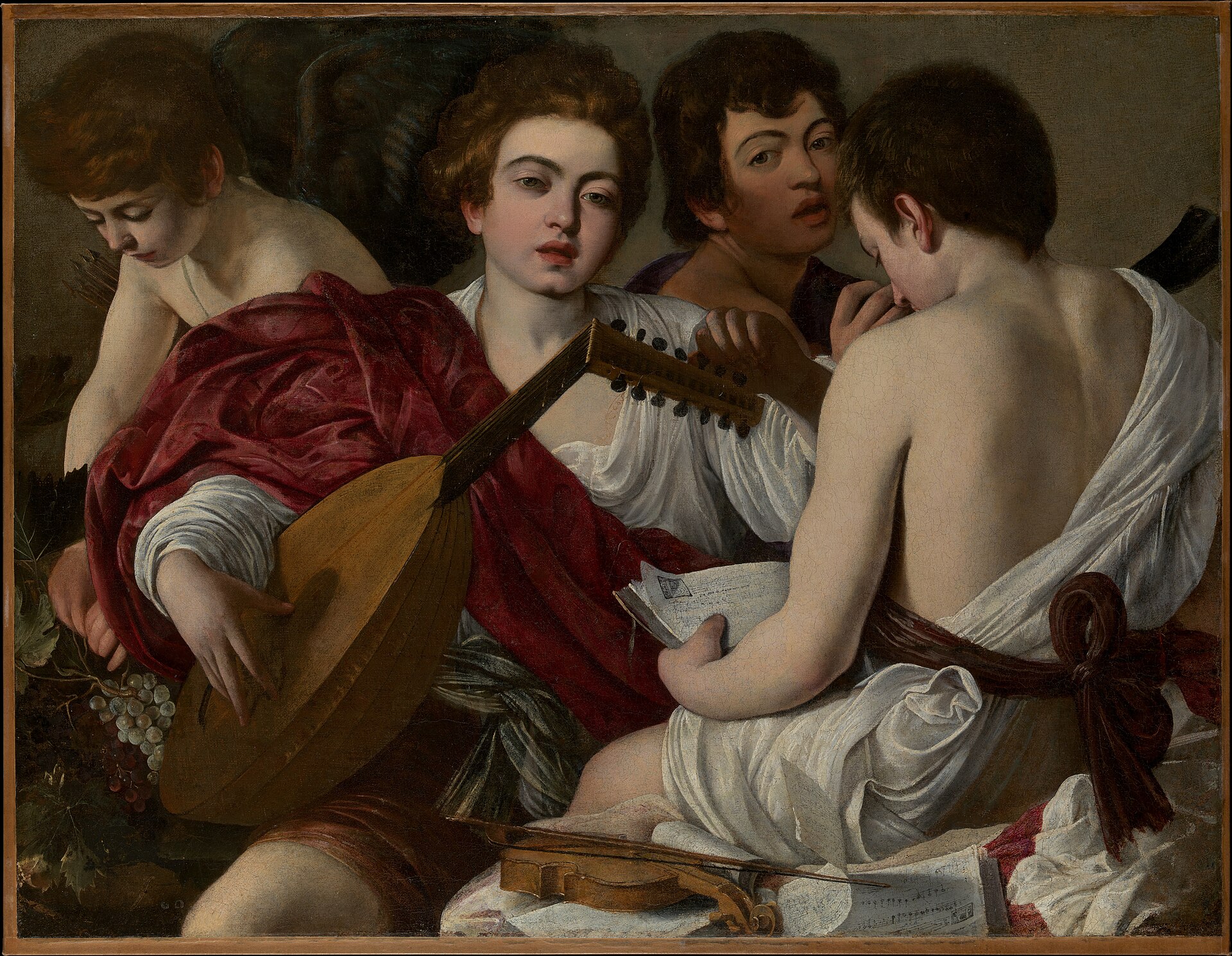
They say the cardinal who commissioned this kept Caravaggio living in his own household — patrons like that collected talented people the way others collected art.
Erisava: Are these four having fun, or performing for whoever's paying?
Basket of Fruit by Caravaggio, 1600
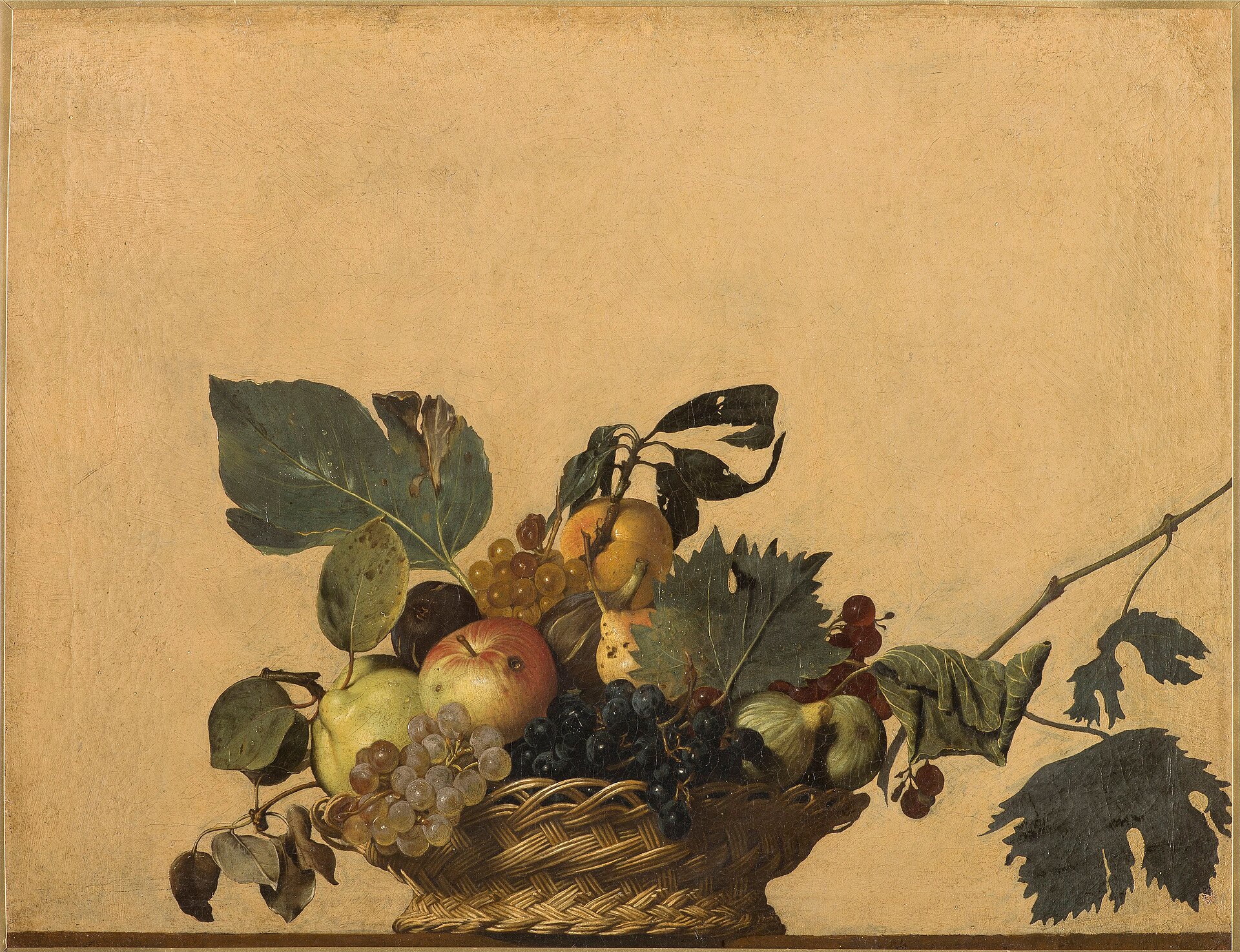
Putting fruit on its own, with no story around it, was apparently a fairly new thing to do — fruit usually turned up in the corner of a picture about something else. People also point out that the leaves are blotchy and one apple has a wormhole; nobody seems sure whether that was deliberate or just what happened to be on the table that day.
Erisava: Would anyone care about a bowl of fruit if a different name were on it?
Belshazzar's Feast by Rembrandt, 1636
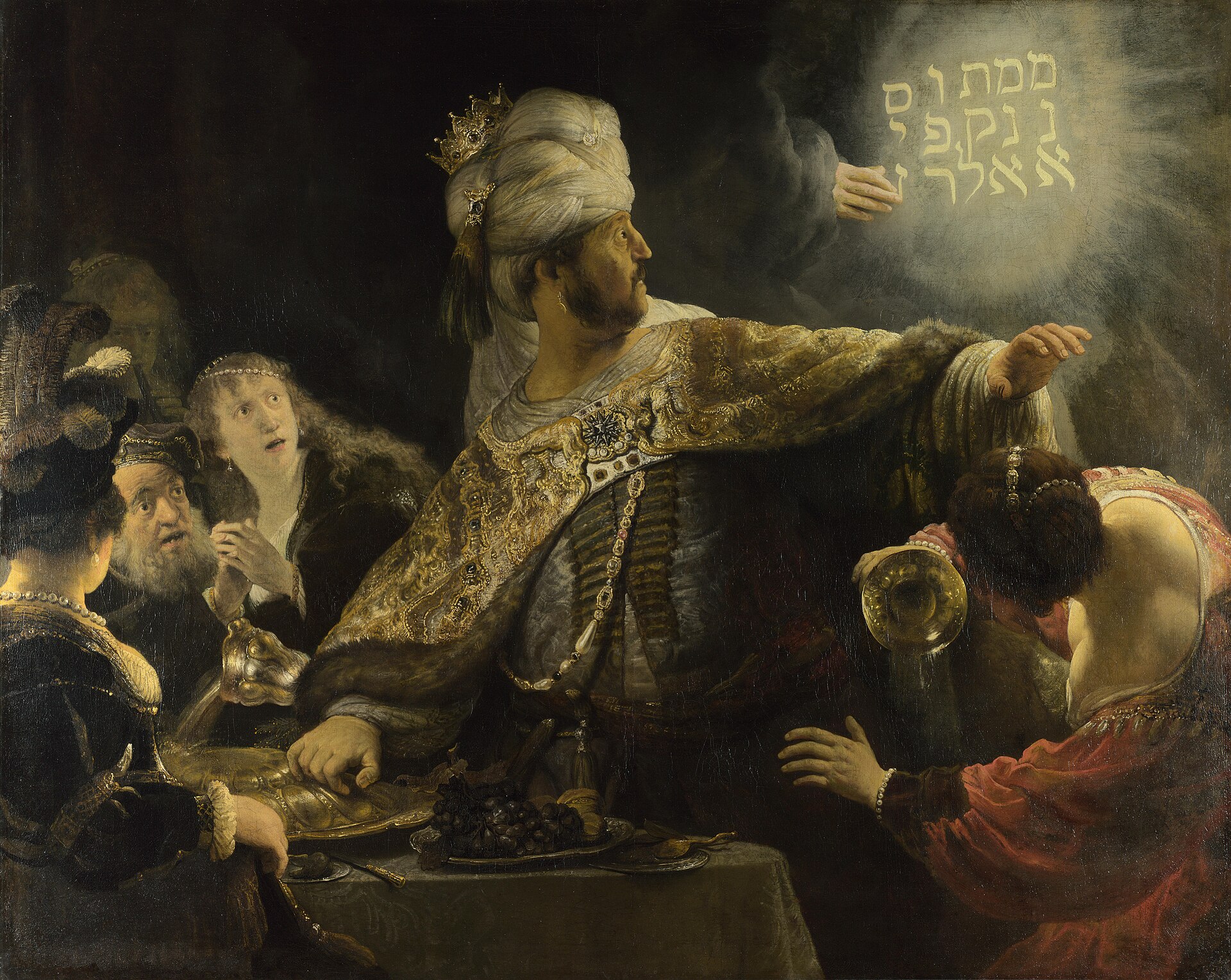
This is where the phrase about the writing on the wall comes from — a king throws a feast using treasure taken from a temple, and a hand turns up mid-party to spell out how it ends for him. The Hebrew, according to Wikipedia, came from a learned neighbour in Amsterdam, and it's laid out in columns rather than the usual direction, which people have been arguing about ever since.
Erisava: Would this still land if it was all lighted up?
The Triumph of Galatea by Artemisia Gentileschi, 1650
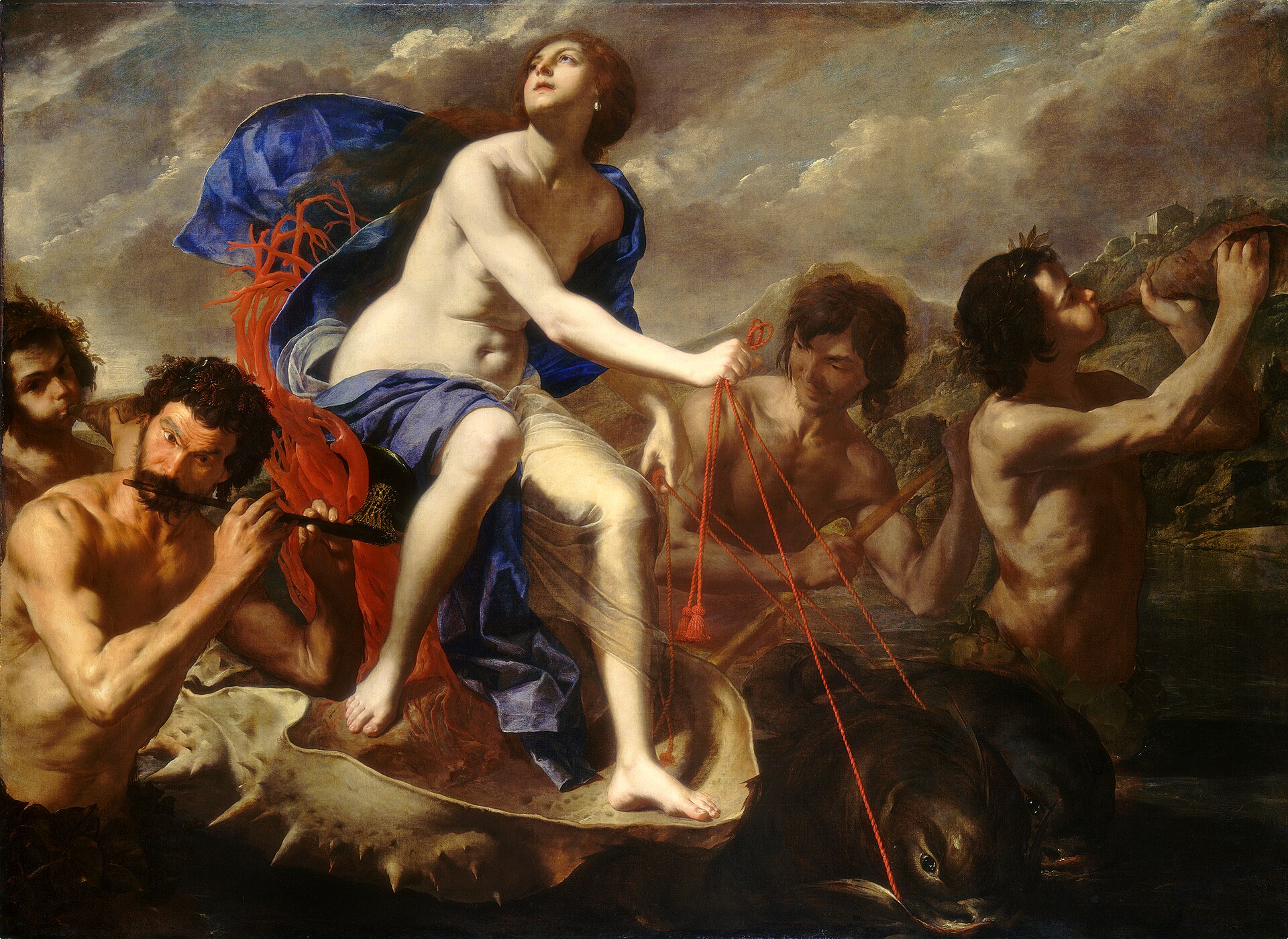
Nobody's fully sure who painted this one — it's credited to either Bernardo Cavallino or Artemisia Gentileschi, and from what I can find, that argument's still open.
Erisava: It looks like a Super Bowl halftime show by Beyoncé, or is it the other way around?
Christ Blessing the Children by Artemisia Gentileschi, 1626
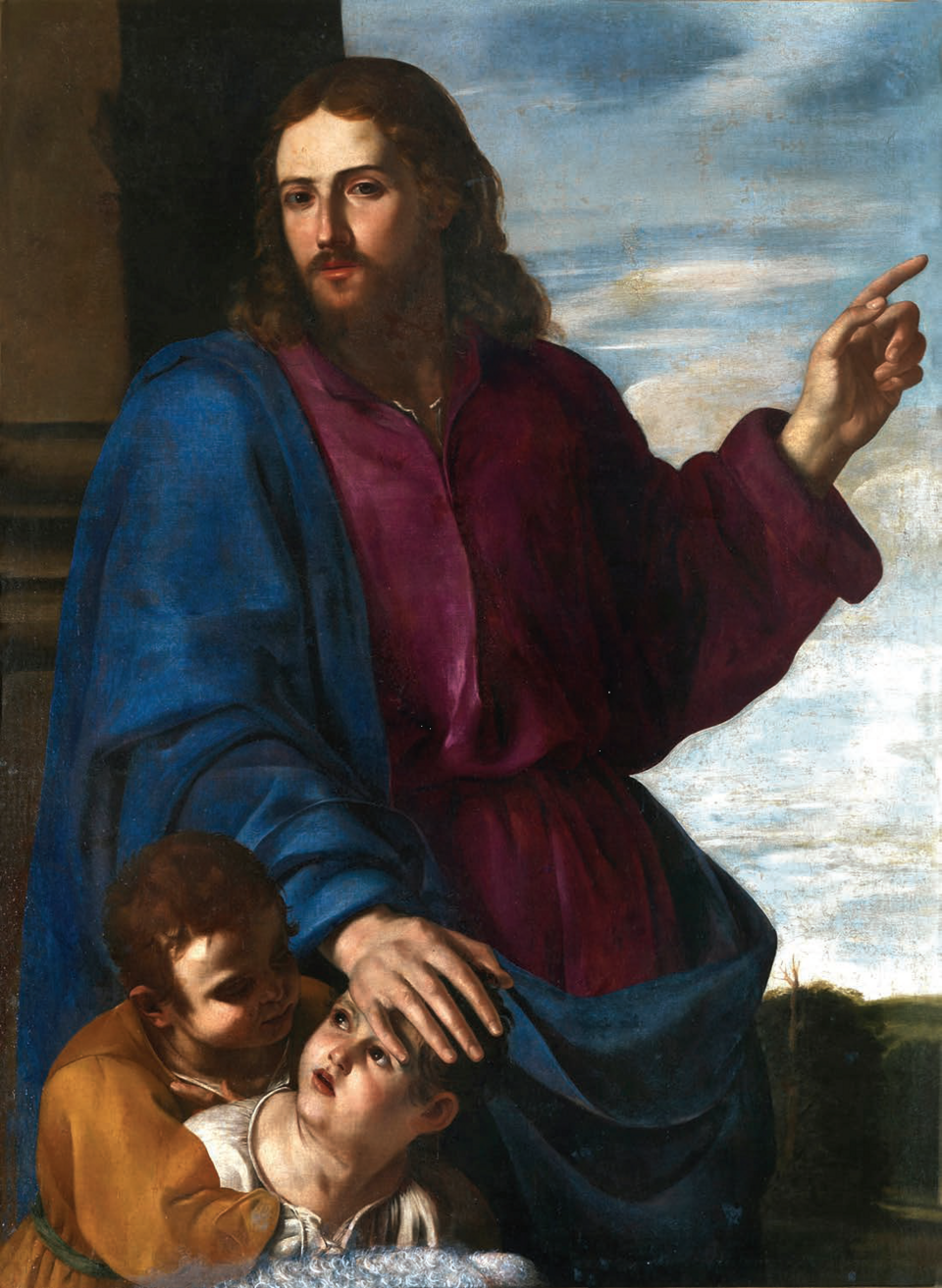
This one actually hangs in a church in Rome, from what I can find — Sant'Ambrogio e Carlo al Corso — despite popping up in art databases like a museum piece.
Erisava: The hand resting on that kid's head is what gets me about this one.
The Holy Family with Saint John the Baptist by Caravaggio, 1600
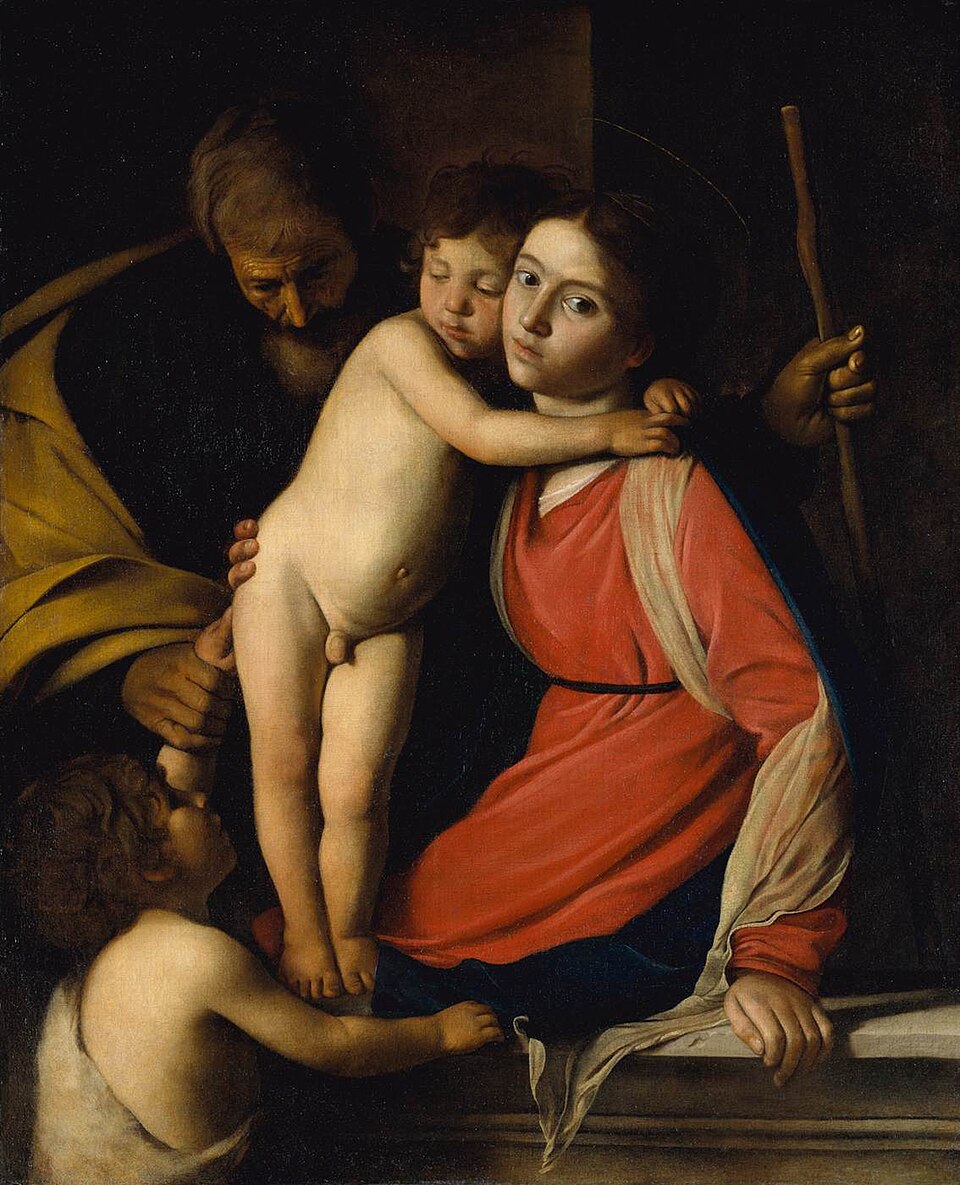
I couldn't track down who commissioned this one, but paintings like this were usually meant for a private chapel or a bedroom, not a church altar where everyone could see it.
Erisava: This toddler has the face of someone twice his age.