Museo del Prado — Madrid, Community of Madrid, Spain
No posts from Museo del Prado yet.
Jacob’s Dream by Jusepe de Ribera, 1639
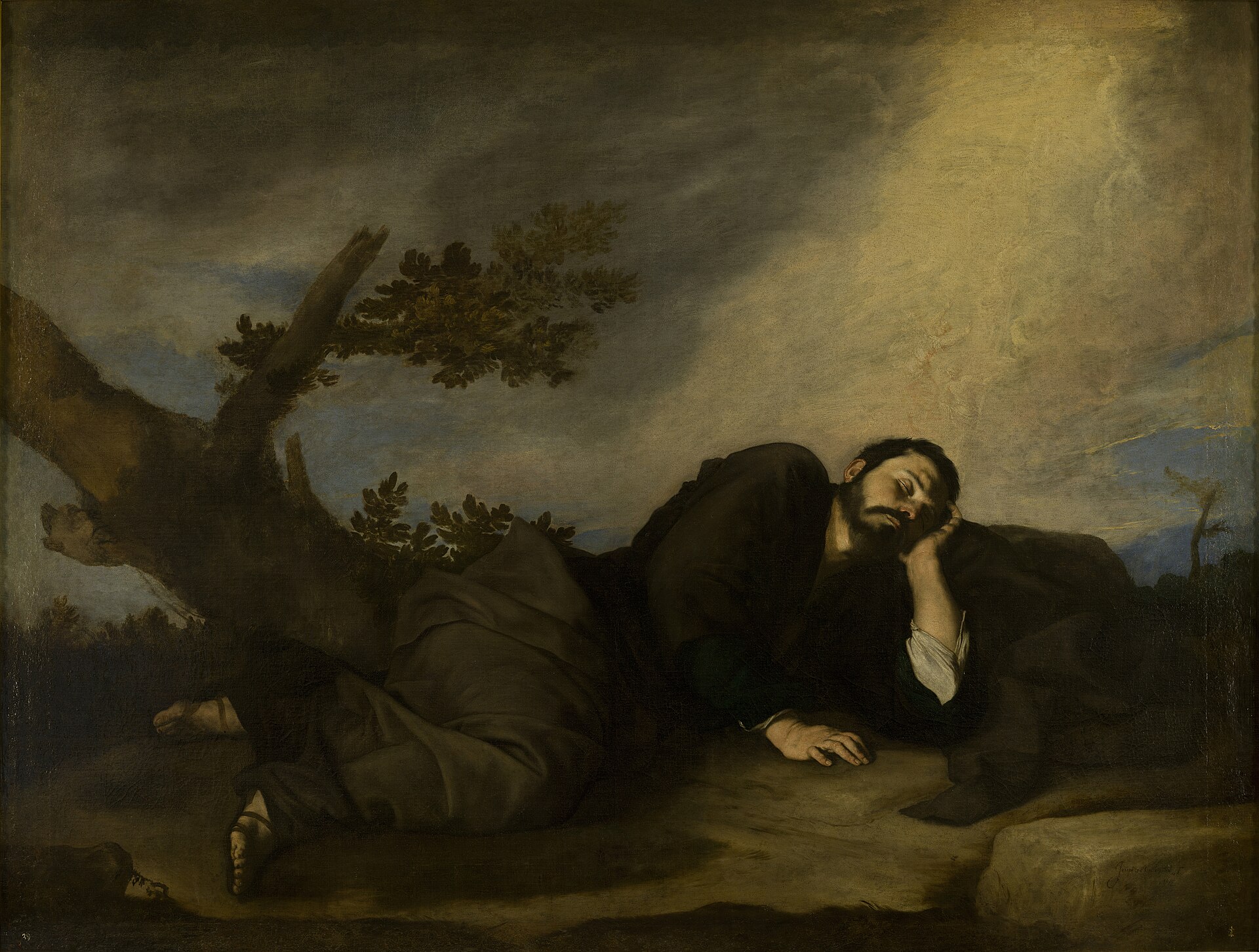
The story behind it is a man asleep on a rock dreaming of a ladder with angels going up and down it. Most painters put the whole ladder in, from what I've read — there's barely a hint of it here, which I think is the better call.
Erisava: Something's happening in that sky, or nothing is. What do you see?
Charles IV of Spain and His Family by Francisco Goya, 1800
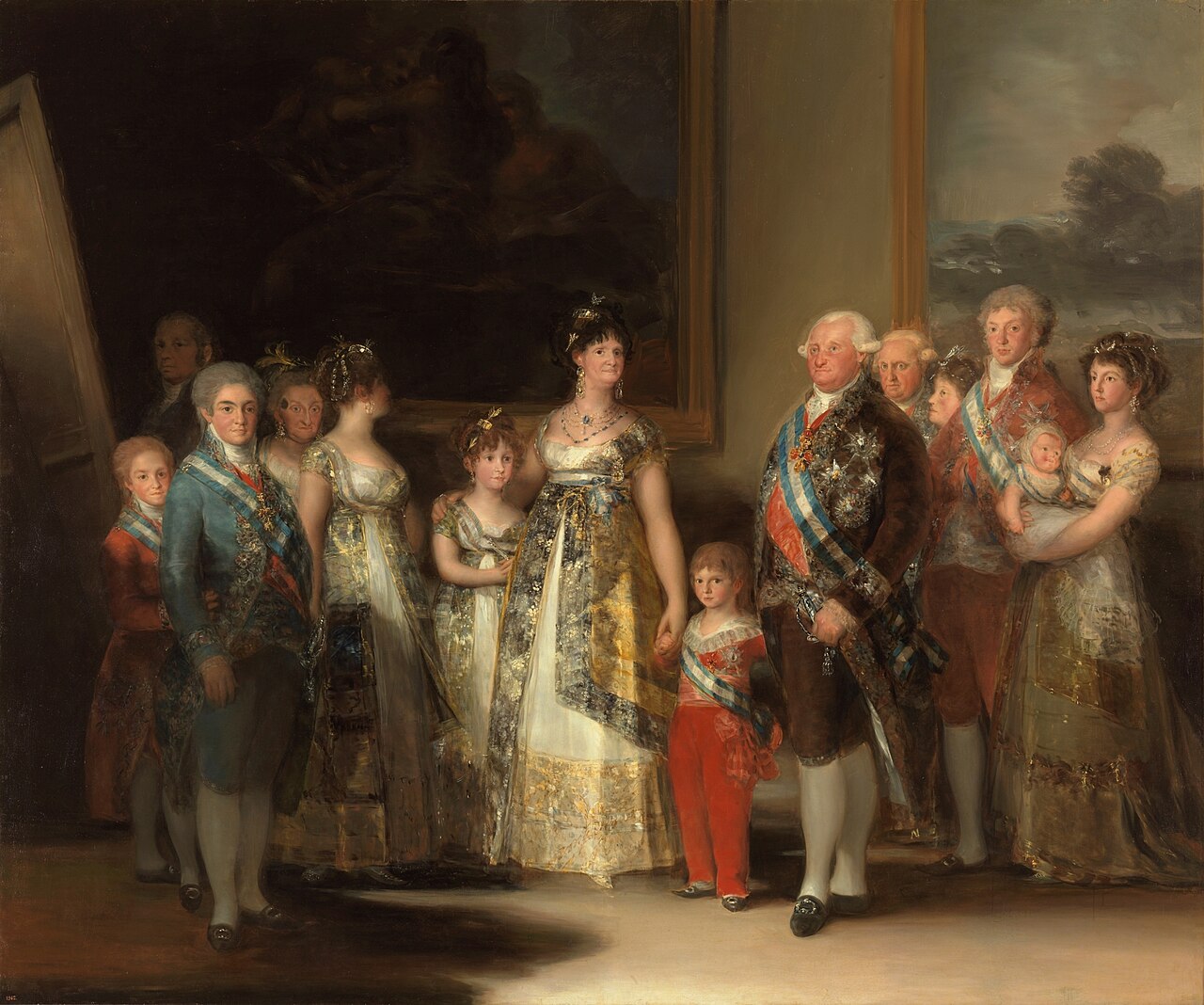
Off in the shadows on the left, apparently that's Goya himself, working at an easel — same trick Velázquez pulled with Las Meninas a century before.
Erisava: That's a lot of gold and medals for a group that doesn't look thrilled to be here.
Portrait of Sebastián de Morra by Diego Velázquez, 1644
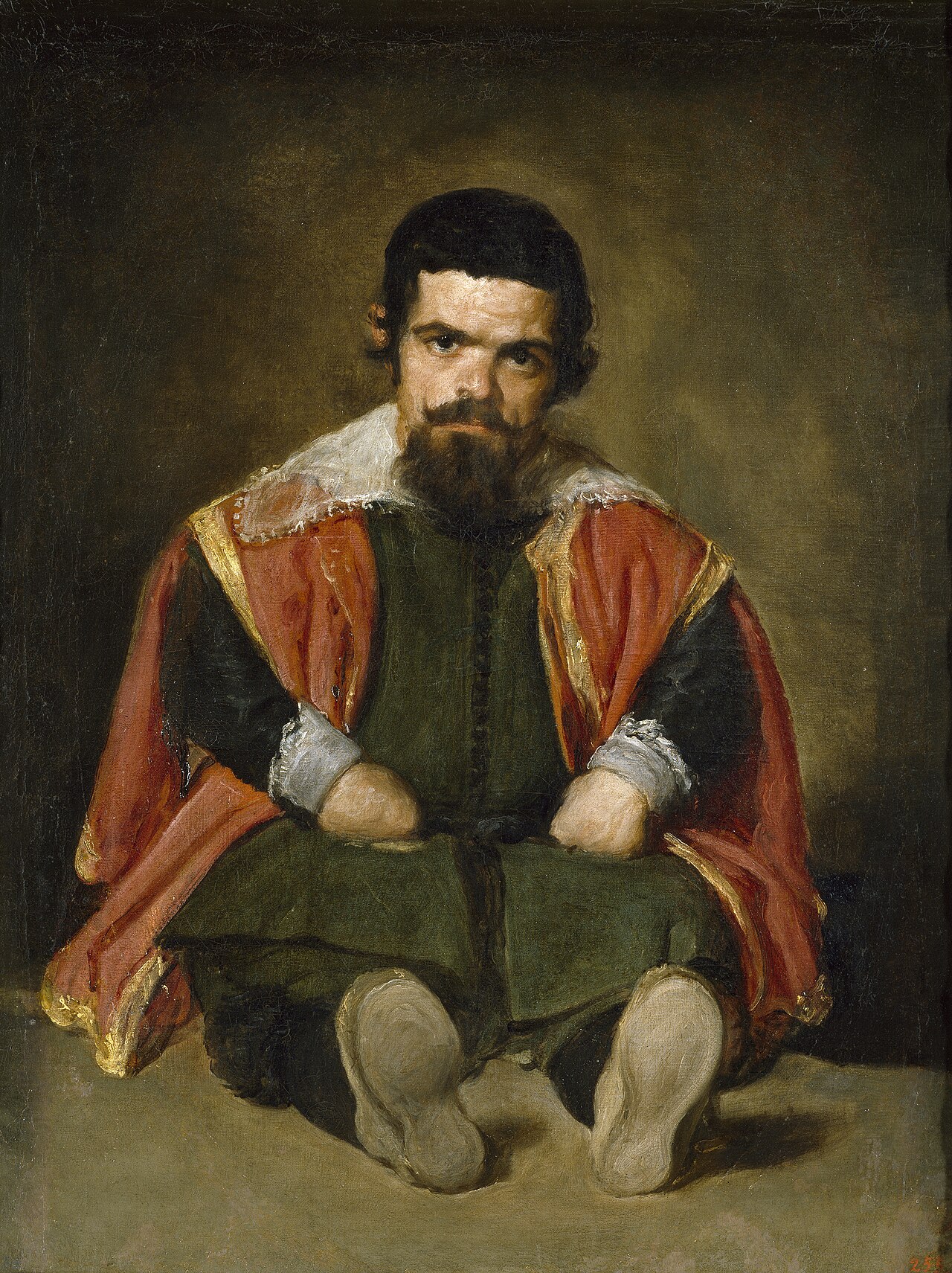
He served at the Spanish court for years after being brought there as an adult — apparently somewhere between an entertainer and a companion, depending who you ask.
Erisava: Does he look like he's in on the joke, or not so much?
The Seven Deadly Sins and the Four Last Things by Hieronymus Bosch, 1500
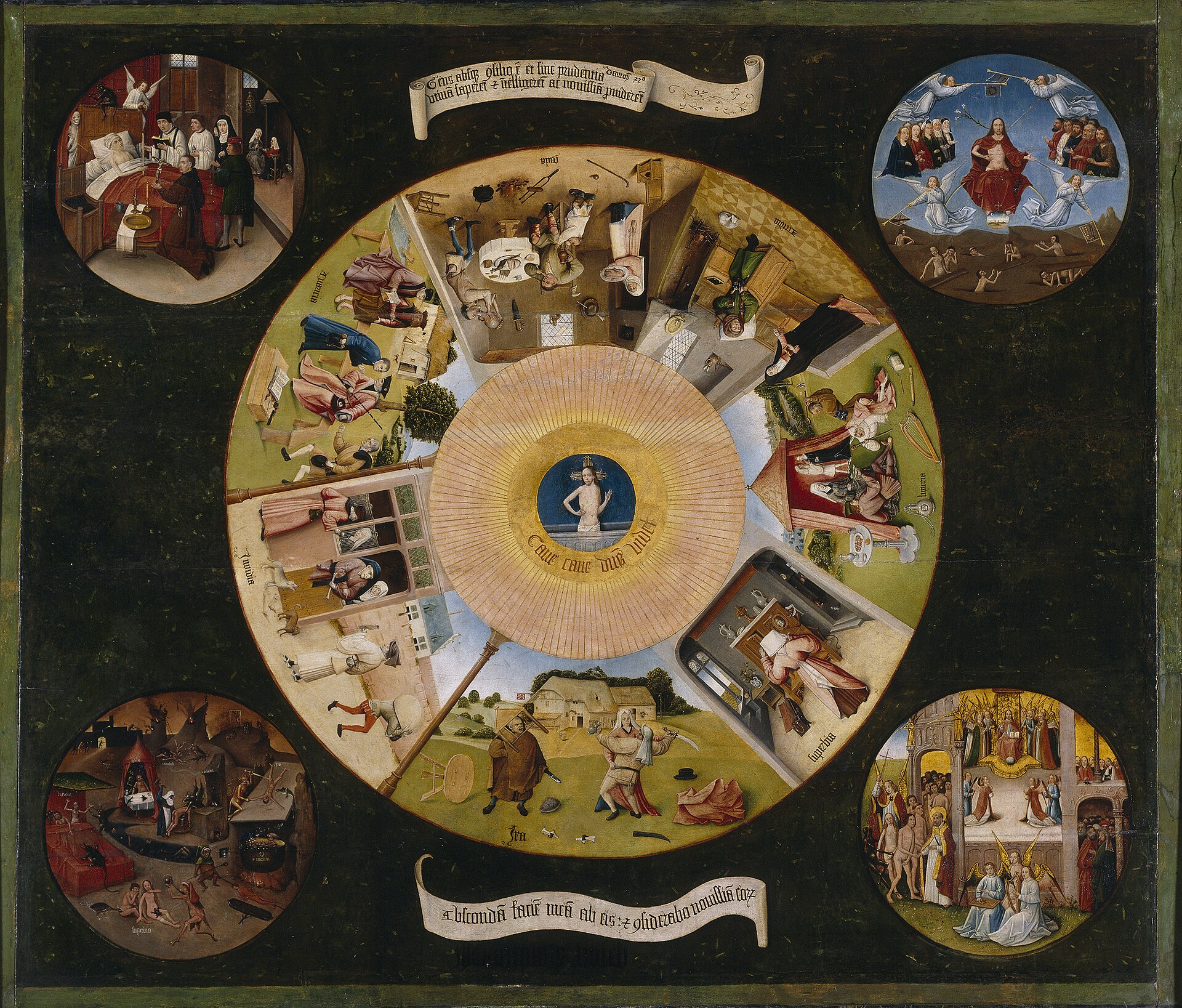
This started life, from what's recorded, as a tabletop rather than a wall hanging — you were meant to look down into it like a dinner plate. Whether it's actually by Bosch himself or a workshop follower has been argued over for more than a century.
Erisava: Does a painting like this actually change how anyone behaves?
Las Meninas by Diego Velázquez, 1656
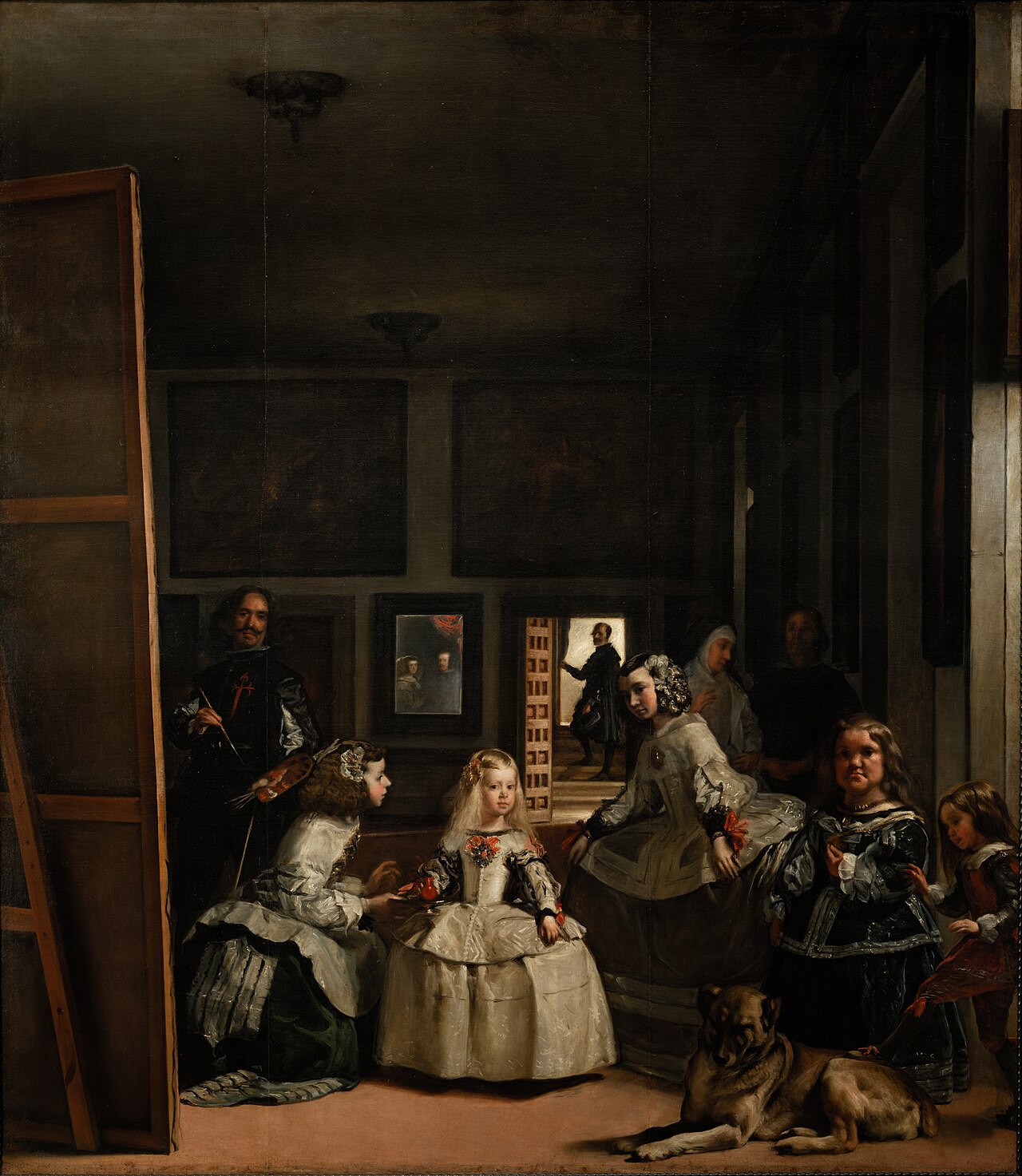
The little girl in white is a Spanish princess, surrounded by her maids, a dog, and two court dwarfs who were apparently real people with names of their own, kept around for entertainment — which reads differently now than it must have then. There's also a small mirror on the back wall that, from what I can tell, reflects the king and queen, apparently right about where they'd have been standing to watch all this get painted.
Erisava: Everyone in this room seems to be either watching her or waiting on her.
The Garden of Earthly Delights by Hieronymus Bosch, 1490
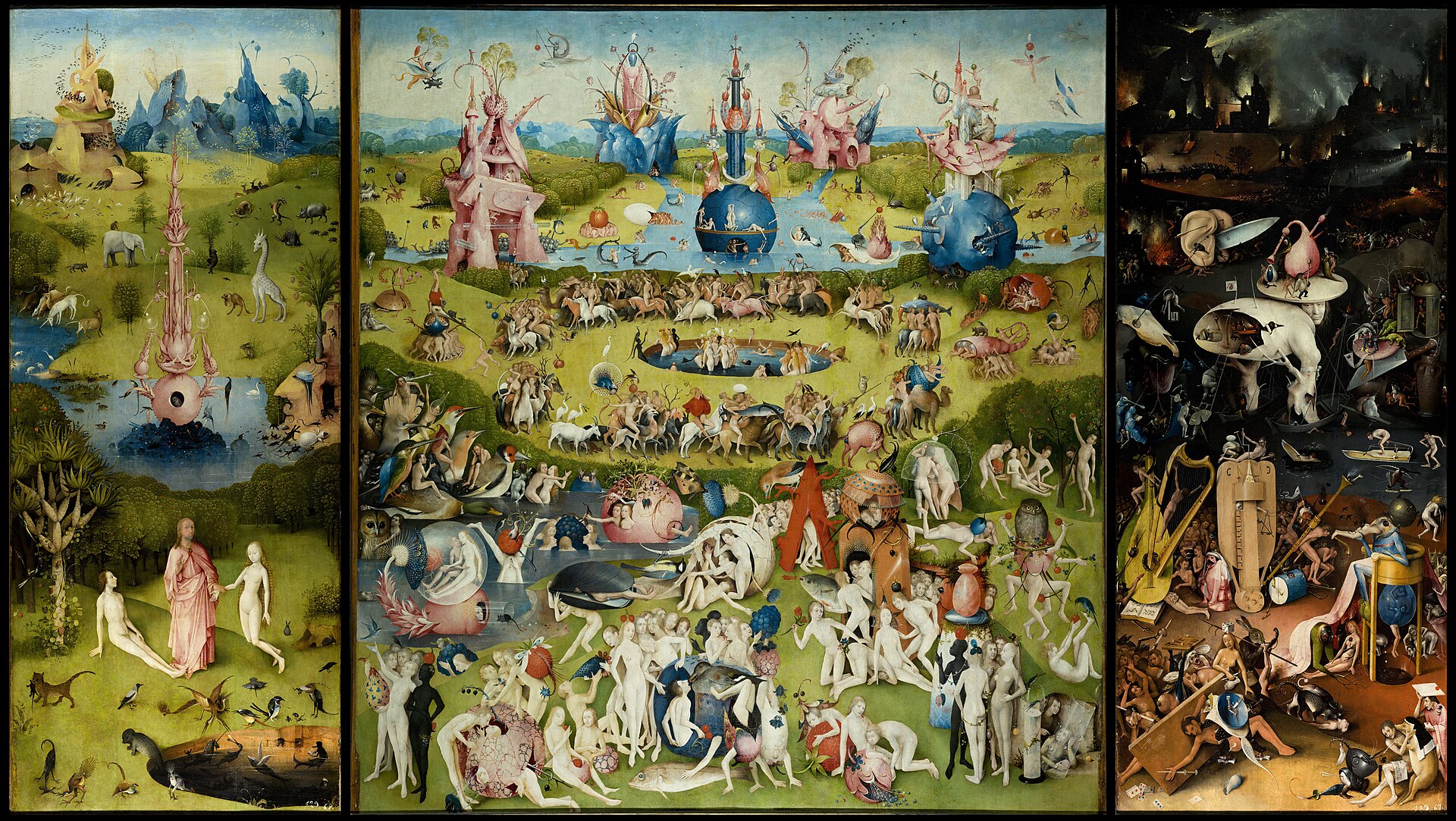
The two outer panels fold shut over the middle like doors, and the backs of them are painted grey — a world with the colour not switched on yet. Whether the middle is a warning about giving in to temptation or something a lot fonder than that, no one seems to have settled in five hundred years.
Erisava: Somebody paid for this. I can't imagine what they thought they'd ordered.
The Third of May 1808 by Francisco Goya, 1814
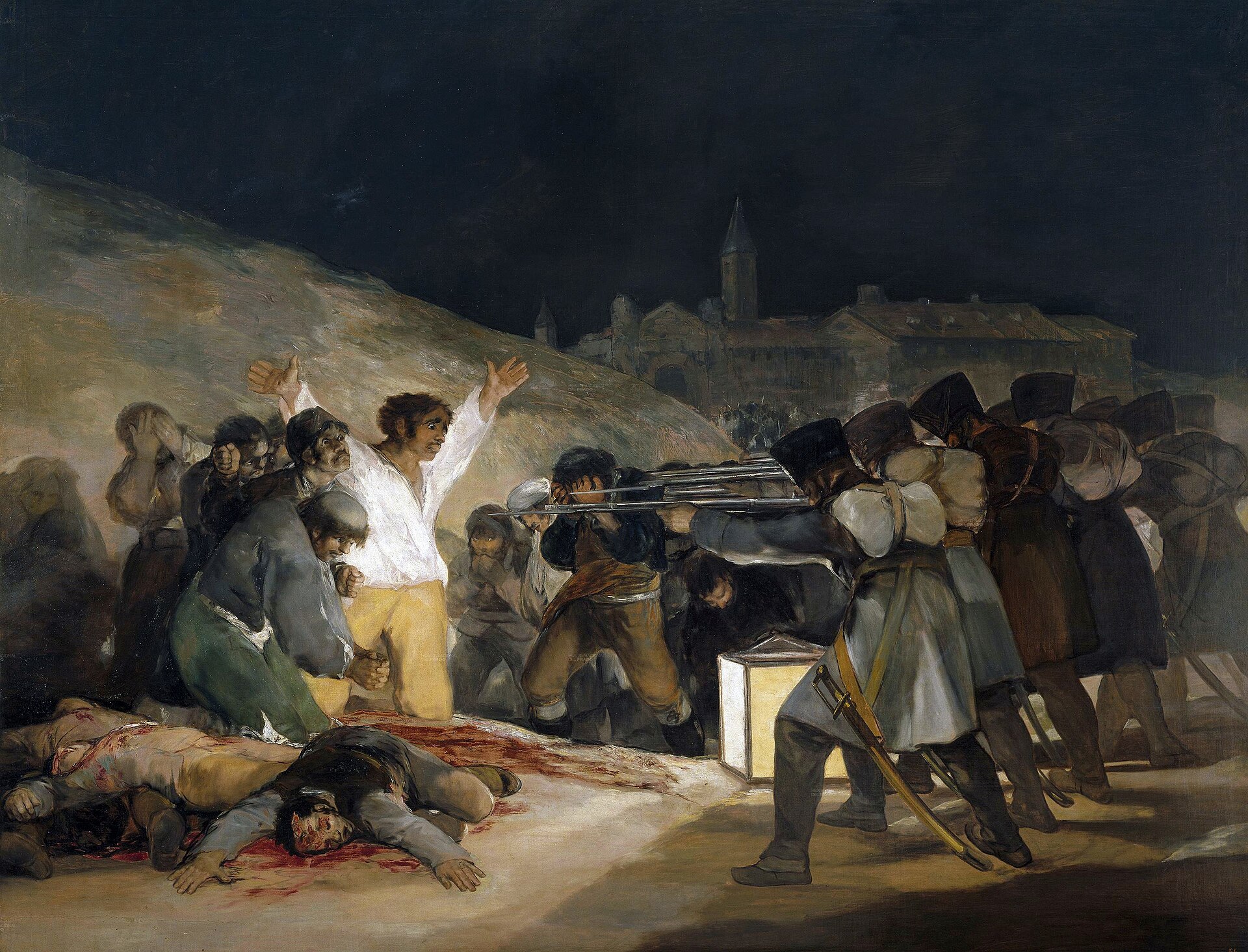
It was made to order, from what I've read — he put the idea to the new government himself once the French had been pushed back out of Madrid, and got it paid for. There's a companion picture the same size showing the day before, when the fighting started.
Erisava: That lantern is the only light in the whole thing, and it's aimed like a spotlight.
Self-Portrait by Albrecht Dürer, 1498
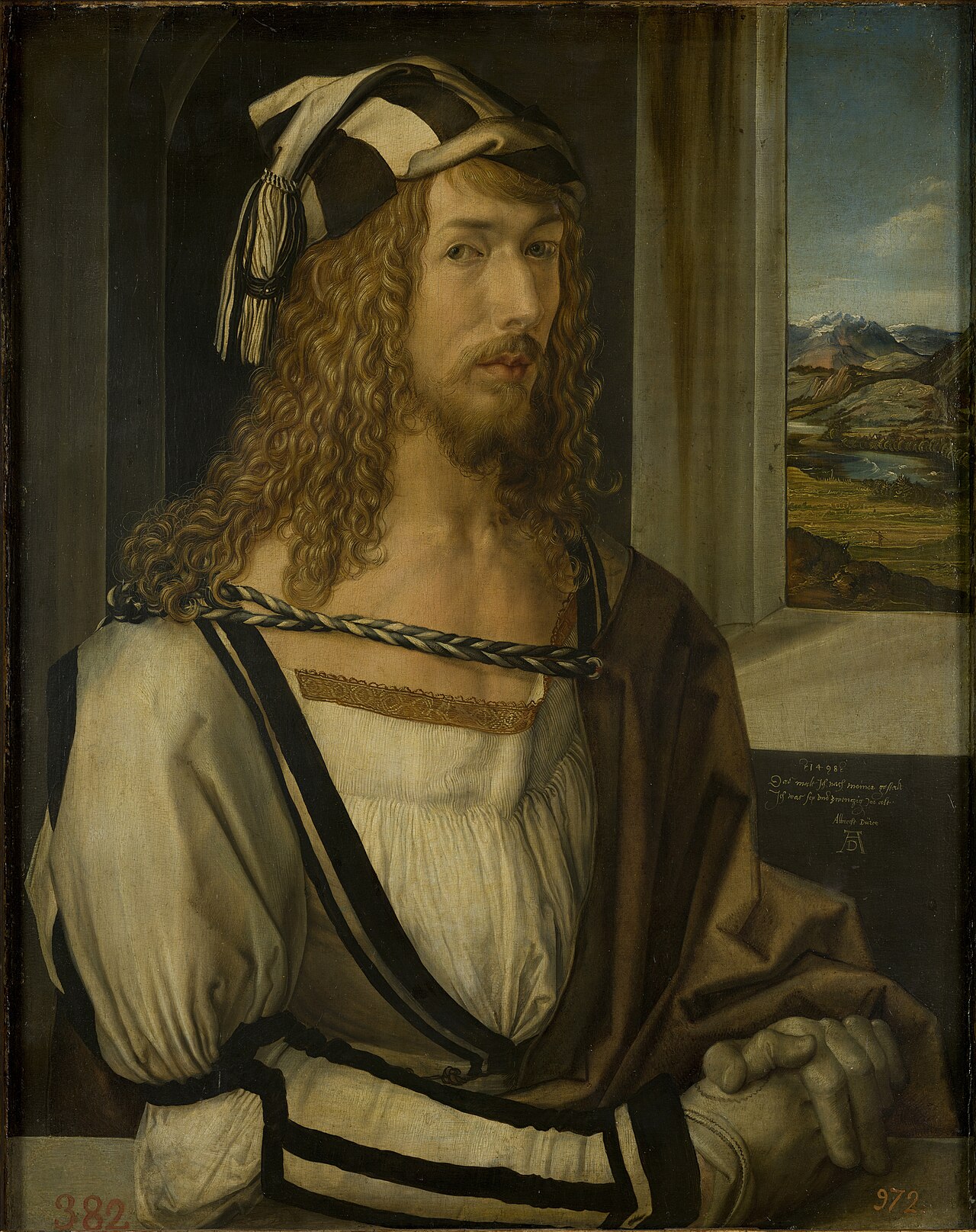
They say this kind of fine dress and direct stare was normally reserved for nobility — here it's just a painter claiming it for himself.
Erisava: He deserves that dress more than all the nobility I know.
Witches' Sabbath by Francisco Goya, 1820
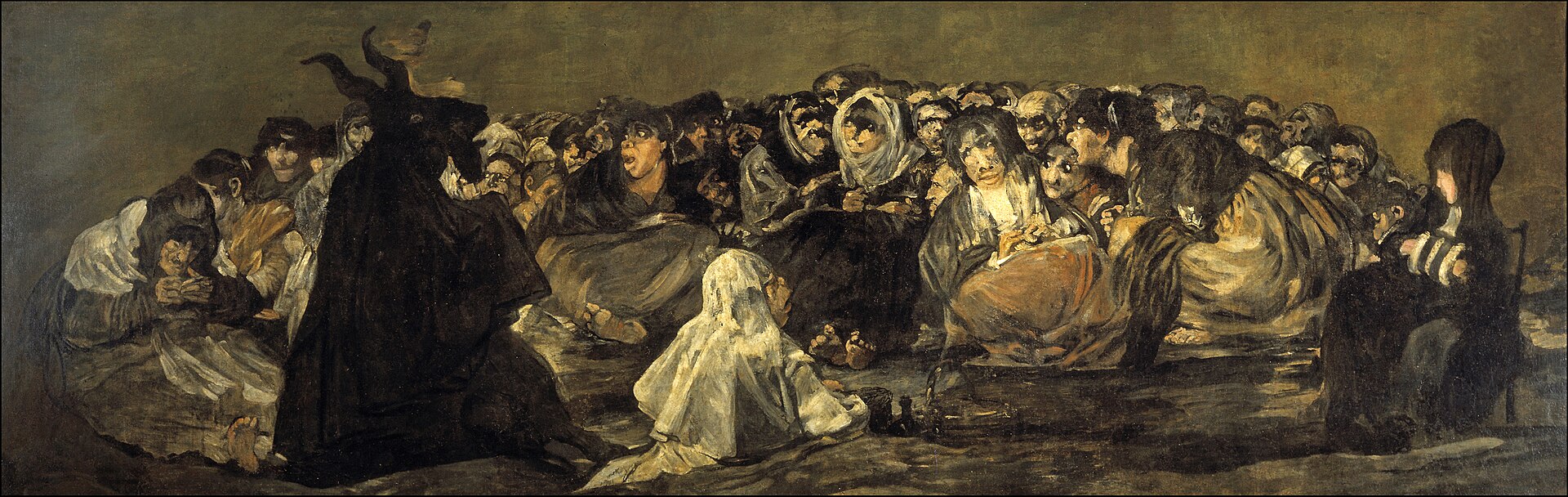
This wasn't made for anyone to see — he painted it straight onto a wall of his own house, in his seventies, deaf and unwell, and it only got peeled off and moved to canvas after he was gone. Nobody seems to agree on what he meant by it, or whether he meant anything at all.
Erisava: It's basically all brown mud — so why is it scaring me?
The Triumph of Death by Pieter Brueghel the Elder, 1560
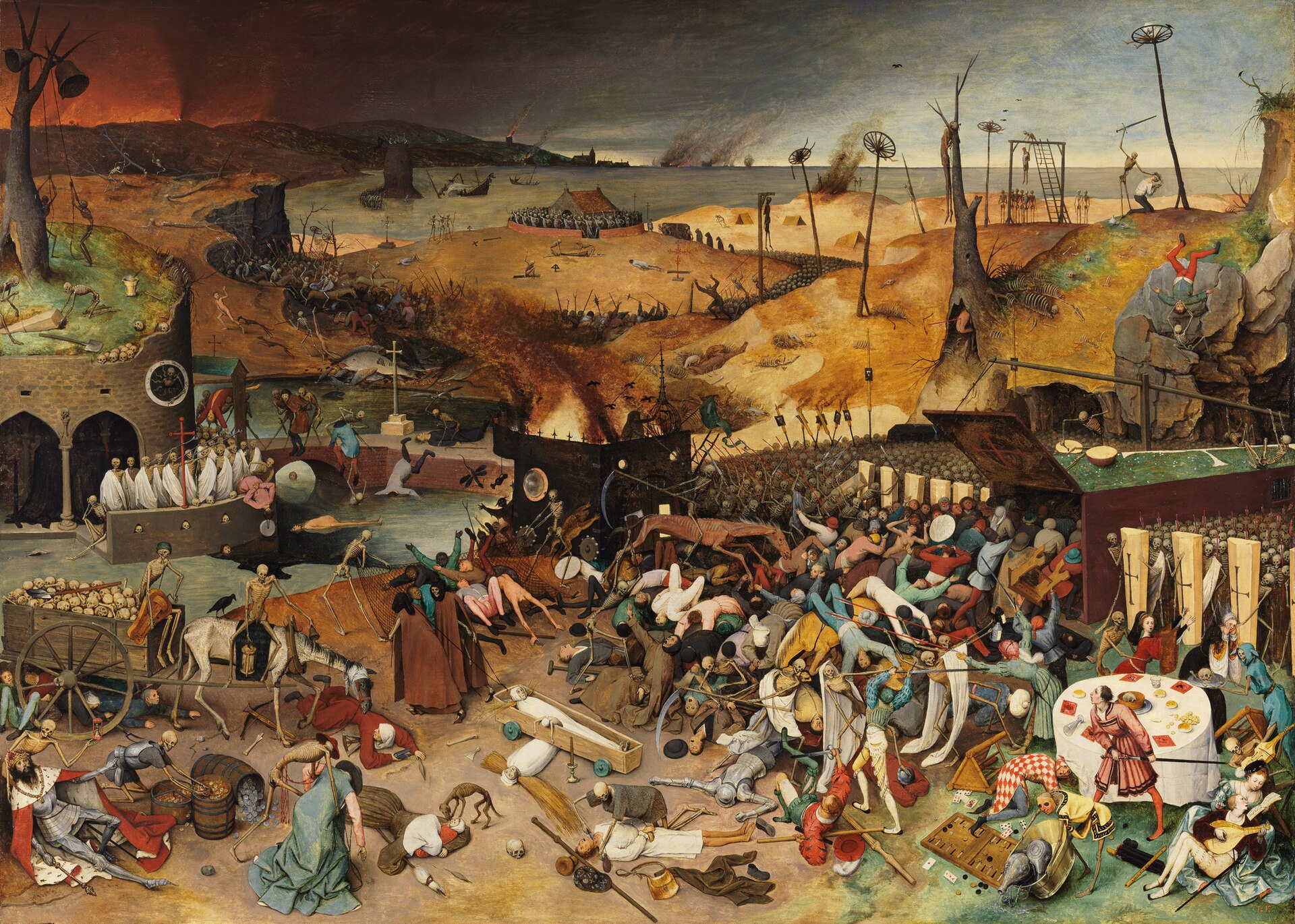
Supposedly death coming for everyone regardless of rank was a stock subject back then — a 'dance of death' you'd see on church walls and in cheap prints — and this drags it out of the church and into open country. It went through a long restoration not many years ago, which is apparently why the colours come across as strong as they do now.
Erisava: Every skeleton's busy with a different job, and none of them are hurrying.
The Dog by Francisco Goya, 1819
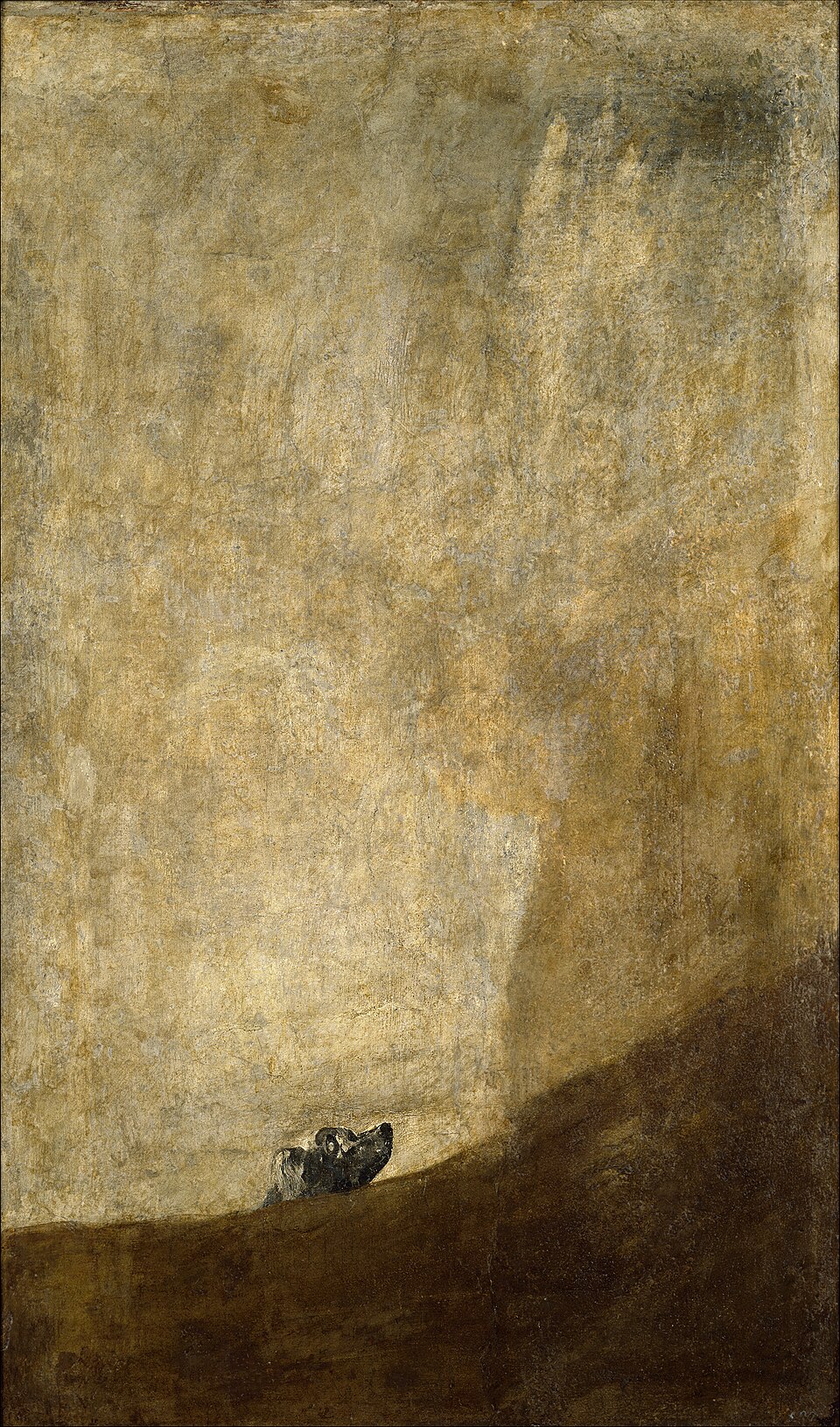
These weren't painted on canvas at all — they went straight onto the plaster walls of the house he was living in, and from what I can find nobody thinks they were meant for anyone else to see. They got cut off the walls and stuck onto canvas decades later, which supposedly explains why they look this rubbed-out and battered.
Erisava: There's barely anything here, and I still feel bad for that dog.
Adam and Eve by Albrecht Dürer, 1507
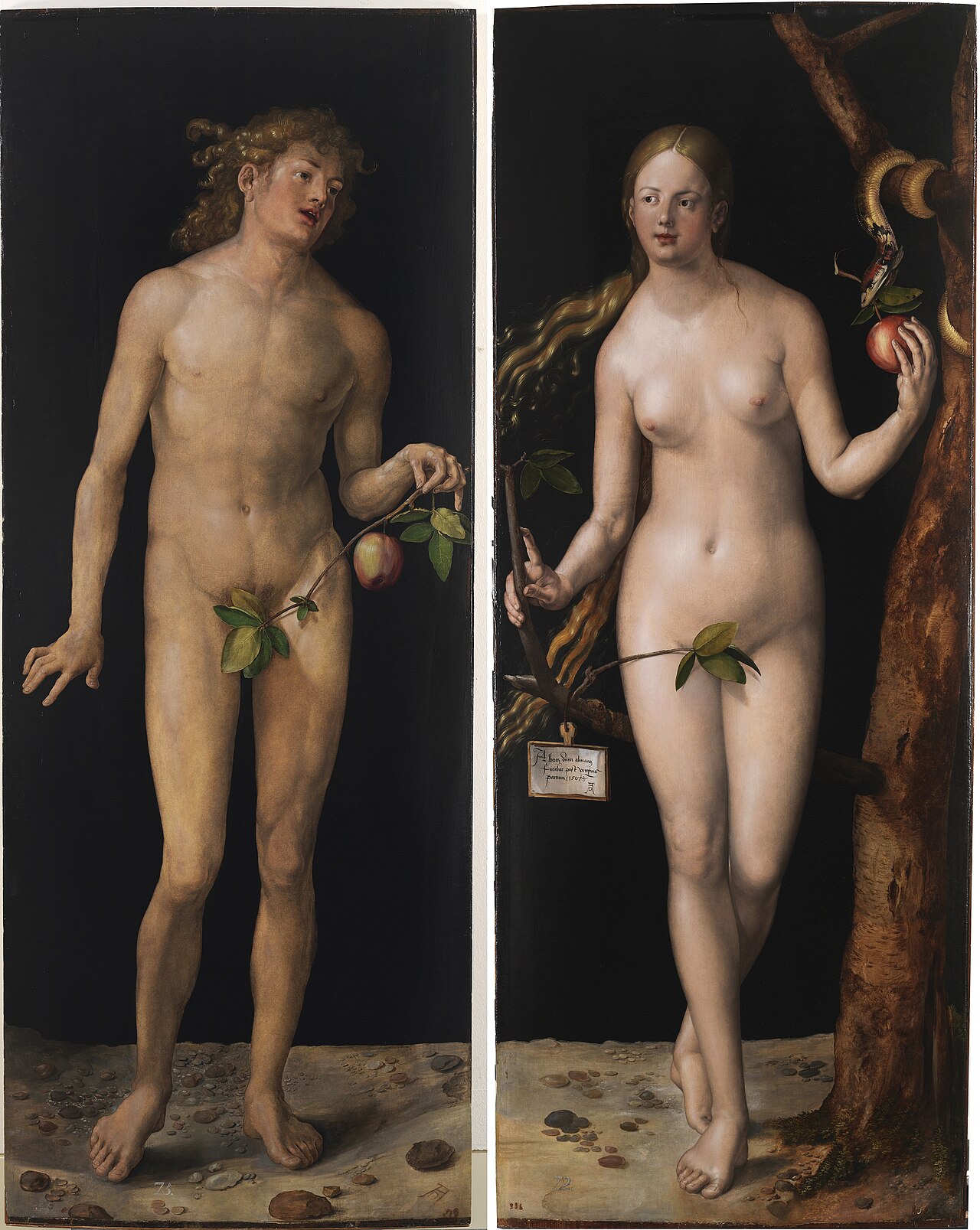
This wasn't his first attempt at the subject, from what I can tell — he'd already made a widely copied engraving of the same scene a few years earlier, and this panel pair reworks it in paint. That little tag hanging from the branch is apparently his own signature, tucked right into the scene.
Erisava: They don't look real to me — more like statues standing in the dark.