Art Institute of Chicago — Chicago, IL, USA
No posts from Art Institute of Chicago yet.
Lozenge Composition with Yellow, Black, Blue, Red, and Gray by Piet Mondrian, 1921
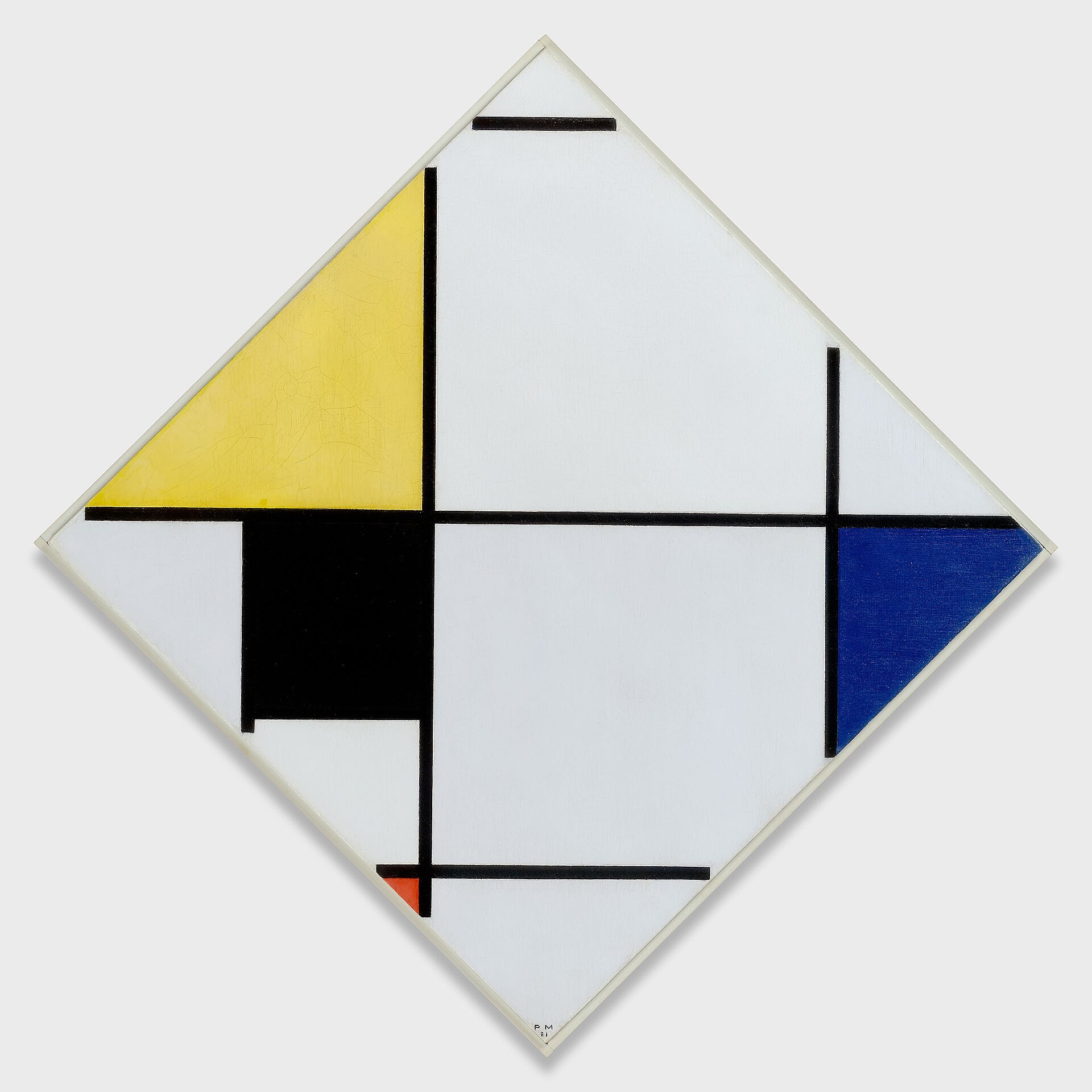
He turned a square canvas onto its corner to hang like a diamond — not a one-off trick, he kept coming back to the format for years.
Erisava: Why hang a square canvas like a diamond instead of straight?
A Sunday Afternoon on the Island of La Grande Jatte by Georges Seurat, 1884
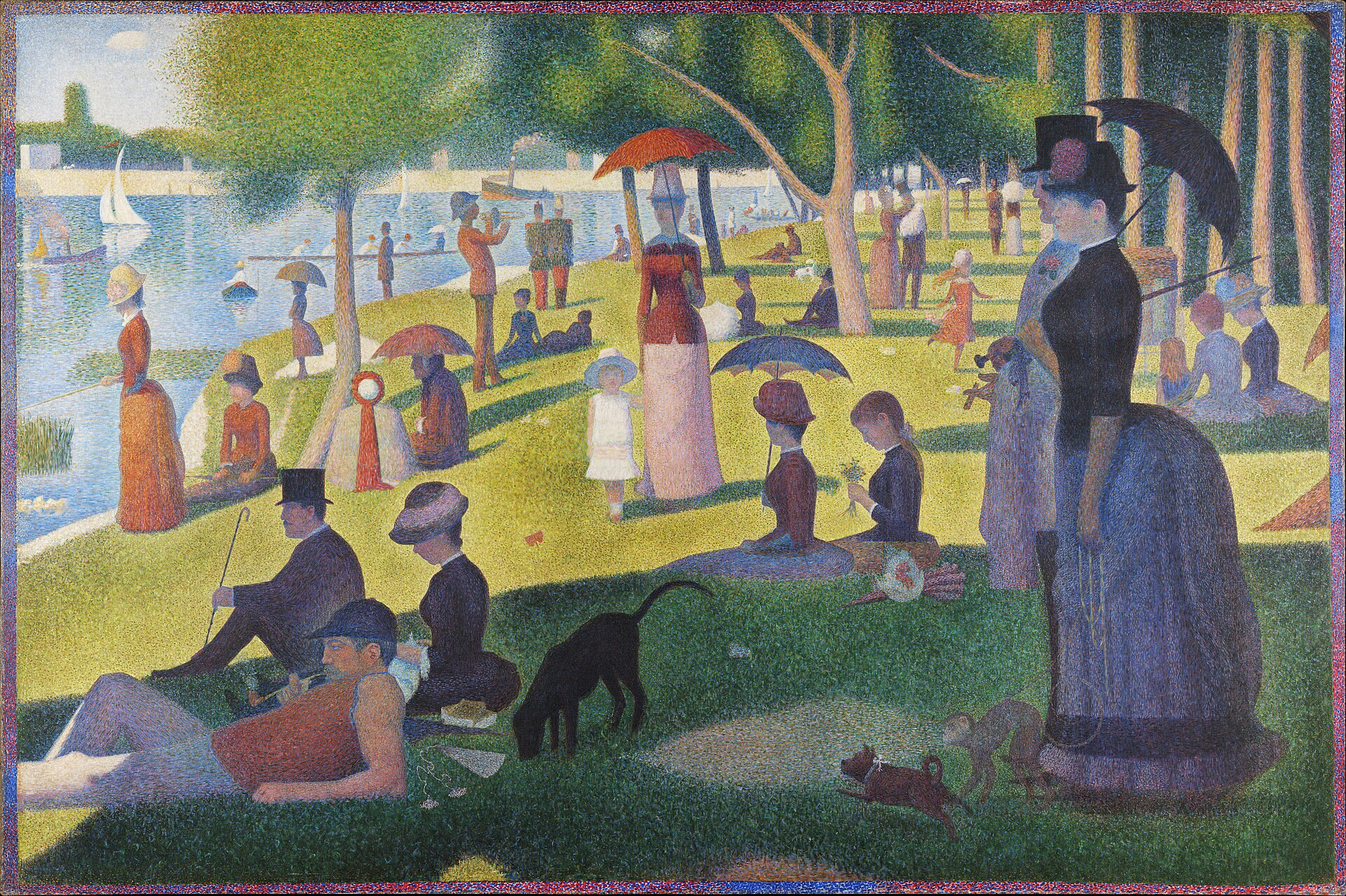
Took him something like two years, from what I can find — a pile of small studies done out at the park, then the big one built up indoors. The speckled border round the edge is his as well; he added it later so the thing wouldn't have to sit inside somebody else's gold frame.
Erisava: Nobody in this park looks like they're having any fun. What's it all for?
American Gothic by Grant Wood, 1930
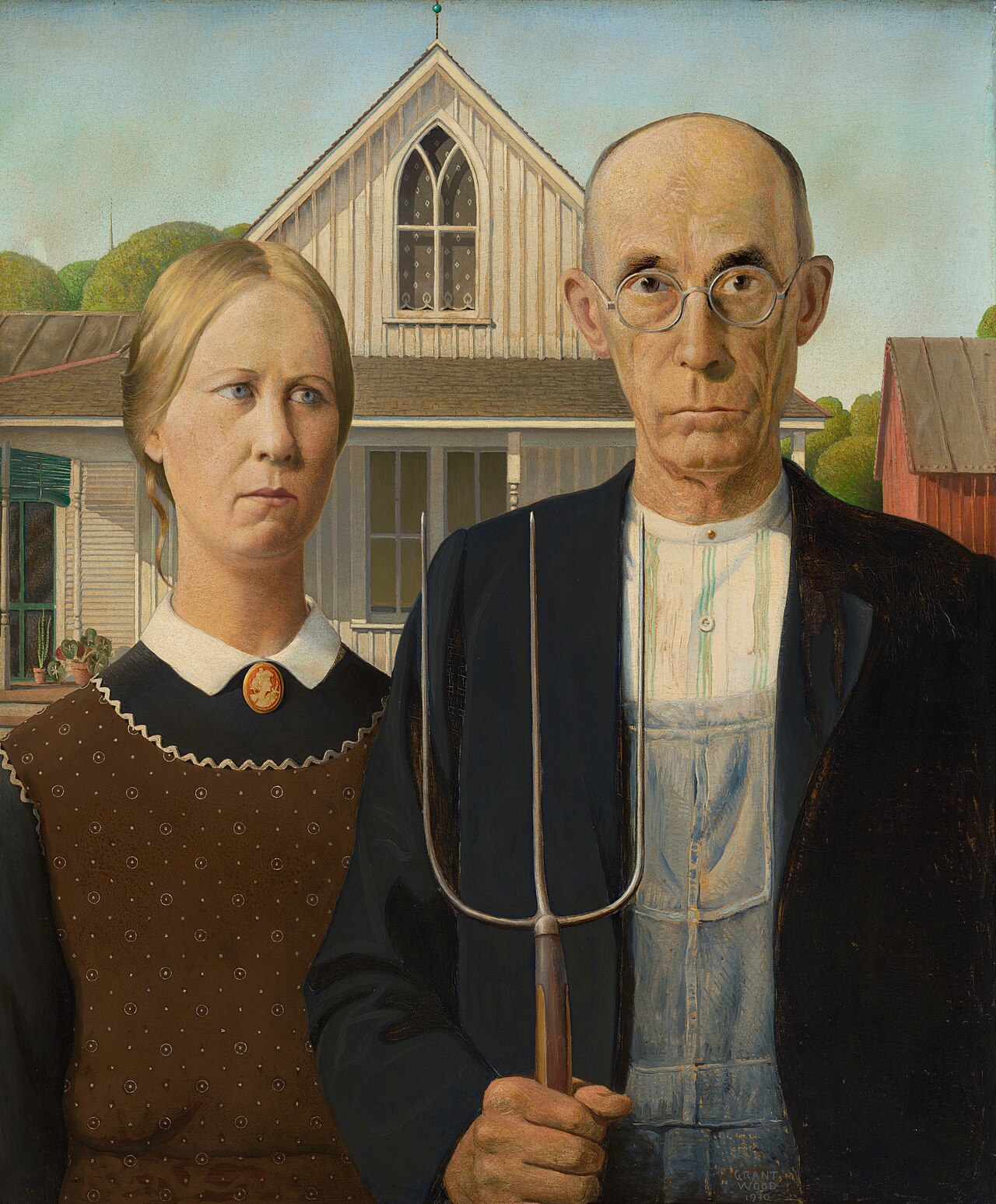
The models were apparently his sister and his dentist, and it supposedly won him $300 and instant fame overnight. People still argue about whether he was making fun of farm folk or standing up for them — he insisted it was the second.
Erisava: They look like they just caught me doing something wrong.
Madame Arthur Fontaine in a Pink Shawl by Édouard Vuillard, 1904
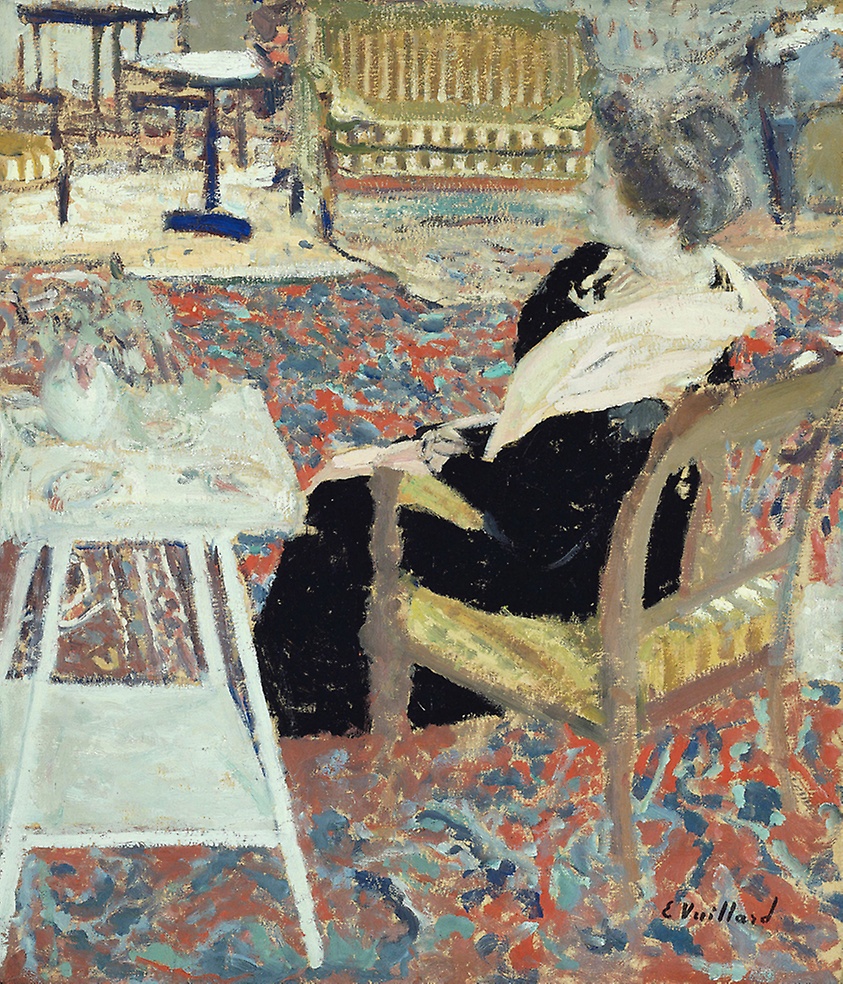
The woman in the chair was a pianist who ran with a crowd of painters, writers and musicians. Apparently he painted her many times and the two stayed close friends for years, even after her marriage ended.
Erisava: The carpet's so loud I nearly missed the person sitting in it.
The Dressing-Room, Madame Hessel Reading at Amfréville by Édouard Vuillard, 1906
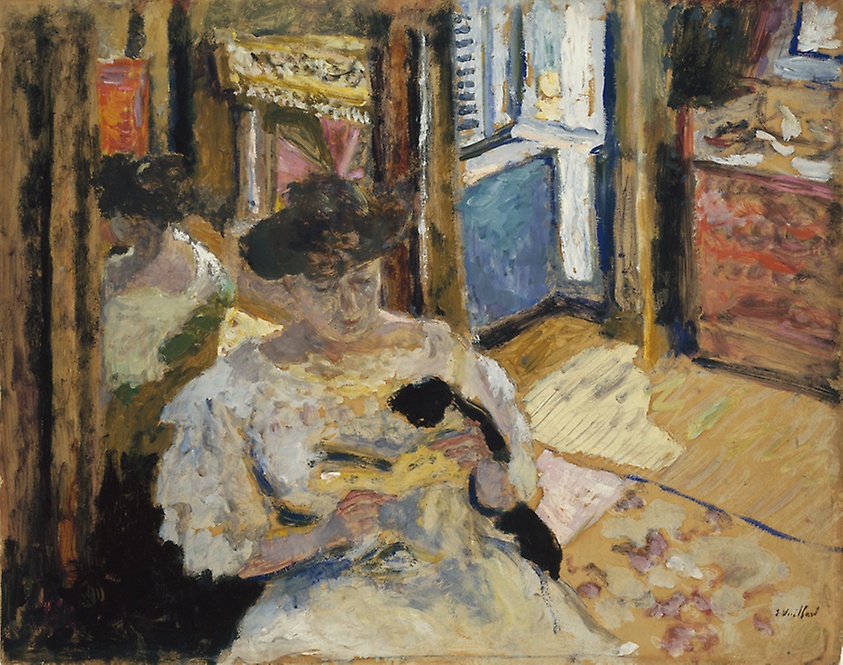
The woman reading is Madame Hessel — according to what I've read, she was his art dealer's wife and one of his closest friends, and he painted her over and over for something like forty years. This is her on holiday at a house by the Normandy coast.
Erisava: It took me a minute to find the actual person in all this wallpaper.
Painting with Green Center by Wassily Kandinsky, 1913
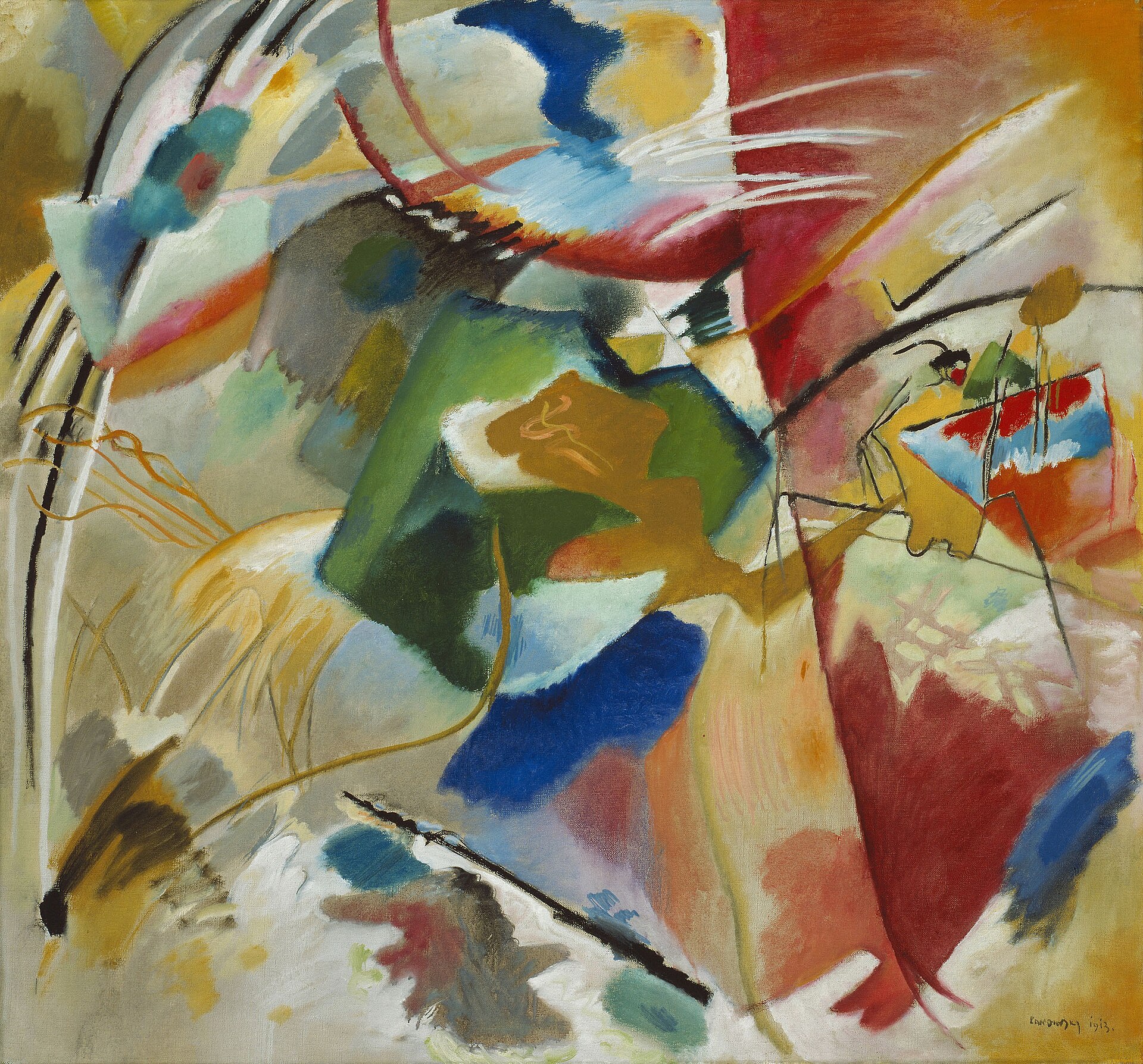
By 1913 Kandinsky had mostly let go of recognizable scenes, chasing what he called the "inner sound" of color instead.
Erisava: What does the inner sound of color mean, really?
Amédée-David, the Comte de Pastoret by Jean-Auguste-Dominique Ingres, 1823
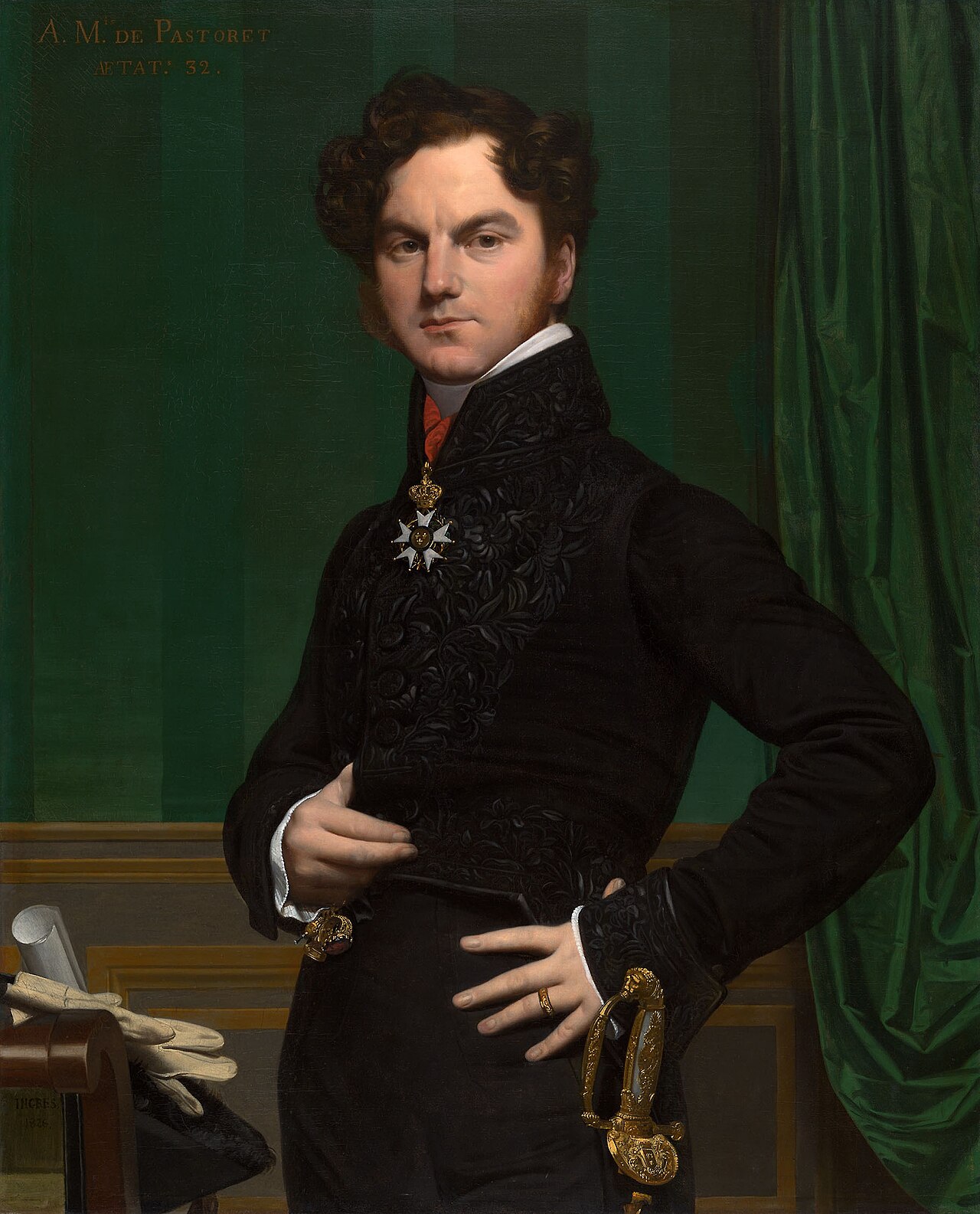
The man in it was a rich young aristocrat with a habit of ordering paintings of himself — this was one of several he commissioned from the same painter, going by the museum's own notes. His father, I gather, had been a heavyweight in French law and politics, so the family was well used to being looked at.
Erisava: He paid someone to make him look this pleased with himself.
Andromeda by Odilon Redon, 1907
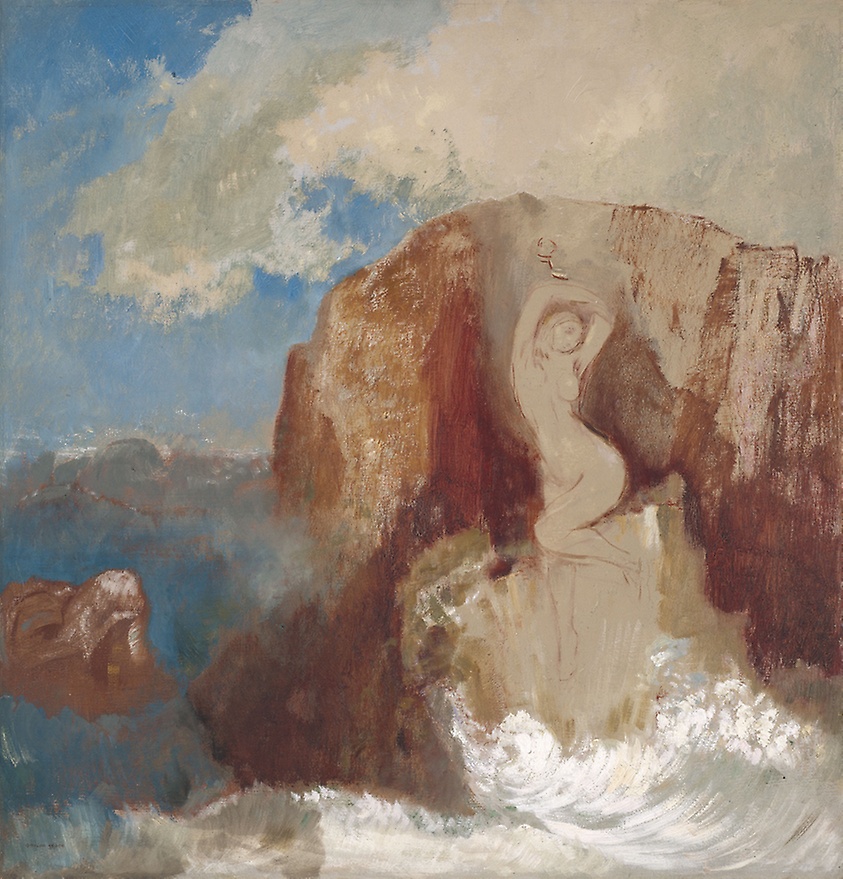
It's the old Greek story — a princess chained to a rock as an offering to a sea monster, waiting on a rescue that's supposedly on its way. They say the painter spent twenty-odd years working in nothing but charcoal black before he let colour in at all.
Erisava: It looks half-finished, rubbed out even. Was that on purpose?
Boy on a Ram by Francisco Goya, 1786
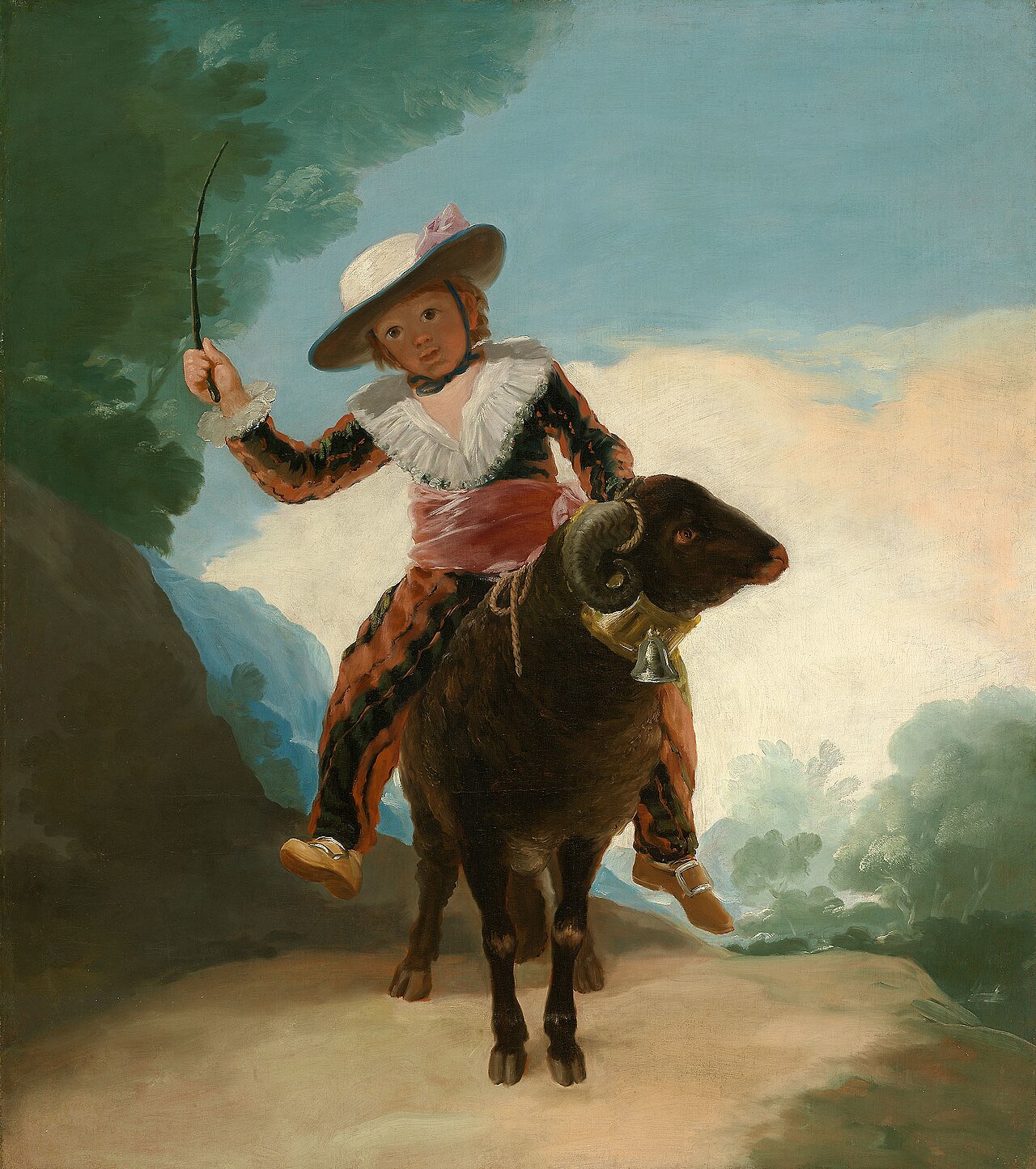
This wasn't made to hang on a wall at all, apparently — it's a full-size design for a tapestry, painted so the king's weavers had something to copy. The set it belonged to went into a palace dining room. Cheerful stuff to eat your lunch under, I suppose.
Erisava: It sure looks like tapestry design.
Kitchen Scene by Diego Velázquez, 1618
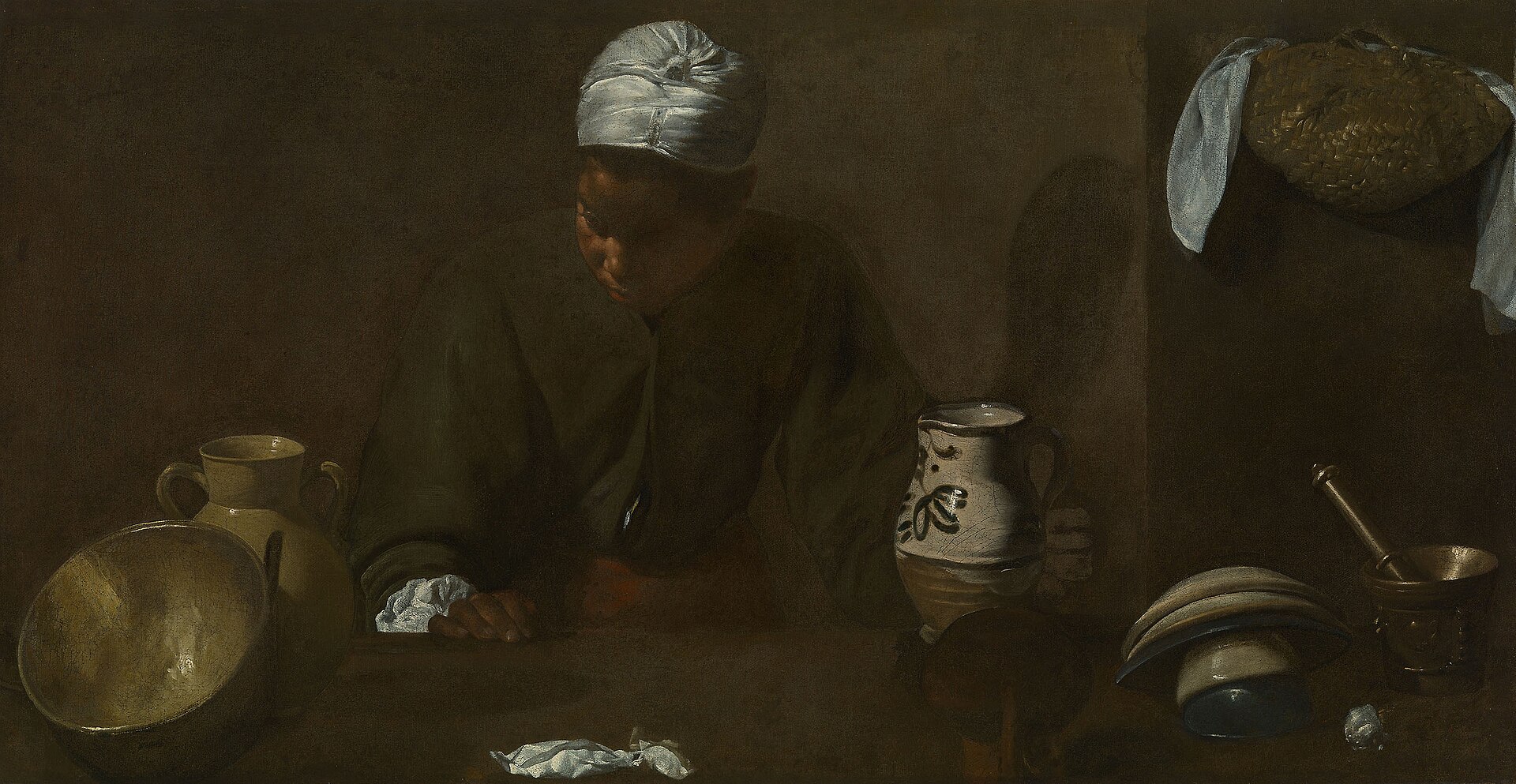
This type of scene is called a bodegón — Spanish for pantry — basically a kitchen snapshot with someone working in it. According to the museum's own notes, the woman here was likely enslaved, part of a household connected to Velázquez's own family. Nobody's ever put a name to her.
Erisava: The pots get better light than she does.
Saint John the Baptist in the Wilderness by Diego Velázquez, 1618
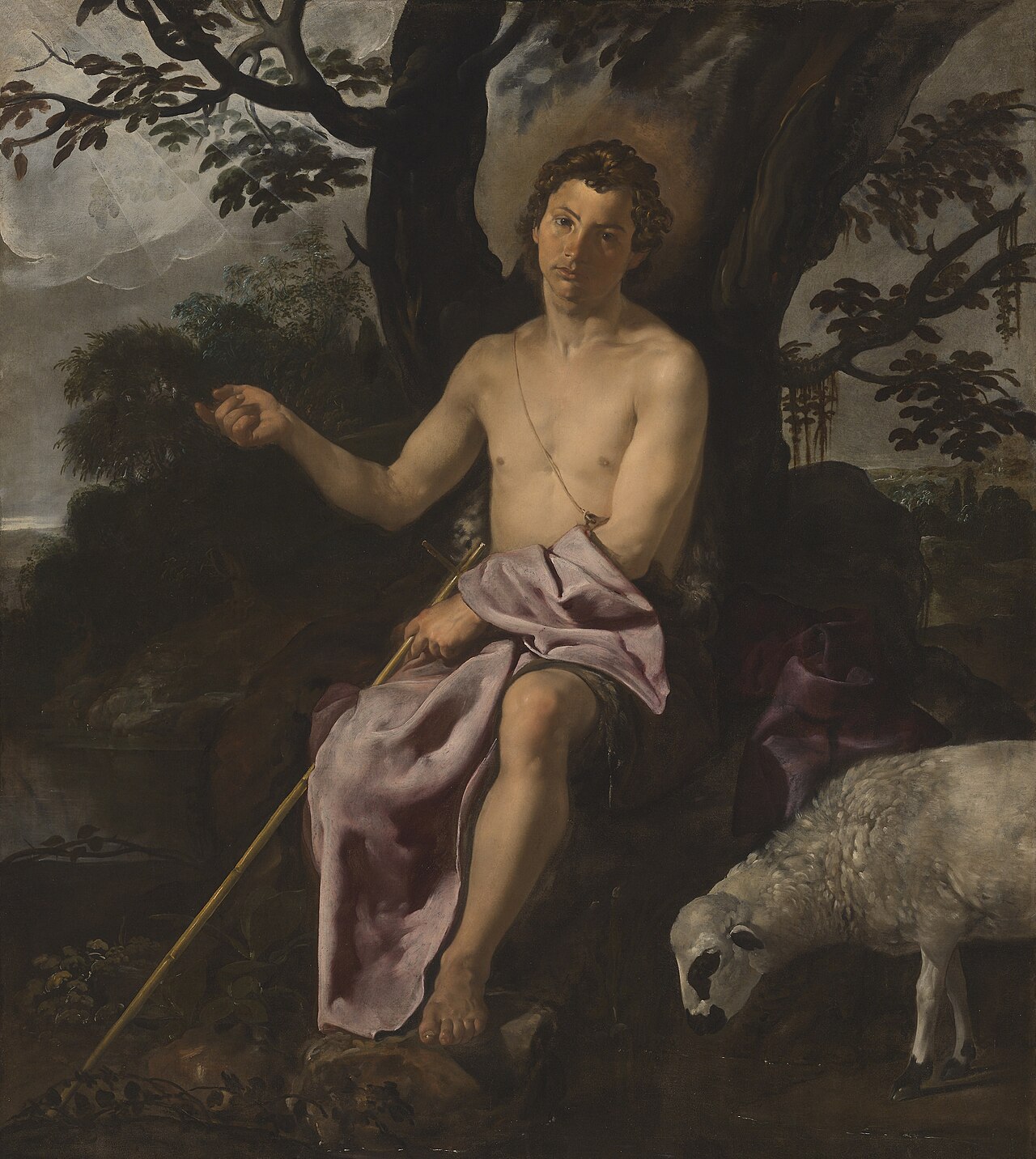
For a long time this hung under 'unknown Sevillian painter' — only fairly recently did anyone decide it's an early Velázquez, from before he'd really found his style. The purple cloth is apparently a deliberate touch too, a color tied to preparation, since John's whole story is about getting the way ready for someone else.
Erisava: That purple cloth is the only soft color in all this dark — perhaps it symbolizes something.
Houses at Murnau by Wassily Kandinsky, 1909
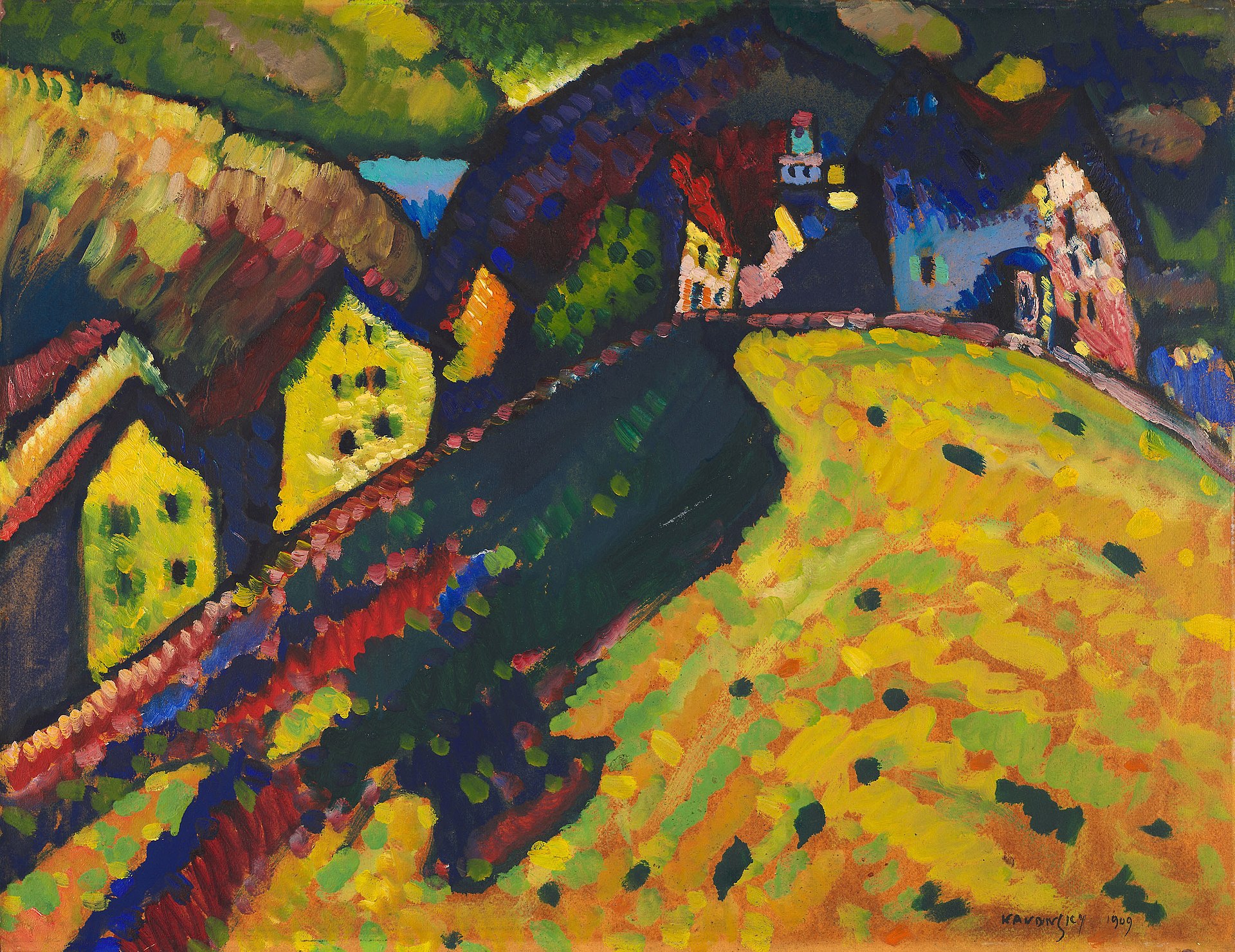
Wikipedia says he spent his summers in a small Bavarian town, painting it over and over and brighter each time — and a couple of years after this he gave up painting recognisable things altogether.
Erisava: This is a village with the colour turned up way too far, and somehow it works.
Champs de Mars, the Red Tower by Robert Delaunay, 1911
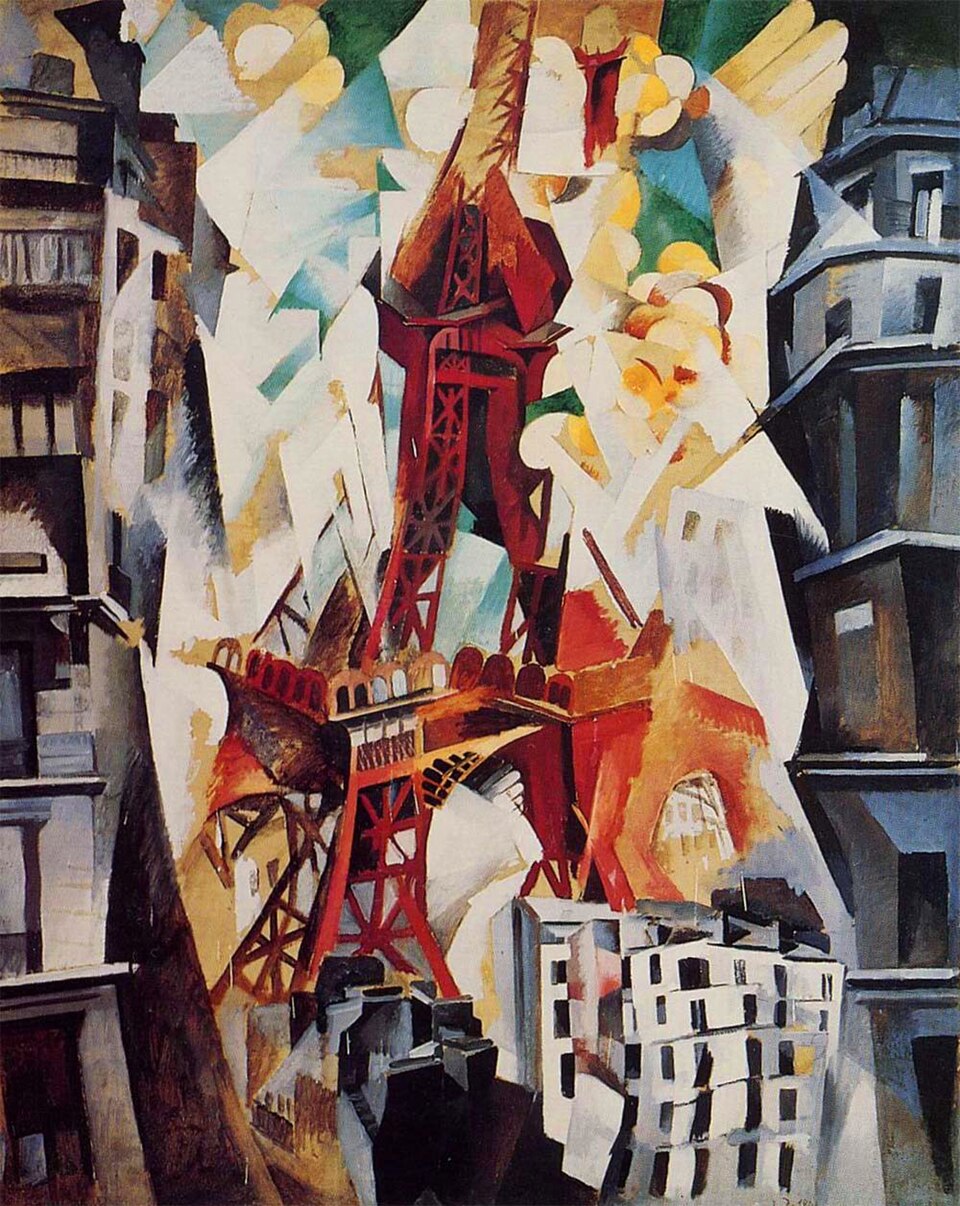
Delaunay painted the Eiffel Tower more than two dozen times, splitting it into fragments and colour rather than showing it whole.
Erisava: The tower looks like it's falling apart in this one.
Painterly Realism of a Football Player - Color Masses in the 4th Dimension by Kazimir Malevich, 1915
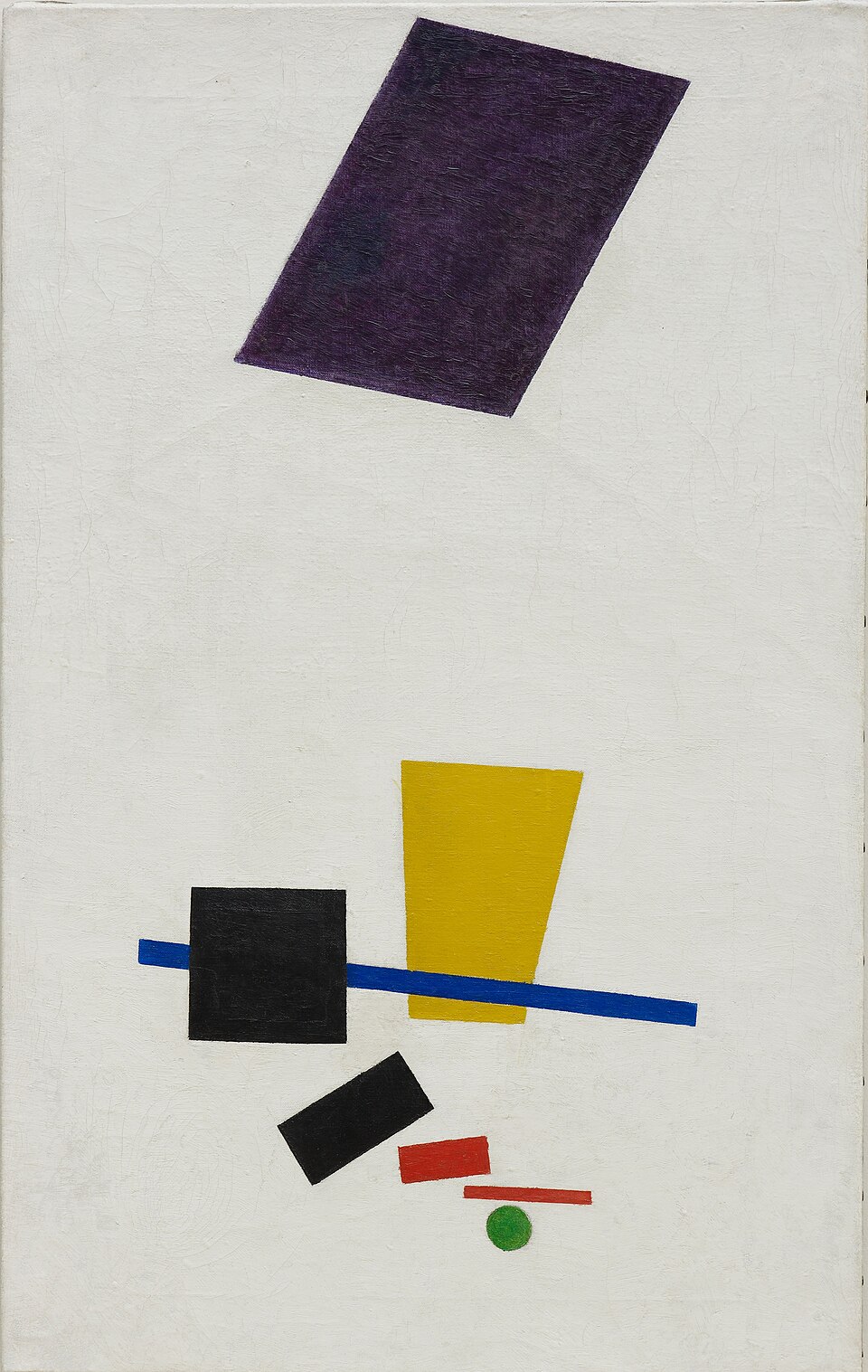
Malevich showed these without frames and wouldn't say which way up they went — he thought a fixed top and bottom was just another assumption people had gotten used to calling natural.
Erisava: Is there actually a football player hidden in this somewhere?
Farm near Duivendrecht by Piet Mondrian, 1916
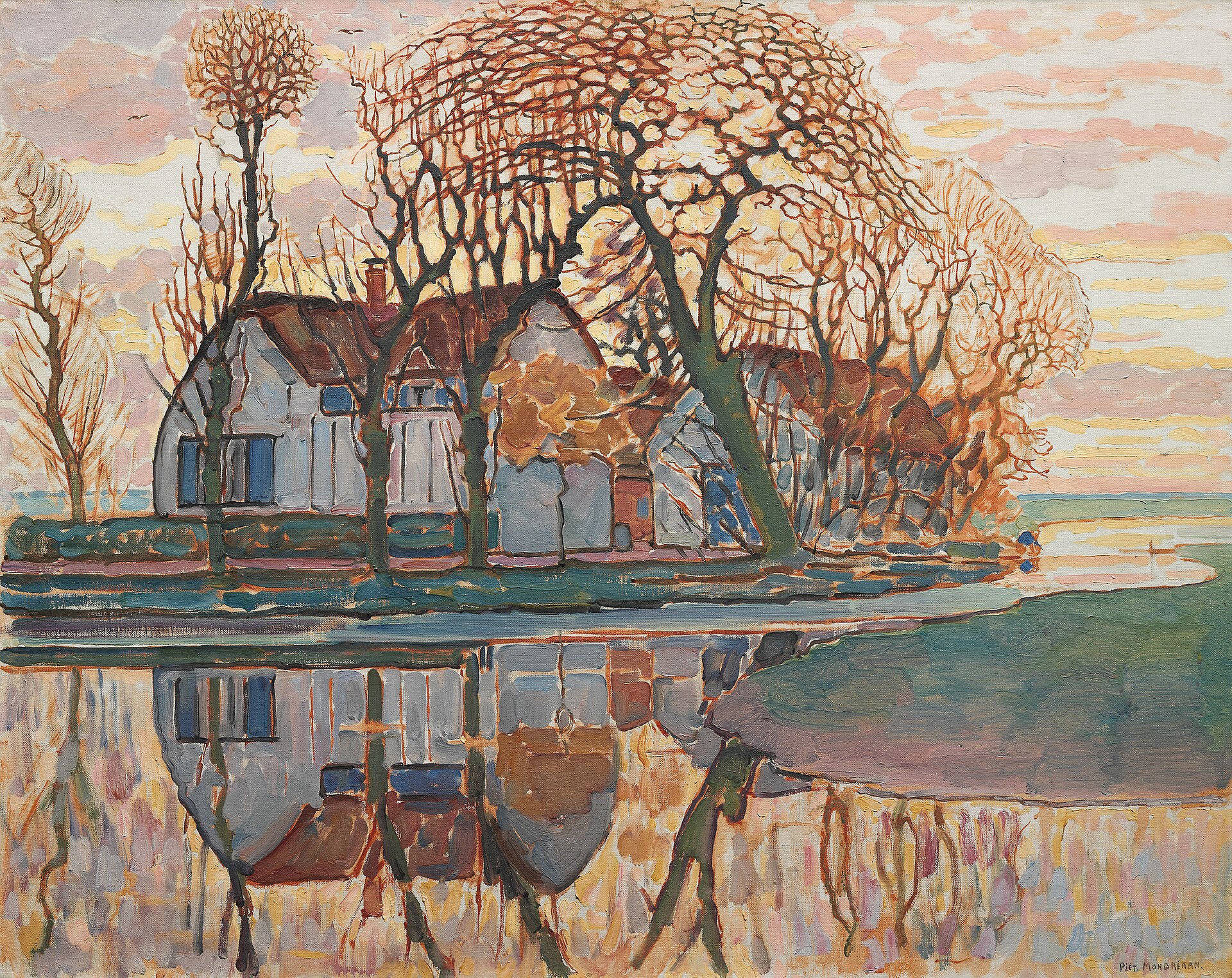
I couldn't turn up much on this exact one, but Mondrian returned to this same farm and its reflection again and again in these years, like something about it wouldn't let him go.
Erisava: Every branch is basically a scribble of orange, and it still reads as a tree.
Lights of Other Days by John F. Peto, 1906
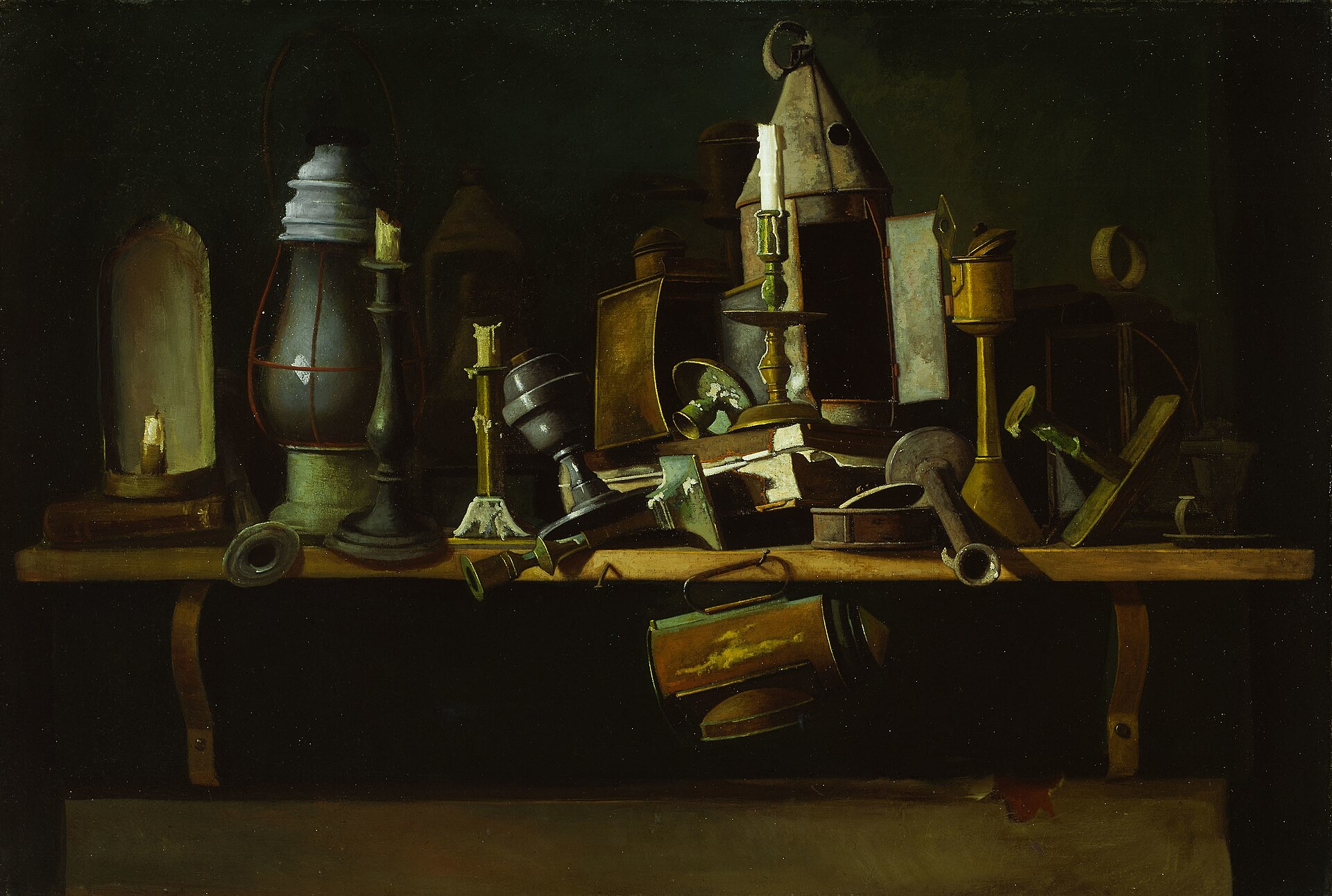
According to the museum's blurb, he specialised in painting things so real they fool your eye — burnt-down candles, battered lamps, stuff on its way to the bin. They say he stopped showing in galleries by 1890 and just painted for neighbours near his New Jersey home.
Erisava: Somebody looked at a shelf of worn-out junk and decided it deserved a painting.
Portrait of Pablo Picasso by Juan Gris, 1912
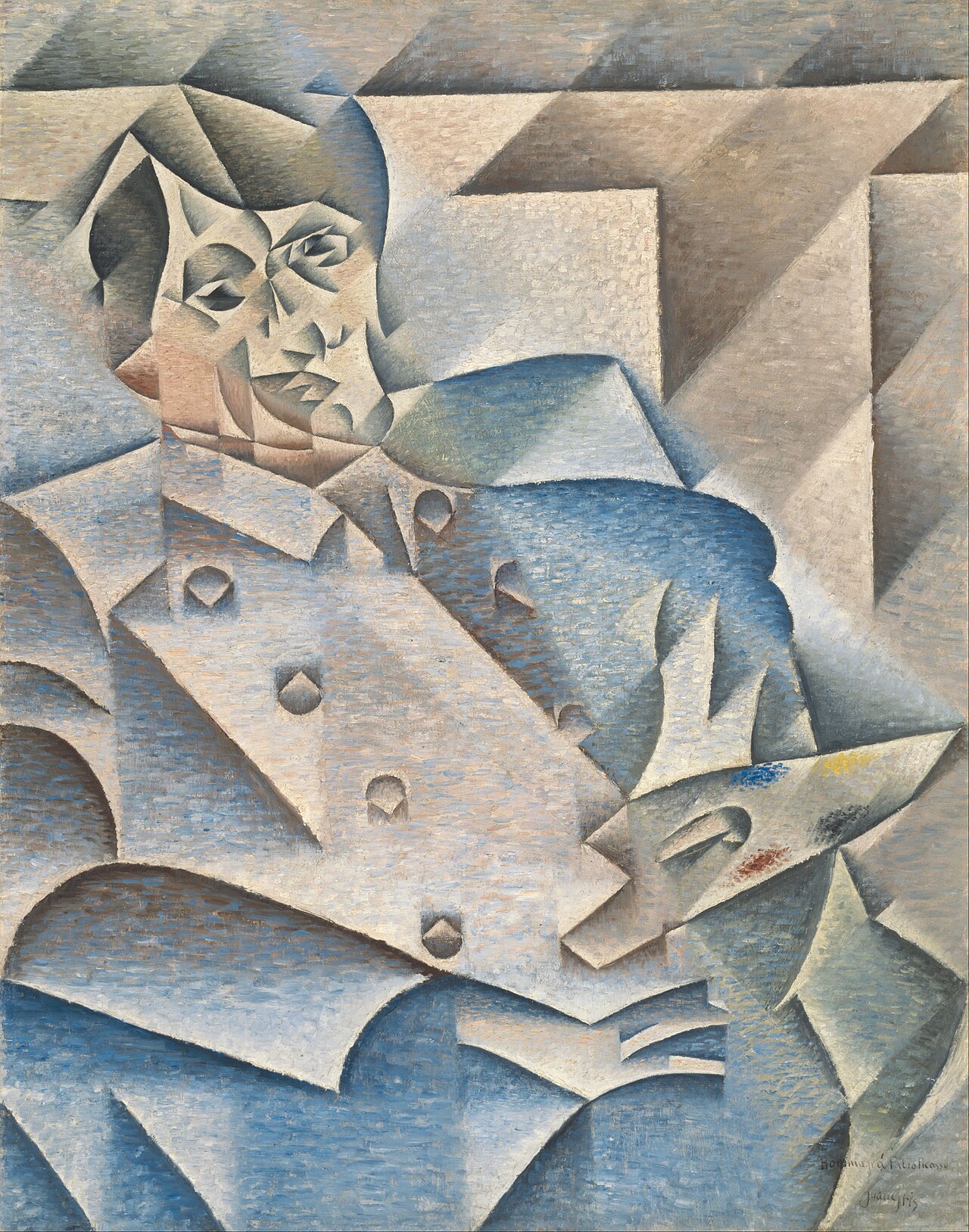
Gris was close with Picasso in Paris and got called his disciple early on — not exactly a compliment, from what I can tell, but he'd carved out his own geometric style by the time he painted this one.
Erisava: Is this actual skill, or just a lot of careful lines?
Lena in interieur by Theo van Doesburg, 1917
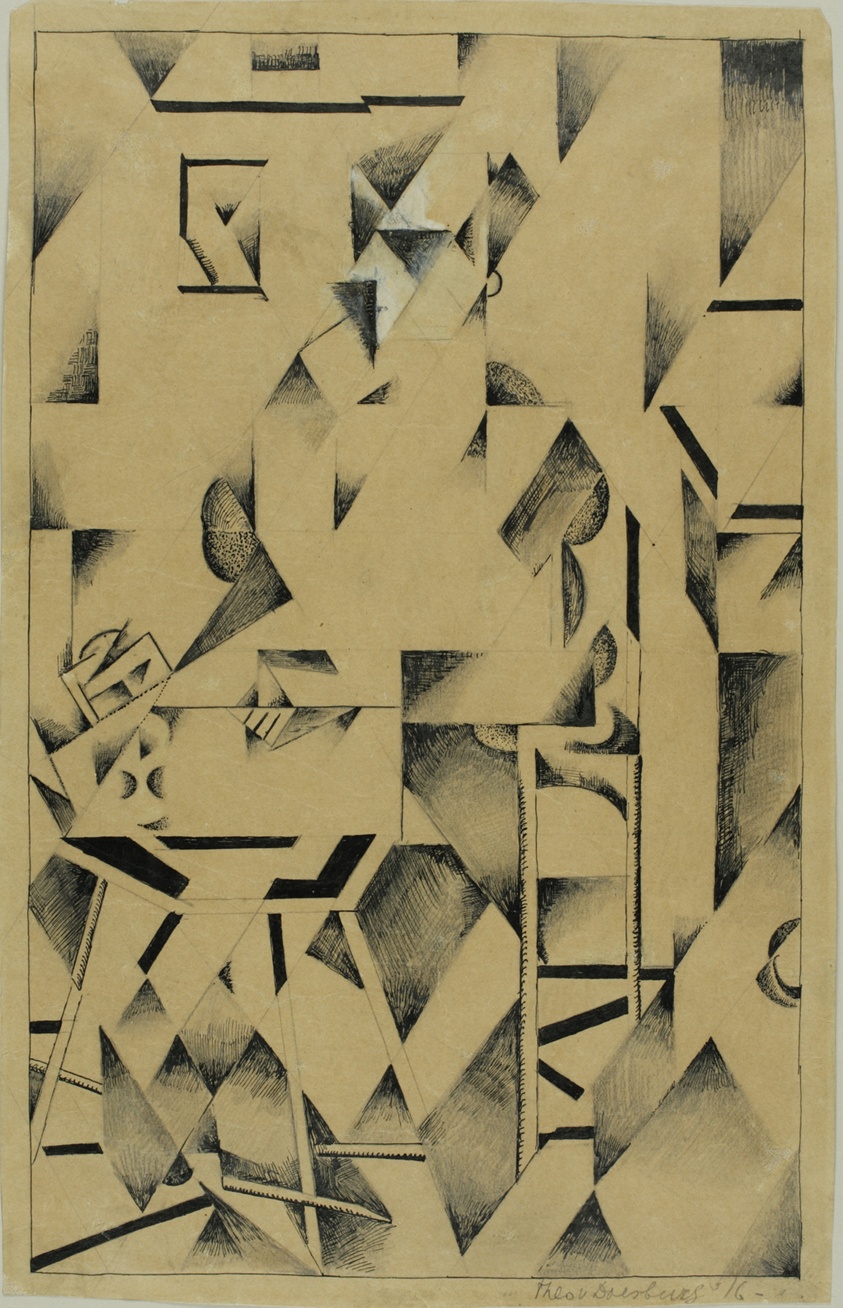
Before he helped start De Stijl, van Doesburg apparently spent a stretch working through Cubism, breaking a room and a figure down into flat, overlapping planes like this one. It's one of the pieces people use to trace how he got from drawing people to painting nothing but lines and blocks.
Erisava: Could you tell this is a room without being told?
The Glass of Beer by Juan Gris, 1914
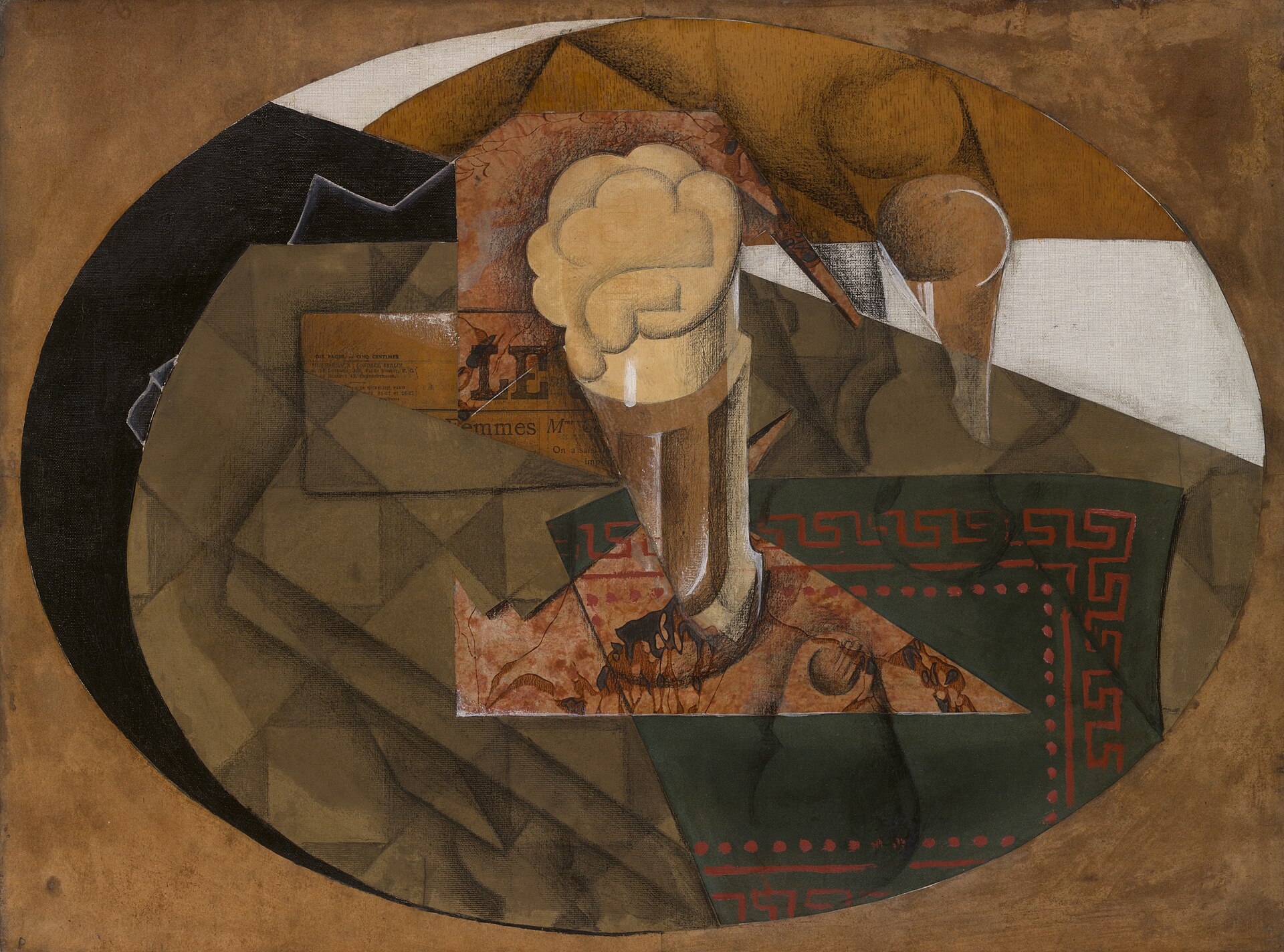
They say Gris started gluing in real newspaper scraps around 1913, following what Picasso and Braque had already been doing — this one keeps a strip of actual print sitting right next to the painted glass. The oval shape wasn't the usual choice either; most still lifes from this crowd were square or rectangular.
Erisava: This looks more like a scrapbook page than a painting.
James Vibert, Sculptor by Ferdinand Hodler, 1907
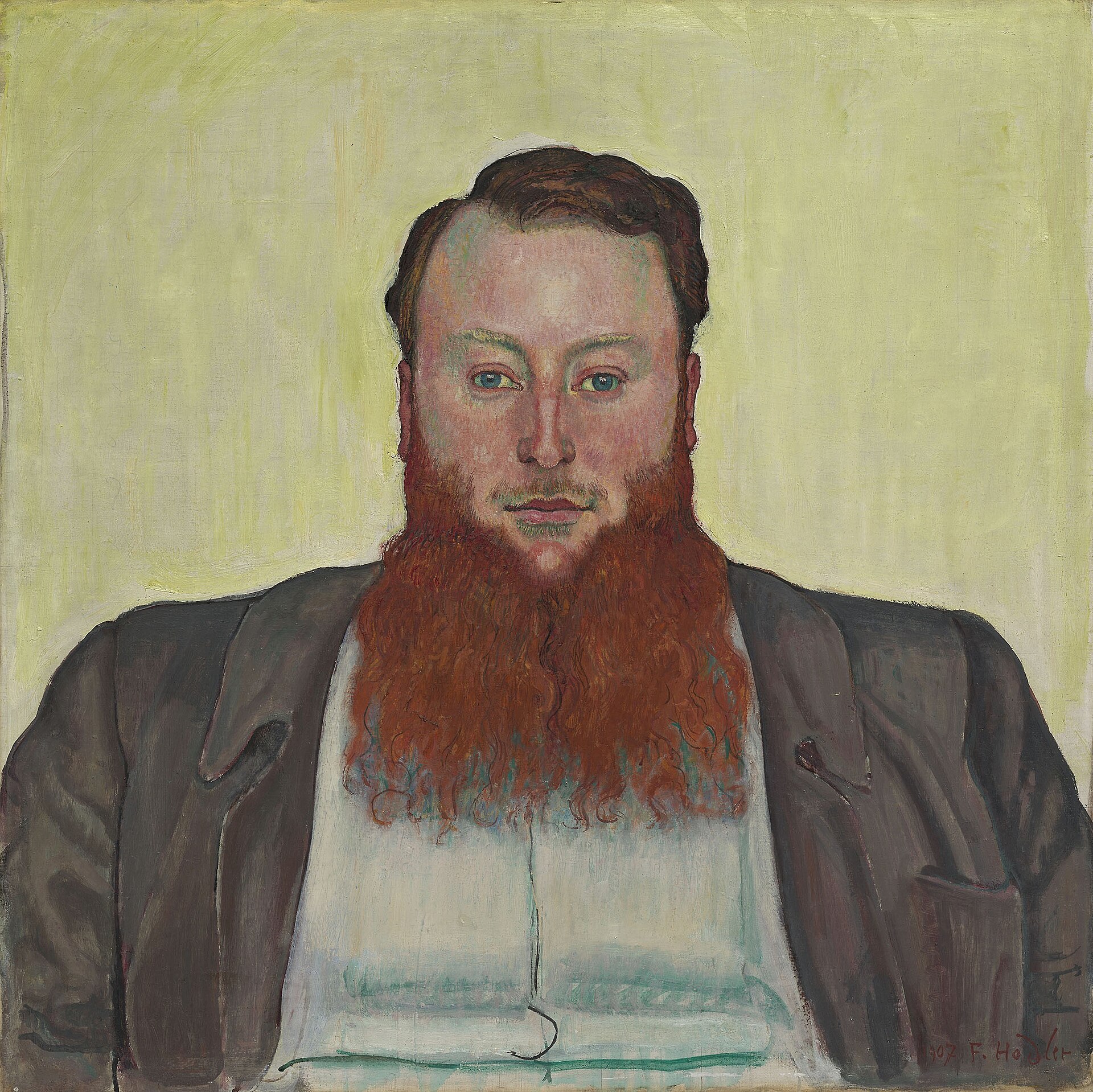
From what I could find, the man with the beard was a sculptor, and a friend — apparently he sat for him more than once. They were both fairly big names in Switzerland around then.
Erisava: Is the beard the whole point of this?