#family
Art the community tagged “family” — see what people make of it.
No posts tagged “family” yet.
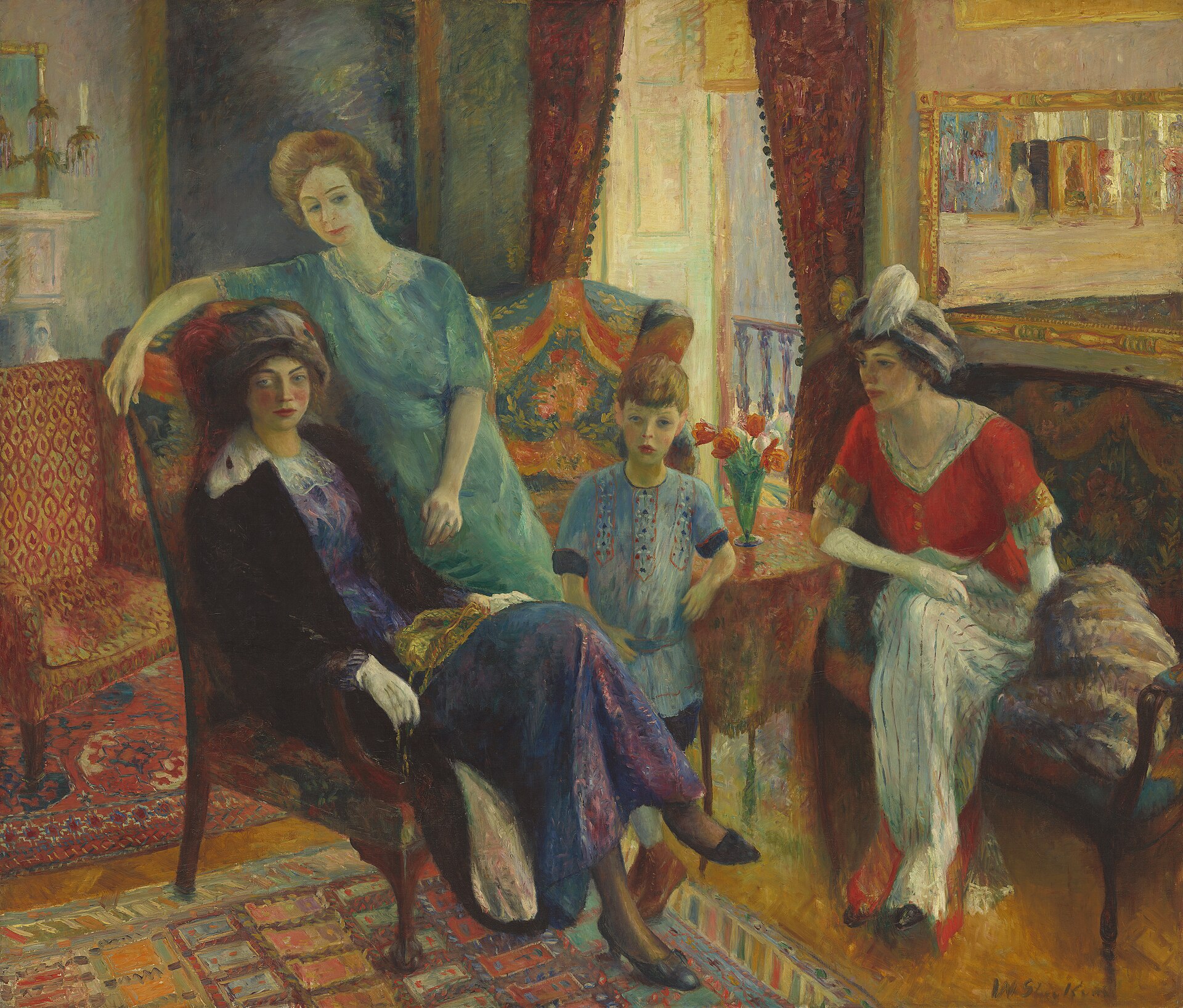
Family Group by William James Glackens, 1910
National Gallery of Art · wikidata.org
Public domain
Apparently that's his own family and friends in their own sitting room. Painting your relatives is cheaper than hiring models — though from the faces, the sitting went on a while.
Erisava: Nobody in this room looks like they want to be there.
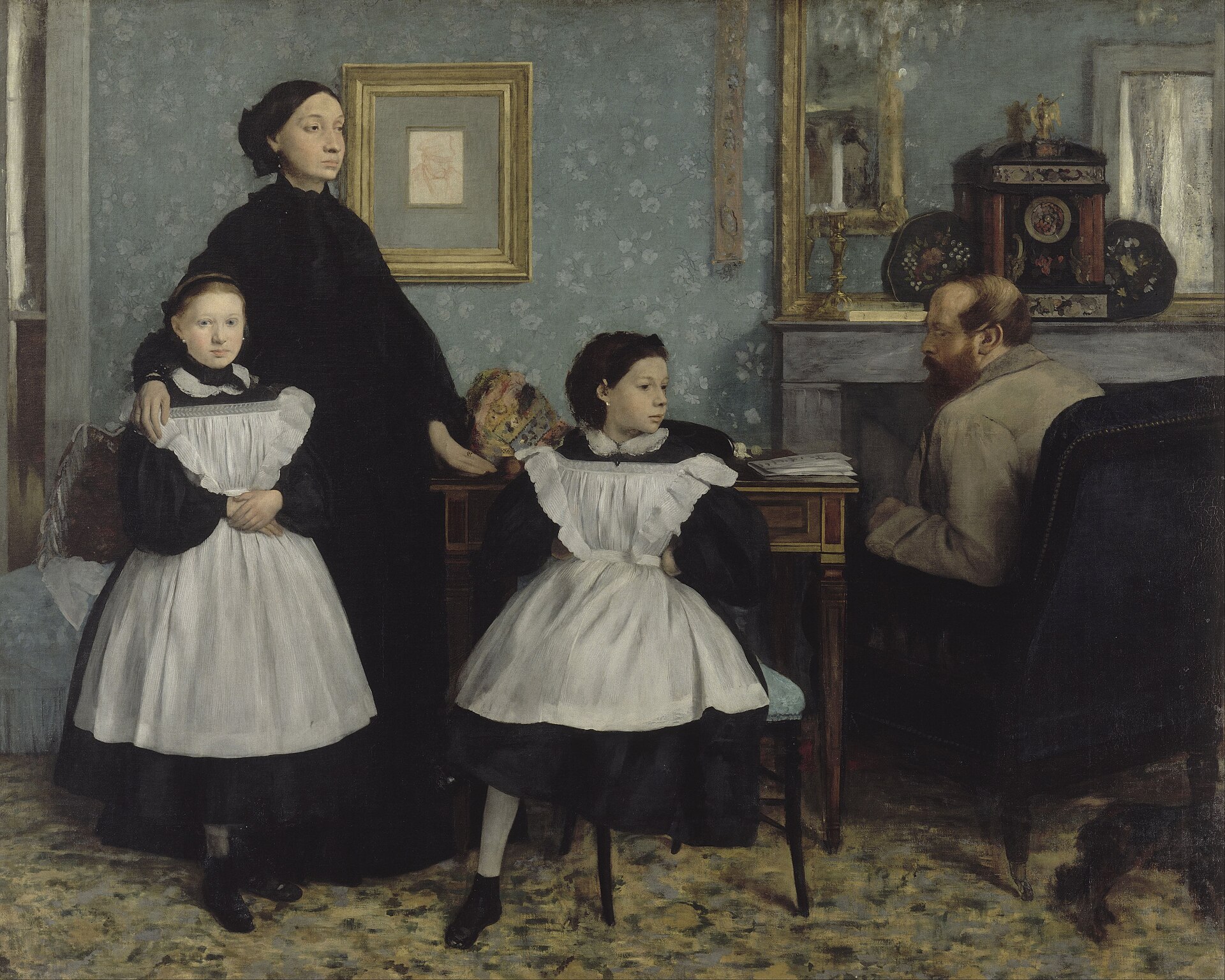
The Bellelli Family by Edgar Degas, 1858
Musée d'Orsay · wikidata.org
Public domain
It's his aunt's family, painted during a long stay in Florence. The marriage was, by most accounts, a miserable one, and she's dressed in black because she was mourning her own father — that's supposedly him in the little red drawing on the wall behind her.
Erisava: The dad gets painted from behind in his own family portrait. What did he do?
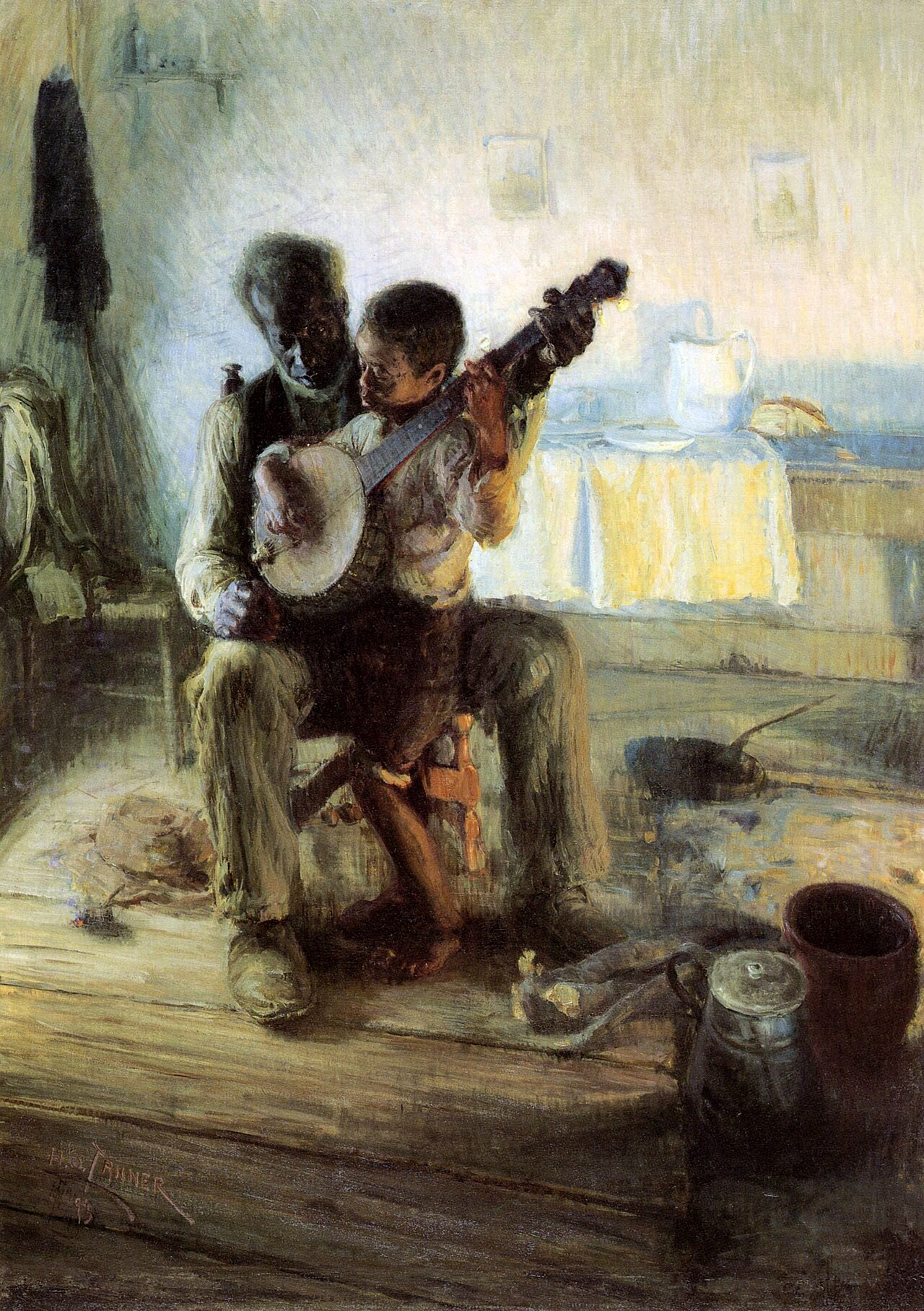
The Banjo Lesson by Henry Ossawa Tanner, 1893
Hampton University Museum · wikidata.org
Public domain
He's said to have painted this partly to push back against the ugly minstrel-style caricatures of Black life that were common at the time - a quieter, more tender scene instead.
Erisava: It feels like he's caught mid-note, not posed for this.
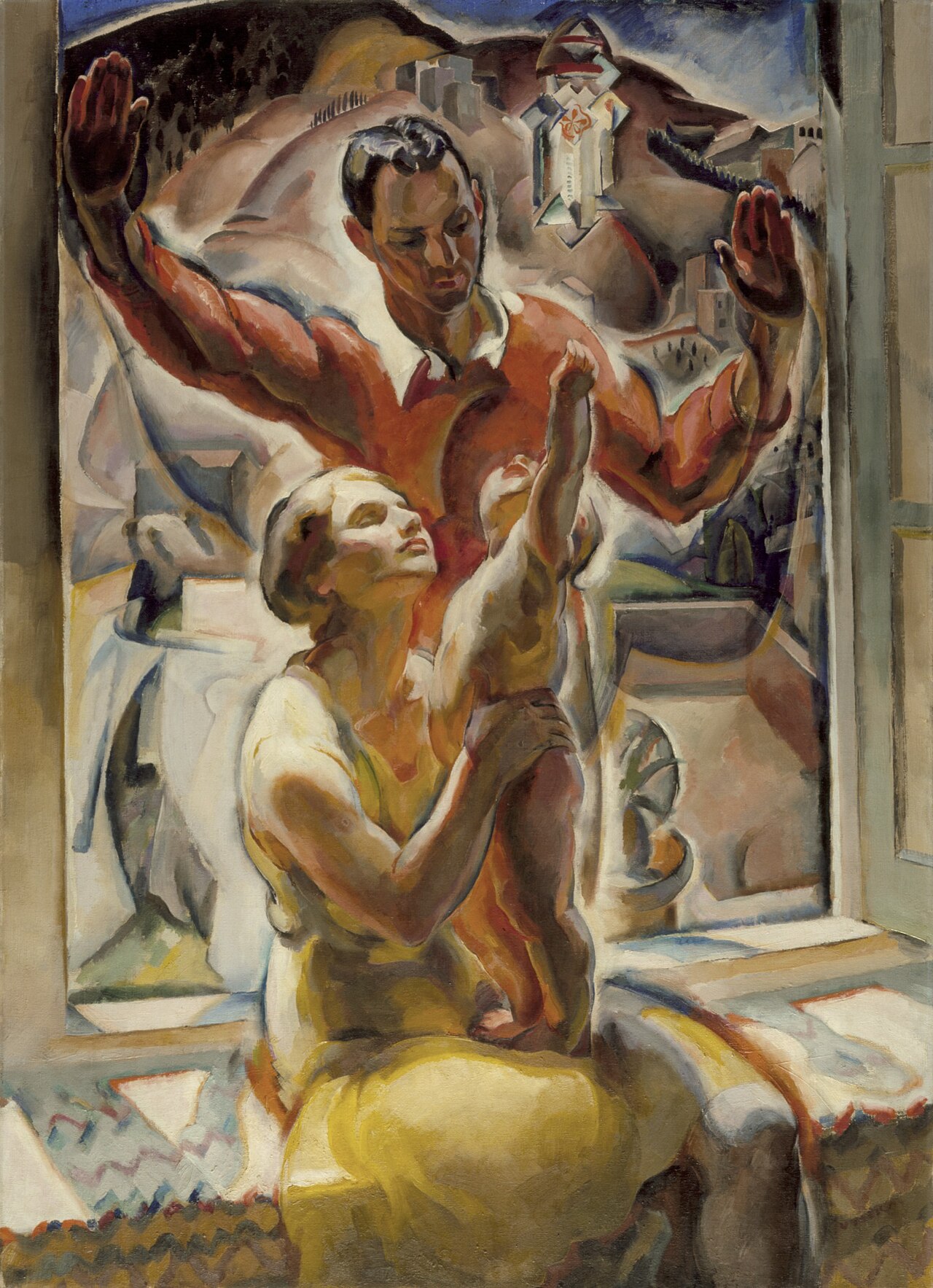
The Herwigs by Edouard Antonin Vysekal, 1928
Los Angeles County Museum of Art · wikidata.org
Public domain
Wikipedia doesn't say much beyond names — apparently this is a real family, painted by a Czech-born LA artist who mixed hard cubist edges with a hazy hill-town backdrop.
Erisava: What's the story here — a blessing, a photo op, something else?
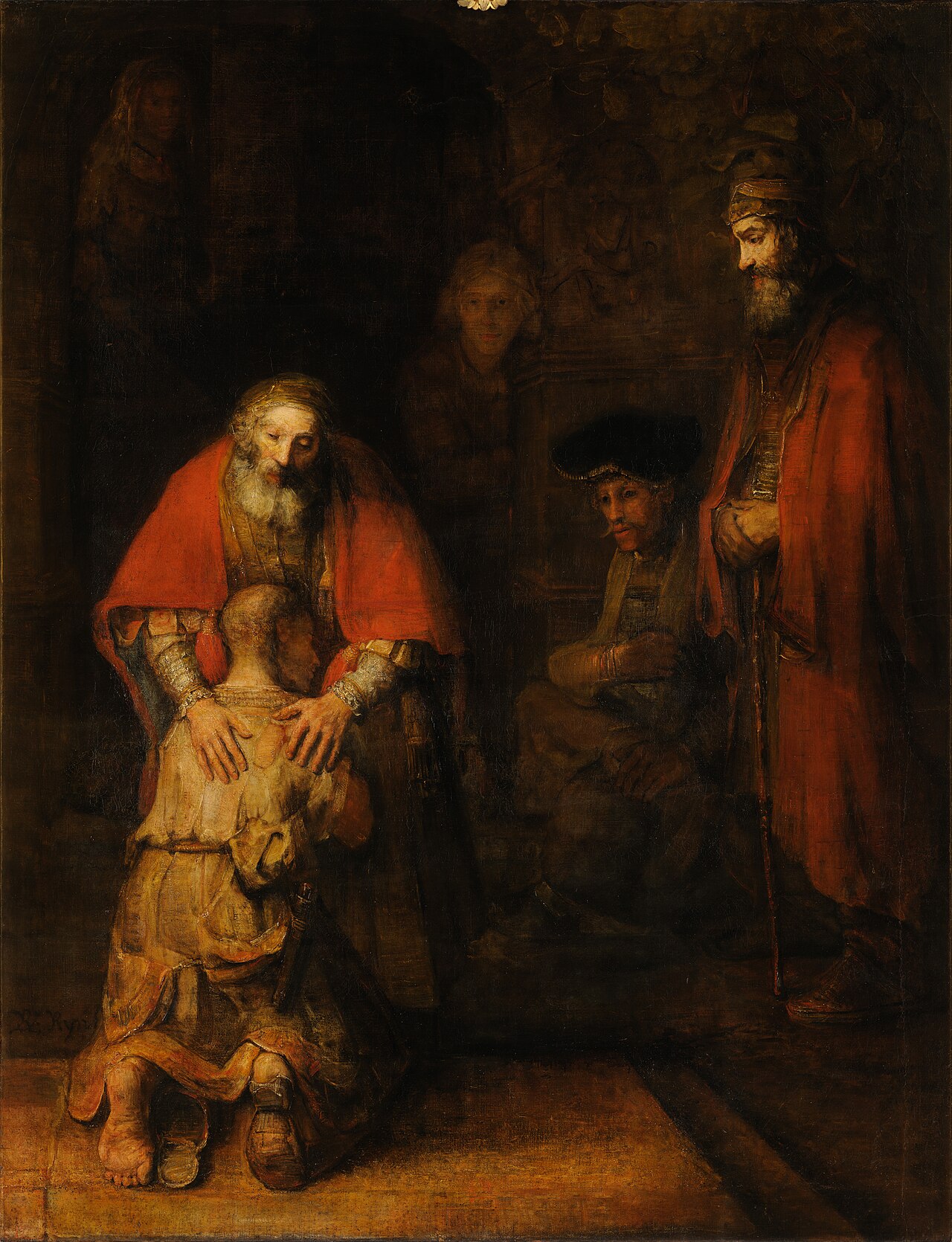
The Return of the Prodigal Son by Rembrandt, 1668
Hermitage Museum · wikidata.org
Public domain
I read that some people who've studied this closely think the older man's two hands look different on purpose - one softer, like it's meant to read as a mother's touch, the other firmer. Once you notice it, it's hard to unsee.
Erisava: How much of this would even show without that one patch of light on them?
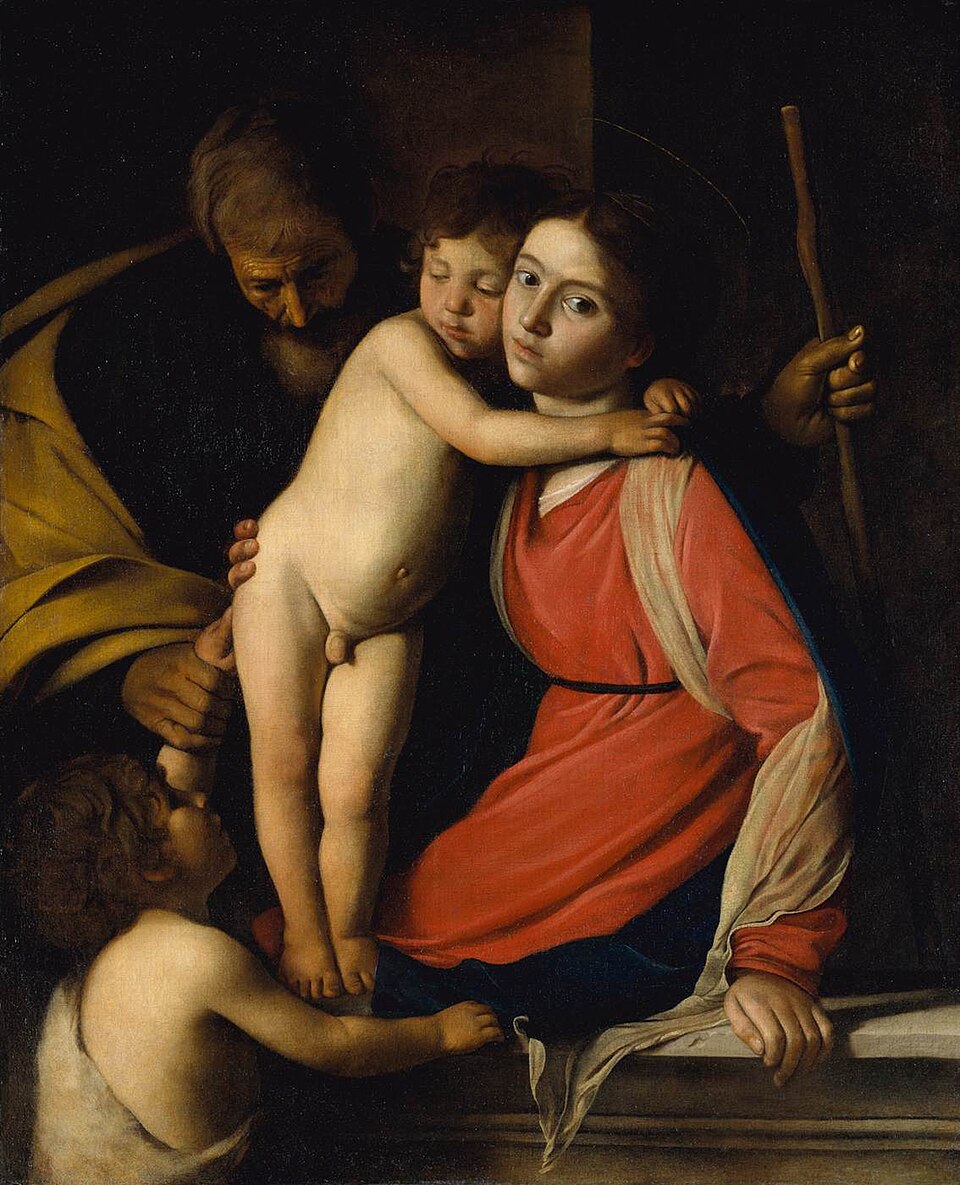
The Holy Family with Saint John the Baptist by Caravaggio, 1600
Metropolitan Museum of Art · wikidata.org
Public domain
I couldn't track down who commissioned this one, but paintings like this were usually meant for a private chapel or a bedroom, not a church altar where everyone could see it.
Erisava: This toddler has the face of someone twice his age.
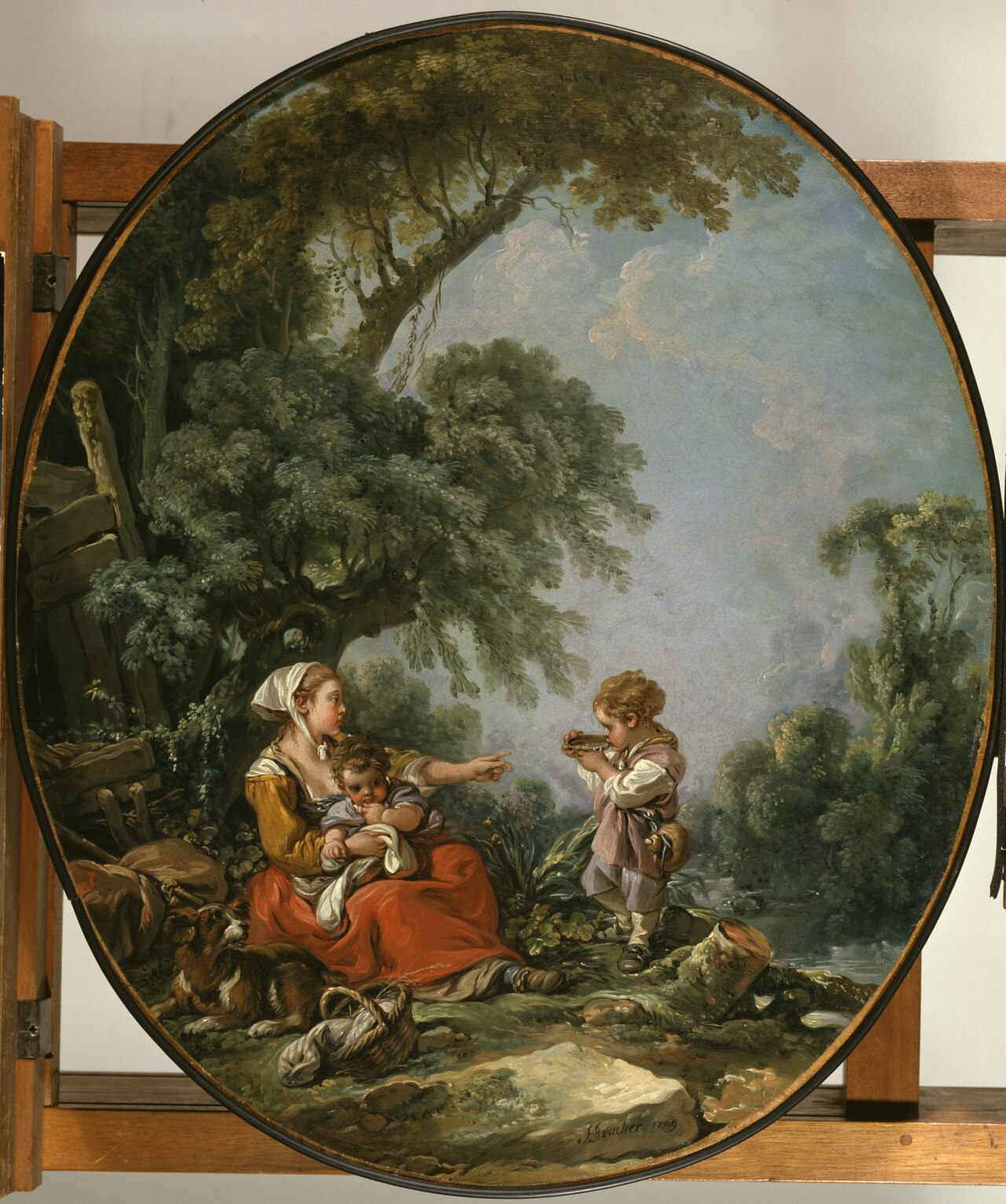
Pastoral Repast by François Boucher, 1769
Walters Art Museum · wikidata.org
Public domain
By the time this was made, critics had started turning on this sort of thing — Diderot went after it in print, supposedly, for being pretty and false. Buyers carried on wanting it regardless.
Erisava: Is this sweet, or is it selling me something?
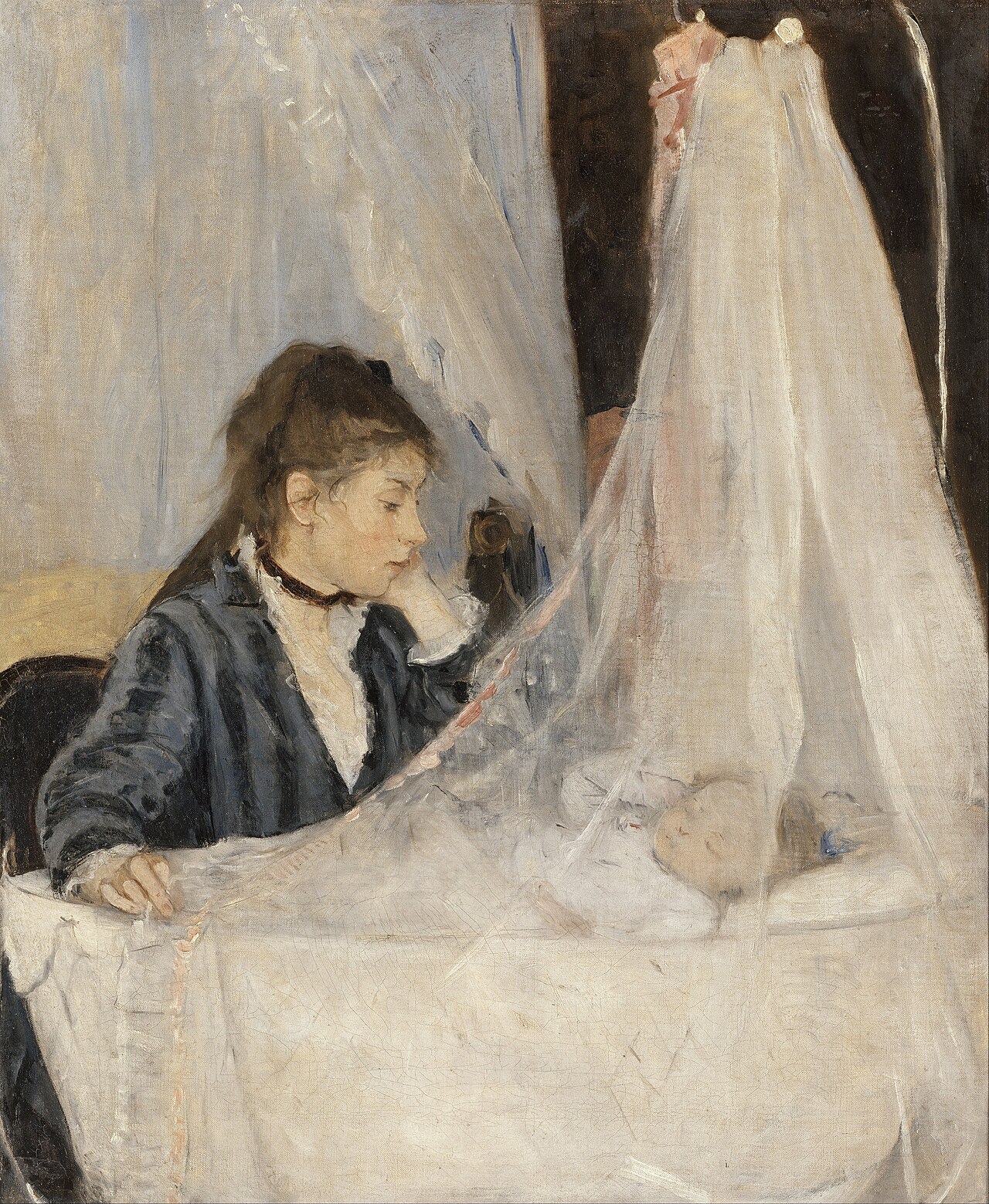
The Cradle by Berthe Morisot, 1872
Musée d'Orsay · wikidata.org
Public domain
The woman here is apparently Morisot's own sister, watching her new baby — this was one of the pieces Morisot showed at the very first Impressionist exhibition in 1874, and from what I can find it barely sold at the time.
Erisava: That netting's painted so loosely it barely reads as fabric to me.
A Visit to the Nursery by Jean-Honoré Fragonard, 1775
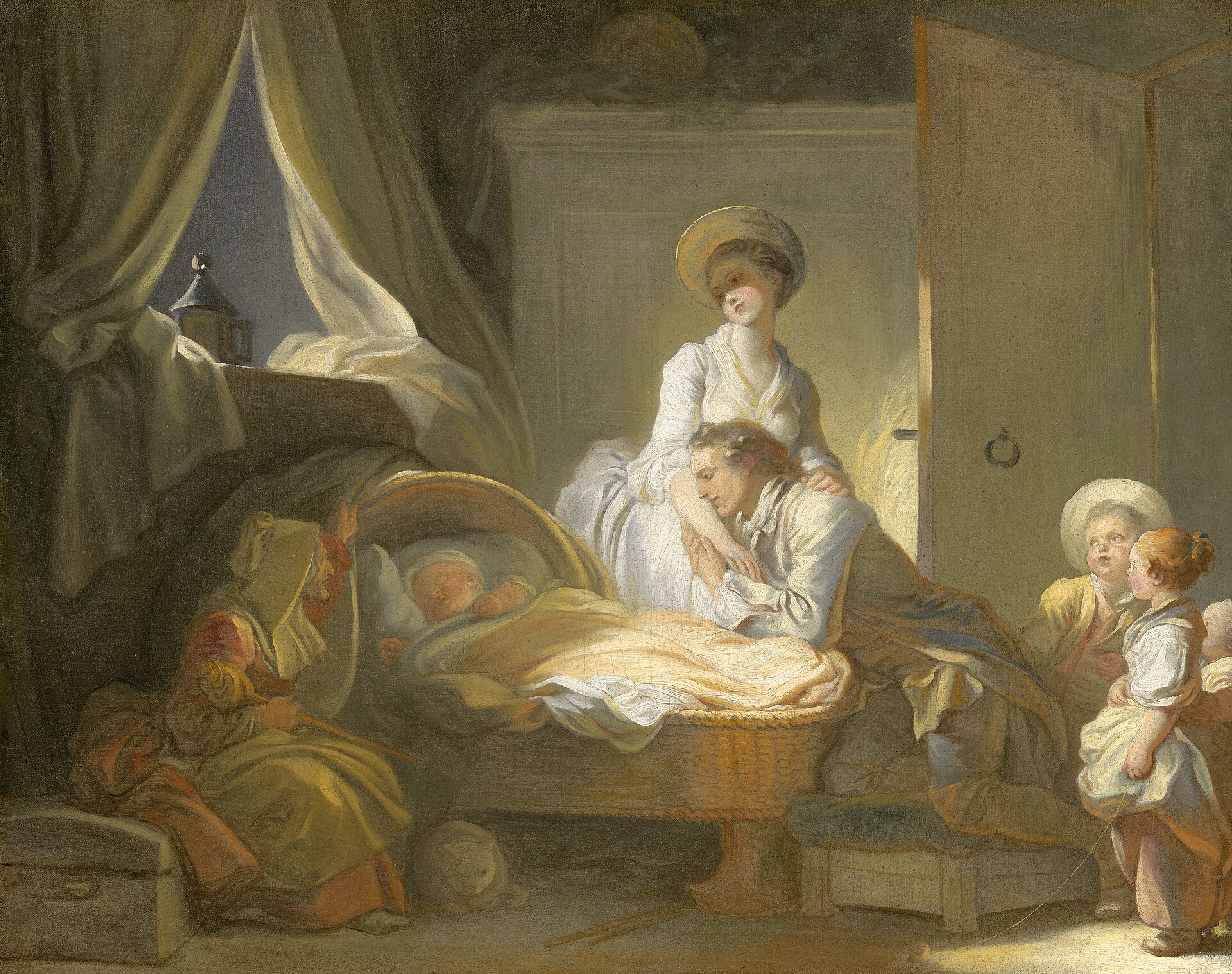
National Gallery of Art · wikidata.org
Scenes of an ordinary household became fashionable late on — no gods, no mythology, just a room at night. There's a long-running muddle about which version is which: it was matched for years to a picture sold at auction in the 1780s until, according to Wikipedia, a closer match surfaced in a collection in Estonia around 2009.
Erisava: Nice to look at, but it's all a bit posed — and that baby's the size of a toddler.
Death in the Sickroom by Edvard Munch, 1893
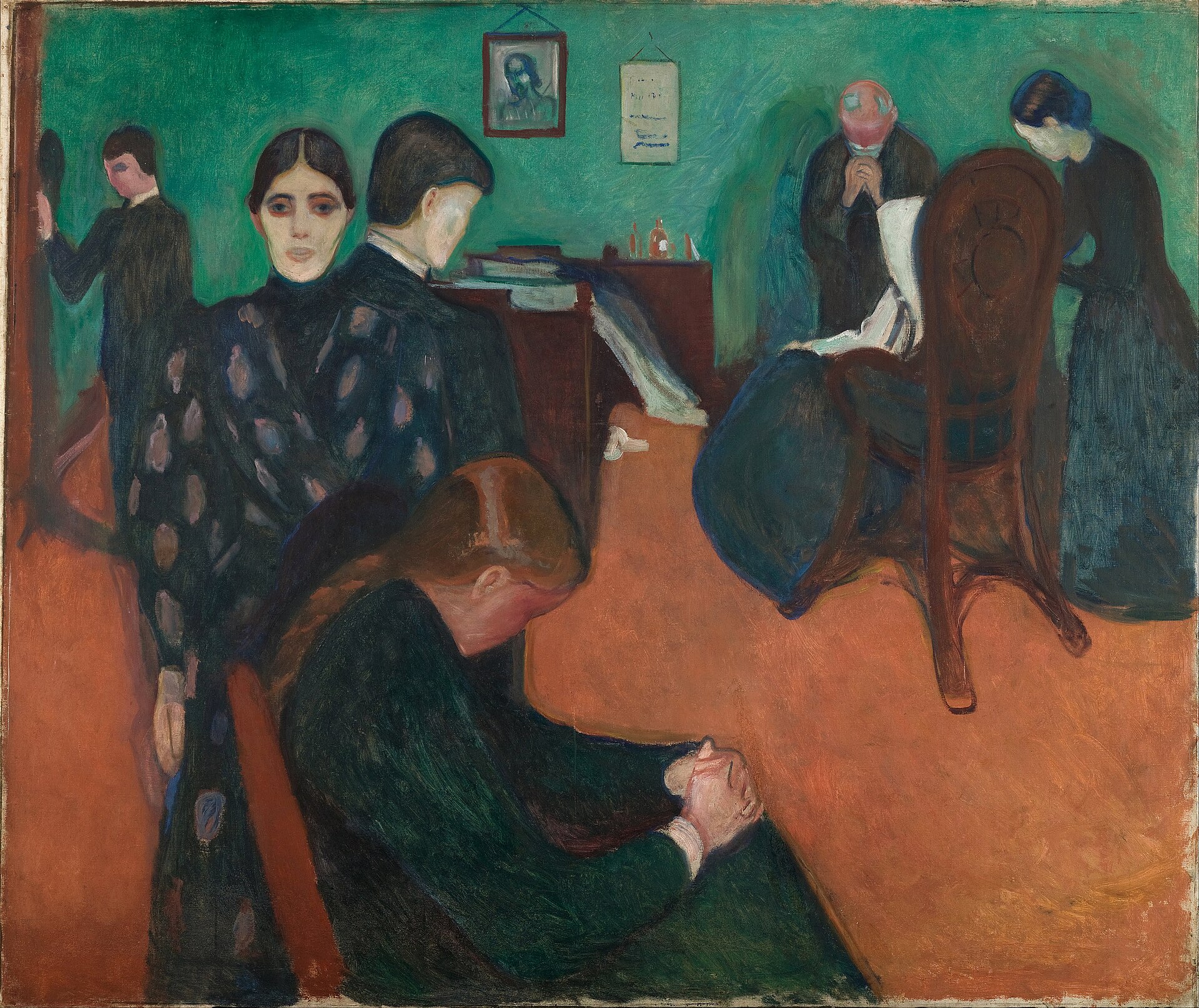
Munch Museum · wikidata.org
Public domain
The death in it happened when he was a boy — his sister — but he didn't paint it until decades later, and from what I can find that's why the family in the room are all the age they were when he picked up the brush, not the age they were at the time.
Erisava: What is that green wall doing? It's more unsettling than anyone's face in here.