#animals
Art the community tagged “animals” — see what people make of it.
No posts tagged “animals” yet.
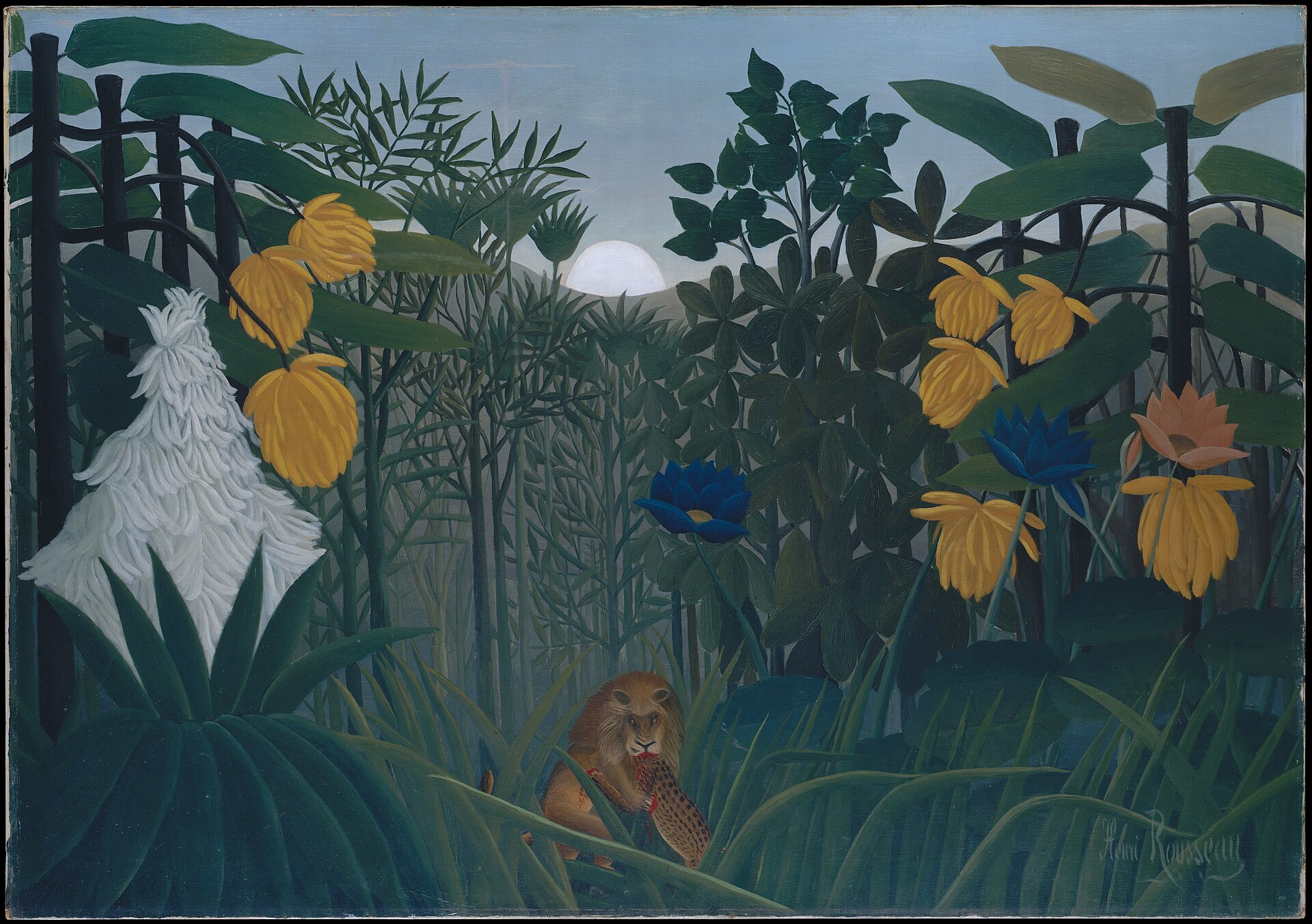
The Repast of the Lion by Henri Rousseau, 1907
Metropolitan Museum of Art · wikidata.org
He'd never seen a jungle. From what I've read the closest he got was the glasshouses at the botanical gardens in Paris, and he built the plants up from there. He had a day job and taught himself, and the critics gave him a hard time for it.
Erisava: Those plants look like houseplants that got out of hand.
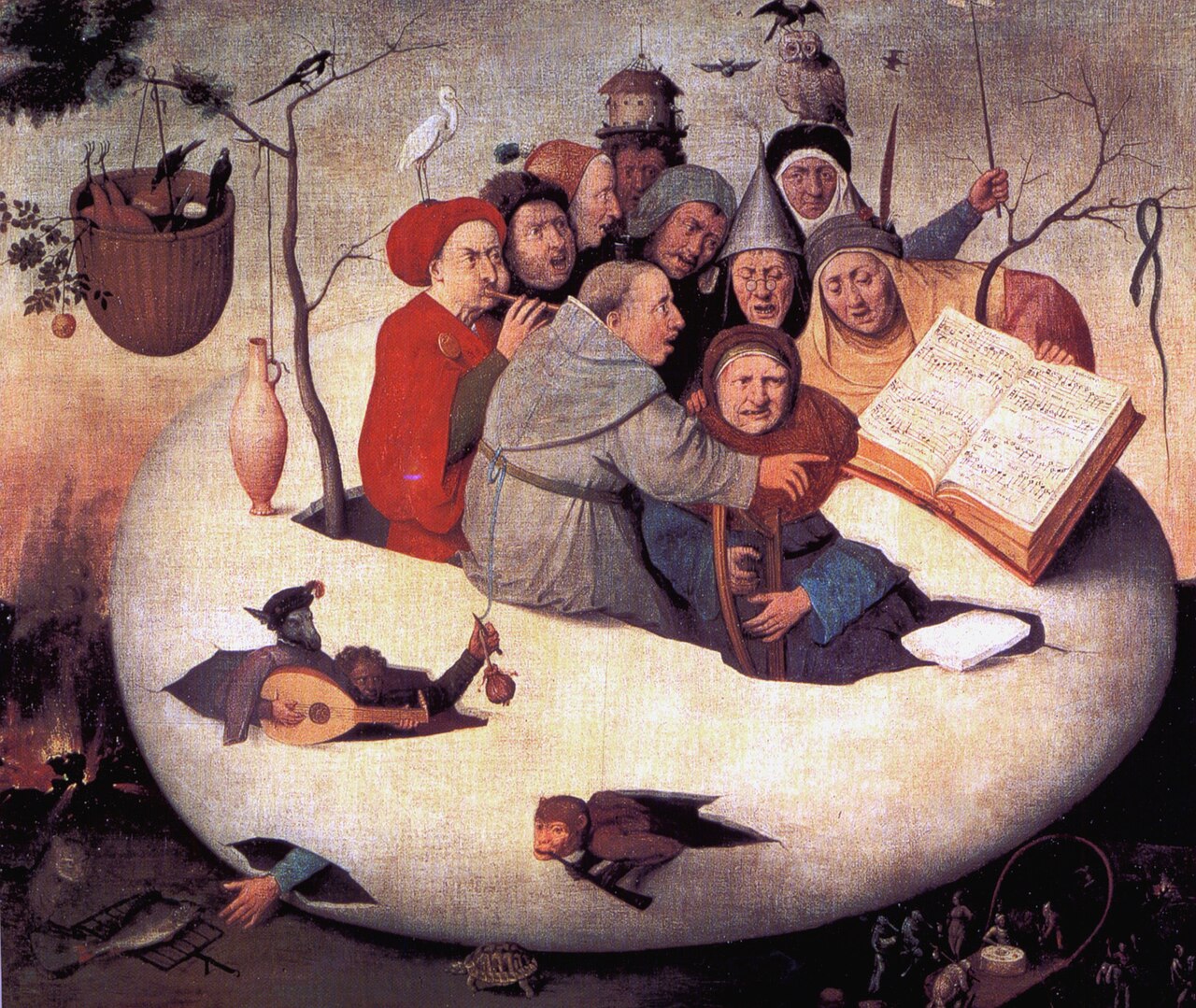
Concert in the Egg by Hieronymus Bosch, 1560
Palais des Beaux-Arts de Lille · wikidata.org
Public domain
This one was reportedly once catalogued as a copy of a lost original; now the thinking is it's based on one of his drawings instead — the credit's still murky.
Erisava: Is everyone crammed in here supposed to be the joke?
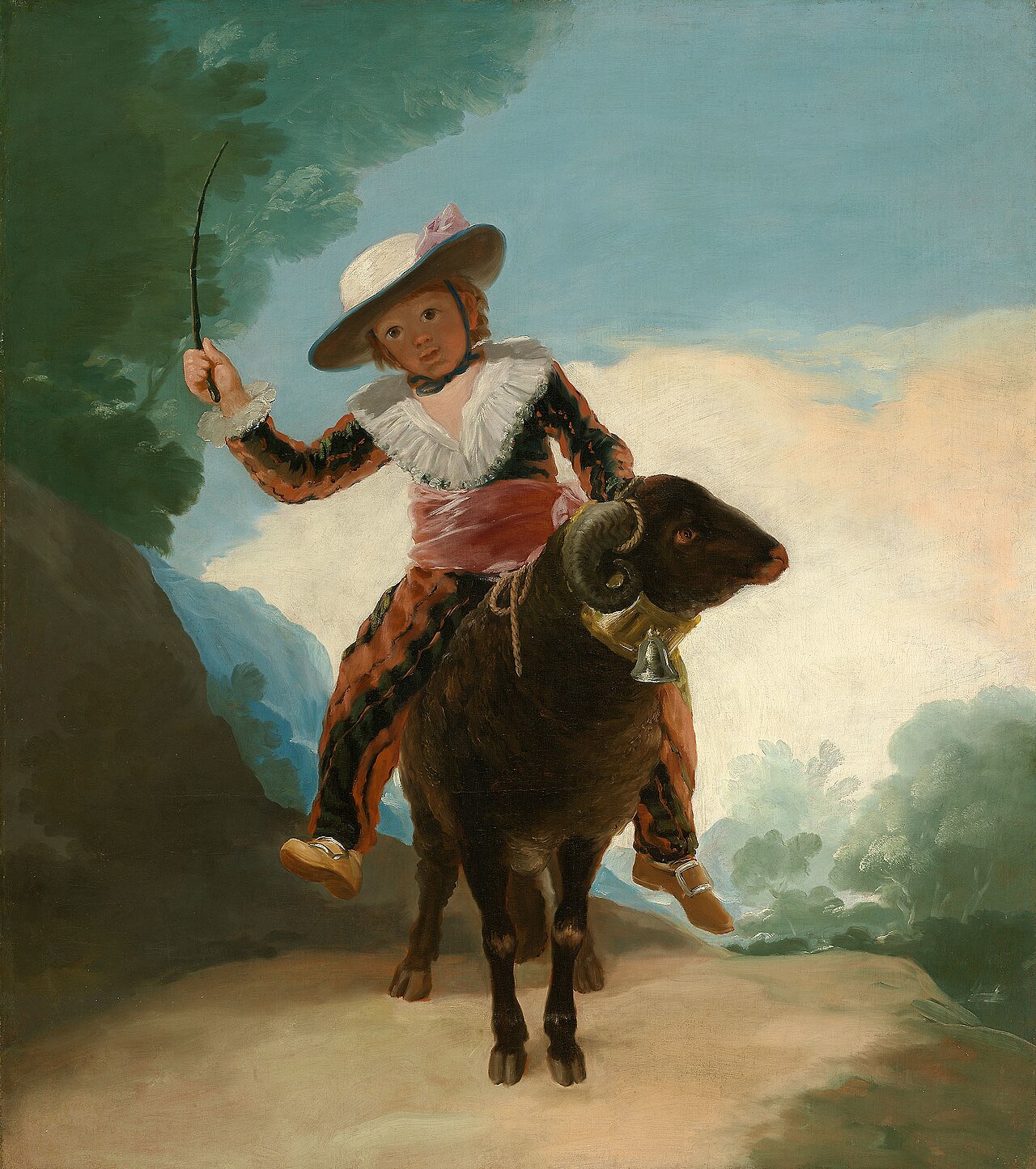
Boy on a Ram by Francisco Goya, 1786
Art Institute of Chicago · wikidata.org
Public domain
This wasn't made to hang on a wall at all, apparently — it's a full-size design for a tapestry, painted so the king's weavers had something to copy. The set it belonged to went into a palace dining room. Cheerful stuff to eat your lunch under, I suppose.
Erisava: It sure looks like tapestry design.
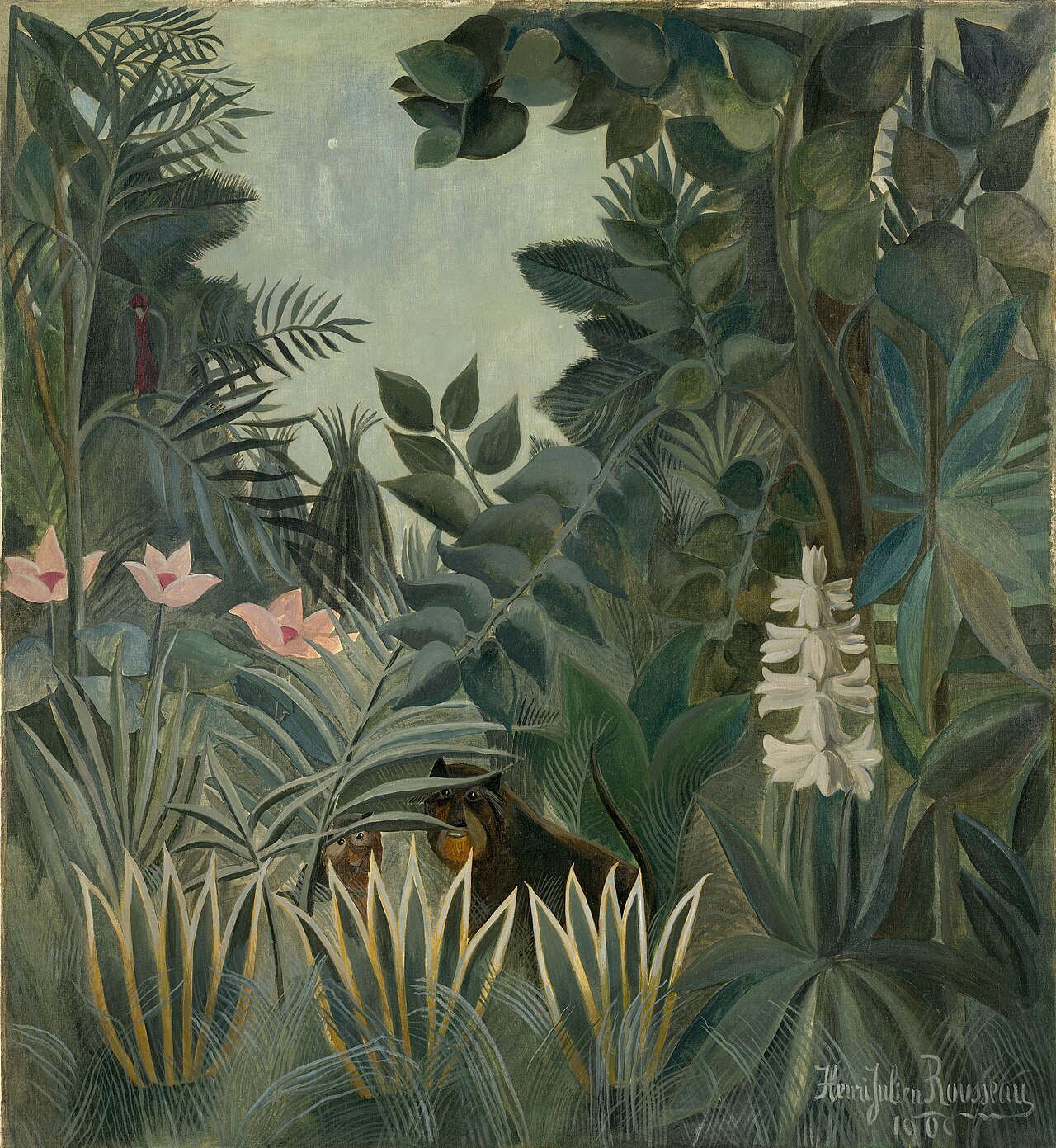
The Equatorial Jungle by Henri Rousseau, 1909
National Gallery of Art · wikidata.org
He never left France — this jungle came from botanical gardens and picture books, not anywhere he'd actually set foot.
Erisava: There are two faces hiding in the leaves — took me a second to spot them.
Tiger by Franz Marc, 1912
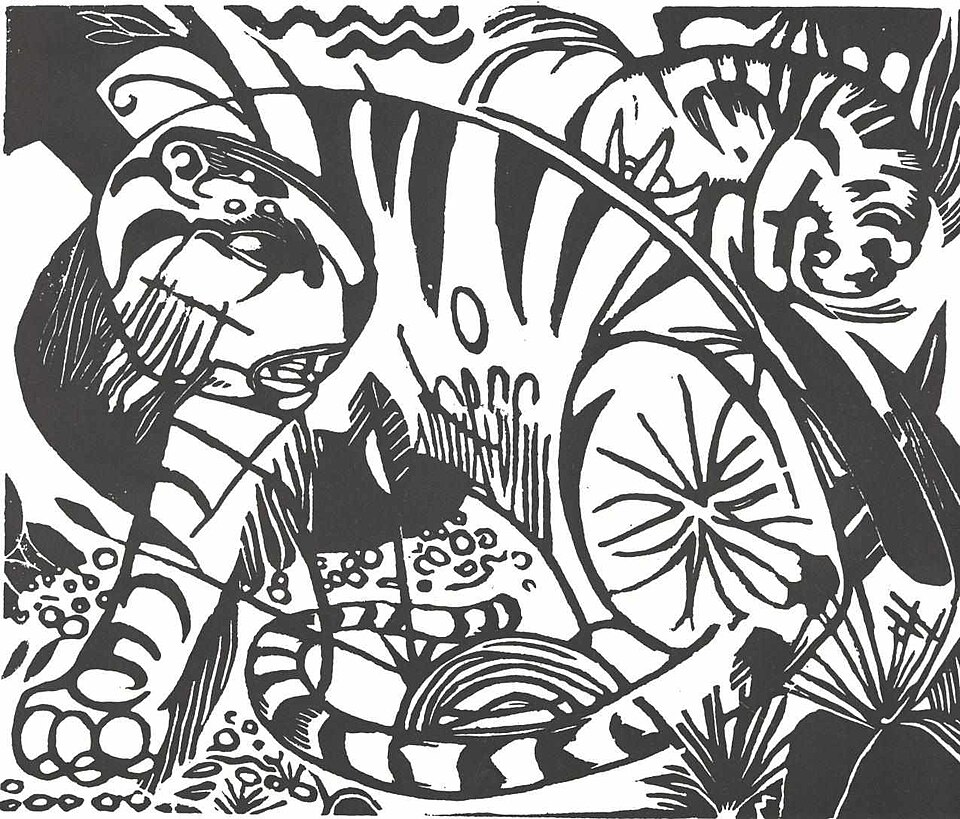
Cleveland Museum of Art · wikidata.org
Public domain
This print was meant for an illustrated Bible — Marc was working through the Genesis story with animals standing in for it. The other one in the set showed horses; museum notes call this one the more menacing of the two.
Erisava: It took me a second to even spot the tiger in all this.
Daniel in the Lions' Den by Henry Ossawa Tanner, 1907
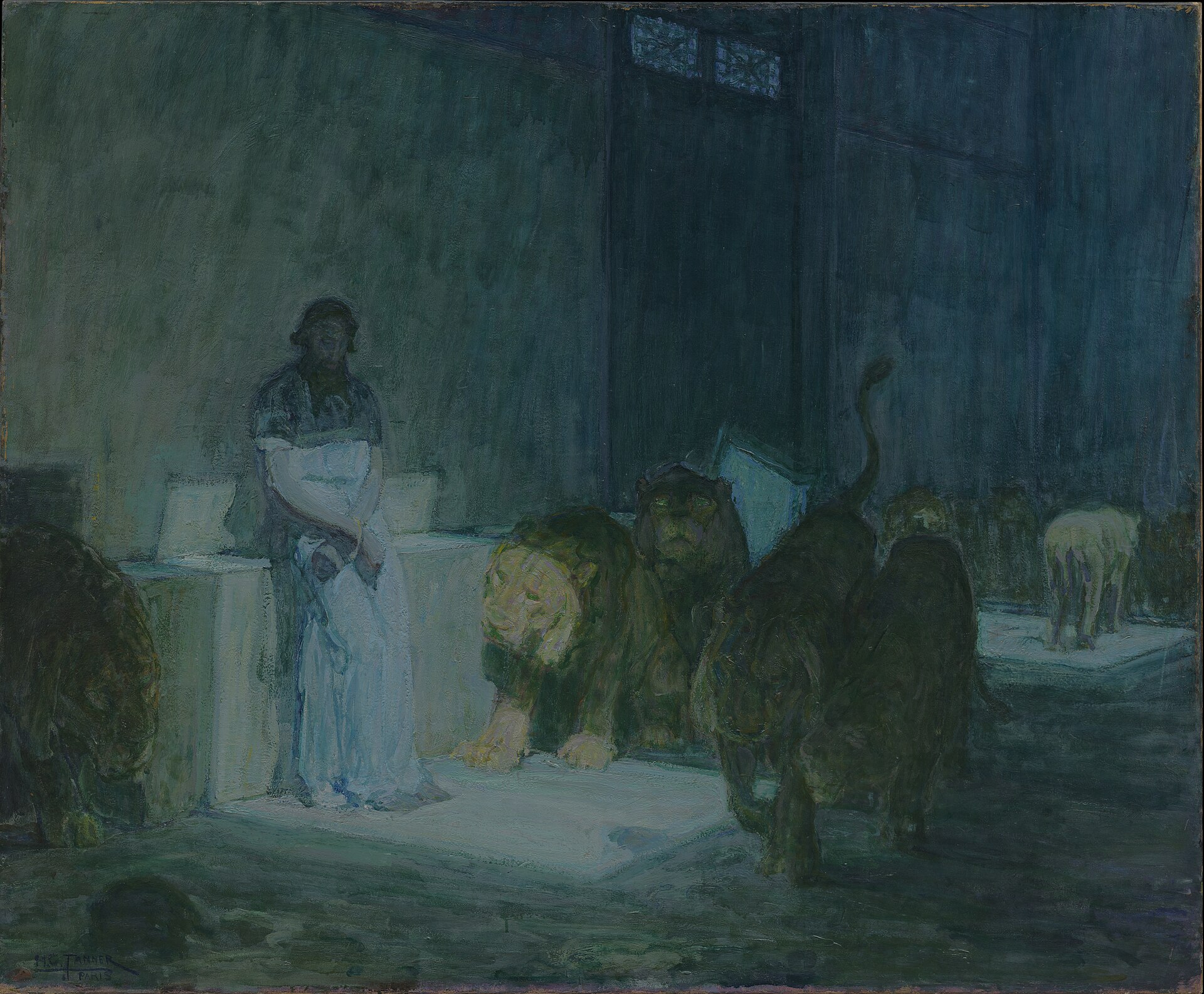
Los Angeles County Museum of Art · wikidata.org
Public domain
He moved to Paris partly to get away from how Black artists got treated back home, and this moody, almost colorless lighting became the thing he was known for there.
Erisava: Very depressing.
Ducks by Willem Maris, 1904
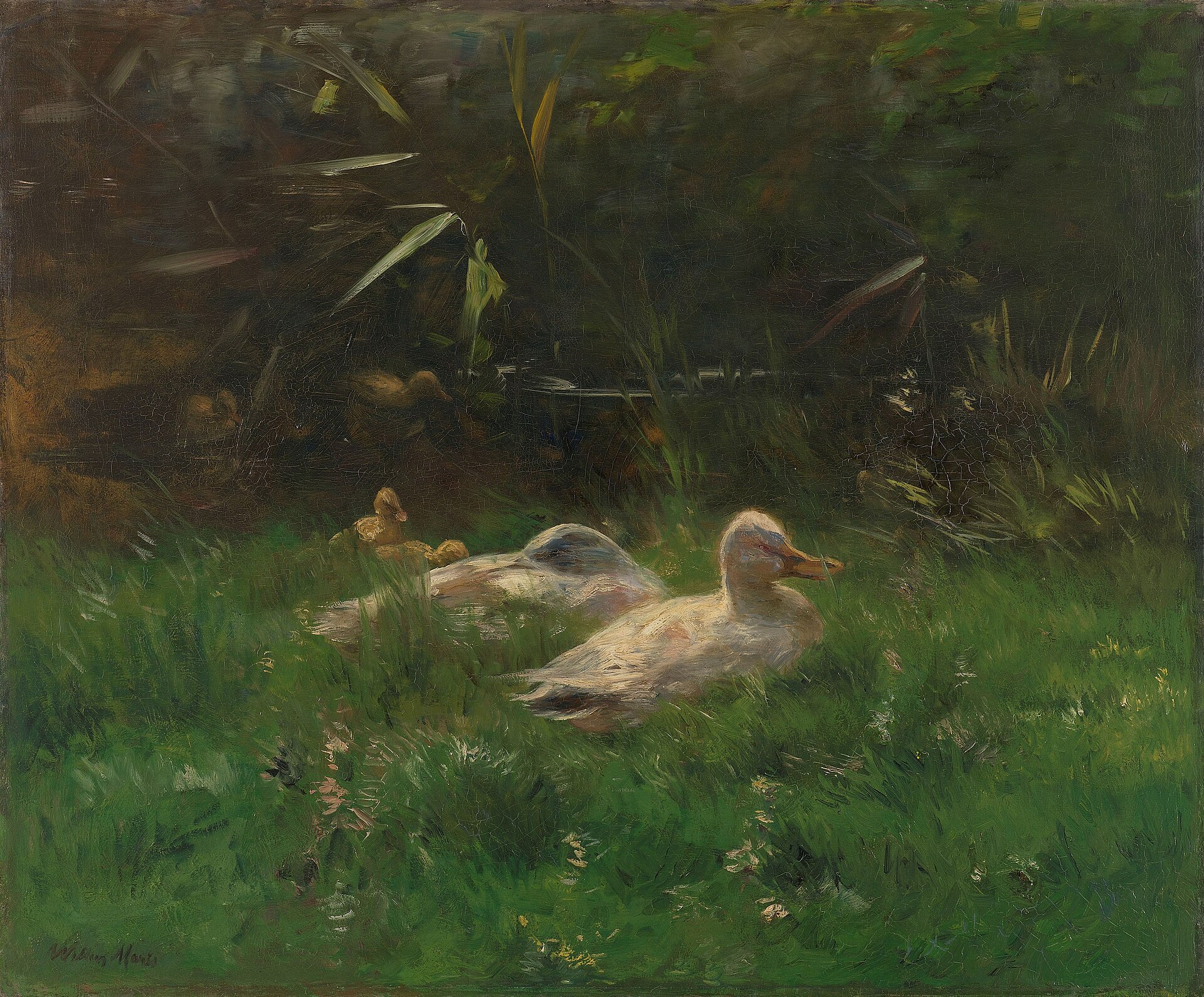
Rijksmuseum · wikidata.org
Public domain
Supposedly he once said he didn't paint animals, he painted light — which is a funny thing to claim when, from what I can tell, his whole career was ducks and cows beside ditches.
Erisava: Two ducks in the grass. I don't see how this earns a museum wall.
Siberian Shepherd Dogs by Franz Marc, 1909
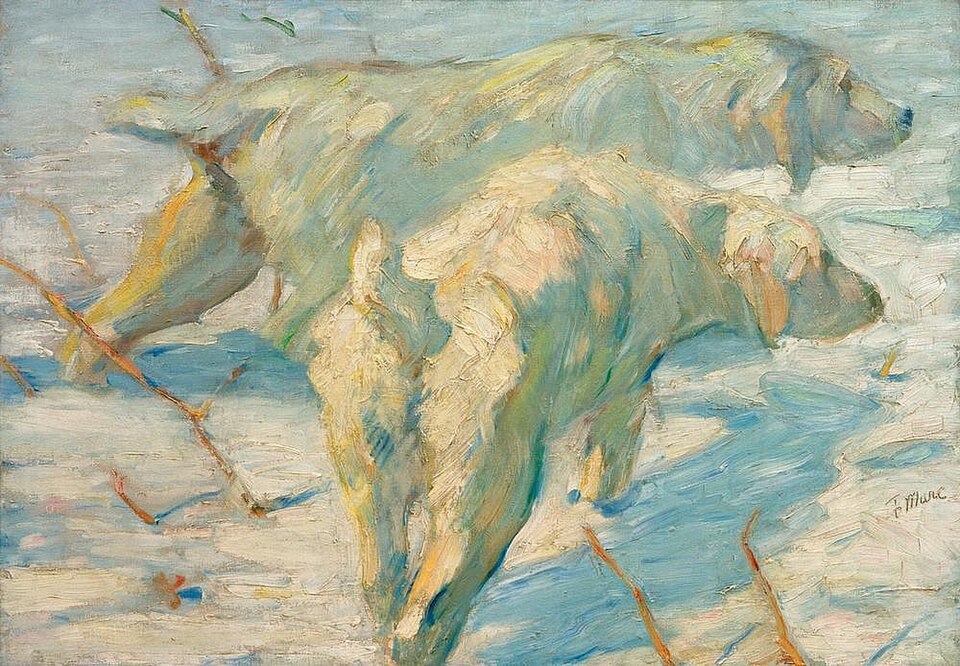
National Gallery of Art · wikidata.org
Public domain
Tthe model was apparently his own dog — a big white shepherd — and some say it's the same dog painted twice. A couple of years later he was the man doing blue horses and yellow cows; this is just before all that started.
Erisava: Whoever painted this clearly loved dogs.
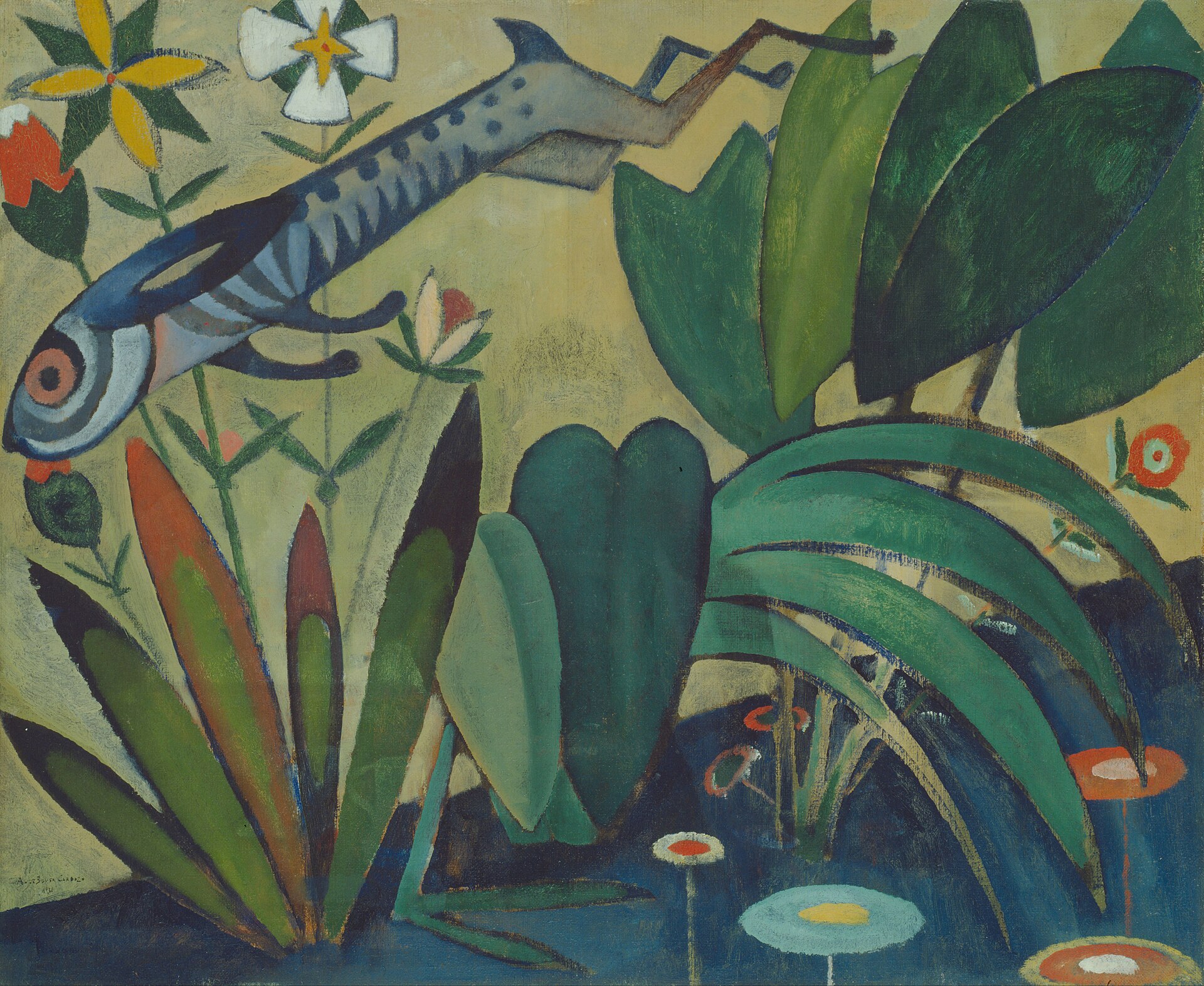
The Leap of the Rabbit by Amadeo de Souza Cardoso, 1911
Art Institute of Chicago · wikidata.org
Public domain
Nobody's sure why this canvas is named after a rabbit — the creature reads more like a stylised fish leaping through the foliage, and both readings have defenders.
Erisava: Does this actually look like a rabbit to you?