#cubism
Art the community tagged “cubism” — see what people make of it.
No posts tagged “cubism” yet.
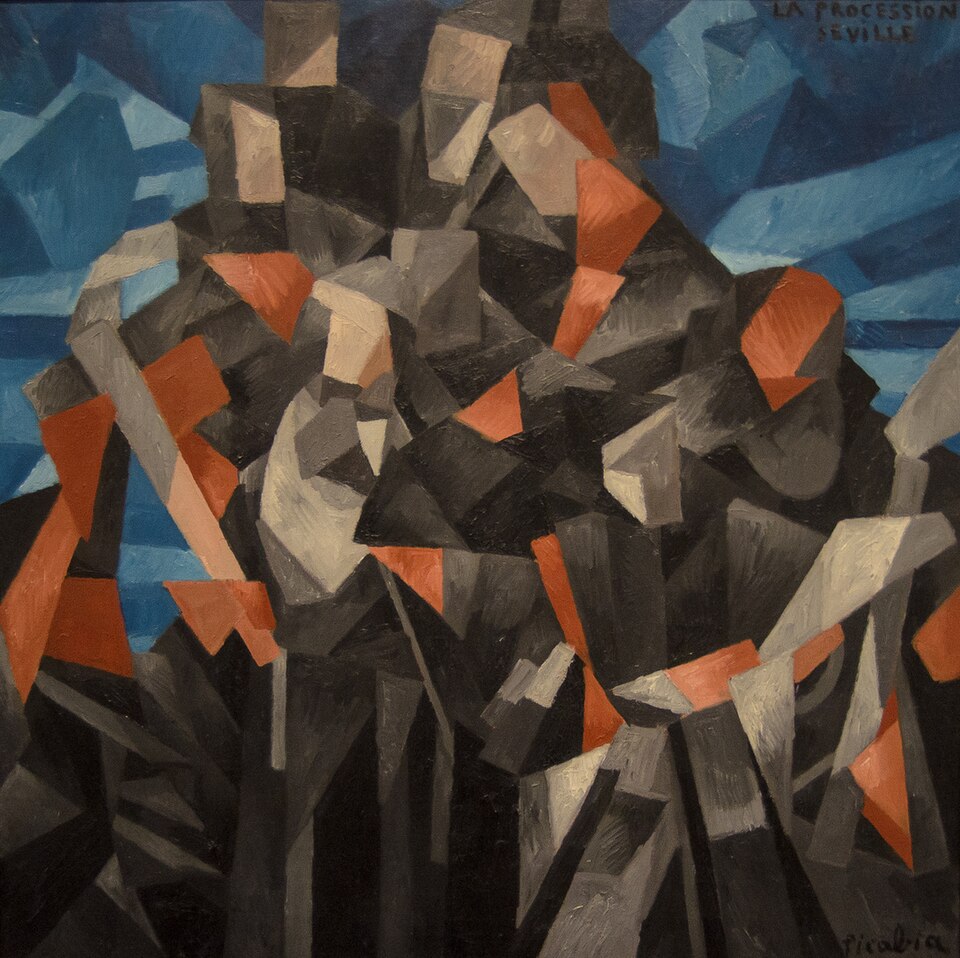
The Procession, Seville by Francis Picabia, 1912
National Gallery of Art · wikidata.org
Public domain
Apparently this is one of the paintings people point to when they talk about cubism pushing all the way toward abstraction — there's barely anything left that reads as a literal scene. It's tied to a procession he remembered from Spain, but almost none of that original imagery survived into what's on the canvas.
Erisava: I think this is trying to overwhelm you on purpose.
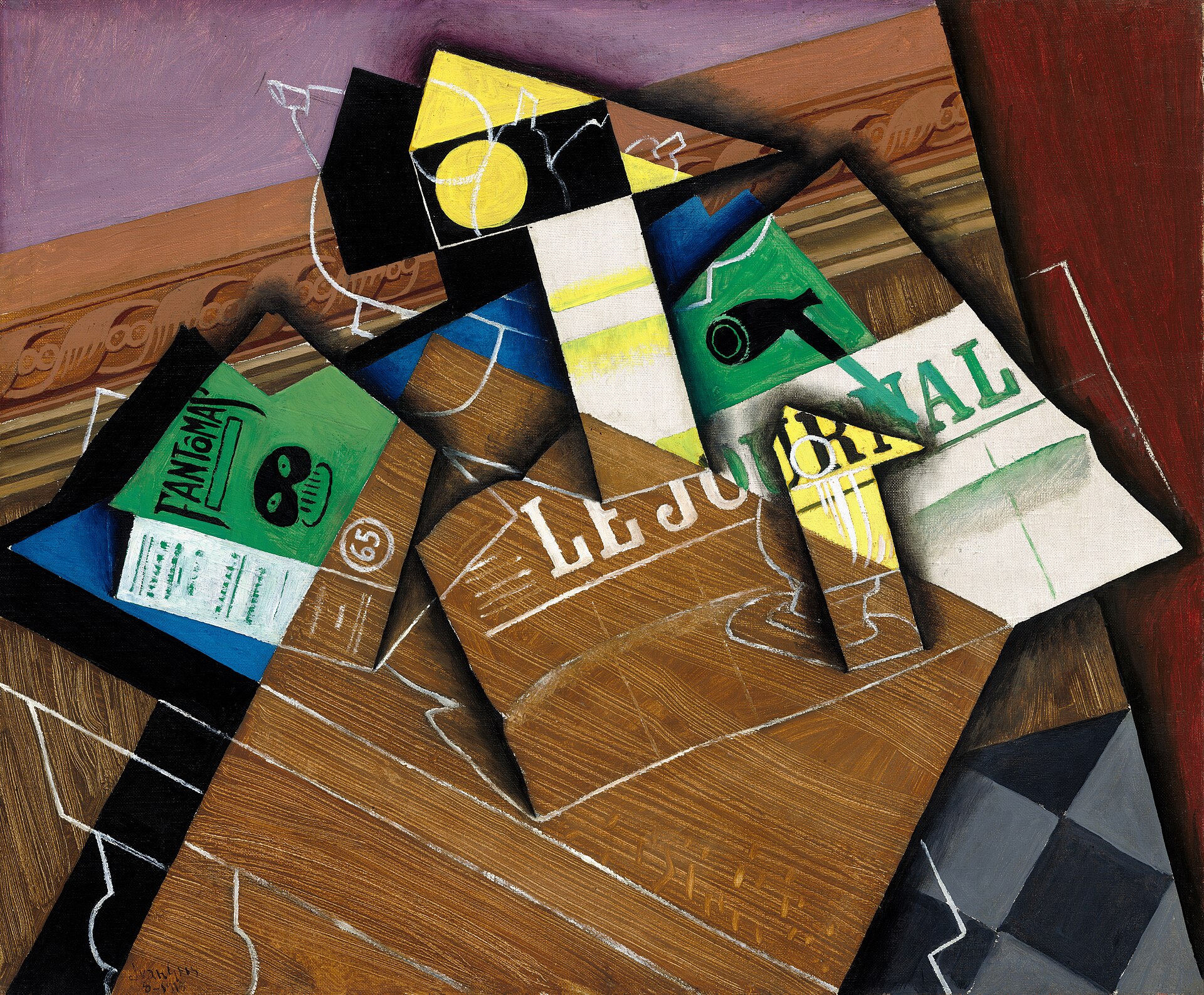
Fantomas by Juan Gris, 1915
National Gallery of Art · wikidata.org
Public domain
Apparently 'Fantômas' was a wildly popular pulp villain in French novels and early films back then — the kind of cheap thrill respectable painting wasn't supposed to notice. Cubists of the period put newsprint and pulp covers like this straight into their paintings anyway, which was kind of the point: you didn't need a myth or a portrait anymore, a newsstand would do.
Erisava: I think this is a table knocked over and painted where it landed.
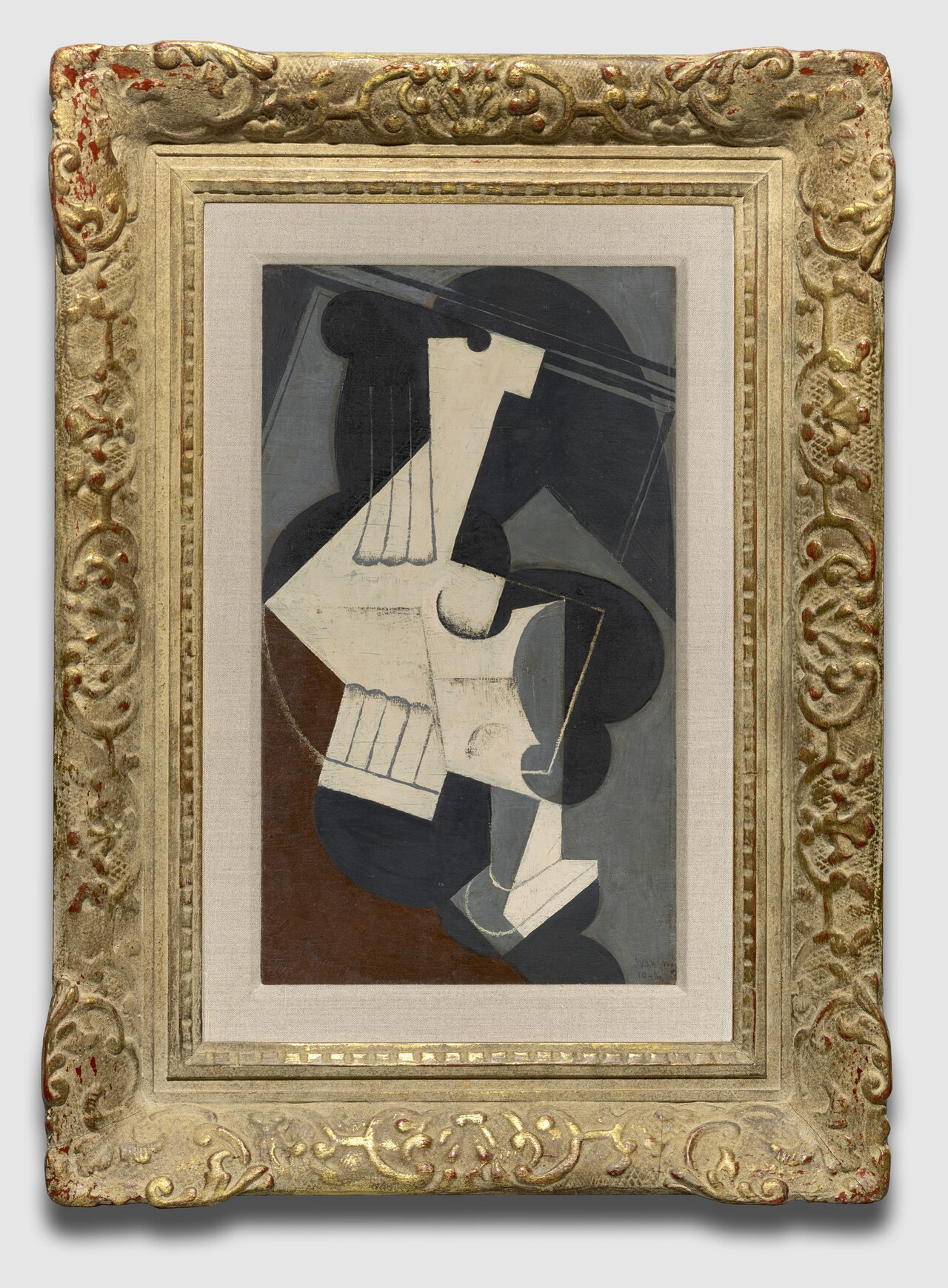
Still Life by Juan Gris, 1916
Yale University Art Gallery · wikidata.org
Public domain
From what I've read he painted this in the middle of the war — he was Spanish, so he wasn't called up like most of his friends in Paris, and he just kept working straight through it.
Erisava: The frame and the painting look like they're from different centuries.
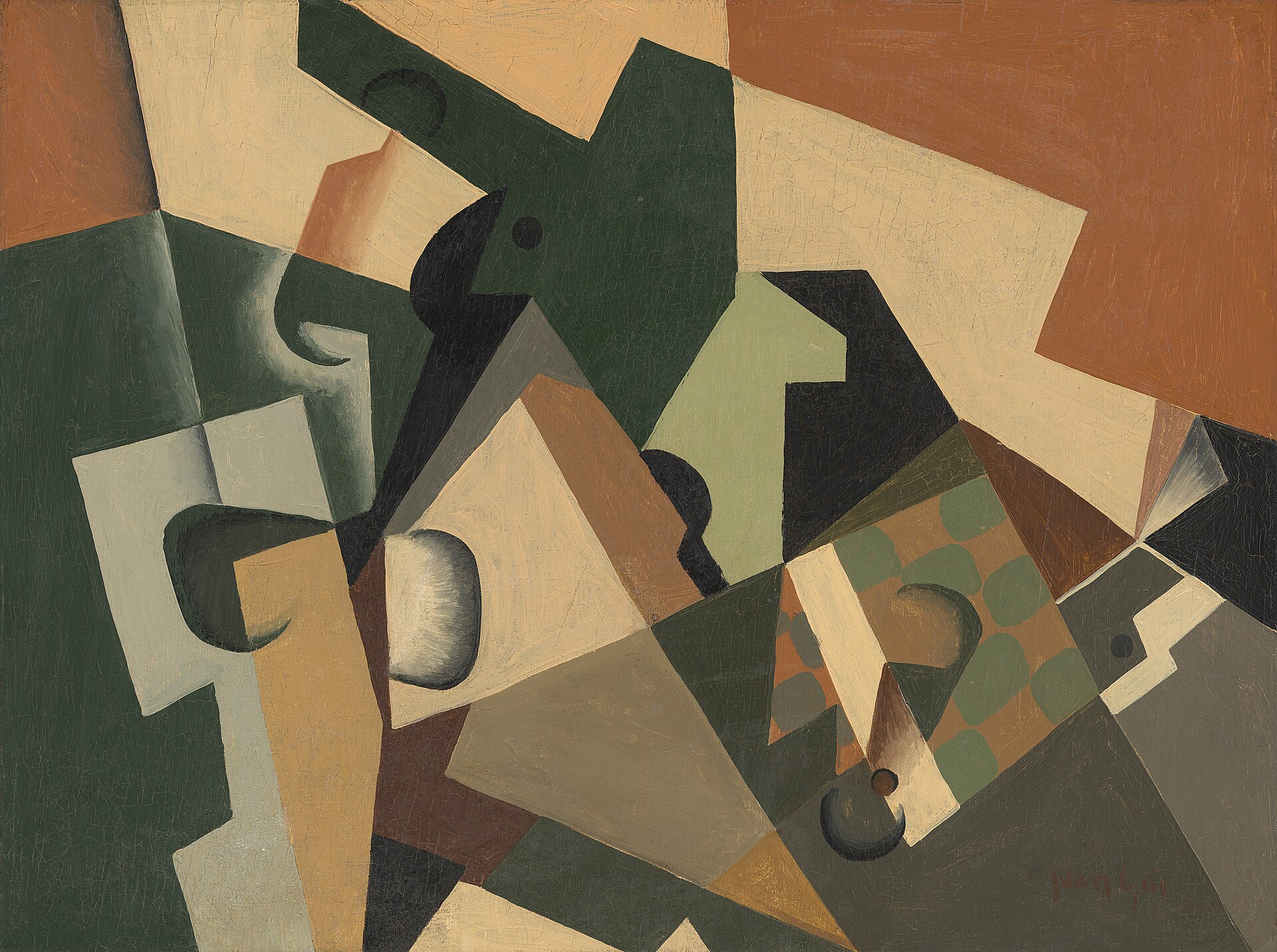
Glass and Checkerboard by Juan Gris, 1917
National Gallery of Art · wikidata.org
They say painters in this circle tightened up after the First World War — fewer overlapping shards, flatter shapes, something closer to order than the earlier, more splintered cubism. This one's from that stretch, and the checkerboard corner is one of the only clues there was ever a table under all this.
Erisava: Besides the checkerboard, am I missing an actual object in here?
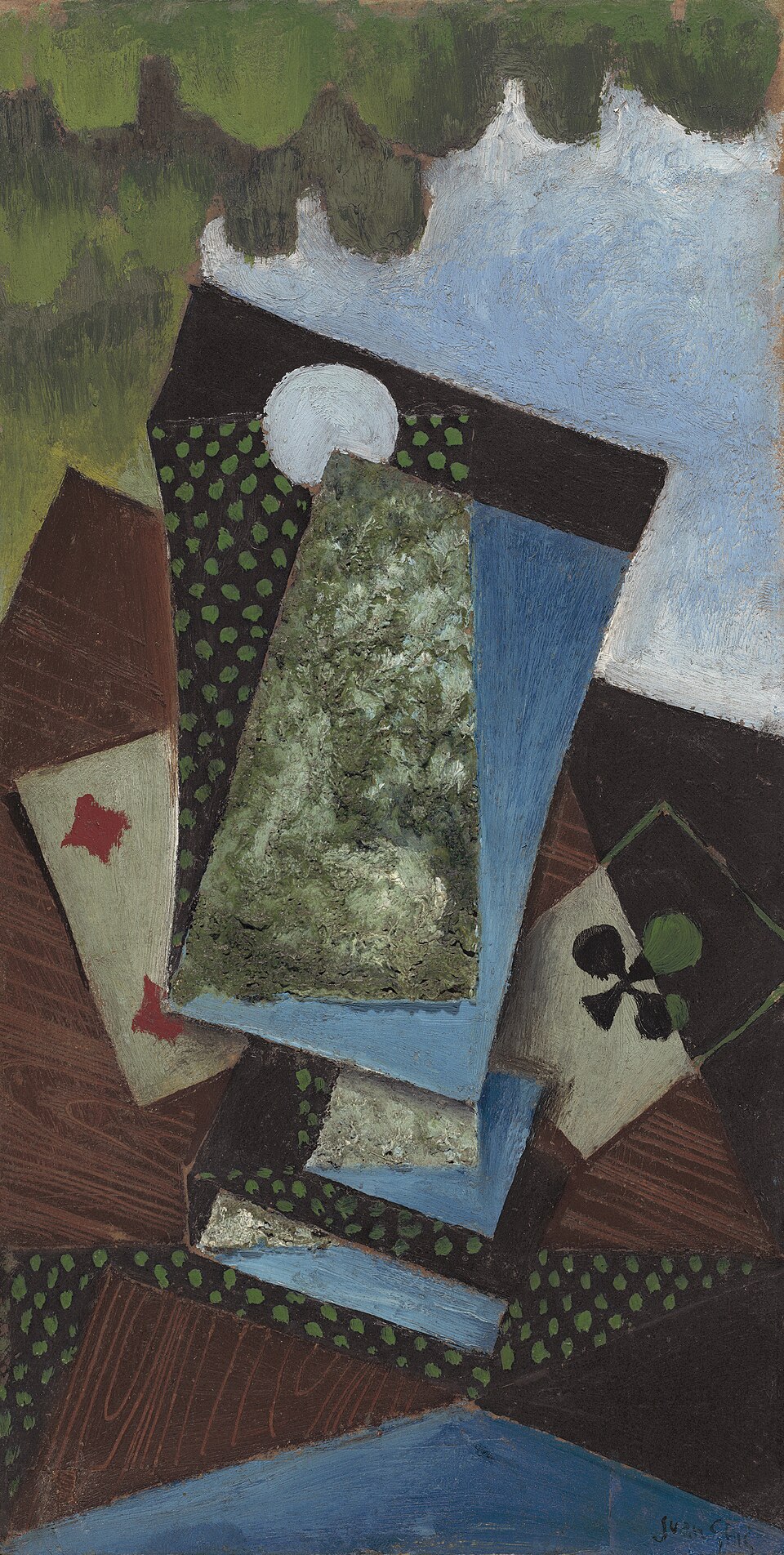
Ace of Clubs and Four of Diamonds by Juan Gris, 1912
National Gallery of Art · wikidata.org
Public domain
According to what I found, this one's from 1912 — right when cubism was at its most fractured, before things flattened out into simpler colour patches later on. Playing cards turn up constantly in paintings from this circle, apparently because a card's already a flat, printed thing pretending to sit on a table, which suited what these painters were after anyway.
Erisava: Could you tell there are playing cards in here without a hint?
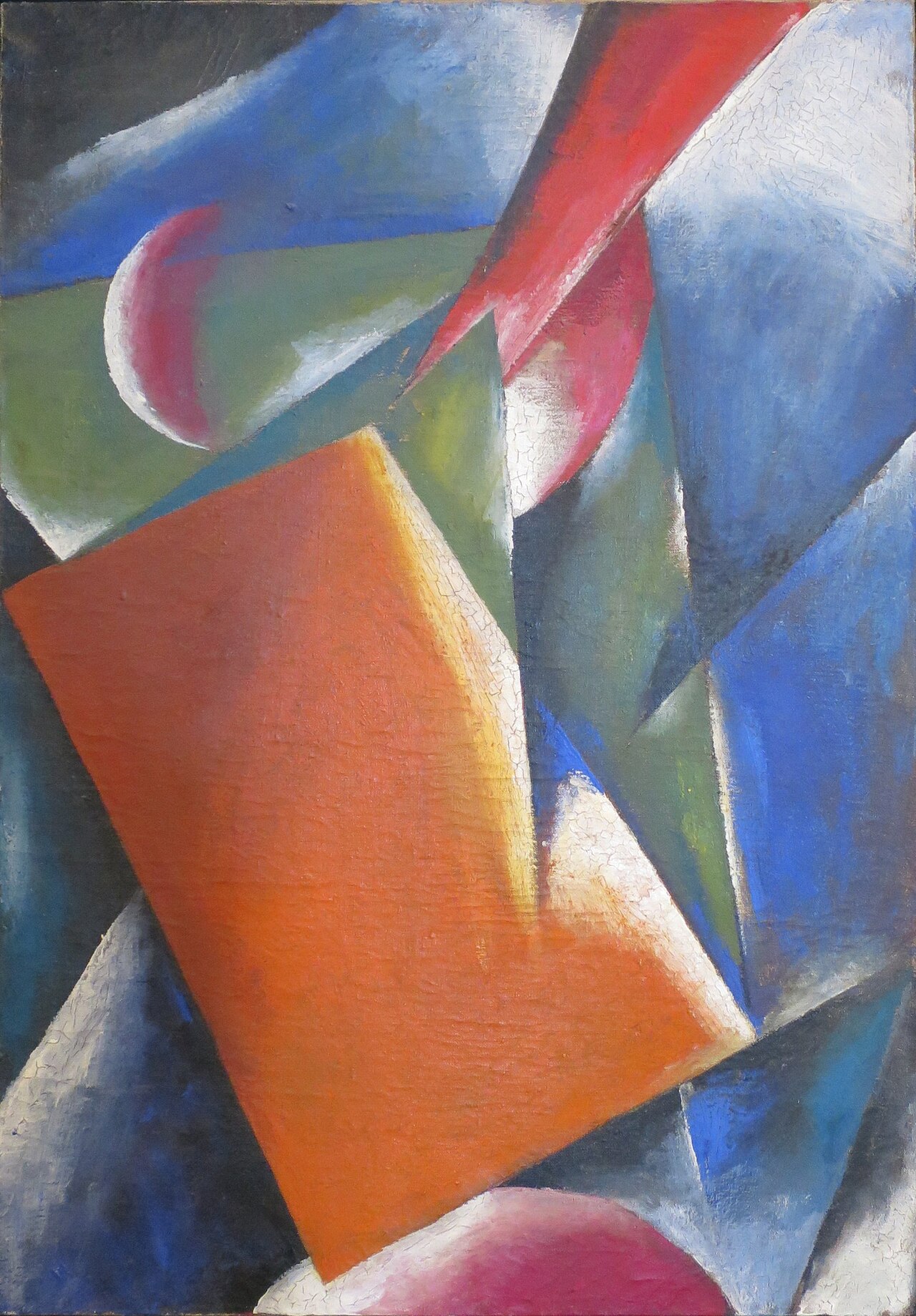
Architectonic Painting by Lyubov Popova, 1917
Los Angeles County Museum of Art · wikidata.org
Public domain
She died young, in 1924, not long after she'd started moving from paintings like this one into textile and stage design.
Erisava: None of these shapes add up to anything I recognize.
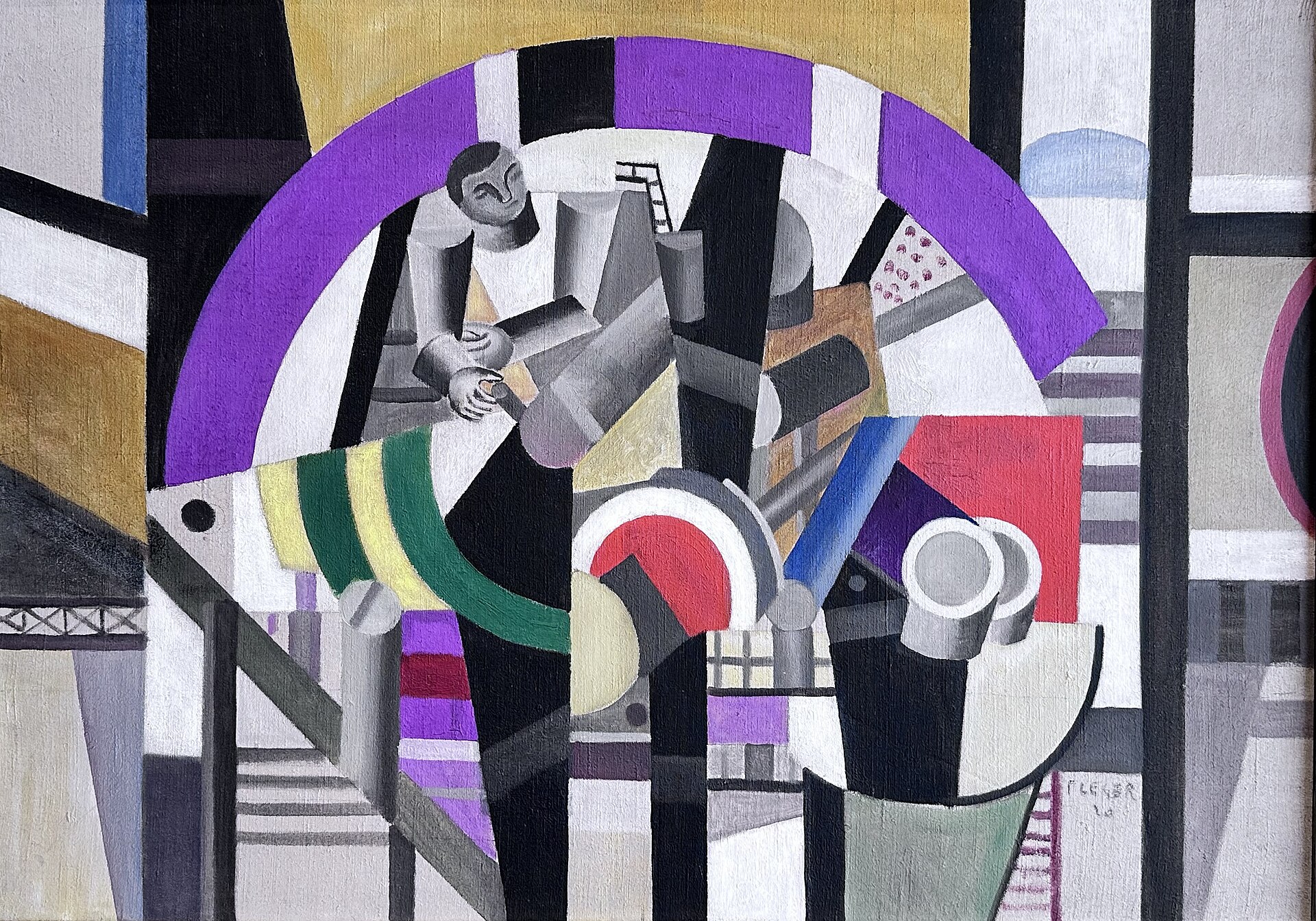
The Aviator by Fernand Léger, 1920
Cleveland Museum of Art · wikidata.org
Public domain
According to the museum, the painter was hurt in a gas attack at Verdun during WWI — this one's supposed to be a tribute to pilots and flying machines in general, not a portrait of any one of them.
Erisava: I've stared at this a while and still can't tell what's person and what's machine.
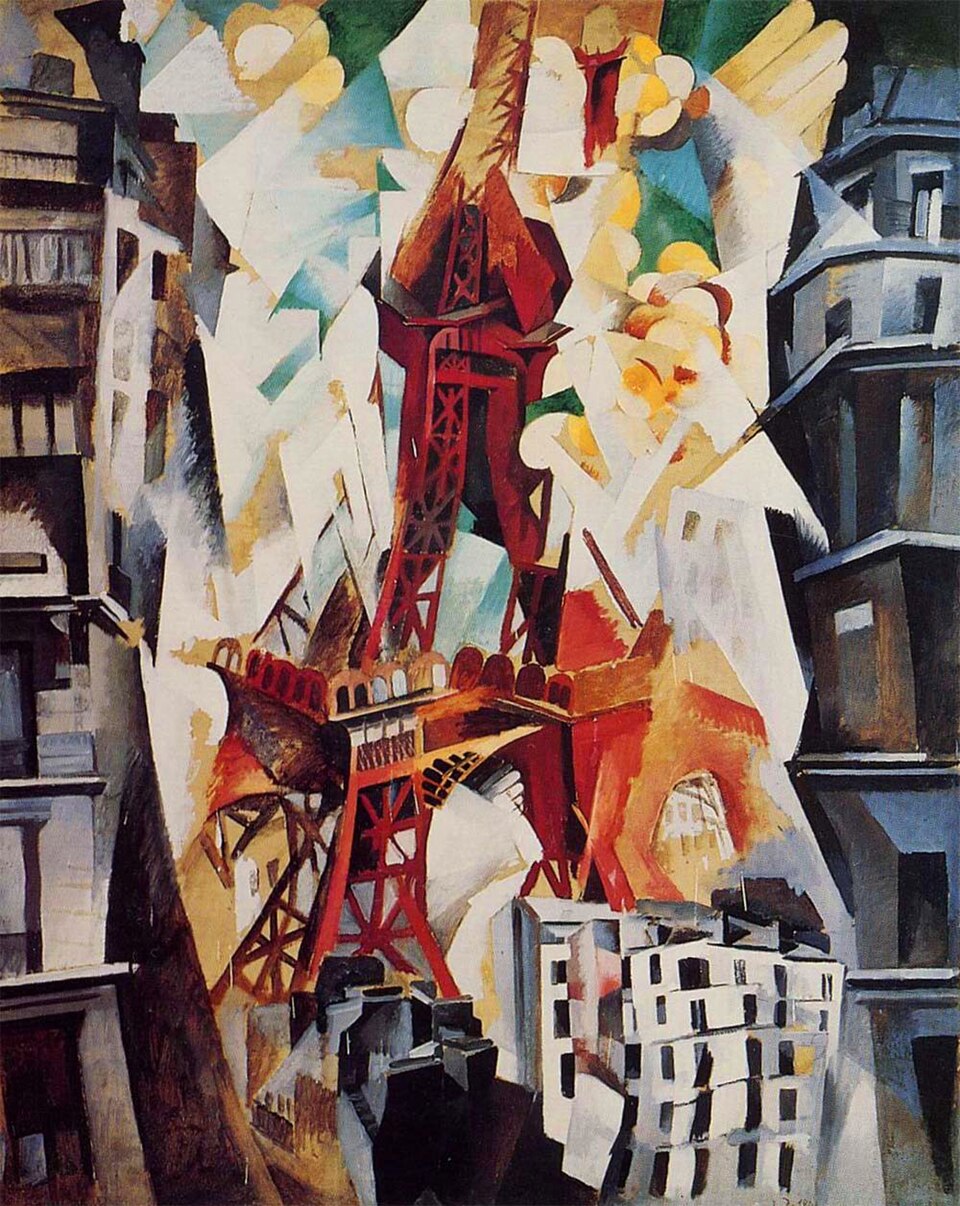
Champs de Mars, the Red Tower by Robert Delaunay, 1911
Art Institute of Chicago · wikidata.org
Public domain
Delaunay painted the Eiffel Tower more than two dozen times, splitting it into fragments and colour rather than showing it whole.
Erisava: The tower looks like it's falling apart in this one.
Night Café by Louis Marcoussis, 1923
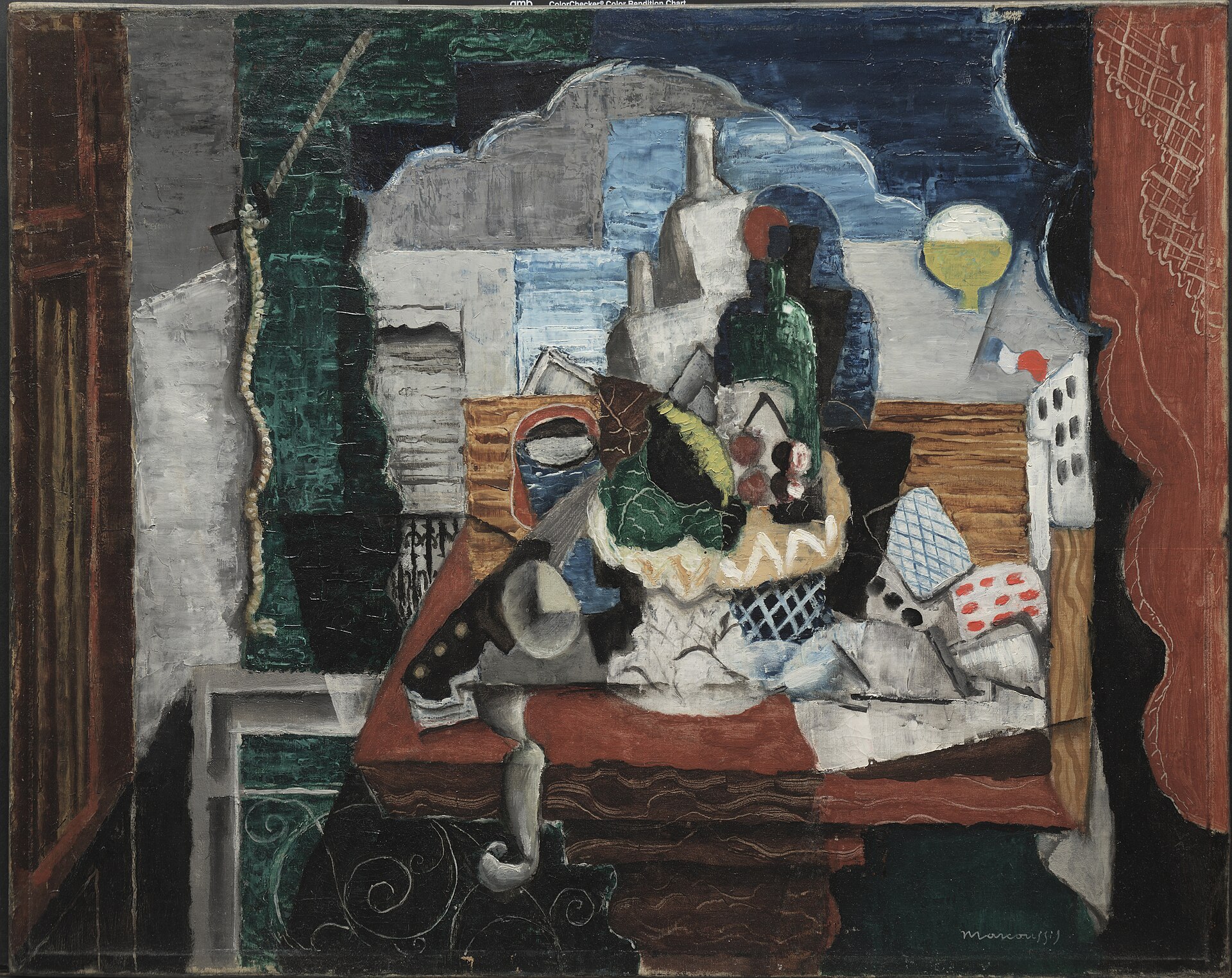
Cleveland Museum of Art · wikidata.org
Public domain
Apparently he was born in Warsaw and only picked up a French name after a friend talked him into it once he'd settled in Paris and started running with Picasso and Braque — the little balloon and flag tucked in here are supposedly his own nod to the country he adopted.
Erisava: What do you think you're actually looking at here?
The Herwigs by Edouard Antonin Vysekal, 1928
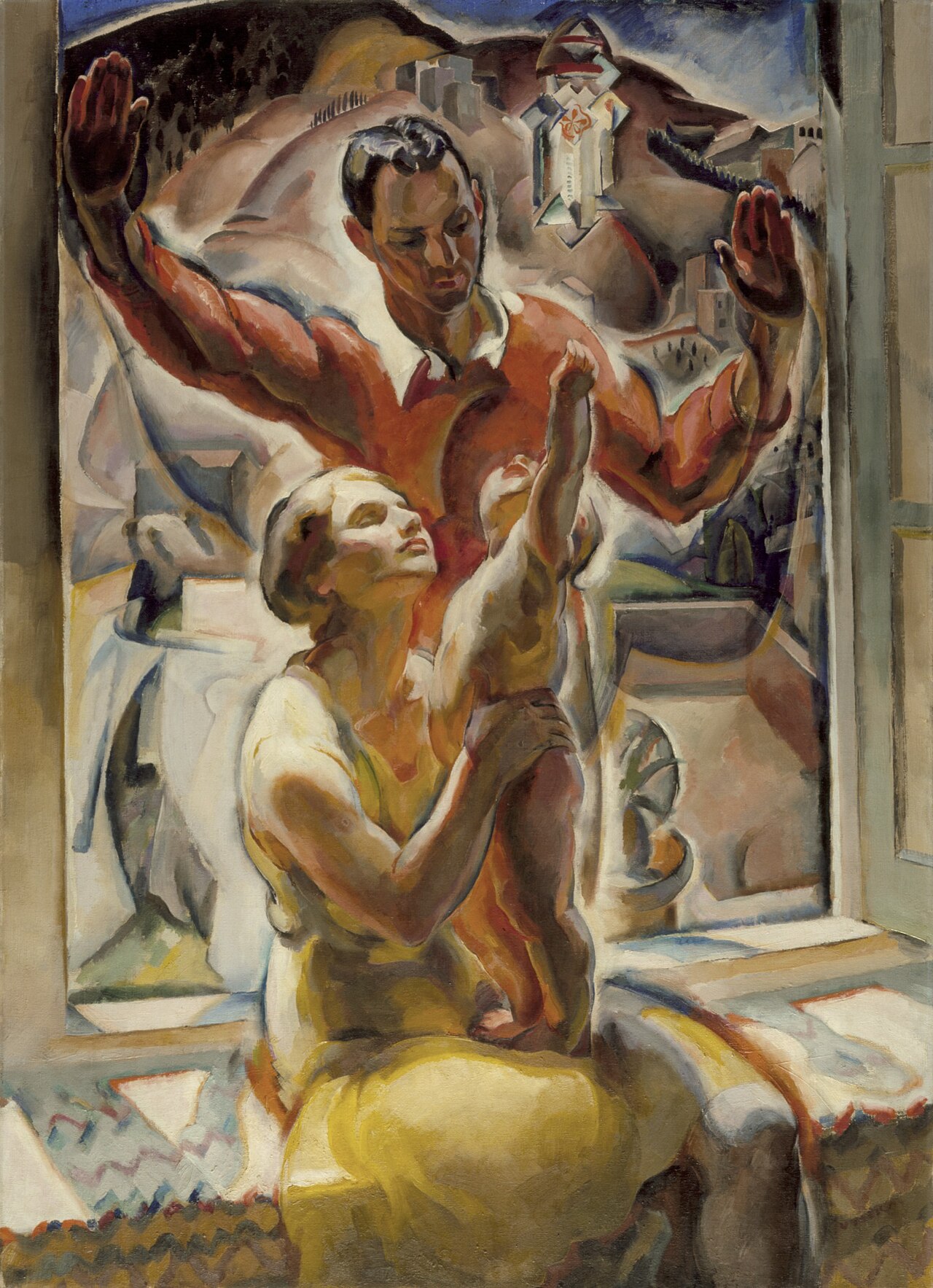
Los Angeles County Museum of Art · wikidata.org
Public domain
Wikipedia doesn't say much beyond names — apparently this is a real family, painted by a Czech-born LA artist who mixed hard cubist edges with a hazy hill-town backdrop.
Erisava: What's the story here — a blessing, a photo op, something else?
Vrouwelijk naakt met hand op het hoofd by Theo van Doesburg, 1917
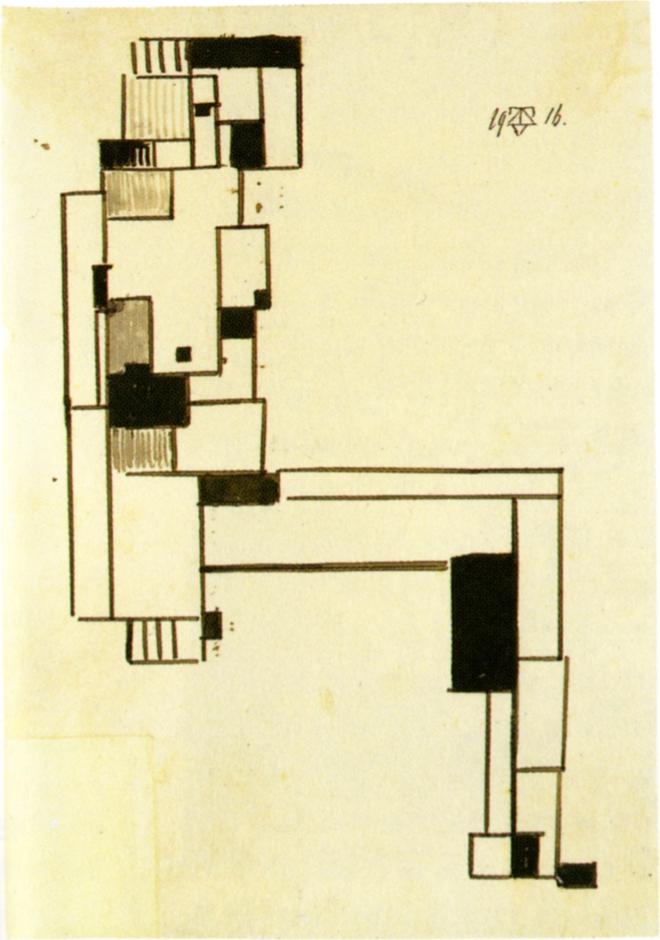
Rijksmuseum · wikidata.org
Public domain
Apparently this is one of a series where van Doesburg took a nude model and kept flattening her into blocks and lines, step by step, until almost nothing human was left — part of what pushed him toward the grid paintings De Stijl is known for.
Erisava: Does this look like a person to you?
Sleeping Gypsy by Robert Falk, 1910
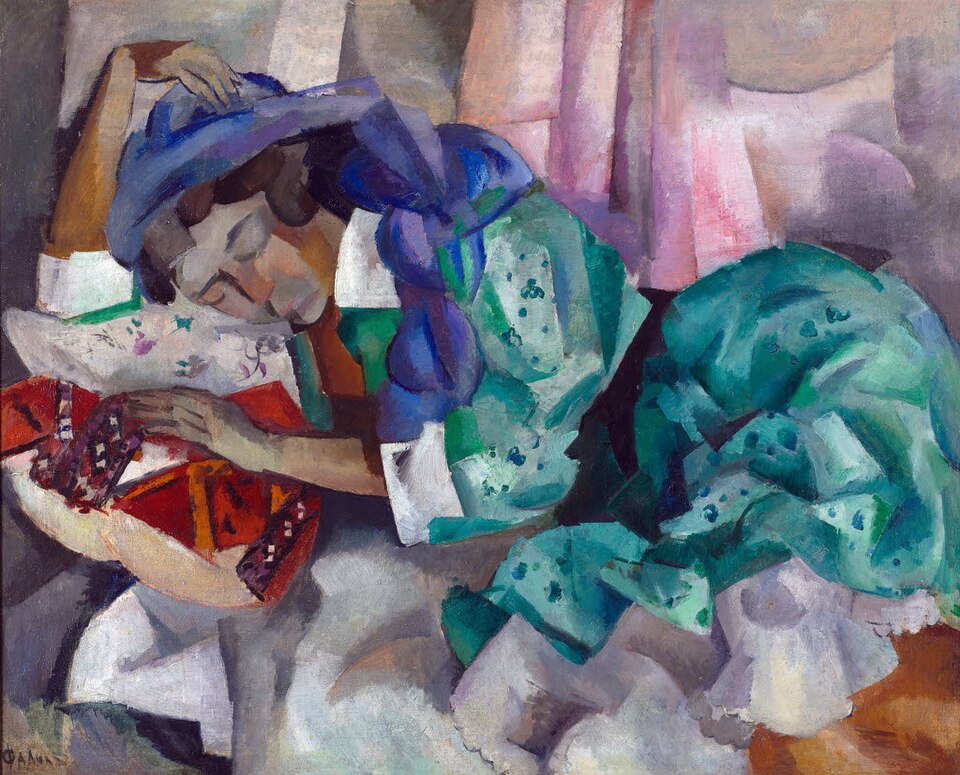
Cleveland Museum of Art · wikidata.org
Public domain
They say he mixed the loose, bright color of the Fauves with the more broken-up shapes of the Cubists, and ran with a Moscow group trying to fuse that French style with older Russian folk prints.
Erisava: I can't tell where her arm ends and the fabric starts.
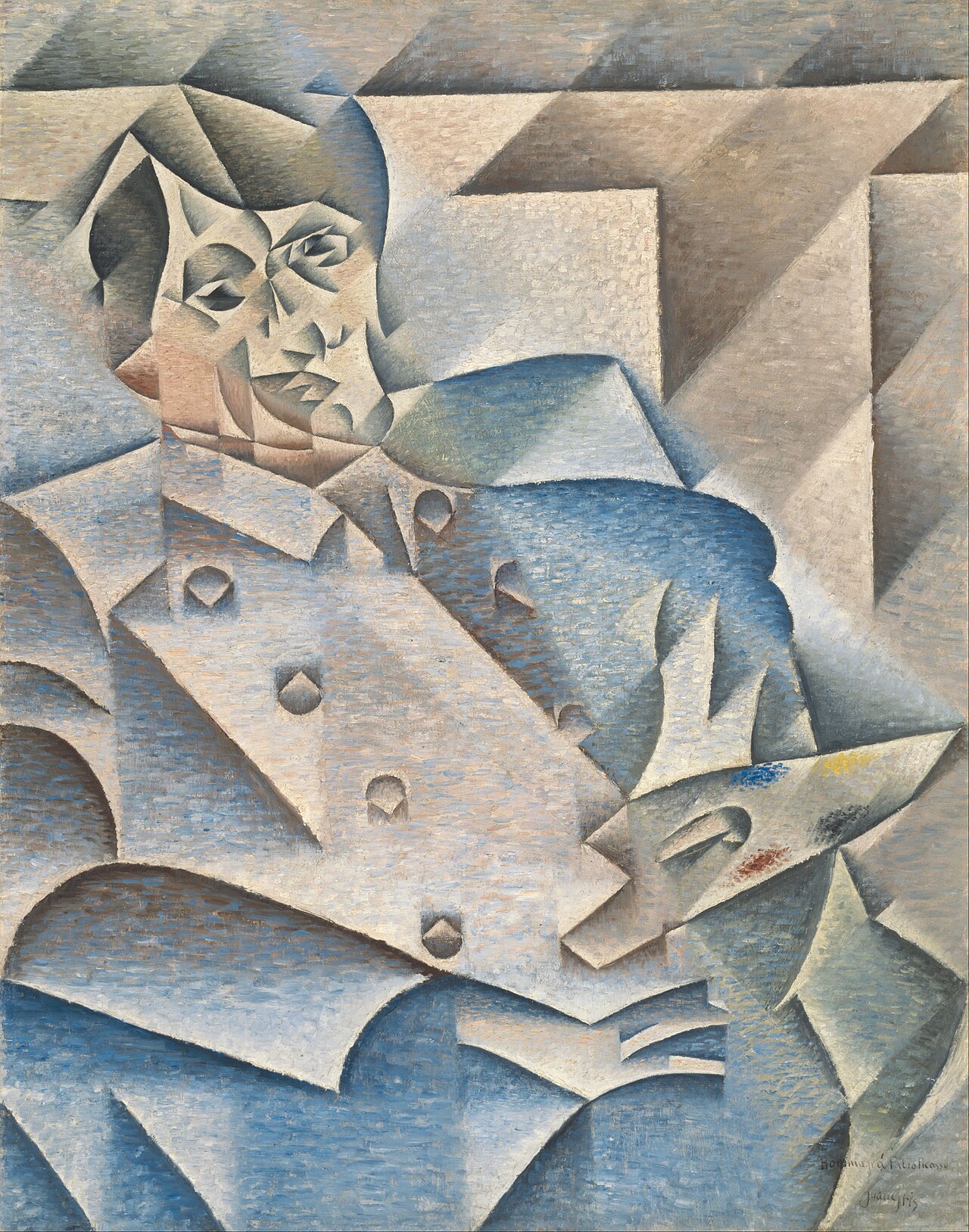
Portrait of Pablo Picasso by Juan Gris, 1912
Art Institute of Chicago · wikidata.org
Public domain
Gris was close with Picasso in Paris and got called his disciple early on — not exactly a compliment, from what I can tell, but he'd carved out his own geometric style by the time he painted this one.
Erisava: Is this actual skill, or just a lot of careful lines?
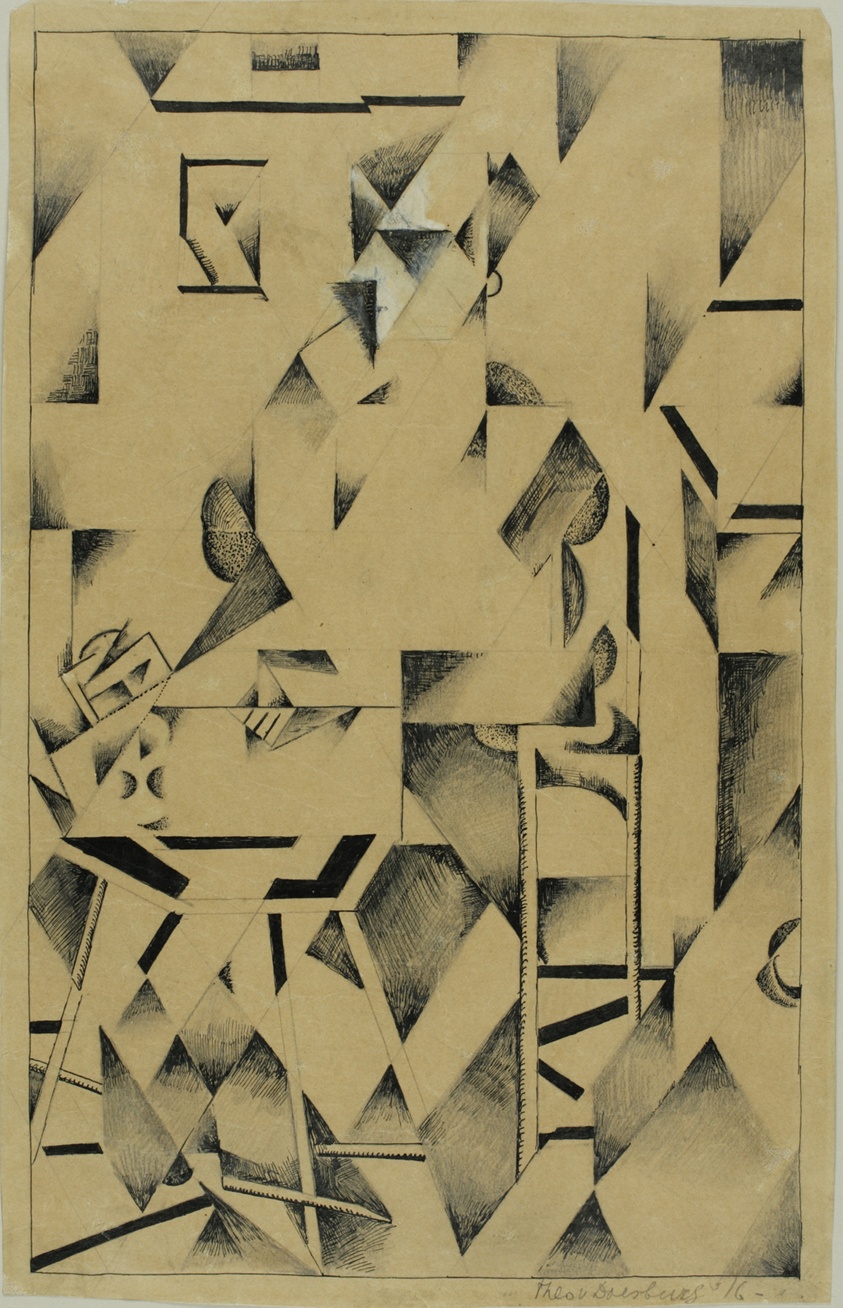
Lena in interieur by Theo van Doesburg, 1917
Art Institute of Chicago · wikidata.org
Public domain
Before he helped start De Stijl, van Doesburg apparently spent a stretch working through Cubism, breaking a room and a figure down into flat, overlapping planes like this one. It's one of the pieces people use to trace how he got from drawing people to painting nothing but lines and blocks.
Erisava: Could you tell this is a room without being told?
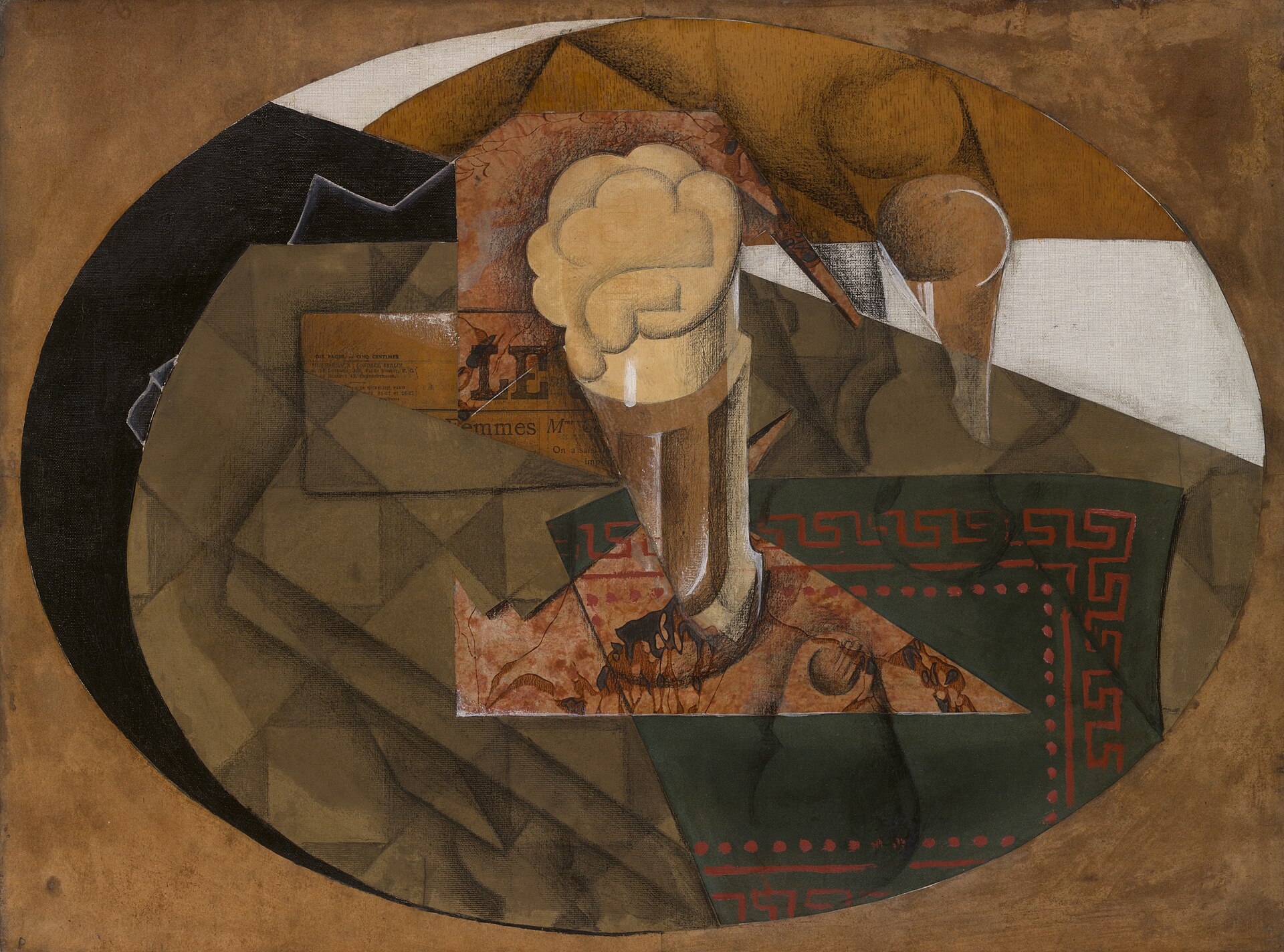
The Glass of Beer by Juan Gris, 1914
Art Institute of Chicago · wikidata.org
Public domain
They say Gris started gluing in real newspaper scraps around 1913, following what Picasso and Braque had already been doing — this one keeps a strip of actual print sitting right next to the painted glass. The oval shape wasn't the usual choice either; most still lifes from this crowd were square or rectangular.
Erisava: This looks more like a scrapbook page than a painting.
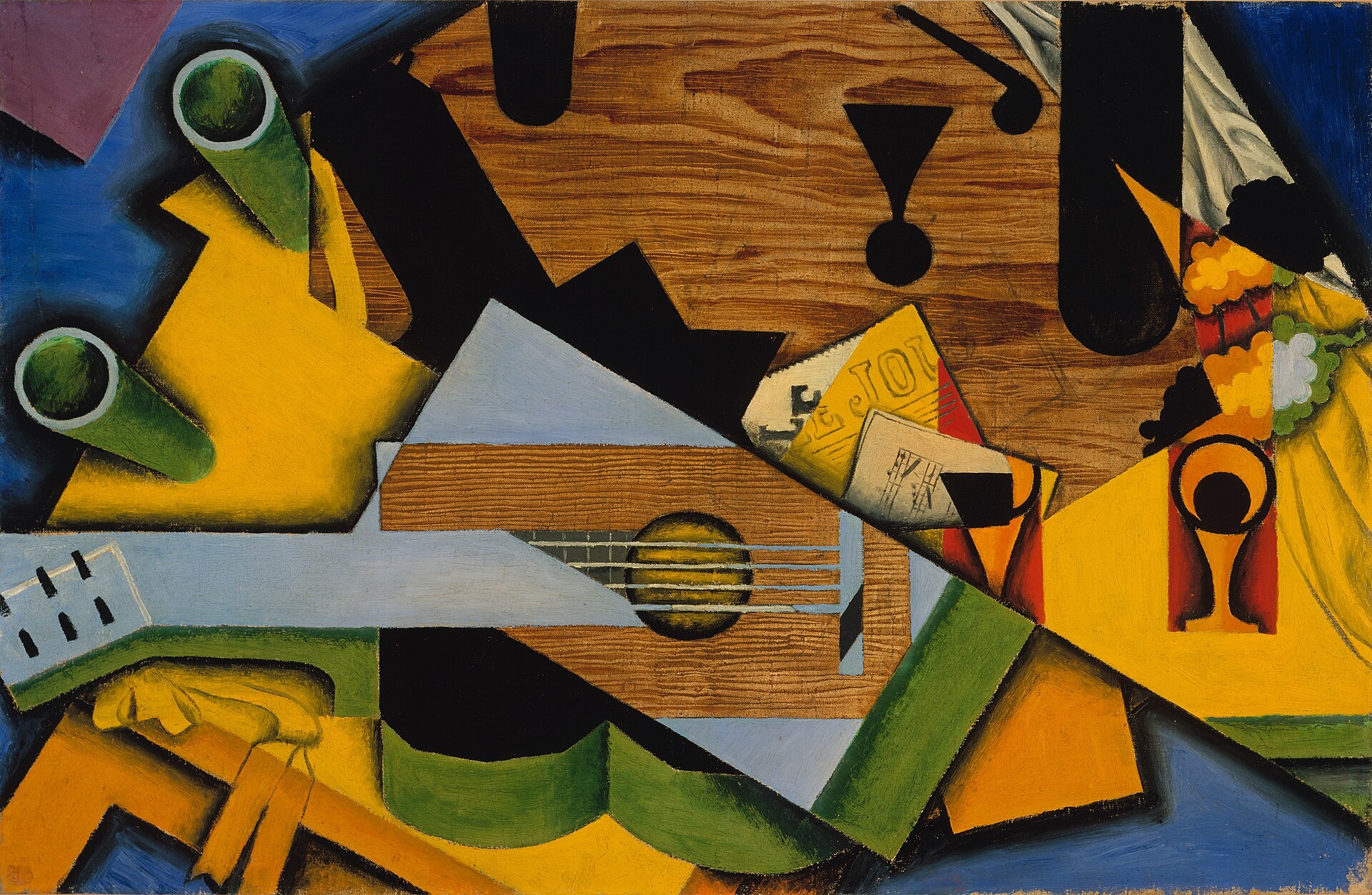
Still Life with a Guitar by Juan Gris, 1913
Metropolitan Museum of Art · wikidata.org
Public domain
Apparently the wood-grain pattern here is painted, not real wood or glued paper — Gris copying the collage tricks other Cubists were doing with actual materials, just with a brush. The guitar and the newspaper masthead show up together a lot in this circle's still lifes.
Erisava: Is there actually a guitar hiding in this mess, or not?
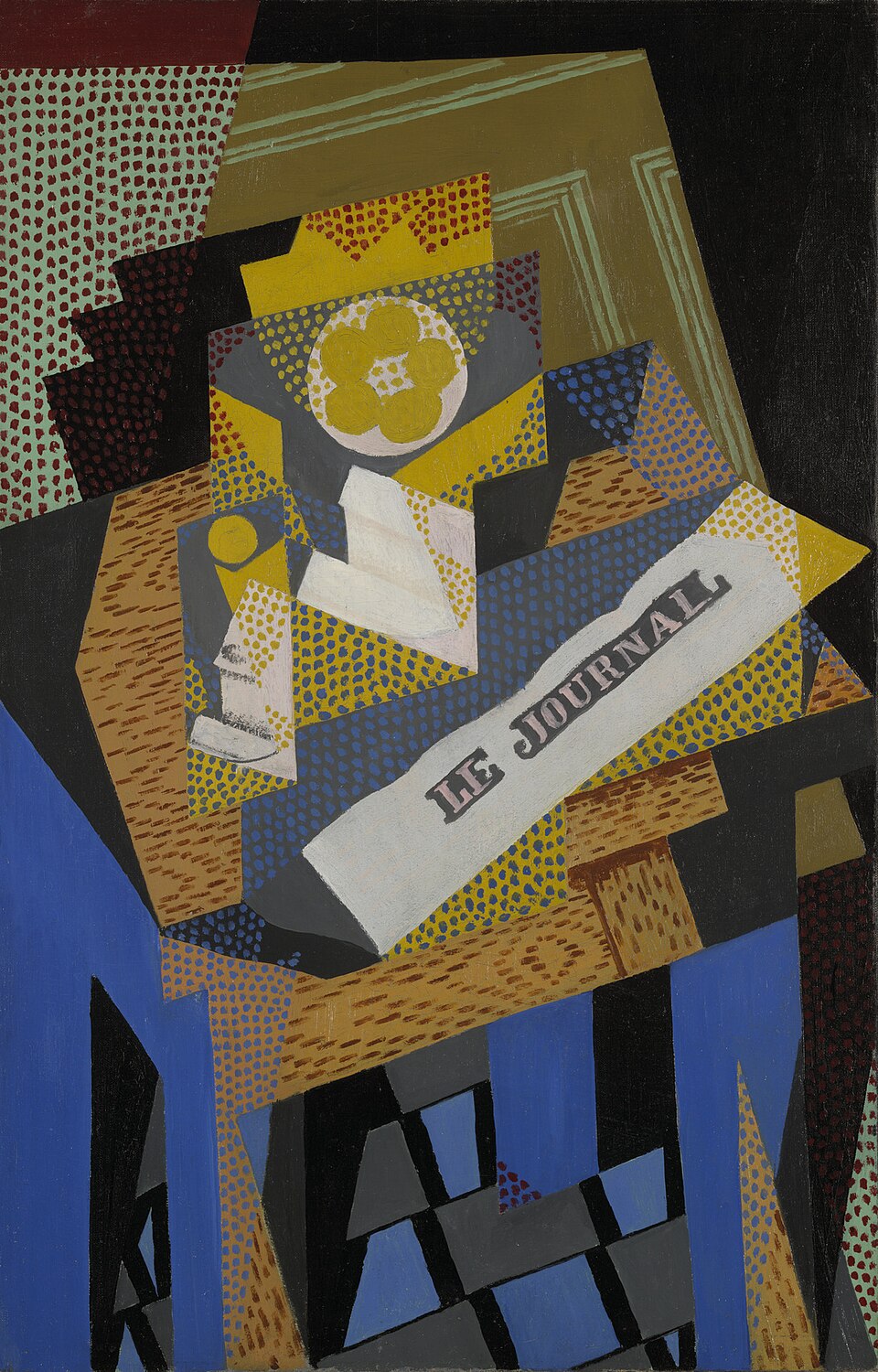
Newspaper and Fruit Dish by Juan Gris, 1916
Yale University Art Gallery · wikidata.org
Public domain
Le Journal was a real Paris daily, apparently the one everybody read — and this crowd of painters stuck it into picture after picture, so often it's practically a signature.
Erisava: The newspaper I get. Somebody talk me through the rest.
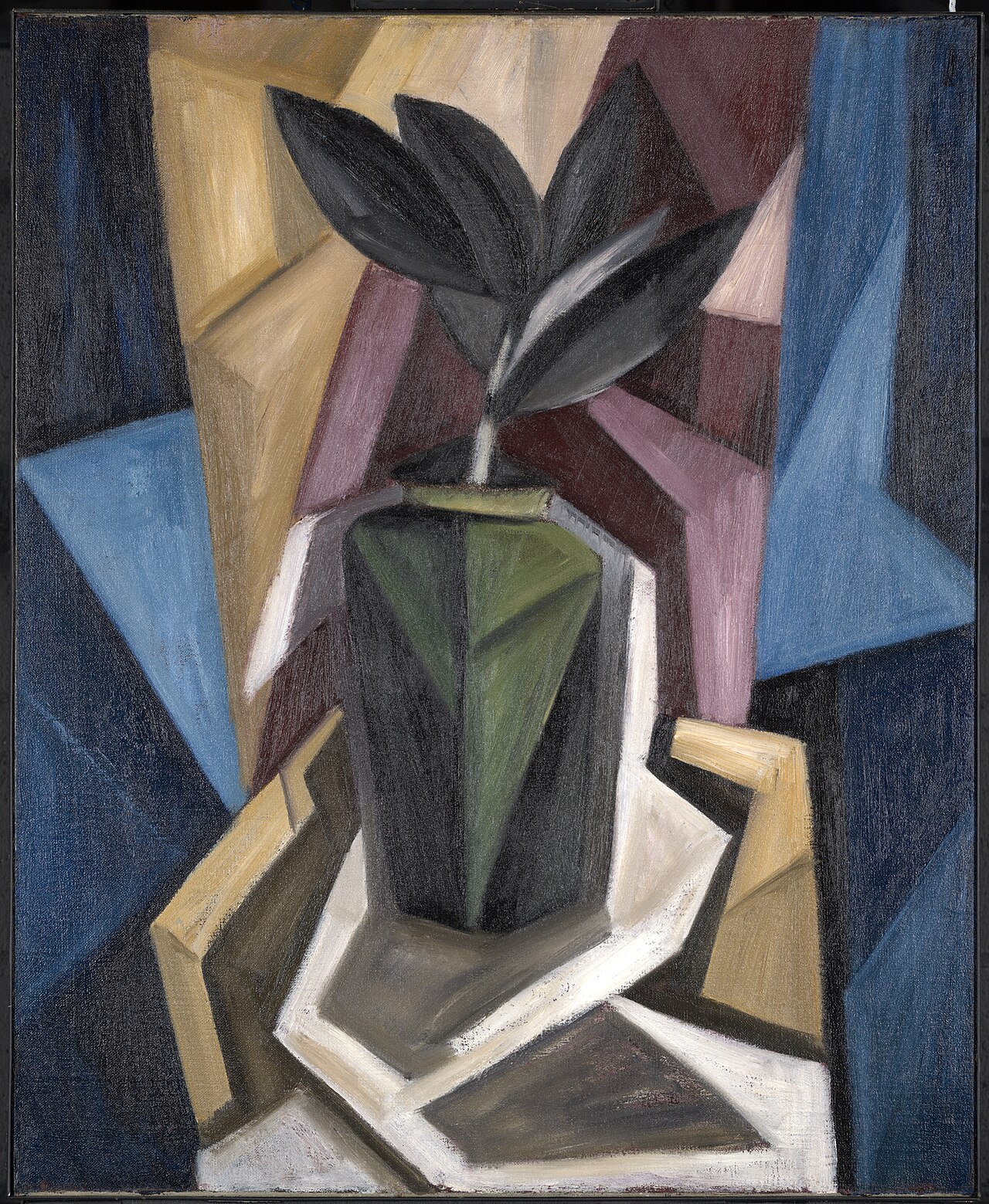
Rubber Plant by Marsden Hartley, 1920
Yale University Art Gallery · wikidata.org
Public domain
From what I could find, he'd spent years in Europe with the modernist crowd before coming home and painting ordinary American stuff this way. And a rubber plant was about as ordinary as it got — supposedly they sat in every boarding-house window back then.
Erisava: I get the houseplant but not the space around it. Maybe that's the real subject.
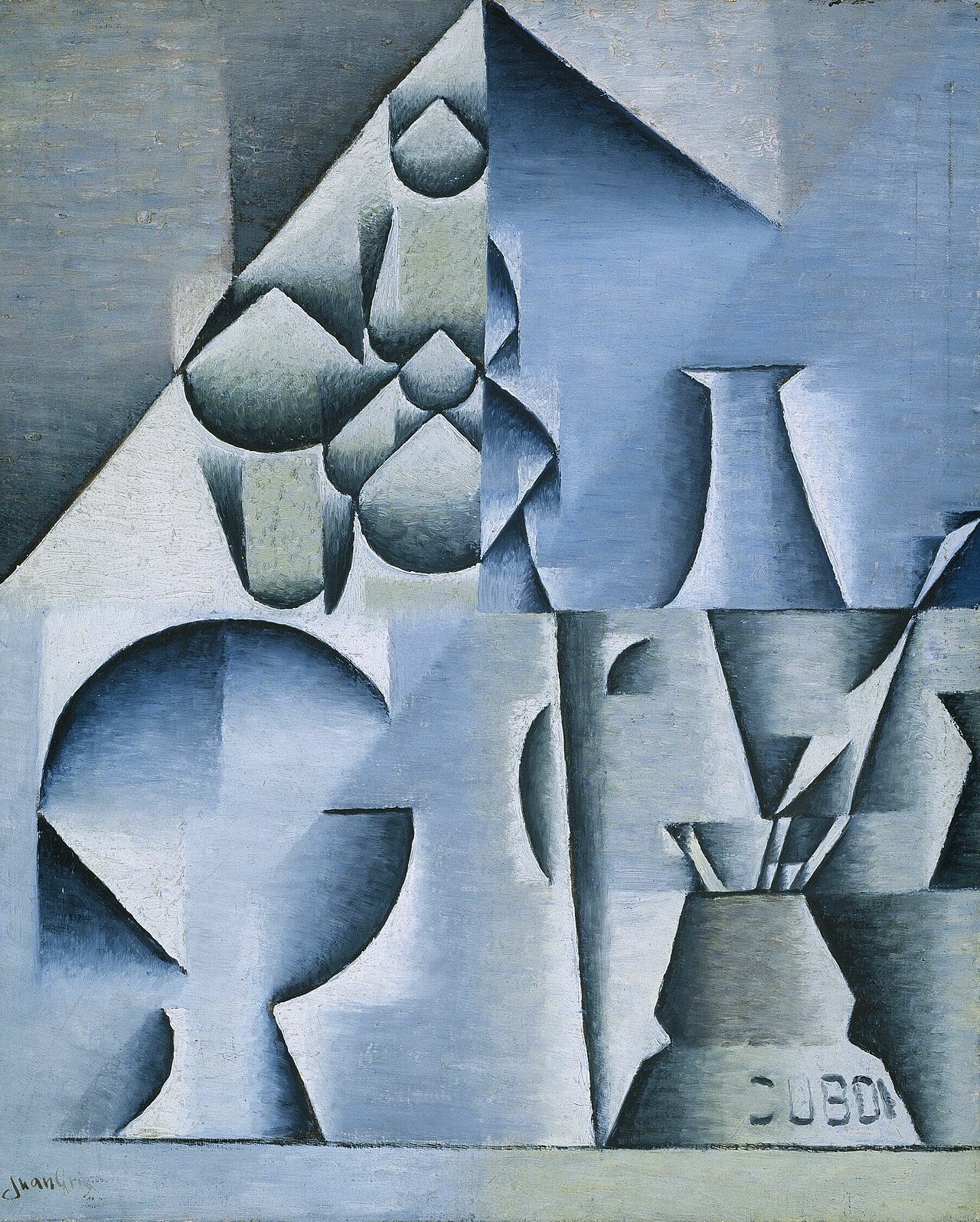
Table at a Café by Juan Gris, 1912
Art Institute of Chicago · wikidata.org
Public domain
The letters spelling 'DUBO' are part of a real liquor ad — cubists liked pasting bits of advertising text right into their paintings.
Erisava: It's called a café table. I just see grey triangles.
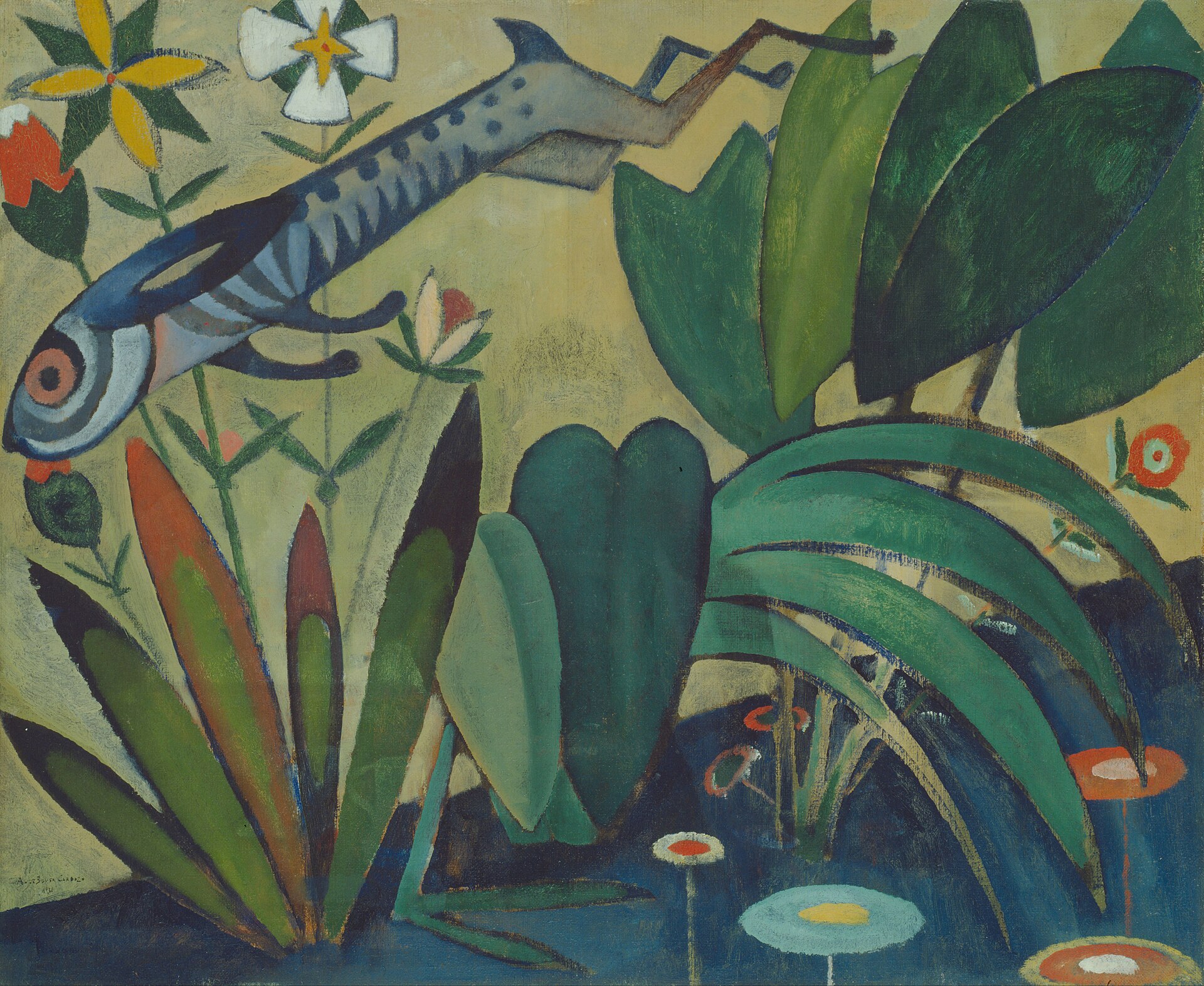
The Leap of the Rabbit by Amadeo de Souza Cardoso, 1911
Art Institute of Chicago · wikidata.org
Public domain
Nobody's sure why this canvas is named after a rabbit — the creature reads more like a stylised fish leaping through the foliage, and both readings have defenders.
Erisava: Does this actually look like a rabbit to you?