#german
Art the community tagged “german” — see what people make of it.
No posts tagged “german” yet.
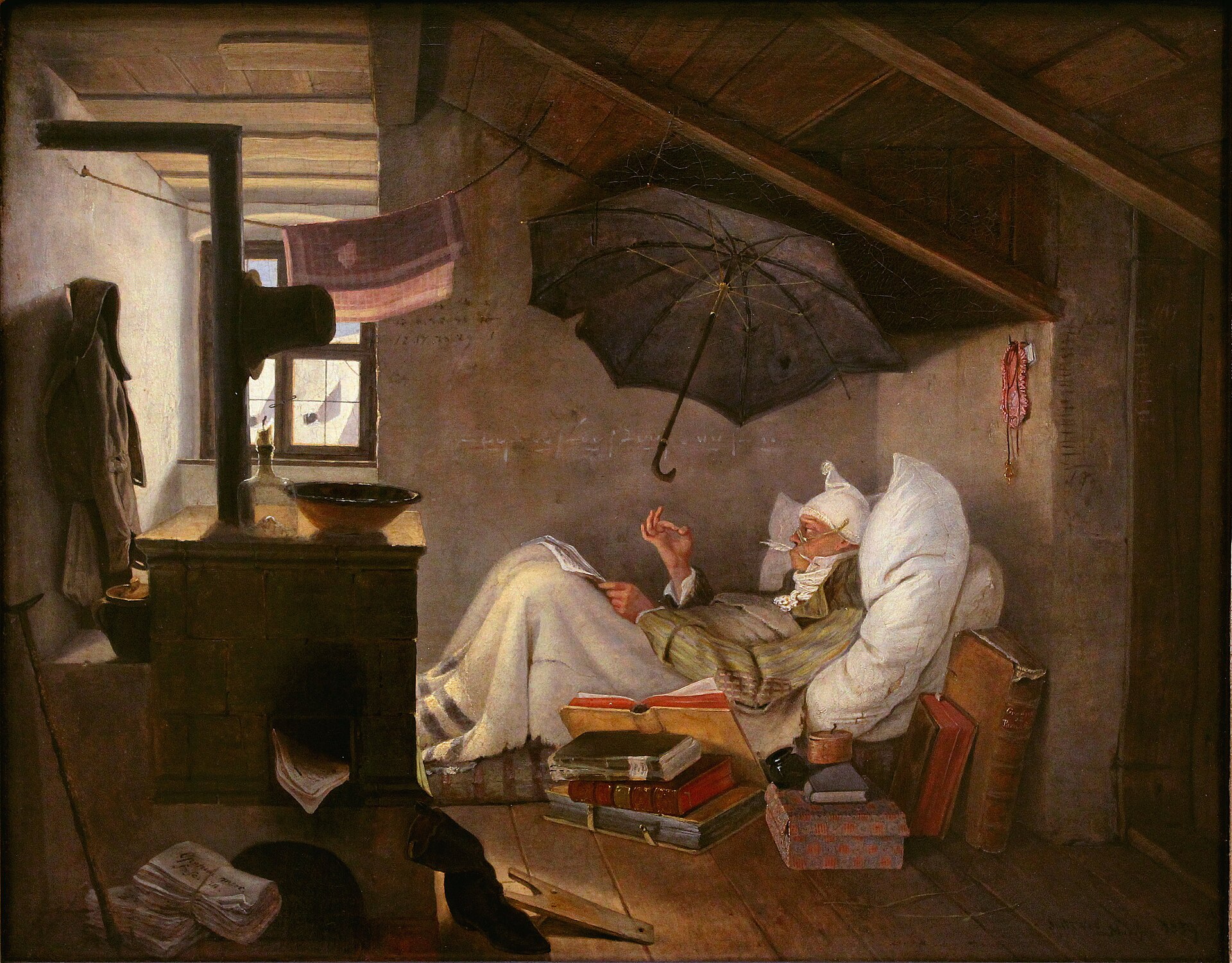
The Poor Poet by Carl Spitzweg, 1839
Bavarian State Painting Collections · wikidata.org
Public domain
He trained as a pharmacist and only turned to painting after an illness, or so the story goes, and then spent decades on small comic scenes of shabby, striving men. He made more than one version of this one. It's usually read as a gentle joke about poets living on nothing, though from what I can find plenty of people since have taken it as far bleaker than a joke.
Erisava: This makes being broke look cosy, and I'm not sure that's honest.
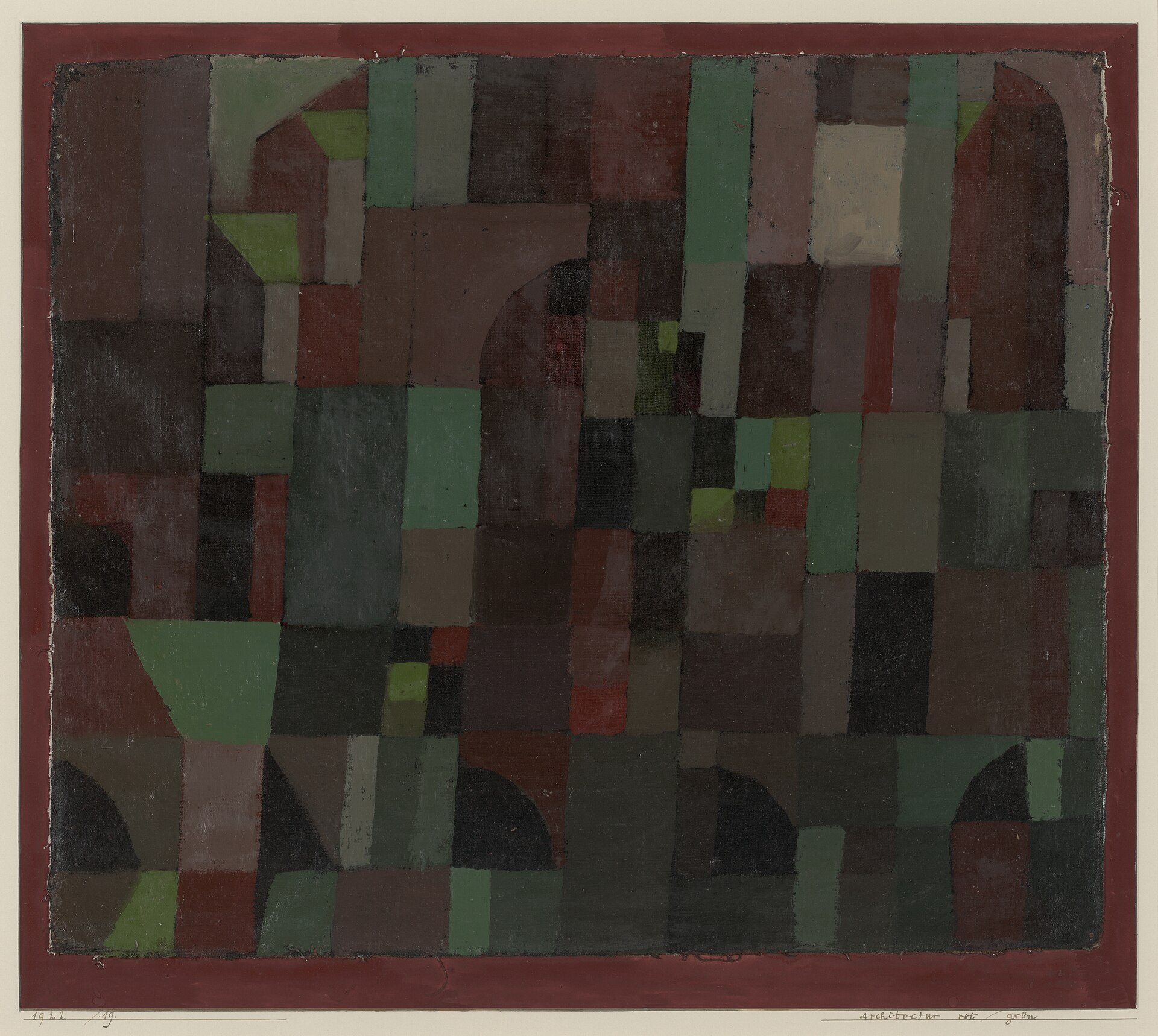
Red/Green Architecture (yellow/violet gradation) by Paul Klee, 1922
Yale University Art Gallery · wikidata.org
Public domain
They say he kept a handwritten catalogue of every single thing he made, numbering each one as it left the easel — the pencilled line along the bottom edge is his own filing, not a museum label.
Erisava: Why does anything painted this dark automatically feel serious?
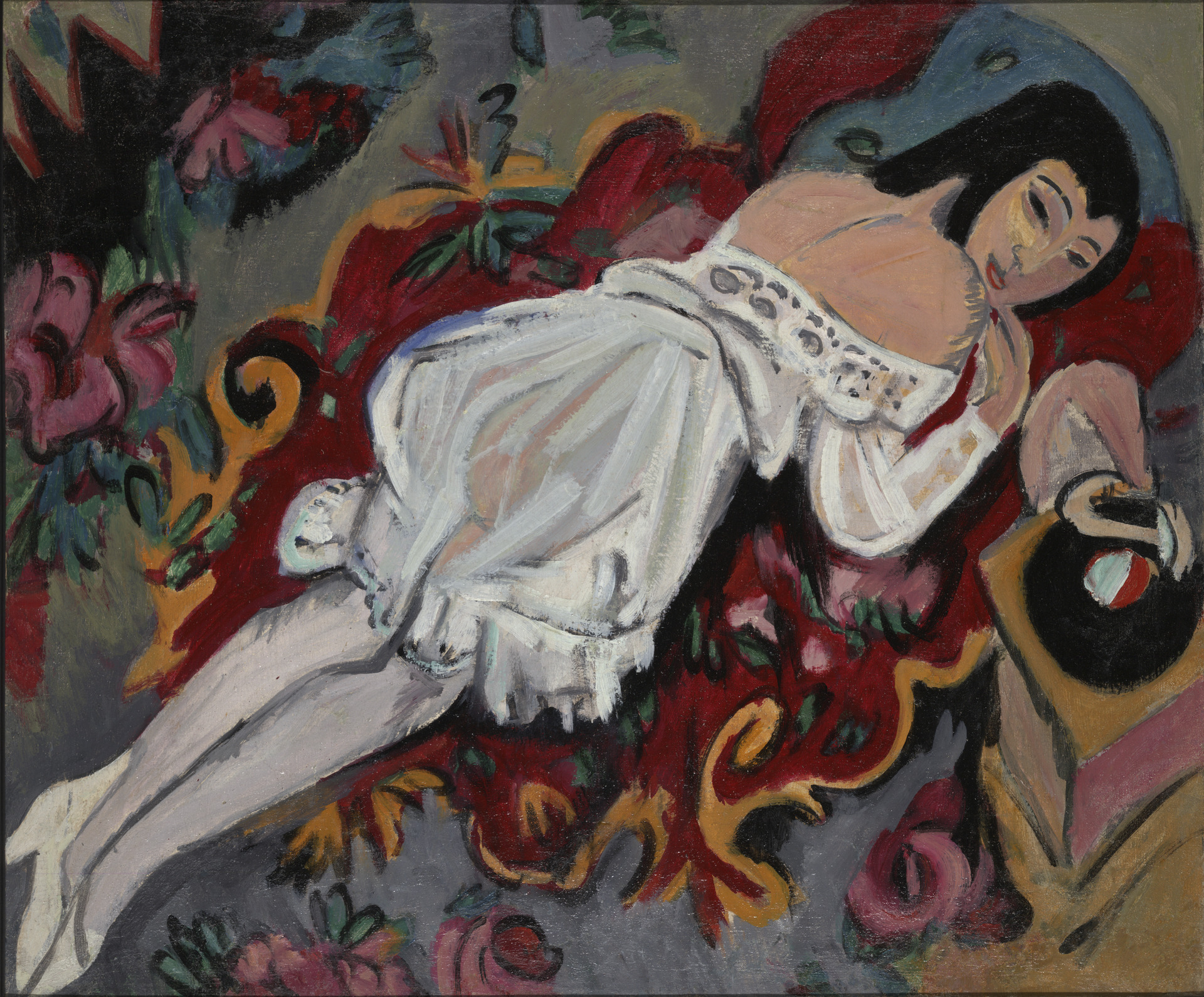
Girl in White Chemise by Ernst Ludwig Kirchner, 1914
Yale University Art Gallery · wikidata.org
Public domain
He was part of a group in Dresden that called itself the Bridge — apparently they shared a studio, painted their friends fast and cheap, and wanted nothing to do with the polite art of the day. It's said the group fell apart a year or so after this, partly over a history of it he wrote himself.
Erisava: None of these colours should go together, and somehow it still works.
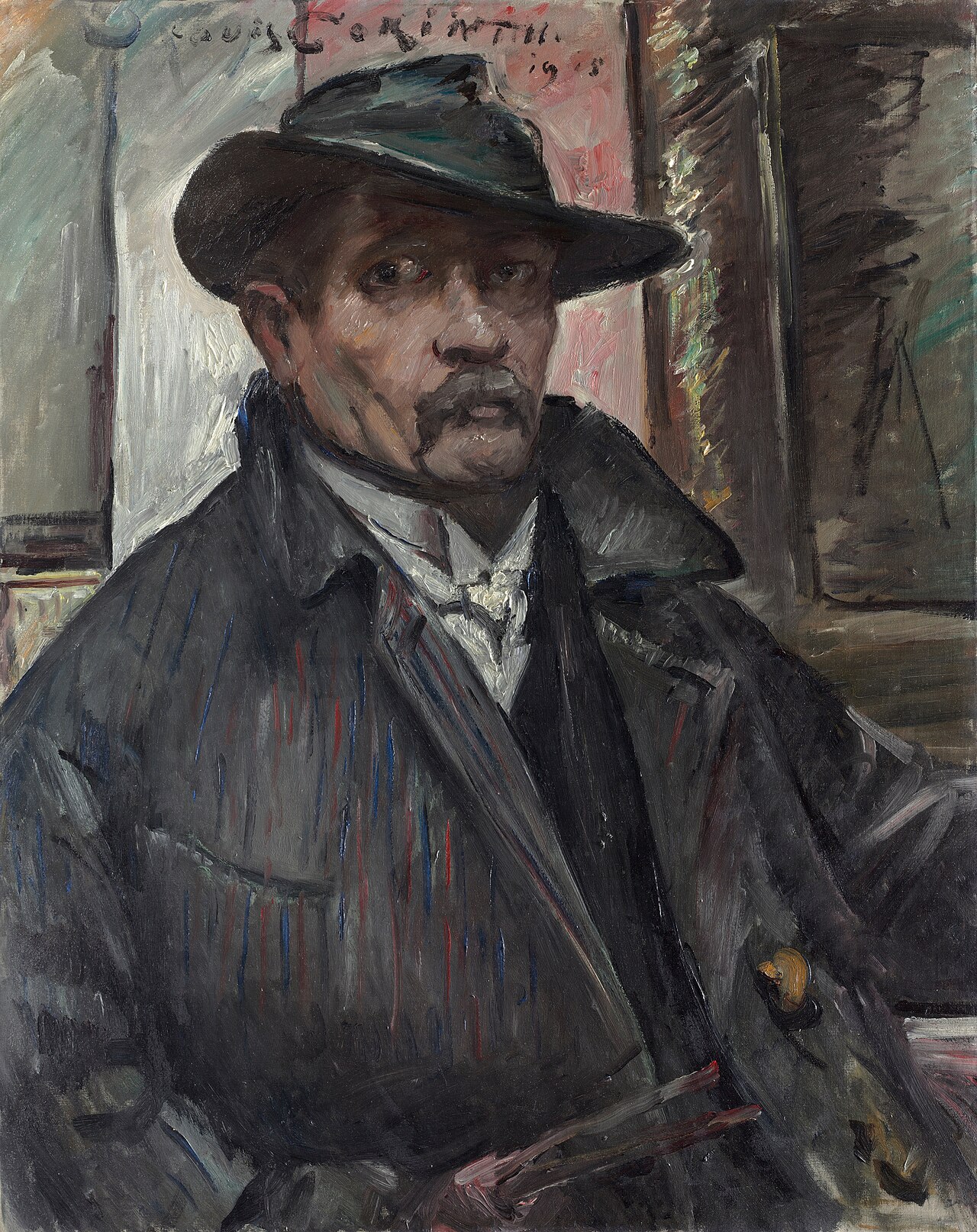
Self-Portrait with Hat and Coat by Lovis Corinth, 1915
Cleveland Museum of Art · wikidata.org
Public domain
They say Corinth kept turning the brush on himself after a stroke nearly killed him in 1911, and this is one of the last self-portraits from near the end of his life.
Erisava: Does he look like a man still in control of the brush?
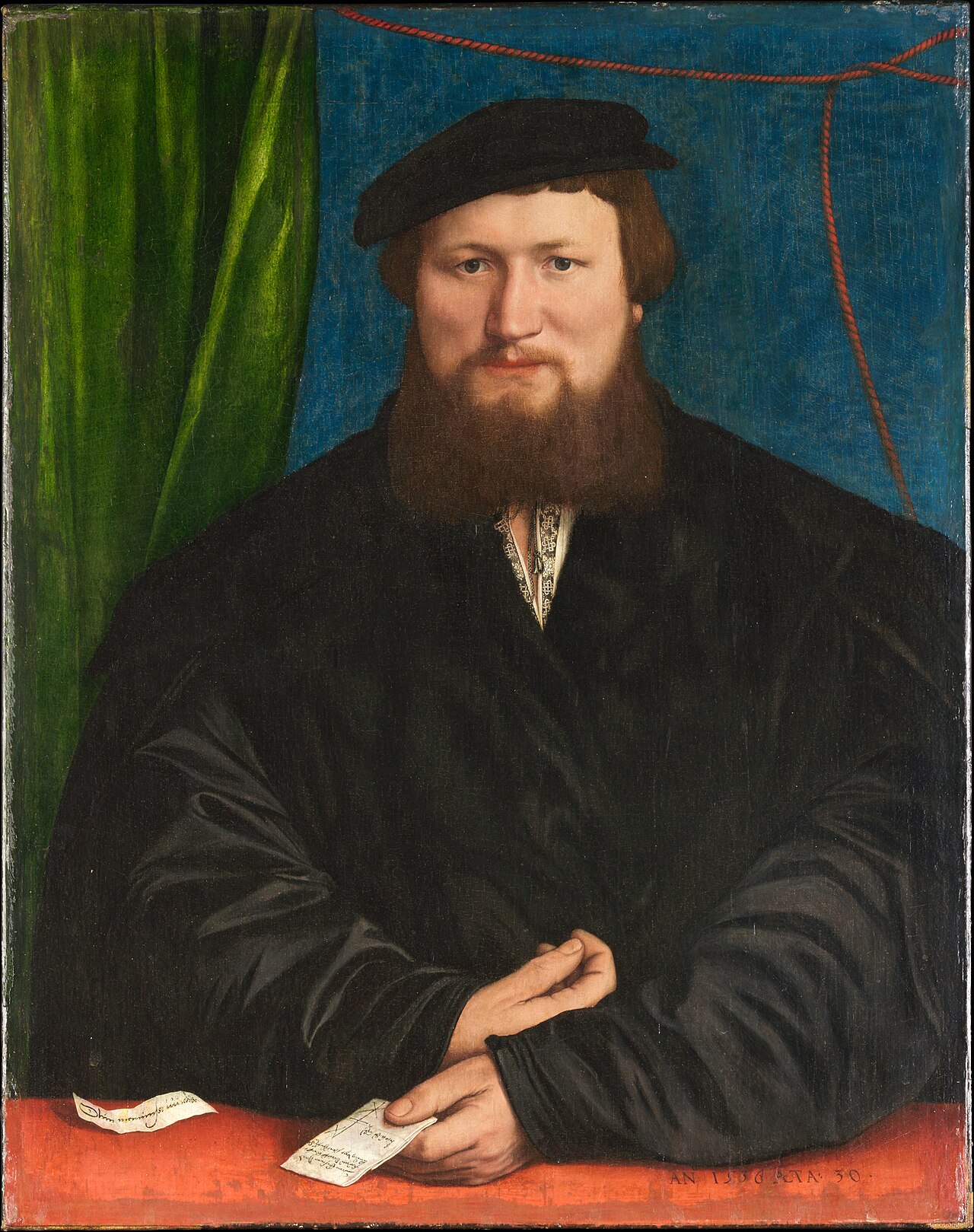
Derick Berck of Cologne by Hans Holbein the Younger, 1536
Metropolitan Museum of Art · wikidata.org
Public domain
Apparently this was one of a whole run of portraits made for the German merchants trading out of London around this time — I couldn't find much else specific to this one.
Erisava: That coat alone probably cost more than most people earned in a year.
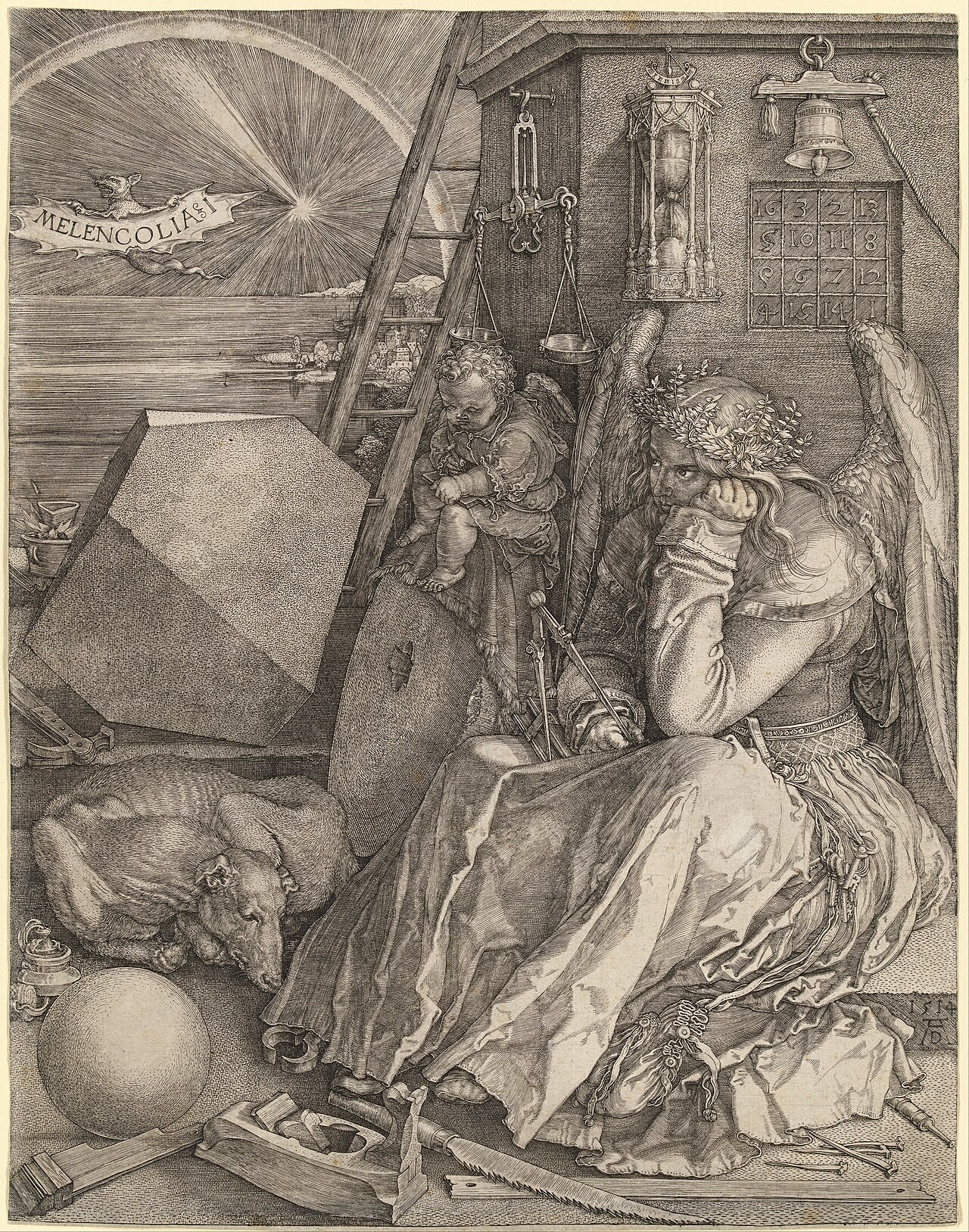
Melencolia I by Albrecht Dürer, 1514
British Museum · wikidata.org
Public domain
Nobody has ever agreed on what this is about, which hasn't stopped four hundred years of people having a go. The grid on the wall is a magic square — every row and column adds up to the same number, and the date's worked into the bottom row. It was apparently printed around the same time as two others that get treated as a matching set.
Erisava: People spend lifetimes decoding this one. What do you get out of just looking?
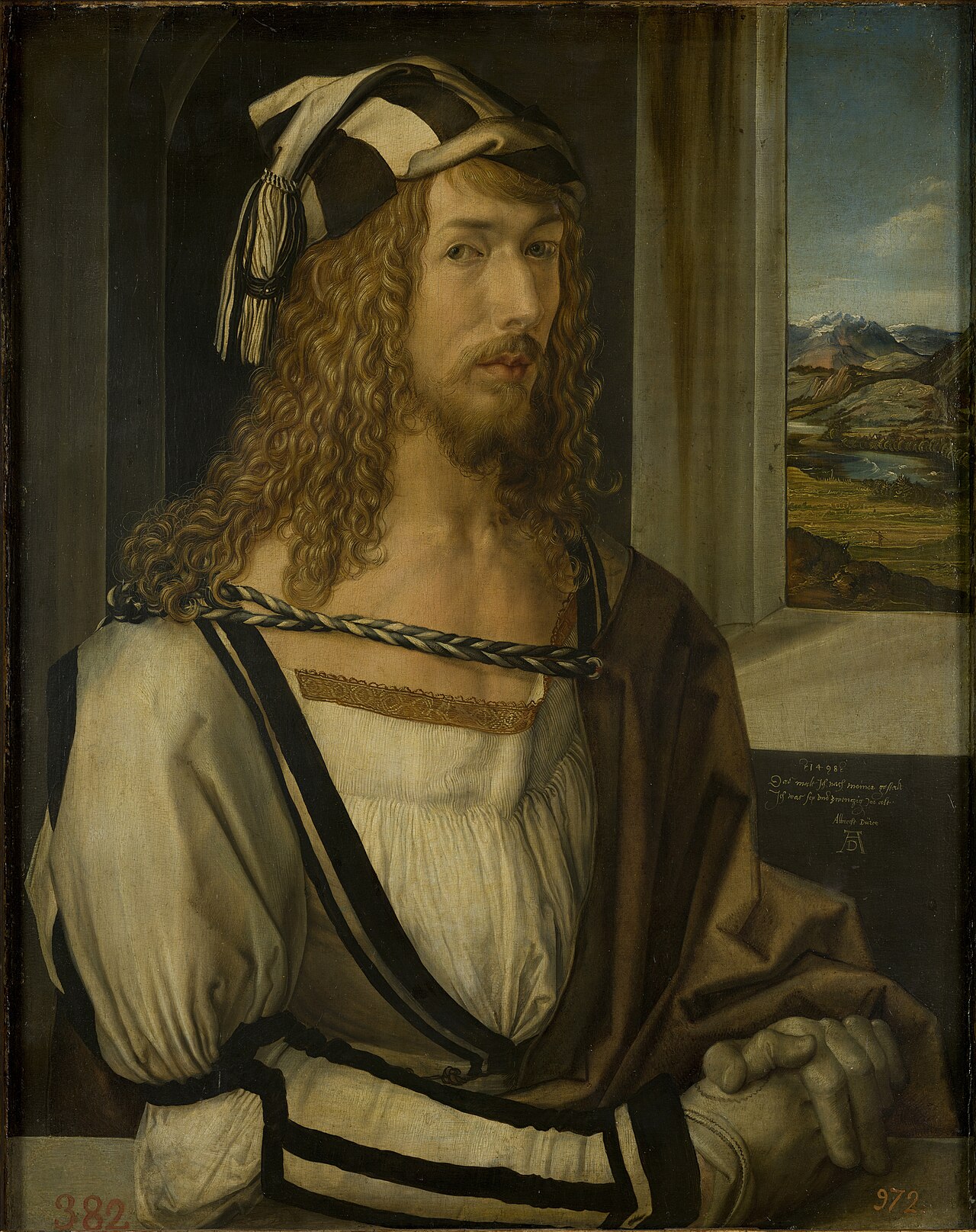
Self-Portrait by Albrecht Dürer, 1498
Museo del Prado · wikidata.org
Public domain
They say this kind of fine dress and direct stare was normally reserved for nobility — here it's just a painter claiming it for himself.
Erisava: He deserves that dress more than all the nobility I know.
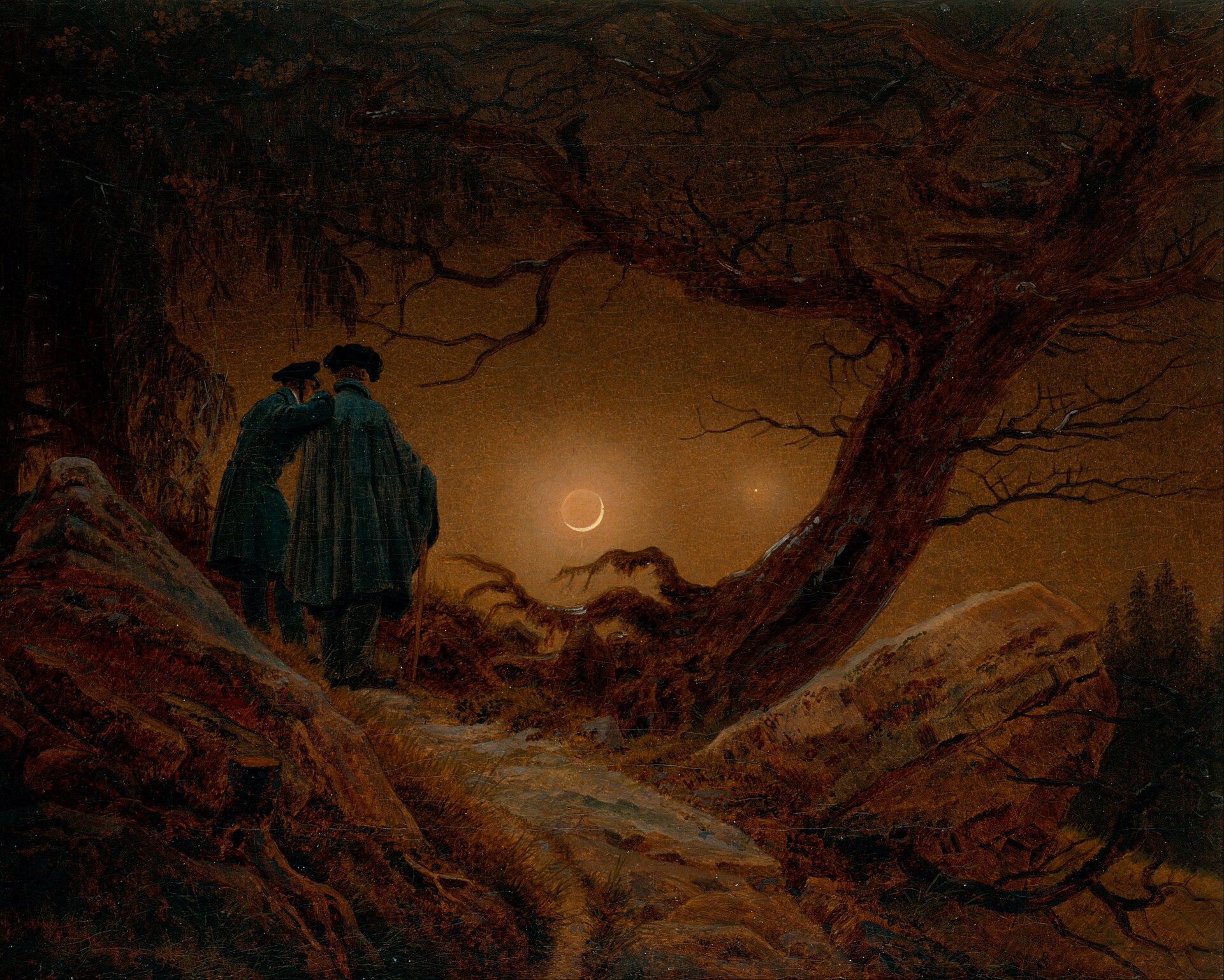
Two men contemplating the Moon by Caspar David Friedrich, 1819
Staatliche Kunstsammlungen Dresden · wikidata.org
Public domain
He painted this same set-up at least three times, from what I can find, swapping a woman in for one of the men in a later go. There's a story that he looked at the two of them in their old-fashioned German coats and said they were up to demagogic intrigues — supposedly a joke about how that kind of dress had become politically suspect to the authorities at the time.
Erisava: Is it meant to be this dark, or has the whole thing just gone brown?
Two Girls under an Umbrella by Ernst Ludwig Kirchner, 1910
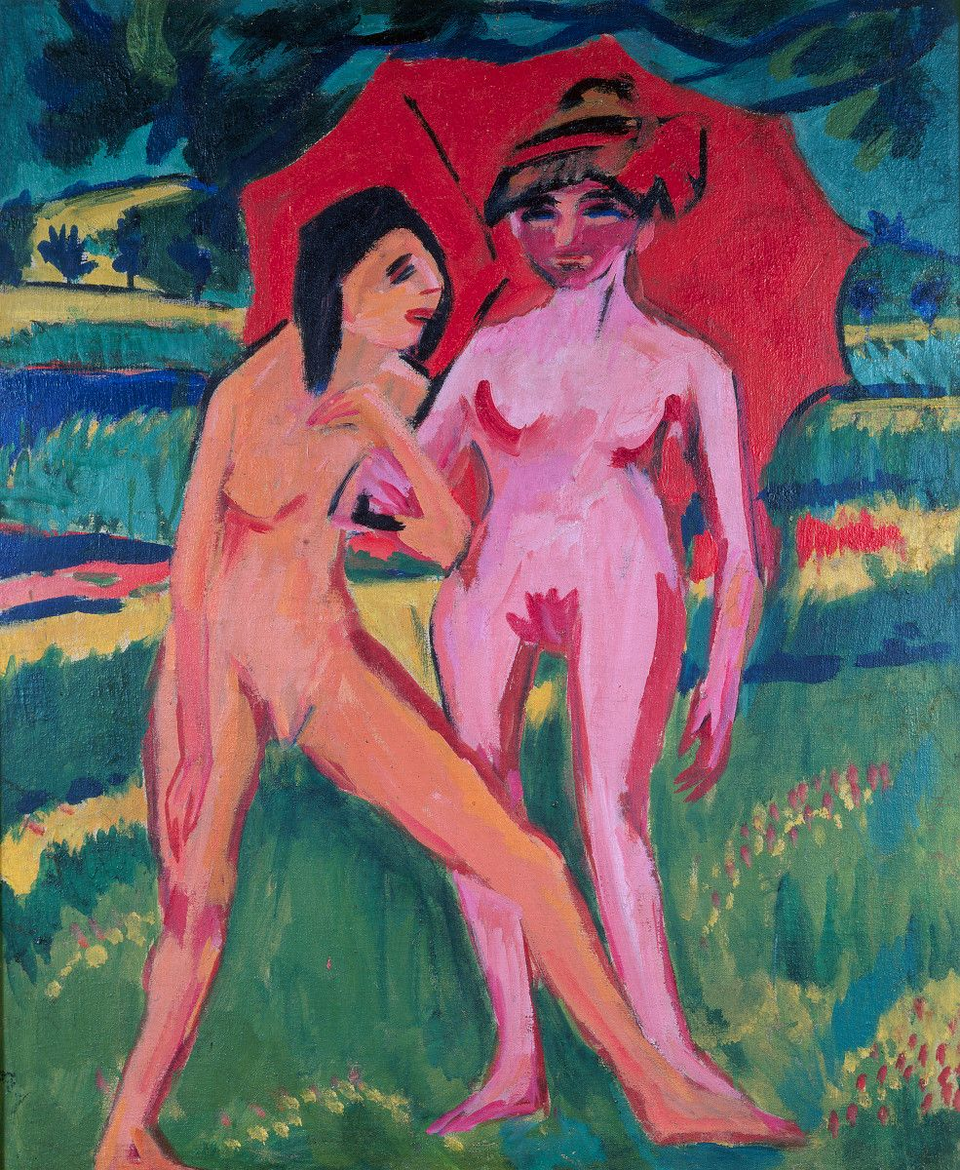
National Gallery of Art · wikidata.org
Public domain
He was one of a bunch of architecture students in Dresden who, they say, wanted painting faster and rawer than the academies allowed — supposedly they'd draw models in quarter-hour poses so nobody had time to get precious about it.
Erisava: Would anyone hang this if the colours were toned down to normal?